1 The Power of Intentional Minimalism: Clearing Visual Clutter
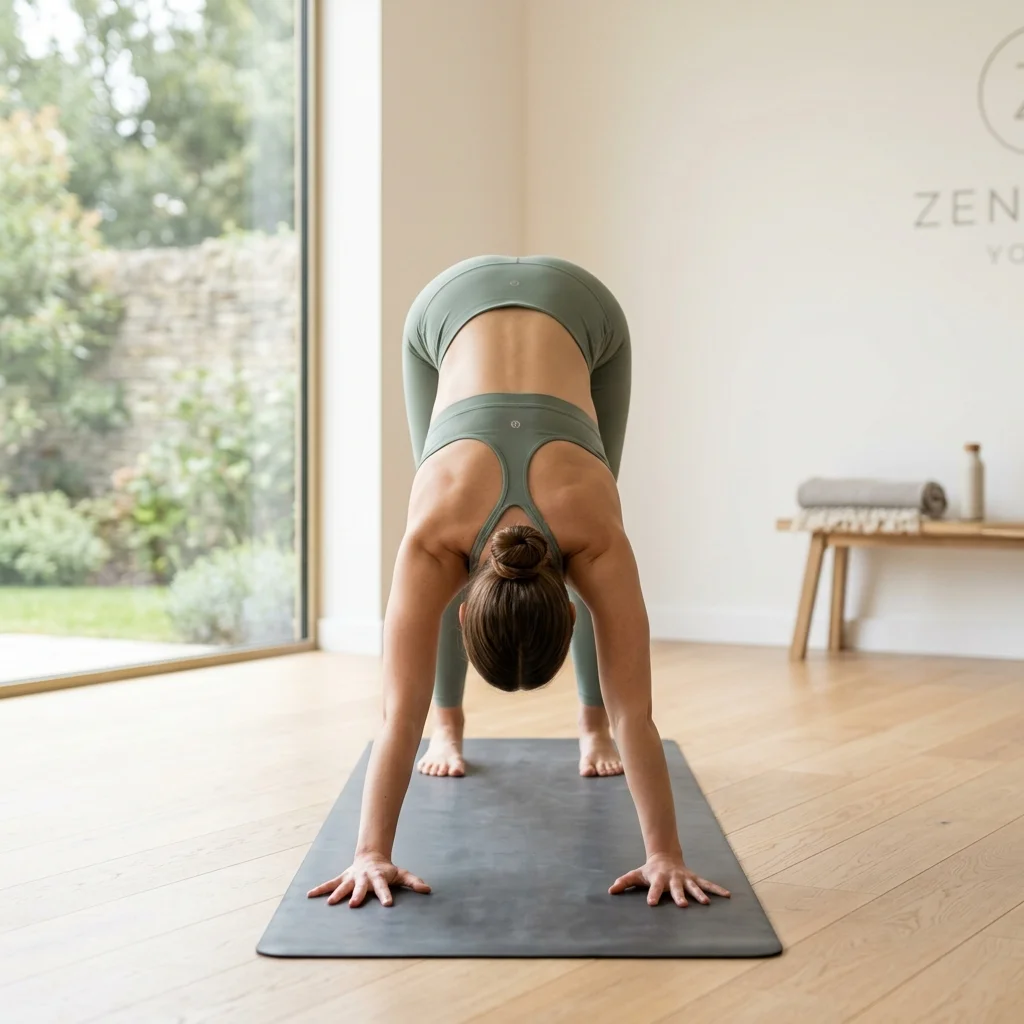
The fundamental foundational rule of creating a sacred space is absolute decluttering. In ancient Eastern architecture (Vastu Shastra and Feng Shui], physical clutter is viewed as stagnant energy that obstructs the natural flow of prana (life force]. When your eyes observe piles of paperwork, tangled electronic cords, or miscellaneous household items, your brain must expend subconscious cognitive energy processing those visual stimuli.
Key Details & Technique
- Select a: specific corner or small nook in your home and ruthlessly clear away everything that does not directly support your practice or peace of mind.
- Keeping this: dedicated space immaculately clean signals deep self-respect and reverence for your daily practice.
- For tips: on establishing a daily routine in your new space, read our beginner's guide to starting a daily yoga habit.
Pro Tip:
"If you must practice in a multifunctional room (like a home office or living room], use a beautiful folding Japanese shoji screen or room divider to instantly conceal desks and electronics during your practice."
2 Illuminating Presence: Harnessing Natural and Warm Lighting
Lighting profoundly dictates the emotional resonance and autonomic nervous system response within any space. Harsh, overhead fluorescent lighting triggers cortisol production and visual fatigue, making deep relaxation nearly impossible. Whenever possible, position your yoga sanctuary near a window that receives gentle morning sunlight or soft afternoon glow.
Key Details & Technique
- For evening: practices or rooms without natural windows, incorporate warm, dimmable ambient lighting.
- Himalayan salt: lamps, beeswax candles, or warm-spectrum LED floor lamps create an exceptionally comforting, amber glow that invites deep introspection and calmness.
- Explore soothing: evening practices in our Yoga for Better Sleep Program.
3 Biophilic Design: Bringing Natural Elements Indoors
Humans possess an innate evolutionary affinity for the natural world—a psychological phenomenon known as biophilia. Introducing lush indoor plants into your yoga sanctuary not only purifies internal air quality but also visually connects your practice to organic growth, grounded earthiness, and effortless vitality.
Key Details & Technique
- Excellent low-maintenance: options for yoga spaces include snake plants (which release oxygen at night], peace lilies, golden pothos, and jade plants.
- Pairing living: plants with natural textures like jute rugs, woven bamboo baskets, or organic cotton props creates an exceptionally harmonious aesthetic.
- Build a: beautiful home practice with our complete Yoga Programs Library.
Pro Tip:
"Arrange your props (bolsters, blocks, and rolled blankets] inside a beautiful woven seagrass basket in the corner of your sanctuary. It keeps them organized while adding wonderful natural texture to the room."
4 Engaging the Senses: Aromatherapy and Soundscapes
To complete the immersive sensory experience of your home temple, incorporate gentle aromatherapy and acoustic soundscapes. The olfactory bulb in your brain connects directly to your limbic system, meaning specific essential oil scents can trigger immediate emotional shifts and neurological anchoring.
Key Details & Technique
- Diffuse organic: essential oils like grounding sandalwood or cedarwood for meditation, uplifting sweet orange or eucalyptus for morning Vinyasa flows, and soothing lavender or chamomile for evening restorative sessions.
- Pair this: with high-fidelity Tibetan singing bowl recordings or nature soundscapes.
- Discover mindful: lifestyle tips in our Yoga Blog.
5 Designing Your Personal Altar: A Focal Point for Intention
A personal altar does not need to be religious; it is simply a designated elevated surface—such as a low wooden bench, a floating shelf, or a beautiful tray—where you place meaningful objects that inspire your highest self and anchor your visual gaze (drishti] during meditation.
Key Details & Technique
- You might: place a favorite crystal, a fresh flower, a meaningful quote card, a singing bowl, or a photograph of an inspiring teacher on your altar.
- As you: sit before your altar each day, you reinforce the sacredness of your internal commitment.
- Explore step-by-step: meditation postures in our Yoga Poses Library.
Pro Tip:
"Keep a dedicated gratitude journal and a beautiful pen resting directly on your altar. Taking two minutes after your practice to write down three things you are grateful for seals your flow with profound joy."
✨ Summary & Next Steps
Designing an at-home yoga sanctuary is a beautiful act of self-love and intentional living that transforms your physical environment into an unwavering anchor for mental peace. By decluttering your visual surroundings, harnessing warm natural lighting, introducing lush biophilic plants, engaging your senses with aromatherapy, and crafting a personal altar of intention, you create an irresistible invitation to unroll your mat each day. Look around your home today and identify the corner waiting to become your sanctuary. Ready to inaugurate your new sacred space with a guided habit? Join our immersive 30-Day Beginner Yoga Challenge today!
Frequently Asked Questions
Elena Rostova
Elena Rostova is an accredited yoga educator and anatomy specialist with over 15 years of clinical experience. She focuses on functional biomechanics and injury prevention, translating complex anatomy into accessible guidance for safe, sustainable practice.