
Yoga for Beginners:
The Ultimate Starter Guide
Learn how to start practicing yoga at home regardless of your flexibility. This step-by-step beginner yoga guide covers essential equipment, the 8 foundational basic yoga poses, proper breathing techniques, and a complete 7-day starter routine.
Maya Lin
RYT-500 VerifiedFounder & Lead RYT-500 Certified Yoga Instructor • 12+ Years Teaching
The Honest Truth About Starting
Leave your misconceptions at the door. Here is what every beginner needs to hear before unrolling their mat.
"I'm not flexible enough."
Thinking you need to be flexible to start yoga is like thinking you need to be clean to take a shower. Flexibility is the result of the practice, not the prerequisite.
"I'm too old or out of shape."
Yoga is adaptable to absolutely every single body type and age. The golden rule: You modify the pose to fit your body, never your body to fit the pose.
"I don't know any of the poses."
No one does on their first day! The poses are just external shapes; the real practice is learning how to breathe while holding them.
"It seems too spiritual for me."
You can make your practice as spiritual or as strictly physical as you want. At its core, it is simply a tool for functional movement and nervous system regulation.
What is a yoga practice, actually?
At its core, a beginner yoga practice is simply the physical and mental discipline of linking functional movement with conscious breath. It is designed to build strength, increase flexibility, and regulate your nervous system.
What It Is NOT
-
It is not a religion. It is a secular physical practice available to absolutely anyone.
-
It is not just stretching. It requires deep core engagement, balance, and significant muscular endurance.
-
It is not just for flexible people. Professional athletes practice yoga specifically because they are stiff.
Your First Session
What does it actually look like?
Practically, you will step onto a mat in comfortable clothes. No special gear needed.
You will focus on breathing deeply through your nose, linking your breath to your movements.
You will move through 5 to 10 basic yoga poses (like lunges and seated stretches) at a very slow pace.
You will likely wobble, you might feel awkward, and then you will lie completely still for three minutes at the end. That is a successful practice.
What do you actually need to start yoga?
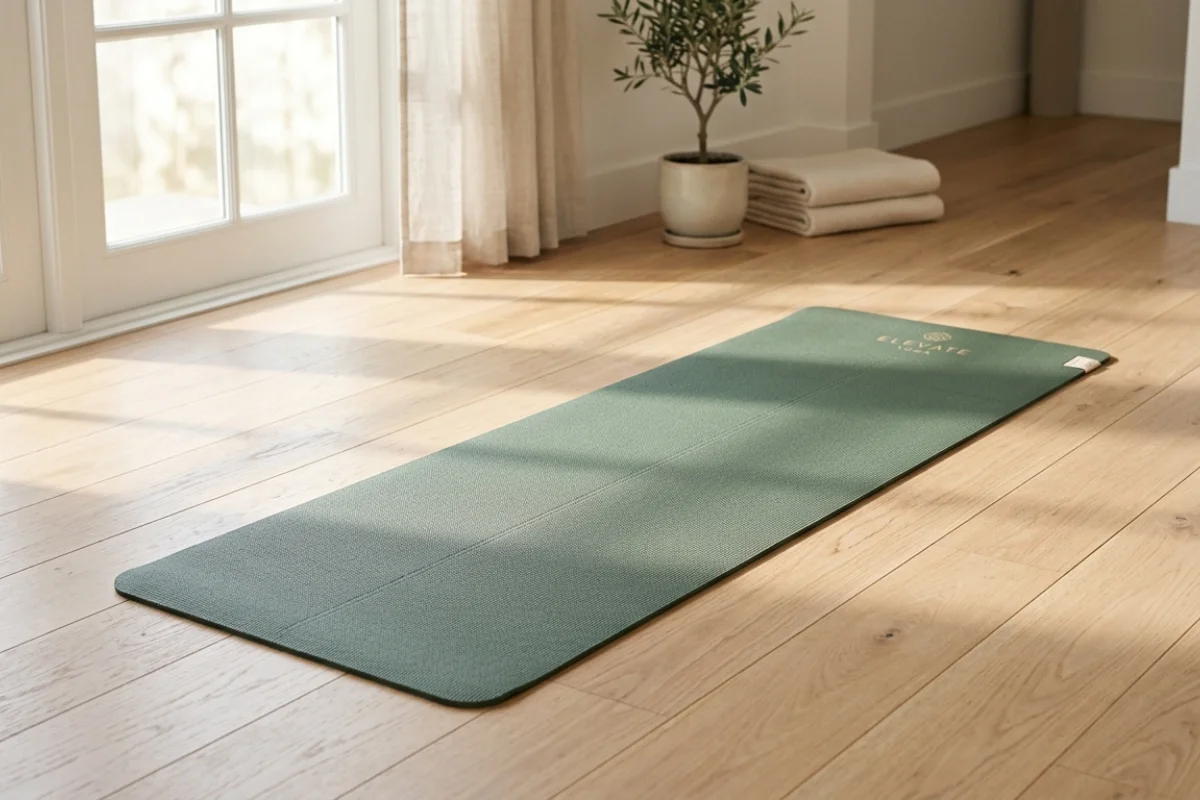
1. A Yoga Mat
A basic, sticky mat to prevent slipping. That's it.
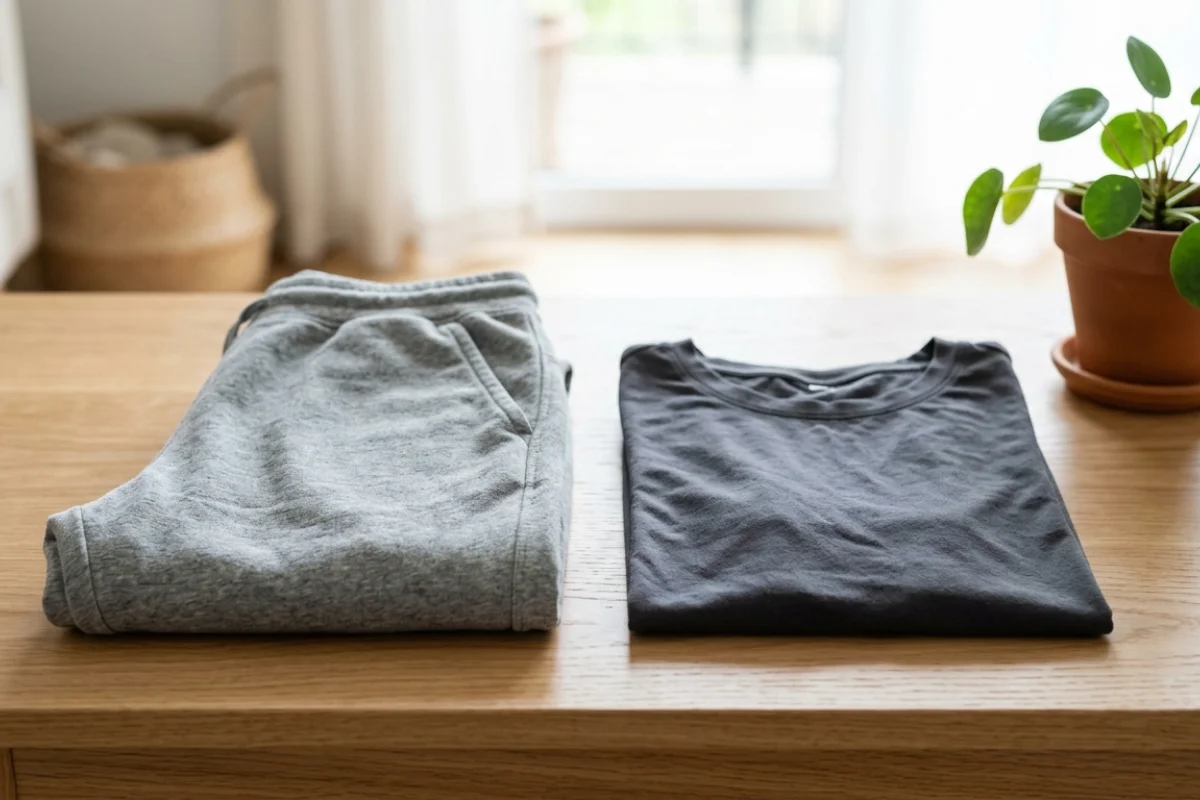
2. Comfortable Clothes
Anything that lets you move freely. Sweatpants and a t-shirt are perfect.
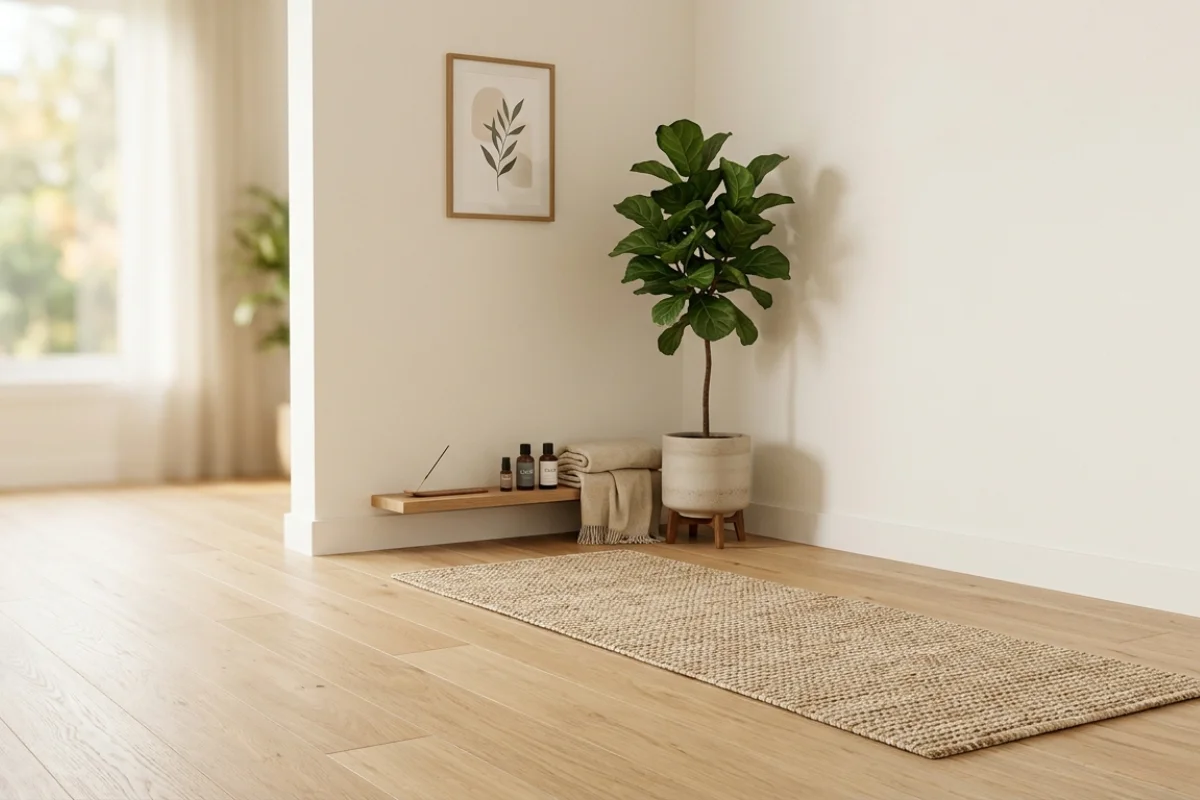
3. Floor Space
Just enough room to lie down and extend your arms.
Optional Props: Yoga blocks bring the floor closer to you, and a yoga strap helps you reach your toes. They are highly recommended for beginners but not strictly required for your first day.
What type of yoga should beginners start with?
Choosing the right beginner yoga style is crucial. For new students, Hatha yoga is the ideal starting point because its gentle, slower pace allows you to safely master basic yoga postures and proper alignment before exploring faster flows like Vinyasa or deep stretching like Yin.
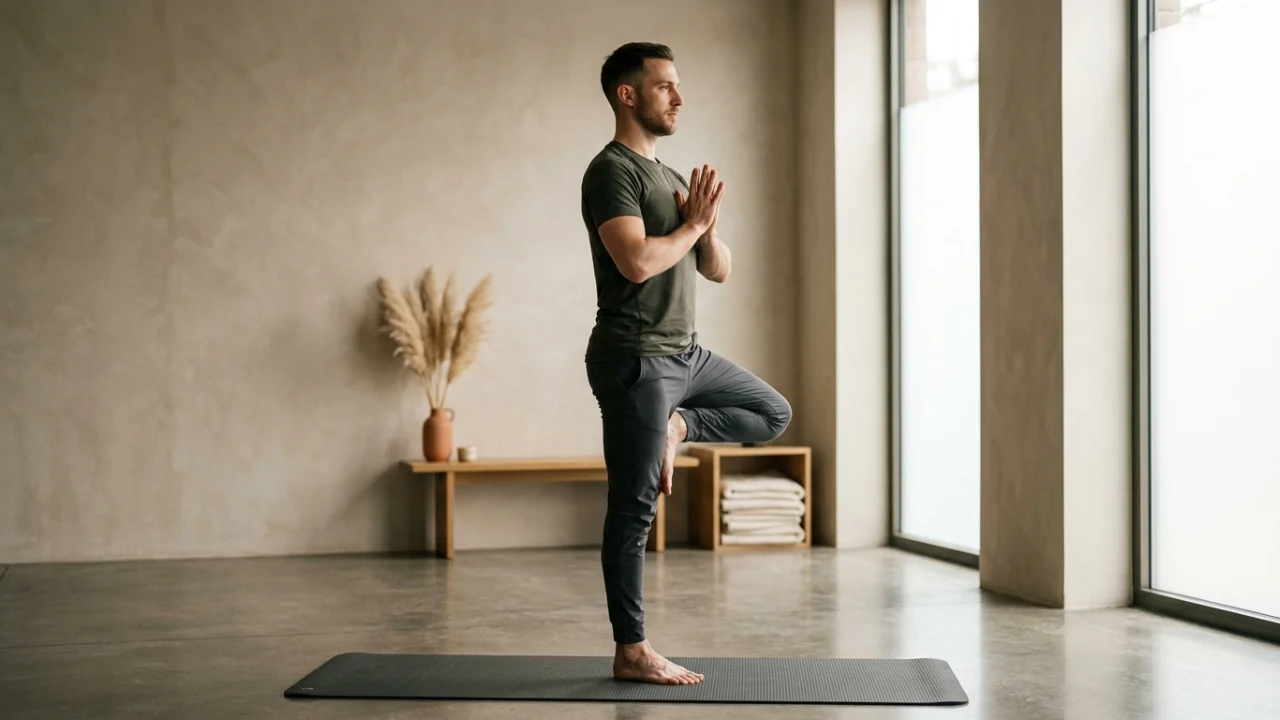 Slow & Gentle
Hatha
Best for absolute beginners learning alignment.
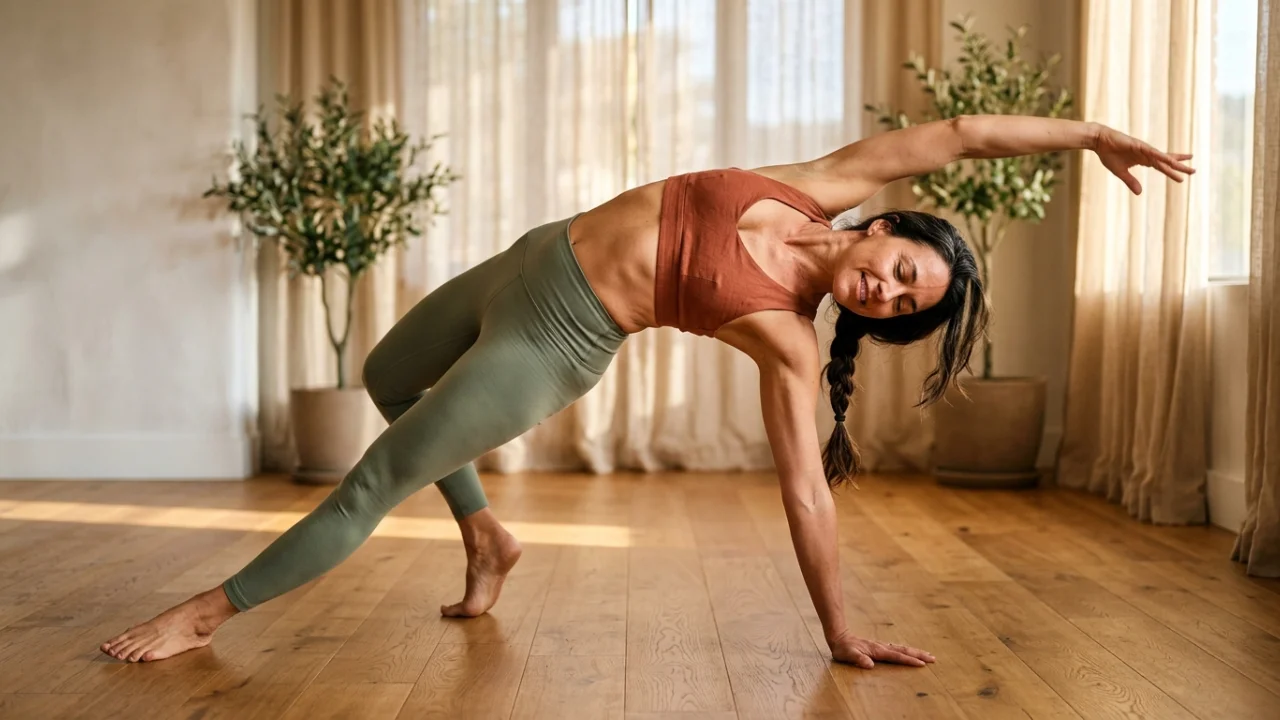 Fast & Sweaty
Vinyasa
Best for building cardiovascular fitness and flow.
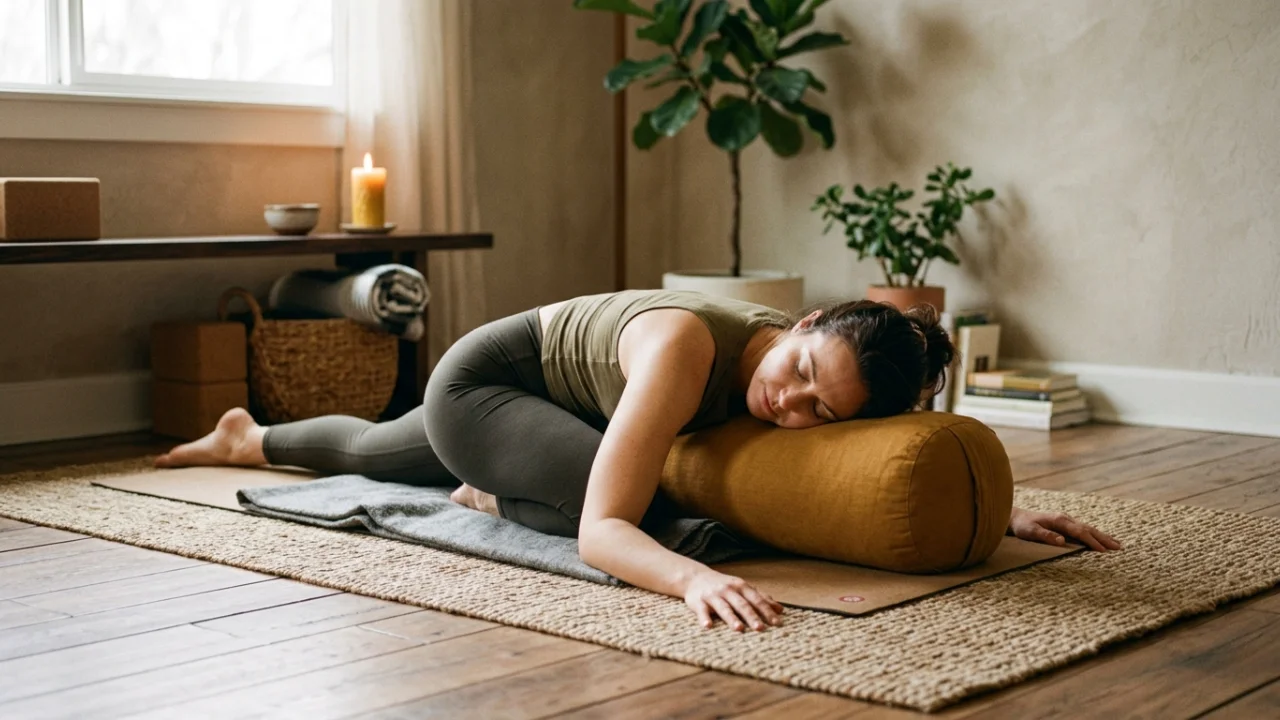 Very Slow & Deep
Yin
Best for deep joint flexibility and mental patience.
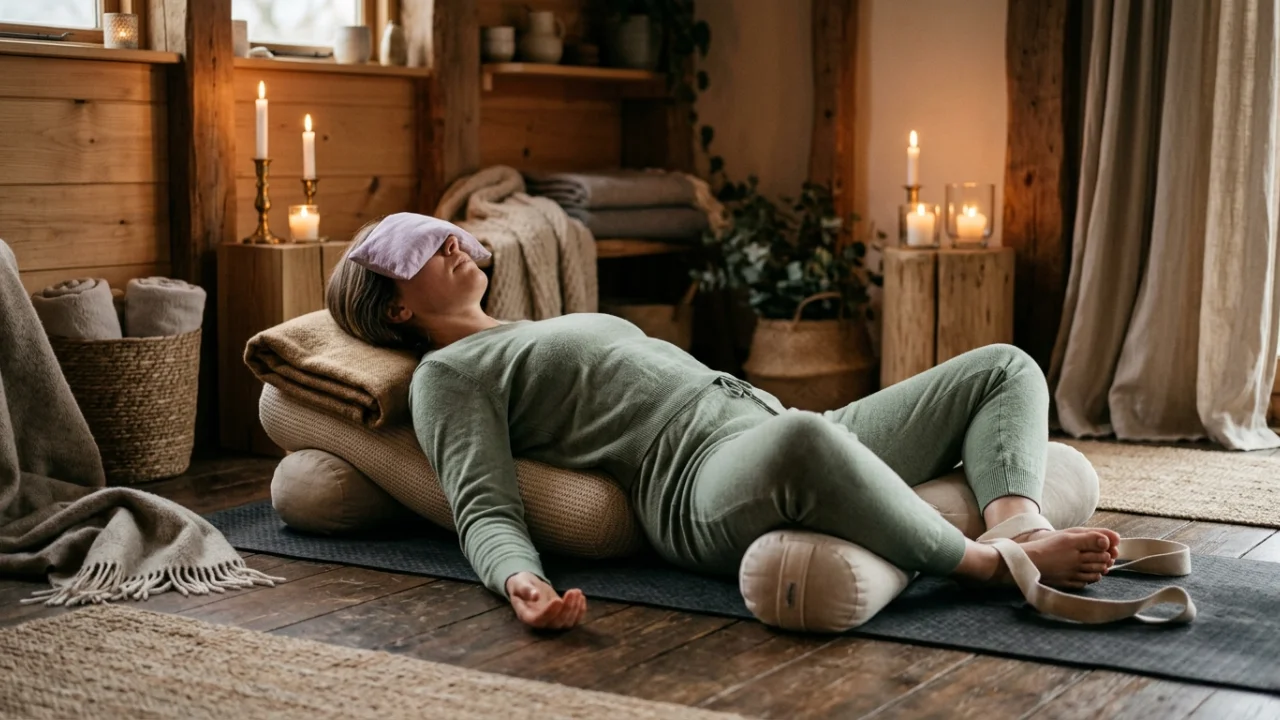 Still & Relaxing
Restorative
Best for stress relief and nervous system recovery.
Start with Hatha. You can explore other styles once you have the basics down.
Medical Disclaimer: Yoga provides great benefits, but it is not a substitute for medical attention. Consult a doctor before starting any new exercise program, especially if you have existing injuries or health conditions.
Which are the most important beginner yoga poses?
Mastering these nine foundational postures will give you everything you need to safely start your practice. Focus on proper alignment and steady breathing rather than how deep you can go into the stretch.
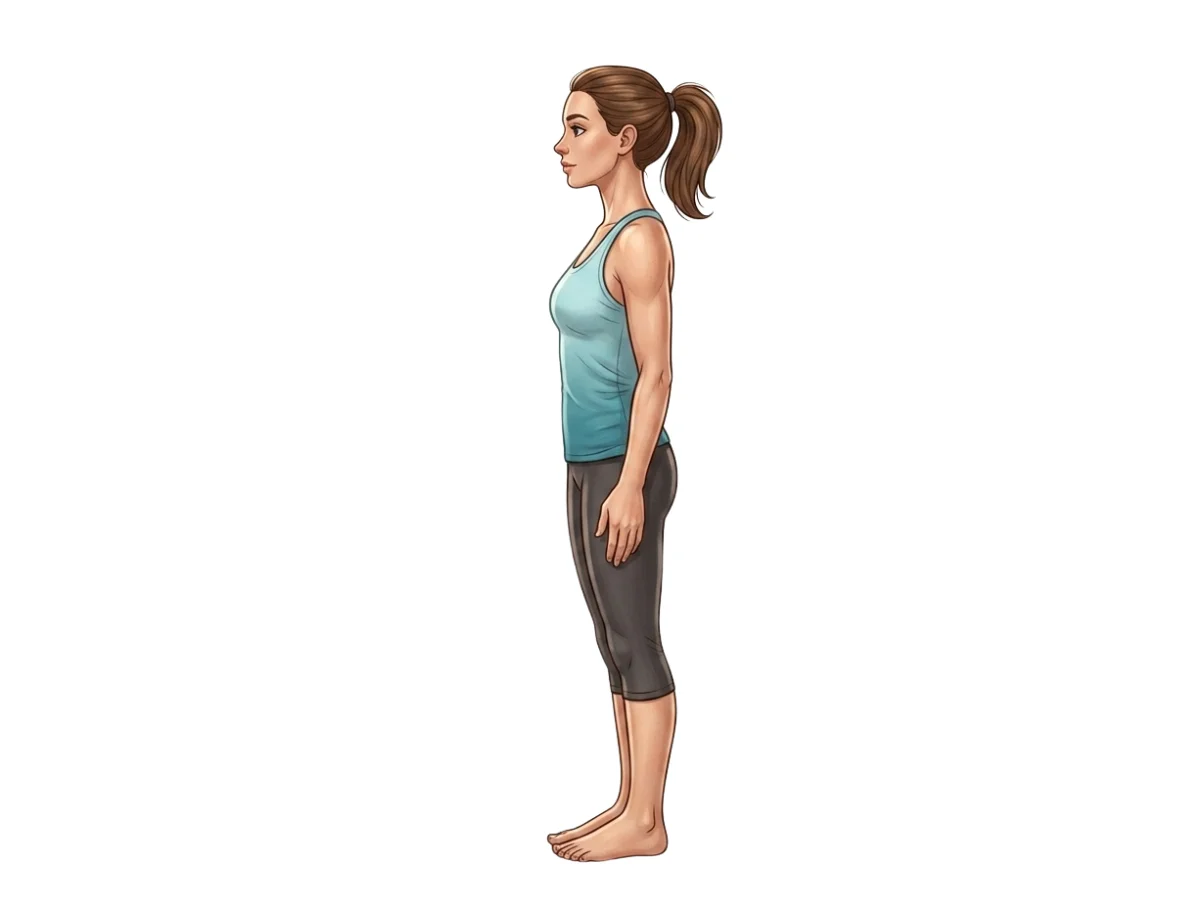
Mountain Pose
Tadasana
Teaches active posture and grounds your balance before moving.
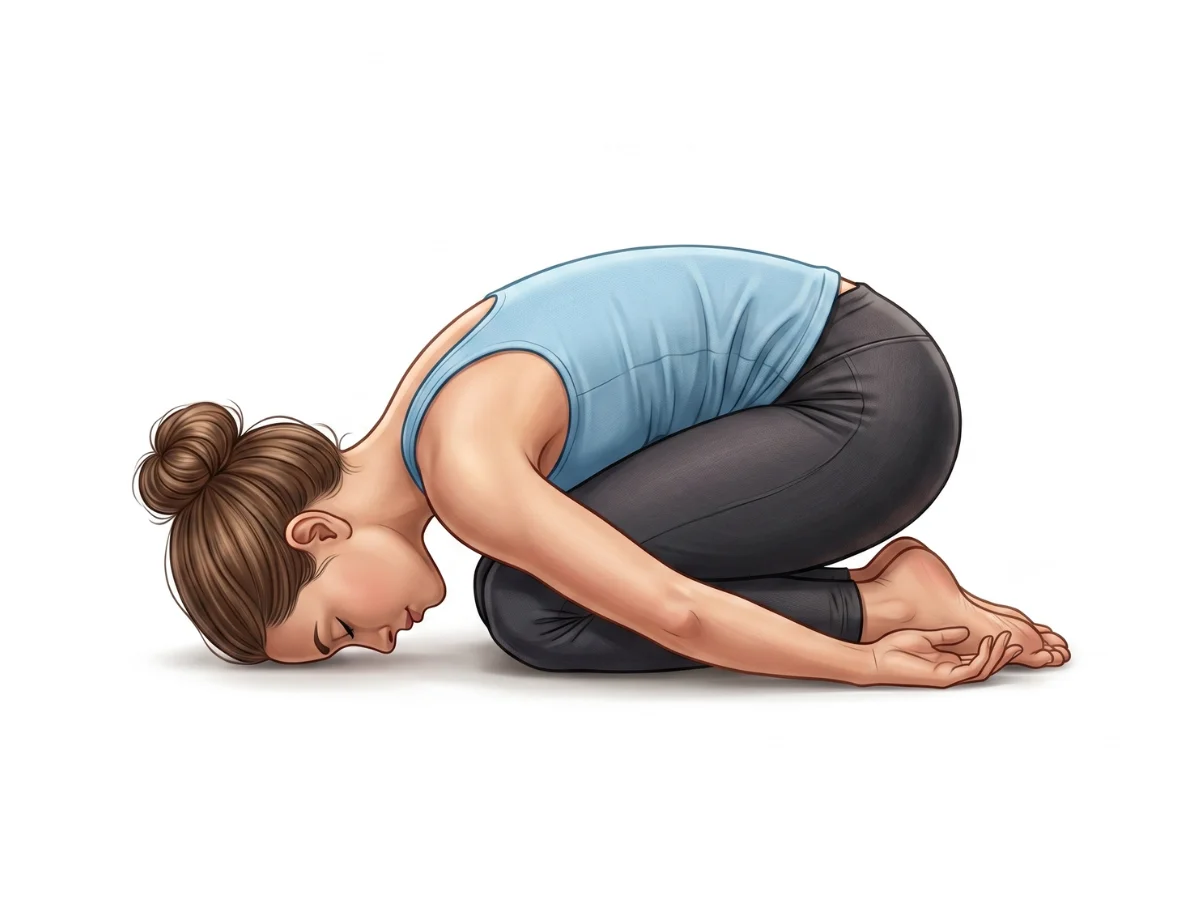
Child's Pose
Balasana
The ultimate resting pose. Stretches the lower back gently.
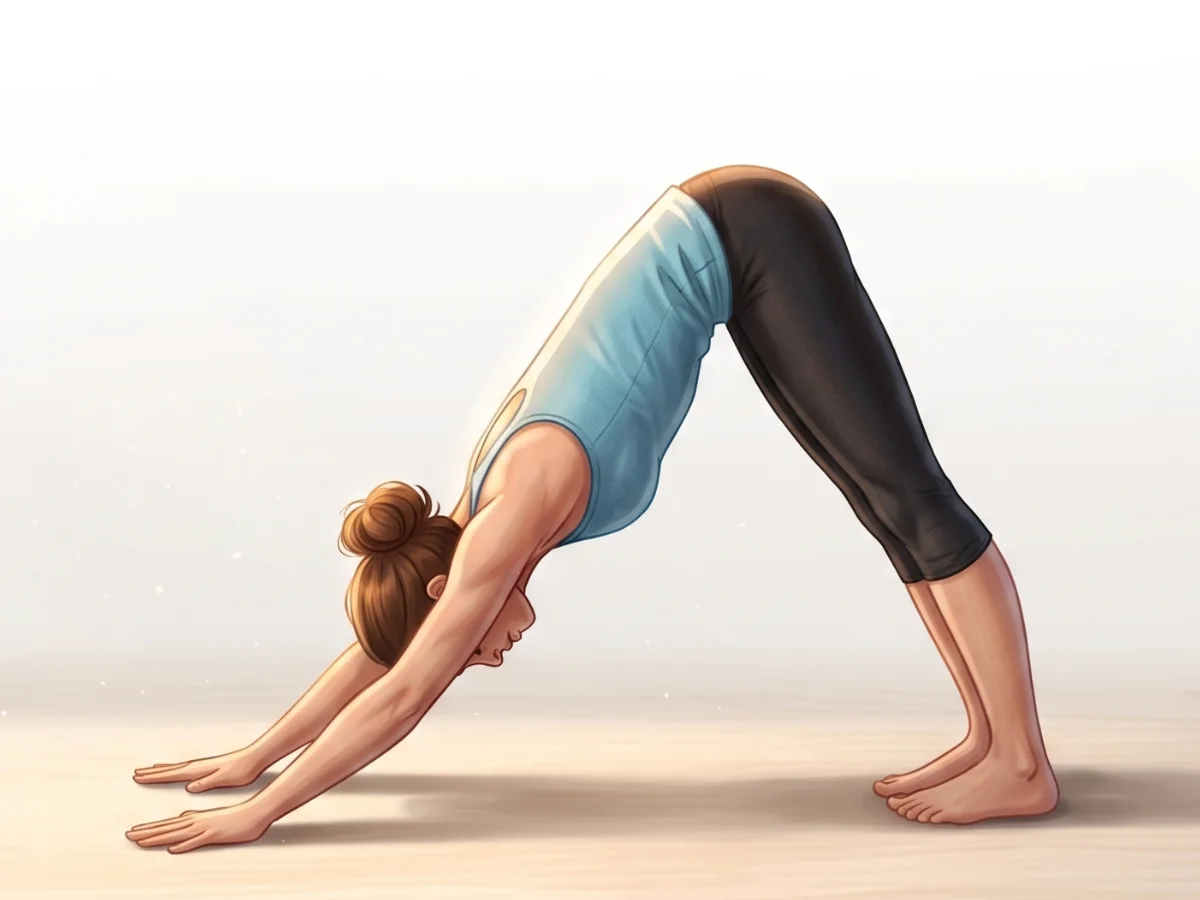
Downward Dog
Adho Mukha Shvanasana
Builds arm strength and stretches the entire back of your legs.
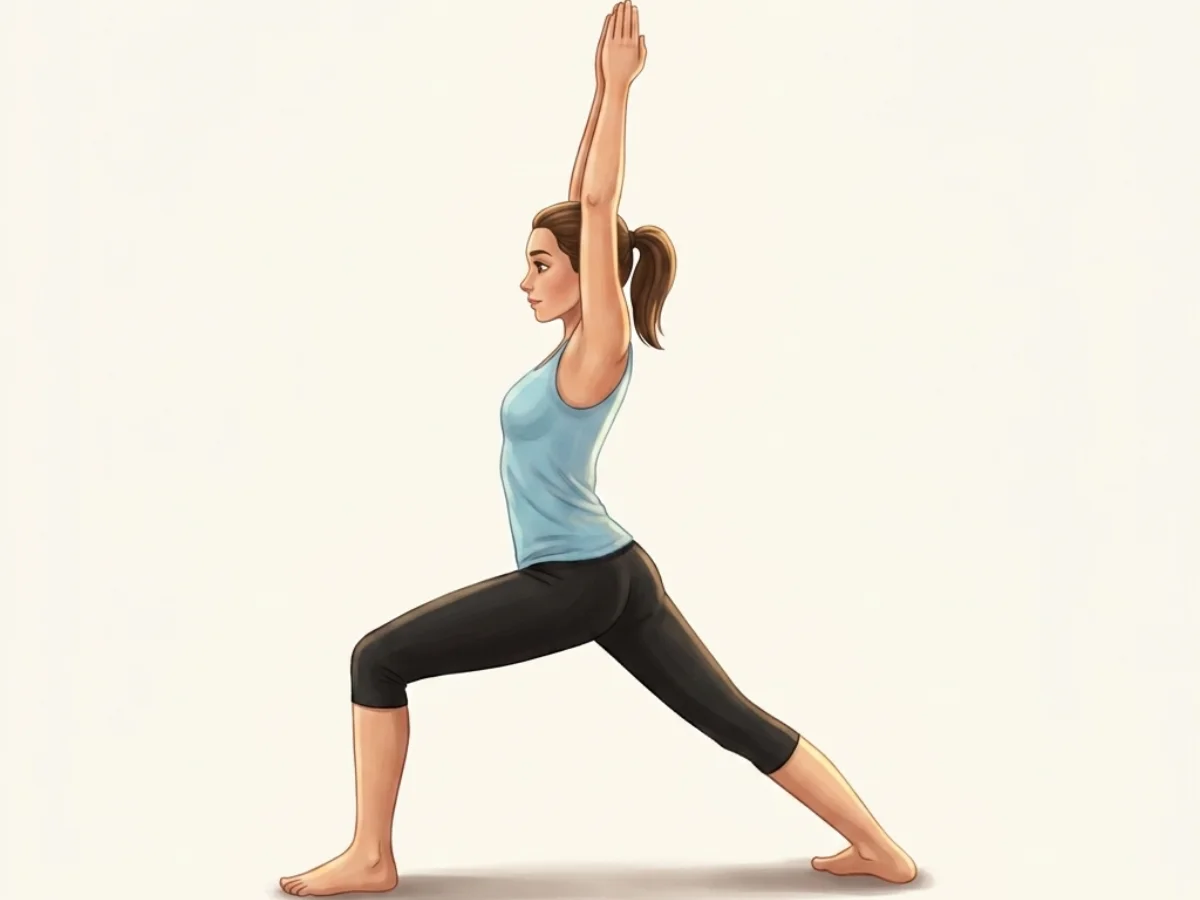
Warrior I
Virabhadrasana A
Strengthens the quads while opening the chest and hips.
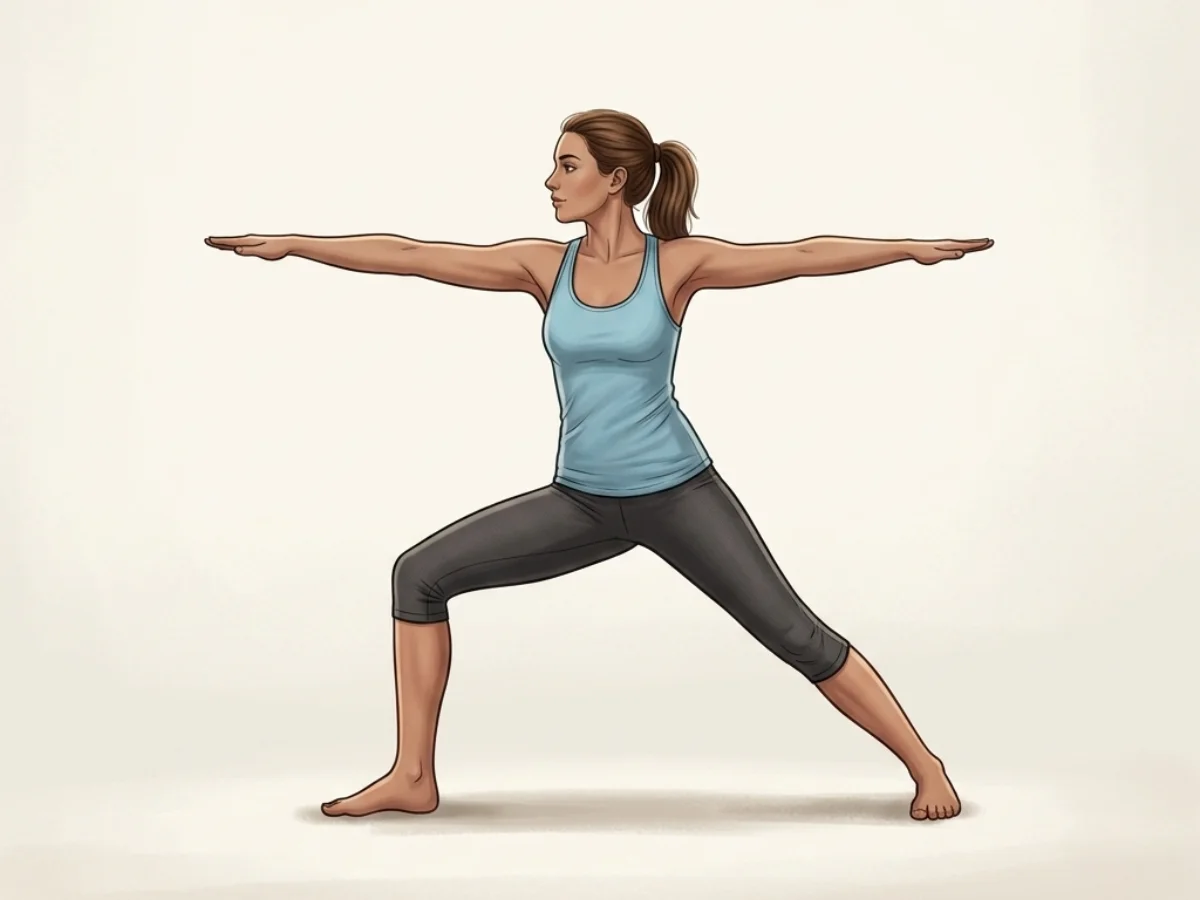
Warrior II
Virabhadrasana B
Builds serious leg endurance and teaches pelvic alignment.
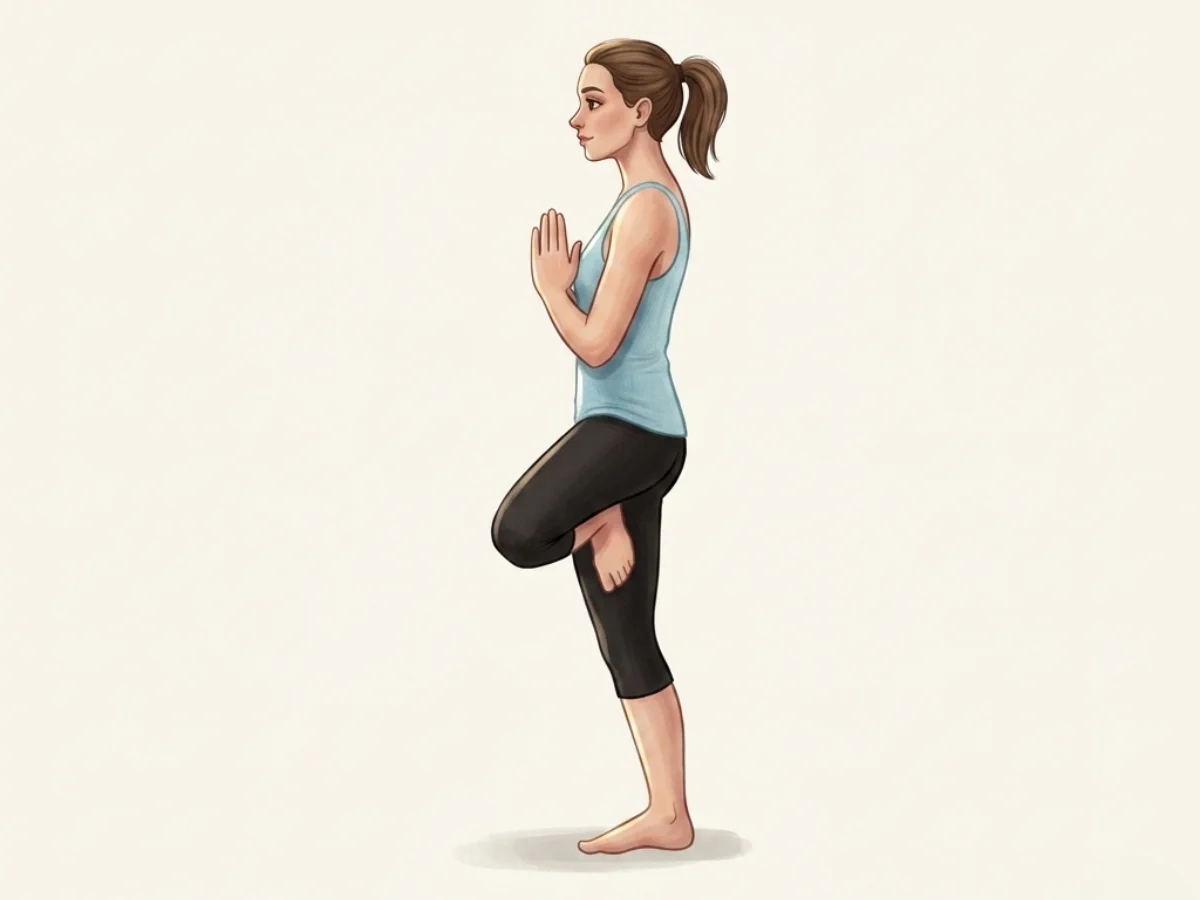
Tree Pose
Vrikshasana
Develops single-leg balance and forces you to focus your mind.
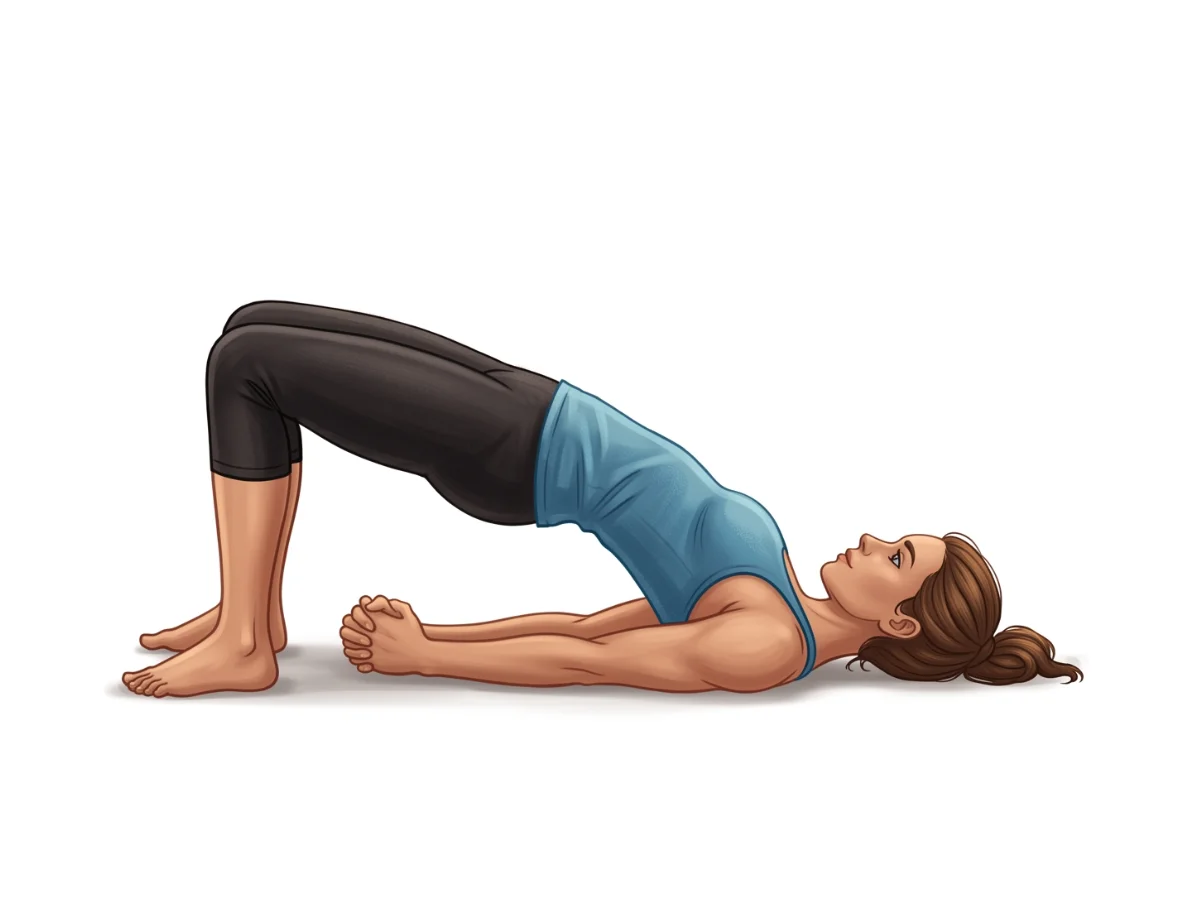
Bridge Pose
Setu Bandha Sarvangasana
Counters sitting all day by engaging glutes and opening the front body.
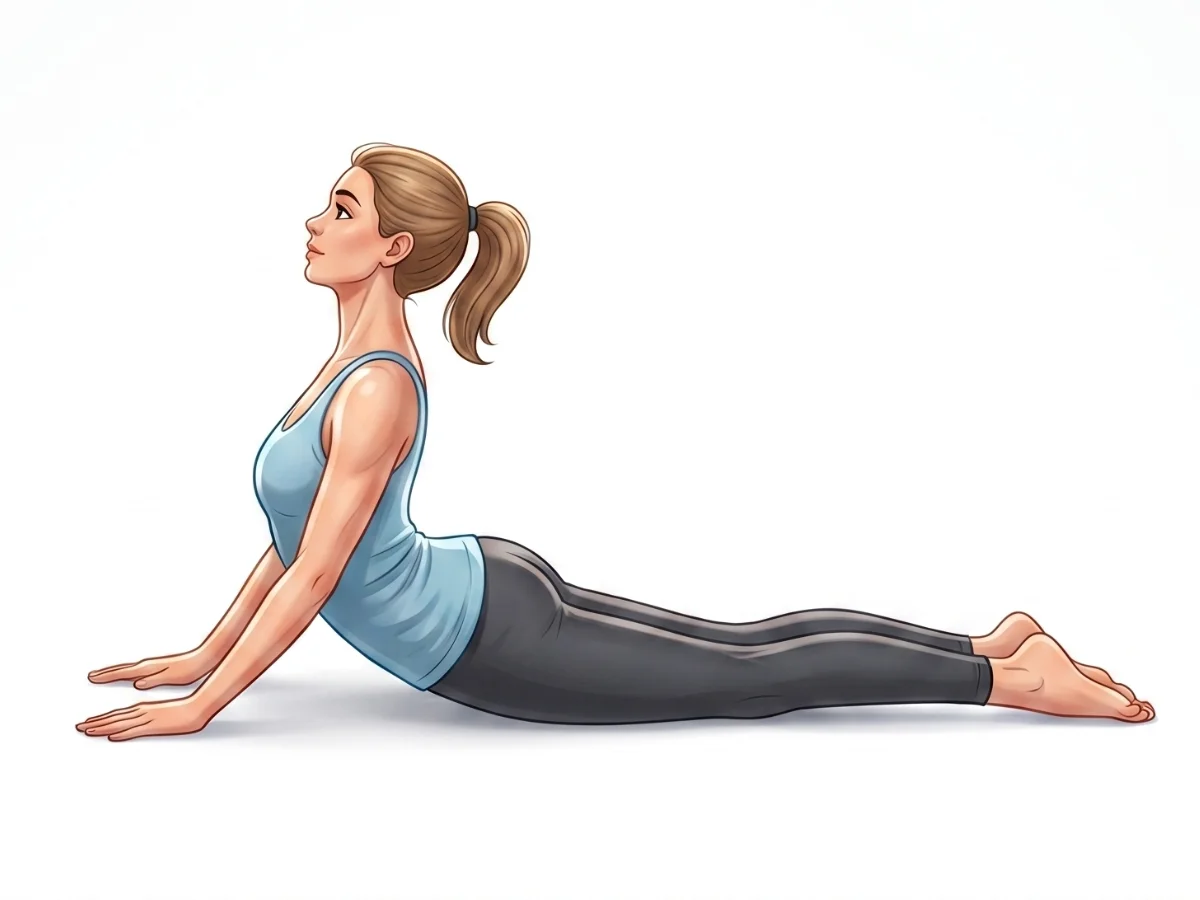
Cobra Pose
Bhujangasana
Opens the chest, strengthens the lower back, and counters forward slumping.
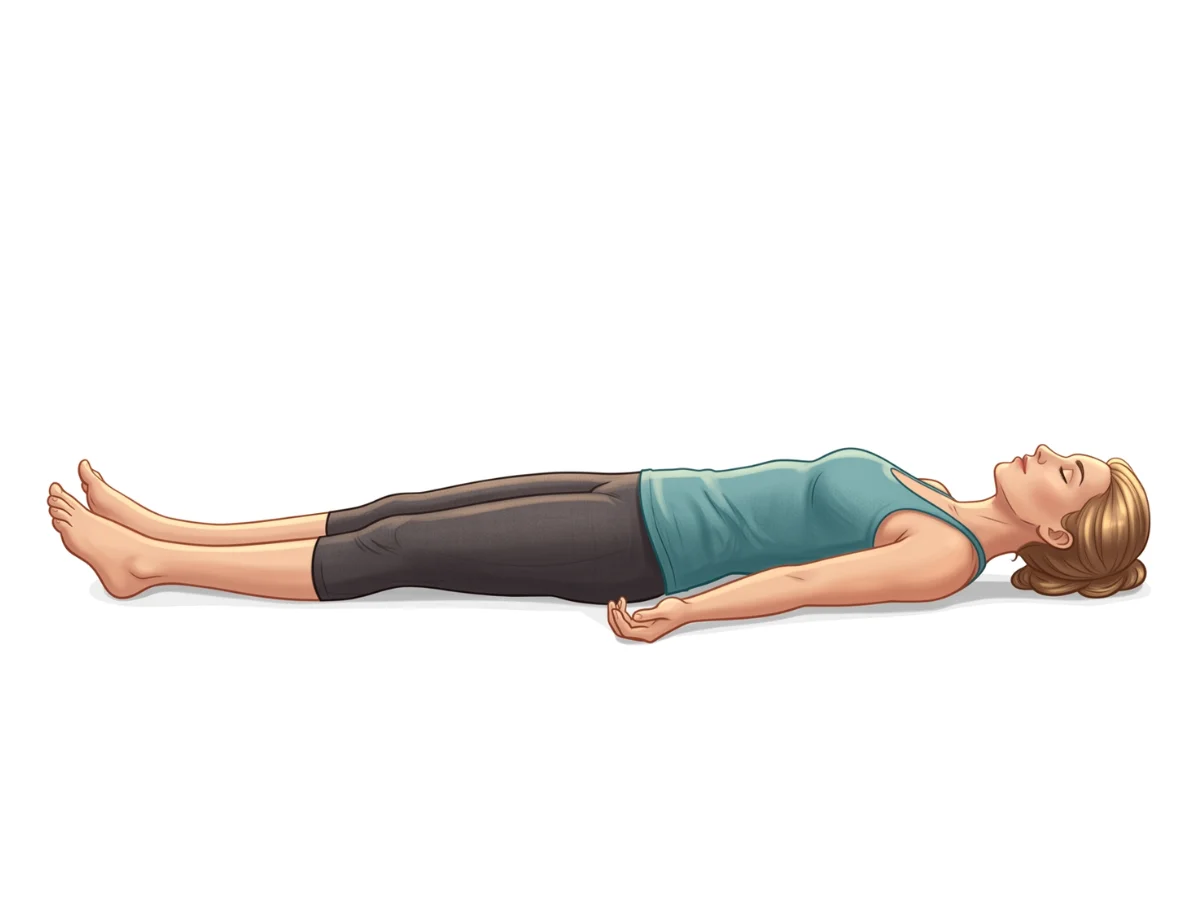
Corpse Pose
Shavasana
The final rest. Allows your nervous system to absorb the work.
How do you breathe properly in yoga?
Breath is the bridge between the movement of your body and the state of your mind. If you are doing perfect poses but holding your breath, you are just stretching. If you are breathing deeply but your poses are messy, you are doing yoga.
The Common Mistake
The single most common mistake beginners make is holding their breath during difficult poses. This triggers a stress response.
The Technique
Diaphragmatic (Belly) Breathing
Inhale deeply through your nose, letting your belly expand outward like a balloon filling with air.
Exhale slowly through your nose, letting your belly fall back toward your spine.
Keep your shoulders relaxed. Do this exclusively through your nose.
What does your first week of yoga look like?
Don't overcomplicate it. Here is a gentle, low-pressure schedule for your very first week.
Foundation Poses
Practice Mountain, Child's Pose, and Downward Dog.
Active Recovery
Rest. Let your body recover.
Standing Strength
Practice Warrior I, Warrior II, and Tree Pose.
Gentle Movement
Rest or light walking.
Full Sequence
Full sequence: Combine the poses from Days 1 and 3 together.
Mindful Rest
Rest. Notice how your body feels.
Complete & Progress
Repeat Day 5, or jump into the 30-Day Challenge.
What are the most common beginner yoga mistakes?
Comparing yourself to others.
Why It Happens
We are conditioned to treat physical activity as a competition.
The Fix
Keep your eyes on your own mat. Yoga is an internal practice.
Skipping Savasana (Corpse Pose).
Why It Happens
Beginners feel restless or think lying still is a waste of time.
The Fix
Commit to 2 minutes of stillness at the end. It is the most important pose for nervous system reset.
Forcing flexibility.
Why It Happens
You want to touch your toes immediately.
The Fix
Bend your knees. Pushing into sharp pain causes injury and sets you back.
Holding the breath.
Why It Happens
Tensing up during a difficult balance or stretch.
The Fix
If you can't breathe smoothly, you've gone too deep into the pose. Back out slightly.
Expecting results in week one.
Why It Happens
Modern fitness culture promises instant transformations.
The Fix
Give it 4 weeks of consistent practice before deciding if it works for you.
What are the specific benefits of yoga for beginners?
Here is exactly what most beginners notice in their first four to six weeks of consistent practice:
Noticeably better posture.
As core stabilizers activate, you naturally stand taller. Desk slump begins to reverse within two weeks.
Reduced lower back tension.
Gentle stretching of the hamstrings and hip flexors dramatically relieves the pressure that causes low back aches.
Better sleep quality.
The deep breathing and physical release lower cortisol levels, making it easier to fall and stay asleep.
Reduced anxiety.
Studies show regular yoga practice increases GABA levels in the brain, directly reducing symptoms of anxiety and stress.
Improved body awareness.
You gain proprioception—a better understanding of where your limbs are in space, reducing general clumsiness.
A consistent morning routine.
For many, a 15-minute practice becomes the first healthy habit that anchors their entire day.
Frequently Asked Questions
Everything you need to know before stepping onto the mat for the first time.
Do I need to be flexible to start yoga?
How often should a beginner do yoga?
Can I do yoga if I'm overweight?
Is yoga good for weight loss?
Can I learn yoga at home without a teacher?
How long until I see results from yoga?
What should I wear to yoga?
Is yoga safe during pregnancy?
Ready? Here is exactly what to do next.
Join our free 30-Day Beginner Challenge. It's a structured, day-by-day program designed specifically for your very first month.
Start the Free 30-Day Challenge