
History & Origins of Yin Yoga
Unlike styles born in India, Yin yoga is a modern synthesis with roots in Daoist philosophy and Chinese martial arts.
Paulie Zink & Daoist Yoga
Martial arts champion Paulie Zink began teaching "Daoist Yoga," combining Indian asanas with long holds to increase flexibility.
Paul Grilley & Sarah Powers Codify Yin
Paul Grilley integrated functional anatomy and Chinese meridian theory. Later, Sarah Powers added Buddhist mindfulness and coined the term "Yin Yoga".
What Makes Yin Unique?
Yin is fundamentally different from almost every other yoga style. Here are the six principles that govern the practice:
Cold Muscles
You do not warm up before Yin. If muscles are warm, they absorb the stretch. Practicing "cold" ensures the stress bypasses the muscles and goes directly into the deep fascia.
Held for 3 to 5 Minutes
Fascia is like plastic; it does not respond to quick, bouncy movements. It requires steady, prolonged pressure to safely lengthen and adapt.
Finding the "Edge"
You never go to 100% of your flexibility. You find your "edge" (around 60-70%), stop there, and let time and gravity do the work.
Resolving to be Still
Once you find your edge, you remain completely motionless. Fidgeting engages the muscles, which instantly pulls the stretch out of the fascia.
The Rebound Effect
After a long hold, you lie flat on your back for 1-2 minutes. This "rebound" is when practitioners feel a rush of Chi or a dull ache as the tissues rehydrate.
All Floor Poses
There are no standing poses in Yin because standing requires muscular contraction. You are always seated or lying down.
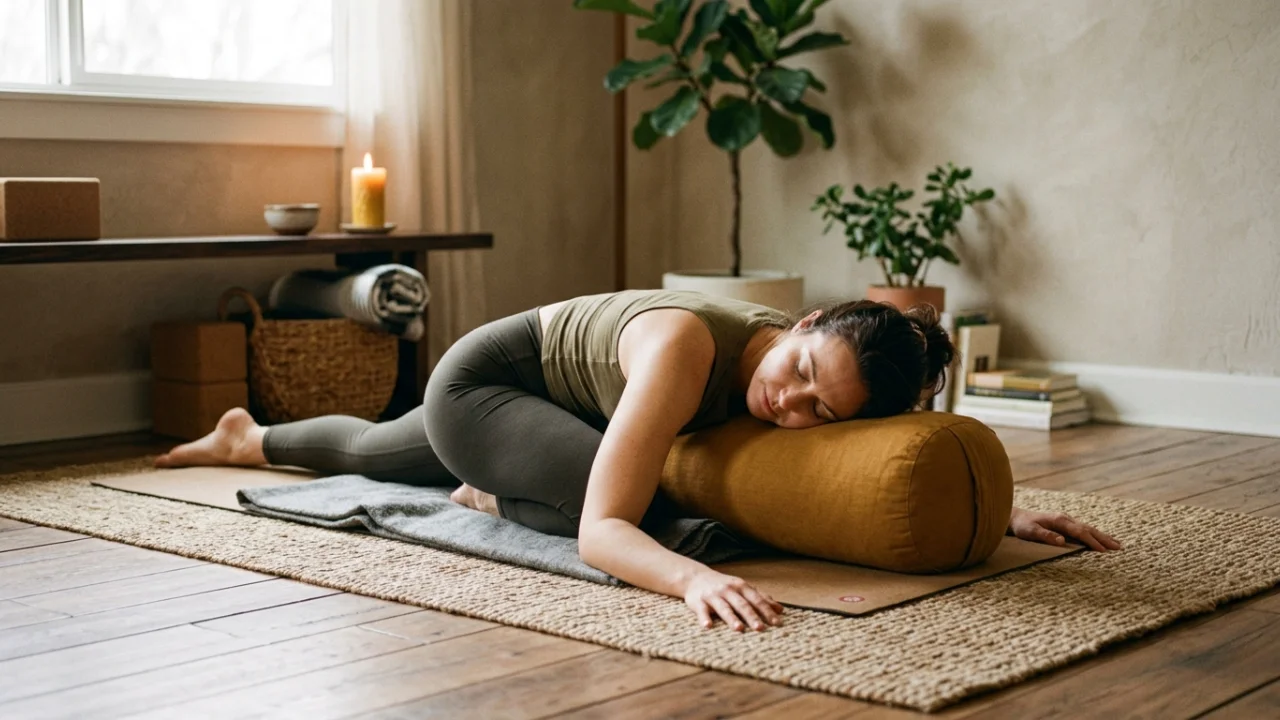
Yin vs. Restorative
| Feature | Yin Yoga | Restorative Yoga |
|---|---|---|
| Goal | Stretch the fascia and joints | Total relaxation and nervous system healing |
| Sensation | Moderate, dull ache; "the edge" | Zero stretch; completely comfortable |
| Props | Used to find the edge safely | Used to support 100% of body weight |
| Hold Times | 3 to 5 minutes | 10 to 20 minutes |
10 Fundamental Yin Poses
Yin poses often look like classical Hatha poses but use different names to remind practitioners to relax the muscles completely.
 Beginner
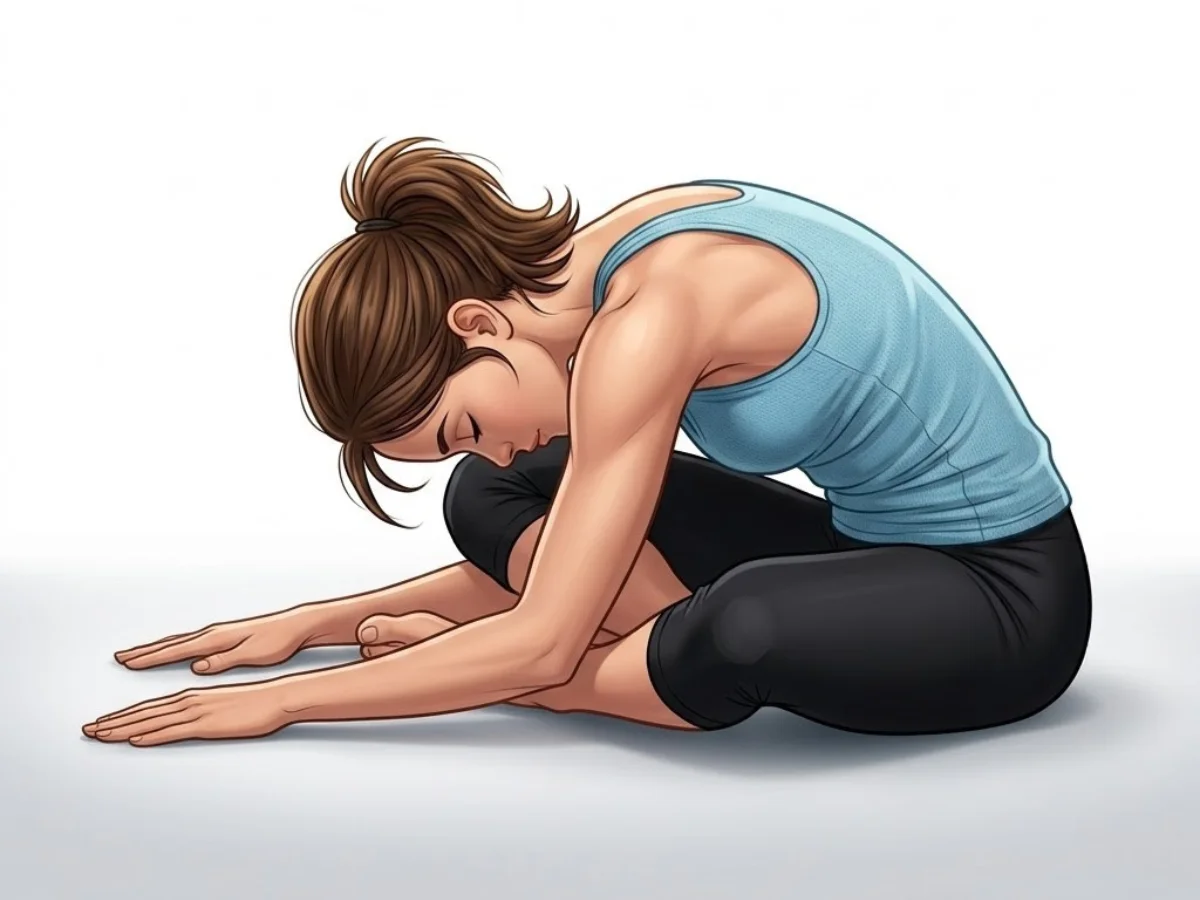
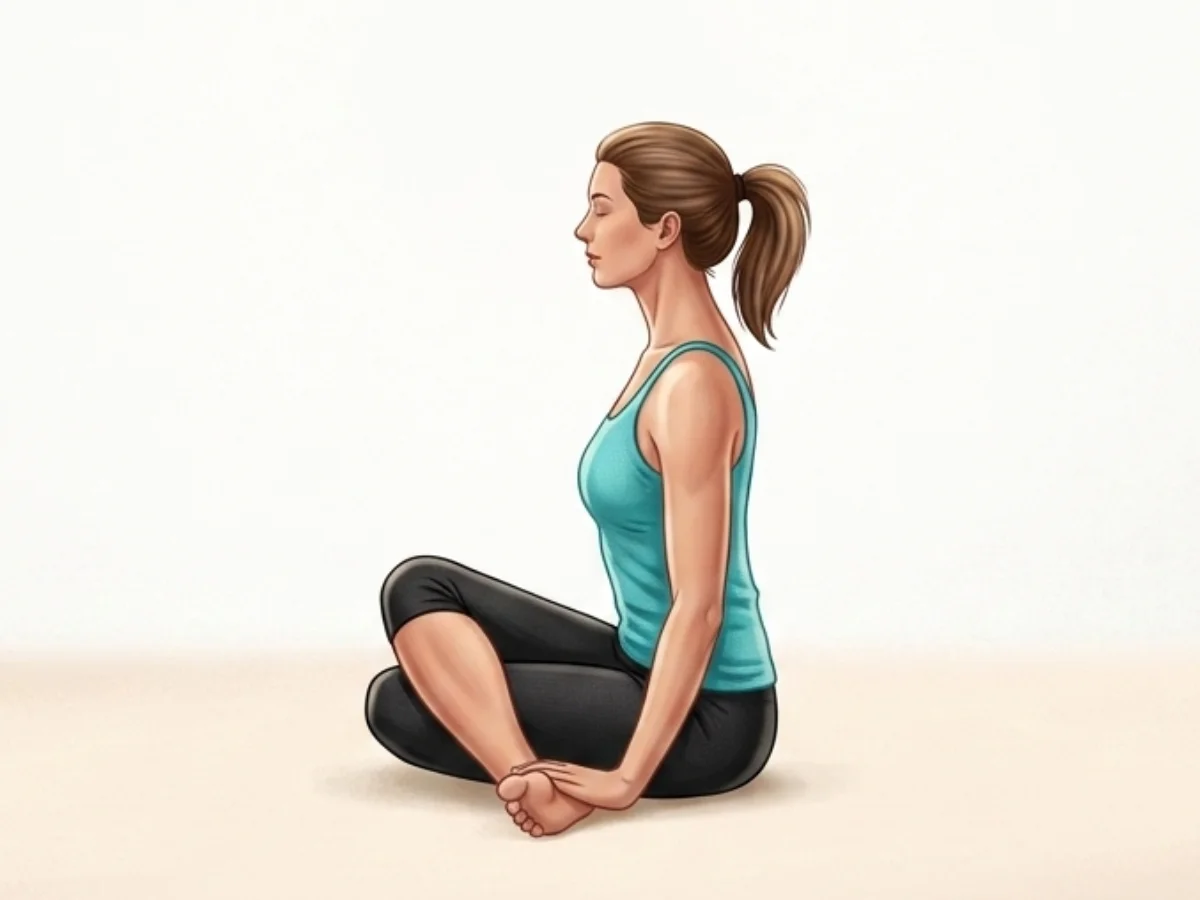
Butterfly Pose
Baddha Konasana (Yang equivalent)Unlike its Yang counterpart, the back is allowed to round to stretch the spinal fascia and inner groin.
 Beginner
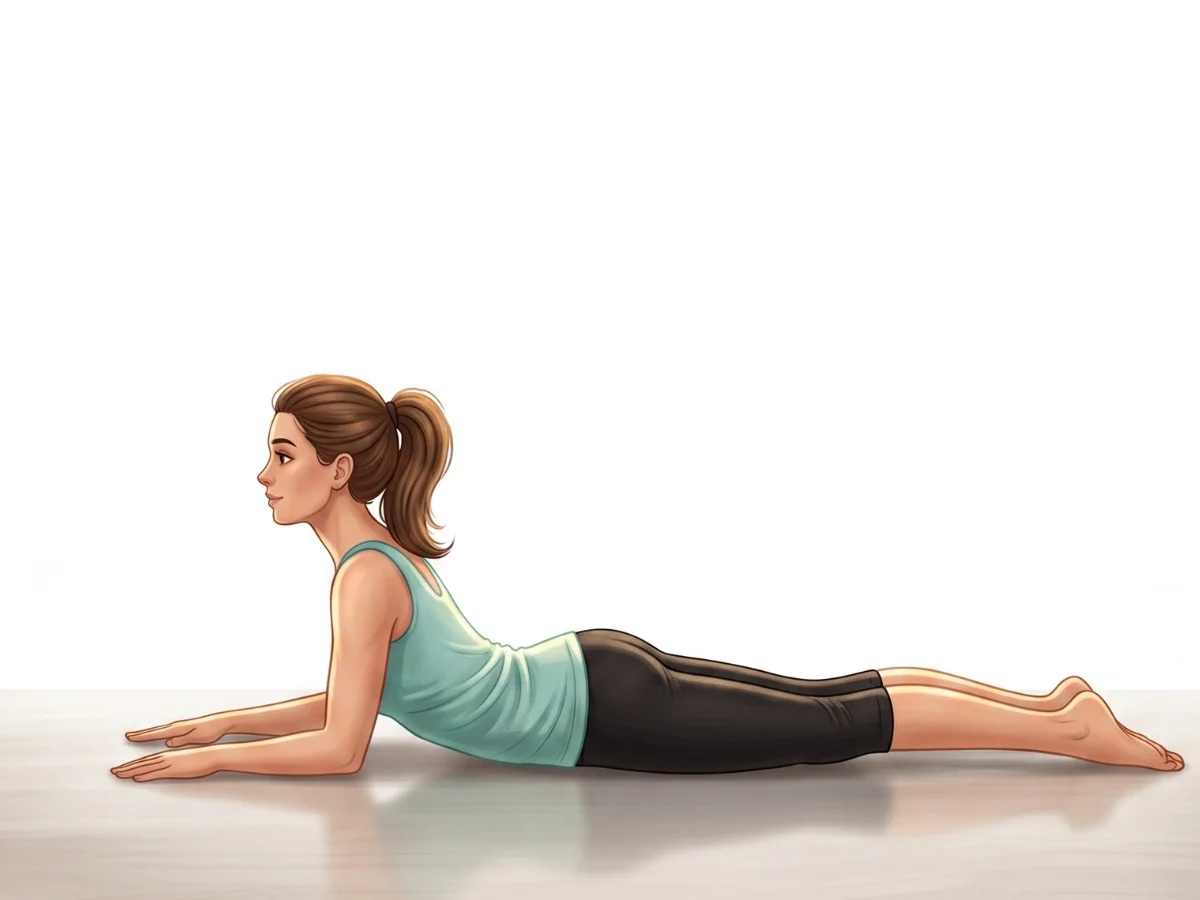
Sphinx Pose
Salamba BhujangasanaA gentle compression of the lower back to stimulate the kidneys and sacral fascia.
Sleeping Swan
Eka Pada RajakapotasanaThe Yin version of Pigeon pose. Intensely opens the outer hip and glute of the front leg.
Dragon Pose
AnjaneyasanaA deep, heavy lunge that places intense, prolonged stress on the hip flexors and groin.
 Beginner
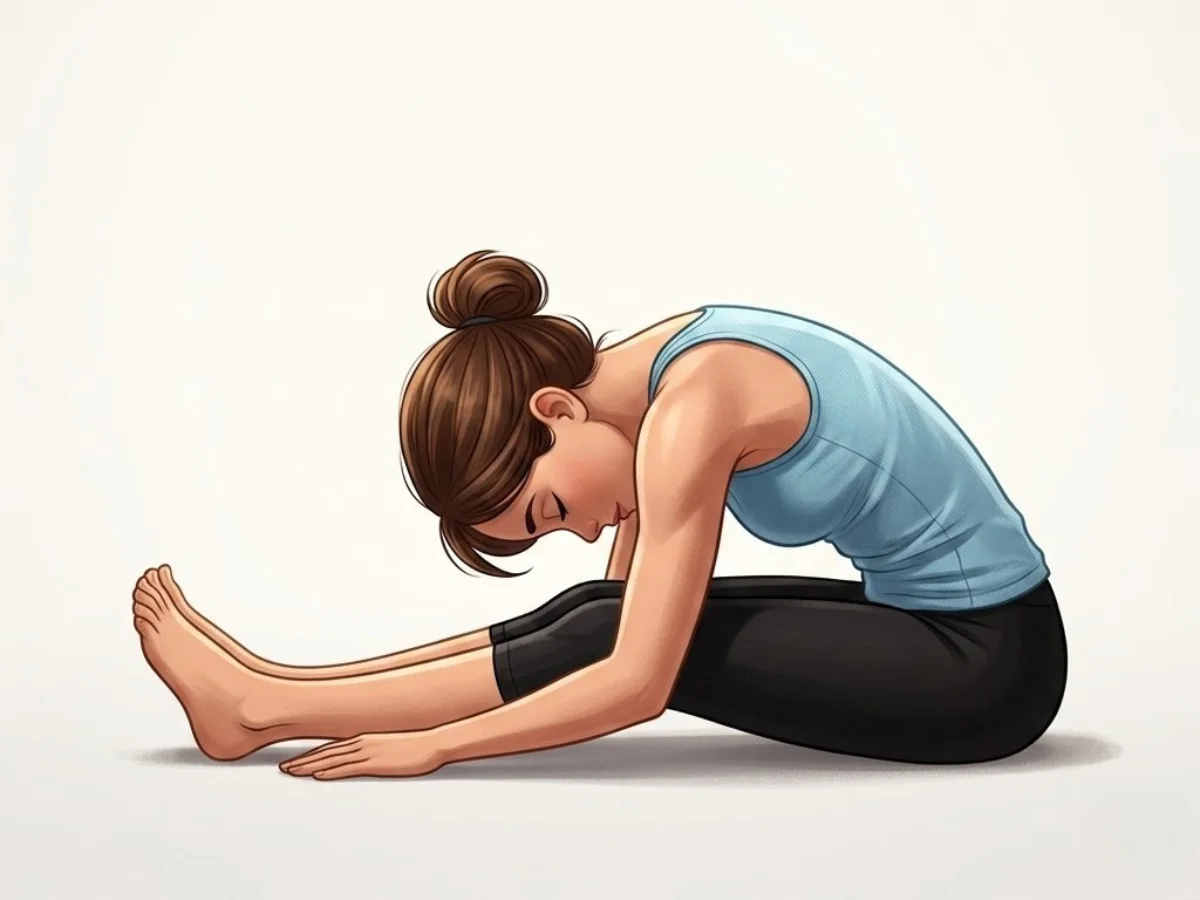
Caterpillar Pose
PaschimottanasanaA seated forward fold with relaxed legs and a rounded spine, pulling the entire back fascial line.
 Intermediate
Shoelace Pose
Gomukhasana (Legs)Knees stacked on top of each other while seated, deeply stressing the IT band and outer hips.
Saddle Pose
Supta VirasanaLying back on the heels to intensely stretch the quads, hip flexors, and lower spine.
Snail Pose
HalasanaRolling onto the shoulders to create maximum rounding and stretch in the upper spinal fascia.
Bananasana
N/AA supine side-bend that opens the gallbladder meridian and stretches the IT band.
Deer Pose
Bharadvajasana (Variation)A gentle alternative to Swan, internally rotating one hip while externally rotating the other.
A Deep Release Yin Sequence (60 Minutes)
Move slowly between these poses. Find your edge (a dull ache), become completely still, and hold. After every pose, lie flat on your back in a "Rebound" for 1 minute before moving to the next.
| # | Pose Name | Duration | Key Instruction |
|---|---|---|---|
| 1 | Butterfly Pose Baddha Konasana | 4 Min | Soles of feet together, slide them away from hips, round spine forward. |
| 2 | Half Butterfly (Right) Janu Sirsasana | 4 Min | Extend right leg, left foot to inner thigh, round forward over right leg. |
| 3 | Half Butterfly (Left) Janu Sirsasana | 4 Min | Extend left leg, right foot to inner thigh, round forward over left leg. |
| 4 | Sphinx Pose Salamba Bhujangasana | 3 Min | Lie on belly, prop up on forearms, let the glutes and lower back completely relax. |
| 5 | Seal Pose Bhujangasana | 2 Min | From Sphinx, straighten arms to deepen the lumbar compression. Relax glutes. |
| 6 | Sleeping Swan (Right) Eka Pada Rajakapotasana | 4 Min | Right knee behind right wrist, fold forward over the front shin. |
| 7 | Sleeping Swan (Left) Eka Pada Rajakapotasana | 4 Min | Left knee behind left wrist, fold forward over the front shin. |
| 8 | Dragon Pose (Right) Anjaneyasana | 3 Min | Deep lunge with right foot forward. Let gravity pull the hips down heavily. |
| 9 | Dragon Pose (Left) Anjaneyasana | 3 Min | Deep lunge with left foot forward. Do not use muscles to hold the hips up. |
| 10 | Caterpillar Pose Paschimottanasana | 5 Min | Legs straight out, round spine forward, let head hang heavy. |
| 11 | Supine Twist (Both Sides) Supta Matsyendrasana | 3 Min / side | Lie on back, drop knees to right, then left. Relieves spinal tension. |
| 12 | Savasana Savasana | 8 Min | Final rebound. Lie flat, absorb the practice, let the fascia fully rehydrate. |
Benefits of Yin
Improves Flexibility
Holding poses for several minutes safely stretches deep tissues, keeping your body feeling young and loose.
Keeps Joints Healthy
Gentle, long stretches help keep your hips, pelvis, and lower back moving freely without pain.
Restores Energy
The deep stretches help release physical blockages and get your natural energy flowing smoothly again.
Deep Relaxation
Lying still and breathing naturally tells your nervous system it is safe to completely relax.
Releases Stored Tension
Letting go of deep physical tightness can also help you let go of stored mental or emotional stress.
Builds Patience
Learning to sit quietly through a long, sometimes uncomfortable stretch trains your mind to be patient.
Balances Hard Workouts
Yin is the perfect relaxing complement to heavy weightlifting or intense cardio workouts.
Medical Disclaimer: Yin is not suitable for pregnant women or those with hypermobility disorders (like Ehlers-Danlos). Consult a physician if you have joint conditions.
Who is Yin Yoga For?
Athletes & "Yang" Junkies
Runners, weightlifters, and Vinyasa lovers who have tight joints and over-contracted muscles desperately need Yin to restore elasticity to their fascia.
Stressed & Anxious Minds
Sitting still with discomfort forces you to confront a busy, anxious mind. It teaches incredible patience and emotional resilience.
Beginner Mistakes Unique to Yin
Pushing into sharp pain
Yin requires a "dull ache." If you feel sharp, electrical, or burning pain, you have gone past the fascia and are damaging the nerve or joint. Back out immediately.
Fidgeting
Every time you move, adjust your shirt, or scratch an itch, your muscles contract. This immediately pulls the stress out of the deep tissues, ruining the Yin effect.
Warming up beforehand
Do not go for a run before a Yin class. Warm muscles will stretch instead of the fascia. You want the body to be completely cold to target the ligaments safely.
Coming out of poses too fast
After 5 minutes of compression, the joints are highly vulnerable. You must move in extreme slow motion (like a glacier) to come out of a Yin pose.
Frequently Asked Questions
Is Yin yoga just stretching?
Is Yin yoga good for beginners?
How is Yin different from Restorative yoga?
Will I be sore after a Yin class?
Can I do Yin yoga if I am pregnant?
Why are there no standing poses in Yin?
Explore Other Yoga Styles
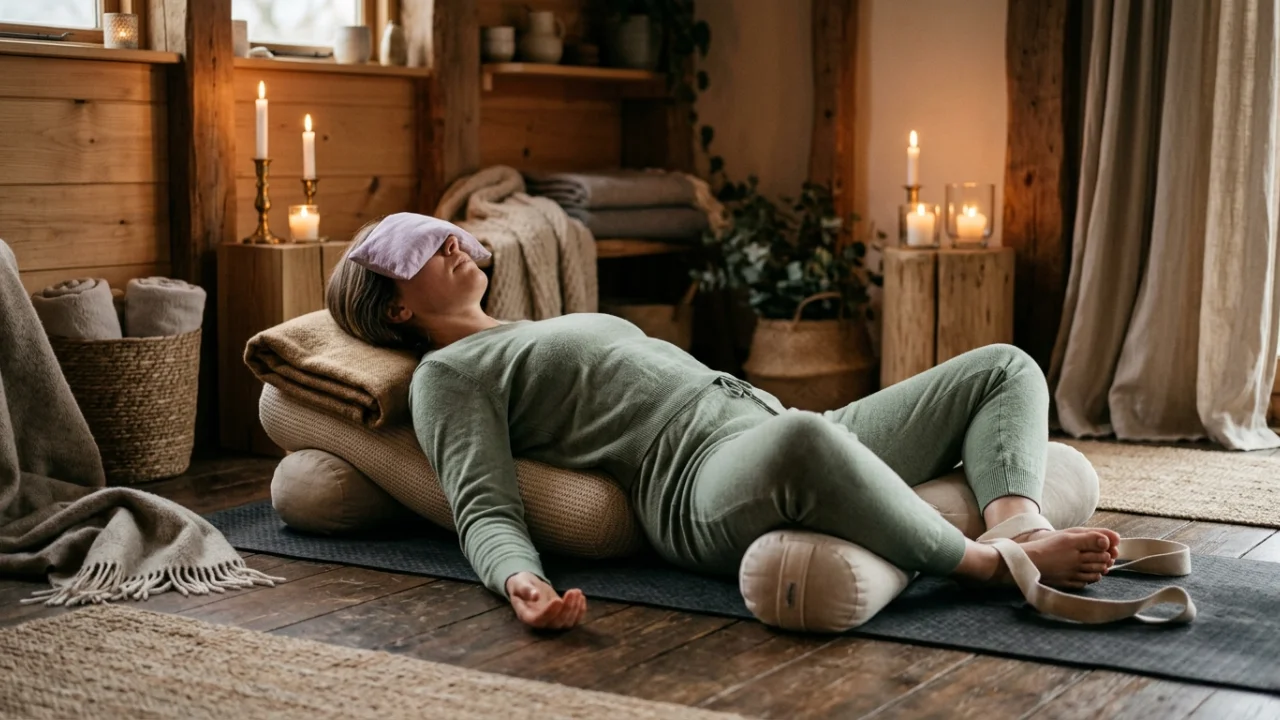
Restorative Yoga
A deeply relaxing practice using props to support the body completely, requiring zero effort.
Explore Guide →
Hatha Yoga
A foundational practice that holds active postures to build strength and alignment.
Explore Guide →
Vinyasa Yoga
A dynamic, flowing style linking breath to movement for a more vigorous practice.
Explore Guide →