
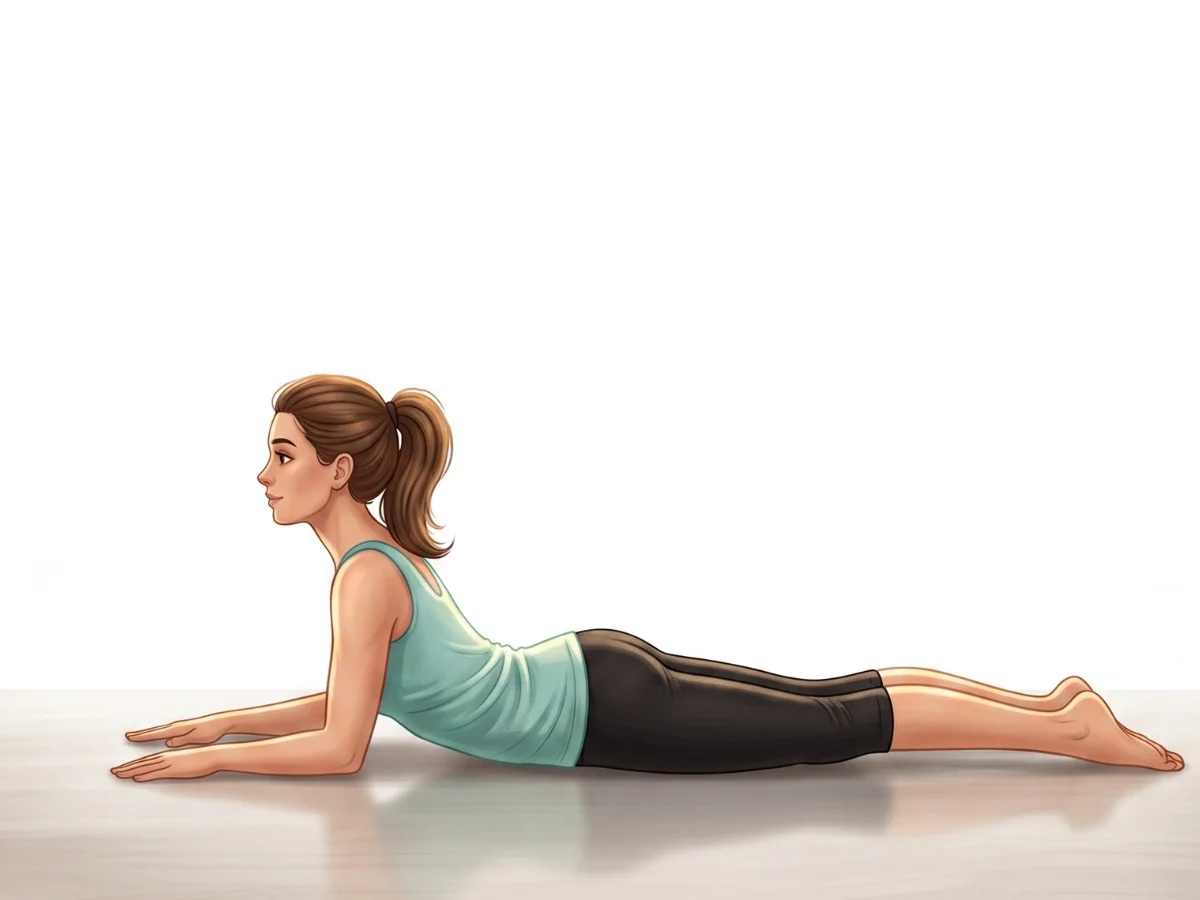
Sphinx
Salamba Bhujangasana
By Elena Rostova Updated: verified Medically Reviewed
Sphinx Pose (Salamba Bhujangasana) is a gentle, supported backbend that provides the perfect introduction to spinal extension for beginners. By resting on the forearms, it allows practitioners to passively open the chest and stretch the abdominal muscles while safely decompressing the lower back.
Hold Time
1–3 min · 10–30 breaths
Pronunciation
sah-LUM-bah boo-jahng-AHS-anna
About Sphinx
Commonly practiced as Sphinx (Salamba Bhujangasana), this dynamic posture is beautifully designed to help unlock tension. It primarily targets the lower back relief & gentle extension, helping to create length and strength exactly where you need it most. Ultimately, it is a fantastic pose for soothes lower back pain, leaving you with a profound sense of grounded energy.
How to Practice
Prone Foundation
Start by lying flat on your stomach in Reverse Corpse Pose (Advasana), with your legs extended straight back and feet hip-width apart. Rest the tops of your feet on the mat.
Position the Arms
Bring your elbows directly under your shoulders, resting your forearms parallel to each other on the floor. Your middle fingers should point straight ahead.
Engage the Lower Body
Press your pubic bone gently into the floor to anchor your pelvis. Engage your glutes and thighs mildly to support the lower spine.
Inhale and Lift
As you inhale, press firmly downward through your forearms and palms to lift your upper torso and head away from the floor into a mild backbend.
Broaden the Chest
Isometrically drag your elbows backward toward your hips without moving them. This action will pull your chest forward and broaden your collarbones.
Neck Alignment
Keep your neck long by drawing your chin slightly back. Gaze softly straight ahead or slightly downward to avoid crunching the back of your neck.
Hold and Breathe
Hold the pose for 1 to 3 minutes, taking slow, deep breaths into your belly and feeling the gentle massage of your abdominal organs against the mat.
Exhale and Release
To exit, slowly exhale as you slide your elbows outward, lowering your chest and head to the mat. Rest your head on your stacked hands.
Practice with the Yoga Timer
Keep track of your hold time and breath count for this pose.
Beginner Modifications & Prop Options
Yoga is a personal journey. These modifications and prop options allow you to adapt the pose to your current level of balance and flexibility, ensuring a safe and supportive practice.
Slide Elbows Forward
Move your elbows an inch or two forward of your shoulders. This decreases the angle of the backbend, making it milder and removing compression from the lumbar spine.
Tip: Focus on alignment rather than depth.
Place a Blanket Under the Hips
Fold a soft yoga blanket and place it under your pelvis and pubic bone to provide cushioning against the hard floor.
Tip: Focus on alignment rather than depth.
Seal Pose (Variation)
Turn your hands slightly outward, press into your palms, and straighten your arms, lifting your elbows off the mat for a deeper spinal extension.
Tip: Focus on alignment rather than depth.
Benefits of Sphinx
Soothes Lower Back Pain
By gently extending the lumbar spine without active muscular strain, it can help alleviate mild lower back pain and fatigue.
Opens the Chest & Lungs
Broadening the collarbones stretches the pectorals and creates space in the rib cage, promoting deeper and more efficient breathing.
Stimulates the Nervous System
Mild spinal extension helps stimulate the central nervous system, relieving stress and counteracting the effects of prolonged sitting.
Massages Abdominal Organs
Deep belly breathing against the floor gently massages the digestive organs, potentially improving digestion and metabolism.
Improves Posture
Reverses the habitual forward hunch of modern life by stretching the anterior torso and teaching the shoulders to draw back.
Common Mistakes to Avoid
Mistake: Collapsing into Shoulders
How to fix: Actively press down through your forearms to lift your chest away from the floor, keeping your shoulders drawn away from your ears.
Mistake: Clenching the Glutes
How to fix: While some engagement is needed for stability, over-clenching the glutes can jam the lower back. Keep them firm but not rigidly gripped.
Mistake: Throwing the Head Back
How to fix: Maintain a neutral cervical spine by keeping your gaze straightforward and the back of your neck long.
Safety and Precautions
Pregnancy
Prone postures should be avoided after the first trimester as they place unsafe pressure on the abdomen.
Recent Back Injury
While therapeutic for some, those with acute disc herniations or severe back injuries should consult a doctor before practicing.
Recent Abdominal Surgery
Pressure on the stomach can irritate healing incisions or internal tissues.
Headaches or Neck Pain
Holding the head upright may aggravate severe neck tension if not aligned properly.
Medical Disclaimer: If you have any of the above conditions, consult your doctor or a qualified yoga instructor before attempting this pose.
Muscles Worked in Sphinx
Sphinx demands synchronized muscular effort, creating a profound sense of engagement and release throughout the body. The activation of the primary muscles supports the structure, while the secondary muscles provide stability and balance.
Primary Muscles
Erector Spinae
Work mildly to support the gentle arch of the spine.
Pectoralis Major
Stretch as the chest broadens and the shoulders pull back.
Rectus Abdominis
Stretches gently along the front of the torso.
Secondary Muscles
Latissimus Dorsi
Engage slightly to draw the shoulders down and the chest forward.
Gluteus Maximus
Provides mild foundational stability for the pelvis.
Serratus Anterior
Stabilizes the shoulder blades against the rib cage.
Poses to Practice Before and After Sphinx
Prepare with these Poses
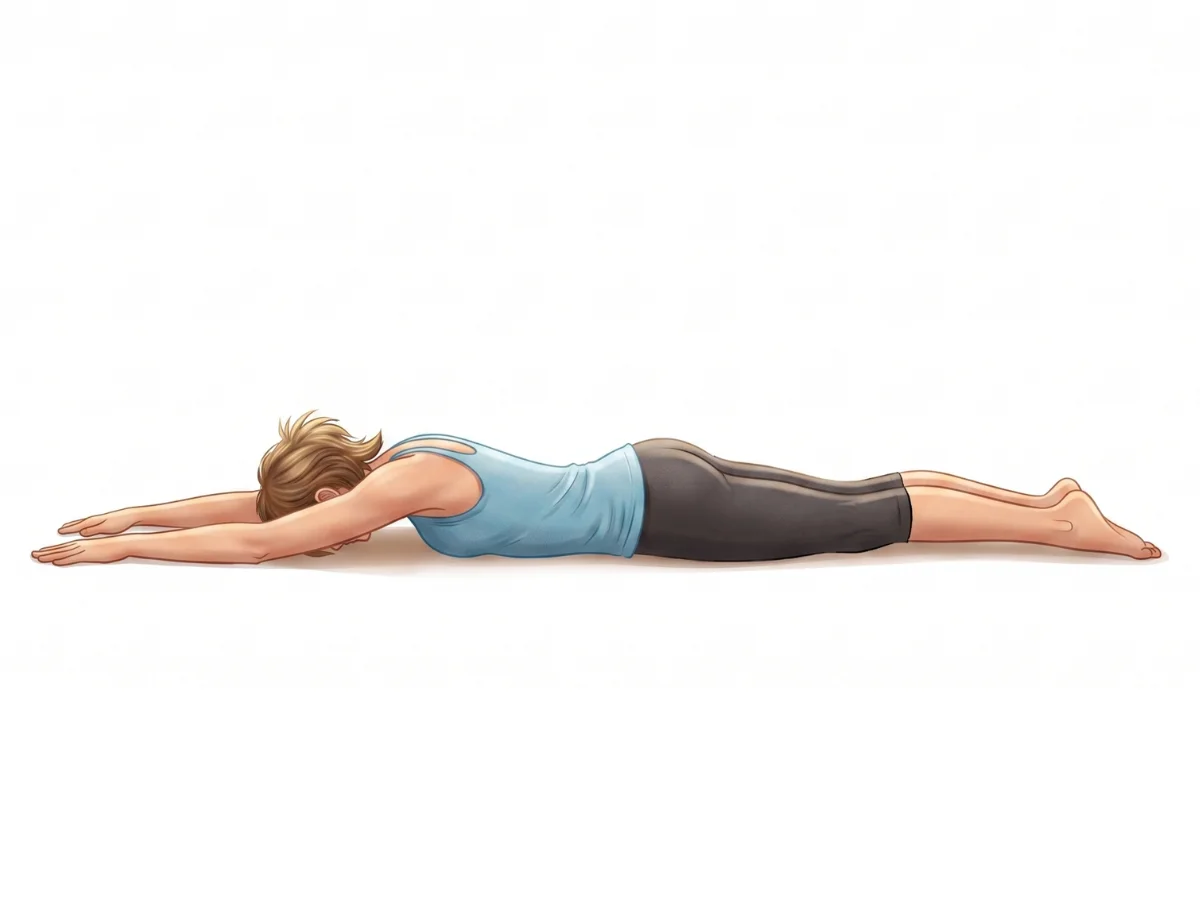
Reverse Corpse Pose
AdvasanaA resting prone position that establishes the physical foundation on the mat.
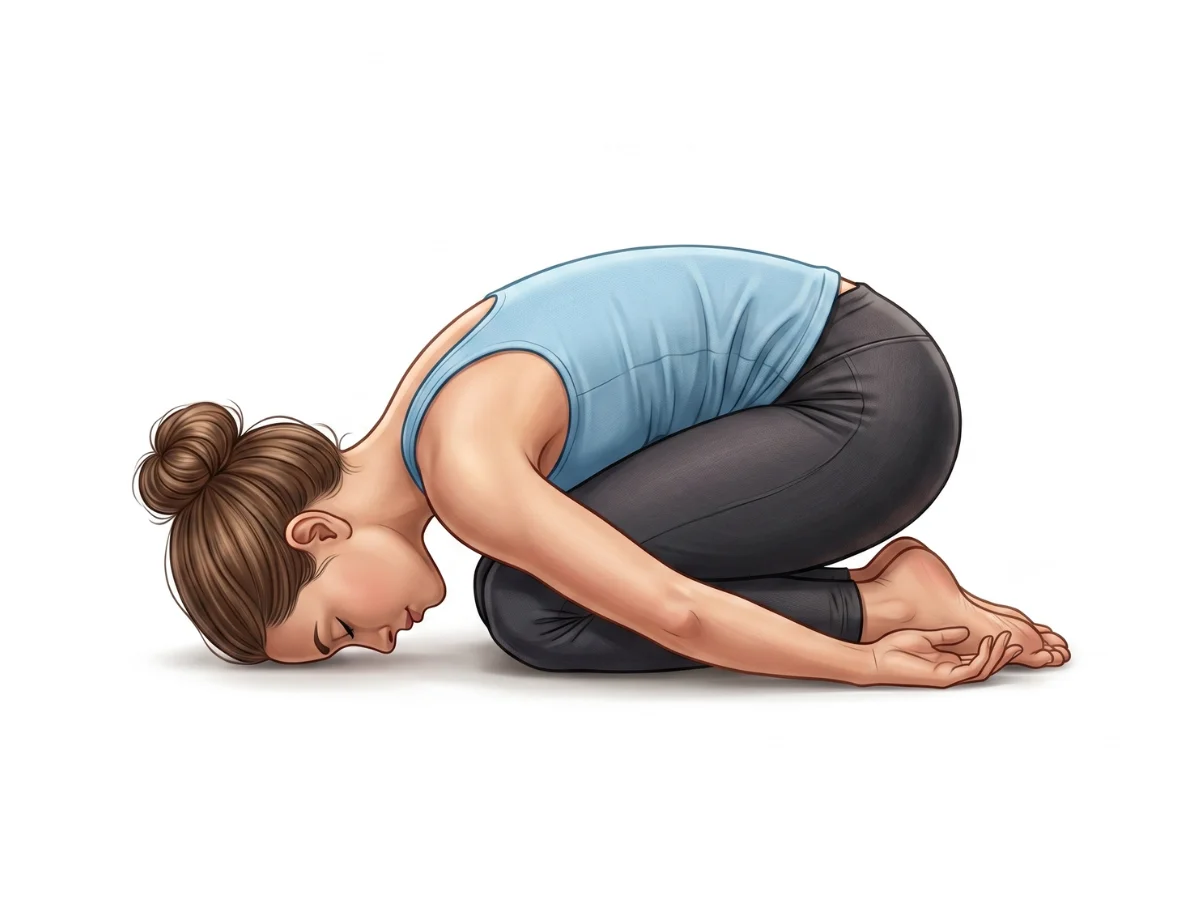
Child's Pose
BalasanaGently warms up the hips and knees while providing a moment of grounding before prone work.
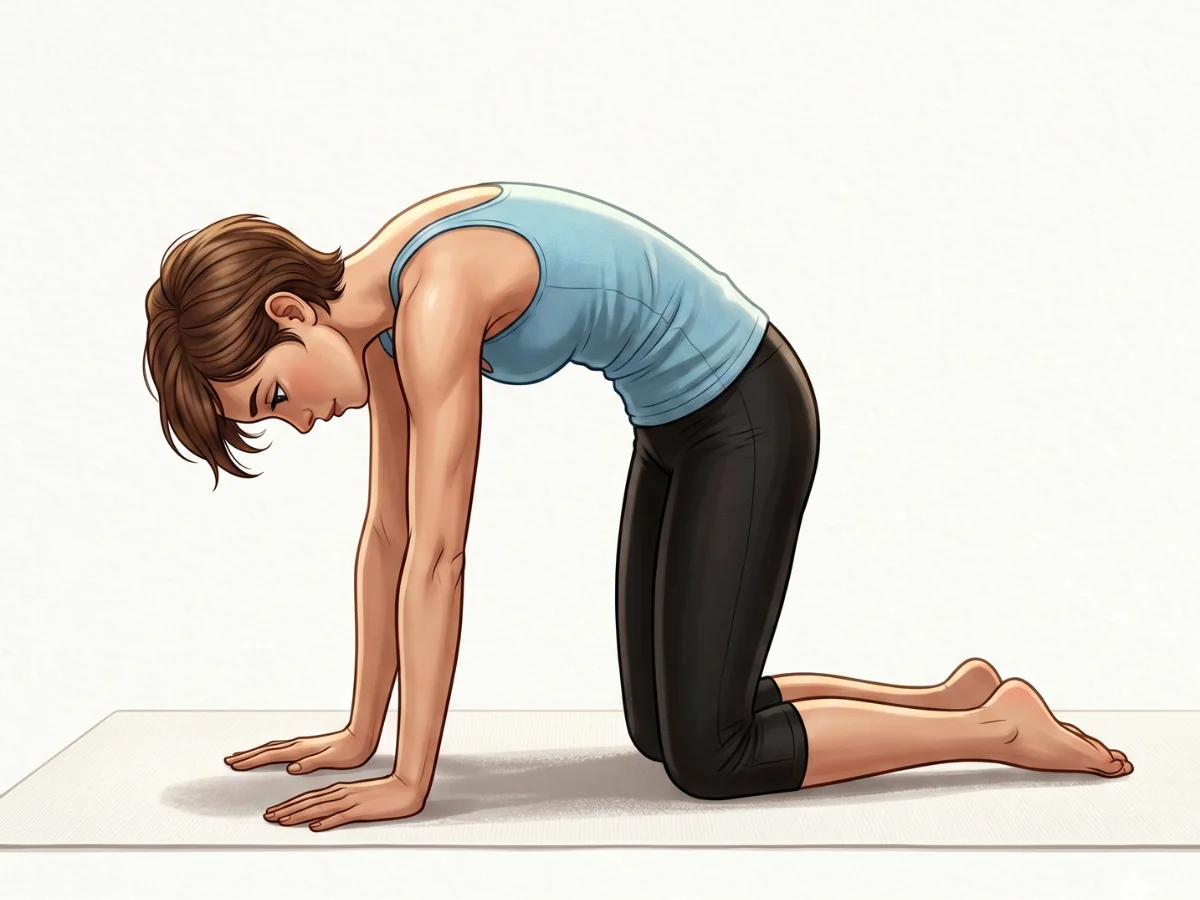
Cat-Cow Pose
Marjaryasana-BitilasanaA dynamic movement that lubricates the entire spine before static holds.
Follow with neutralizing Counter-poses
Child's Pose
BalasanaRounds the spine in complete flexion, counteracting the backbend and releasing the lumbar area.
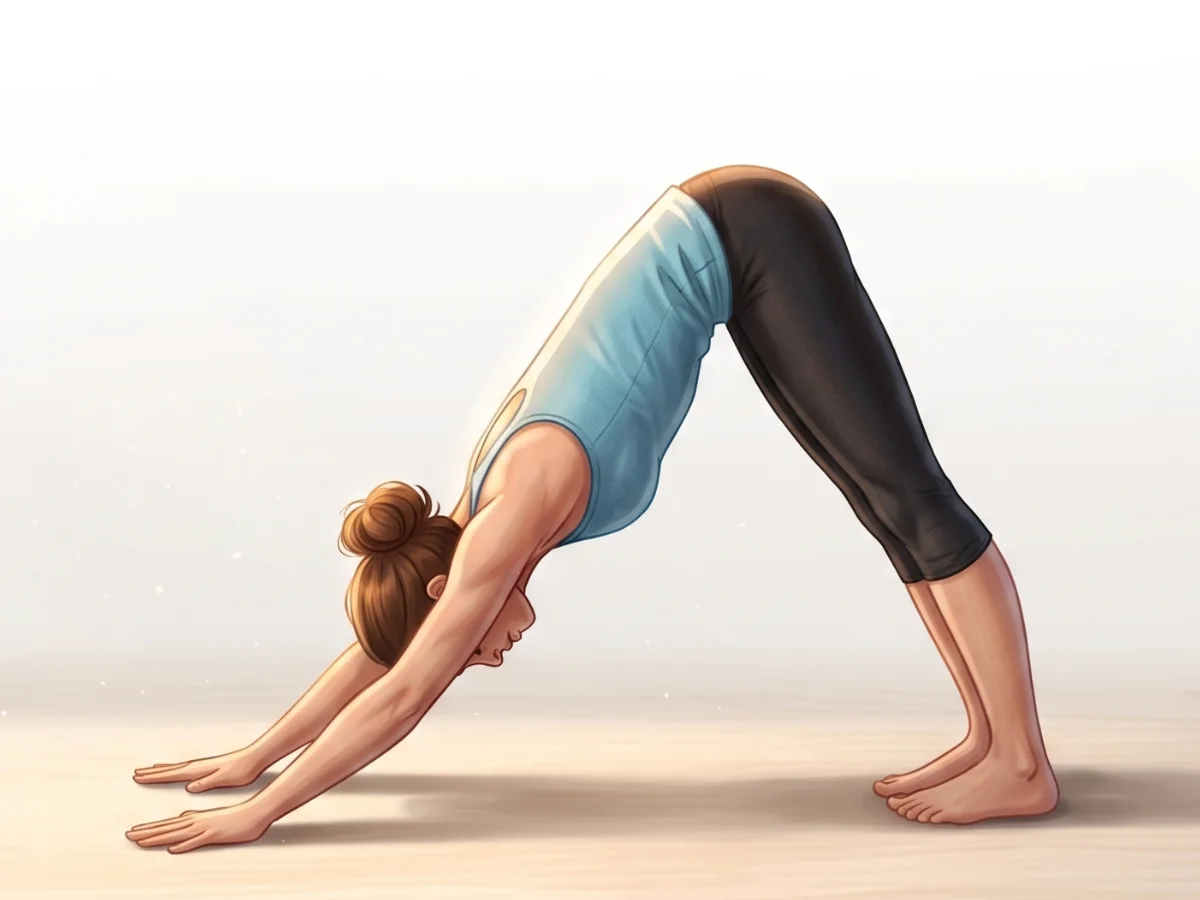
Downward-Facing Dog
Adho Mukha SvanasanaElongates the spine globally while stretching out the back of the legs.
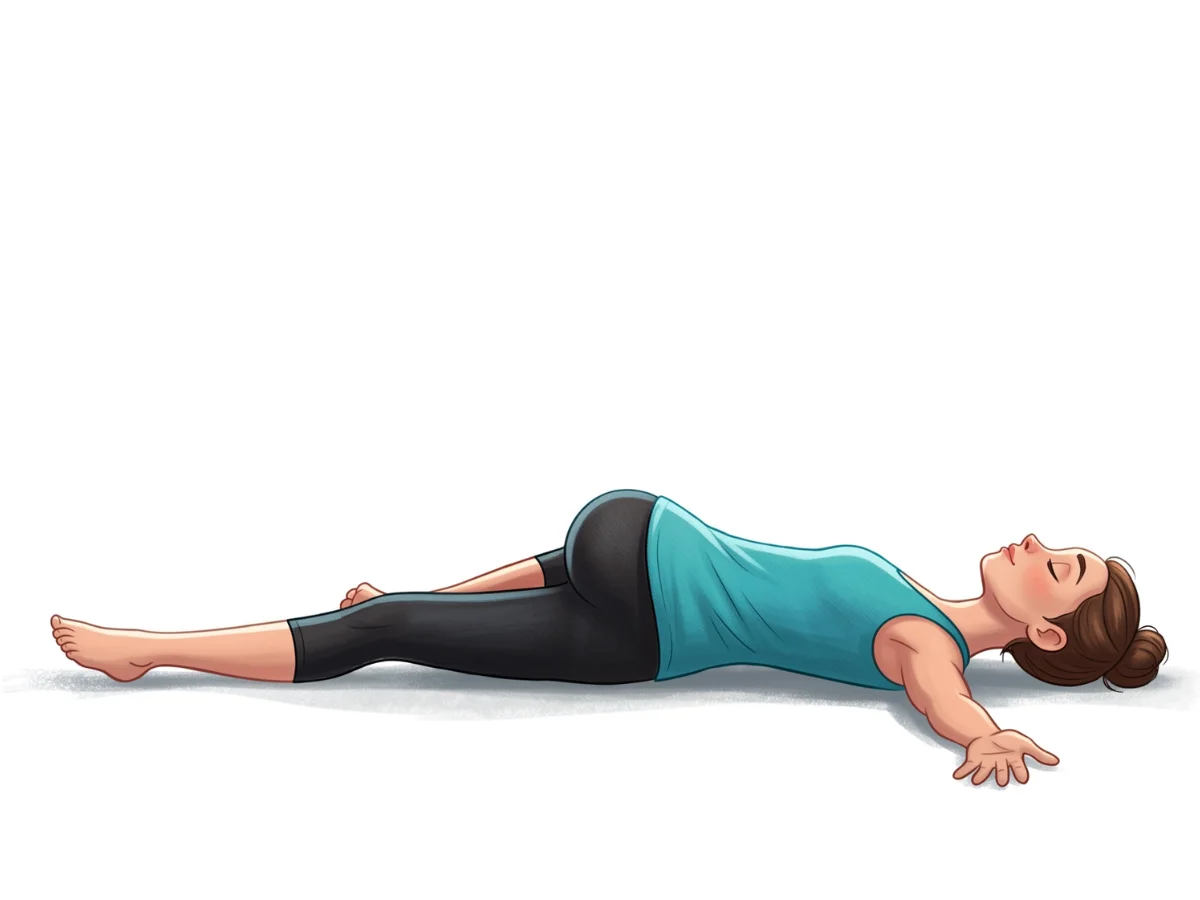
Supine Spinal Twist
Supta MatsyendrasanaA gentle rotation that helps realign the vertebrae and relieve any residual spinal tension.
Frequently Asked Questions
Is Sphinx Pose the same as Cobra Pose?
No. In Sphinx Pose, you bear weight on your forearms, keeping the chest lift relatively low and passive. In Cobra Pose, your hands are under your shoulders and you actively use back strength to lift higher.
What should I do if my shoulders start to hurt?
If you feel shoulder pain, you may be sinking or collapsing into the joint. Actively press your forearms into the floor to lift your torso up and away from your shoulders.
Can I practice Sphinx Pose with a herniated disc?
Gentle extension is often prescribed for certain types of disc herniations (like posterior bulges), but it depends entirely on the individual. Always consult your physical therapist or doctor first.

Elena Rostova is an accredited yoga educator and anatomy specialist with over 15 years of clinical experience. She focuses on functional biomechanics and injury prevention, translating complex anatomy into accessible guidance for safe, sustainable practice.
Read Full ProfileContinue Your Yoga Journey
Ready to deepen your practice? Explore our extensive library of poses, or join a structured program designed to build strength, flexibility, and mindfulness.