
Reverse Corpse Pose
Advasana
By Elena Rostova Updated: verified Medically Reviewed
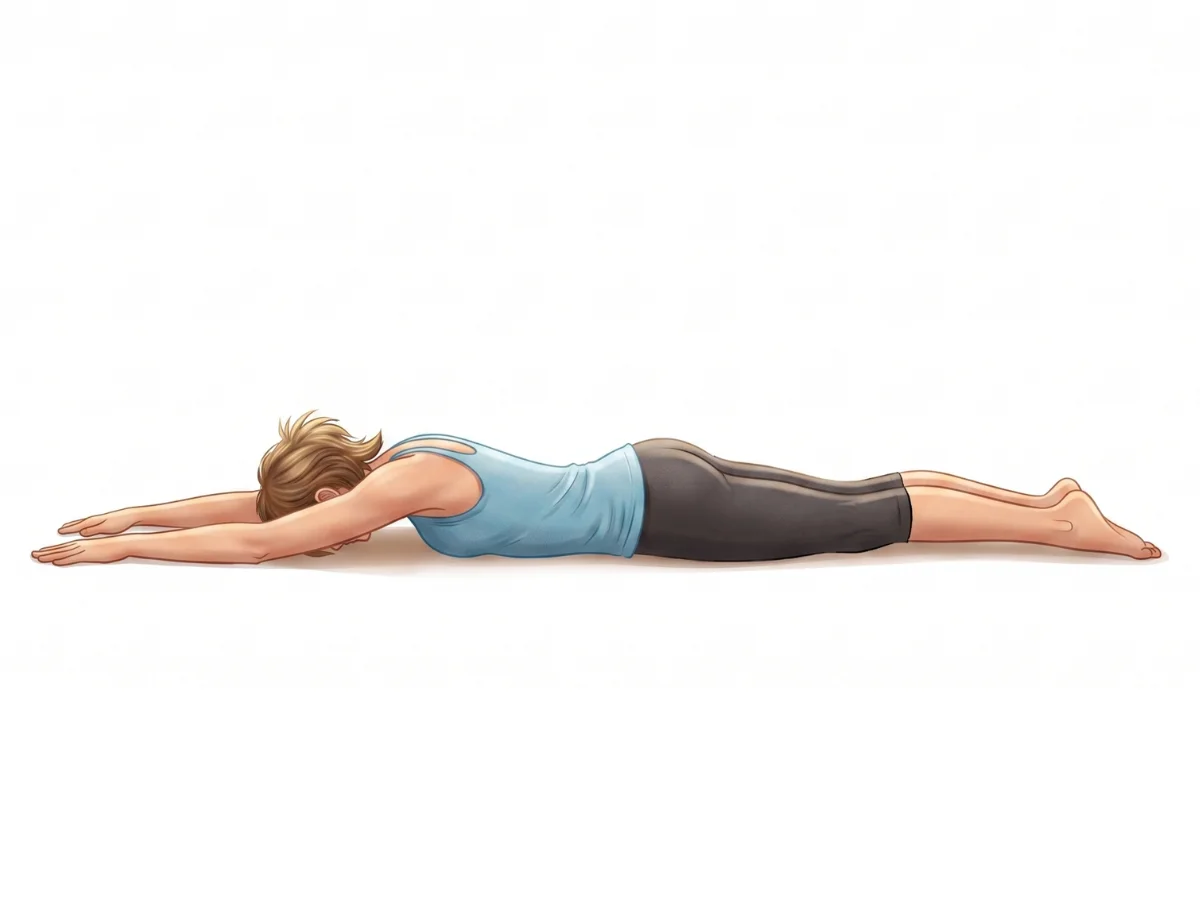
Reverse Corpse Pose (Advasana) is a profoundly restful, belly-down posture. It offers an alternative resting shape to traditional Corpse Pose (Savasana), heavily grounding the front body, naturally regulating breathing, and soothing the lower back.
Hold Time
3–5 minutes
Pronunciation
ahd-VAHS-anna
About Reverse Corpse Pose
A vital part of many yoga sequences, Reverse Corpse Pose (Advasana) offers wonderful benefits that go beyond its simple shape. By gently focusing on deep relaxation & spinal neutrality, it actively stretches your muscles and builds heat. Consistent practice will actively assist in calms the nervous system, helping you feel lighter and more balanced off the mat.
How to Practice
Prone Alignment
Gently lie face down on your yoga mat, extending your legs completely straight behind you.
Leg Positioning
Allow your feet to rest comfortably about hip-width apart. You may let your heels gently splay outward to release the lower back.
Arm Placement
Extend both arms forward past your head, resting the palms softly on the mat, or bring the arms down alongside your torso with the palms facing upward.
Rest the Head
Rest your forehead directly on the mat, or turn your head to rest gently on one cheek. If turning the head, remember to switch sides halfway through the hold.
Release Tension
Consciously relax all muscular effort. Let your shoulders soften away from your ears and allow your entire body weight to sink into the floor.
Breathe Deeply
Focus on your breath. Notice how the floor resists your belly as you inhale, naturally directing the breath to expand into the lower back and back ribs.
Hold and Settle
Remain in complete stillness for 3 to 5 minutes, allowing the nervous system to fully integrate.
Practice with the Yoga Timer
Keep track of your hold time and breath count for this pose.
Beginner Modifications & Prop Options
Yoga is a personal journey. These modifications and prop options allow you to adapt the pose to your current level of balance and flexibility, ensuring a safe and supportive practice.
Support the Forehead
Cross your forearms in front of you and rest your forehead gently on the back of your hands (Makarasana variation).
Tip: Focus on alignment rather than depth.
Pillow Under the Belly
Place a thin, folded blanket or flat pillow under your lower abdomen and pelvis to reduce the lumbar arch and fully flatten the lower spine.
Tip: Focus on alignment rather than depth.
Benefits of Reverse Corpse Pose
Calms the Nervous System
The grounded, sensory-reducing nature of lying on the belly shifts the body quickly into a parasympathetic (rest and digest) state.
Encourages Deep Breathing
Because the front body is restricted by the floor, breathing naturally shifts to expand and stretch the back of the rib cage.
Eases Lower Back Tension
A completely neutral spine combined with slight outward rotation of the heels releases tightness in the lumbar spine and sacrum.
Improves Postural Awareness
Helps flatten the thoracic curve, gently opposing the hunched posture many develop while sitting.
Common Mistakes to Avoid
Mistake: Holding Tension in the Shoulders
How to fix: Ensure your shoulders are not creeping up toward your ears. If your arms are extended forward, bend the elbows slightly to promote softness.
Mistake: Forgetting to Switch Head Sides
How to fix: If you rest on one cheek, be mindful to turn your head to the opposite cheek halfway through your rest to avoid asymmetrical neck strain.
Safety and Precautions
Pregnancy
Avoid this pose after the first trimester, as lying prone puts dangerous pressure on the growing abdomen.
Respiratory Issues
Individuals with severe asthma or COPD may find breathing restricted while lying directly on the chest.
Recent Abdominal Surgeries
Avoid until fully healed, as the pressure can aggravate tender surgical sites.
Medical Disclaimer: If you have any of the above conditions, consult your doctor or a qualified yoga instructor before attempting this pose.
Muscles Worked in Reverse Corpse Pose
Reverse Corpse Pose demands synchronized muscular effort, creating a profound sense of engagement and release throughout the body. The activation of the primary muscles supports the structure, while the secondary muscles provide stability and balance.
Primary Muscles
Diaphragm
Works dynamically to expand the back ribs against the resistance of the floor.
Secondary Muscles
Erector Spinae
Experiences complete, passive relaxation in a neutral state.
Poses to Practice Before and After Reverse Corpse Pose
Prepare with these Poses
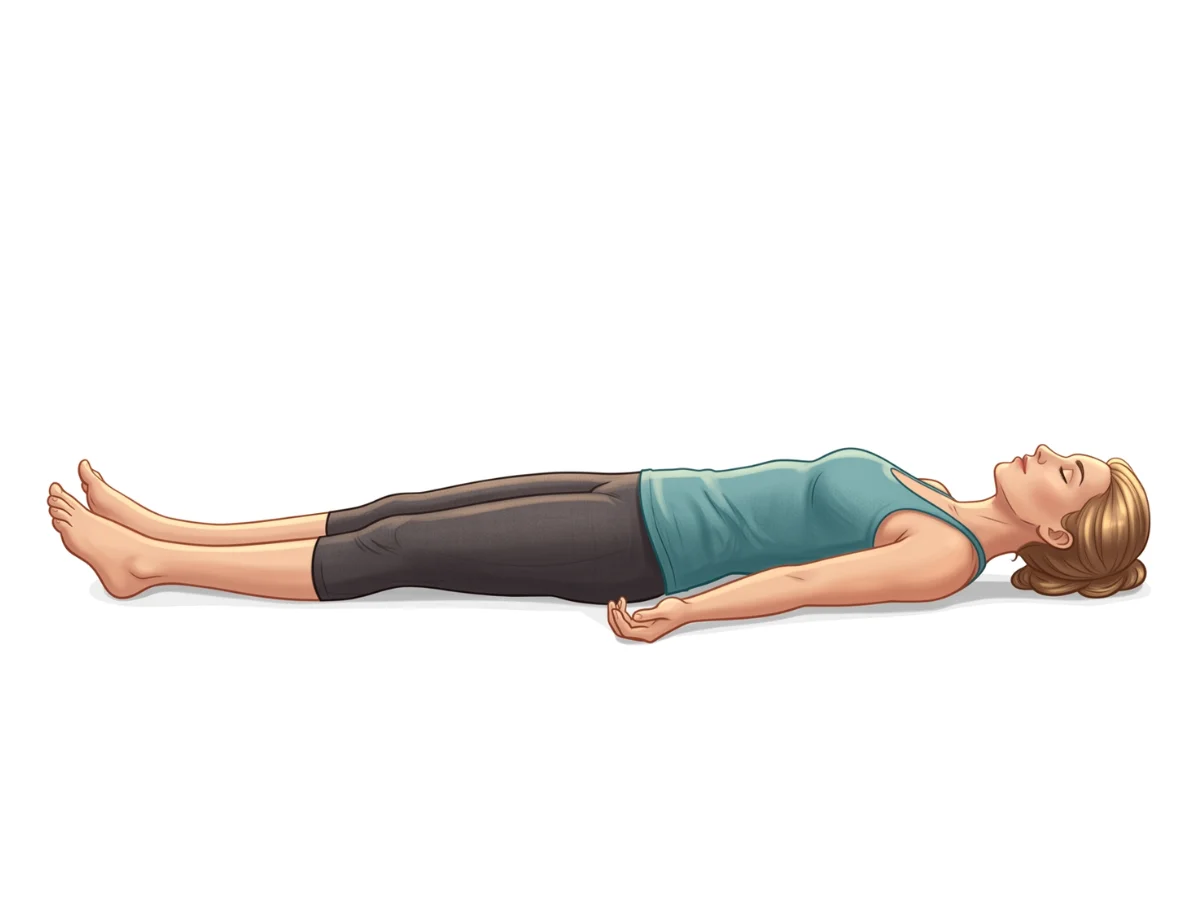
Corpse Pose
SavasanaThe traditional supine resting posture.
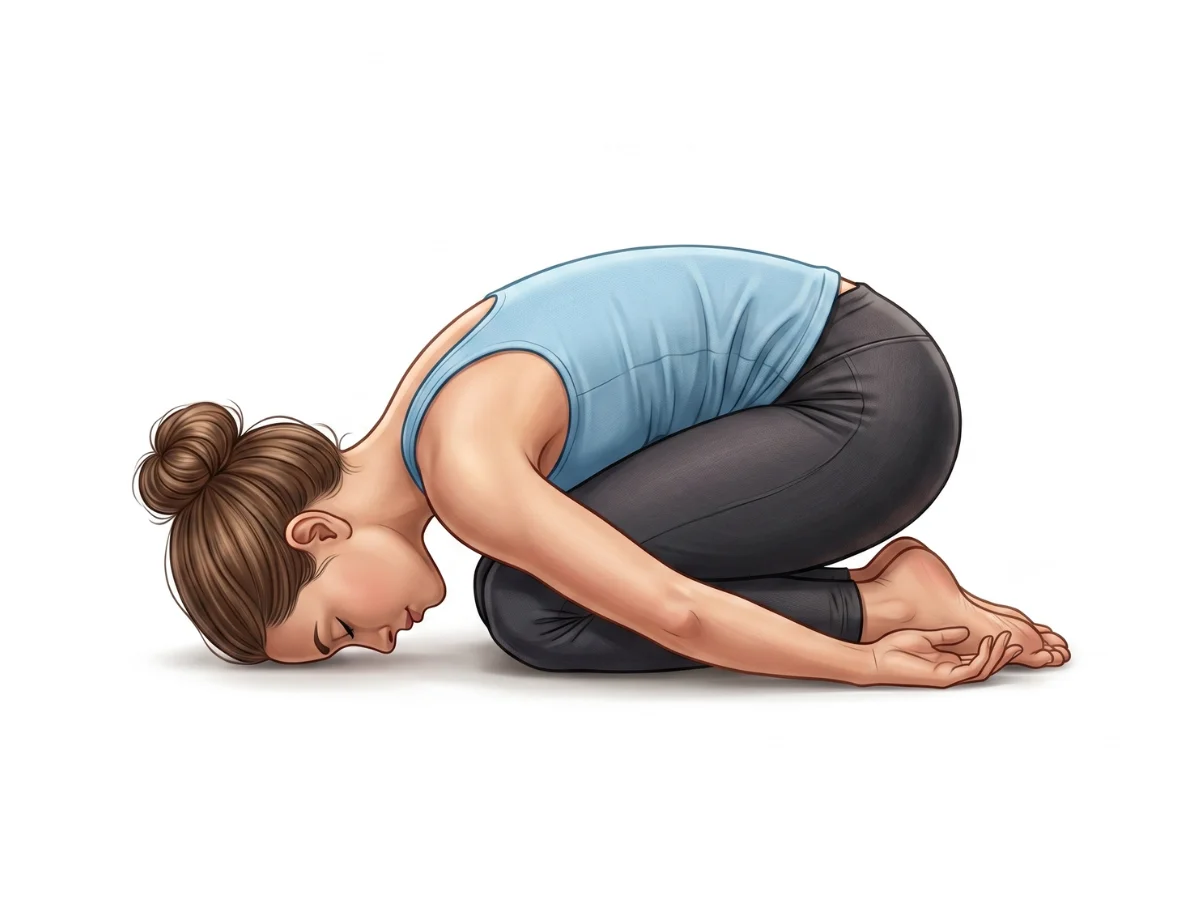
Child's Pose
BalasanaAnother profound resting and grounding posture.
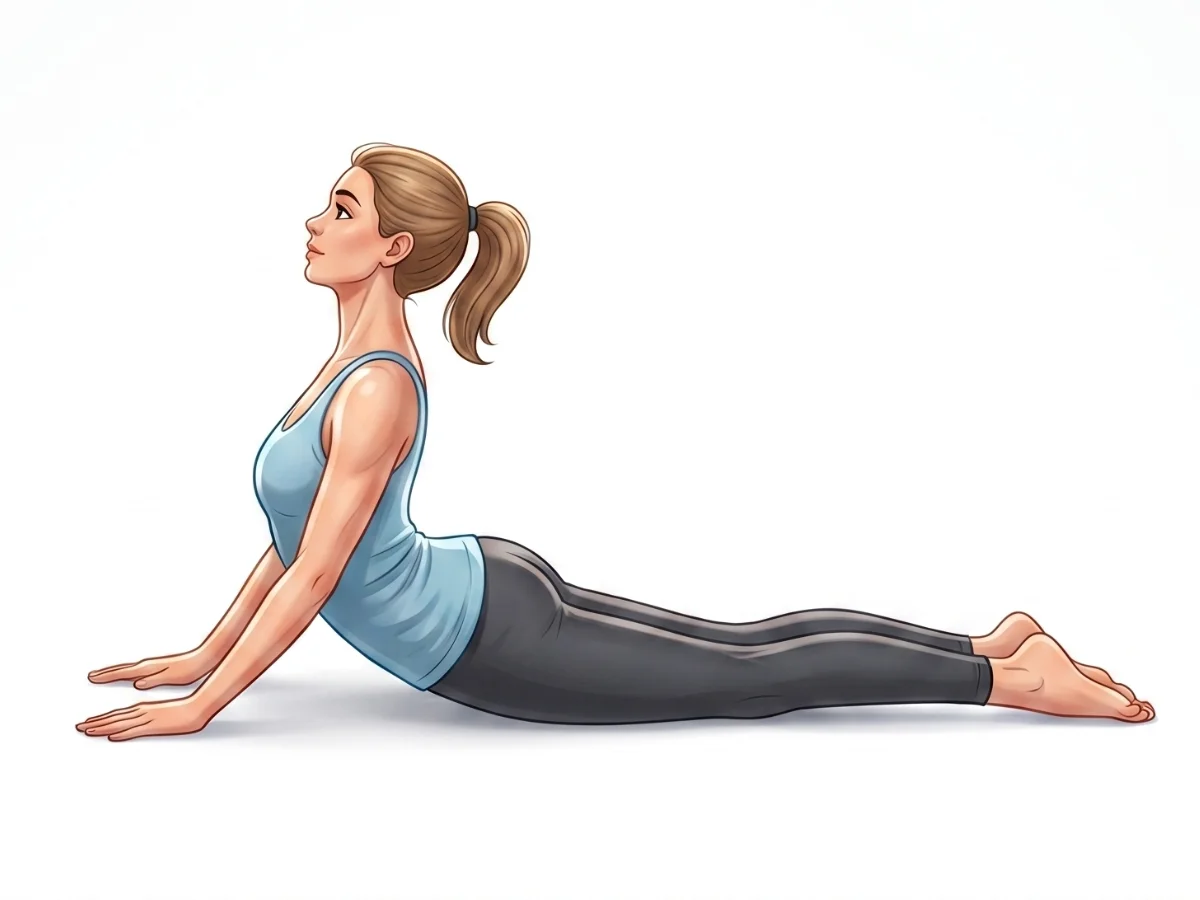
Follow with neutralizing Counter-poses
Frequently Asked Questions
Why choose Reverse Corpse over regular Corpse Pose?
Reverse Corpse is excellent for individuals who feel vulnerable lying on their backs, or for those seeking to specifically direct their breath into their lower back.
Is it okay to fall asleep in this pose?
While falling asleep is a sign of deep relaxation, the goal of yoga nidra or resting poses is to maintain a state of conscious, mindful relaxation.
Elena Rostova is an accredited yoga educator and anatomy specialist with over 15 years of clinical experience. She focuses on functional biomechanics and injury prevention, translating complex anatomy into accessible guidance for safe, sustainable practice.
Read Full ProfileContinue Your Yoga Journey
Ready to deepen your practice? Explore our extensive library of poses, or join a structured program designed to build strength, flexibility, and mindfulness.