
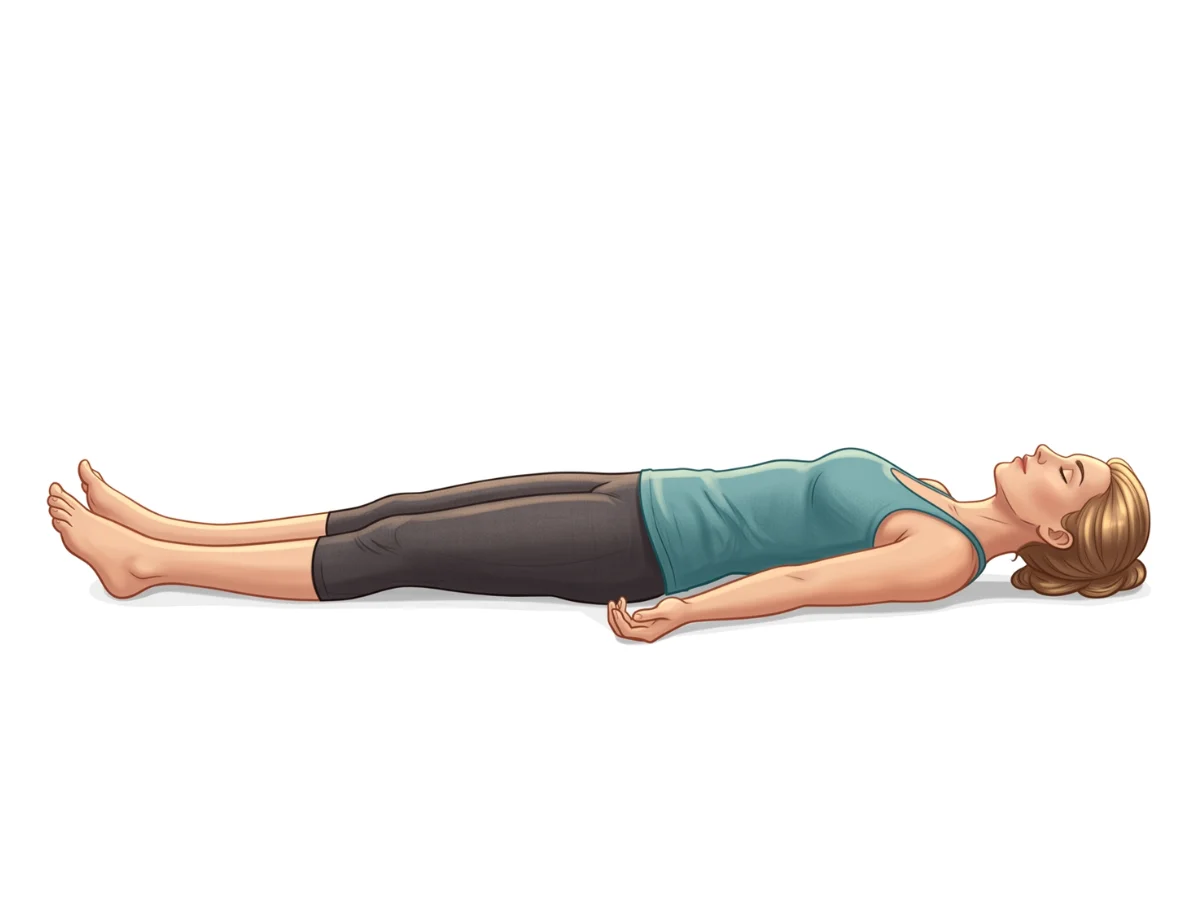
Corpse
Savasana
By Elena Rostova Updated: verified Medically Reviewed
Corpse Pose (Savasana) is the traditional final resting posture of a yoga practice. While it appears physically simple, it is often considered the most challenging pose because it requires conscious stillness of both body and mind. Savasana allows the physical body to integrate the benefits of the active practice while deeply calming the nervous system.
Hold Time
5�15 mins
Pronunciation
shah-VAHS-anna
About Corpse
Commonly practiced as Corpse (Savasana), this dynamic posture is beautifully designed to help unlock tension. It primarily targets the deep rest & integration, helping to create length and strength exactly where you need it most. Over time, adding this to your routine is a great way to support calms the nervous system while calming the mind.
How to Practice
Lie Down
Lie flat on your back on your yoga mat. Take a moment to lift your pelvis slightly and lengthen your tailbone toward your heels, then lower it back down.
Legs and Feet
Extend your legs fully, bringing them slightly wider than hip-width apart. Allow your toes to splay out naturally to the sides, relaxing the ankles and hips.
Arms and Hands
Rest your arms alongside your body, angled slightly outward so your armpits can breathe. Turn your palms to face the ceiling, naturally encouraging the shoulders to roll back and down.
Tuck the Shoulders
Gently tuck your shoulder blades underneath your upper back to broaden across the collarbones and support the opening of the chest.
Lengthen the Neck
Draw your chin very slightly toward your chest to lengthen the back of your neck. If your chin lifts higher than your forehead, use a folded blanket under your head.
Soften the Face
Relax your jaw, part your teeth slightly, and let your tongue fall away from the roof of your mouth. Soften the space between your eyebrows and allow your eyes to sink heavily into their sockets.
Release the Breath
Let go of any controlled breathing techniques (like Ujjayi). Allow your breath to return to its natural, effortless rhythm.
Conscious Surrender
Scan your body from head to toe, consciously releasing any lingering pockets of tension. Allow your body weight to sink completely into the floor.
Hold Stillness
Rest in complete stillness for 5 to 15 minutes. If your mind wanders, gently guide your awareness back to the sensation of your natural breath or the physical points of contact with the floor.
Gentle Awakening
To exit, deepen your breath slowly. Wiggle your fingers and toes, reach your arms overhead for a full-body stretch, and gently roll onto your right side before pressing up to a seated position.
Practice with the Yoga Timer
Keep track of your hold time and breath count for this pose.
Beginner Modifications & Prop Options
Yoga is a personal journey. These modifications and prop options allow you to adapt the pose to your current level of balance and flexibility, ensuring a safe and supportive practice.
Bolster Under Knees
Place a yoga bolster or rolled blanket beneath your knees. This slight bend flattens the lumbar curve against the floor, instantly relieving lower back tension.
Tip: Focus on alignment rather than depth.
Blanket Under Head
Place a folded blanket beneath your head and neck (but not under your shoulders) to keep the cervical spine neutral and comfortable.
Tip: Focus on alignment rather than depth.
Weighted Prop
Place a folded blanket or a specific yoga sandbag across your lower abdomen or pelvis. The gentle weight provides proprioceptive feedback that soothes the nervous system.
Tip: Focus on alignment rather than depth.
Benefits of Corpse
Calms the Nervous System
Shifts the body from sympathetic (fight or flight) to parasympathetic (rest and digest) dominance, lowering cortisol levels.
Reduces Blood Pressure
The complete physical surrender reduces heart rate and can temporarily lower blood pressure while resting.
Integrates the Practice
Provides the essential time required for the neuromuscular system to process and integrate the stretching and strengthening work of the active asanas.
Alleviates Stress & Fatigue
Helps relieve physical fatigue, mental tension, mild depression, and anxiety by enforcing restorative stillness.
Promotes Mindfulness
Trains the mind to remain conscious and observant without reacting to thoughts, laying the groundwork for meditation.
Common Mistakes to Avoid
Mistake: Skipping the Pose
How to fix: Never skip Savasana, even if you are short on time. It is vital for your nervous system. Commit to at least 2 to 3 minutes to close your practice properly.
Mistake: Falling Asleep
How to fix: While Savasana is deeply relaxing, the goal is conscious rest, not sleep. If you find yourself drifting off frequently, try bending your knees or keeping your eyes slightly open.
Mistake: Fidgeting
How to fix: Make all necessary adjustments (scratching, fixing clothes) within the first minute, then commit to absolute physical stillness to allow the mind to settle.
Safety and Precautions
Late-Stage Pregnancy
Lying flat on the back can compress the inferior vena cava. Pregnant practitioners should practice side-lying Savasana (typically on the left side).
Severe Acid Reflux
Lying completely flat can trigger heartburn. Elevate the head, shoulders, and torso on a slanted bolster setup.
Acute Trauma or PTSD
Closing the eyes or lying exposed can be triggering for some individuals. Practice with eyes open, sitting up, or in any posture that feels safe and grounded.
Medical Disclaimer: If you have any of the above conditions, consult your doctor or a qualified yoga instructor before attempting this pose.
Muscles Worked in Corpse
Corpse demands synchronized muscular effort, creating a profound sense of engagement and release throughout the body. The activation of the primary muscles supports the structure, while the secondary muscles provide stability and balance.
Primary Muscles
None (Total Relaxation)
Savasana is the purposeful disengagement of all voluntary muscular effort.
Secondary Muscles
Diaphragm
Functions naturally and effortlessly as the primary muscle of relaxed respiration.
Poses to Practice Before and After Corpse
Prepare with these Poses
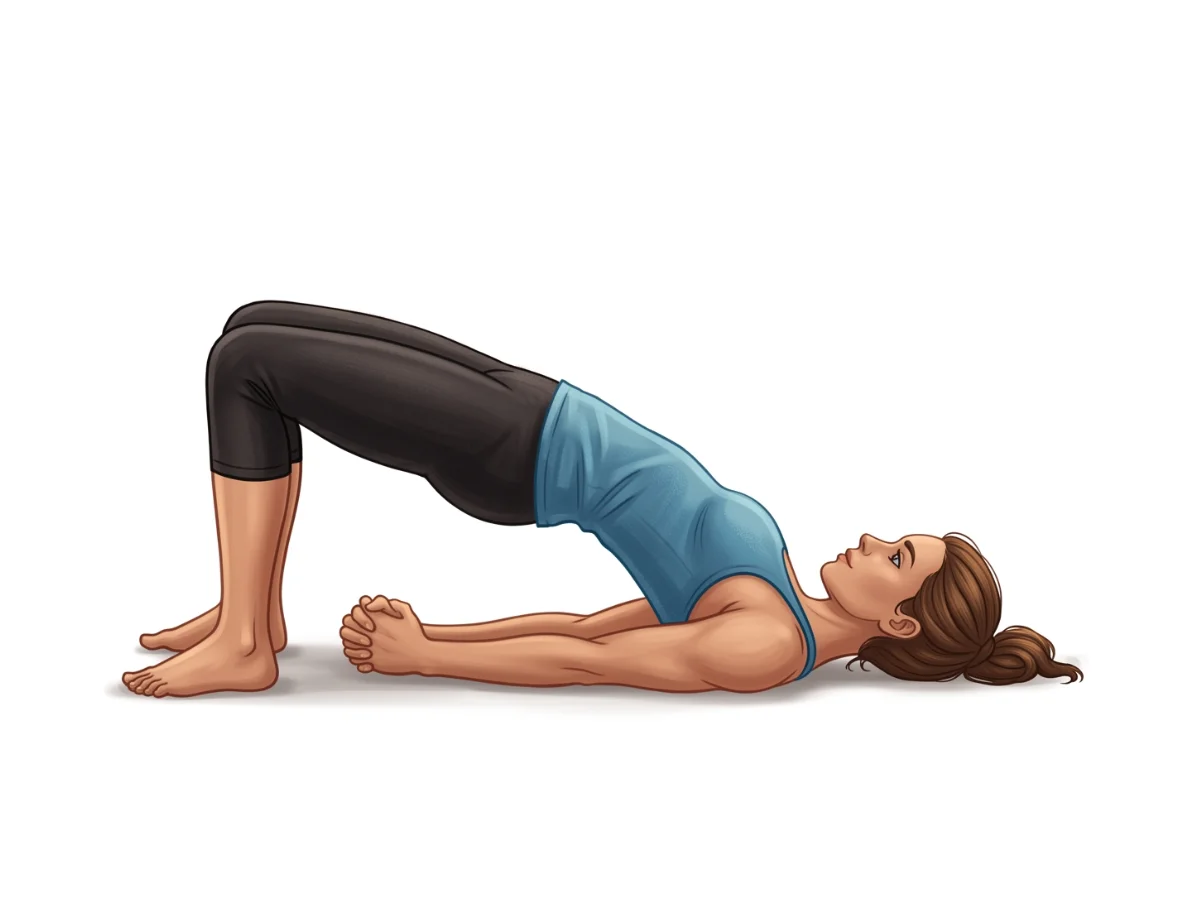
Bridge Pose
Setu BandhasanaA gentle backbend that concludes the active practice before settling down to rest.
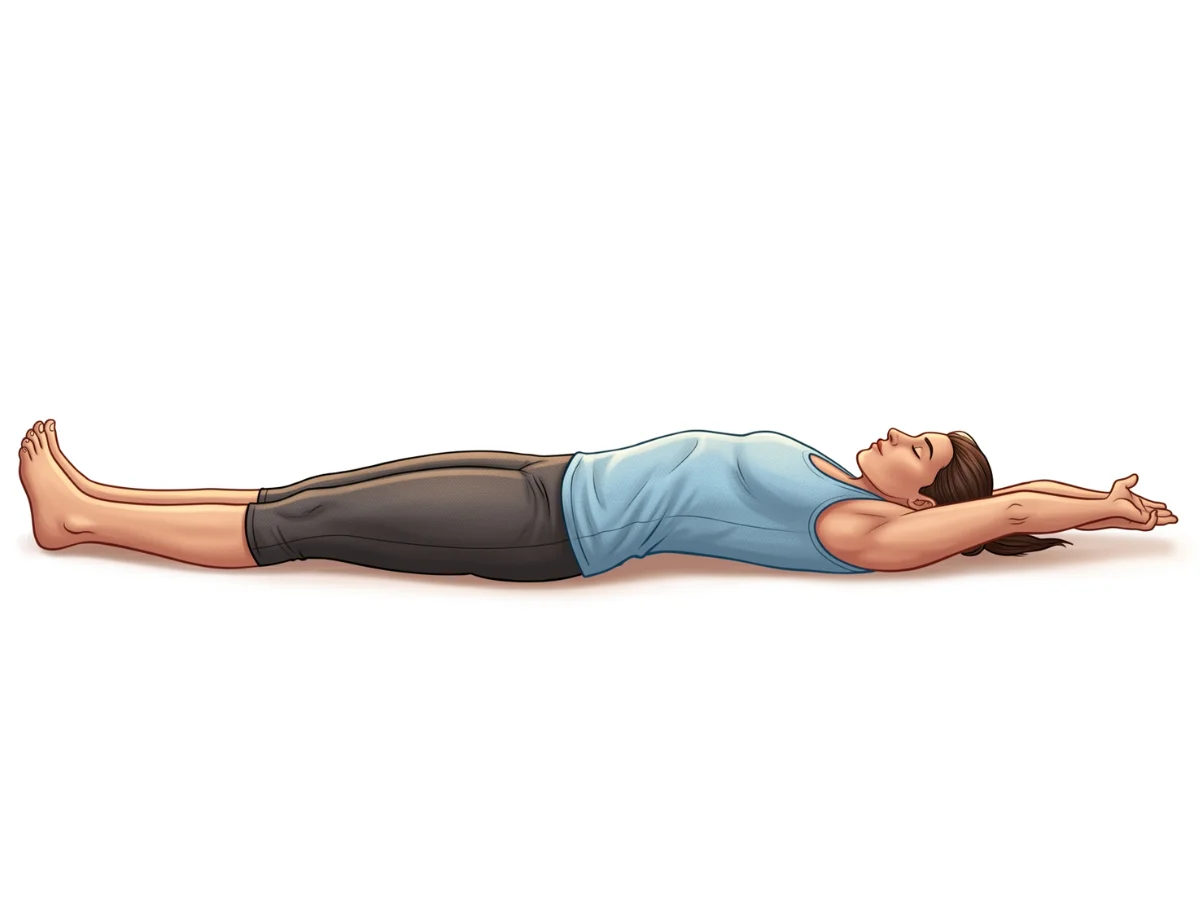
Banana Pose
BananasanaReleases side-body tension, making it easier to lie completely flat and relaxed.
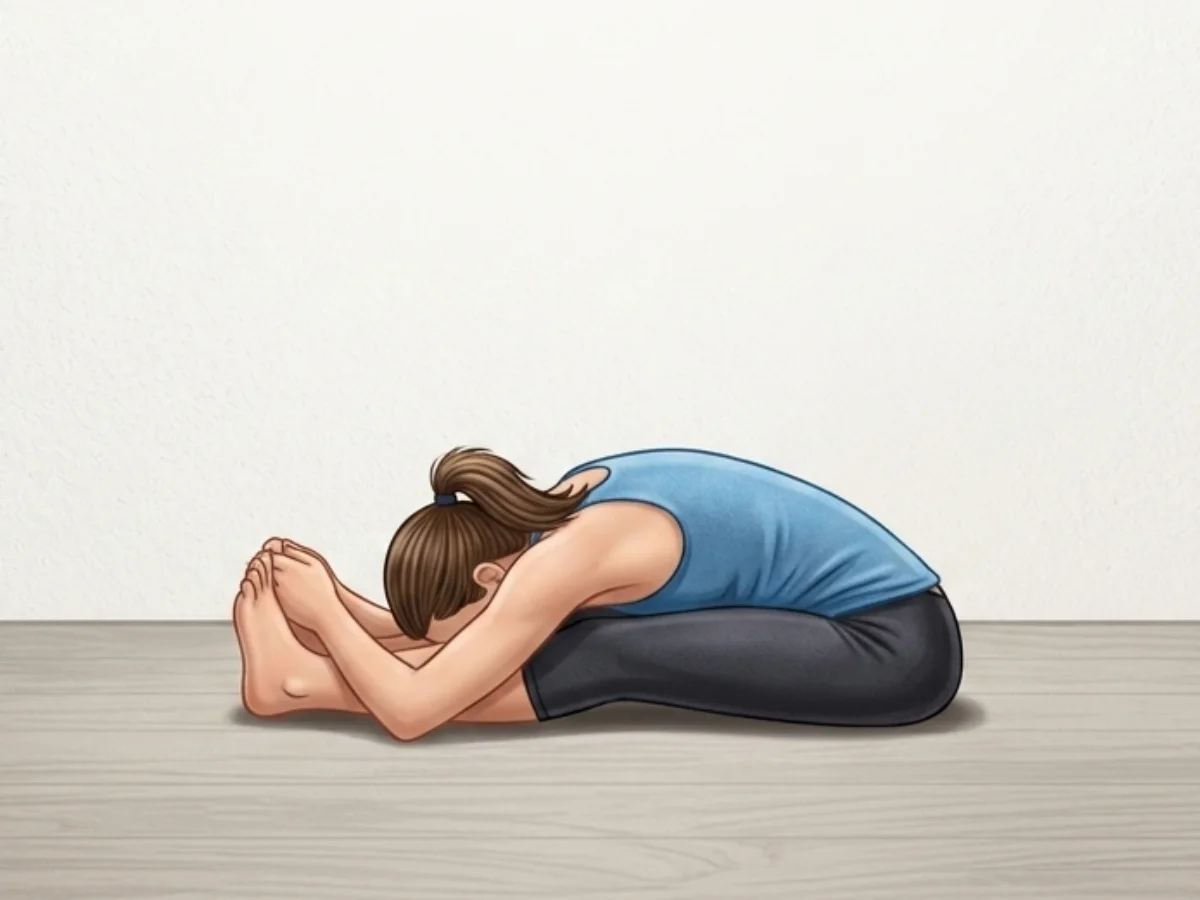
Seated Forward Bend I
Paschimottanasana AA cooling, introspective pose that begins the transition inward.
Follow with neutralizing Counter-poses
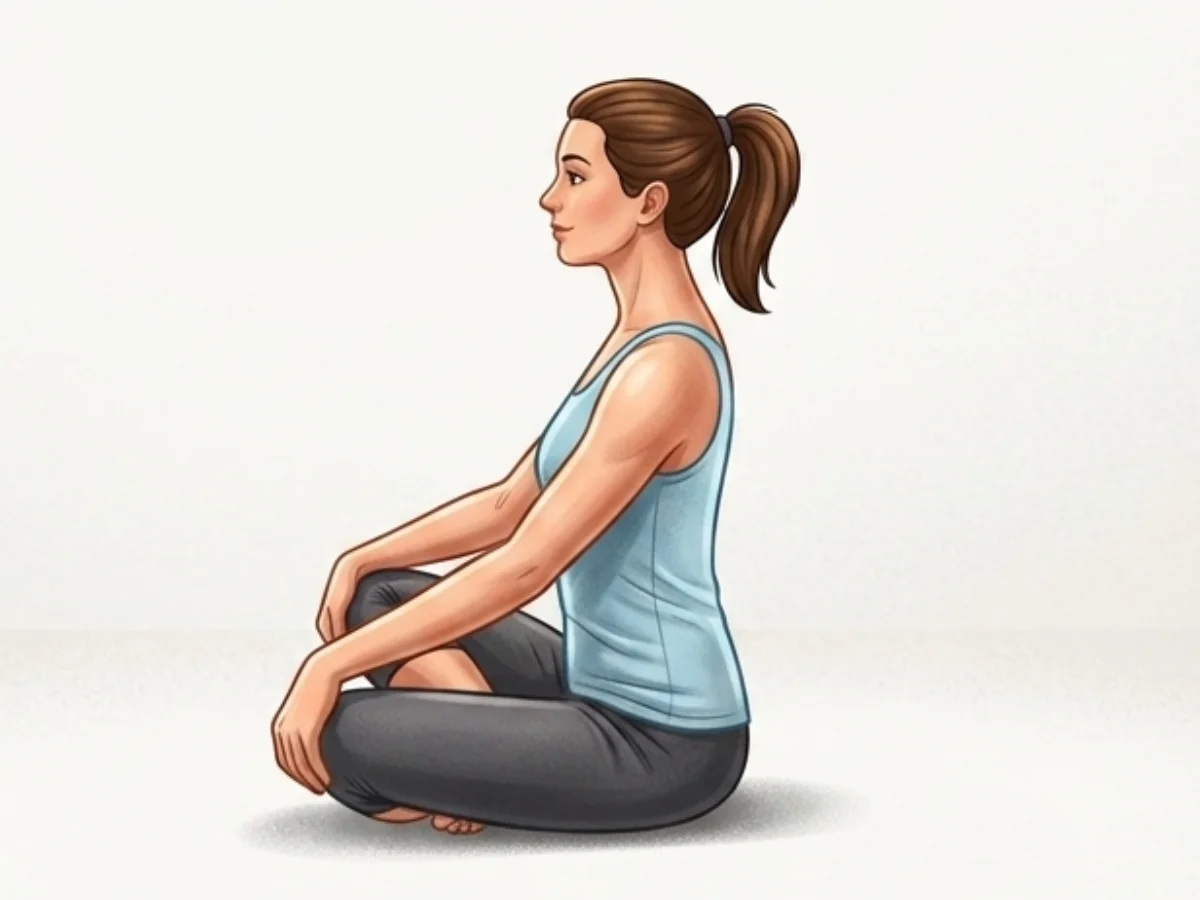
Easy Pose
SukhasanaThe traditional seated posture transitioned into after waking up from Savasana.
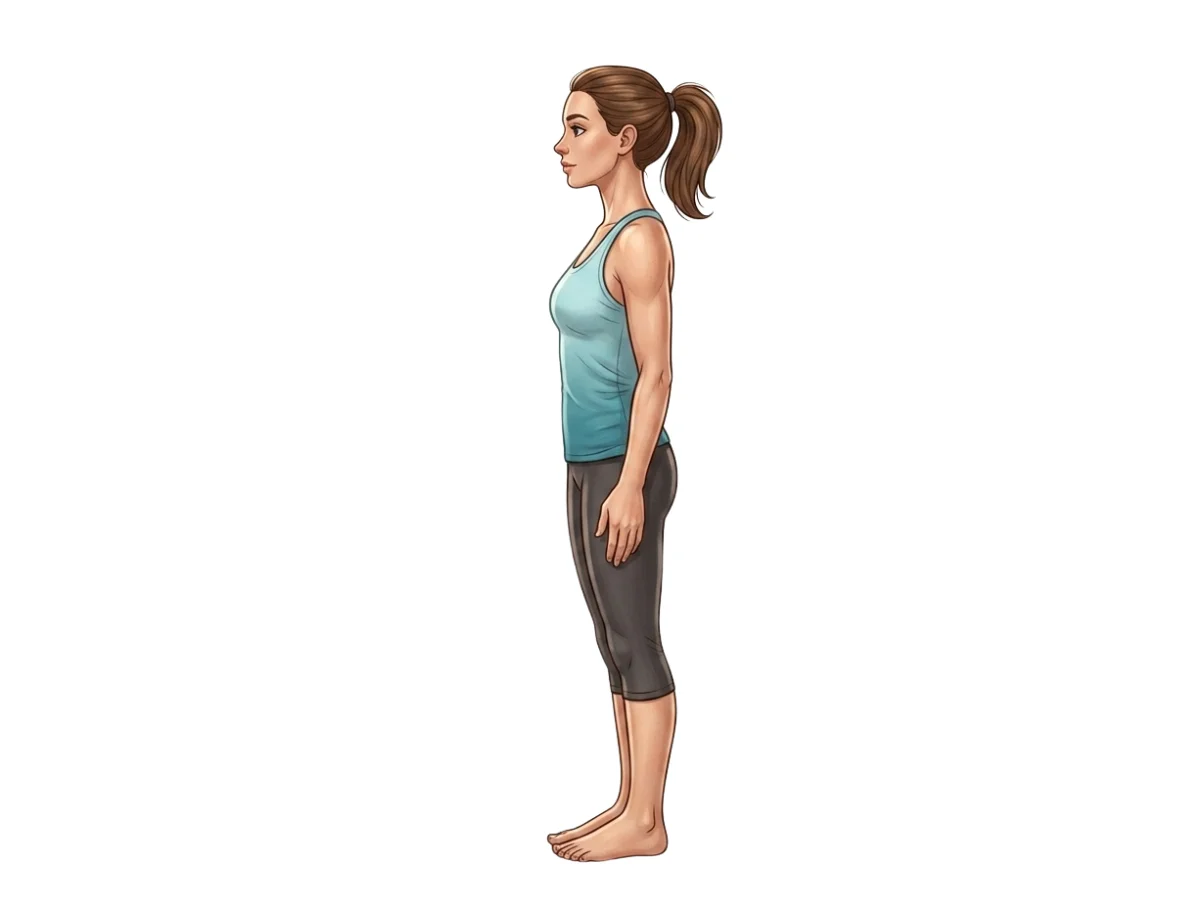
Mountain Pose
TadasanaGrounds the body in standing alignment as you return to your day.
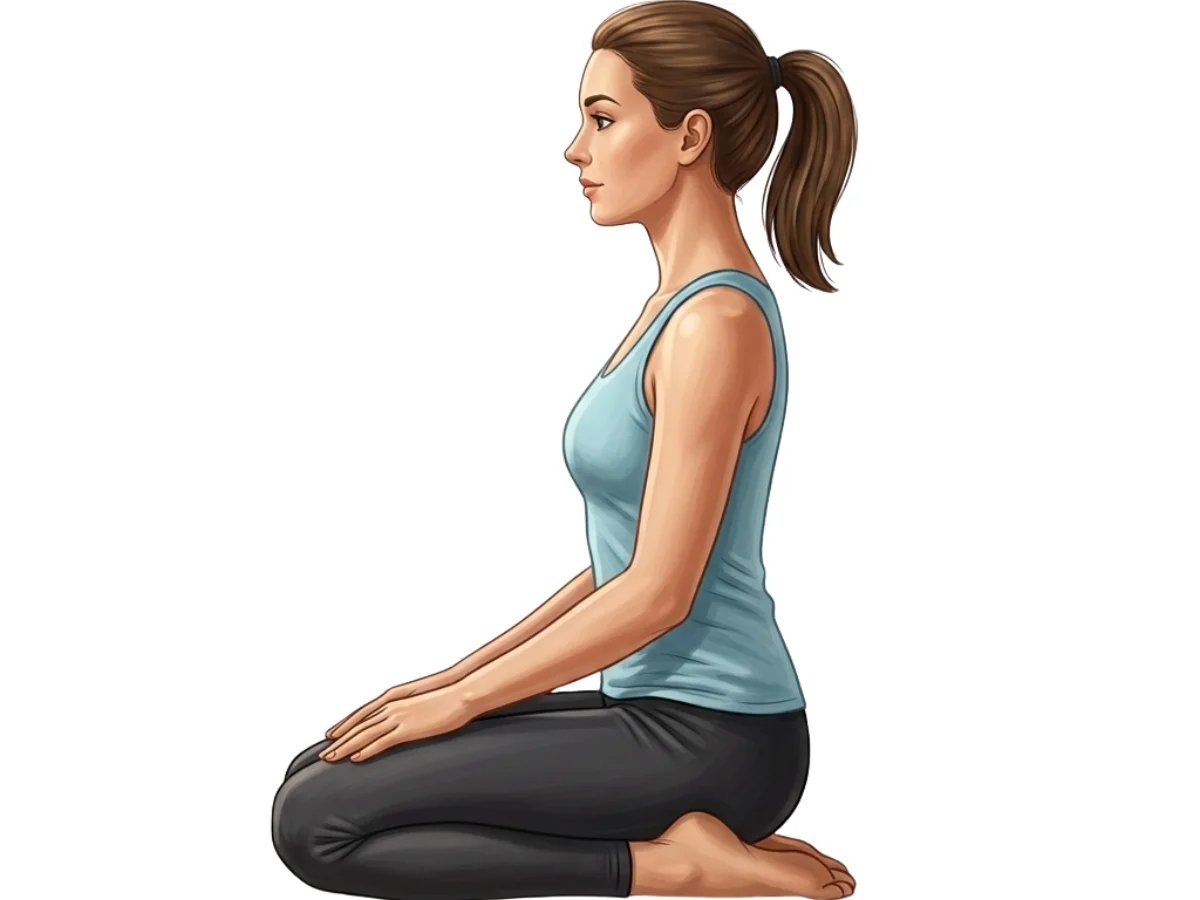
Hero Pose
VirasanaA stable seated posture perfect for seated meditation following Savasana.
Frequently Asked Questions
Is it okay to fall asleep in Savasana?
If your body is exhausted, sleep is natural. However, the ultimate goal of the pose is to remain fully conscious while deeply relaxed�a state known as "Yoga Nidra" or yogic sleep.
Why do I feel cold in Savasana?
As your body stops moving and your heart rate drops, your core temperature naturally lowers. It is highly recommended to put on socks, a sweater, or cover yourself with a blanket before entering the pose.
Why is Savasana so hard for me?
In a fast-paced world, being completely still without external stimulation can feel uncomfortable or anxiety-inducing. This is completely normal. Start with shorter holds and focus heavily on the physical sensation of breathing.
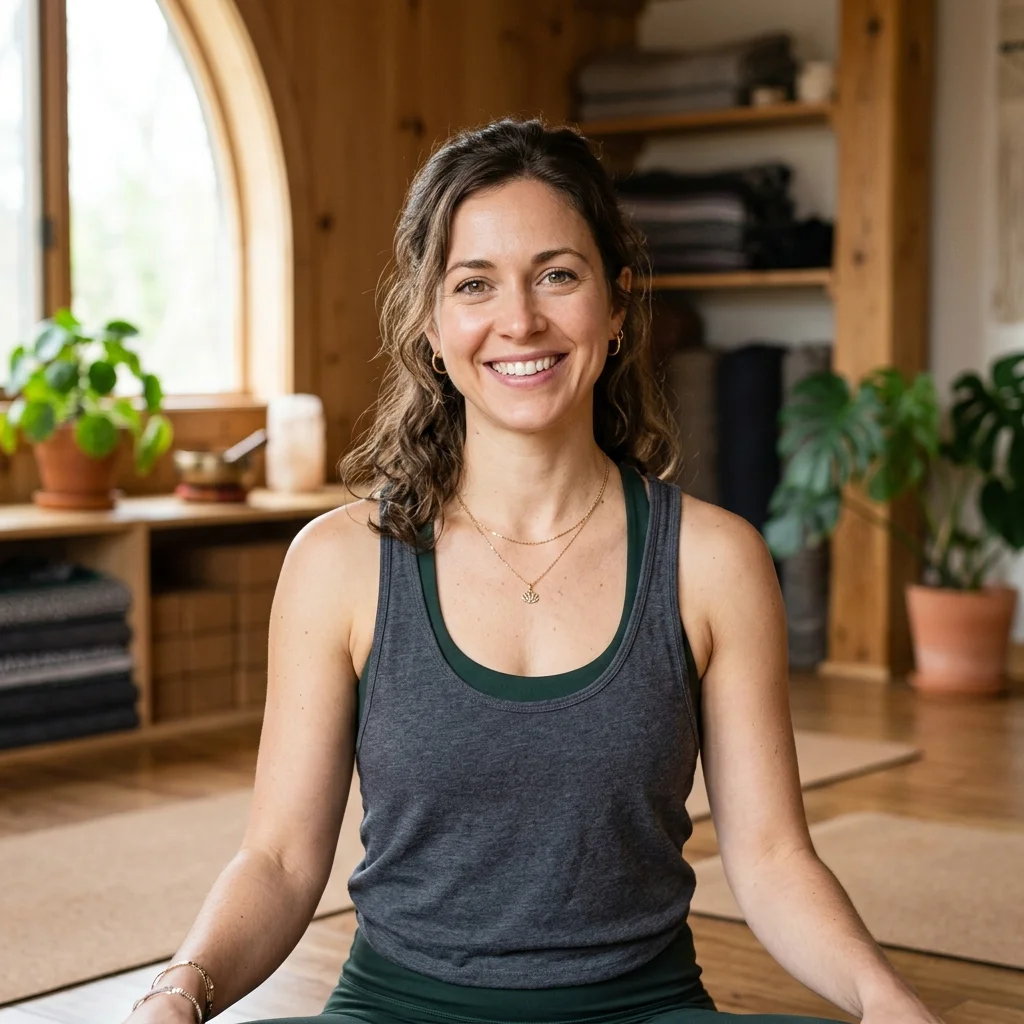
Elena Rostova is an accredited yoga educator and anatomy specialist with over 15 years of clinical experience. She focuses on functional biomechanics and injury prevention, translating complex anatomy into accessible guidance for safe, sustainable practice.
Read Full ProfileContinue Your Yoga Journey
Ready to deepen your practice? Explore our extensive library of poses, or join a structured program designed to build strength, flexibility, and mindfulness.