
Banana
Bananasana
By Elena Rostova Updated: verified Medically Reviewed
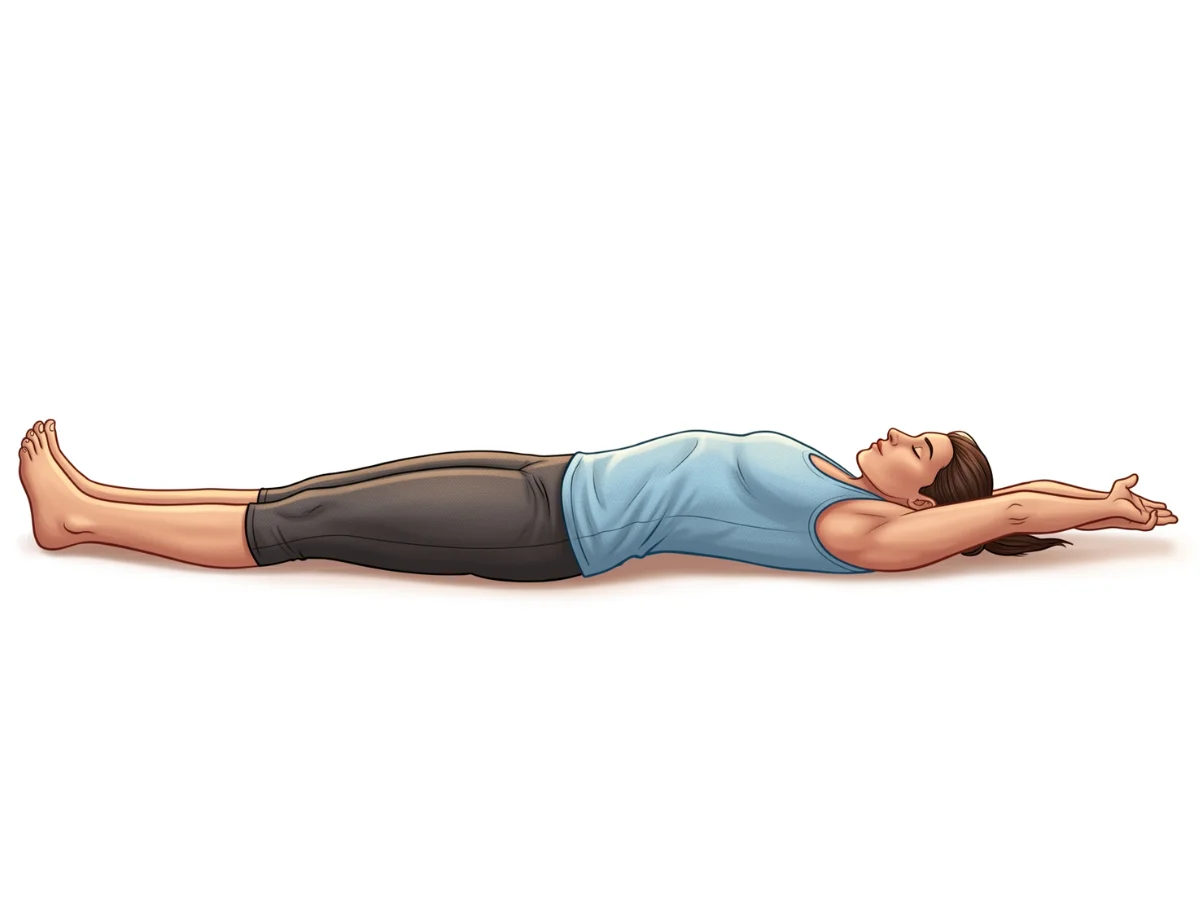
Banana Pose (Bananasana) is a deeply restorative Yin Yoga posture that creates a gentle, continuous stretch along the entire side of the body. By lying on your back and arching into a crescent shape, you release tension in the obliques, intercostals, and IT band while encouraging deep relaxation.
Hold Time
3�5 mins per side � Yin Hold
Pronunciation
bah-nah-NAHS-anna
About Banana
Commonly practiced as Banana (Bananasana), this dynamic posture is beautifully designed to help unlock tension. It primarily targets the side body stretch & relaxation, helping to create length and strength exactly where you need it most. Practicing this pose regularly helps with lengthens side body and leaves you feeling completely refreshed.
How to Practice
Supine Foundation
Begin by lying flat on your back in Corpse Pose (Savasana), with your legs fully extended and your arms resting alongside your body.
Extend Arms
Inhale deeply as you reach both arms overhead, resting them on the floor behind you. You can interlace your fingers, hold opposite elbows, or simply leave them extended.
Walk the Feet
Keeping your pelvis grounded, walk both of your feet over to the right side of your mat until you feel a gentle stretch along your left outer leg and hip.
Cross the Ankles
For a deeper stretch, cross your left ankle over your right ankle, anchoring the left leg in place.
Arc the Upper Body
Slowly inch your upper back, shoulders, and arms over to the right side, creating a crescent or "banana" shape with your entire body.
Anchor the Hips
Ensure both sides of your pelvis, especially the left hip, remain heavy and firmly rooted to the floor. Do not let the left hip roll up.
Soften the Shoulders
Allow your shoulders to relax away from your ears. If holding opposite elbows causes shoulder floating, release the grip and let the arms rest wide.
Hold and Breathe
Maintain this deep, passive stretch for 3 to 5 minutes, breathing expansively into your left ribcage and side waist.
Release and Center
To exit, slowly uncross your ankles and walk your feet and upper body back to the center of the mat.
Switch Sides
Pause for a few breaths in neutral before repeating the entire sequence on the left side to balance the body.
Practice with the Yoga Timer
Keep track of your hold time and breath count for this pose.
Beginner Modifications & Prop Options
Yoga is a personal journey. These modifications and prop options allow you to adapt the pose to your current level of balance and flexibility, ensuring a safe and supportive practice.
Arms Wide or Lowered
If reaching overhead causes pain or numbness, keep your arms in a wide T-shape, or rest them softly by your sides or on your belly.
Tip: Focus on alignment rather than depth.
Uncrossed Ankles
Keep your feet side-by-side rather than crossing the ankles. This reduces the rotational pull on the lower leg and softens the hip stretch.
Tip: Focus on alignment rather than depth.
Prop Under Shoulders or Knees
Place a folded blanket under the shoulders for padding, or a small bolster under the knees to reduce the arch in the lower back.
Tip: Focus on alignment rather than depth.
Benefits of Banana
Lengthens Side Body
Deeply stretches the oblique muscles, intercostals, and latissimus dorsi, promoting greater ribcage expansion and easier breathing.
Releases IT Band & Hips
Provides a passive, sustained release for the iliotibial (IT) band and tensor fasciae latae (TFL) along the outer hip and thigh.
Stimulates Gallbladder Meridian
In Yin Yoga, this deep side-bending action is known to stimulate the Gallbladder meridian, which runs along the lateral side of the body.
Calms the Nervous System
The restorative, floor-based nature of the pose encourages a shift into the parasympathetic (rest and digest) nervous system state.
Improves Spinal Mobility
Gently encourages lateral flexion of the spine, which helps to counteract the forward-rounding posture of daily life and desk work.
Common Mistakes to Avoid
Mistake: Lifting the Opposite Hip
How to fix: Focus on keeping the stretched-side hip heavy and anchored to the floor; do not roll onto your side.
Mistake: Overstretching the Neck
How to fix: Keep your neck relaxed. You can look straight up or turn your head gently toward the direction you are bending, whichever feels best.
Mistake: Pulling Too Deeply
How to fix: In Yin Yoga, you should aim for a mild to moderate edge of sensation, not a painful extreme. Ease back if you feel pinching.
Safety and Precautions
Acute Lower Back Issues
Severe lumbar herniations or sciatica may be aggravated by the asymmetrical side bending.
Recent Shoulder Injuries
Reaching overhead can irritate rotator cuff tears; keep arms down instead.
Hip Replacements
Always consult your doctor before performing deep lateral stretches or crossing the legs.
Pregnancy
While generally safe, late-term pregnancy may make lying flat uncomfortable. Modify by lying on a bolster.
Neck Pain
Avoid turning the head sharply; keep the cervical spine neutral if you experience neck discomfort.
Medical Disclaimer: If you have any of the above conditions, consult your doctor or a qualified yoga instructor before attempting this pose.
Muscles Worked in Banana
Banana demands synchronized muscular effort, creating a profound sense of engagement and release throughout the body. The activation of the primary muscles supports the structure, while the secondary muscles provide stability and balance.
Primary Muscles
External & Internal Obliques
Passively stretched to allow lateral flexion of the torso.
Intercostals
Stretched between the ribs to expand breathing capacity.
Tensor Fasciae Latae (TFL)
Releases tension along the outer hip.
Secondary Muscles
Latissimus Dorsi
Stretches along the back and side body when arms are overhead.
Iliotibial (IT) Band
Experiences a passive release along the outer thigh.
Quadratus Lumborum (QL)
Stretches deeply to relieve lower back tension on one side.
Poses to Practice Before and After Banana
Prepare with these Poses
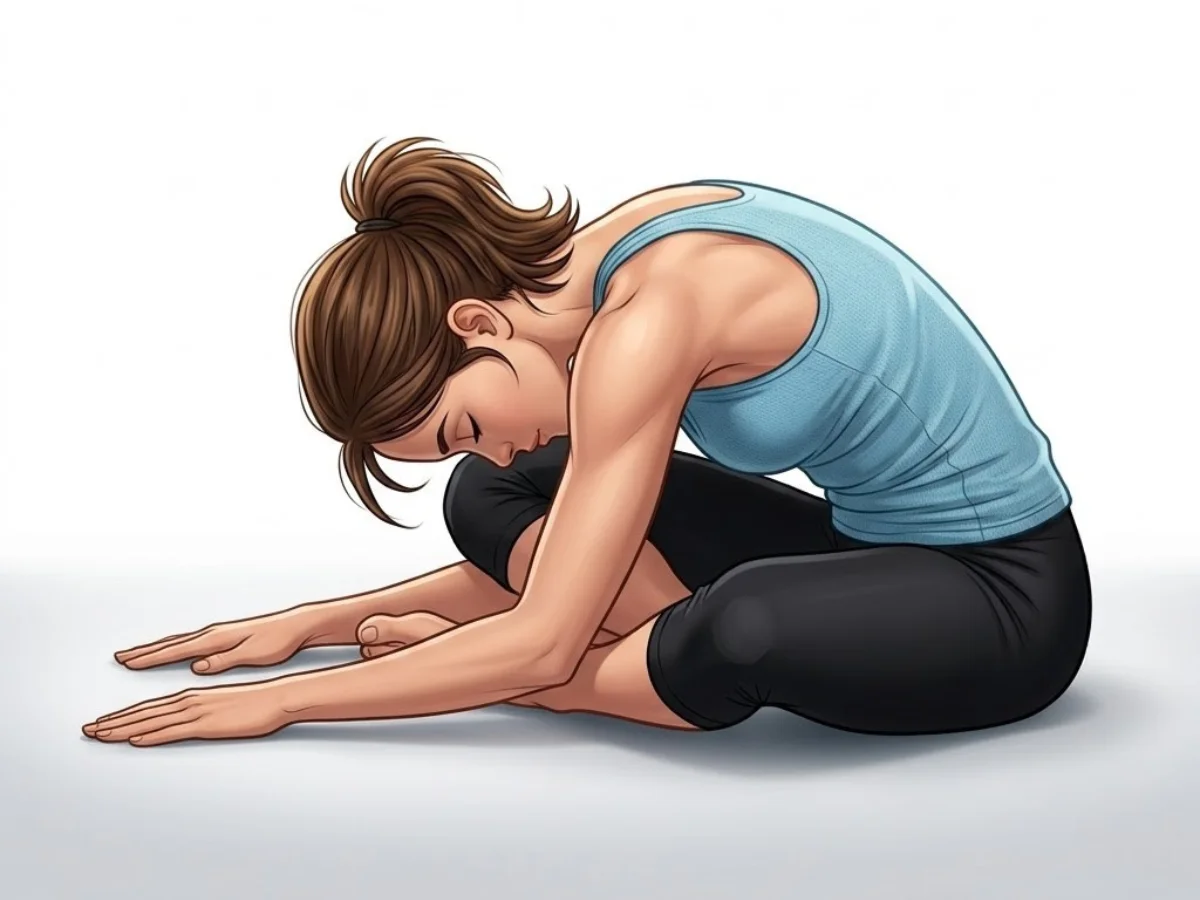
Butterfly Pose
Baddha KonasanaGently opens the hips and inner thighs before moving into lateral side stretches.
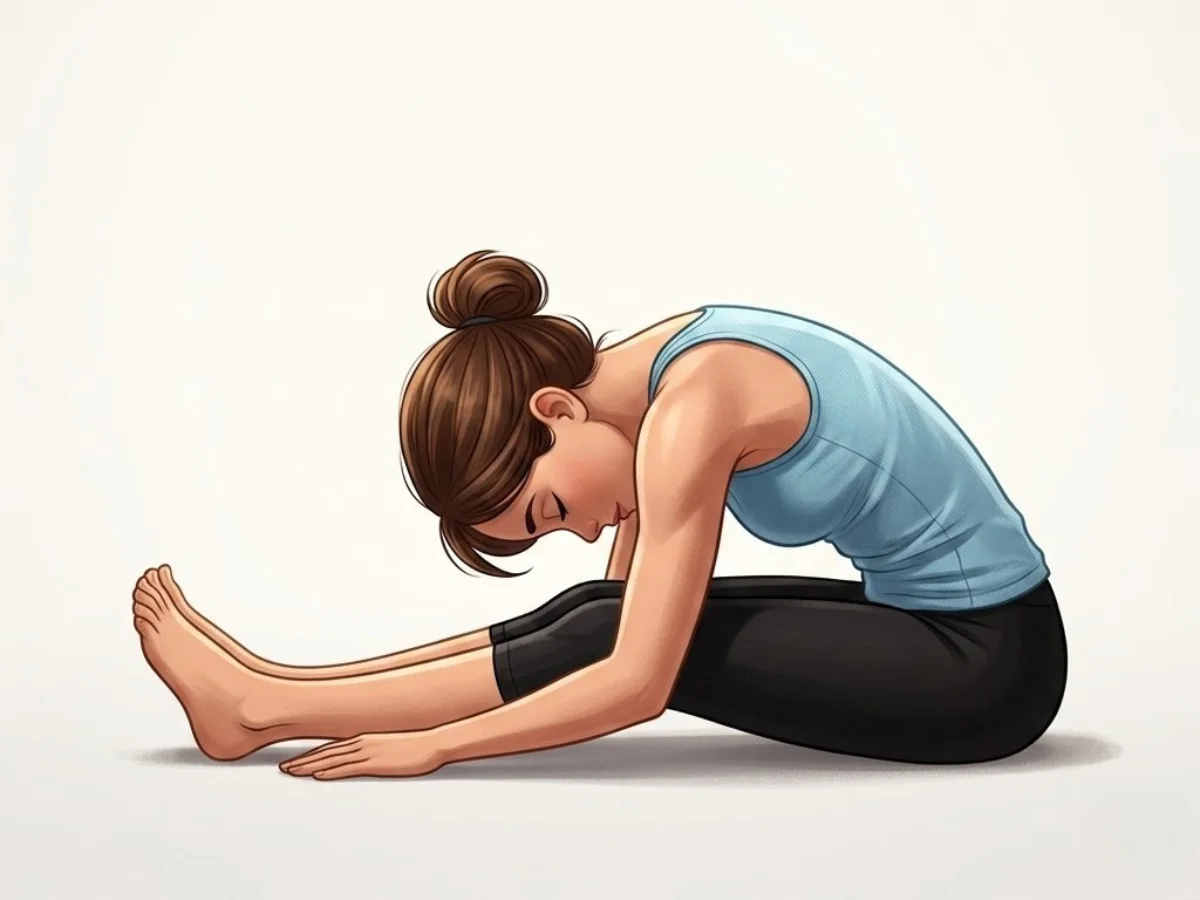
Caterpillar Pose
Paschimottanasana (Yin)A restorative forward fold that releases tension along the entire back line of the body.
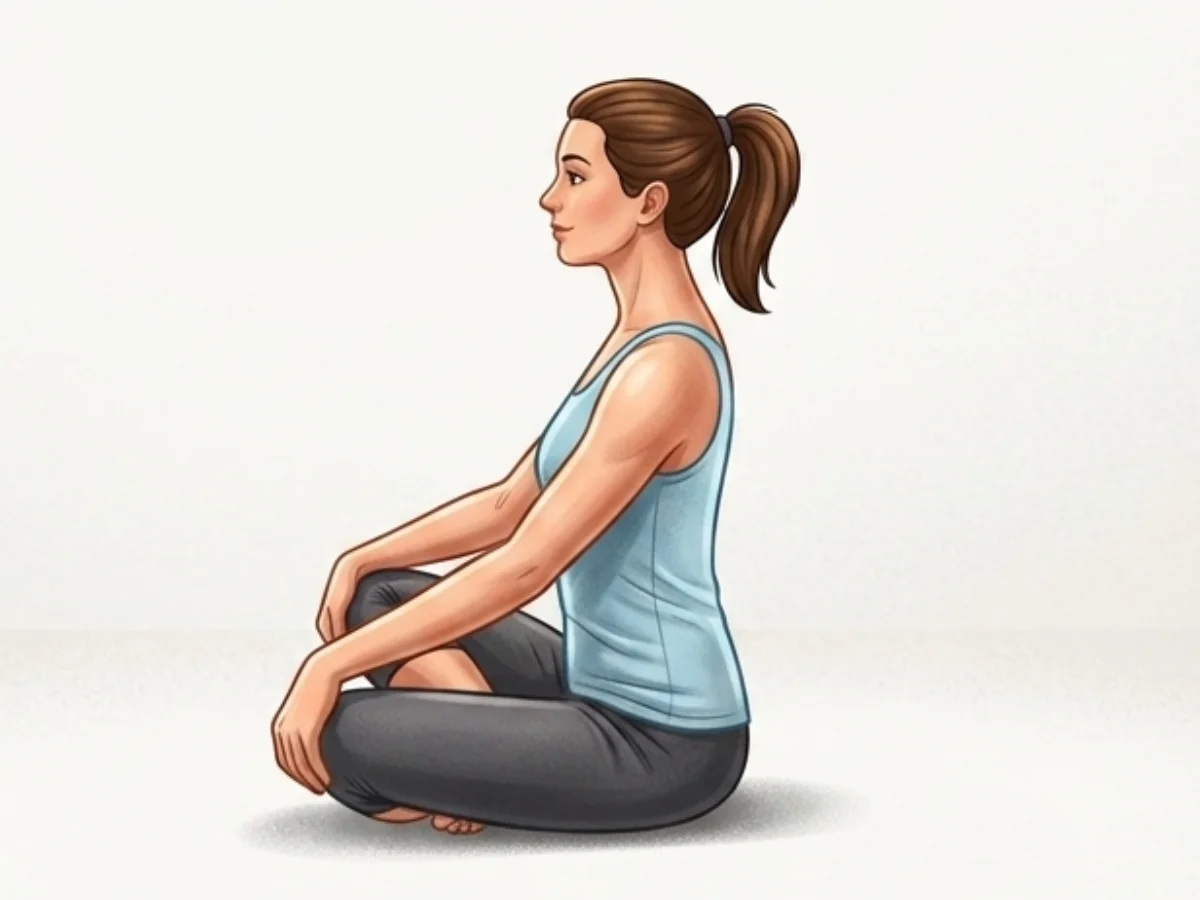
Easy Pose
SukhasanaProvides a gentle seated foundation to ground the breath before transitioning to the floor.
Follow with neutralizing Counter-poses
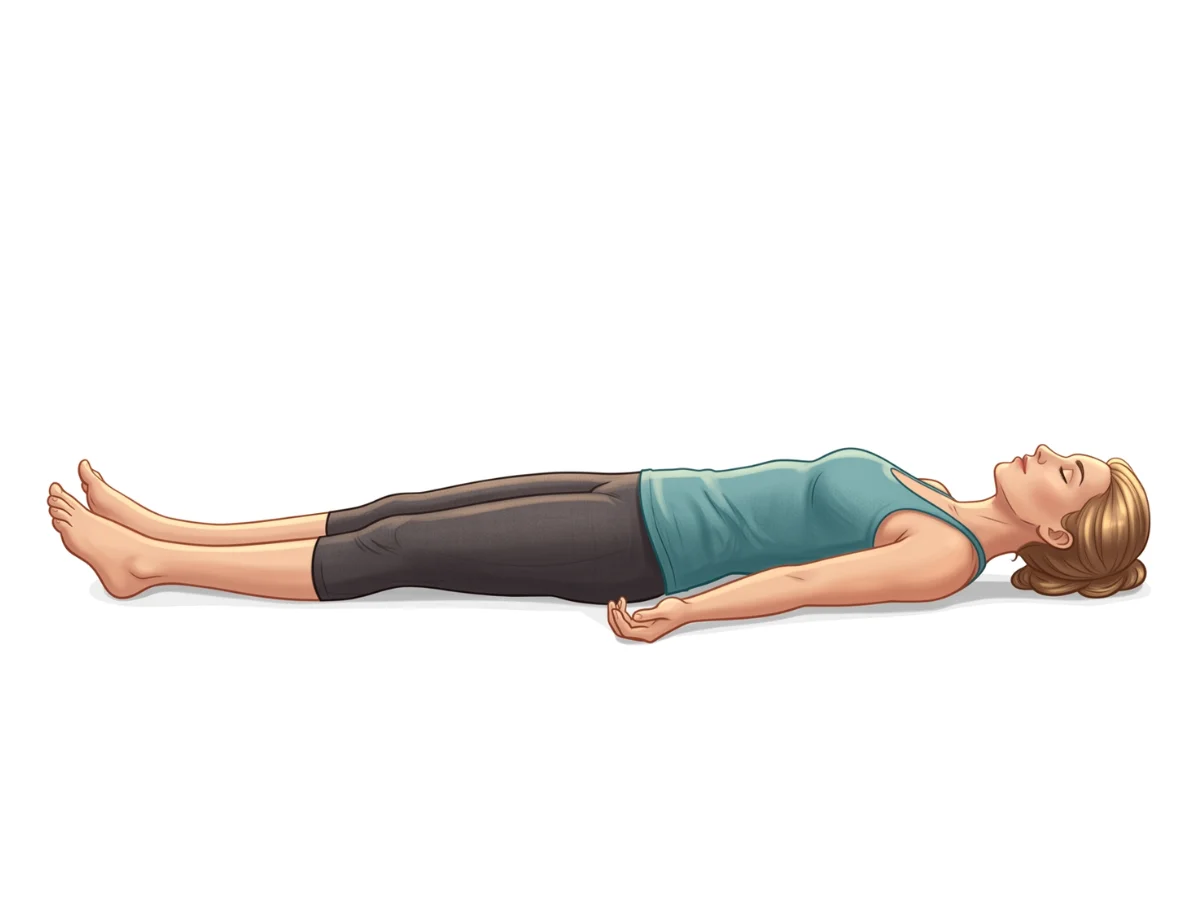
Corpse Pose
SavasanaAllows the body to fully integrate the deep side-body stretches in a neutral, relaxed position.
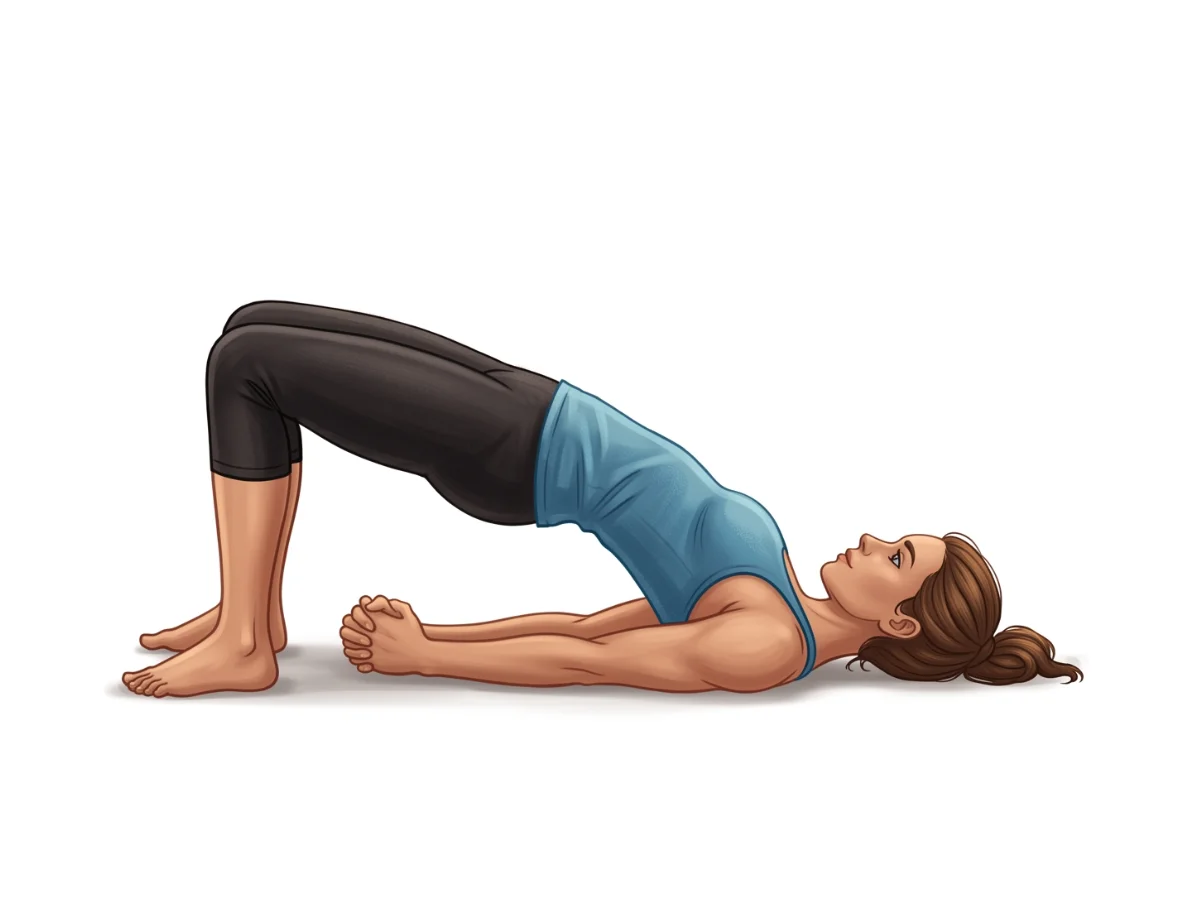
Bridge Pose
Setu BandhasanaA gentle backbend that helps neutralize the spine and stretch the front body after lateral flexion.
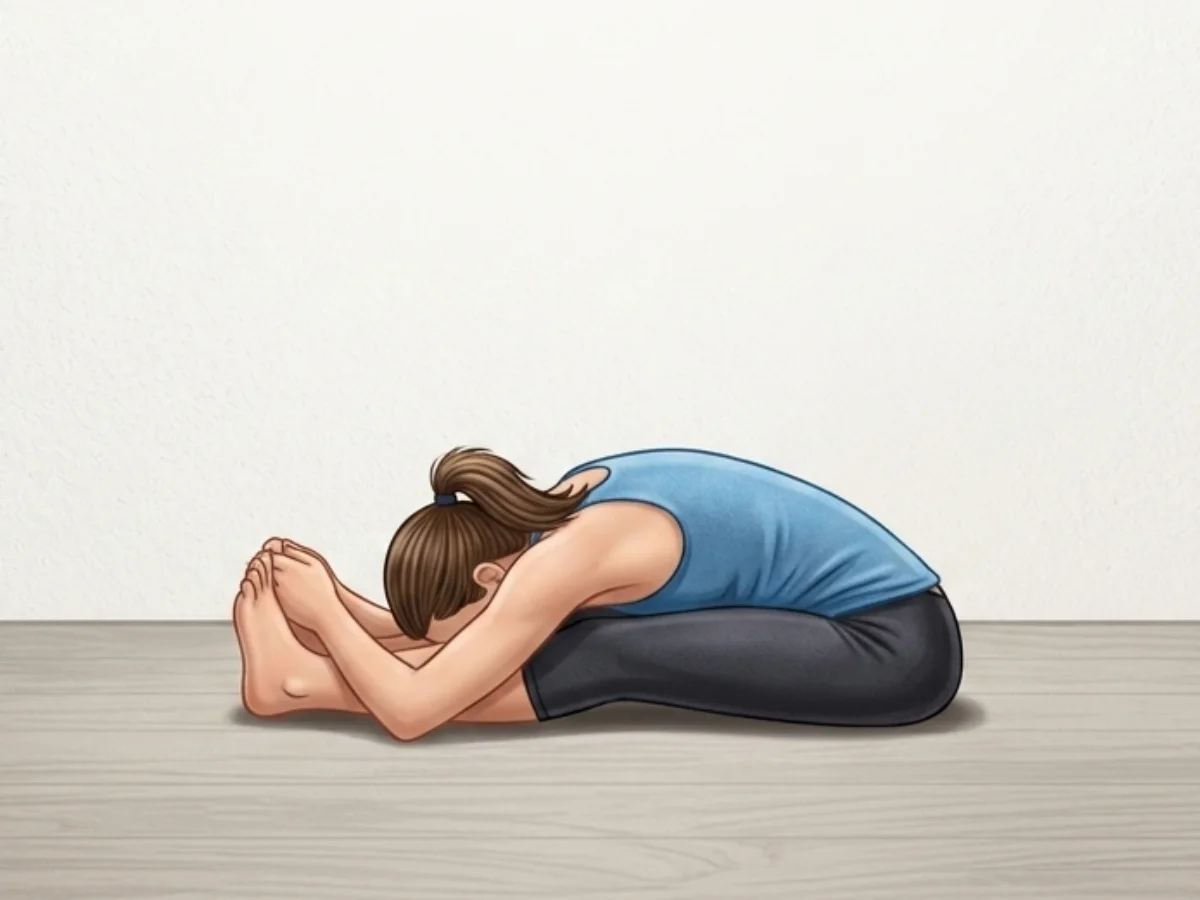
Seated Forward Bend I
Paschimottanasana ARealigns the vertebrae and stretches the back evenly to release any lingering asymmetrical tension.
Frequently Asked Questions
How long should I hold Banana Pose?
Since Bananasana is typically practiced as a Yin Yoga pose, it is most effective when held for 3 to 5 minutes on each side. This allows the connective tissues and fascia time to slowly release.
Why does my opposite hip lift off the floor?
If your opposite hip lifts, you have likely bent too far to the side. The goal is to keep both hips grounded to truly isolate the stretch in the side body. Back out of the pose slightly until your hip can anchor down.
What should I do if my arms tingle?
Tingling or numbness in the arms or hands indicates nerve compression in the shoulder or neck. Immediately uncross your arms, bring them wider apart, or rest them on your belly instead of overhead.
Elena Rostova is an accredited yoga educator and anatomy specialist with over 15 years of clinical experience. She focuses on functional biomechanics and injury prevention, translating complex anatomy into accessible guidance for safe, sustainable practice.
Read Full ProfileContinue Your Yoga Journey
Ready to deepen your practice? Explore our extensive library of poses, or join a structured program designed to build strength, flexibility, and mindfulness.