
Caterpillar
Paschimottanasana (Yin Variation)
By Elena Rostova Updated: verified Medically Reviewed
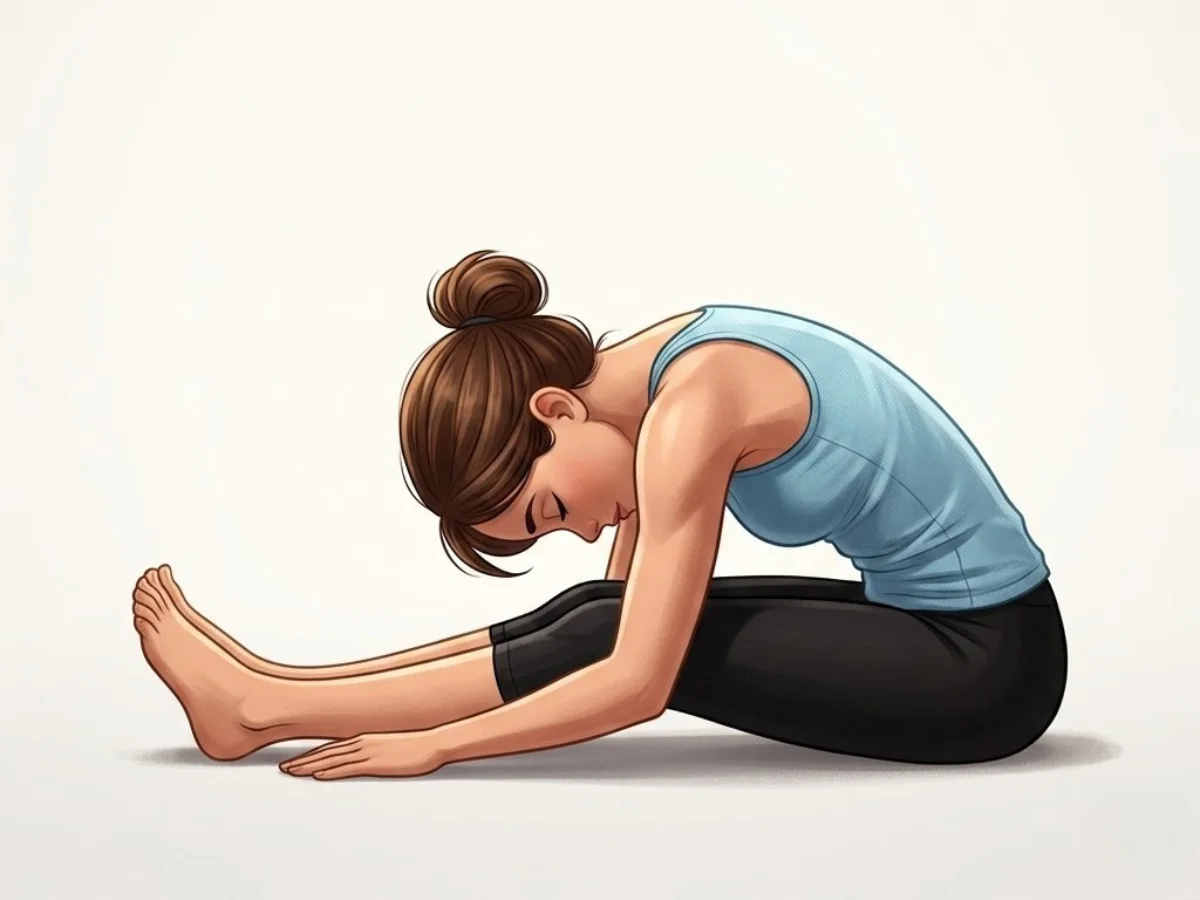
Caterpillar Pose is the Yin Yoga equivalent of the traditional Seated Forward Bend (Paschimottanasana). Unlike its active Yang counterpart—which demands muscular engagement and a straight spine—Caterpillar encourages complete surrender.
Hold Time
3–5 minutes
Pronunciation
CAH-ter-pill-ar
About Caterpillar
Universally known as Caterpillar (Paschimottanasana (Yin Variation)), this pose mimics the natural strength and grace of its namesake. It primarily targets the deep fascial release & relaxation, helping to create length and strength exactly where you need it most. Consistent practice will actively assist in deep fascial release, helping you feel lighter and more balanced off the mat.
How to Practice
Starting Position
Begin seated on your mat with both legs extended straight out in front of you. Allow your legs to relax completely; your feet can naturally roll outward.
Elevate the Hips (Optional)
If your hamstrings are tight or you feel your pelvis tipping backward, sit on the edge of a folded blanket or a firm cushion to help tilt your pelvis forward.
Begin the Fold
Take a deep breath in. As you exhale, allow your chin to gently drop toward your chest and slowly begin to roll your spine forward over your legs.
Release Muscular Effort
Unlike active yoga styles, do not pull yourself forward with your hands or force your spine straight. Allow your back to round naturally and let your arms rest softly on the floor beside your legs.
Find Your Edge
Fold only until you feel a mild to moderate stretching sensation (your "edge") along the back of your legs or your spine. Do not push into pain.
Support the Head (Optional)
If your neck feels strained from hanging in the air, build a tower of yoga blocks resting on your shins and rest your forehead on the blocks.
Surrender and Breathe
Commit to stillness. Hold the pose for 3 to 5 minutes, breathing deeply and naturally. Notice how the body may naturally open up and sink deeper as time passes.
Exit the Pose
To come out, do so extremely slowly. Use your hands to gently push into the floor, unrolling your spine vertebra by vertebra until you are sitting upright.
Rest and Rebound
Lean back on your hands or lie down flat on your back for 1 to 2 minutes to allow the tissues to rehydrate and the energy to settle (the "rebound" phase).
Practice with the Yoga Timer
Keep track of your hold time and breath count for this pose.
Beginner Modifications & Prop Options
Yoga is a personal journey. These modifications and prop options allow you to adapt the pose to your current level of balance and flexibility, ensuring a safe and supportive practice.
Bend the Knees
Place a rolled-up blanket or a bolster under your knees. This softens the hamstring stretch and allows you to focus on releasing the spine.
Tip: Focus on alignment rather than depth.
Support the Torso
Place a large bolster lengthwise over your legs and drape your torso completely over it for deep restorative support. Turn your head to one side, switching halfway.
Tip: Focus on alignment rather than depth.
Rest the Forehead
Place a block on your legs and rest your forehead on it to prevent neck discomfort. Adjust the block height as your body sinks deeper into the pose.
Tip: Focus on alignment rather than depth.
Benefits of Caterpillar
Deep Fascial Release
Provides sustained, healthy stress to the ligaments and fascia along the spine and the back of the legs, improving overall flexibility over time.
Calms the Nervous System
The deep forward fold strongly activates the parasympathetic nervous system, reducing stress, anxiety, and heart rate.
Releases Lower Back Tension
Allowing the spine to round gently decompresses the lumbar vertebrae and stretches the tight muscles of the lower back.
Stimulates the Kidneys and Bladder Meridians
In Traditional Chinese Medicine (TCM), this stretch compresses the front body and opens the back, promoting energy flow through these vital meridians.
Cultivates Mental Patience
Holding a posture in stillness for several minutes requires and builds profound mental resilience and mindfulness.
Common Mistakes to Avoid
Mistake: Pulling or Forcing the Fold
How to fix: Let go of your feet. Let your arms rest passively by your sides or on your legs. Let gravity do the work.
Mistake: Pushing Through Pain
How to fix: Back off immediately. Find a softer edge where you feel a dull, achy stretch, and use props to support your body weight.
Mistake: Fidgeting During the Hold
How to fix: Once you find your edge, commit to stillness. Only move if you experience sharp pain or if your body naturally opens up, allowing you to fold deeper.
Safety and Precautions
Herniated or Bulging Discs
The deep flexion (rounding) of the spine can push the discs further backward. Keep the spine straight (active Paschimottanasana) or avoid forward folds entirely.
Sciatica
Depending on the cause of sciatica, rounding the back and stretching the hamstrings can aggravate the nerve. Practice with heavily bent knees or skip the pose.
Pregnancy
In later stages, folding forward may compress the belly comfortably. Keep the legs wide apart and avoid deep folds.
Recent Hamstring Tears
Ensure full healing before applying sustained stress to the back of the legs.
Medical Disclaimer: If you have any of the above conditions, consult your doctor or a qualified yoga instructor before attempting this pose.
Muscles Worked in Caterpillar
Caterpillar demands synchronized muscular effort, creating a profound sense of engagement and release throughout the body. The activation of the primary muscles supports the structure, while the secondary muscles provide stability and balance.
Primary Muscles
Erector Spinae
Passively stretches as the spine rounds forward.
Hamstrings
Passively stretches along the back of the thighs.
Thoracolumbar Fascia
Undergoes deep, sustained release in the lower back.
Secondary Muscles
Gastrocnemius (Calves)
Receives a mild passive stretch if the legs remain relatively straight.
Poses to Practice Before and After Caterpillar
Prepare with these Poses
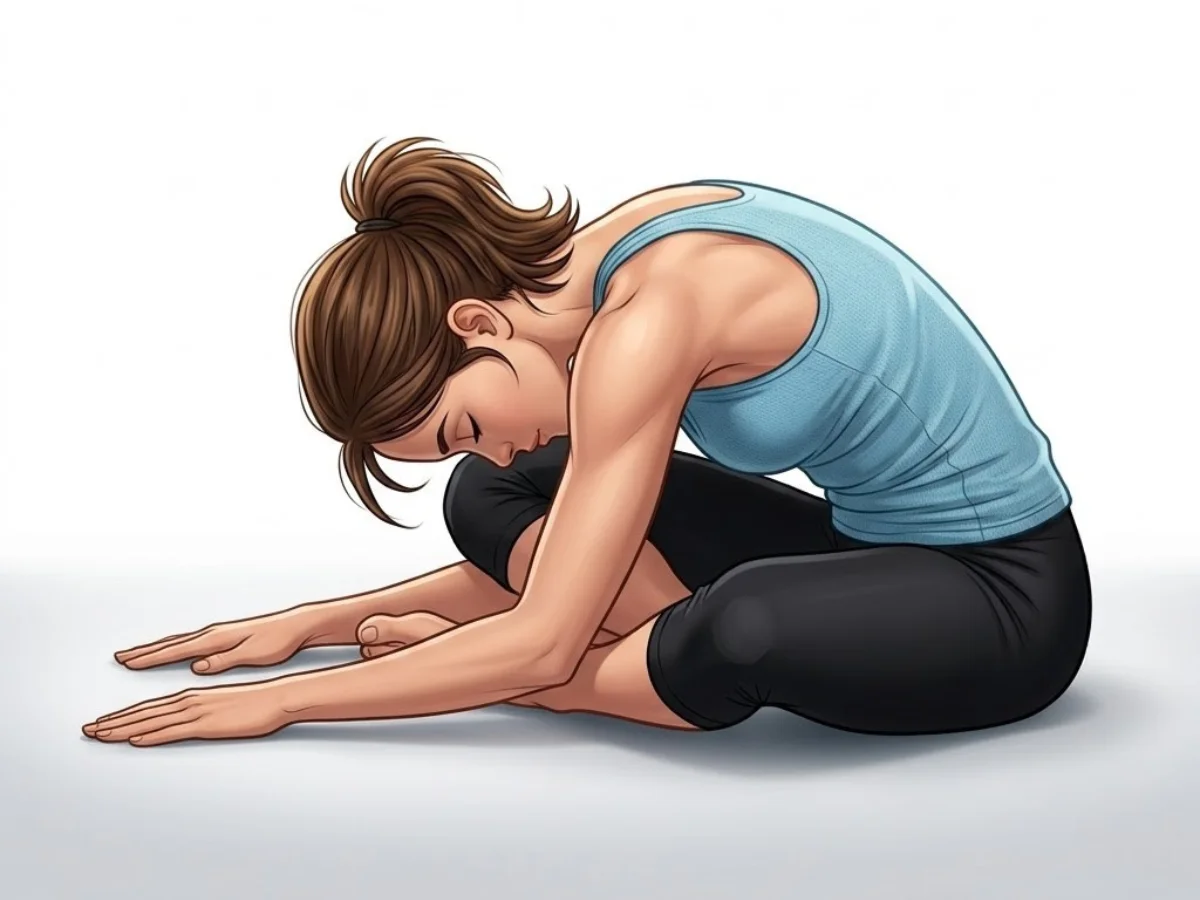
Butterfly Pose
Titli AsanaA gentle forward fold that opens the hips before moving to the hamstrings.
Half Butterfly
Ardha Baddha KonasanaTargets one hamstring and side of the back at a time, making it a gentler preparation.
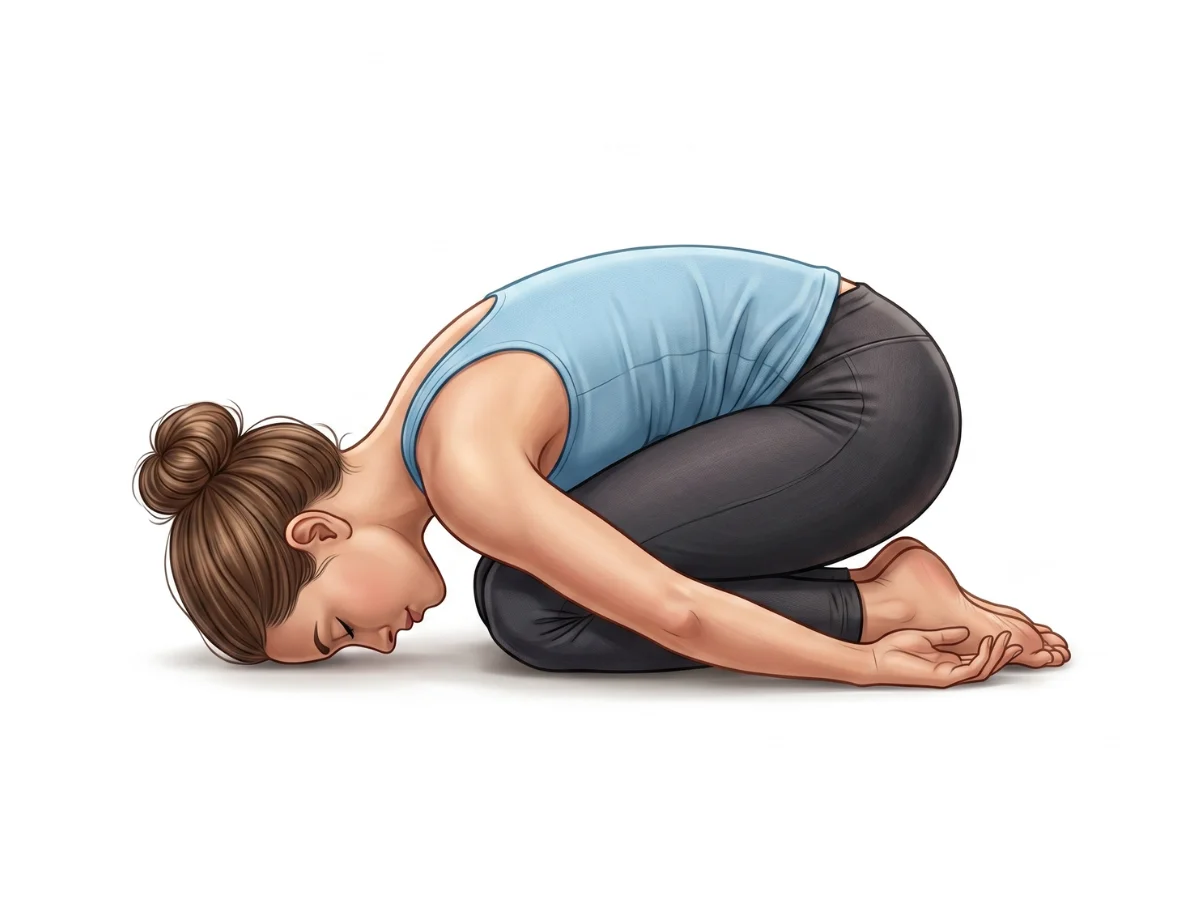
Child's Pose
BalasanaGently flexes the spine and hips in a highly supported manner.
Follow with neutralizing Counter-poses
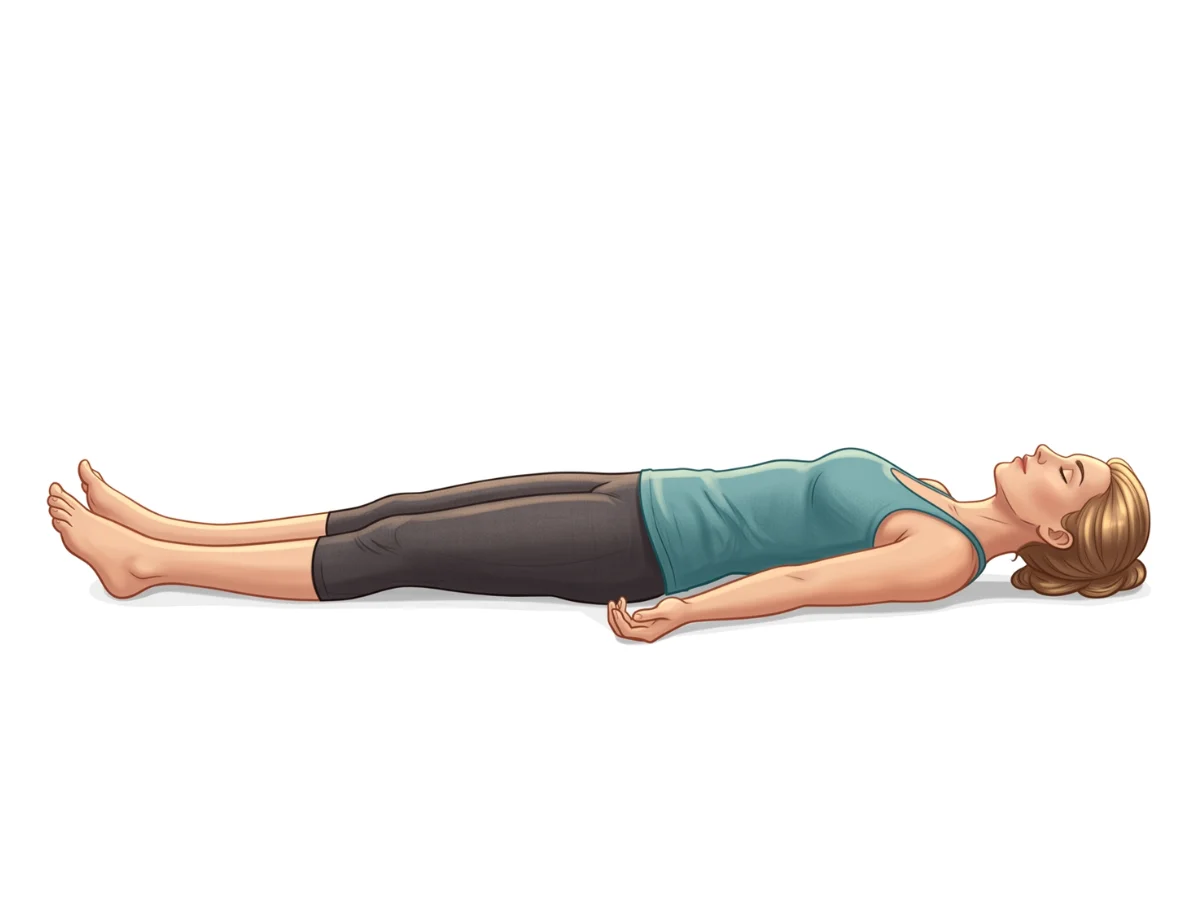
Corpse Pose
SavasanaThe essential "rebound" pose in Yin Yoga to allow tissues to rehydrate and energy to settle.
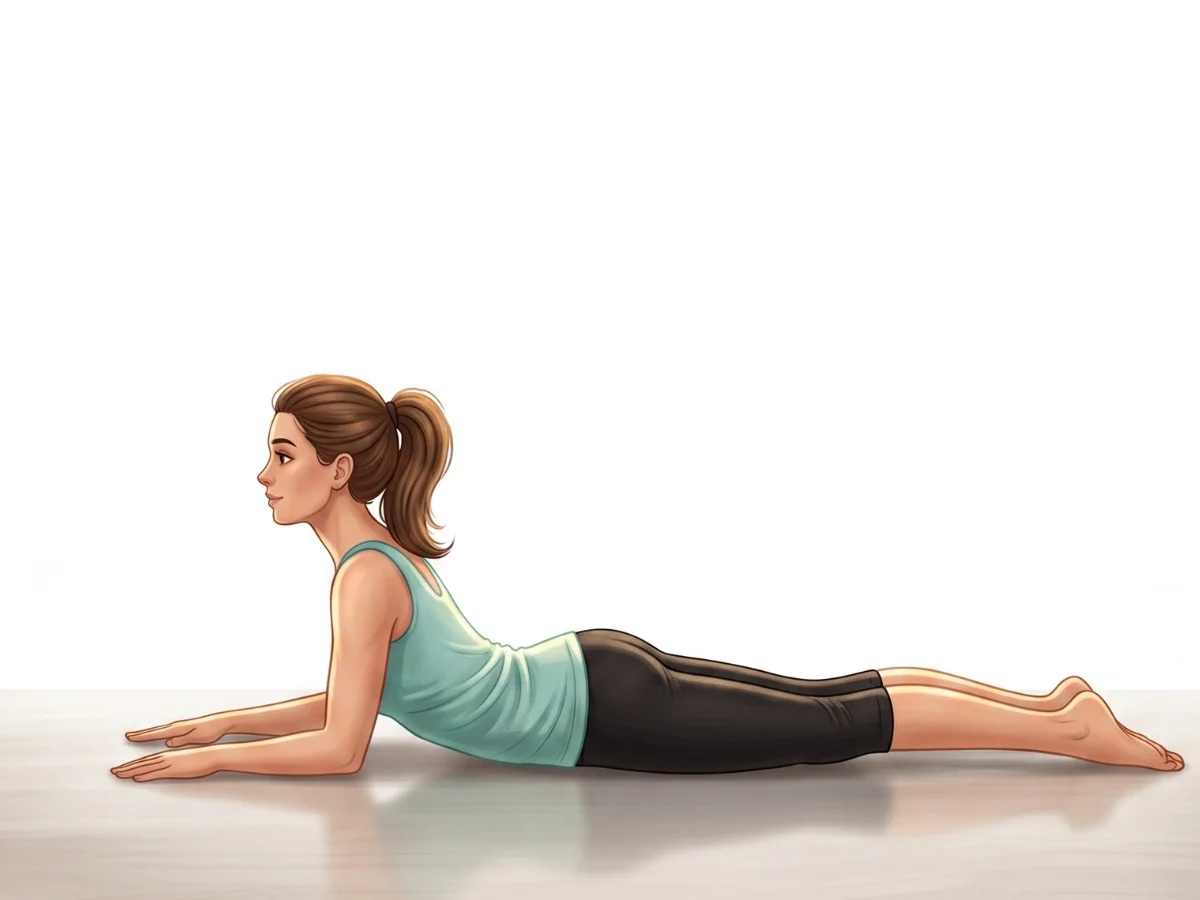
Sphinx Pose
Salamba BhujangasanaA gentle, sustained backbend that perfectly counters the deep spinal flexion of Caterpillar.
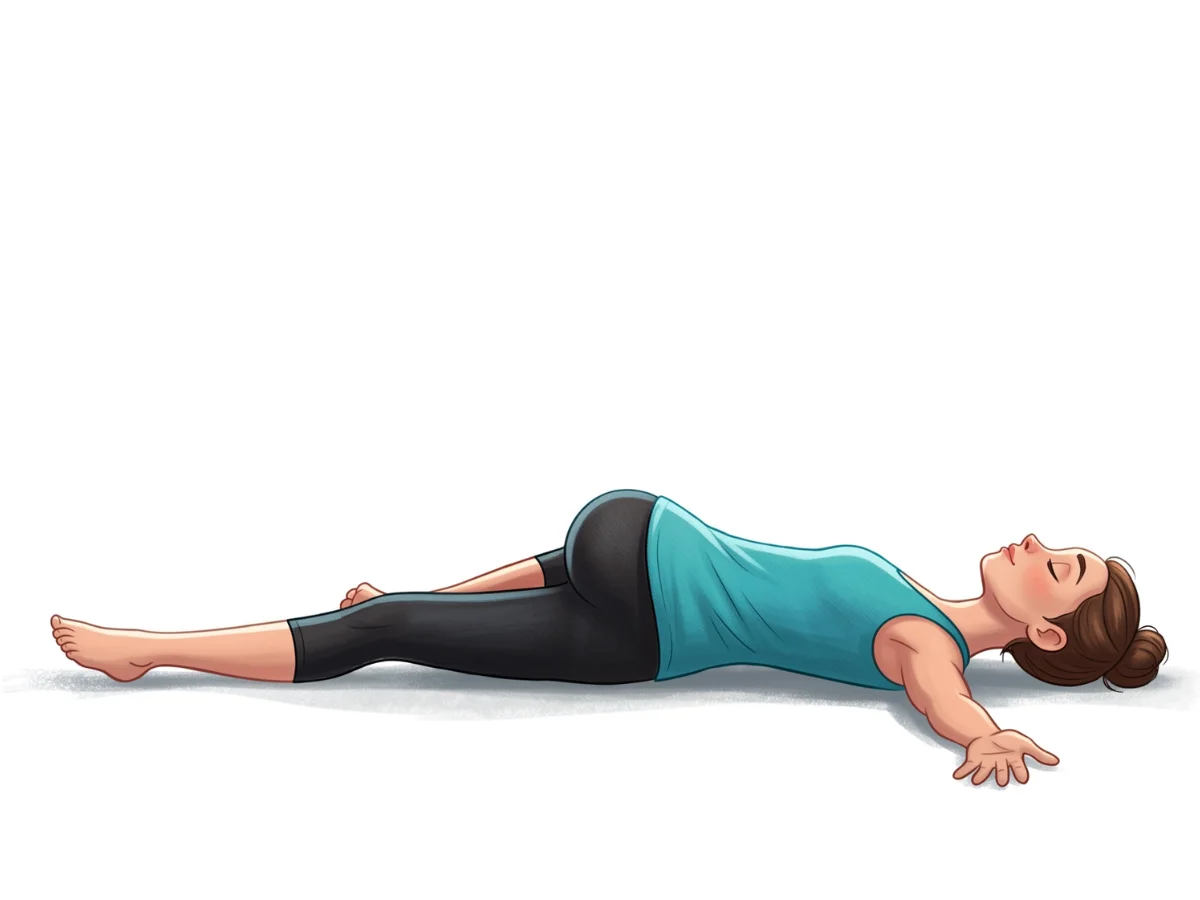
Windshield Wipers
Supta Matsyendrasana VariationGently internally and externally rotates the hips to release the lower back after folding.
Frequently Asked Questions
What is the difference between Caterpillar and Seated Forward Bend?
Seated Forward Bend (Paschimottanasana) is an active, Yang pose where you engage your muscles to keep the spine straight and actively pull yourself forward. Caterpillar is a passive, Yin pose where you completely relax your muscles, allow your spine to round, and hold the pose for several minutes to target the fascia.
My back hurts when it rounds. Should I stop?
If you feel a sharp, pinching, or localized pain in the spine, you should stop immediately, as this could indicate an issue with a disc. However, a dull, achy sensation spread across the muscles of the lower back is normal and indicates a deep stretch.
My legs naturally fall open. Should I force them together?
No. In Yin Yoga, you want to eliminate muscular effort.
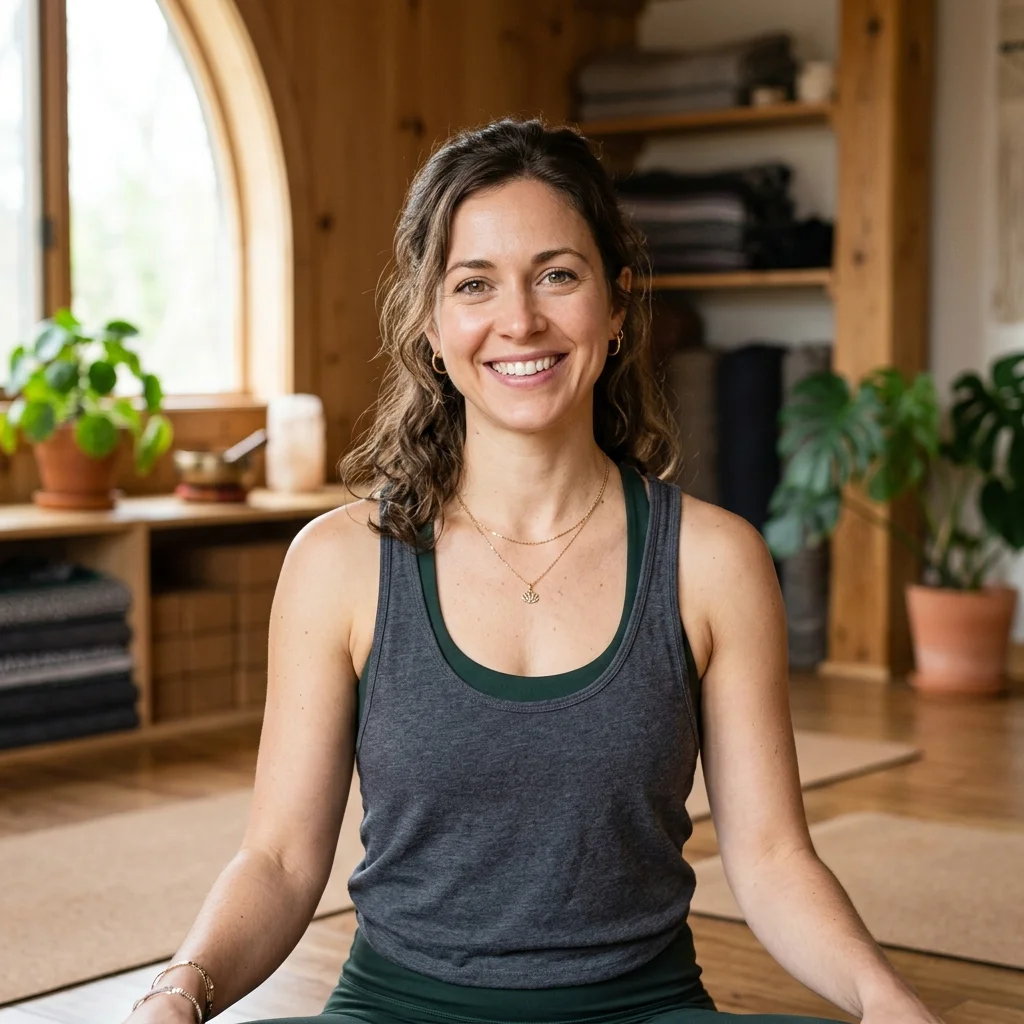
Elena Rostova is an accredited yoga educator and anatomy specialist with over 15 years of clinical experience. She focuses on functional biomechanics and injury prevention, translating complex anatomy into accessible guidance for safe, sustainable practice.
Read Full ProfileContinue Your Yoga Journey
Ready to deepen your practice? Explore our extensive library of poses, or join a structured program designed to build strength, flexibility, and mindfulness.