
Child's Pose
Balasana
By Elena Rostova Updated: verified Medically Reviewed
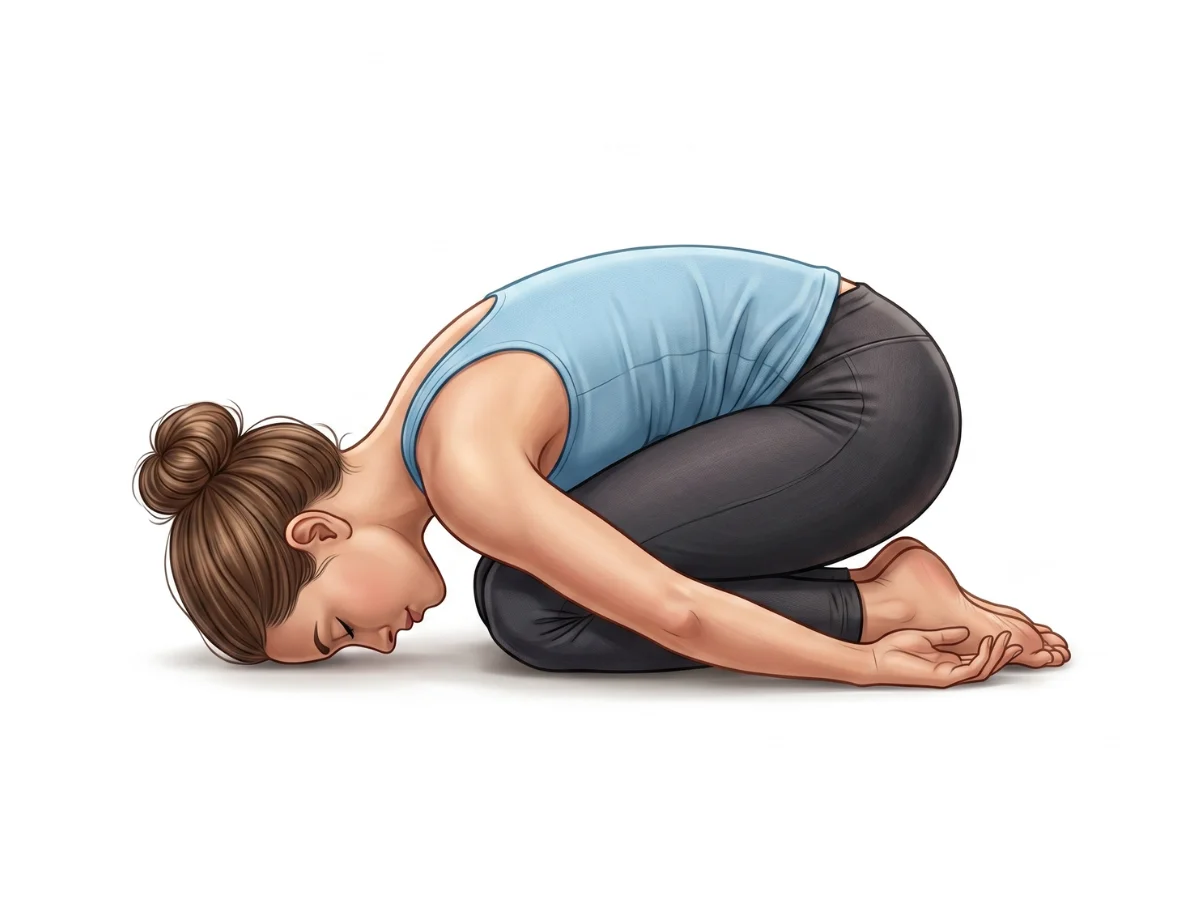
Child's Pose (Balasana) is a foundational restorative posture that provides profound physical and mental relief. Commonly used as a resting pose between more challenging asanas, it gently stretches the hips, thighs, and ankles while completely neutralizing the spine and quieting the nervous system.
Hold Time
1–5 minutes
Pronunciation
bah-LAHS-anna
About Child's Pose
Often praised by experienced instructors, Child's Pose (Balasana) acts as a powerful tool for finding balance and realignment. It primarily targets the deep rest & lower back release, helping to create length and strength exactly where you need it most. Over time, adding this to your routine is a great way to support releases lower back tension while calming the mind.
How to Practice
Starting Position
Begin on your hands and knees in a Tabletop position, centering yourself on your yoga mat.
Knees and Toes
Bring your big toes together to touch. Spread your knees slightly wider than your hips (or keep them together if that feels better for your lower back).
Sit Back
Exhale deeply as you sink your hips back and down to rest directly on your heels.
Fold Forward
Walk your hands forward, extending your arms long, and slowly fold your torso down between your thighs.
Rest the Forehead
Allow your forehead to rest softly on the mat. This mild pressure on the brow centers the mind and releases facial tension.
Arm Placement
Keep your arms extended forward for an active shoulder stretch, or sweep them back alongside your body with palms facing up for total shoulder relaxation.
Deep Breathing
Breathe deeply into the back of your rib cage. Notice the expansion of your lower back with every inhalation.
To Release
To exit, inhale as you press your hands into the floor and slowly lift your torso back up to a seated kneeling position or Tabletop.
Practice with the Yoga Timer
Keep track of your hold time and breath count for this pose.
Beginner Modifications & Prop Options
Yoga is a personal journey. These modifications and prop options allow you to adapt the pose to your current level of balance and flexibility, ensuring a safe and supportive practice.
Use a Prop Under the Forehead
Place a yoga block or a folded blanket under your forehead to bridge the gap and allow your neck to fully relax.
Tip: Focus on alignment rather than depth.
Blanket Between Calves and Thighs
Roll a blanket and place it directly behind your knees before sitting back to reduce the extreme flexion of the knee joint.
Tip: Focus on alignment rather than depth.
Knees Together
Bring your knees completely together and drape your torso over your thighs. This provides more support and a rounder stretch for the lower back.
Tip: Focus on alignment rather than depth.
Benefits of Child's Pose
Releases Lower Back Tension
Provides a gentle, passive stretch to the lumbar spine, alleviating compression from backbends or sitting.
Calms the Nervous System
The forward-folding nature and grounded forehead powerfully activate the parasympathetic nervous system, reducing stress and anxiety.
Stretches Hips and Ankles
Gently opens the hip joints and stretches the tops of the feet and ankles in a fully supported way.
Promotes Mindful Breathing
Directs breath awareness to the back body, encouraging deeper, more expansive diaphragmatic breathing.
Common Mistakes to Avoid
Mistake: Forcing the Hips Down
How to fix: Do not aggressively push your hips to your heels. Allow gravity and time to gently lower your hips as your muscles naturally release.
Mistake: Straining the Neck
How to fix: Ensure your forehead rests completely. If it hovers, you are straining your neck muscles; use a block for support.
Safety and Precautions
Severe Knee Injuries
The deep flexion required can aggravate acute meniscus tears or severe ligament strains.
Pregnancy
Practice the wide-knee variation to create space for the belly, or avoid completely if uncomfortable late in term.
Diarrhea
The pressure on the abdomen can exacerbate active digestive distress.
Medical Disclaimer: If you have any of the above conditions, consult your doctor or a qualified yoga instructor before attempting this pose.
Muscles Worked in Child's Pose
Child's Pose demands synchronized muscular effort, creating a profound sense of engagement and release throughout the body. The activation of the primary muscles supports the structure, while the secondary muscles provide stability and balance.
Primary Muscles
Erector Spinae
Passively lengthens and stretches the entire length of the spine.
Gluteus Maximus
Stretches as the hips are in deep flexion.
Tibialis Anterior
Lengthens deeply across the front of the shins and ankles.
Secondary Muscles
Latissimus Dorsi
Stretches when the arms are extended actively forward.
Piriformis
Mildly stretches, especially in the wide-knee variation.
Poses to Practice Before and After Child's Pose
Prepare with these Poses
Thunderbolt Pose
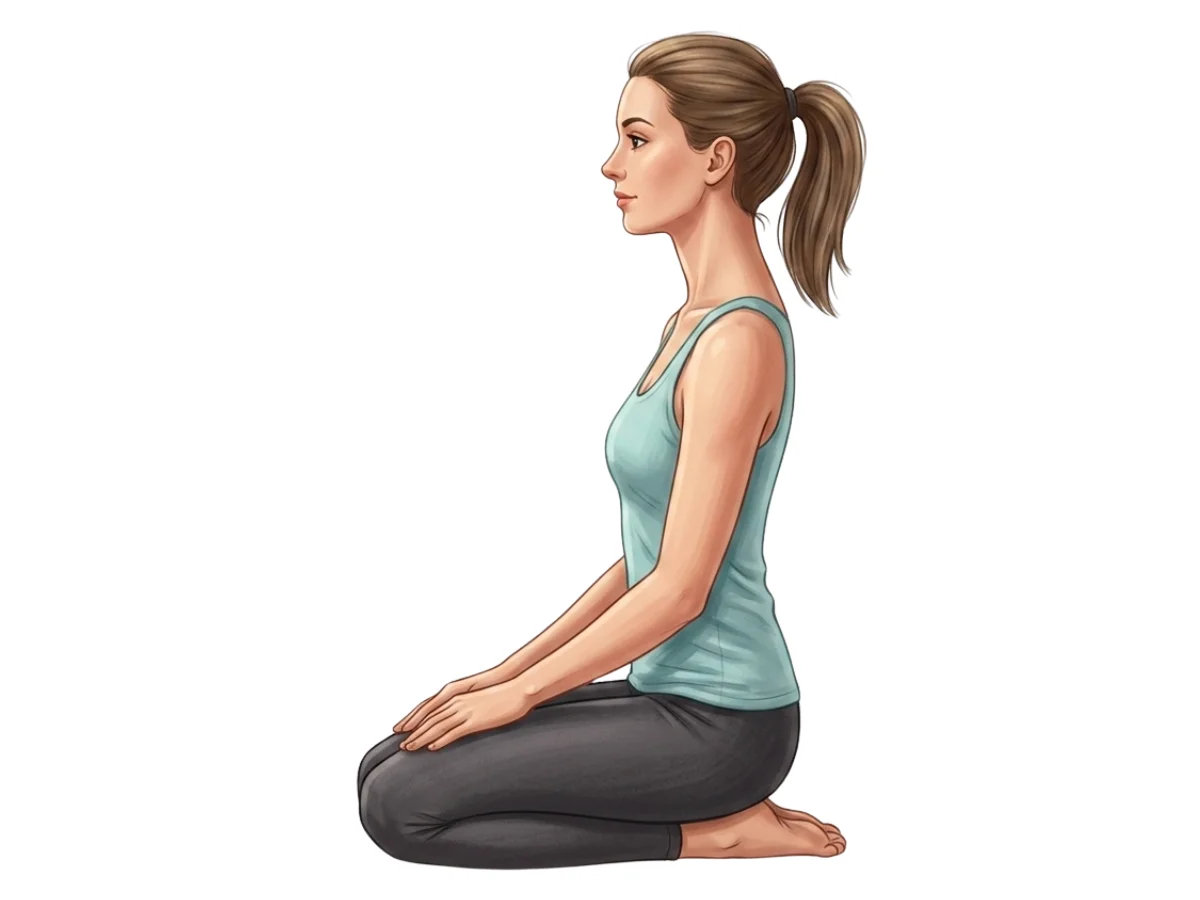
VajrasanaPrepares the knees, ankles, and feet for deep flexion.
Hero Pose
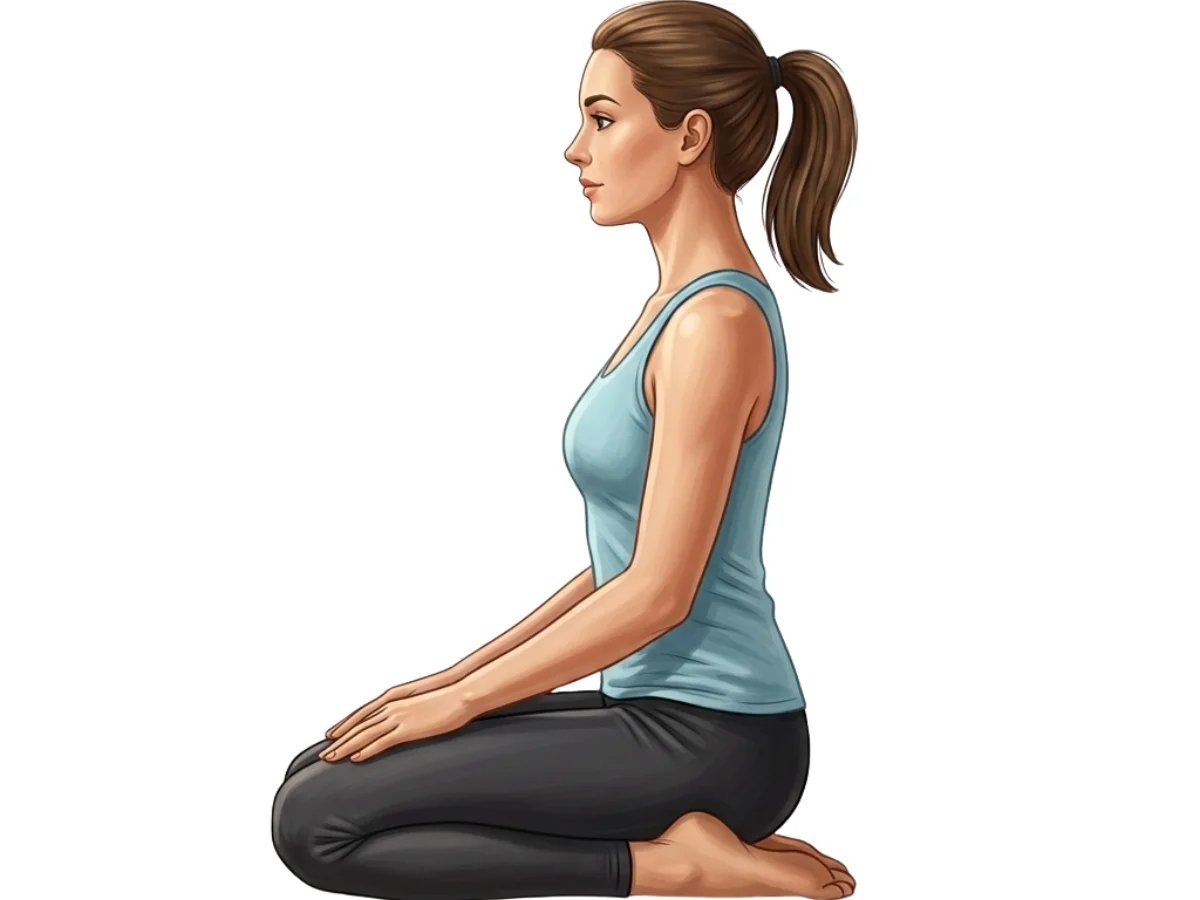
VirasanaDeepens the stretch in the quadriceps and knees prior to resting.
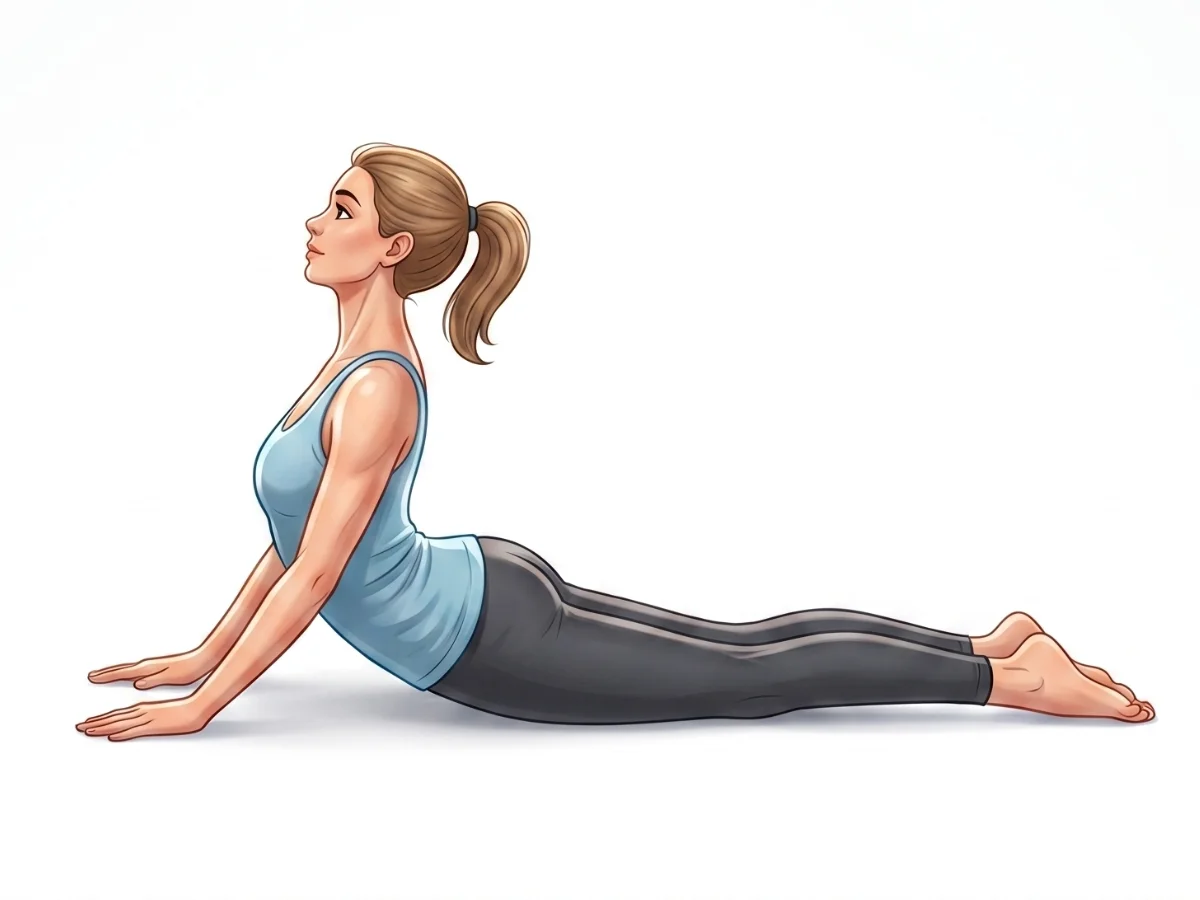
Follow with neutralizing Counter-poses
Frequently Asked Questions
Should my arms be forward or backward?
Both are correct. Extended arms provide an active shoulder and upper back stretch. Arms swept backward by the legs allow the shoulders to completely relax downward.
What if my hips don't touch my heels?
It is very common for hips to float above the heels due to tight quads or knees. You can place a folded blanket between your calves and thighs to provide support and close the gap.
Elena Rostova is an accredited yoga educator and anatomy specialist with over 15 years of clinical experience. She focuses on functional biomechanics and injury prevention, translating complex anatomy into accessible guidance for safe, sustainable practice.
Read Full ProfileContinue Your Yoga Journey
Ready to deepen your practice? Explore our extensive library of poses, or join a structured program designed to build strength, flexibility, and mindfulness.