
Hero
Virasana
By Elena Rostova Updated: verified Medically Reviewed
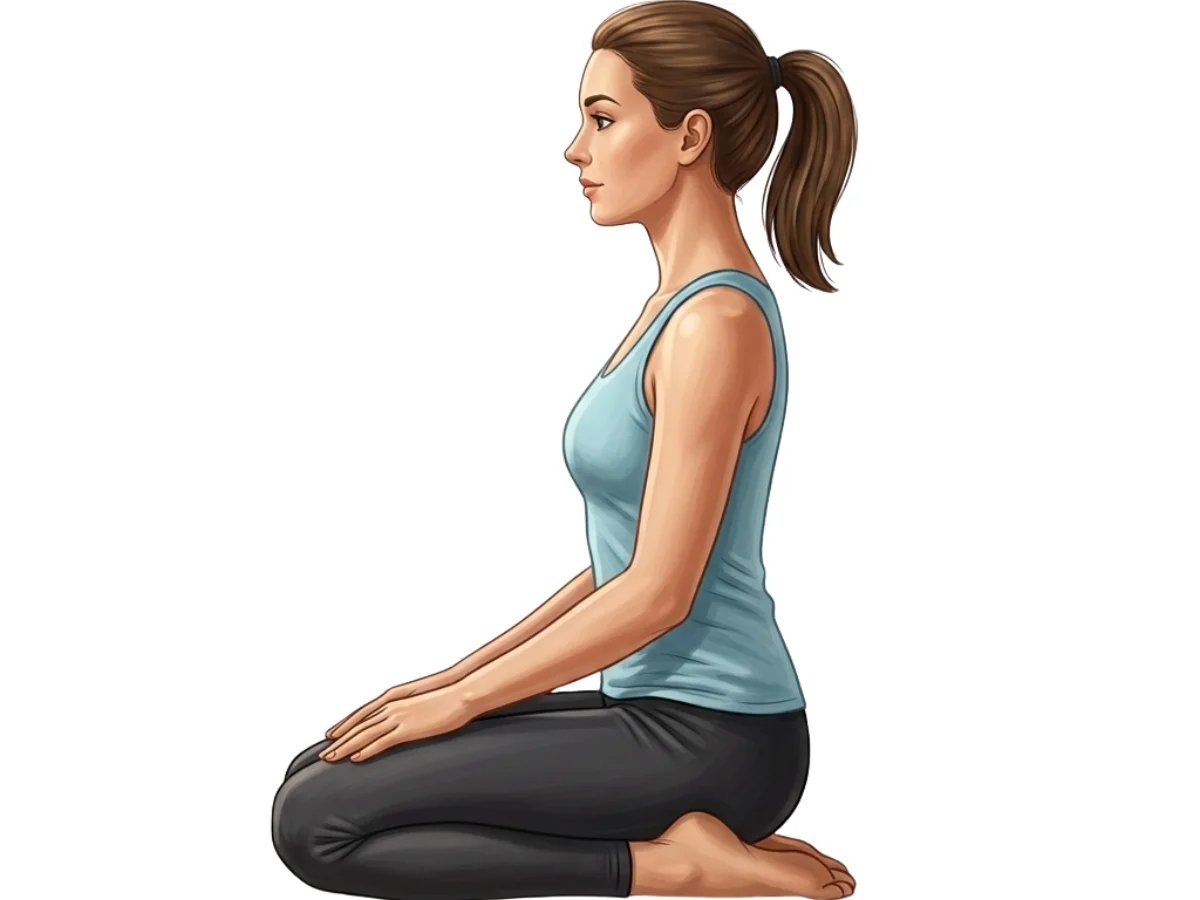
Hero Pose (Virasana) is a classical seated meditation posture that provides a deep stretch to the quadriceps, knees, and ankles. By sitting between your heels rather than on them, you create an internal rotation of the thighs that counteracts the frequent external hip rotation found in many other yoga poses.
Hold Time
1–5 min · 10–50 breaths
Pronunciation
veer-AHS-anna
About Hero
Commonly practiced as Hero (Virasana), this dynamic posture is beautifully designed to help unlock tension. It primarily targets the knees, ankles, & thighs, helping to create length and strength exactly where you need it most. Ultimately, it is a fantastic pose for deeply stretches quadriceps, leaving you with a profound sense of grounded energy.
How to Practice
Kneeling Foundation
Begin in a kneeling position on your yoga mat, with your knees touching and your thighs perpendicular to the floor.
Separate the Feet
Slide your feet apart so they are slightly wider than your hips, keeping the tops of your feet flat on the mat and toes pointing straight back.
Calf Adjustment
Lean forward slightly and use your hands to manually roll the flesh of your calves outward, creating space for your hips to descend.
Lower the Hips
Exhale slowly as you sit back and down, aiming to rest your buttocks on the mat precisely between your heels.
Check Foot Alignment
Ensure that your inner ankles are drawn in toward your outer hips, preventing the feet from splaying out wide, which can torque the knees.
Spinal Extension
Inhale to lift your chest and lengthen your spine, drawing your shoulder blades down your back and stacking your shoulders over your hips.
Hand Placement
Rest your hands comfortably on your thighs or knees, with your palms facing down for grounding or facing up to receive energy.
Hold and Breathe
Maintain this posture for 1 to 5 minutes, taking slow, deep, steady breaths, keeping your face relaxed and your gaze soft.
Prepare to Release
To exit the posture safely, press your hands firmly into the floor in front of you and lift your hips up to return to a kneeling position.
Counter Stretch
Cross your ankles behind you and sit back, or step back into Downward-Facing Dog to stretch the backs of the legs and restore circulation.
Practice with the Yoga Timer
Keep track of your hold time and breath count for this pose.
Beginner Modifications & Prop Options
Yoga is a personal journey. These modifications and prop options allow you to adapt the pose to your current level of balance and flexibility, ensuring a safe and supportive practice.
Use a Block Under Hips
Place a yoga block or thick folded blanket between your feet and sit directly on it. Elevating the pelvis reduces knee flexion and joint pressure.
Tip: Focus on alignment rather than depth.
Rolled Blanket Under Ankles
Place a thinly rolled towel or blanket directly under the front of your ankles to cushion sharp pressure against the mat and decrease the stretch angle.
Tip: Focus on alignment rather than depth.
One Leg at a Time
Practice Half Hero Pose (Ardha Virasana) by keeping one leg extended straight forward. This allows focus on stretching one quad at a time safely.
Tip: Focus on alignment rather than depth.
Benefits of Hero
Deeply Stretches Quadriceps
Provides a sustained, intense stretch to the entire quadriceps muscle group, promoting flexibility in the front of the thighs.
Improves Ankle Mobility
By bearing weight on the tops of the feet, the pose effectively stretches the anterior tibialis and improves overall ankle plantar flexion.
Promotes Proper Posture
Sitting upright with a neutral pelvis encourages the natural curves of the spine, reducing slouching and strengthening the back extensors.
Aids Digestion
The upright posture combined with deep breathing may help gently massage internal organs, historically noted to support digestion.
Calms the Nervous System
As a stable seated posture, it naturally grounds energy, making it an ideal pose for meditation and breathwork to reduce stress.
Common Mistakes to Avoid
Mistake: Forcing Hips to the Floor
How to fix: Always use a block or blanket under the sit bones until the hips naturally and painlessly reach the floor.
Mistake: Splaying Feet Outward
How to fix: Keep the tops of the feet flat with the toes pointing straight back toward the wall behind you.
Mistake: Slumping the Spine
How to fix: Actively press your sit bones down and lift through the crown of your head, keeping the shoulders relaxed.
Safety and Precautions
Recent Knee Injuries
Deep flexion can aggravate torn ligaments, menisci, or general knee instability.
Ankle Issues
Plantar flexion strains healing sprains or severe arthritis in the ankle joints.
Varicose Veins
Prolonged sitting on the legs can restrict blood flow in the lower extremities.
Heart Conditions
Extended holds may affect circulation; practice mindfully and avoid holding for long periods.
Severe Hip Tightness
Can displace the strain to the knees. Always use sufficient props to elevate the hips.
Medical Disclaimer: If you have any of the above conditions, consult your doctor or a qualified yoga instructor before attempting this pose.
Muscles Worked in Hero
Hero demands synchronized muscular effort, creating a profound sense of engagement and release throughout the body. The activation of the primary muscles supports the structure, while the secondary muscles provide stability and balance.
Primary Muscles
Quadriceps Femoris
Stretches deeply as the knees undergo maximal flexion.
Tibialis Anterior
Stretches along the front of the shin and ankle.
Erector Spinae
Engages isometrically to maintain an upright, straight spine.
Secondary Muscles
Psoas Major
Stretches slightly at the front of the hip, especially if leaning back.
Transversus Abdominis
Activates subtly to stabilize the pelvis and lower back.
Gluteus Medius
Stretches moderately due to the internal rotation of the femur.
Poses to Practice Before and After Hero
Prepare with these Poses
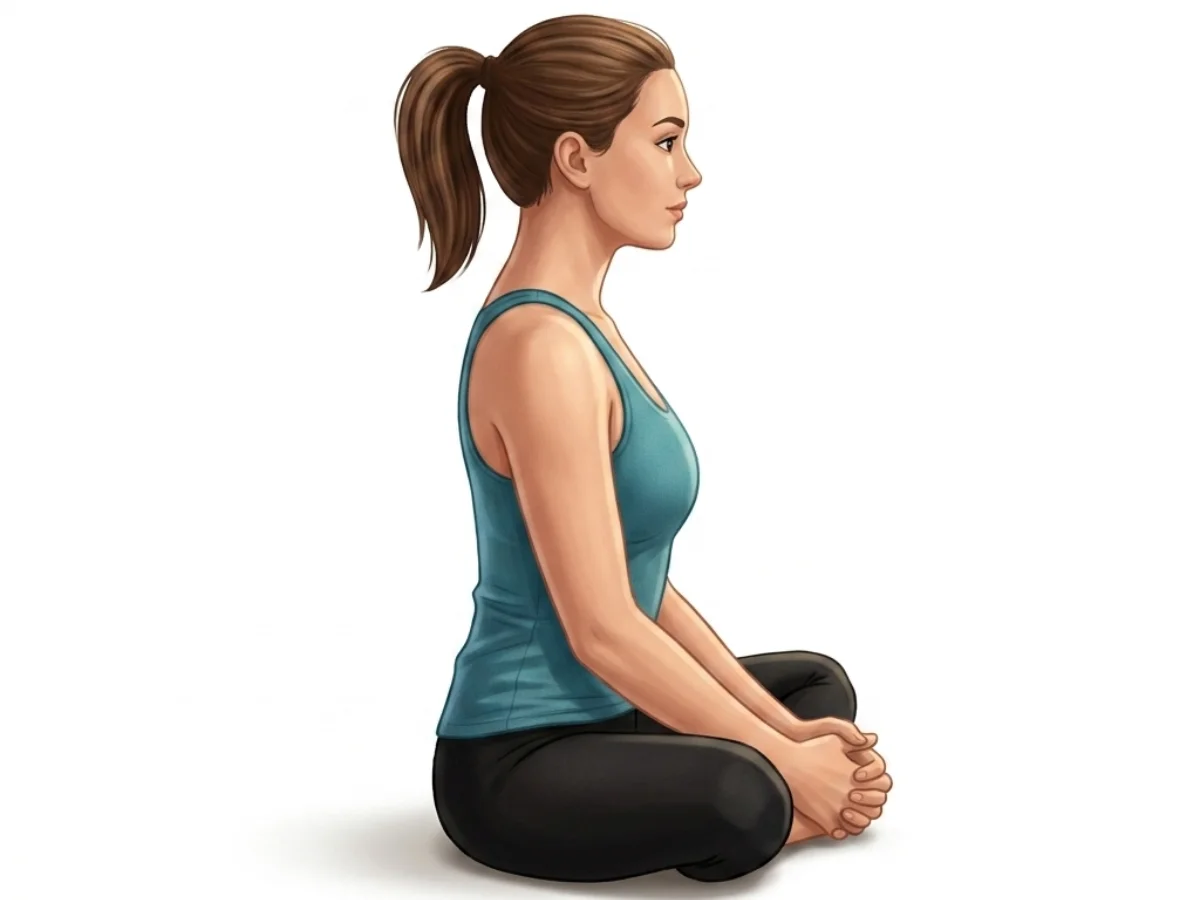
Bound Angle
Baddha KonasanaWarms up the hips and prepares the pelvic region for seated postures.
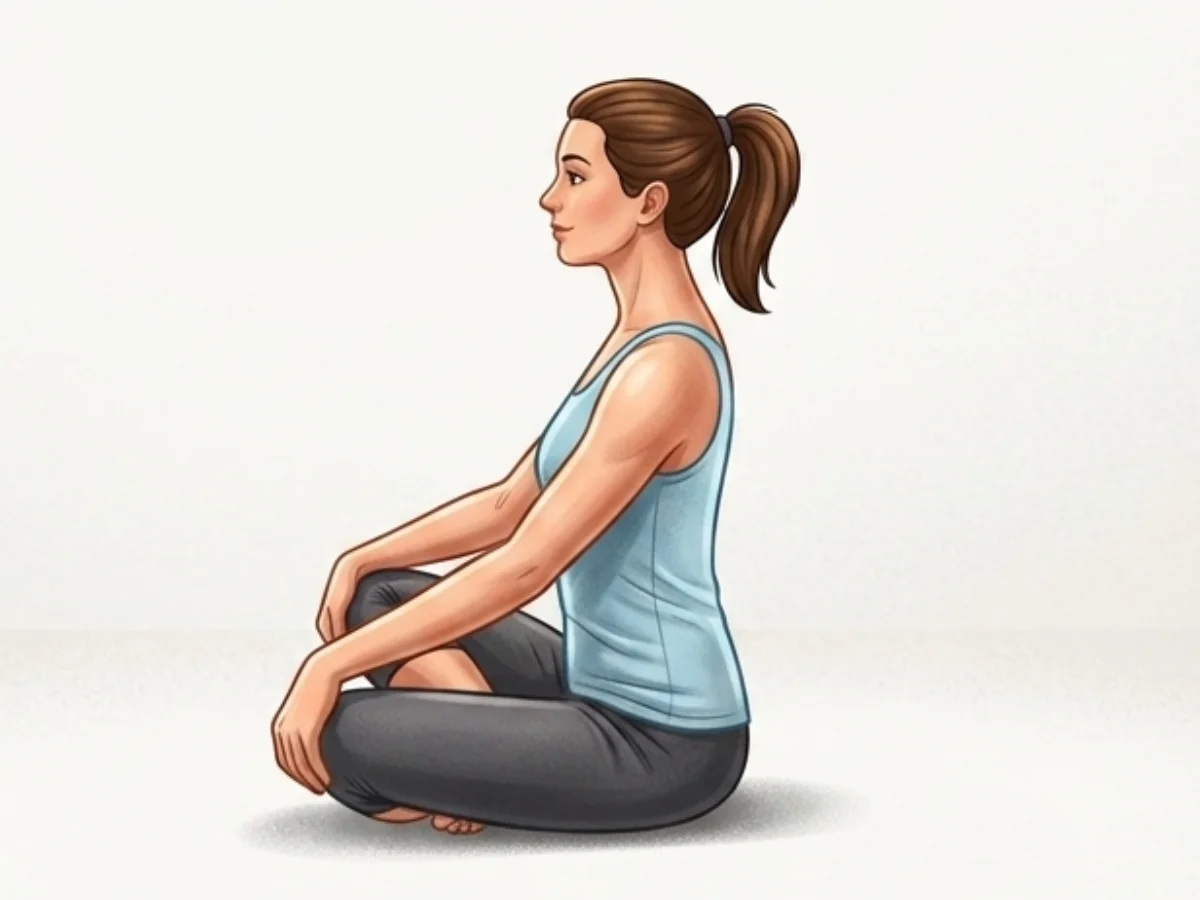
Easy Pose
SukhasanaA gentle seated posture to establish spinal alignment and breath awareness.
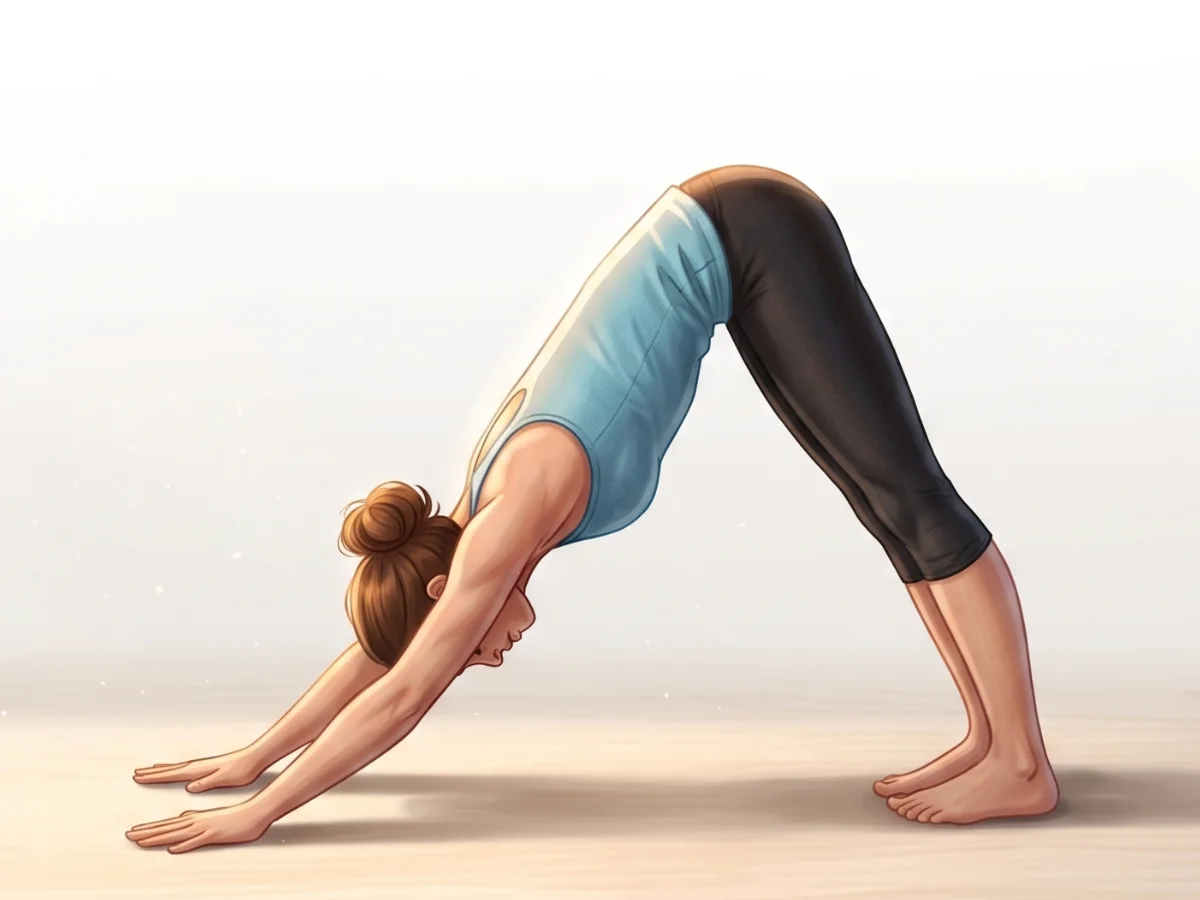
Downward-Facing Dog
Adho Mukha SvanasanaStretches the backs of the legs to balance the intense front-body stretch of Hero Pose.
Follow with neutralizing Counter-poses
Downward-Facing Dog
Adho Mukha SvanasanaReleases the tight knee flexion and stretches the calves and hamstrings.
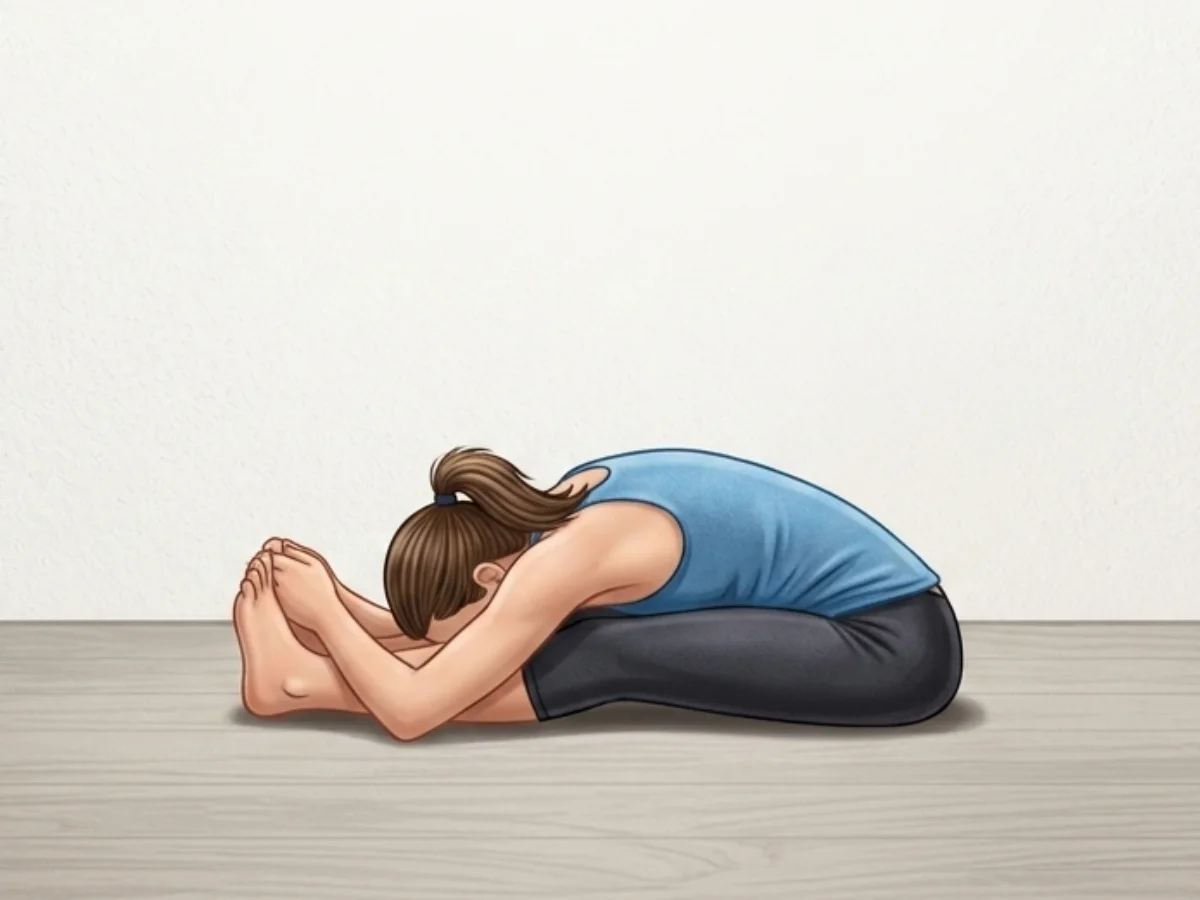
Seated Forward Bend I
PaschimottanasanaLengthens the hamstrings and decompresses the spine after sitting upright.
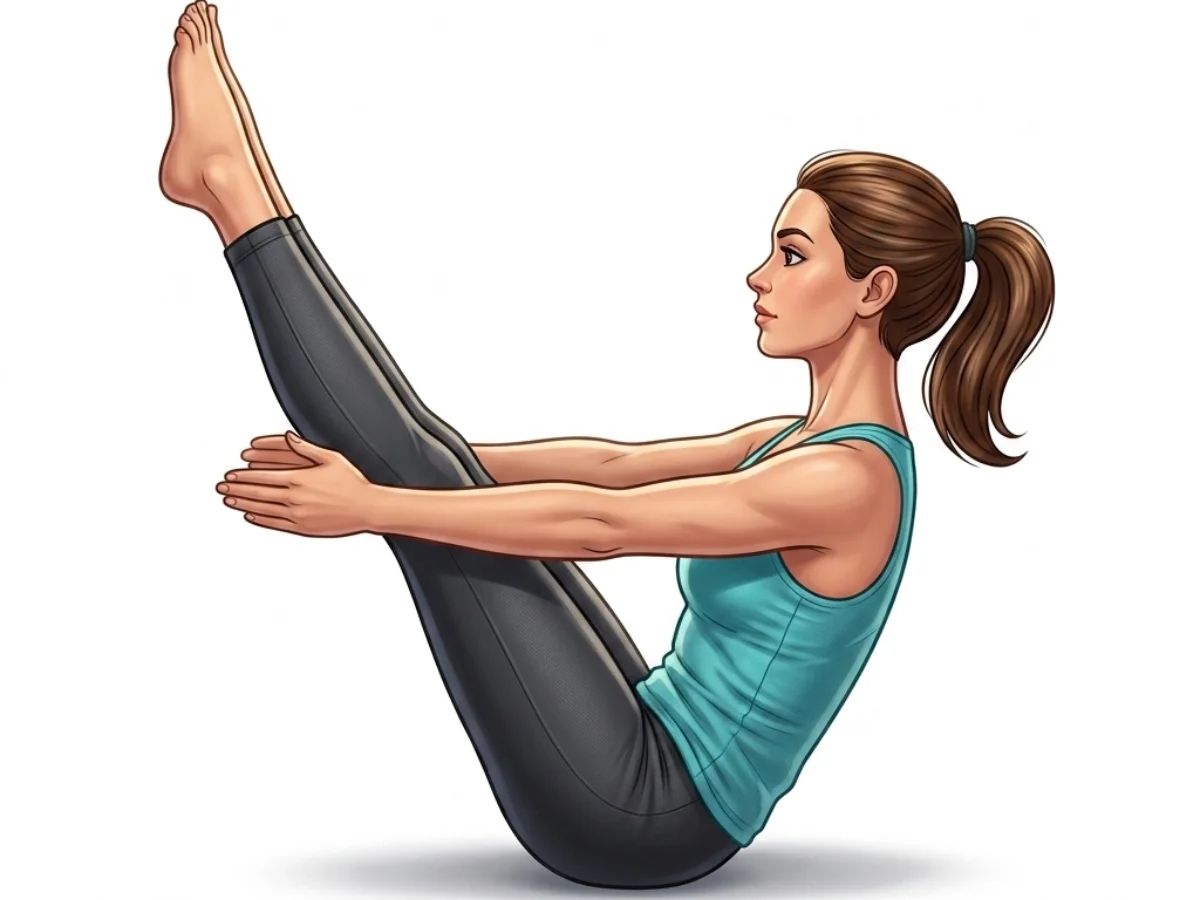
Boat Pose
NavasanaEngages the core and hip flexors dynamically while extending the legs.
Frequently Asked Questions
Why does Virasana hurt my knees so much?
Knee pain in Hero Pose occurs when tight quadriceps or hips prevent the pelvis from lowering, forcing the knee joint to bear the torque. Always elevate your hips on a block to remove this pressure.
Is Hero Pose good for meditation?
Yes, it is one of the traditional meditation postures. It keeps the spine naturally straight and the chest open, making deep breathing easier, provided you can sit comfortably without pain.
What is the difference between Hero Pose and Thunderbolt Pose?
In Thunderbolt Pose (Vajrasana), you sit directly on your heels with your feet together. In Hero Pose (Virasana), your feet are apart, and your sit bones rest on the floor between your heels.
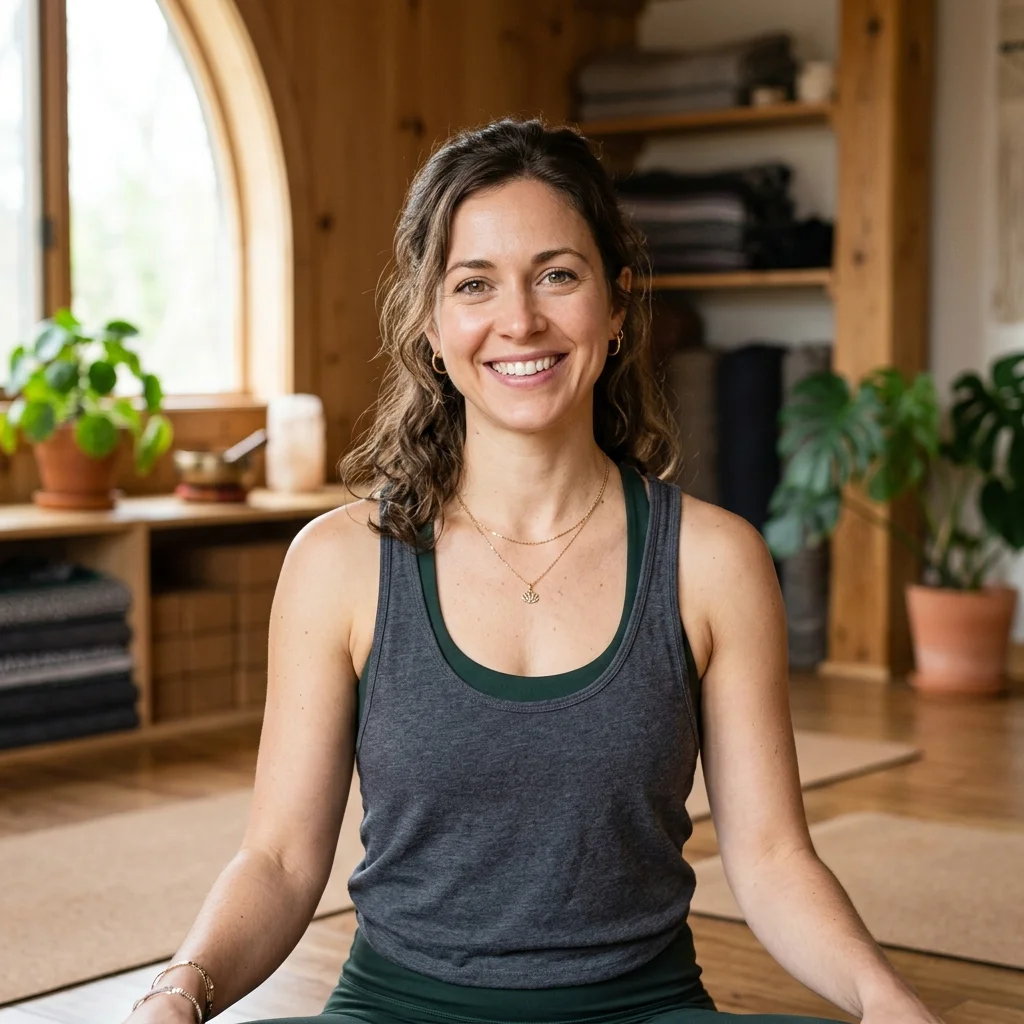
Elena Rostova is an accredited yoga educator and anatomy specialist with over 15 years of clinical experience. She focuses on functional biomechanics and injury prevention, translating complex anatomy into accessible guidance for safe, sustainable practice.
Read Full ProfileContinue Your Yoga Journey
Ready to deepen your practice? Explore our extensive library of poses, or join a structured program designed to build strength, flexibility, and mindfulness.