
Boat
Navasana
By Elena Rostova Updated: verified Medically Reviewed
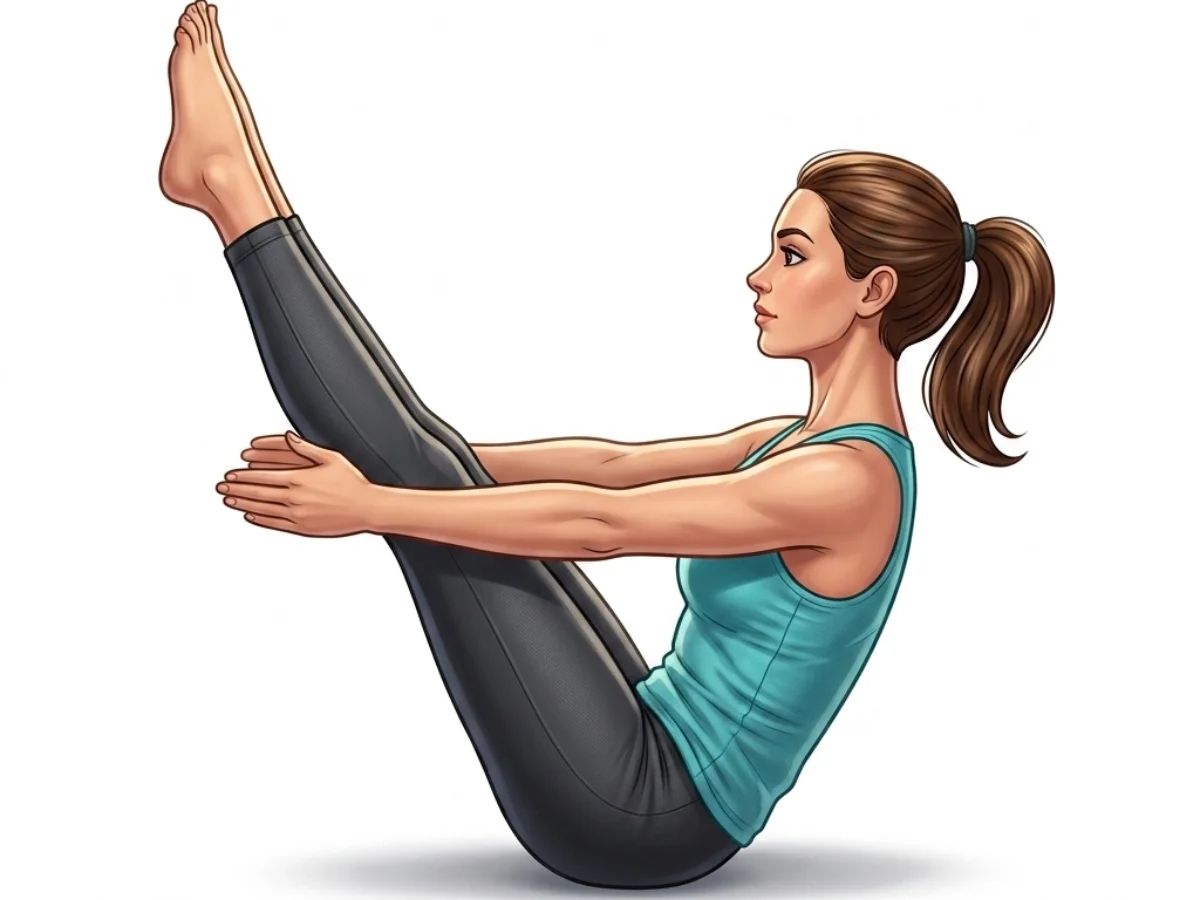
Boat Pose (Navasana) is a quintessential core-strengthening posture that requires balancing on the "tripod" of your sitting bones and tailbone. By lifting the legs and torso into a V-shape, practitioners deeply engage the hip flexors, abdominals, and lower back muscles.
Hold Time
30�60 sec � 5�10 breaths
Pronunciation
nah-VAHS-anna
About Boat
Drawing inspiration directly from the earth's elements, Boat (Navasana) requires both fierce stability and gentle yielding. As you settle into the shape, it gently works the core strength & balance to increase your overall flexibility. Practicing this pose regularly helps with builds deep core strength and leaves you feeling completely refreshed.
How to Practice
Starting Position
Begin seated on your mat with your knees bent and feet flat on the floor in front of you. Rest your hands on the floor slightly behind your hips, fingers pointing forward.
Engage the Core
Press down firmly through your hands and lift through the top of your sternum, leaning back slightly. Ensure your back remains long and straight; avoid rounding the spine.
Find Your Balance
Shift your weight back to balance on the space between your sitting bones and your tailbone (the "tripod" of your pelvis).
Lift the Legs
Exhale and lift your feet off the floor so that your shins are parallel to the mat (Half Boat Pose). Keep your knees bent if you are building strength or dealing with tight hamstrings.
Extend the Legs (Optional)
If you have the core strength and flexibility, slowly straighten your knees, raising the tips of your toes slightly above the level of your eyes to form a V-shape with your body.
Extend the Arms
Reach your arms out straight alongside your legs, parallel to the floor, with palms facing each other. If this causes your back to round, keep your hands lightly grasping the backs of your thighs.
Broaden the Chest
Draw your shoulder blades back and down, keeping your chest open and lifted. Relax your face and neck.
Hold and Breathe
Hold the pose for 5 to 10 deep, steady breaths (or up to a minute). Keep your lower belly drawn in to protect your back.
Release with Control
To exit the pose, exhale as you lower your feet back to the floor. Hug your knees into your chest and sit up tall to release the lower back.
Rest
Take a few restorative breaths before moving on to your next pose.
Practice with the Yoga Timer
Keep track of your hold time and breath count for this pose.
Beginner Modifications & Prop Options
Yoga is a personal journey. These modifications and prop options allow you to adapt the pose to your current level of balance and flexibility, ensuring a safe and supportive practice.
Half Boat (Bent Knees)
Keep knees bent with shins parallel to the floor. This reduces lower back load and helps maintain a straight spine while building core strength.
Tip: Focus on alignment rather than depth.
Hold the Thighs
Hold the backs of your thighs instead of extending arms forward. Use your arms to lift the chest and keep the spine long, prioritizing alignment.
Tip: Focus on alignment rather than depth.
Use a Block Between the Thighs
Squeeze a yoga block between the upper thighs to activate adductor muscles, stabilize the pelvis, and deepen lower belly engagement.
Tip: Focus on alignment rather than depth.
Benefits of Boat
Builds Deep Core Strength
Intensely targets the rectus abdominis and transversus abdominis, providing stability for the spine and pelvis.
Strengthens Hip Flexors
The iliopsoas muscles work vigorously to hold the legs lifted and drawn toward the torso.
Improves Posture & Spinal Alignment
Engaging the erector spinae muscles to keep the back straight helps counteract the effects of slumping and poor posture.
Enhances Balance and Focus
Balancing on the sit bones requires immense physical coordination and mental concentration, building neuro-muscular awareness.
Stimulates Digestion
The compression of the abdominal region can help stimulate the digestive organs and improve digestive function.
Common Mistakes to Avoid
Mistake: Rounding the Lower Back
How to fix: Bend your knees and hold the backs of your thighs. Prioritize lifting the chest and keeping the spine straight over straightening the legs.
Mistake: Holding the Breath
How to fix: Focus on smooth, steady breathing. If you cannot breathe normally, back out of the pose slightly until you can.
Mistake: Tensing the Shoulders and Neck
How to fix: Actively draw your shoulder blades down your back, keep your collarbones broad, and ensure your neck is relaxed.
Safety and Precautions
Pregnancy
The deep core compression and strain on the abdominal wall make this pose unsuitable after the first trimester.
Lower Back Injuries
Individuals with herniated discs, sciatica, or acute lower back pain should avoid this pose or practice highly supported modifications.
Neck Injuries
If the core is weak, tension often transfers to the neck. Avoid if you have active neck pain.
Heart Conditions or High Blood Pressure
The intense muscular effort and potential for breath-holding can increase blood pressure.
Recent Abdominal Surgery
Ensure complete healing before engaging the abdominal muscles this deeply.
Medical Disclaimer: If you have any of the above conditions, consult your doctor or a qualified yoga instructor before attempting this pose.
Muscles Worked in Boat
Boat demands synchronized muscular effort, creating a profound sense of engagement and release throughout the body. The activation of the primary muscles supports the structure, while the secondary muscles provide stability and balance.
Primary Muscles
Rectus Abdominis
Contracts isometrically to maintain the angle between the torso and legs.
Hip Flexors (Iliopsoas)
Actively work to hold the legs lifted.
Erector Spinae
Engages to keep the back straight and chest lifted.
Secondary Muscles
Quadriceps
Contract to straighten the knees (in the full expression of the pose).
Transversus Abdominis
Provides deep stabilizing support for the spine.
Adductors
Squeeze the legs together to maintain stability.
Poses to Practice Before and After Boat
Prepare with these Poses
Plank Pose
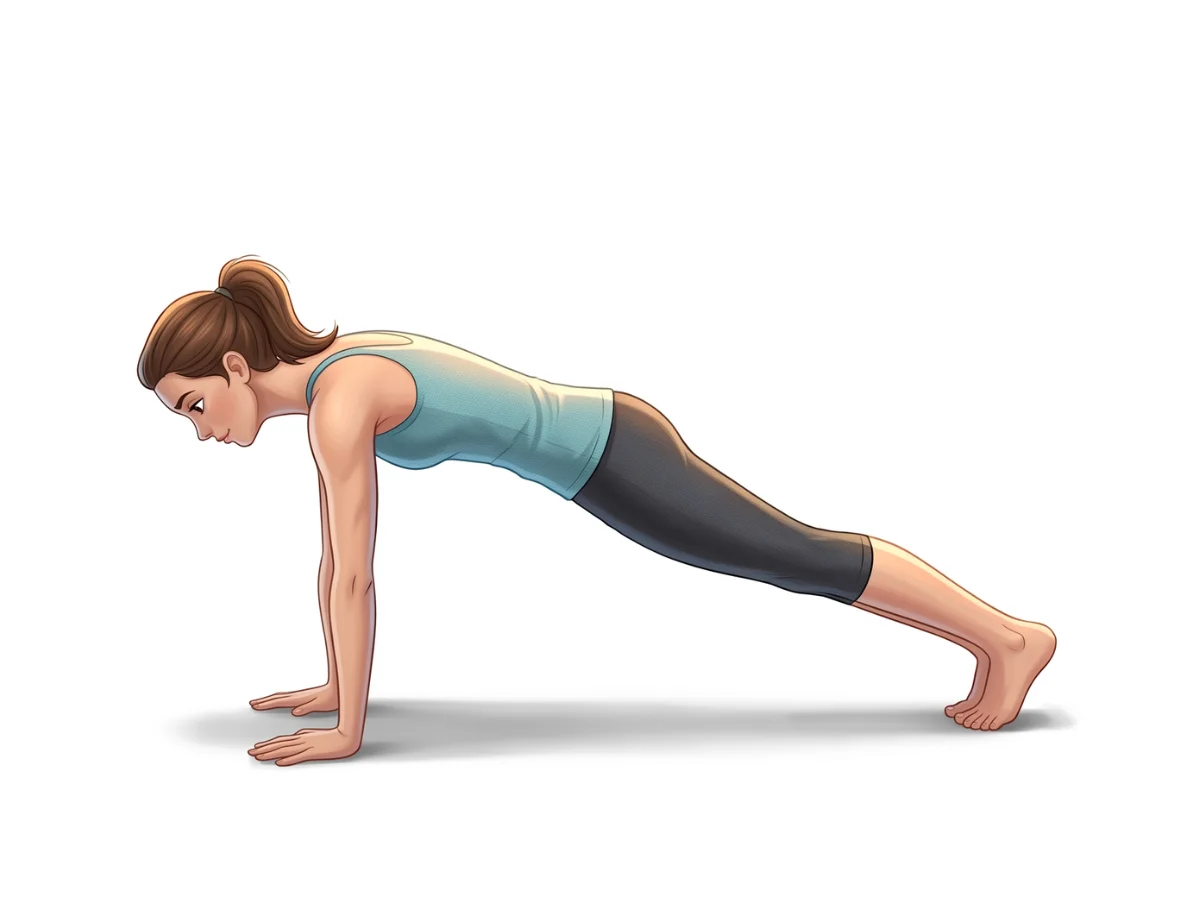
PhalakasanaBuilds fundamental core strength and teaches abdominal engagement.
Chair Pose
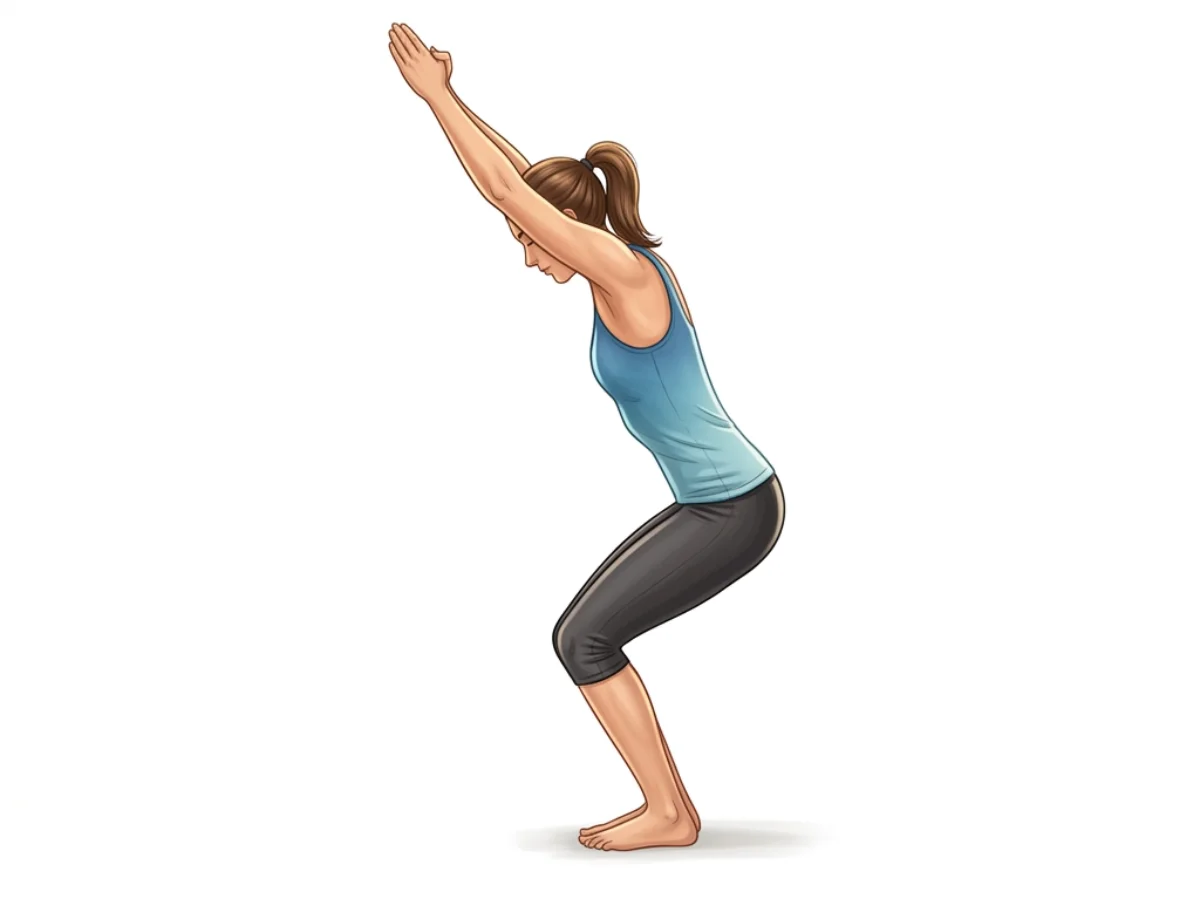
UtkatasanaStrengthens the hip flexors and lower back in preparation for Navasana.
Staff Pose
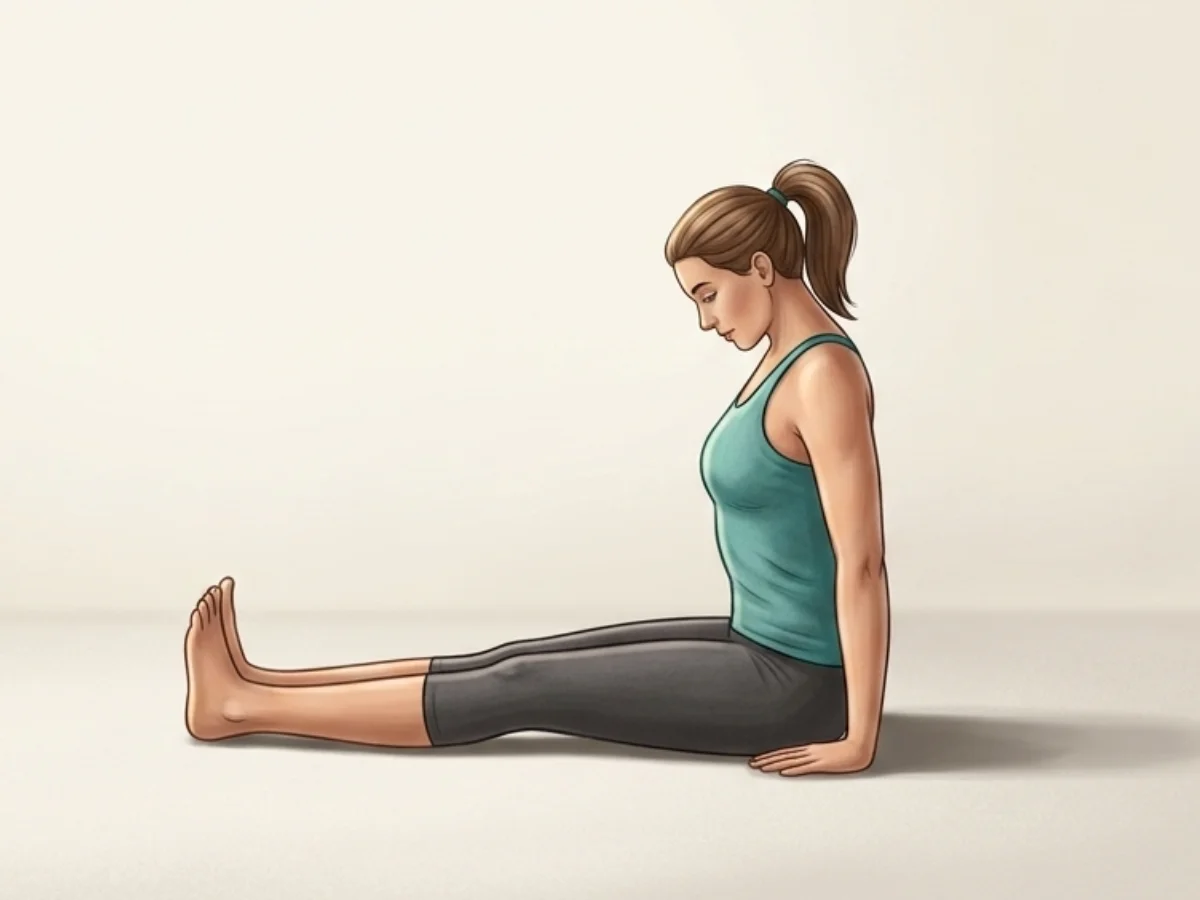
DandasanaTeaches the action of sitting tall with a straight spine and engaged legs.
Follow with neutralizing Counter-poses
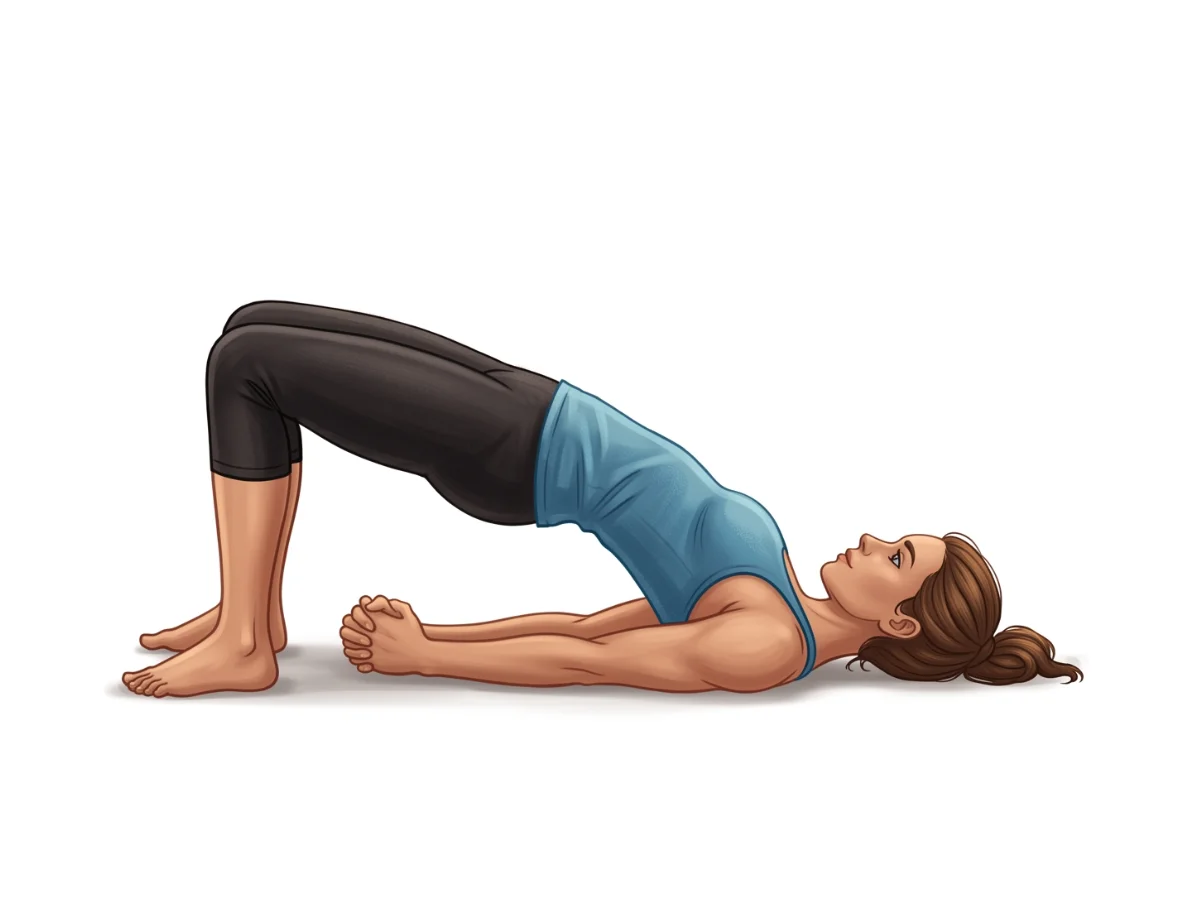
Bridge Pose
Setu BandhasanaStretches the hip flexors and abdominals that were contracted in Boat Pose.
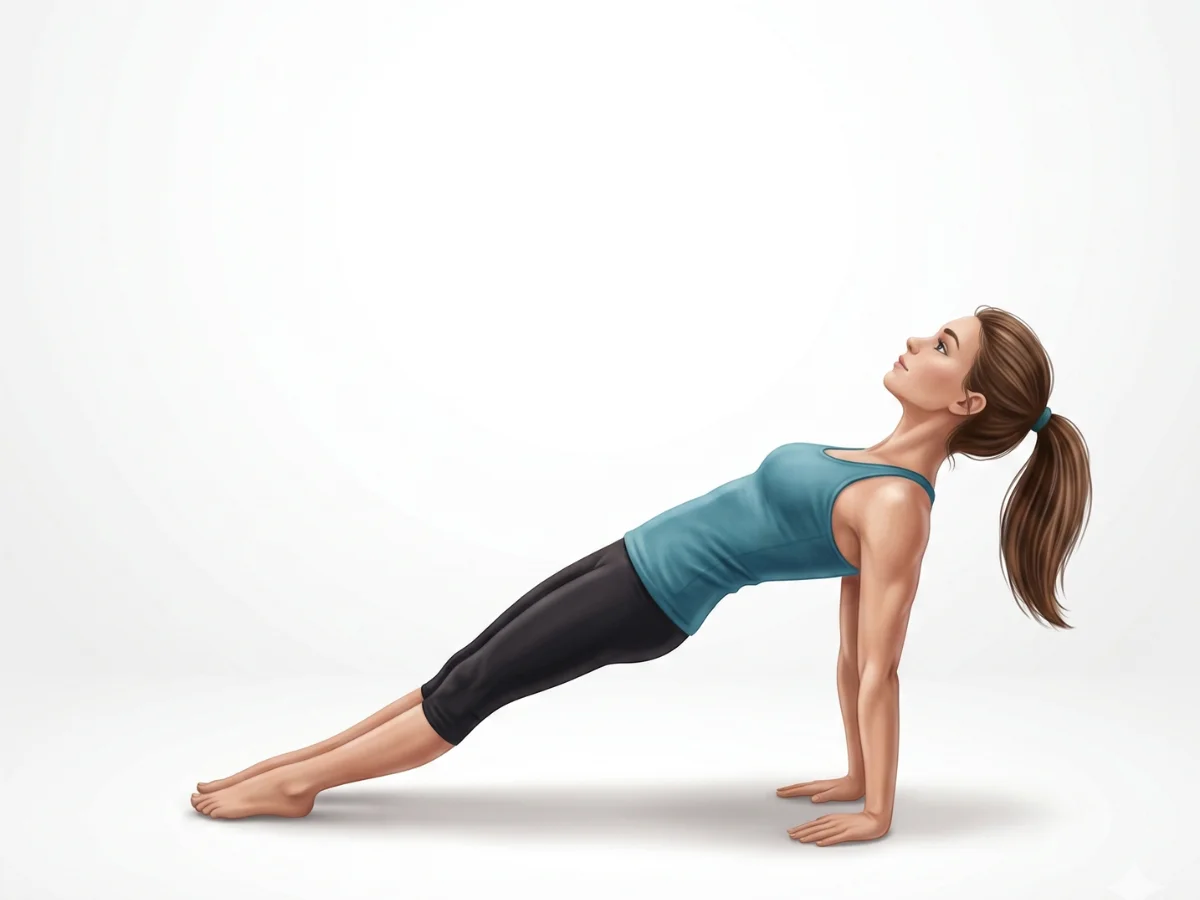
Upward Plank Pose
PurvottanasanaOpens the entire front of the body, providing a deep stretch for the core.
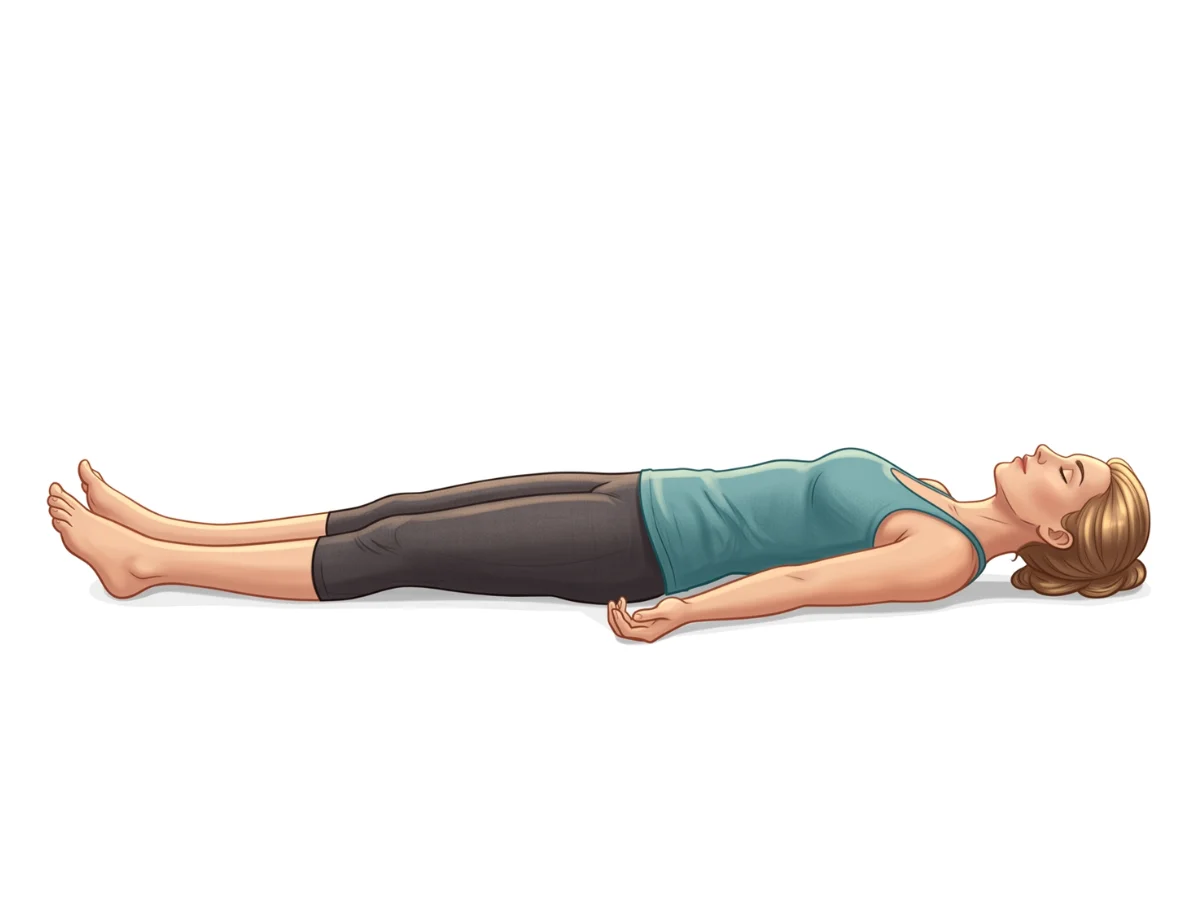
Corpse Pose
SavasanaAllows the body and breath to completely relax after intense core work.
Frequently Asked Questions
My tailbone hurts in Boat Pose. What should I do?
Tailbone pain often means you are rolling too far back. Try to balance more on the space just behind your sitting bones rather than directly on the tailbone.
I can't straighten my legs. Is that bad?
Not at all! Keeping the knees bent (Half Boat) is the correct and safest modification for tight hamstrings or a developing core.
How can I stop my legs from shaking?
Shaking is completely normal and indicates that your muscles are working hard and building endurance! To stabilize slightly, try squeezing a block between your thighs or focus on pressing your inner feet together.
Elena Rostova is an accredited yoga educator and anatomy specialist with over 15 years of clinical experience. She focuses on functional biomechanics and injury prevention, translating complex anatomy into accessible guidance for safe, sustainable practice.
Read Full ProfileContinue Your Yoga Journey
Ready to deepen your practice? Explore our extensive library of poses, or join a structured program designed to build strength, flexibility, and mindfulness.