
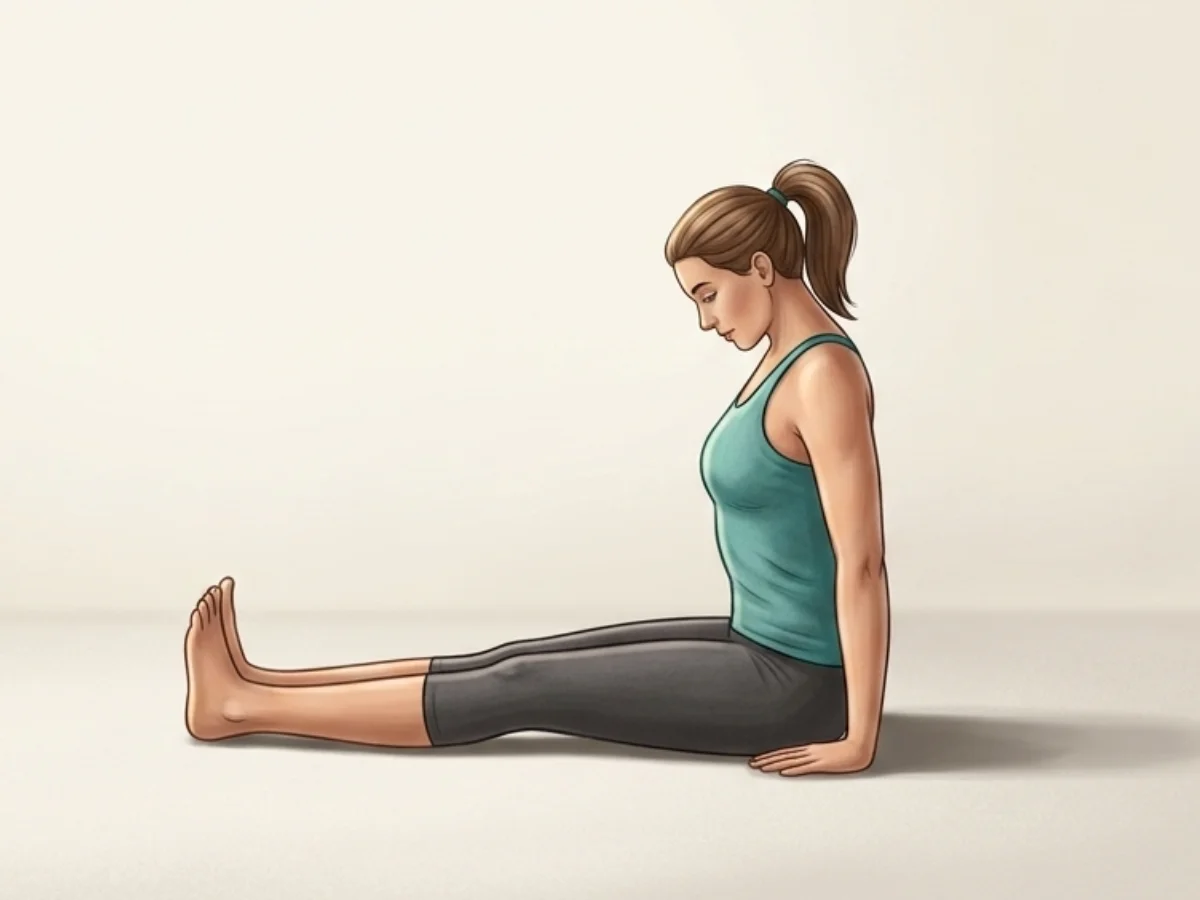
Staff Pose
Dandasana
By Elena Rostova Updated: verified Medically Reviewed
Staff Pose (Dandasana) is the foundational seated posture in yoga, essentially serving as the seated equivalent of Mountain Pose. While it appears simple, maintaining a perfectly erect spine with the legs fully extended requires significant core strength, back muscle engagement, and hamstring flexibility.
Hold Time
30–60 sec · 5–10 breaths
Pronunciation
dahn-DAHS-anna
About Staff Pose
Often praised by experienced instructors, Staff Pose (Dandasana) acts as a powerful tool for finding balance and realignment. By gently focusing on core strength & postural alignment, it actively stretches your muscles and builds heat. Consistent practice will actively assist in improves overall posture, helping you feel lighter and more balanced off the mat.
How to Practice
Find Your Seat
Sit on the floor with your legs extended straight in front of you. Physically pull the flesh of your buttocks away to firmly ground your sitting bones (ischial tuberosities) into the mat.
Activate the Legs
Engage your quadriceps tightly and press the backs of your thighs down toward the floor. Flex your feet actively, drawing your toes back toward your shins.
Align the Spine
Inhale deeply as you lengthen your spine upward from the rooted sitting bones. Imagine a string pulling the crown of your head directly toward the ceiling.
Hand Placement
Place your palms flat on the floor beside your hips, fingers pointing forward. If your arms are long, keep a micro-bend in the elbows; if they are short, use fingertips or blocks.
Open the Chest
Roll your shoulders up, back, and down. Broaden across your collarbones and lightly draw your shoulder blades together on your back.
Engage the Core
Draw your lower abdomen gently inward toward your spine. This supports the lower back and prevents the pelvis from tilting backward.
Align the Head
Keep your neck long with your chin parallel to the floor. Gaze softly straight ahead or toward your toes.
Hold and Breathe
Maintain this active, engaged posture for 5 to 10 deep breaths. With every inhale, lengthen the spine; with every exhale, ground the sitting bones and engage the legs.
Release
To exit, exhale and completely relax your leg and back muscles, letting your spine naturally soften.
Practice with the Yoga Timer
Keep track of your hold time and breath count for this pose.
Beginner Modifications & Prop Options
Yoga is a personal journey. These modifications and prop options allow you to adapt the pose to your current level of balance and flexibility, ensuring a safe and supportive practice.
Sit on a Blanket
Sit on the edge of a folded blanket or block. Elevating hips tilts the pelvis slightly forward, removing hamstring strain and making it easier to sit straight.
Tip: Focus on alignment rather than depth.
Wall Support
Sit with your back against a wall, ensuring your sacrum, shoulder blades, and head touch it. This provides physical feedback for proper alignment.
Tip: Focus on alignment rather than depth.
Micro-Bend the Knees
Place a small rolled towel under your knees to keep them slightly bent. This releases hamstring tension and allows you to prioritize a healthy spine.
Tip: Focus on alignment rather than depth.
Benefits of Staff Pose
Improves Overall Posture
Strengthens the erector spinae and deep back muscles, counteracting the effects of slouching and sitting at desks.
Builds Core Strength
Holding the torso perfectly upright against gravity requires sustained activation of the deep abdominal muscles.
Stretches the Hamstrings
Actively extending the legs and flexing the feet gently stretches the hamstrings and calves.
Opens the Chest
Broadening the collarbones and rolling the shoulders back stretches the pectoral muscles and improves breathing capacity.
Teaches Foundational Alignment
Cultivates awareness of pelvic tilt and spinal alignment necessary for safe and effective seated forward folds.
Common Mistakes to Avoid
Mistake: Rounding the Lower Back
How to fix: Sit on a folded blanket to elevate the hips and actively pull the chest forward and up.
Mistake: Hyper-extending the Knees
How to fix: Keep a micro-bend in the knees and actively press the calf muscles down into the floor instead.
Mistake: Shrugging Shoulders to Ears
How to fix: Relax the shoulders down; if your arms are long, slightly bend the elbows or rest hands softly.
Safety and Precautions
Severe Lower Back Injuries
Acute disc herniations can be aggravated if the hamstrings are tight and the back rounds forcefully.
Wrist Injuries
Pressing into the floor can cause pain; modify by resting hands gently on the thighs instead.
Hamstring Tears
Actively straightening the legs can strain recovering hamstring muscles; use a heavy bend in the knees.
Medical Disclaimer: If you have any of the above conditions, consult your doctor or a qualified yoga instructor before attempting this pose.
Muscles Worked in Staff Pose
Staff Pose demands synchronized muscular effort, creating a profound sense of engagement and release throughout the body. The activation of the primary muscles supports the structure, while the secondary muscles provide stability and balance.
Primary Muscles
Erector Spinae
Work continuously to hold the spine erect and straight.
Quadriceps
Engage to straighten the legs and press the thighs down.
Transversus Abdominis
Engages to stabilize the core and support the lumbar spine.
Secondary Muscles
Hamstrings
Experience a gentle passive stretch.
Rhomboids
Draw the shoulder blades together to open the chest.
Tibialis Anterior
Engages to actively flex the feet (dorsiflexion).
Poses to Practice Before and After Staff Pose
Prepare with these Poses
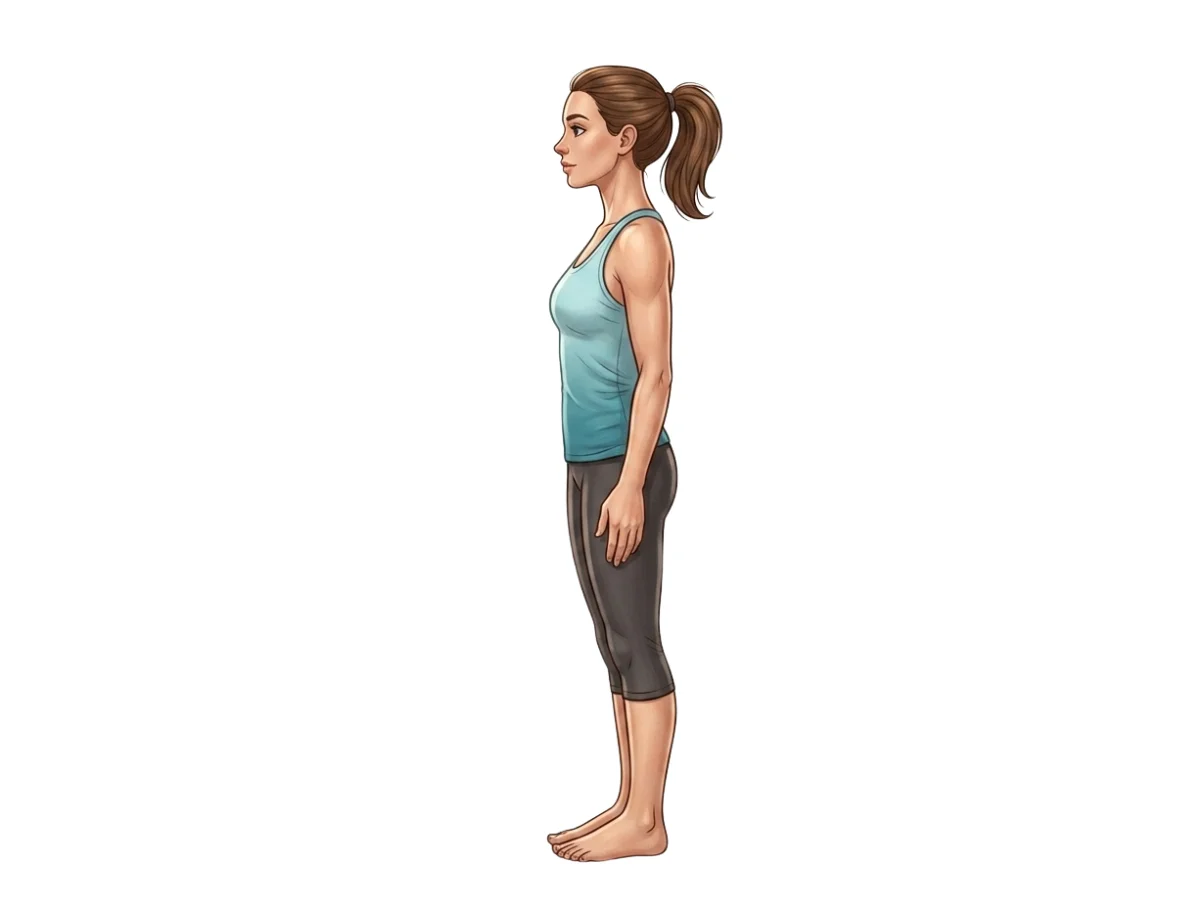
Mountain Pose
TadasanaTeaches the exact spinal alignment and core engagement needed, but from a standing position.
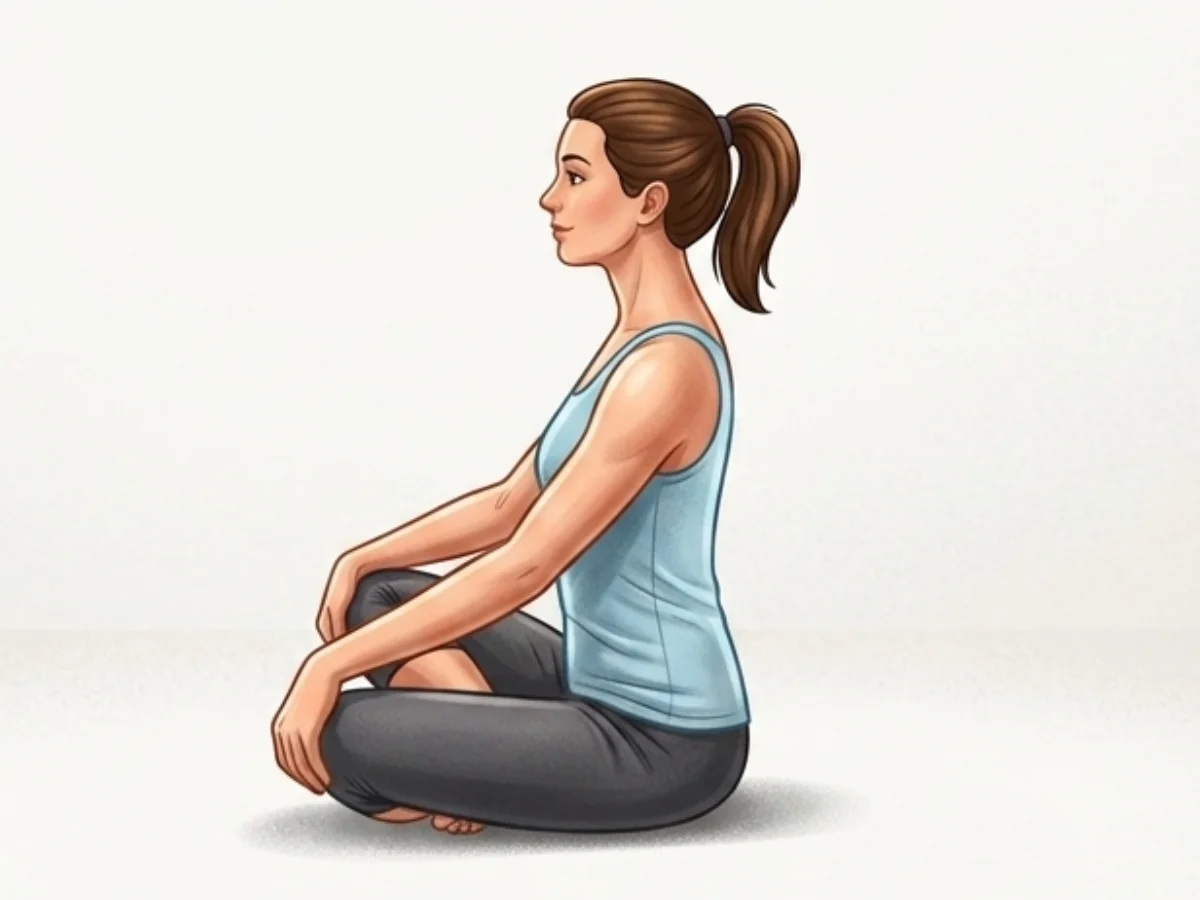
Easy Pose
SukhasanaA gentle seated posture to begin bringing awareness to a long, straight spine.
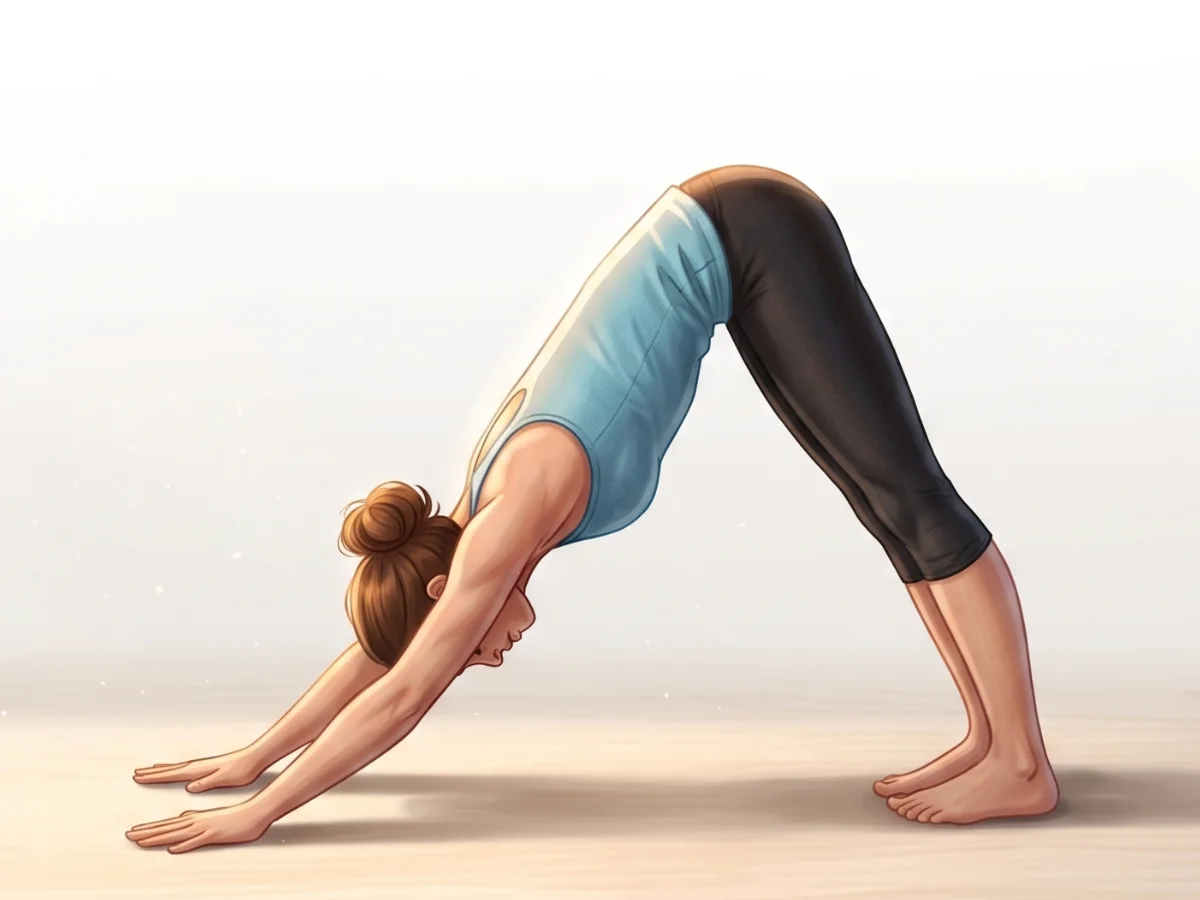
Downward-Facing Dog
Adho Mukha SvanasanaLengthens the spine and hamstrings, preparing the body for the L-shape of Dandasana.
Follow with neutralizing Counter-poses
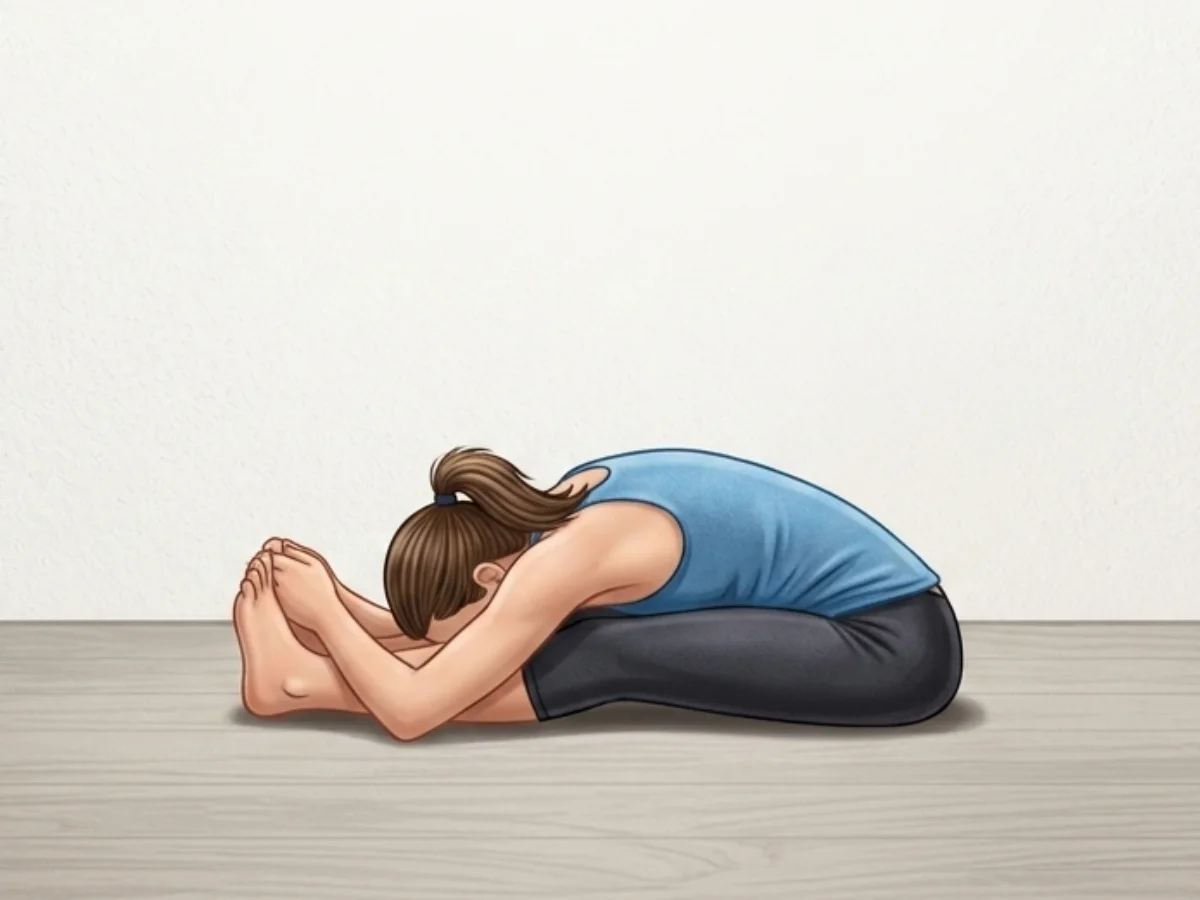
Seated Forward Bend I
PaschimottanasanaFlows naturally from Staff Pose to deeply stretch the entire back body.
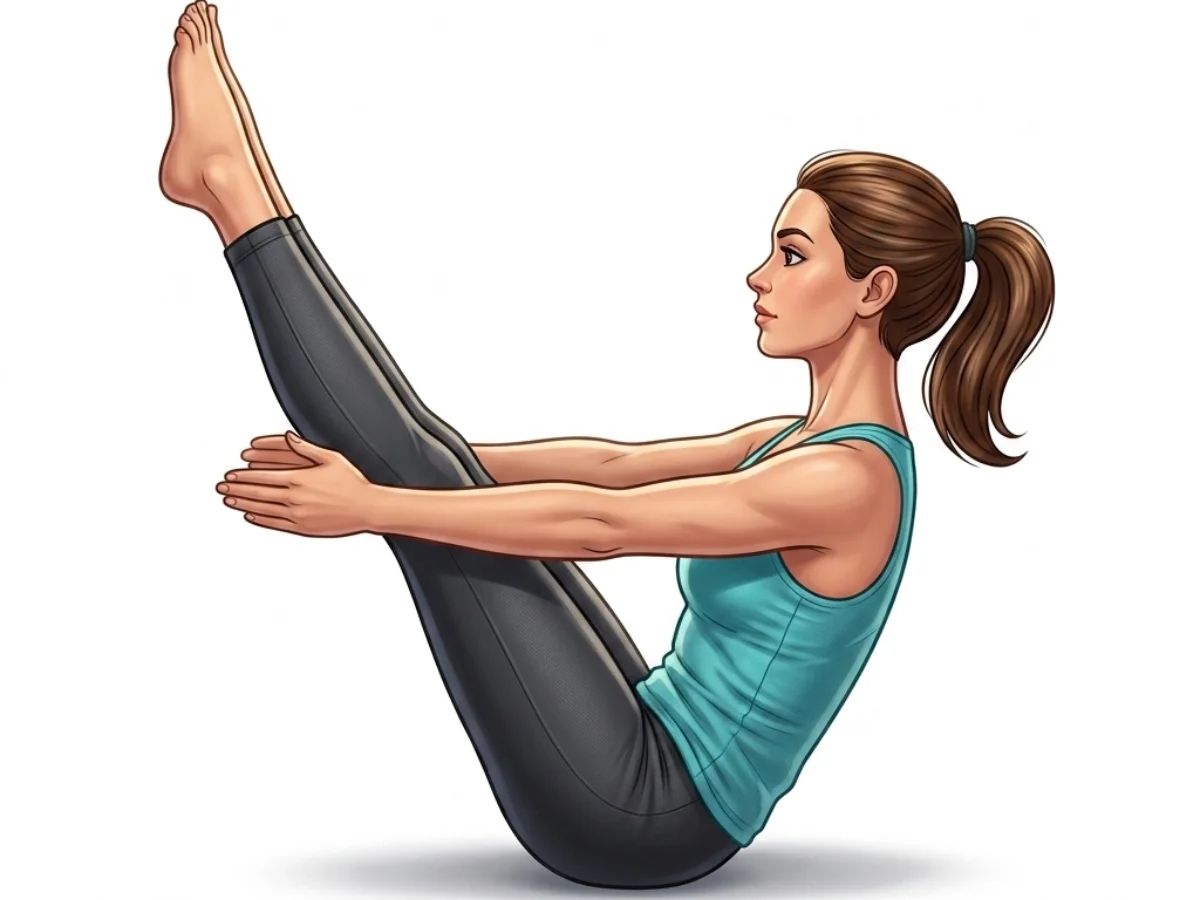
Boat Pose
NavasanaTakes the core engagement of Staff Pose to the next level by balancing on the sitting bones.
Easy Pose
SukhasanaCross the legs and relax the back and leg muscles completely to rest.
Frequently Asked Questions
Why is Staff Pose so difficult to hold?
Sitting in an L-shape requires the hamstrings to be flexible enough not to pull the pelvis backward, and the back/core muscles to be strong enough to hold the torso up. Most people have tight hamstrings and weak backs from sitting in chairs, making this pose surprisingly challenging.
My hands don't touch the floor flat. Is that okay?
Yes! Arm lengths vary relative to torso length.
How can I stop my lower back from rounding?
The most effective fix is to sit on the edge of a folded blanket or cushion. Elevating your hips gives your pelvis room to tilt forward slightly, which instantly relieves the hamstring tension pulling your back into a curve.

Elena Rostova is an accredited yoga educator and anatomy specialist with over 15 years of clinical experience. She focuses on functional biomechanics and injury prevention, translating complex anatomy into accessible guidance for safe, sustainable practice.
Read Full ProfileContinue Your Yoga Journey
Ready to deepen your practice? Explore our extensive library of poses, or join a structured program designed to build strength, flexibility, and mindfulness.