
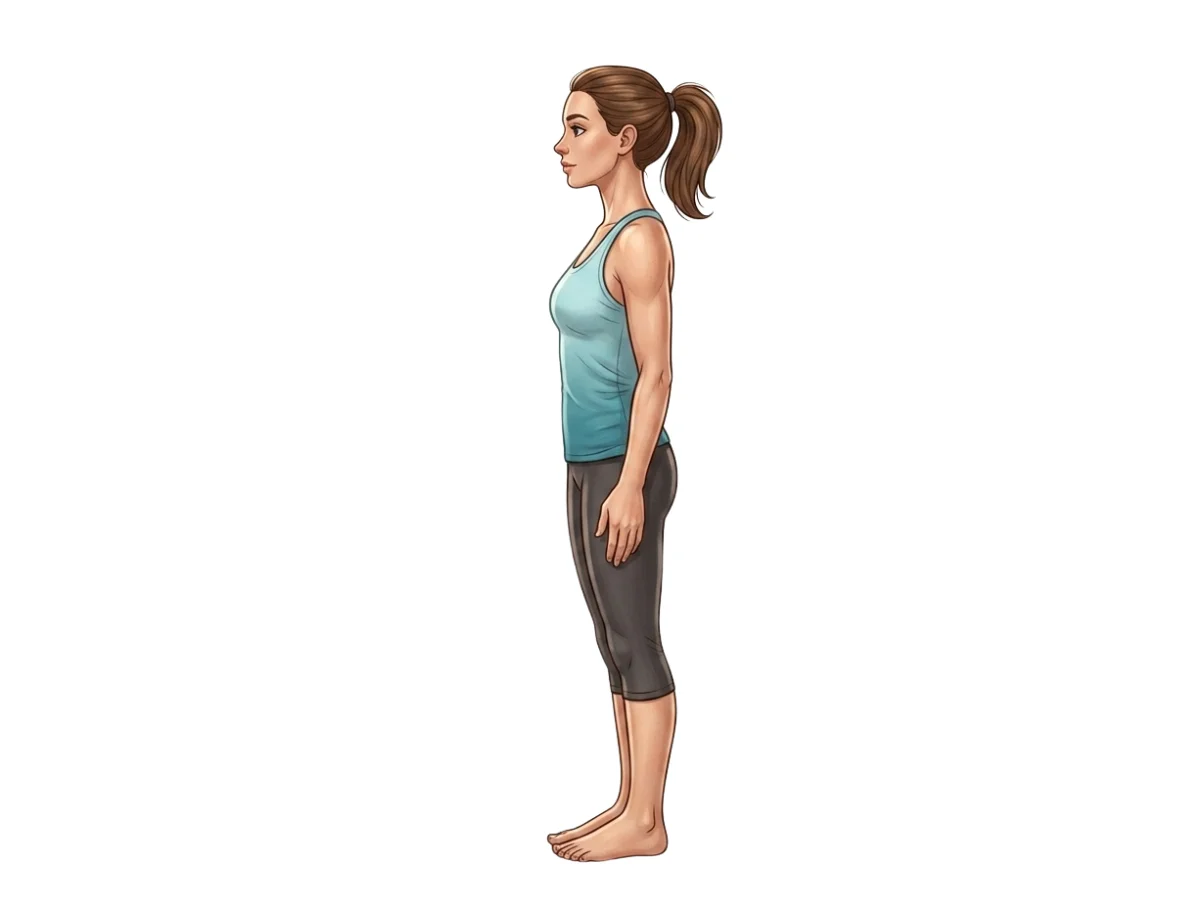
Mountain Pose
Tadasana
By Elena Rostova Updated: verified Medically Reviewed
Mountain Pose (Tadasana) appears deceptively simple—it looks like merely standing still. However, it is the foundational blueprint for all other standing postures.
Hold Time
30–60 sec · 5–10 breaths
Pronunciation
tah-DAHS-anna
About Mountain Pose
Embodying the beauty found in nature, Mountain (Tadasana) helps anchor the body while creating a wonderful sense of space. This posture specifically engages the posture & grounding, making it highly effective for developing both strength and mobility. Ultimately, it is a fantastic pose for improves overall posture, leaving you with a profound sense of grounded energy.
How to Practice
Establish Your Base
Stand at the top of your mat with your big toes touching and heels slightly apart (or feet hip-width apart if more comfortable). Lift and spread your toes, then lay them softly down.
Ground Down
Distribute your body weight evenly across all four corners of both feet: the big toe mound, little toe mound, inner heel, and outer heel.
Engage the Legs
Draw the kneecaps upward to engage the quadriceps. Gently internally rotate your thighs while slightly tucking your tailbone to lengthen your lower back.
Align the Pelvis
Ensure your pelvis is in a neutral position—neither tilting too far forward nor tucking too far under. Engage your lower abdomen.
Lift the Chest
Inhale and lift your sternum toward the ceiling, expanding your collarbones. Draw your shoulder blades back and down away from your ears.
Position the Arms
Let your arms hang naturally by your sides, palms facing slightly forward to encourage external rotation of the shoulders and an open chest.
Align the Head
Draw your chin slightly back so the crown of your head aligns directly over your pelvis. Keep your gaze soft and straight ahead.
Hold and Breathe
Remain in the pose for 5 to 10 deep breaths, feeling simultaneously rooted to the earth and lifted toward the sky.
Practice with the Yoga Timer
Keep track of your hold time and breath count for this pose.
Beginner Modifications & Prop Options
Yoga is a personal journey. These modifications and prop options allow you to adapt the pose to your current level of balance and flexibility, ensuring a safe and supportive practice.
Feet Hip-Width Apart
Step your feet apart to hip-width with outer edges parallel to increase stability and reduce lower back aggravation.
Tip: Focus on alignment rather than depth.
Use a Wall for Alignment
Stand with your back against a wall. Ensure heels, sacrum, shoulder blades, and the back of your head touch the wall to practice alignment.
Tip: Focus on alignment rather than depth.
Benefits of Mountain Pose
Improves Overall Posture
Teaches the body its optimal skeletal alignment, helping to counteract the slouching caused by sitting and screen time.
Strengthens Legs and Core
Actively engages the arches, ankles, knees, and thighs, while toning the deep abdominal stabilizers.
Promotes Grounding
Enhances your physical and mental connection to the earth, calming the nervous system and reducing anxiety.
Increases Body Awareness
Builds proprioception by requiring you to scan and engage muscles symmetrically from the feet to the head.
Relieves Spinal Tension
By aligning the vertebrae optimally, it allows the spinal muscles to relax and function without strain.
Common Mistakes to Avoid
Mistake: Locking the Knees
How to fix: Keep a micro-bend in the knees and actively pull the kneecaps upward by engaging the quadriceps.
Mistake: Over-Tucking the Tailbone
How to fix: Allow a natural, slight curve in the lower back while drawing the belly button gently inward.
Mistake: Jutting the Chin Forward
How to fix: Gently draw the chin straight back so the ears stack directly over the shoulders.
Safety and Precautions
Low Blood Pressure or Vertigo
Standing still for extended periods may cause lightheadedness or dizziness. Practice near a wall or chair for support.
Acute Ankle or Knee Pain
Extended weight-bearing may aggravate inflamed joints; modify by sitting if necessary.
Medical Disclaimer: If you have any of the above conditions, consult your doctor or a qualified yoga instructor before attempting this pose.
Muscles Worked in Mountain Pose
Mountain Pose demands synchronized muscular effort, creating a profound sense of engagement and release throughout the body. The activation of the primary muscles supports the structure, while the secondary muscles provide stability and balance.
Primary Muscles
Quadriceps
Lift the kneecaps to engage and stabilize the legs.
Erector Spinae
Support the upright extension of the spine.
Transversus Abdominis
Provides core support for a neutral pelvis.
Secondary Muscles
Gluteus Medius
Stabilizes the hips symmetrically.
Rhomboids
Draw the shoulder blades together to open the chest.
Poses to Practice Before and After Mountain Pose
Prepare with these Poses
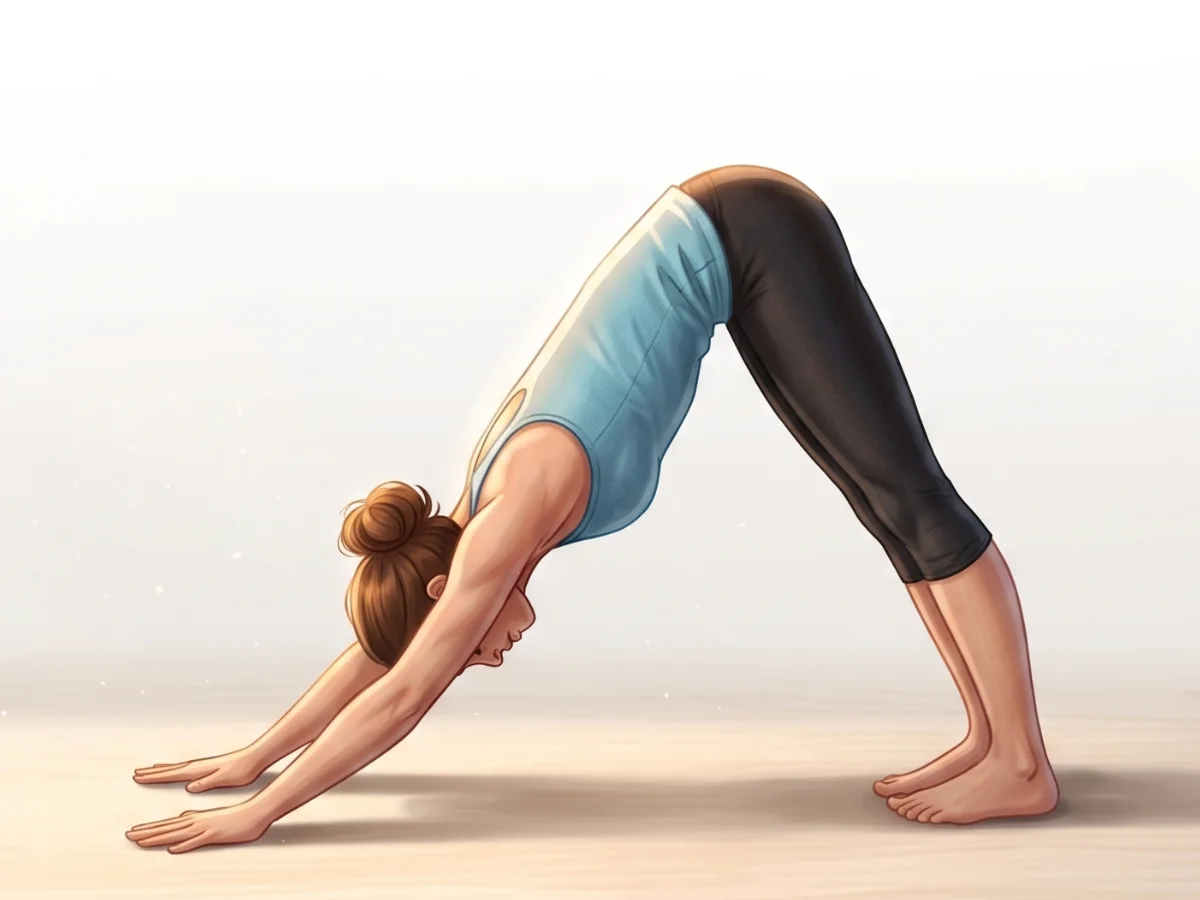
Downward-Facing Dog
Adho Mukha SvanasanaLengthens the spine and stretches the back of the legs.
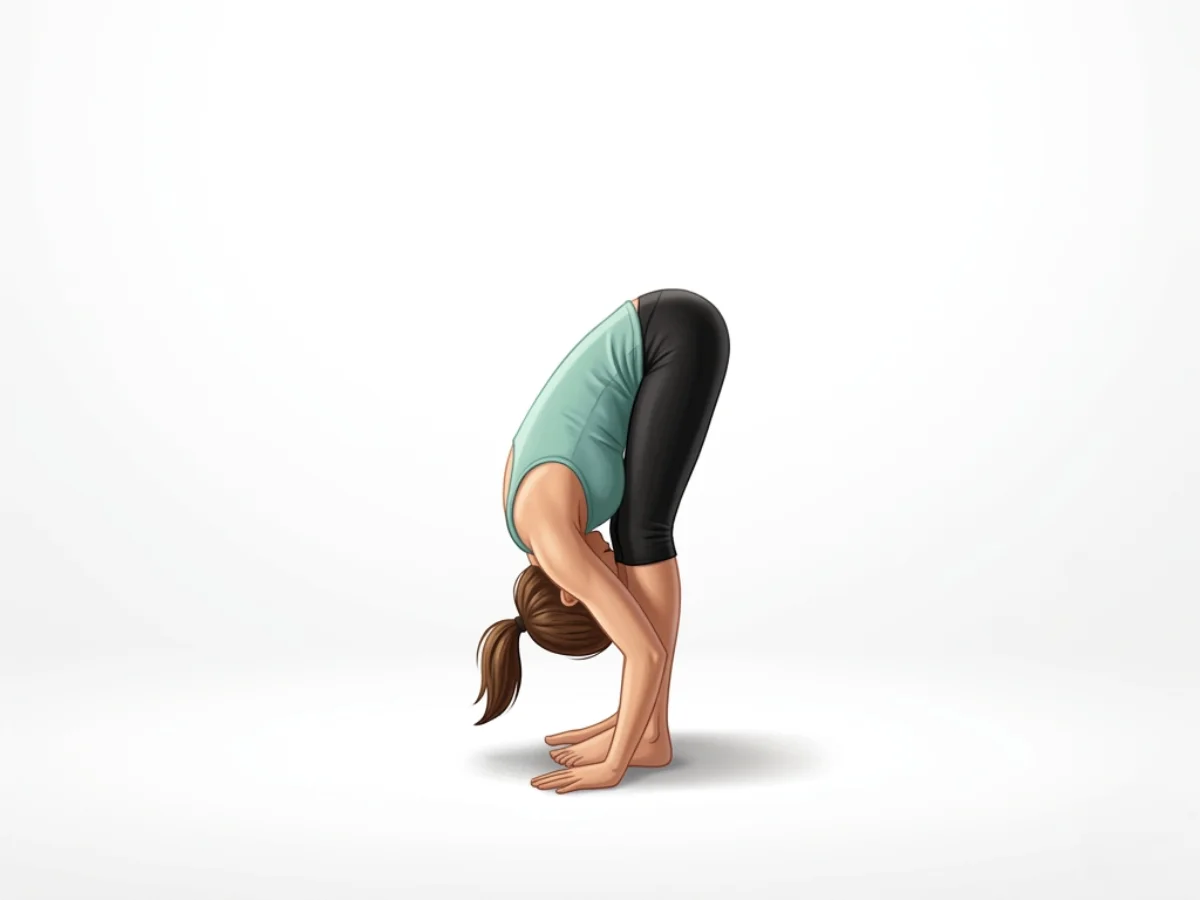
Standing Forward Bend
UttanasanaReleases tension in the hamstrings before standing tall.
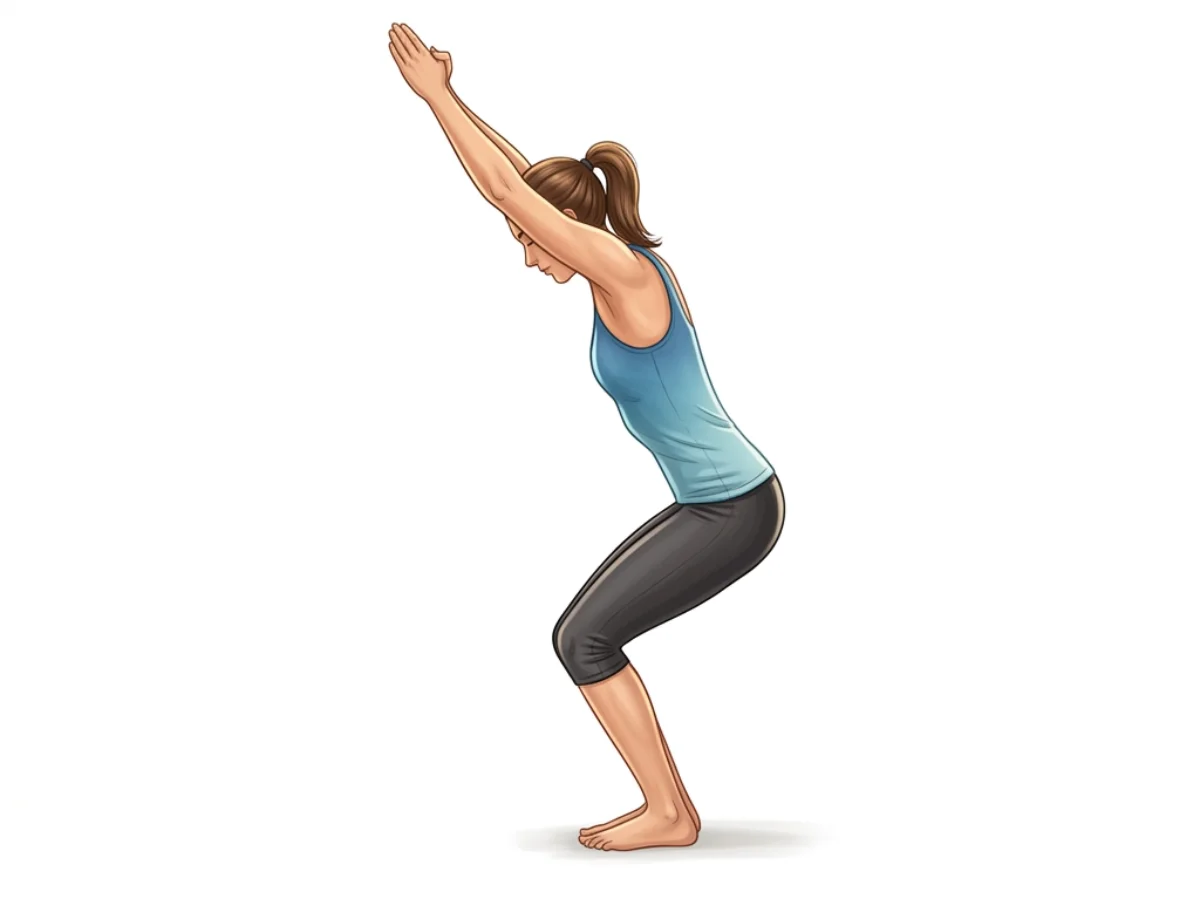
Follow with neutralizing Counter-poses
Frequently Asked Questions
Why is Mountain Pose considered a real yoga pose if I am just standing?
Because it is an active posture. When done correctly, every muscle group is engaged to align the skeleton perfectly against gravity.
Where should my hands be?
Traditionally, arms rest alongside the body with palms facing inward or slightly forward. However, you can also practice with hands in prayer (Anjali Mudra) at heart center to cultivate focus.
Elena Rostova is an accredited yoga educator and anatomy specialist with over 15 years of clinical experience. She focuses on functional biomechanics and injury prevention, translating complex anatomy into accessible guidance for safe, sustainable practice.
Read Full ProfileContinue Your Yoga Journey
Ready to deepen your practice? Explore our extensive library of poses, or join a structured program designed to build strength, flexibility, and mindfulness.