
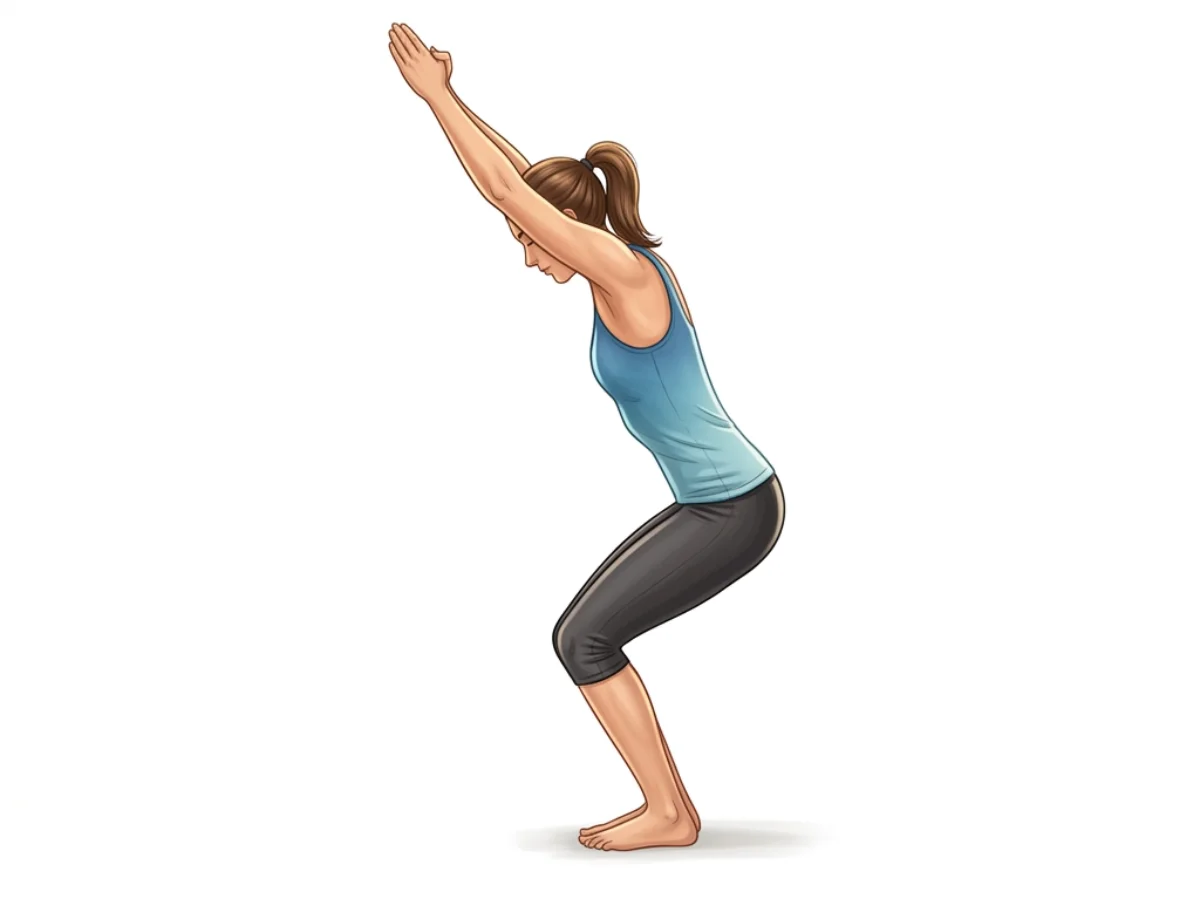
Chair Pose
Utkatasana
By Elena Rostova Updated: verified Medically Reviewed
Chair Pose (Utkatasana), also translated as "Fierce Pose" or "Powerful Pose," is a foundational standing posture that intensely engages the lower body and core. By squatting down as if sitting in an imaginary chair with arms reaching overhead, you build deep heat, alignment, and stamina.
Hold Time
30–60 sec · 5–10 breaths
Pronunciation
oot-kah-TAHS-anna
About Chair Pose
A vital part of many yoga sequences, Chair (Utkatasana) offers wonderful benefits that go beyond its simple shape. By gently focusing on lower body strength & core stability, it actively stretches your muscles and builds heat. Practicing this pose regularly helps with strengthens thighs & glutes and leaves you feeling completely refreshed.
How to Practice
Standing Foundation
Begin standing tall in Mountain Pose (Tadasana) at the front of your mat, with your big toes touching and heels slightly apart, arms resting by your sides.
Inhale and Reach
Inhale deeply as you sweep your arms overhead, keeping your arms parallel with your palms facing each other, or press your palms together if your shoulders are open.
Squat Down
Exhale as you bend your knees deeply and sit your hips back and down, as if you were lowering yourself onto the edge of a stable chair behind you.
Weight in Heels
Shift your body weight backward into your heels. Your shins should remain angled backward, and your knees should not shoot forward past your toes.
Core Engagement
Draw your lower abdomen inward and upward toward your chest to engage your deep core, supporting your lower back and preventing excessive arching.
Lift the Chest
Inhale to lift your chest and torso upward, keeping your spine long and elongating your side body from your hips to your fingertips.
Shoulder Softening
Rotate your upper arms outward to broaden across your upper back, creating ample space between your ears and shoulders to avoid tensing the neck.
Hold and Breathe
Maintain this powerful, heat-building pose for 5 to 10 deep, steady nasal breaths, keeping your gaze soft and your face relaxed.
Straighten and Rise
To exit the posture safely, inhale as you press firmly through all four corners of your feet to straighten your legs, reaching upward through your fingertips.
Symmetrical Release
Exhale slowly as you lower your arms down to your sides, returning to a neutral Mountain Pose to rest and integrate the effort.
Practice with the Yoga Timer
Keep track of your hold time and breath count for this pose.
Beginner Modifications & Prop Options
Yoga is a personal journey. These modifications and prop options allow you to adapt the pose to your current level of balance and flexibility, ensuring a safe and supportive practice.
Feet Hip-Width Apart
Practice the pose with feet parallel and hip-width apart. This provides a wider, more stable base, aligns ankles and knees naturally, and unburdens the sacrum.
Tip: Focus on alignment rather than depth.
Hands at Heart Center
Press your palms together at your chest in prayer position (Anjali Mudra). This eliminates shoulder strain, keeps collarbones broad, and focuses entirely on lower body alignment.
Tip: Focus on alignment rather than depth.
Wall-Supported Chair (Wall Sit)
Stand with your back flat against a wall, walk feet forward, and slide hips down until thighs are parallel to the floor. Press shoulders flat against the wall to build quad strength safely.
Tip: Focus on alignment rather than depth.
Benefits of Chair Pose
Strengthens Thighs & Glutes
Deeply tones and strengthens the quadriceps, hamstrings, gluteus maximus, and calves through active weight-bearing squatting.
Fortifies Deep Core Stability
Holding the torso upright against gravity demands deep activation of the rectus abdominis, obliques, and transversus abdominis to protect the spine.
Builds Ankle & Foot Resilience
Grounding your weight into your heels stretches the Achilles tendons while strengthening the ankles and supporting arches of the feet.
Opens Shoulders & Chest
Elevating the arms overhead stretches the pectoralis major and latissimus dorsi, helping to improve shoulder mobility and thoracic extension.
Boosts Circulation & Stamina
As a large-muscle compound pose, it quickly builds internal heat, stimulating cardiovascular circulation and building mental stamina.
Common Mistakes to Avoid
Mistake: Knees Shooting Past Toes
How to fix: Sit your hips back and shift your physical weight into your heels, ensuring you can still see your toes.
Mistake: Overarching the Lower Back
How to fix: Actively draw your tailbone down toward the floor and pull your lower abdomen in to support the spine.
Mistake: Knees Collapsing Inward
How to fix: Hug your inner thighs toward each other to keep your knees parallel and pointing straight forward.
Safety and Precautions
Acute Knee Injuries or Recent Surgeries
Deeply bending the knees under weight can strain healing patellar tendons and cartilage.
Severe Ankle Sprains or Limited Mobility
The dorsiflexion required can aggravate healing ankle joints and ligaments.
Acute Lower Back Pain or Herniated Discs
Holding the torso upright while squatting can strain vulnerable lumbar tissues if core support is weak.
Vertigo or Low Blood Pressure
Changing heights quickly or holding an intense pose can trigger dizzy spells or lightheadedness.
Late-Stage Pregnancy
Balance risks and joint laxity increase. Pregnant practitioners should take a wide stance and use a wall or chair for support.
Medical Disclaimer: If you have any of the above conditions, consult your doctor or a qualified yoga instructor before attempting this pose.
Muscles Worked in Chair Pose
Chair Pose demands synchronized muscular effort, creating a profound sense of engagement and release throughout the body. The activation of the primary muscles supports the structure, while the secondary muscles provide stability and balance.
Primary Muscles
Quadriceps (Femoris)
Work eccentrically and isometrically to support the squat.
Gluteus Maximus
Engages to stabilize the hips and support pelvic lift.
Erector Spinae
Keeps the spine straight and holds the torso upright.
Secondary Muscles
Transversus Abdominis
Engages to stabilize the core and protect the lower back.
Anterior Deltoids
Lift and hold the arms in an elevated, parallel position.
Tibialis Anterior
Engages to stabilize the ankles and shins.
Poses to Practice Before and After Chair Pose
Prepare with these Poses
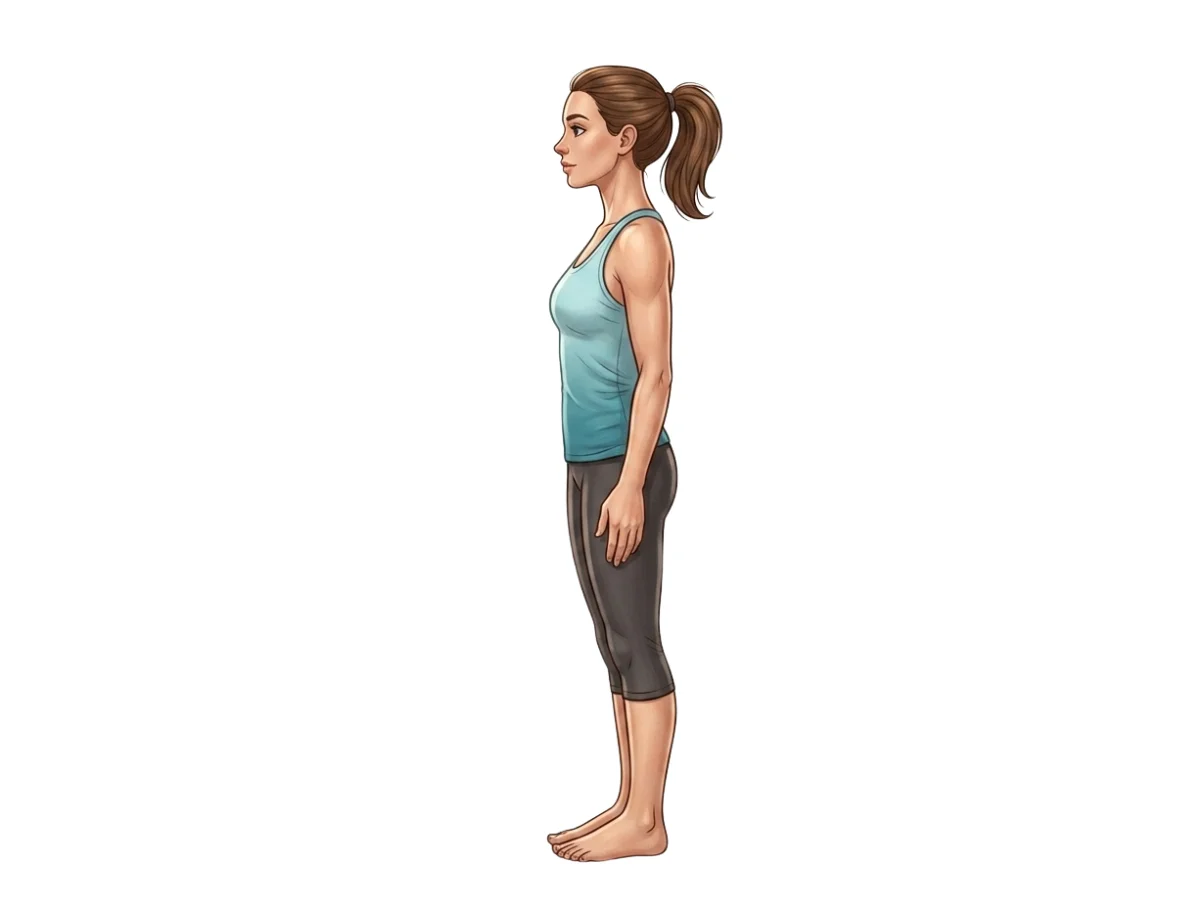
Mountain Pose
TadasanaEstablishes proper standing posture, weight distribution, and skeletal alignment.
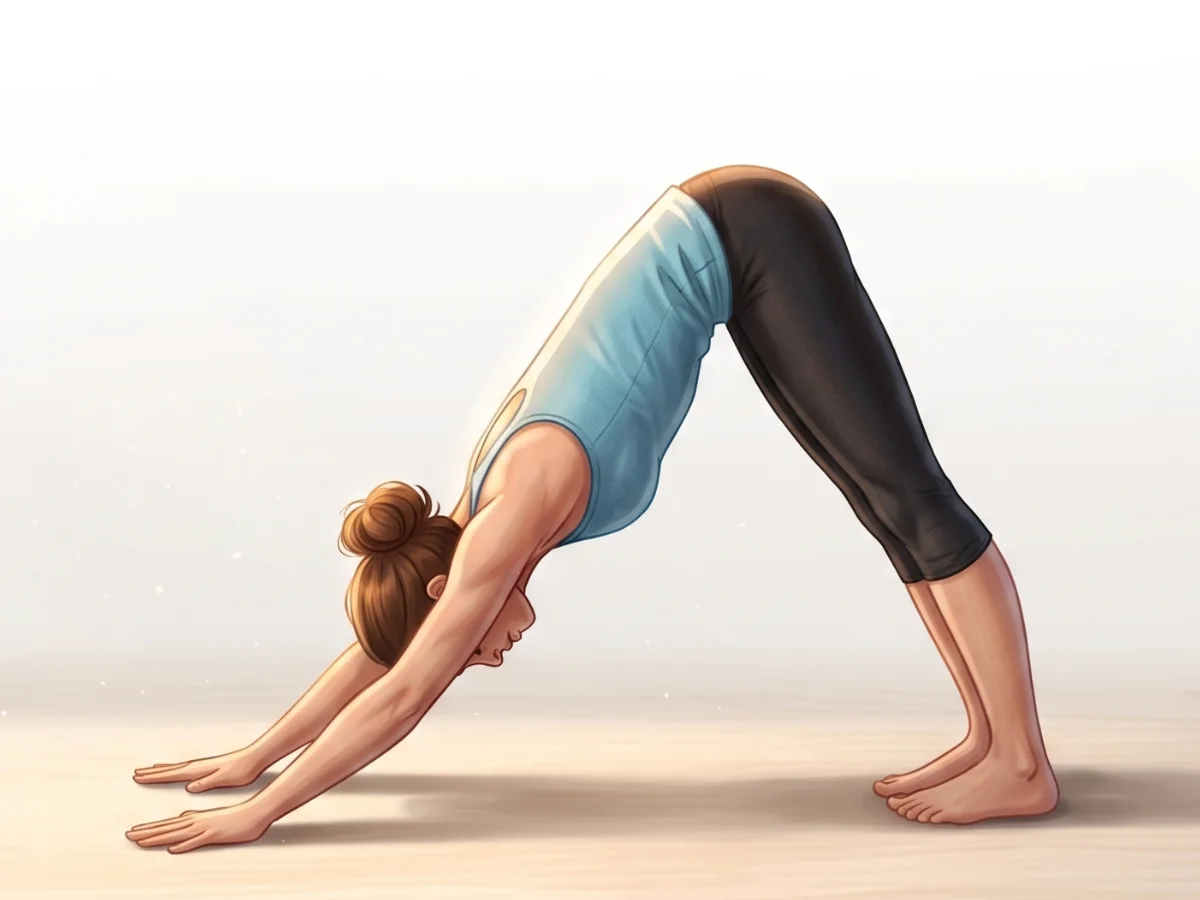
Downward-Facing Dog
Adho Mukha SvanasanaStretches the calves and hamstrings while opening the shoulders before squatting.
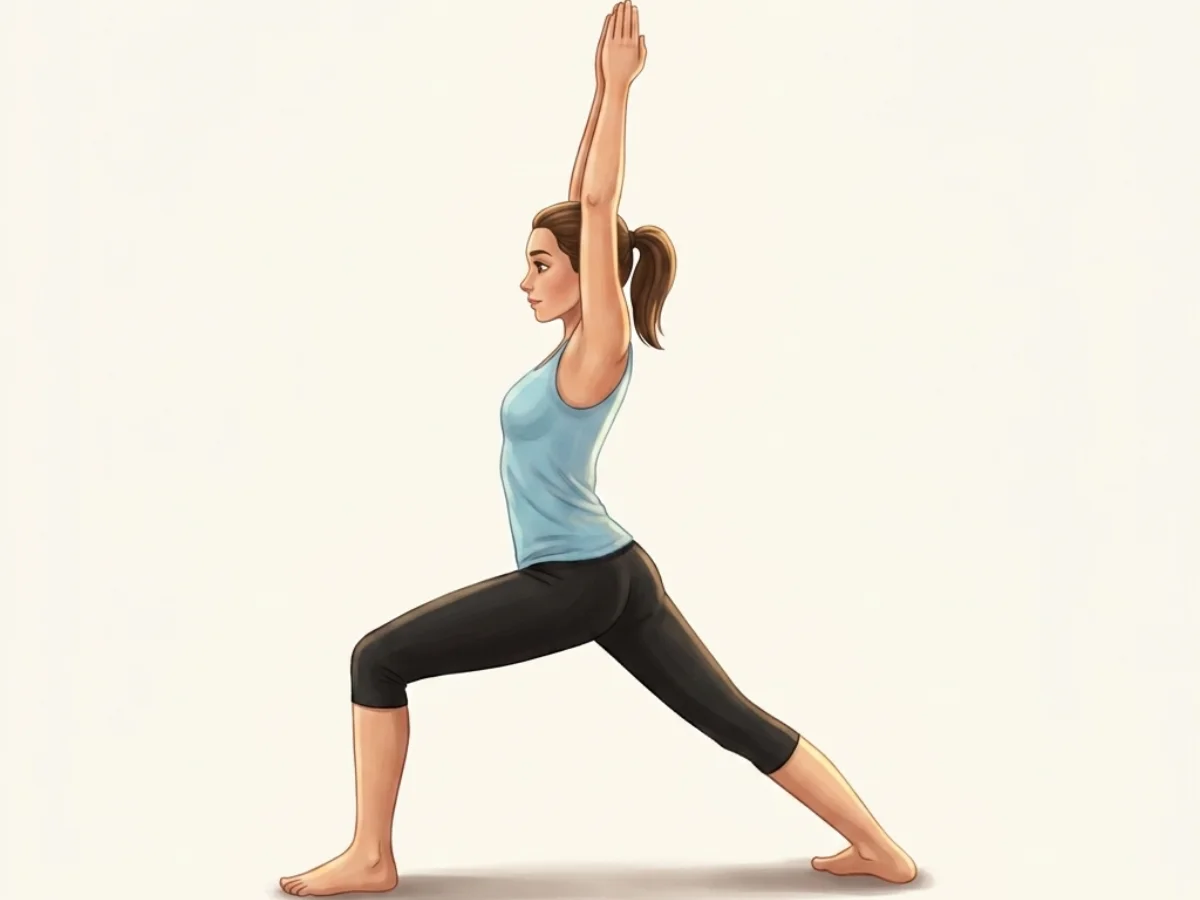
Warrior I
Virabhadrasana ABuilds leg strength and shoulder openness in a lunging stance.
Follow with neutralizing Counter-poses
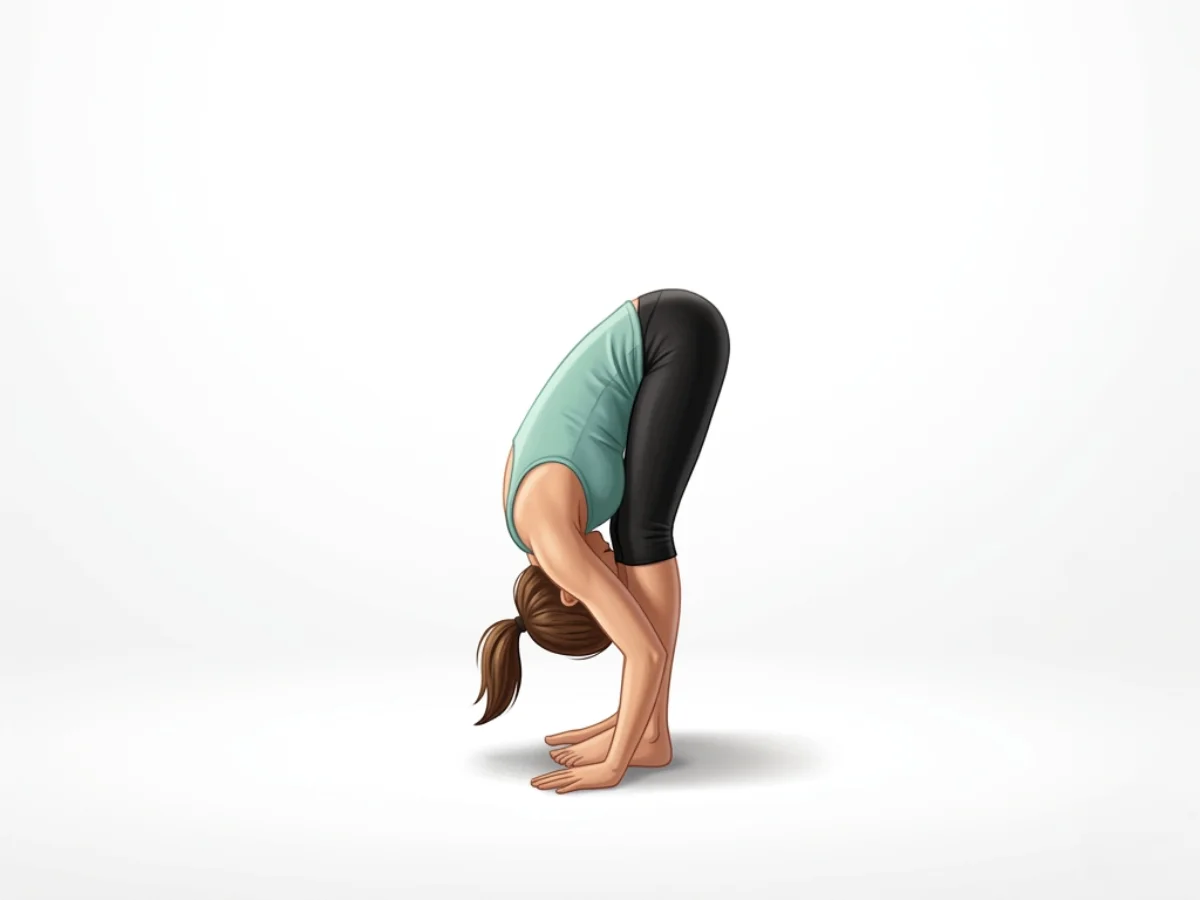
Standing Forward Bend
UttanasanaReleases the tight quad and glute effort while letting the spine decompress.
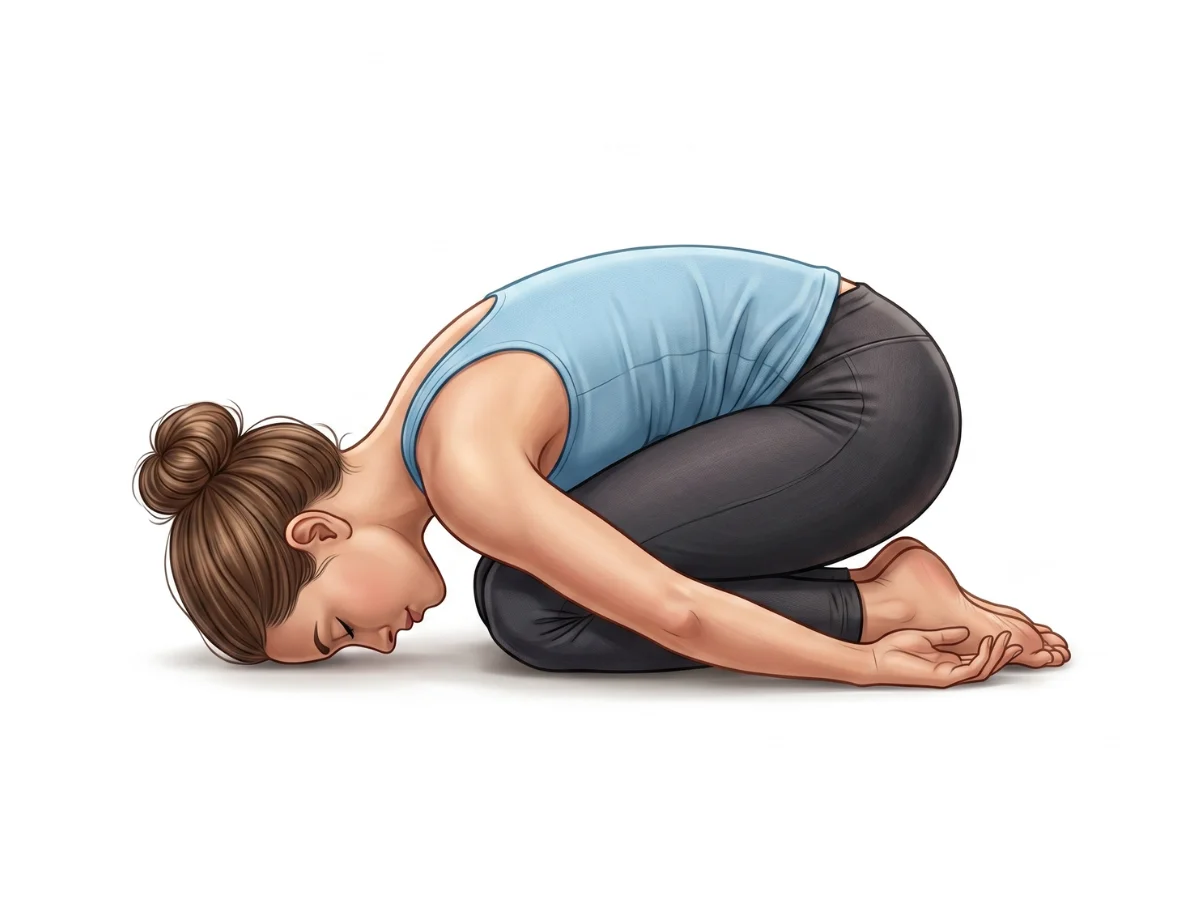
Child's Pose
BalasanaAllows the lower body, ankles, and back to rest completely after intense standing effort.
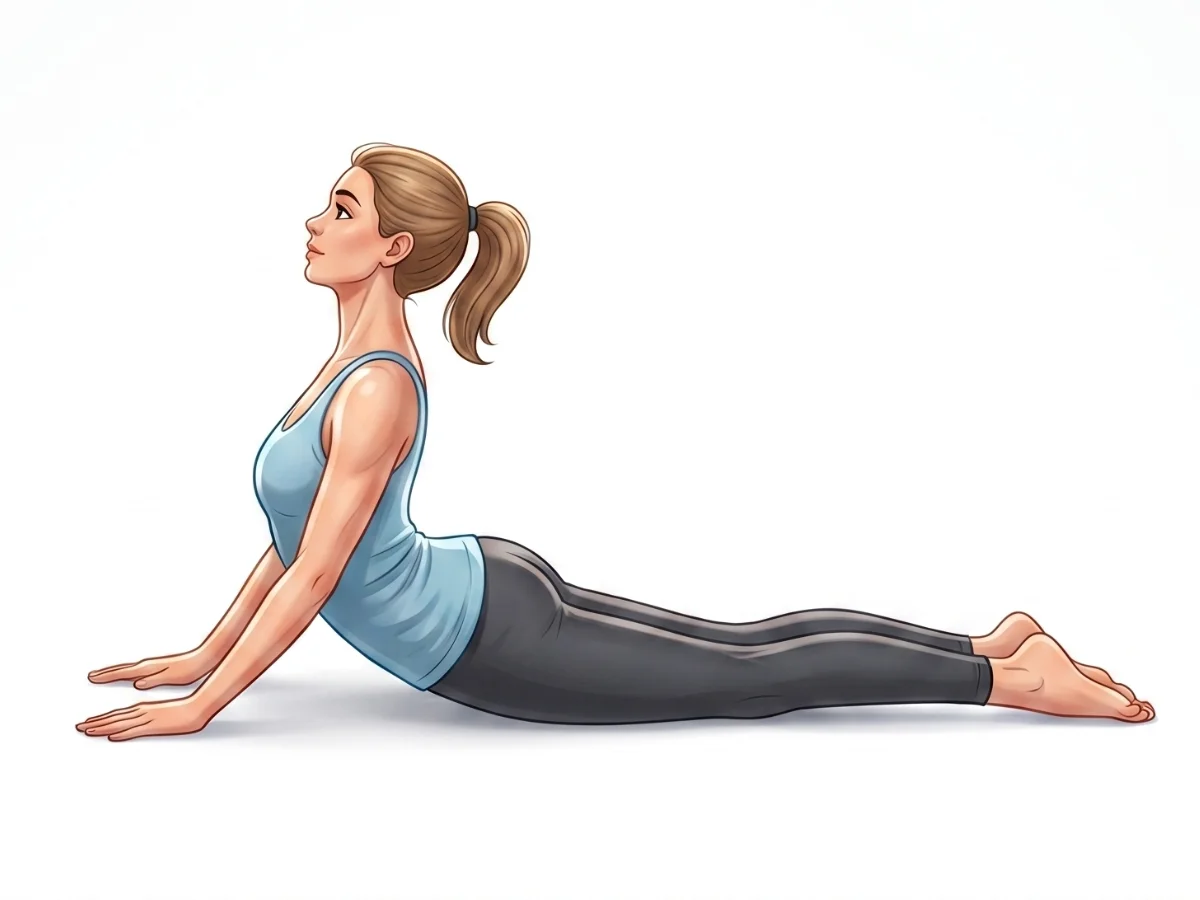
Cobra Pose
BhujangasanaGently opens the chest and stretches the front body to release tension.
Frequently Asked Questions
How deep should I squat in Chair Pose?
For beginners, a shallow squat (knees bent at about 45 degrees) is excellent. As your leg and core strength build, you can gradually sit deeper, aiming to bring your thighs parallel to the floor, as long as you can maintain a straight spine and keep your knees behind your toes.
Why do my knees hurt in this pose?
Knee pain is usually caused by letting your knees shoot too far forward past your toes, which shifts all your body weight into your patella. To fix this, shift your hips back and down and press your weight firmly into your heels.
Is Chair Pose safe for bad backs?
Yes, when done correctly. If you experience lower back discomfort, keep your squat shallow and tuck your tailbone slightly to engage your core.
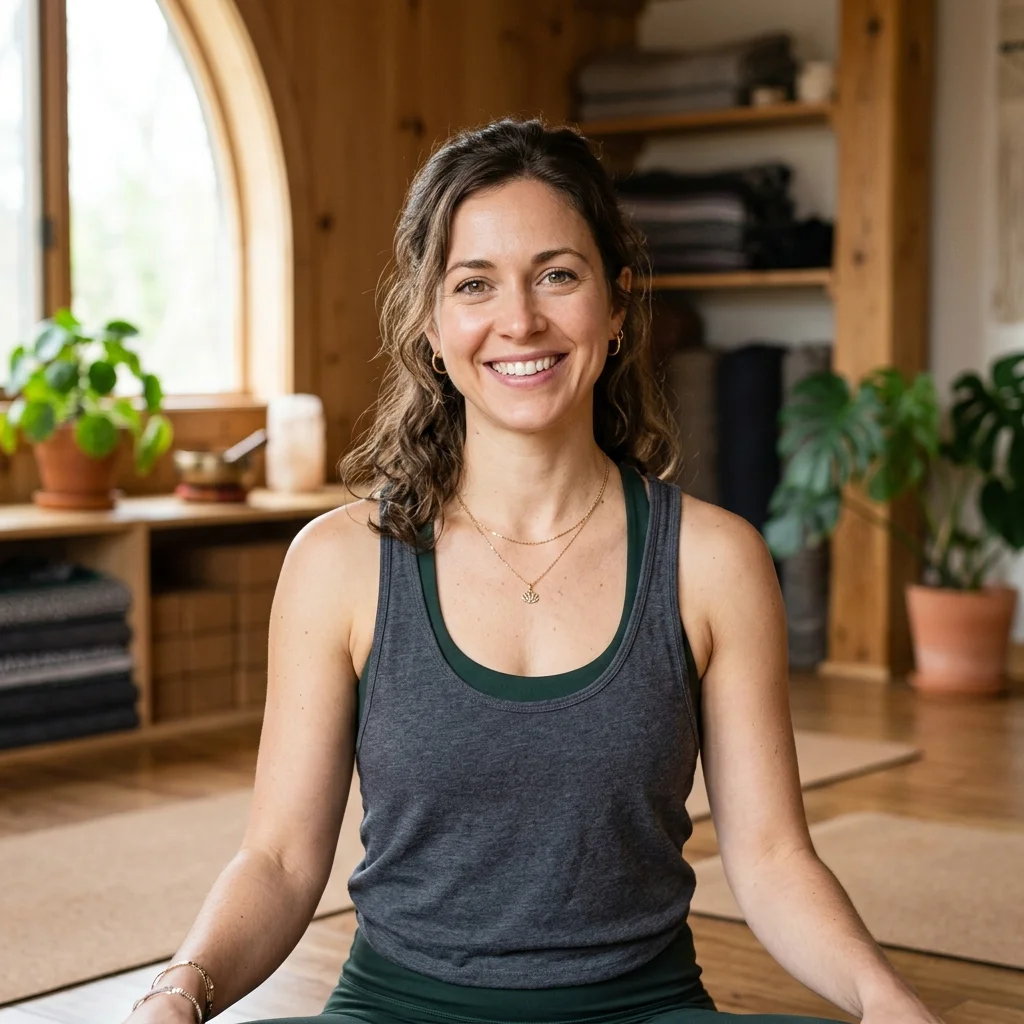
Elena Rostova is an accredited yoga educator and anatomy specialist with over 15 years of clinical experience. She focuses on functional biomechanics and injury prevention, translating complex anatomy into accessible guidance for safe, sustainable practice.
Read Full ProfileContinue Your Yoga Journey
Ready to deepen your practice? Explore our extensive library of poses, or join a structured program designed to build strength, flexibility, and mindfulness.