
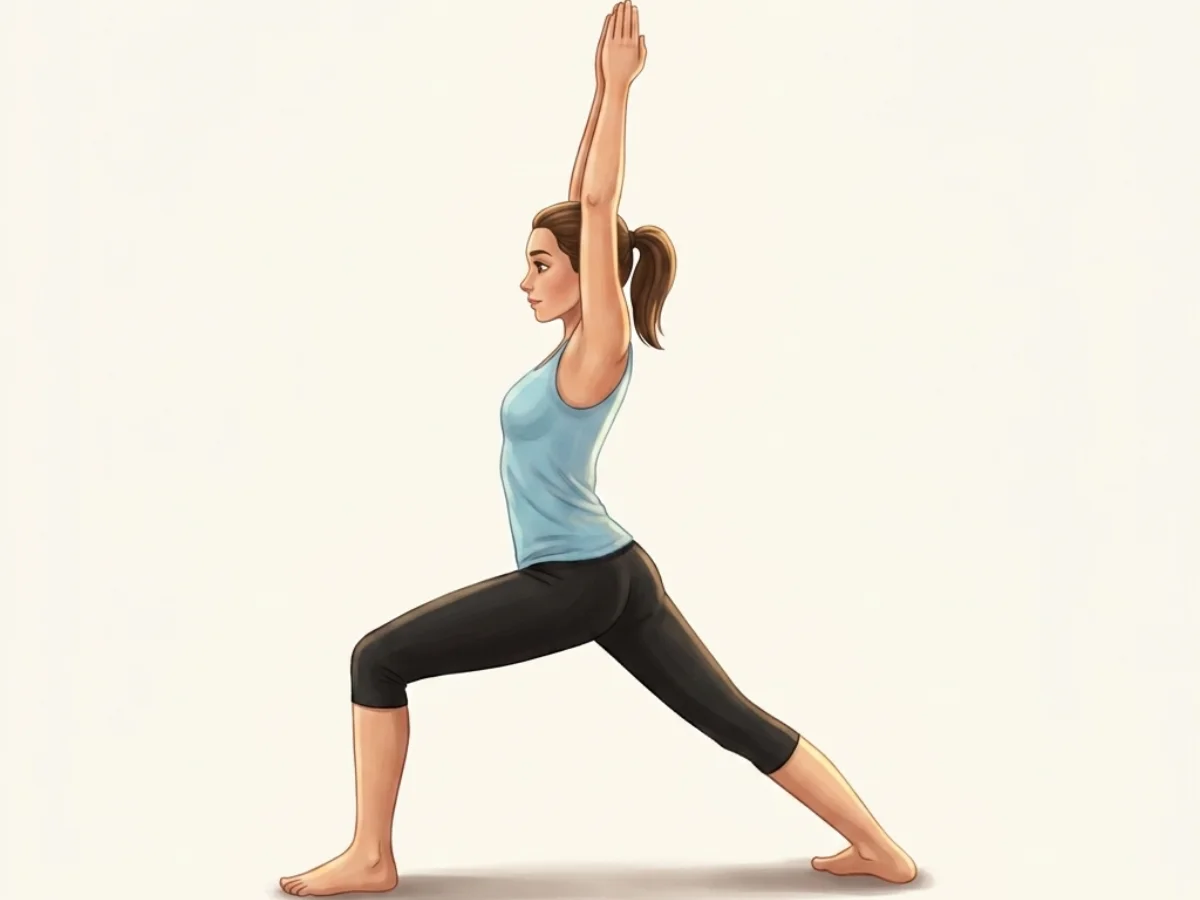
Warrior I
Virabhadrasana I
By Elena Rostova Updated: verified Medically Reviewed
Warrior I (Virabhadrasana I) is a powerful standing posture that builds tremendous strength in the legs and core while deeply opening the hips, chest, and shoulders. Characterized by a forward-facing lunge with the back foot anchored flat, this foundational pose cultivates stability, focus, and stamina.
Hold Time
30–60 sec · 5–10 breaths
Pronunciation
veer-ah-bah-DRAHS-anna O-ne
About Warrior I
A vital part of many yoga sequences, Warrior I (Virabhadrasana I) offers wonderful benefits that go beyond its simple shape. As you settle into the shape, it gently works the lower body strength & chest opening to increase your overall flexibility. Ultimately, it is a fantastic pose for strengthens legs and glutes, leaving you with a profound sense of grounded energy.
How to Practice
Start in Mountain Pose
Begin standing tall at the top of your mat in Mountain Pose (Tadasana), with your feet together and arms resting by your sides.
Step Back
Step your left foot back about 3 to 4 feet. Turn your left toes out to approximately a 45-degree angle, pressing the outer edge of your left foot firmly into the mat.
Align the Feet
Ensure your feet are hip-width apart horizontally, or align your right heel with your left heel. This creates a stable foundation.
Bend the Front Knee
Exhale and bend your right knee so it tracks directly over your right ankle. Aim to bring your right thigh parallel to the floor, but do not let the knee push past the toes.
Square the Hips
Actively draw your right hip back and press your left hip forward, working to square your pelvis toward the front of the mat as much as your flexibility allows.
Raise the Arms
Inhale and sweep your arms overhead. Keep your arms parallel with palms facing each other, or press your palms together if your shoulders are open.
Lift the Chest
Lift your chest, lengthen your spine, and draw your lower belly in to support your lower back. Avoid dumping into the lumbar spine.
Gaze
Keep your head in a neutral position gazing straight forward, or tilt your head slightly back to look up at your thumbs.
Hold and Breathe
Hold the pose for 5 to 10 deep breaths, continuously pressing into the outer edge of the back foot and lifting through the fingertips.
Release and Switch
To exit, inhale as you straighten your front leg, lower your arms, and step forward to Mountain Pose. Repeat on the other side.
Practice with the Yoga Timer
Keep track of your hold time and breath count for this pose.
Beginner Modifications & Prop Options
Yoga is a personal journey. These modifications and prop options allow you to adapt the pose to your current level of balance and flexibility, ensuring a safe and supportive practice.
Widen the Stance Horizontally
Step your front foot slightly to the right and back foot slightly to the left (like train tracks) to make squaring the hips and balancing easier.
Tip: Focus on alignment rather than depth.
Keep Hands on Hips
Keep your hands resting firmly on your hips rather than reaching overhead. This focuses entirely on leg strength and hip alignment safely.
Tip: Focus on alignment rather than depth.
Lift the Back Heel (Crescent Lunge)
Lift the back heel entirely and point all toes forward into a High Crescent Lunge if keeping the heel down causes knee pain.
Tip: Focus on alignment rather than depth.
Benefits of Warrior I
Strengthens Legs and Glutes
Builds powerful strength in the quadriceps, hamstrings, and glutes of the lunging leg, while toning the calves of the back leg.
Opens the Hips and Psoas
Provides a deep stretch to the hip flexors and psoas of the back leg, countering the effects of prolonged sitting.
Expands the Chest and Lungs
Reaching the arms overhead lifts the ribcage, stretching the chest and improving respiratory capacity.
Develops Core Stability
Holding the torso upright and squaring the hips requires strong engagement from the deep core muscles.
Improves Balance and Focus
Grounding through asymmetrical legs while reaching upward challenges balance and cultivates mental concentration.
Common Mistakes to Avoid
Mistake: Front Knee Past the Toes
How to fix: Lengthen your stance so that when you bend the front knee, it stacks directly over the ankle.
Mistake: Back Heel Lifting
How to fix: Shorten your stance slightly and actively press the outer edge of the back foot into the mat.
Mistake: Arching the Lower Back
How to fix: Draw your tailbone down, pull your lower belly in, and lift the chest up rather than leaning back.
Safety and Precautions
High Blood Pressure
Keeping the arms elevated for long periods can increase blood pressure; modify by keeping hands on hips.
Knee Injuries
Deep lunges can aggravate knee pain; modify by taking a shallower bend in the front knee.
Neck Issues
Avoid tilting the head back to look up; keep the gaze straight forward.
Ankle Mobility Issues
The back foot angle can strain stiff ankles; modify with a lifted heel (Crescent Lunge).
Medical Disclaimer: If you have any of the above conditions, consult your doctor or a qualified yoga instructor before attempting this pose.
Muscles Worked in Warrior I
Warrior I demands synchronized muscular effort, creating a profound sense of engagement and release throughout the body. The activation of the primary muscles supports the structure, while the secondary muscles provide stability and balance.
Primary Muscles
Quadriceps
Work intensely in the front leg to hold the lunge.
Gluteus Maximus
Engages to stabilize the hips and support the bent leg.
Psoas / Hip Flexors
Stretch deeply in the extended back leg.
Secondary Muscles
Latissimus Dorsi
Stretch as the arms are raised overhead.
Deltoids
Lift and hold the arms in position.
Gastrocnemius
Stretches in the calf of the back leg as the heel presses down.
Poses to Practice Before and After Warrior I
Prepare with these Poses
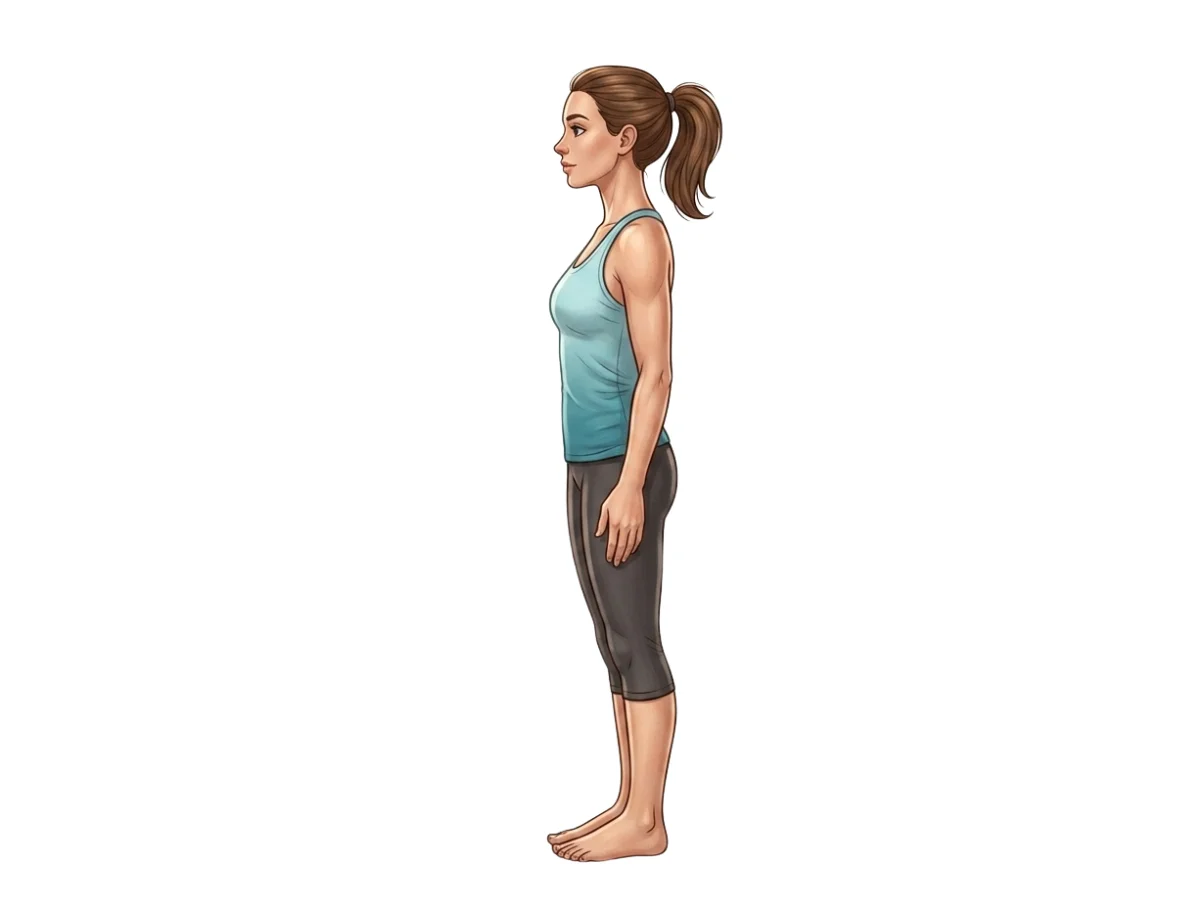
Mountain Pose
TadasanaEstablishes fundamental postural alignment and grounding.
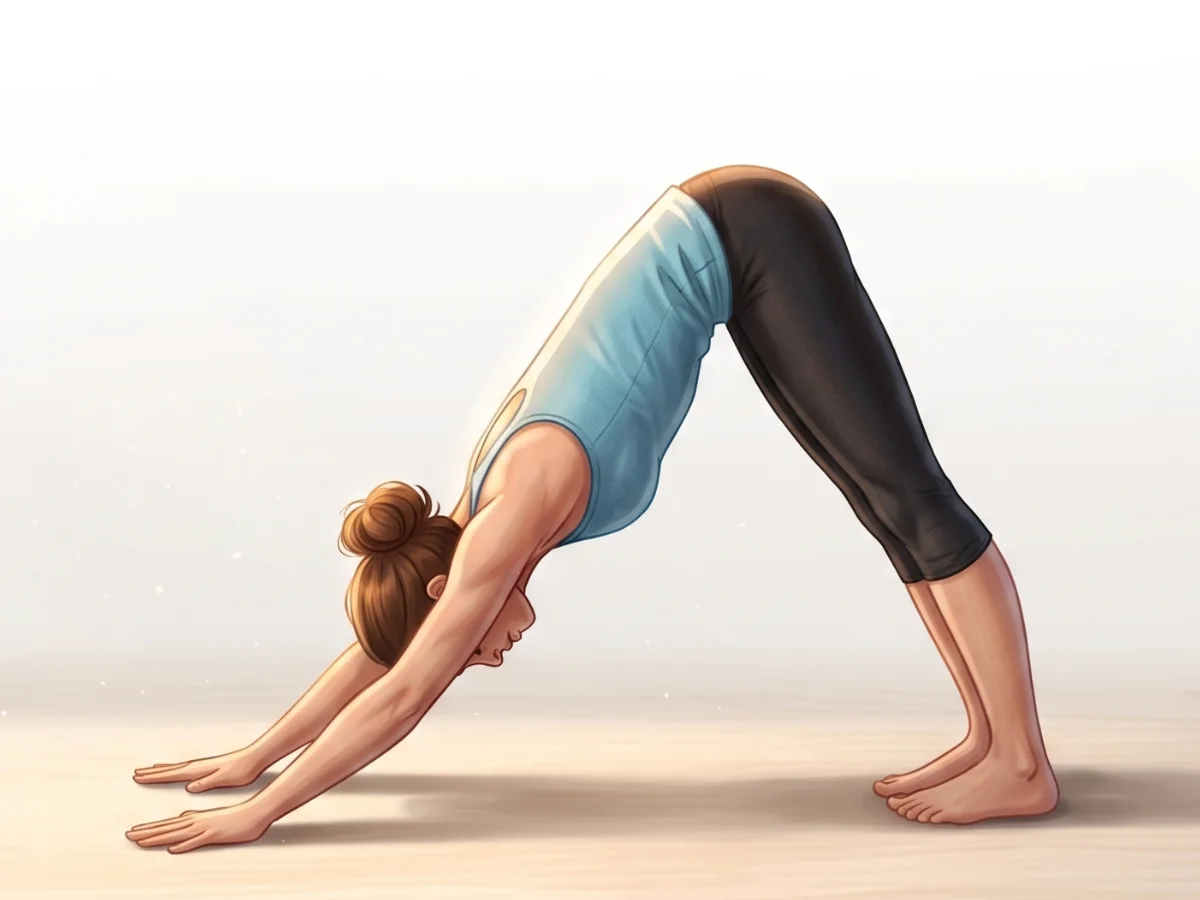
Downward-Facing Dog
Adho Mukha SvanasanaStretches the calves and hamstrings, preparing the back leg for the anchored stance.
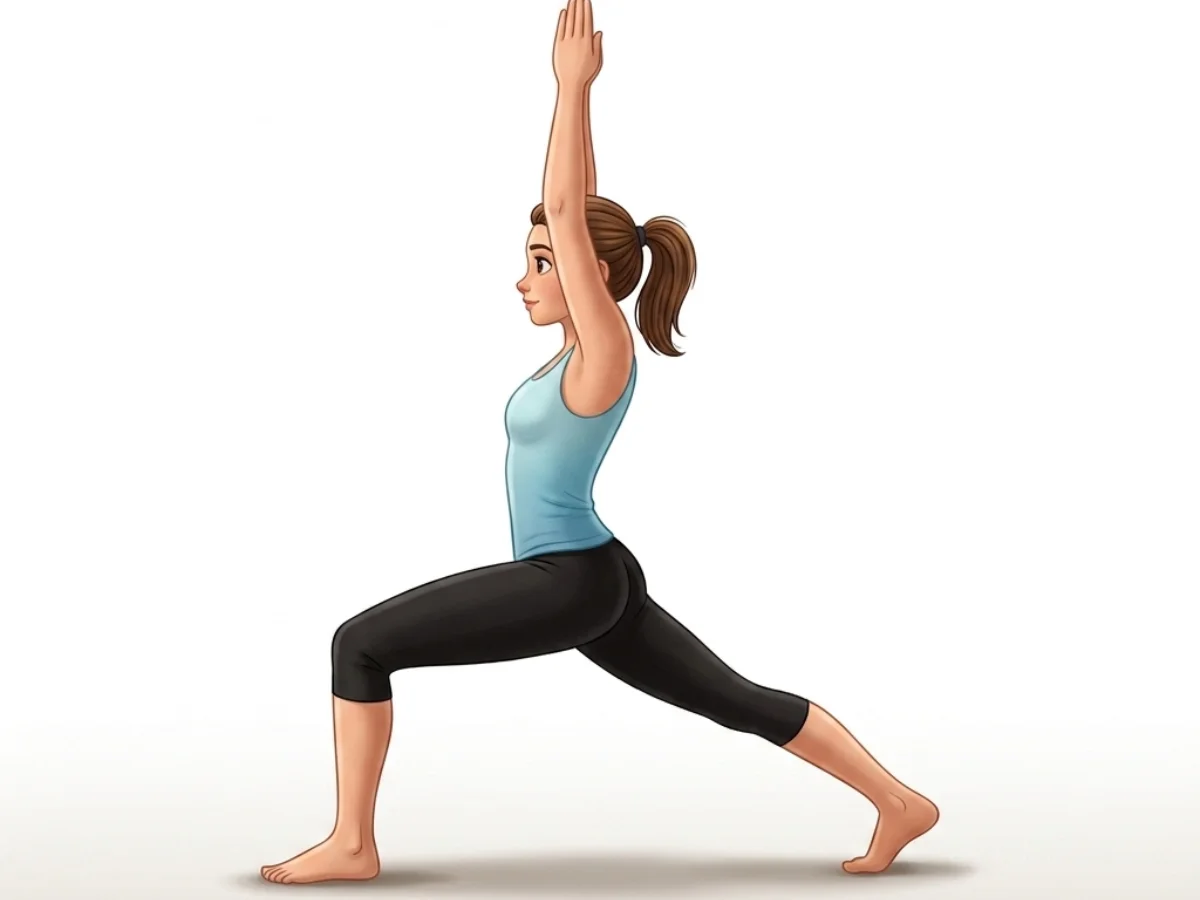
Crescent Lunge
Ashta ChandrasanaA similar lunge that prepares the hip flexors without the complex back foot angle.
Follow with neutralizing Counter-poses
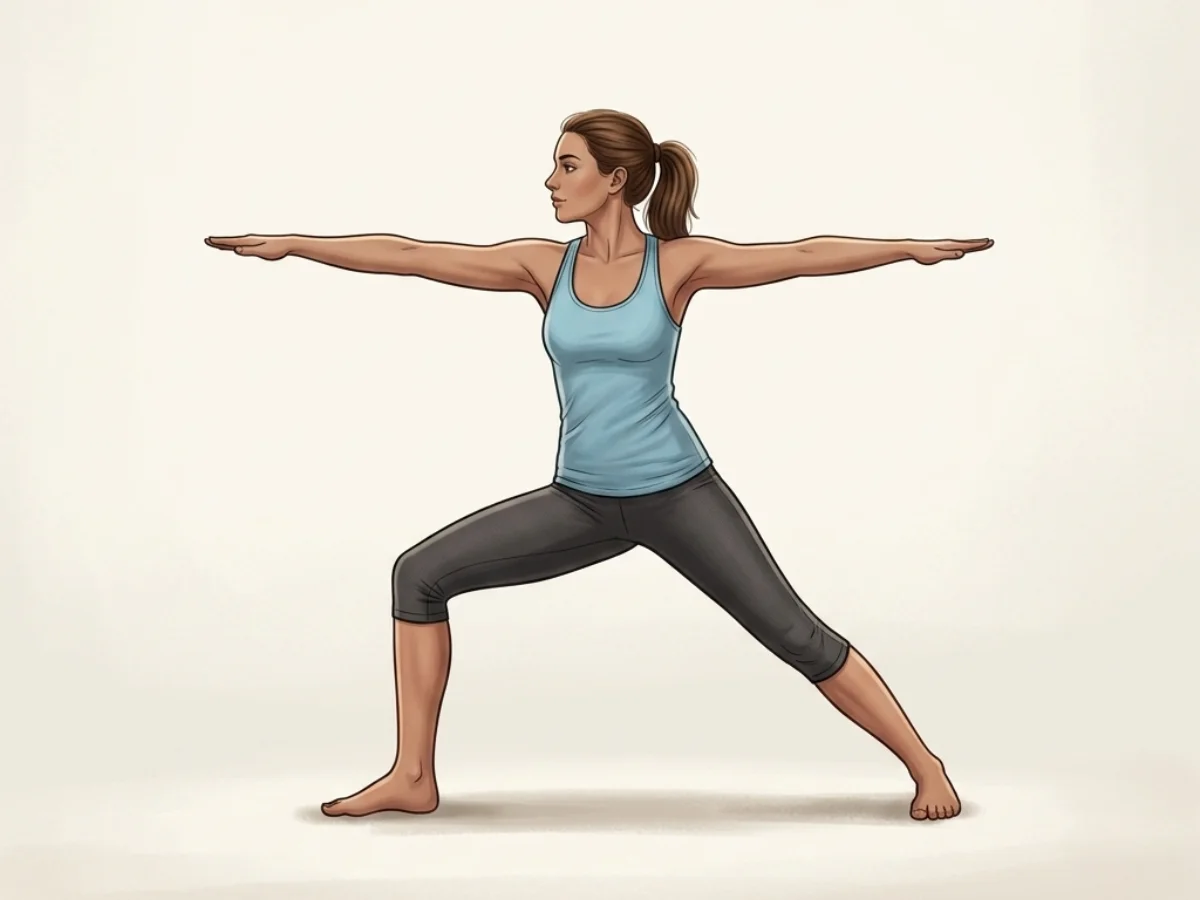
Warrior II
Virabhadrasana IIOpens the hips to the side, releasing the effort of keeping them squared forward.
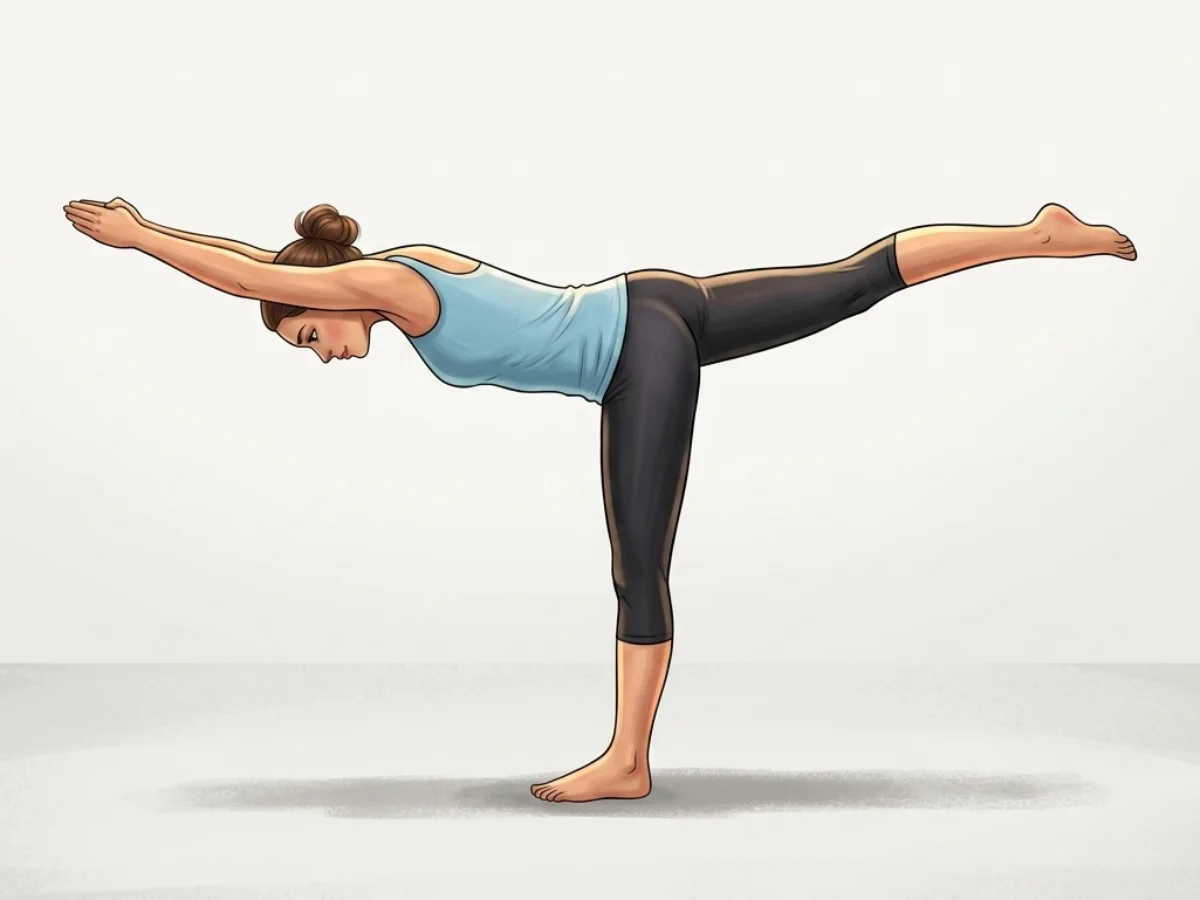
Warrior III
Virabhadrasana IIITransitions the strength from the lunge into a challenging balance on one leg.
Downward-Facing Dog
Adho Mukha SvanasanaSymmetrically stretches both legs and resets the spine.
Frequently Asked Questions
Do my hips need to be perfectly square to the front?
No. While "squaring the hips" is the directional goal, skeletal anatomy (specifically the hip sockets) often makes perfectly square hips impossible while keeping the back heel down.
Why does my back heel keep popping up?
This is usually due to tight calf muscles or an overly long stance. Try shortening your stance slightly.
How wide should my stance be horizontally?
Standing on a "tightrope" (heel-to-heel) is traditional but requires very open hips. Standing on "train tracks" (feet hip-width apart) is generally much safer for the lower back and makes balancing easier.

Elena Rostova is an accredited yoga educator and anatomy specialist with over 15 years of clinical experience. She focuses on functional biomechanics and injury prevention, translating complex anatomy into accessible guidance for safe, sustainable practice.
Read Full ProfileContinue Your Yoga Journey
Ready to deepen your practice? Explore our extensive library of poses, or join a structured program designed to build strength, flexibility, and mindfulness.