
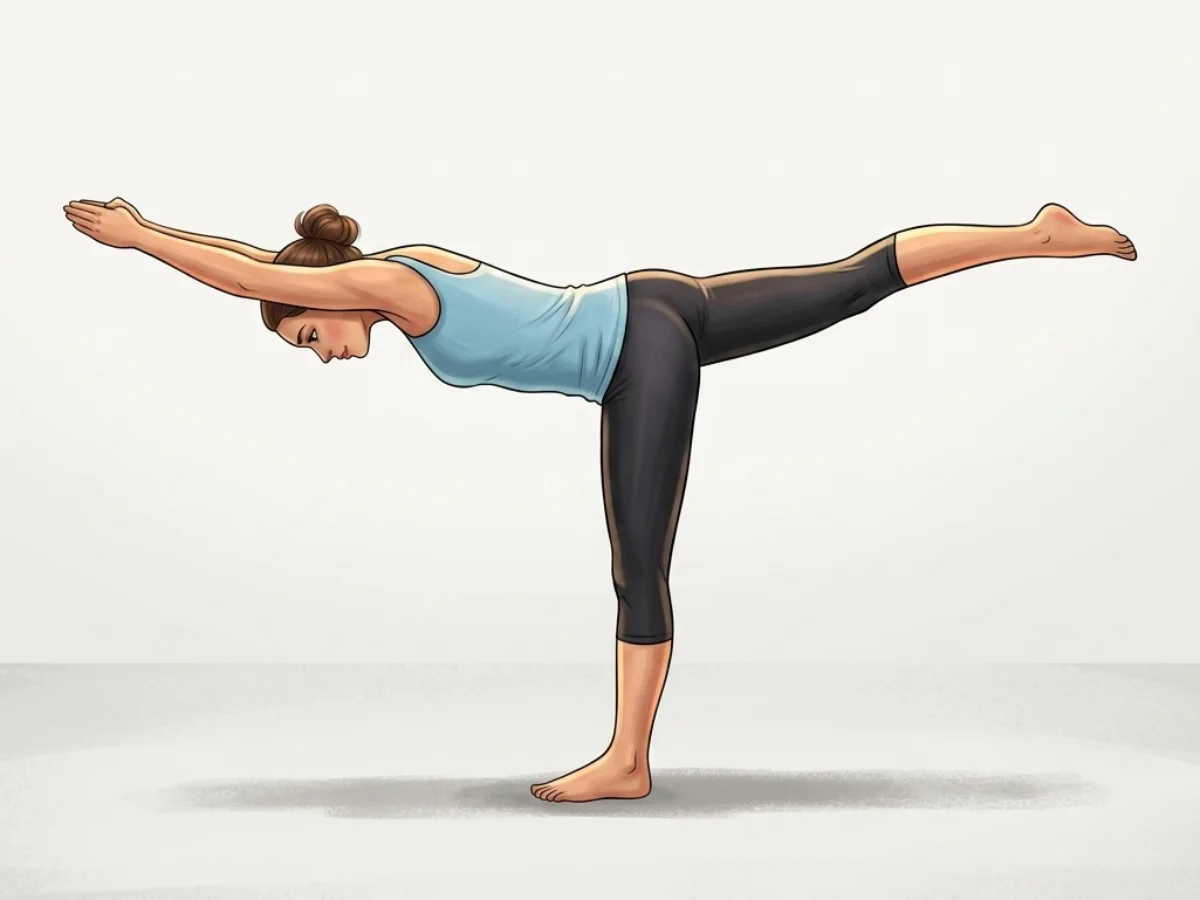
Warrior III
Virabhadrasana III
By Elena Rostova Updated: verified Medically Reviewed
Warrior III (Virabhadrasana III) is an intermediate balancing pose that intensely engages the entire body. By balancing on one leg while the torso and elevated leg form a straight, horizontal line, it demands profound core stability, leg strength, and mental focus.
Hold Time
15–30 sec · 3–5 breaths
Pronunciation
veer-ah-bah-DRAHS-anna THREE
About Warrior III
Commonly practiced as Warrior III (Virabhadrasana III), this dynamic posture is beautifully designed to help unlock tension. It primarily targets the balance & core stability, helping to create length and strength exactly where you need it most. Over time, adding this to your routine is a great way to support improves balance and stability while calming the mind.
How to Practice
Start in High Lunge
Begin in a High Crescent Lunge with your right foot forward, knee bent over the ankle, and your left heel lifted. Extend your arms straight up alongside your ears.
Hinge Forward
Inhale deeply. As you exhale, hinge forward at your right hip, bringing your torso over your right thigh. Keep your arms extending forward.
Shift Weight
Shift your body weight entirely into your right front foot, firmly pressing through the heel and ball of the foot to establish a solid foundation.
Lift the Back Leg
Inhale and simultaneously straighten your right leg while lifting your left leg off the mat behind you. Bring the left leg parallel to the floor.
Form a T-Shape
Lower your torso until it is parallel to the floor. Your arms, torso, and elevated left leg should form a straight, horizontal line (like the letter "T").
Square the Hips
Actively roll your left outer hip downward toward the floor. Both hip points should point straight down, keeping the pelvis level.
Flex the Foot
Flex your lifted left foot, pointing the toes straight down to the mat. Engage the glutes and hamstrings of the lifted leg to keep it straight and strong.
Gaze
Keep your neck neutral and gaze at a fixed point on the floor just ahead of your mat to help maintain balance (drishti).
Hold and Breathe
Hold the pose for 3 to 5 steady breaths, continually reaching forward with the fingertips and pressing backward through the lifted heel.
Release Safely
To exit, slowly bend your standing knee and softly land your back foot on the mat, returning to High Lunge, or simply hinge up to Mountain Pose.
Practice with the Yoga Timer
Keep track of your hold time and breath count for this pose.
Beginner Modifications & Prop Options
Yoga is a personal journey. These modifications and prop options allow you to adapt the pose to your current level of balance and flexibility, ensuring a safe and supportive practice.
Use Yoga Blocks
Rest your hands on two tall yoga blocks at the top of your mat to provide stability while building leg strength and squaring hips.
Tip: Focus on alignment rather than depth.
Airplane Arms
Reach arms straight back alongside your torso or bring hands to prayer at heart center to significantly reduce the load on your lower back.
Tip: Focus on alignment rather than depth.
Micro-bend the Standing Knee
Keep a slight bend in your standing leg to prevent locking the joint and ensure leg muscles actively support your weight.
Tip: Focus on alignment rather than depth.
Benefits of Warrior III
Improves Balance and Stability
Balancing the entire body weight on one leg significantly enhances proprioception, coordination, and ankle stability.
Strengthens the Back and Core
Holding the torso parallel to the floor against gravity deeply engages the erector spinae and deep core muscles.
Tones the Legs and Glutes
Intensely works the quadriceps, hamstrings, and glutes of both the standing leg and the elevated leg.
Enhances Posture
Strengthening the muscles along the spine helps correct rounded shoulders and improves overall daily posture.
Cultivates Mental Focus
The high demand for physical equilibrium requires and builds intense mental concentration and calmness.
Common Mistakes to Avoid
Mistake: Opening the Hips to the Side
How to fix: Actively roll the lifted hip down toward the floor so the pelvis is parallel to the mat. Point the lifted toes straight down.
Mistake: Locking the Standing Knee
How to fix: Maintain a micro-bend in the standing knee and actively lift the kneecap by engaging the quadriceps.
Mistake: Dropping the Chest or Leg
How to fix: Engage the core to lift the chest, and firmly engage the glute of the lifted leg to keep it at hip height.
Safety and Precautions
High Blood Pressure
The intense exertion combined with the head lowering can spike blood pressure; practice with hands on blocks.
Lower Back Injuries
The lever effect of the extended arms and leg places high stress on the lumbar spine; modify by keeping hands at the chest.
Ankle or Knee Injuries
Balancing on one leg can aggravate healing joints in the lower body.
Late Pregnancy
The shift in center of gravity increases fall risk; use a wall for support or substitute with a safer standing pose.
Medical Disclaimer: If you have any of the above conditions, consult your doctor or a qualified yoga instructor before attempting this pose.
Muscles Worked in Warrior III
Warrior III demands synchronized muscular effort, creating a profound sense of engagement and release throughout the body. The activation of the primary muscles supports the structure, while the secondary muscles provide stability and balance.
Primary Muscles
Erector Spinae
Work intensely to hold the torso parallel to the floor.
Gluteus Maximus
Lifts and holds the back leg elevated against gravity.
Hamstrings
Stretch in the standing leg while engaging in the lifted leg.
Secondary Muscles
Core (Rectus Abdominis)
Engages to stabilize the spine and connect the upper and lower body.
Deltoids
Hold the arms extended forward.
Ankle Stabilizers
Work constantly to maintain balance on the standing foot.
Poses to Practice Before and After Warrior III
Prepare with these Poses
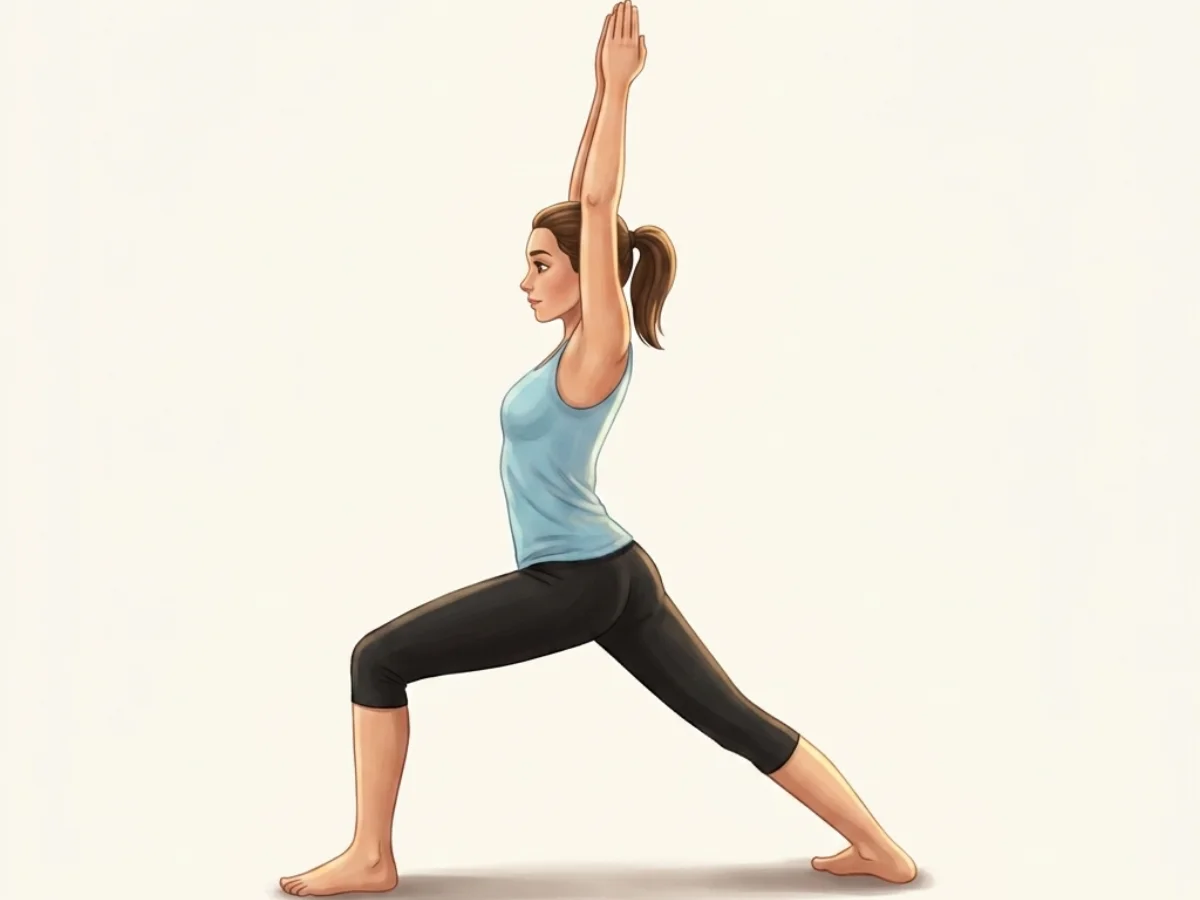
Warrior I
Virabhadrasana IBuilds leg strength and prepares the hips for the forward hinge.
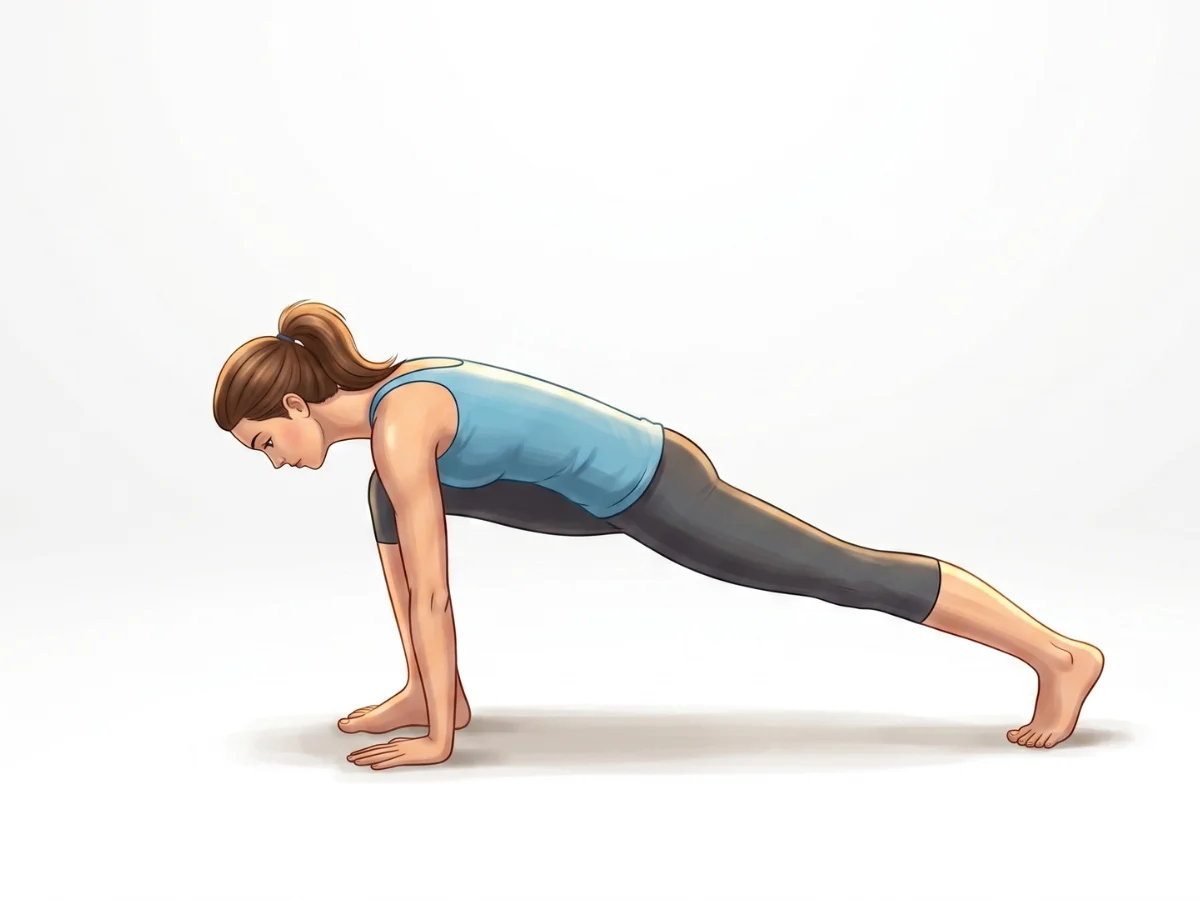
High Lunge
Utthita Ashwa SanchalanasanaAn excellent transitional pose to establish balance before launching into Warrior III.
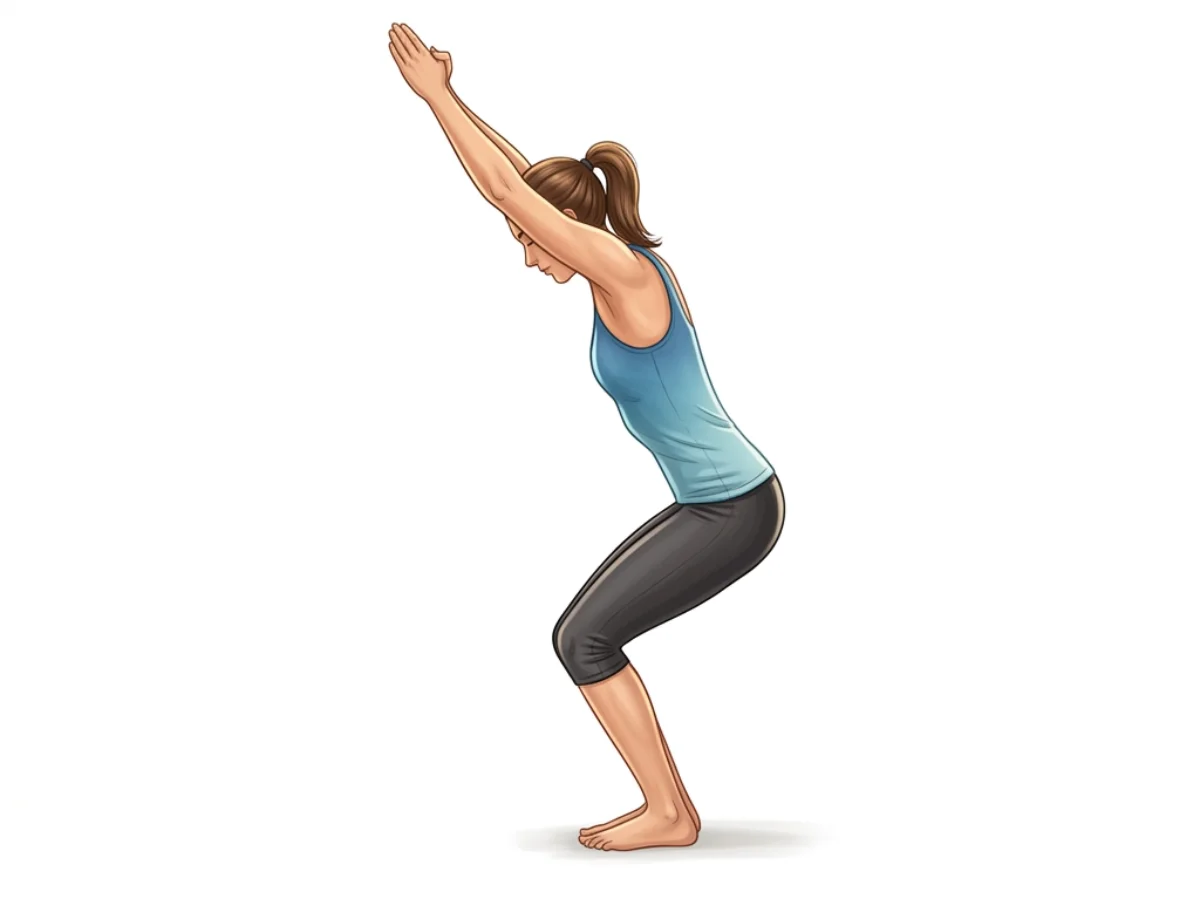
Chair Pose
UtkatasanaBuilds intense strength in the quadriceps and core needed for balancing.
Follow with neutralizing Counter-poses
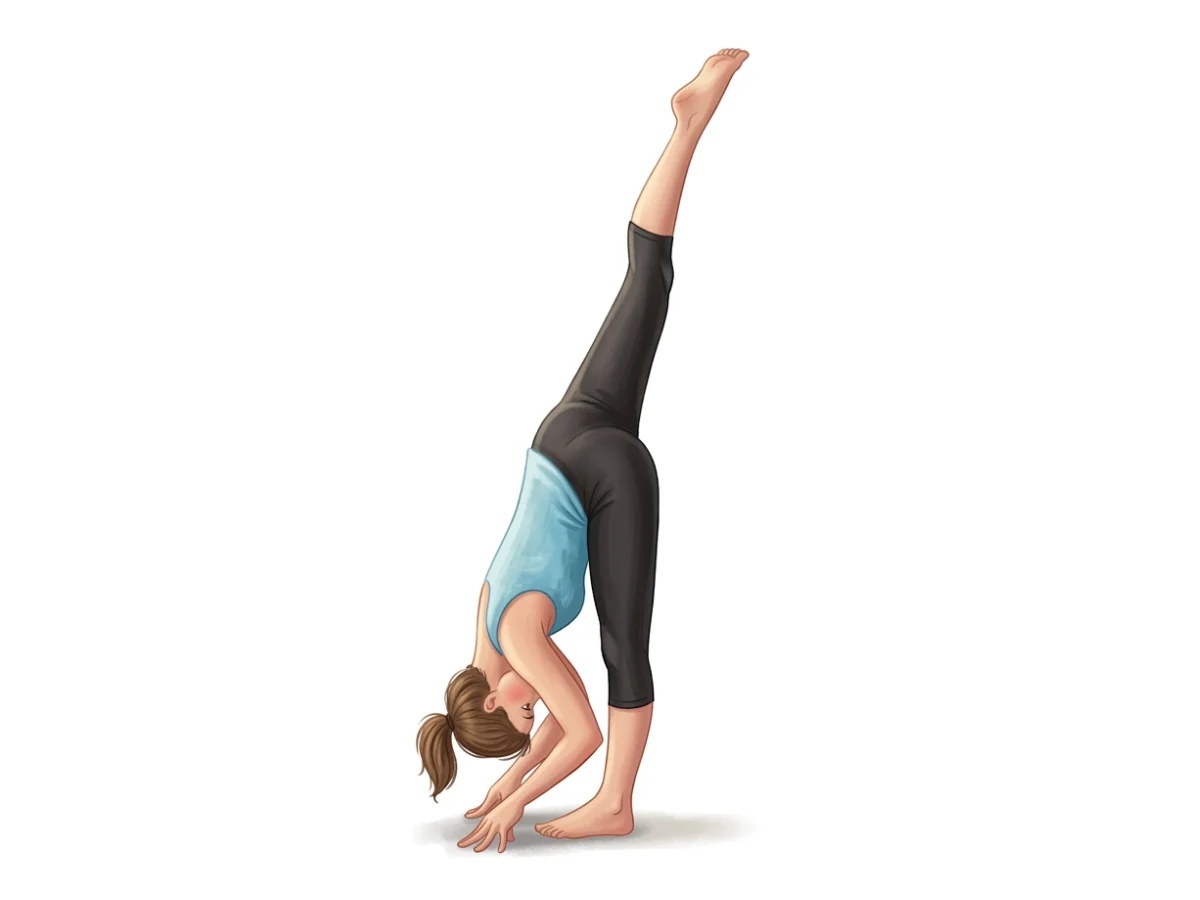
Standing Splits
Urdhva Prasarita Eka PadasanaReleases the effort of holding the torso up by folding deeply over the standing leg.
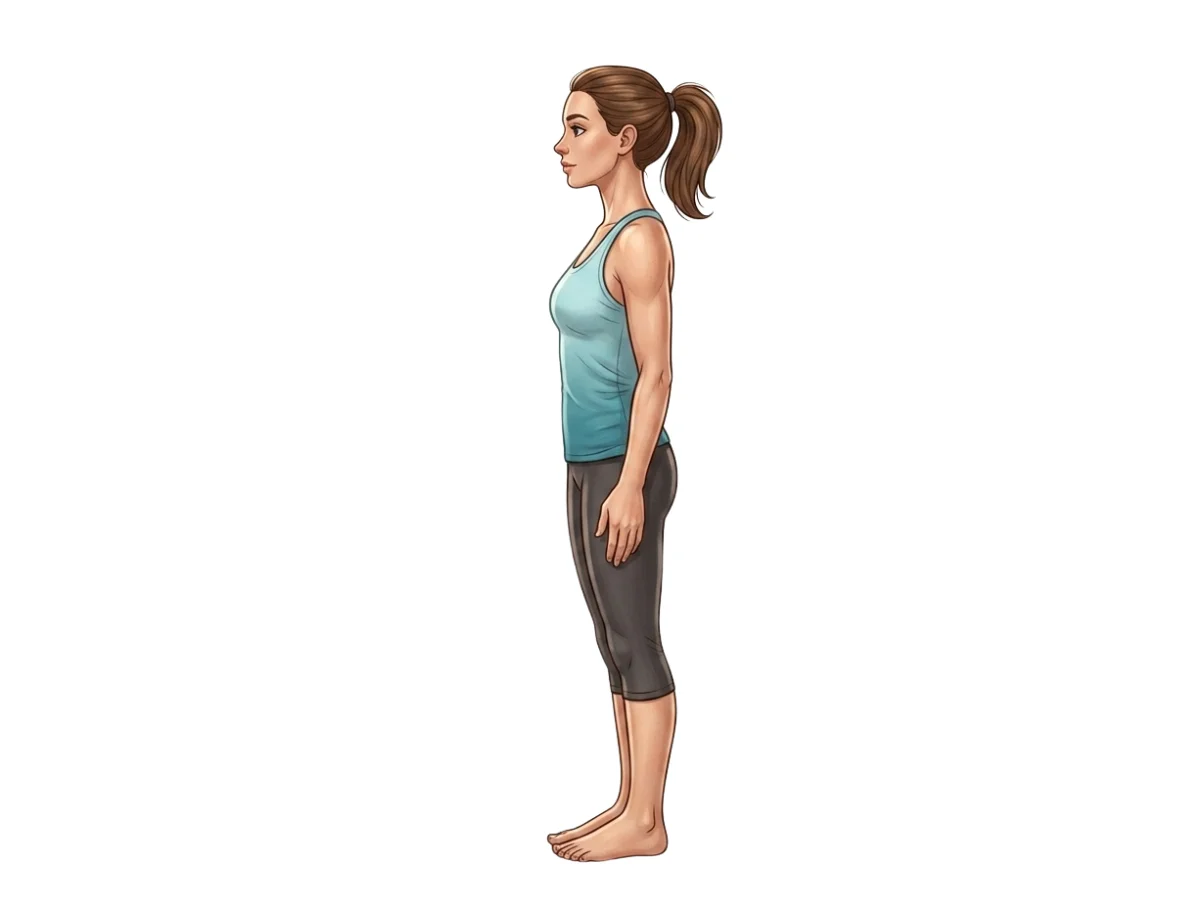
Mountain Pose
TadasanaA grounding posture to reset the nervous system after intense balancing.
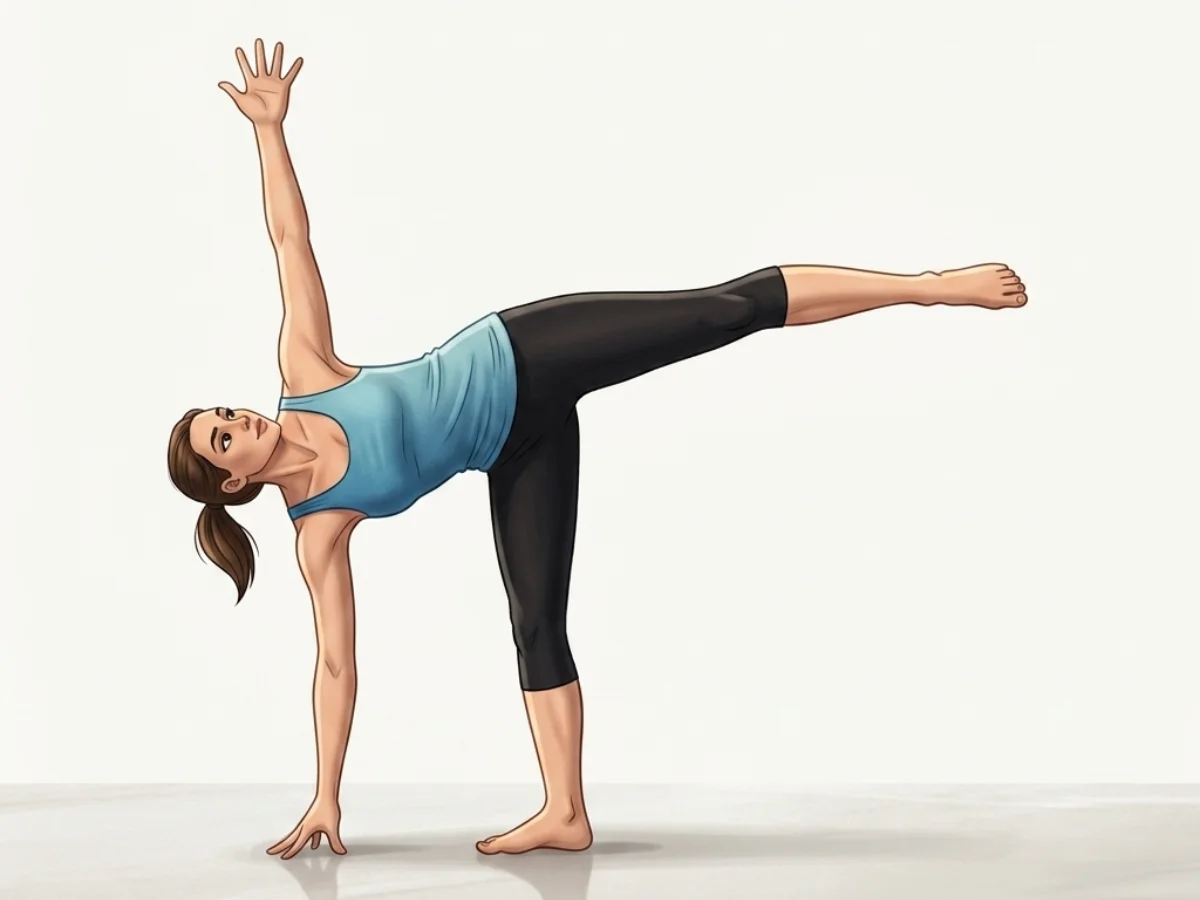
Half Moon Pose
Ardha ChandrasanaA transitional balance pose that opens the hips to the side.
Frequently Asked Questions
How can I stop wobbling and falling out of the pose?
Wobbling is normal as your ankle micro-adjusts to keep you upright. To improve stability, actively press through the heel of your lifted leg (as if kicking a wall behind you) and reach firmly through your fingertips.
Why does my lower back hurt in Warrior III?
Lower back pain occurs if your core is not engaged or if your arms are too heavy. Bring your hands to your hips or heart center to shorten the lever length, and pull your belly button toward your spine to support the lumbar area.
How do I know if my hips are square?
If your lifted toes are pointing out to the side, your hips are open. Flex your lifted foot and point all five toes directly straight down at the mat.

Elena Rostova is an accredited yoga educator and anatomy specialist with over 15 years of clinical experience. She focuses on functional biomechanics and injury prevention, translating complex anatomy into accessible guidance for safe, sustainable practice.
Read Full ProfileContinue Your Yoga Journey
Ready to deepen your practice? Explore our extensive library of poses, or join a structured program designed to build strength, flexibility, and mindfulness.