
Standing Splits
Urdhva Prasarita Eka Padasana
By Elena Rostova Updated: verified Medically Reviewed
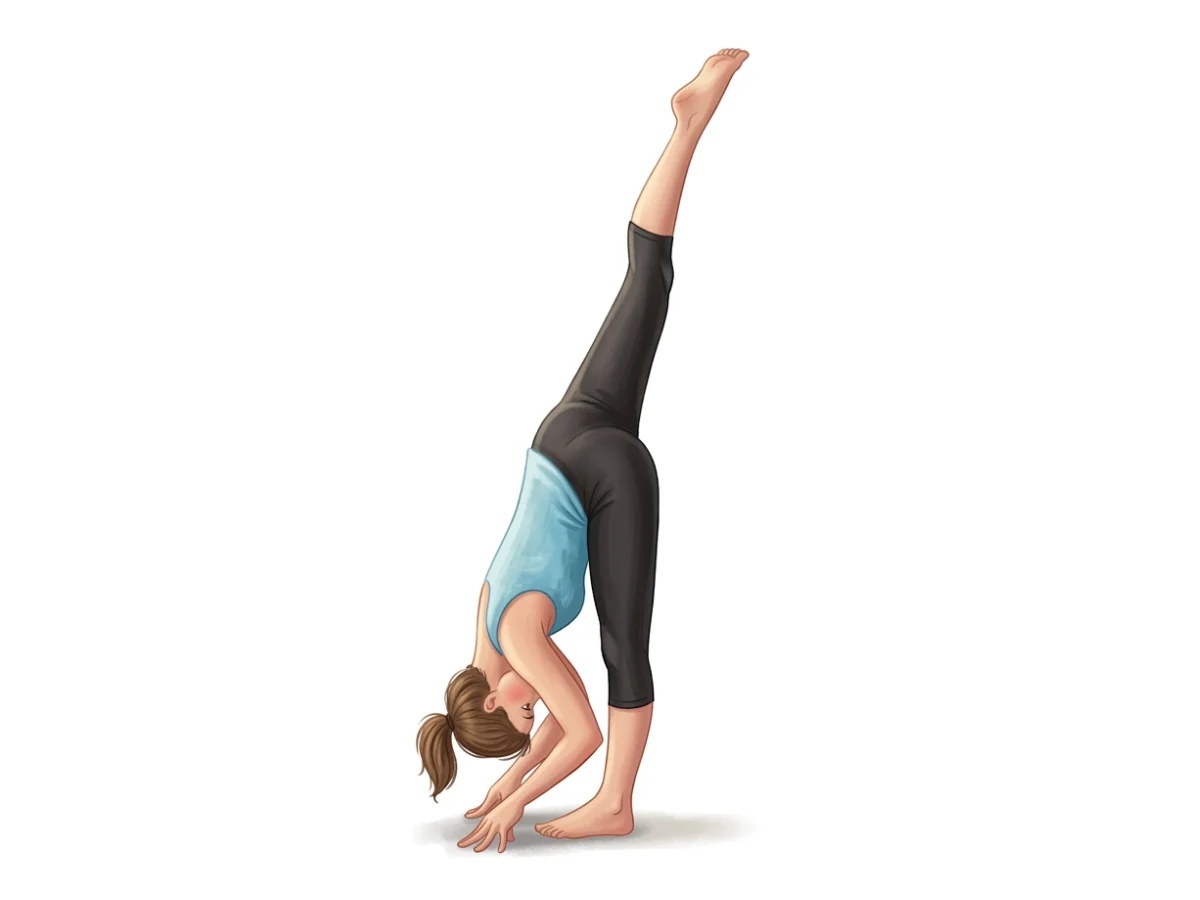
Standing Splits (Urdhva Prasarita Eka Padasana) is an intense, intermediate-level posture that combines a deep forward fold with a challenging single-leg balance. By lifting one leg high toward the ceiling while the torso folds over the standing leg, this pose develops immense flexibility in the hamstrings and hips while simultaneously cultivating focus, balance, and core strength.
Hold Time
30–60 sec · 5–10 breaths
Pronunciation
OORD-vah prah-sah-REE-tah A-kah pah-DAHS-anna
About Standing Splits
Often praised by experienced instructors, Standing Splits (Urdhva Prasarita Eka Padasana) acts as a powerful tool for finding balance and realignment. As you settle into the shape, it gently works the hamstring flexibility & balance to increase your overall flexibility. Ultimately, it is a fantastic pose for deepens hamstring flexibility, leaving you with a profound sense of grounded energy.
How to Practice
Start in Mountain Pose
Begin standing tall in Mountain Pose (Tadasana) at the top of your mat with your hands on your hips.
Forward Fold
Exhale and hinge at your hips to fold forward into Standing Forward Bend (Uttanasana). Place your fingertips on the floor or on blocks directly under your shoulders.
Shift Weight
Shift your body weight onto your right foot and firmly plant your hands on the floor to create a stable tripod base.
Lift the Back Leg
Inhale and slowly lift your left leg straight back and up toward the ceiling. Keep your left hip rolling down initially to keep the pelvis square.
Fold Deeper
Exhale and walk your hands closer to your standing foot. Draw your torso down toward your right standing leg, eventually bringing your chest toward your thigh.
Extend and Open
As you fold deeper, allow your lifted leg to reach higher. You may allow the left hip to open slightly to achieve more height, but keep the lifted leg active and energized.
Balance
For an added balance challenge, wrap one or both hands behind the ankle of your standing leg, drawing your torso even closer to your leg.
Hold and Breathe
Hold the pose for 5 to 10 breaths, maintaining a steady gaze on the floor slightly in front of your standing foot.
Release
To exit, slowly lower the lifted leg back to the floor next to your standing foot, returning to a forward fold.
Switch Sides
Take a deep breath in the forward fold, then repeat the posture balancing on the left leg.
Practice with the Yoga Timer
Keep track of your hold time and breath count for this pose.
Beginner Modifications & Prop Options
Yoga is a personal journey. These modifications and prop options allow you to adapt the pose to your current level of balance and flexibility, ensuring a safe and supportive practice.
Hands on Blocks
Place a yoga block under each hand. Elevating the floor allows you to maintain balance and a long spine while slowly working into the hamstring stretch.
Tip: Focus on alignment rather than depth.
Micro-Bend the Standing Knee
Keep a soft bend in your standing knee to protect the joint from hyperextension and reduce strain on the hamstring attachments.
Tip: Focus on alignment rather than depth.
Use a Wall
Practice with your back facing a wall, standing a few feet away, and walk your lifted foot up the wall. This supports your weight for a pure stretch.
Tip: Focus on alignment rather than depth.
Benefits of Standing Splits
Deepens Hamstring Flexibility
Provides an intense stretch for the hamstrings and calves of the standing leg, significantly improving lower body flexibility.
Strengthens the Legs
Actively engages the quadriceps, glutes, and stabilizing muscles of the standing leg to maintain balance and support.
Improves Balance and Focus
Balancing on one leg while inverted demands deep concentration, proprioception, and core stability.
Opens Hips and Groin
The extension of the lifted leg gently stretches the hip flexors and groin of the airborne leg.
Calms the Nervous System
As an inversion and forward fold, it encourages blood flow to the brain, which can help relieve stress, mild anxiety, and fatigue.
Common Mistakes to Avoid
Mistake: Locking the Standing Knee
How to fix: Always keep a micro-bend in the standing knee and actively engage the quadriceps to support the joint.
Mistake: Forcing the Leg Higher
How to fix: Focus on the forward fold over the standing leg first. The height of the lifted leg will naturally improve as flexibility increases.
Mistake: Tensing the Neck and Shoulders
How to fix: Let the crown of your head drop heavily toward the floor, releasing the neck completely.
Safety and Precautions
Ankle or Knee Injuries
Balancing on one leg puts immense pressure on the joints. Avoid if you have acute lower body injuries.
High Blood Pressure or Glaucoma
Since the head is below the heart, this partial inversion can dangerously increase pressure in the head and eyes.
Lower Back Injuries
The deep forward fold combined with an asymmetrical leg lift can strain vulnerable lumbar discs.
Severe Hamstring Tears
Do not practice this pose if recovering from hamstring injuries, as the stretch is highly intense.
Medical Disclaimer: If you have any of the above conditions, consult your doctor or a qualified yoga instructor before attempting this pose.
Muscles Worked in Standing Splits
Standing Splits demands synchronized muscular effort, creating a profound sense of engagement and release throughout the body. The activation of the primary muscles supports the structure, while the secondary muscles provide stability and balance.
Primary Muscles
Hamstrings
Experience a profound stretch on the standing leg.
Gluteus Maximus
Actively engages to lift and hold the top leg high.
Quadriceps
Engage to support and stabilize the standing knee.
Secondary Muscles
Core (Rectus Abdominis)
Engages to draw the torso closer to the standing thigh.
Calves (Gastrocnemius)
Stretch deeply on the standing leg.
Hip Flexors
Stretch on the lifted leg.
Poses to Practice Before and After Standing Splits
Prepare with these Poses
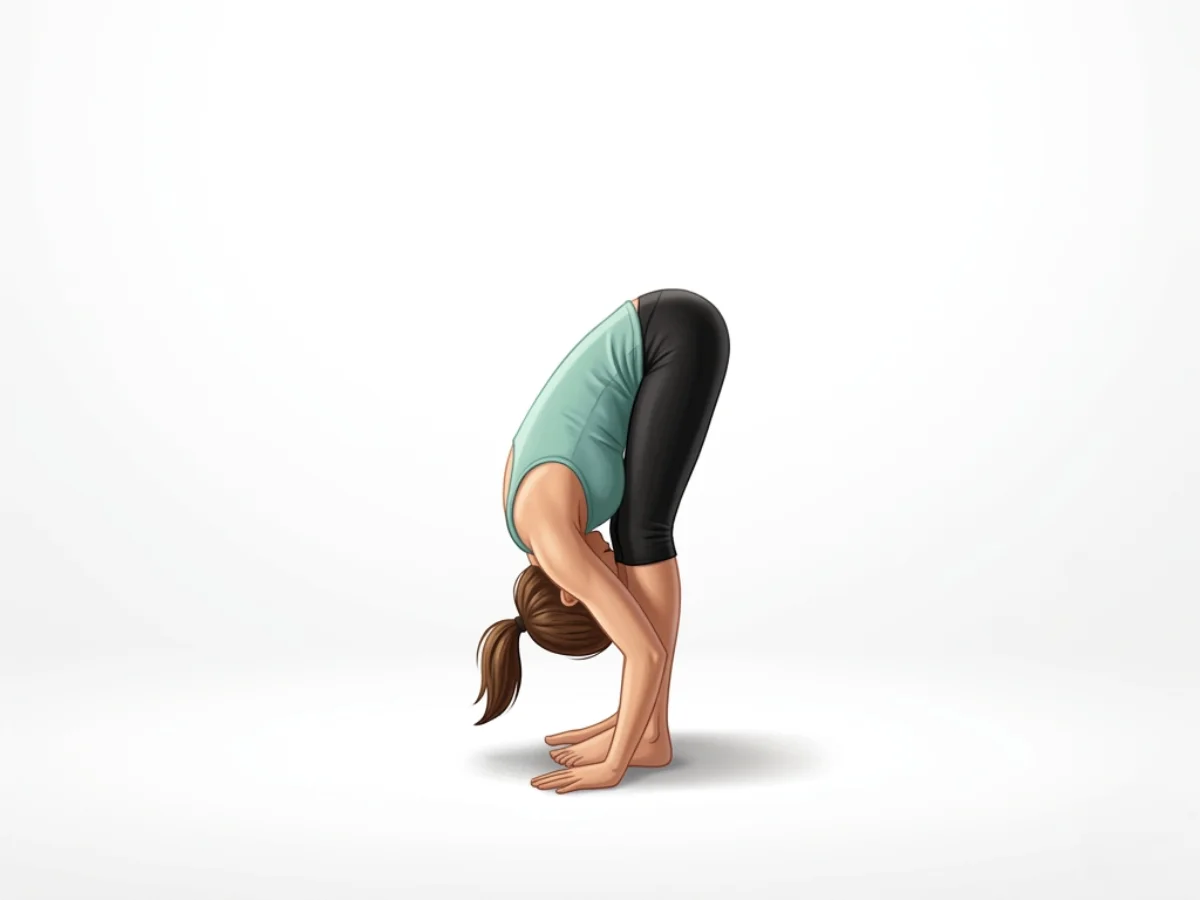
Standing Forward Bend
UttanasanaPrepares the hamstrings and lower back for deep folding.
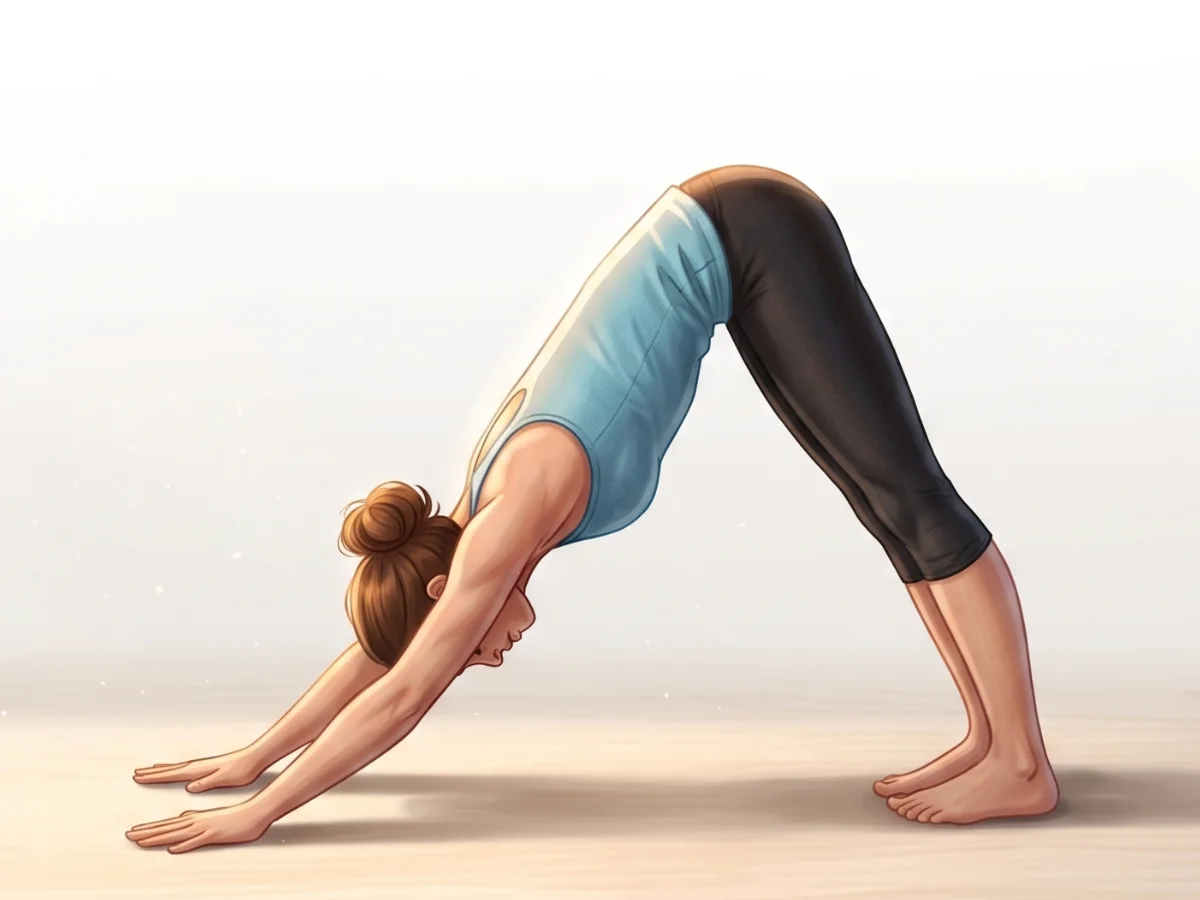
Downward-Facing Dog
Adho Mukha SvanasanaWarms up the calves, hamstrings, and shoulders.
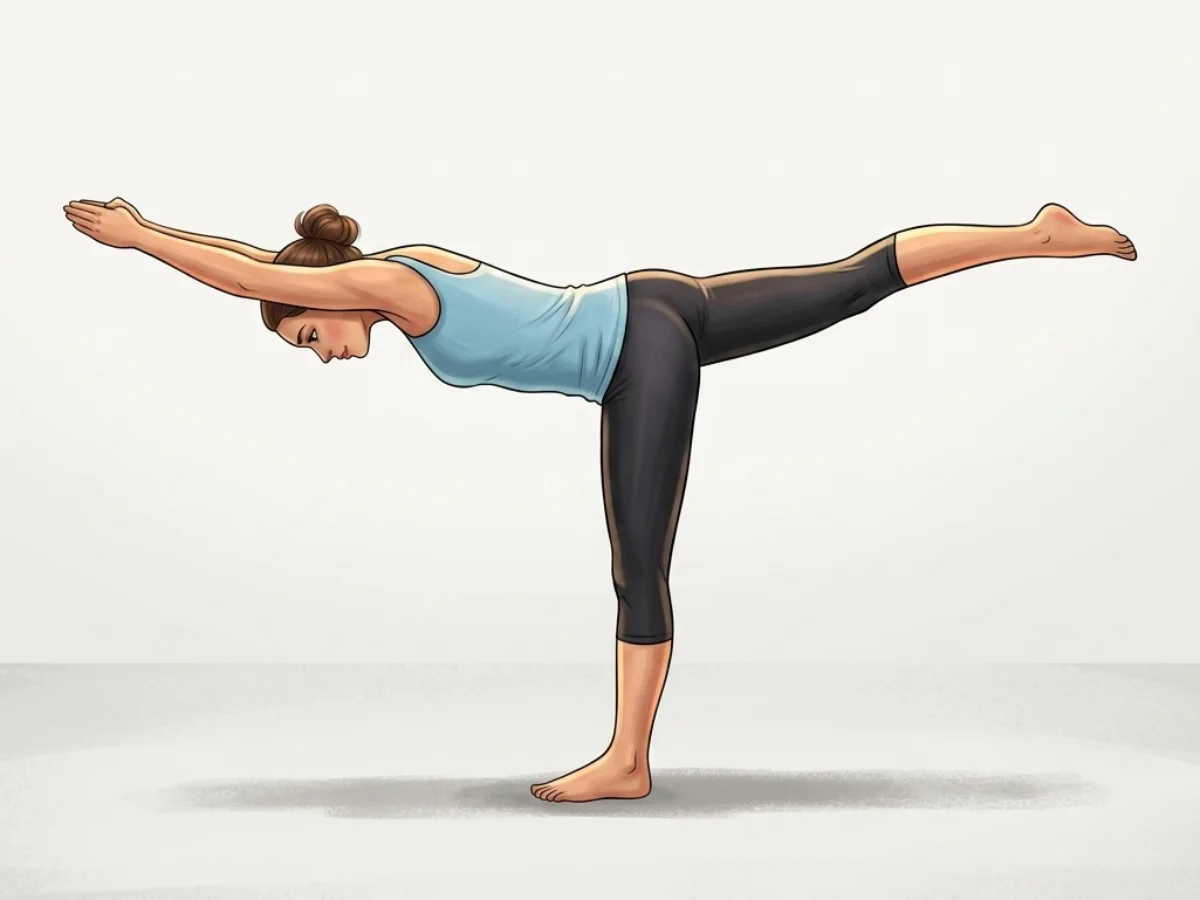
Warrior III
Virabhadrasana IIIBuilds the necessary balance and glute strength to lift the back leg.
Follow with neutralizing Counter-poses
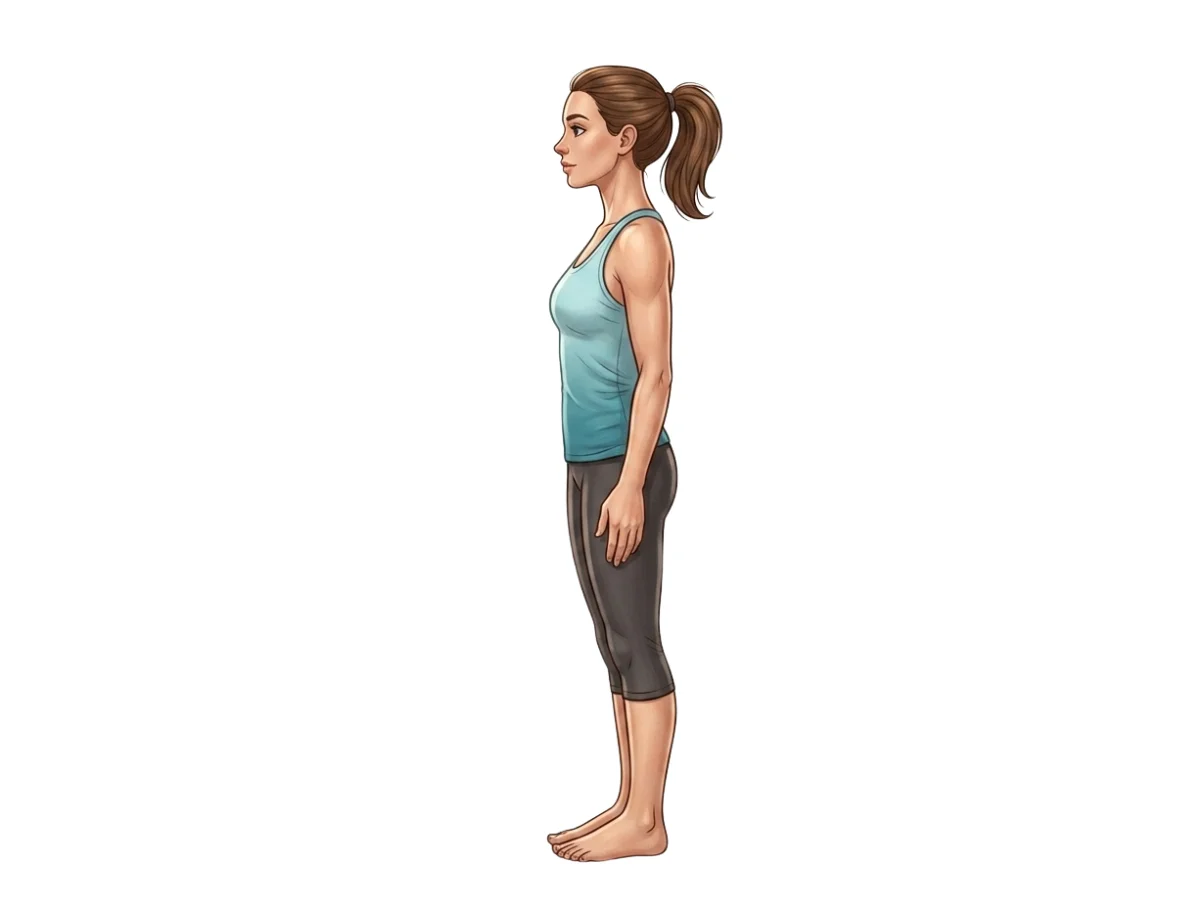
Mountain Pose
TadasanaAllows the blood pressure to normalize and the body to integrate.
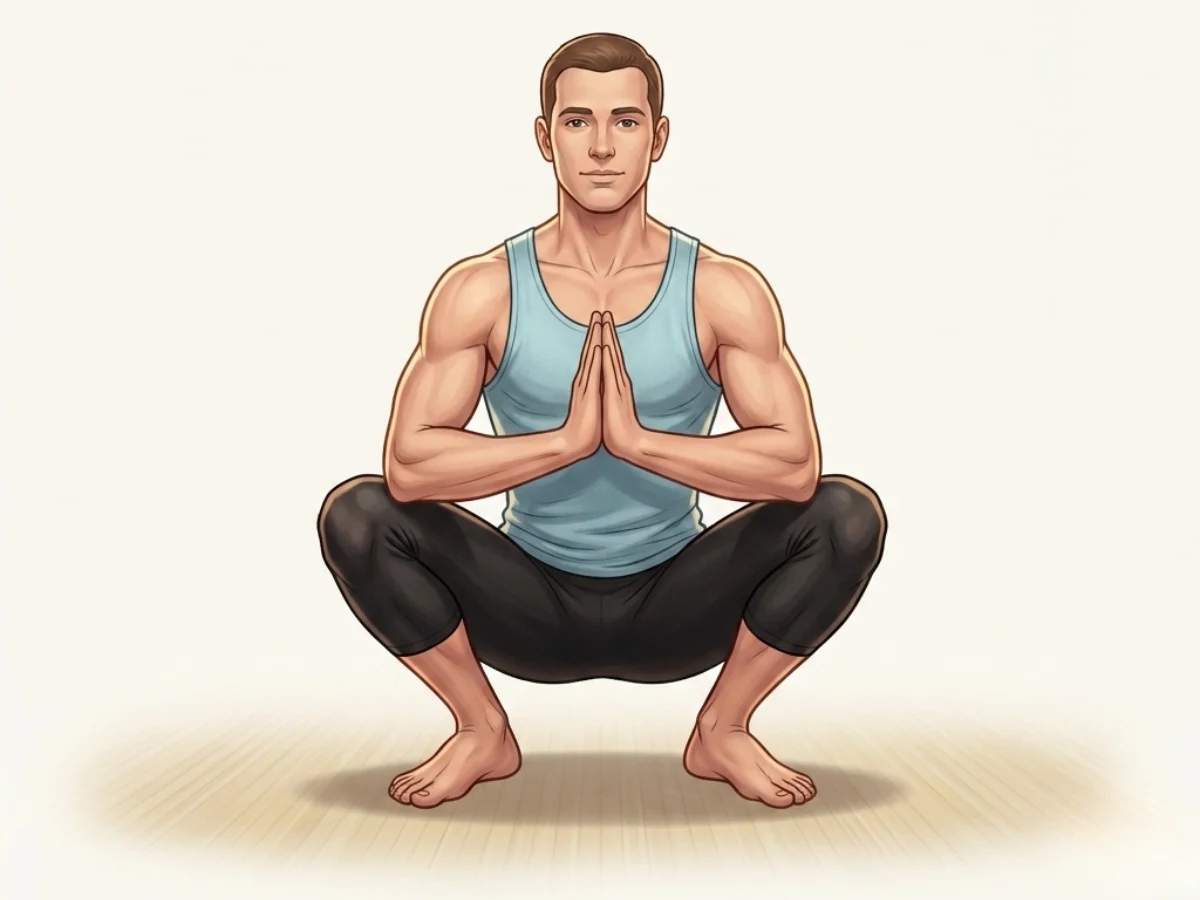
Garland Pose
MalasanaA deep squat that releases tension in the lower back and hips after extreme extension.
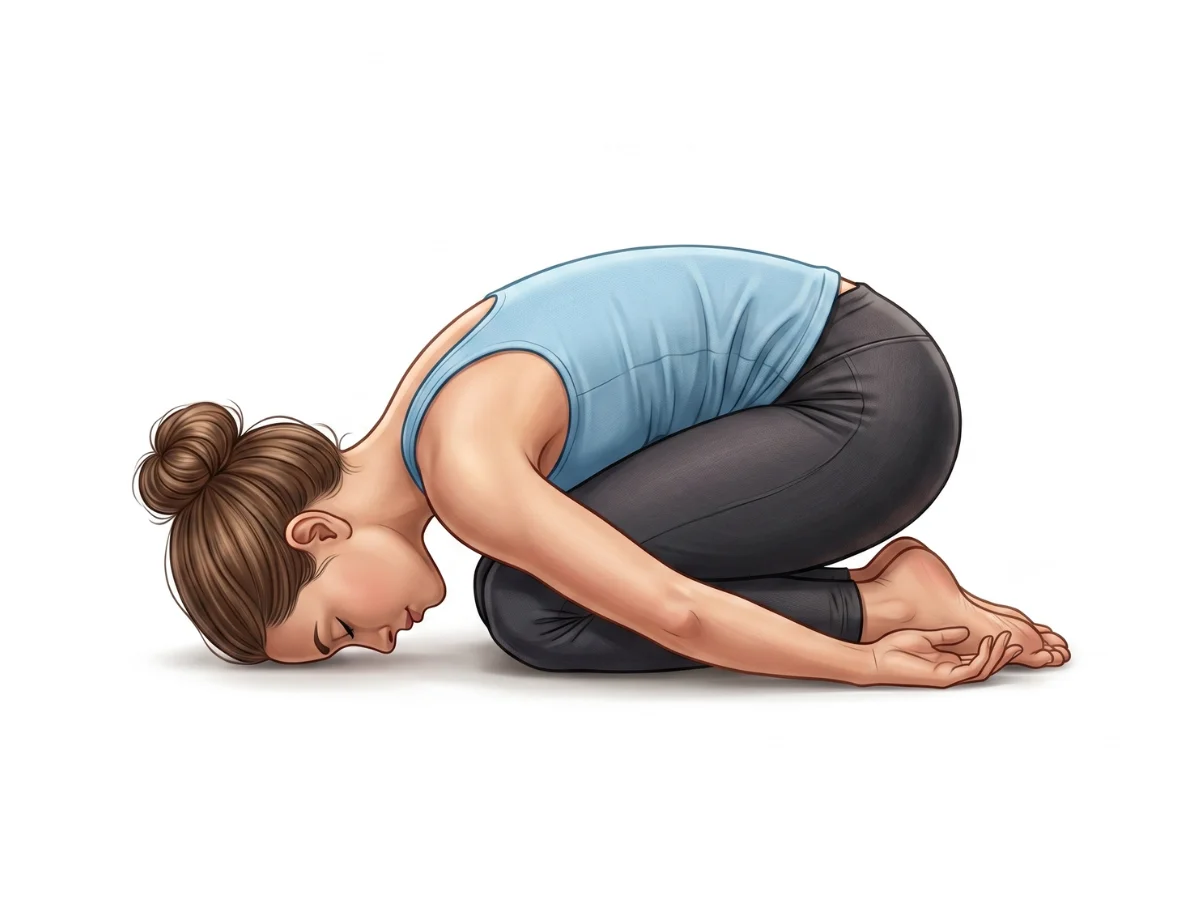
Child's Pose
BalasanaA gentle resting posture that completely relaxes the legs and spine.
Frequently Asked Questions
Does my leg have to be perfectly straight up?
Not at all. The goal is the forward fold and the effort of lifting the leg.
Should I keep my hips square or open them?
Traditionally, you start with hips square to isolate the hamstring stretch on the standing leg. However, opening the top hip slightly is often taught to allow the lifted leg to go higher, which feels better for many bodies.
How can I stop wobbling?
Wobbling is normal as your stabilizing muscles build strength. To reduce it, spread the toes of your standing foot wide, engage your core, and fix your gaze (drishti) on a single, unmoving point on the floor.
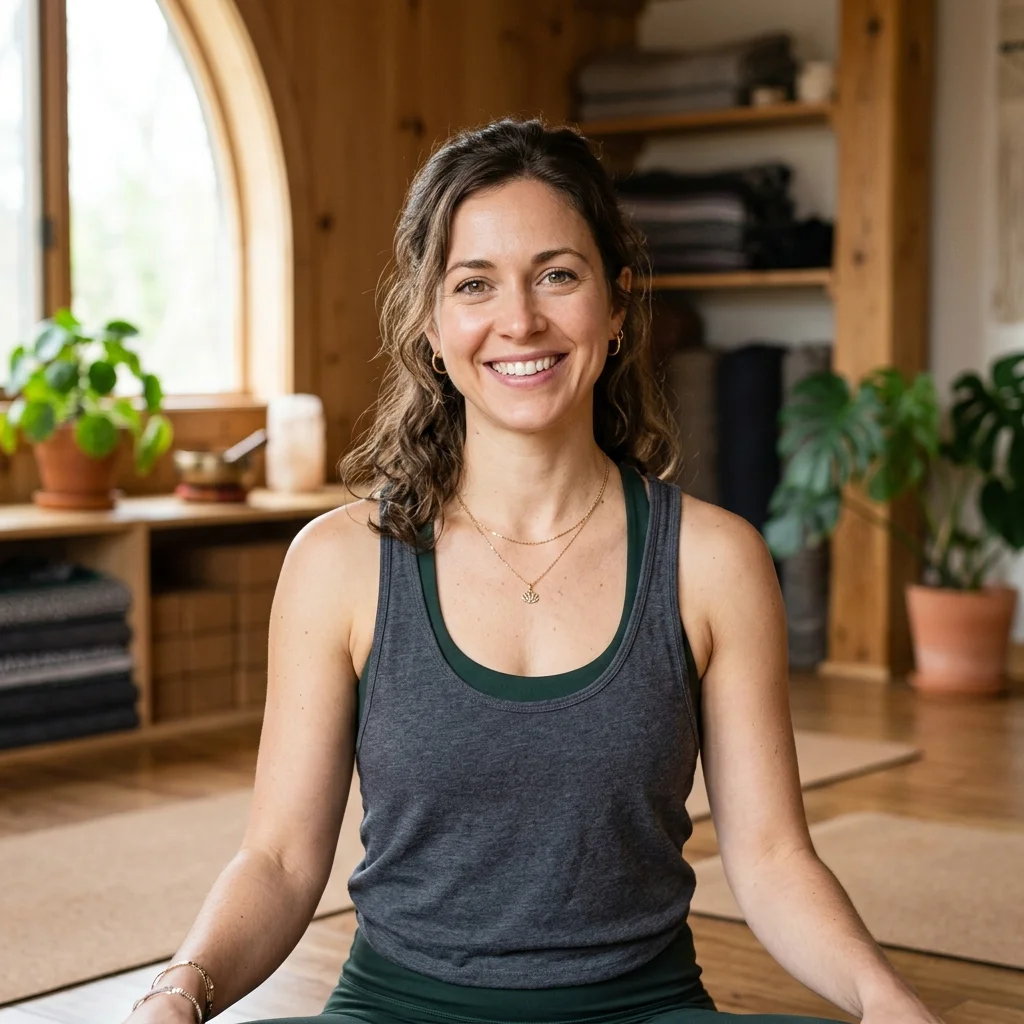
Elena Rostova is an accredited yoga educator and anatomy specialist with over 15 years of clinical experience. She focuses on functional biomechanics and injury prevention, translating complex anatomy into accessible guidance for safe, sustainable practice.
Read Full ProfileContinue Your Yoga Journey
Ready to deepen your practice? Explore our extensive library of poses, or join a structured program designed to build strength, flexibility, and mindfulness.