
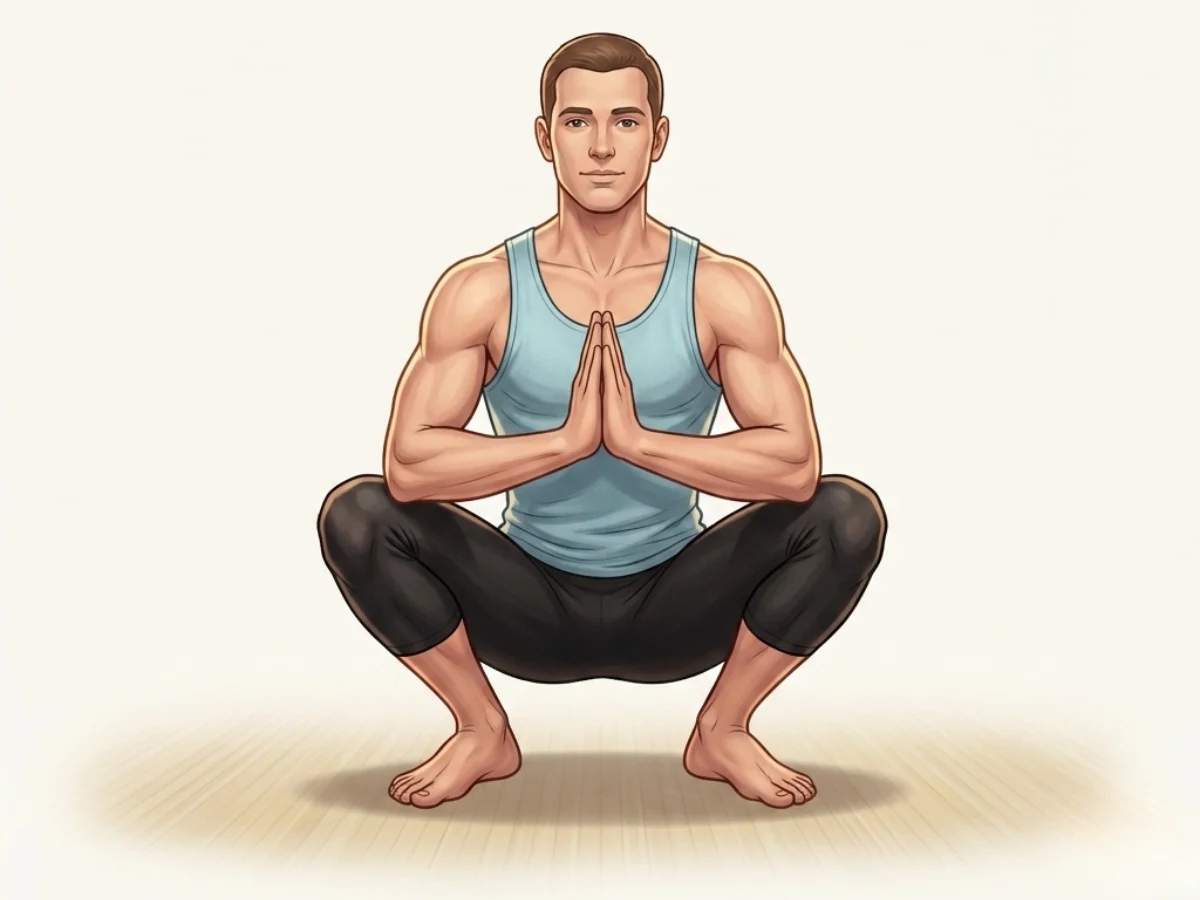
Garland Pose
Malasana
By Elena Rostova Updated: verified Medically Reviewed
Garland Pose (Malasana) is a grounding, deep squat that fundamentally restores the natural flexibility of the hips, ankles, and lower back. Often referred to as the "Yogi Squat," this posture counteracts the physical damage caused by prolonged sitting in modern chairs.
Hold Time
60 sec · 5–10 breaths
Pronunciation
mah-LAHS-anna
About Garland Pose
Commonly practiced as Garland (Malasana), this dynamic posture is beautifully designed to help unlock tension. By gently focusing on hip opening & ankle mobility, it actively stretches your muscles and builds heat. Ultimately, it is a fantastic pose for unlocks tight hips, leaving you with a profound sense of grounded energy.
How to Practice
Starting Stance
Begin standing at the top of your mat in Mountain Pose. Step your feet slightly wider than hip-width apart, and angle your toes outward at roughly a 45-degree angle.
Hands to Heart
Bring your hands together at the center of your chest in prayer position (Anjali Mudra). Take a deep inhale to lift your chest and lengthen your spine.
Begin the Squat
Exhale slowly, bend your knees, and begin to lower your hips down toward the floor. Track your knees carefully in the same direction as your toes.
Settle the Pelvis
Drop your pelvis down between your heels. Aim to keep your heels flat on the mat. (If they lift, this is normal; you can use a prop as described in modifications).
Press Knees Outward
Bring your elbows to the inside of your knees or inner thighs. Gently press your elbows outward to widen your hips, simultaneously squeezing your knees inward against your elbows for active resistance.
Lengthen the Spine
Inhale and lift the crown of your head upward. Draw your tailbone down toward the floor, avoiding a rounded lower back. Your spine should be a straight, vertical line.
Broaden the Chest
Roll your shoulders down and back, pressing your palms together firmly to help broaden across your collarbones and keep the chest proud.
Breathe and Hold
Hold the posture for 5 to 10 deep, steady breaths. Focus on directing your breath down into your pelvis, allowing the hips to soften with every exhalation.
Engage to Exit
To come out safely, press your hands firmly into your thighs or the floor. Inhale, engage your core and quadriceps, and slowly straighten your legs to return to standing.
Rest and Neutralize
Step your feet together back into Mountain Pose or fold forward into a gentle Standing Forward Bend (Uttanasana) to release the legs and hips.
Practice with the Yoga Timer
Keep track of your hold time and breath count for this pose.
Beginner Modifications & Prop Options
Yoga is a personal journey. These modifications and prop options allow you to adapt the pose to your current level of balance and flexibility, ensuring a safe and supportive practice.
Rolled Blanket Under Heels
Slide a tightly rolled blanket or wedge under your heels to provide a solid foundation. This allows you to relax into the hip stretch safely.
Tip: Focus on alignment rather than depth.
Sit on a Yoga Block
Place one or two yoga blocks under your sitting bones and rest your weight entirely on them. This removes strain from knees and quads.
Tip: Focus on alignment rather than depth.
Hold Onto a Prop
Hold onto the edge of a sturdy table or door frame as you sink your hips down. This takes pressure off your balance and keeps your torso upright.
Tip: Focus on alignment rather than depth.
Benefits of Garland Pose
Unlocks Tight Hips
Provides a profound stretch to the inner groins, adductors, and hip flexors, countering the tightness caused by sitting at desks or in cars.
Increases Ankle Mobility
Keeping the heels grounded in a deep squat requires and builds excellent dorsiflexion in the ankles and stretches the Achilles tendons.
Relieves Lower Back Tension
By dropping the tailbone heavily toward the earth, the lumbar spine naturally decompresses and lengthens, relieving mild backaches.
Stimulates Digestion
The deep compression of the squat aids in elimination and massages the abdominal organs, optimizing the digestive tract (known as Apana Vayu in yoga).
Tones the Pelvic Floor
Holding the squat actively engages and strengthens the muscles of the pelvic floor, which is highly beneficial for prenatal and postnatal health.
Common Mistakes to Avoid
Mistake: Rounding the Spine
How to fix: Press your elbows into your knees and your palms together at your heart to actively lift your chest and pull your spine straight.
Mistake: Collapsing the Knees Inward
How to fix: Ensure your knees track precisely in the same direction as your toes. Use your elbows to gently pry them open if needed.
Mistake: Balancing on Tiptoes Unintentionally
How to fix: If your heels lift, use the blanket modification immediately. Your heels must be grounded to experience the true benefits of the pose.
Safety and Precautions
Knee Injuries or Osteoarthritis
The deep flexion of the knee joint can severely aggravate torn meniscus, ligament issues, or arthritis. Avoid full squats if knees are compromised.
Recent Hip Surgery
Deep hip flexion and external rotation are highly restricted during recovery from hip replacements or surgeries.
Prolapse
Individuals experiencing pelvic organ prolapse should consult a physical therapist, as deep squats can increase downward pelvic pressure.
Lower Back Injuries
While it relieves minor aches, acute lower back pain or herniated discs may be aggravated by the lumbar rounding that occurs when entering the pose.
Medical Disclaimer: If you have any of the above conditions, consult your doctor or a qualified yoga instructor before attempting this pose.
Muscles Worked in Garland Pose
Garland Pose demands synchronized muscular effort, creating a profound sense of engagement and release throughout the body. The activation of the primary muscles supports the structure, while the secondary muscles provide stability and balance.
Primary Muscles
Adductors (Inner Thighs)
Stretch deeply as the knees are pressed outward.
Gluteus Maximus
Stretch while controlling the descent of the pelvis.
Erector Spinae
Contract to keep the torso upright and prevent rounding.
Secondary Muscles
Tibialis Anterior
Engage to assist in ankle dorsiflexion.
Soleus & Achilles
Stretch deeply as the heels anchor down.
Pelvic Floor Muscles
Engage gently to support the pelvic organs.
Poses to Practice Before and After Garland Pose
Prepare with these Poses
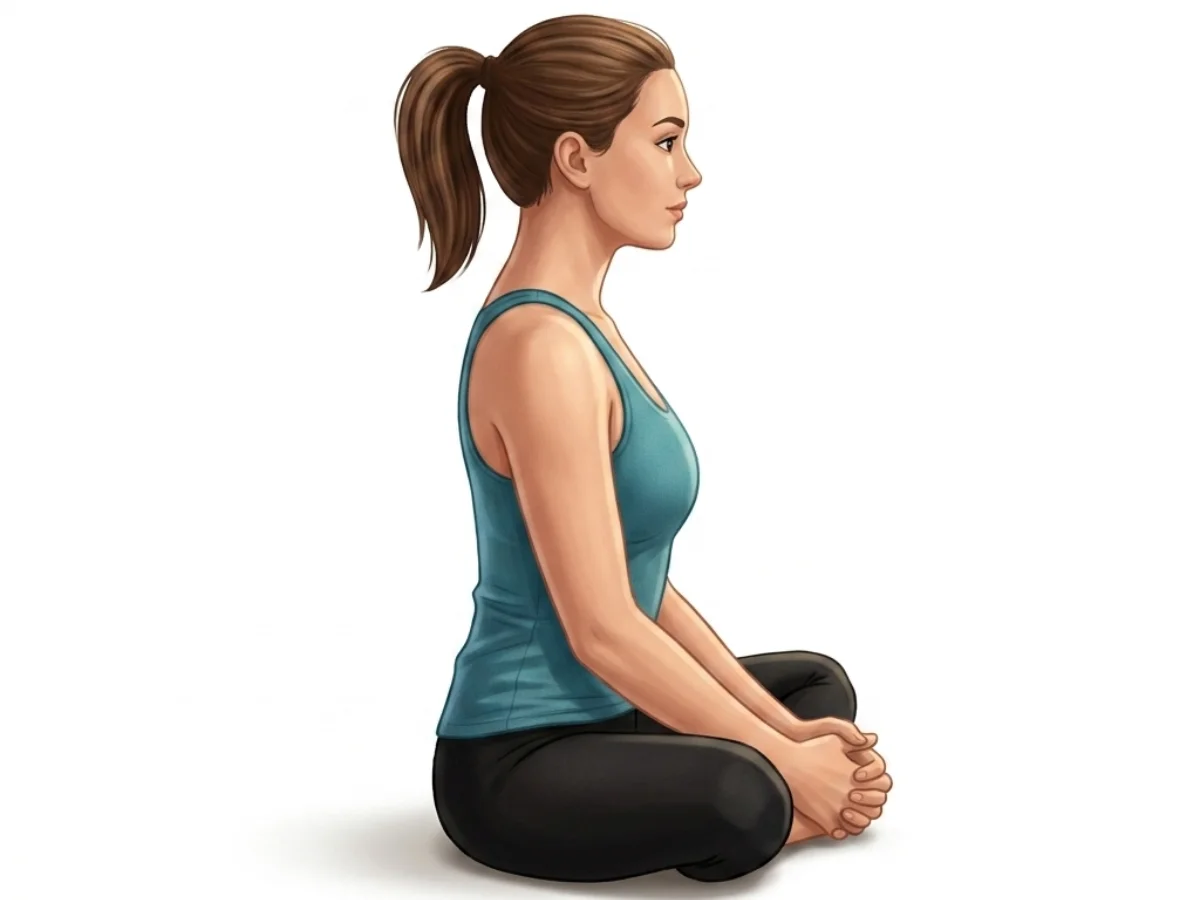
Bound Angle
Baddha KonasanaA gentle seated posture that prepares the inner groins and hips for external rotation.
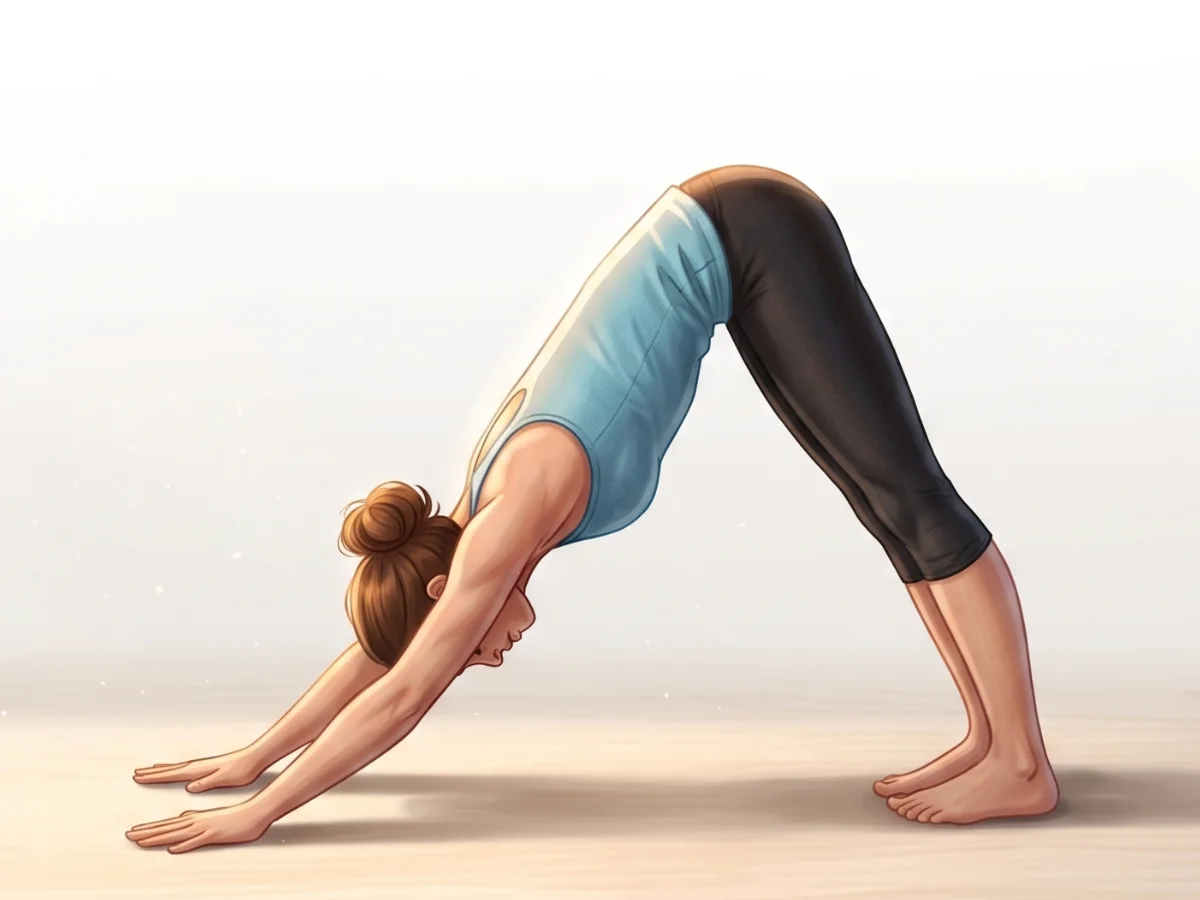
Downward-Facing Dog
Adho Mukha ShvanasanaLengthens the calves and Achilles tendons, which is necessary for keeping the heels down in a squat.
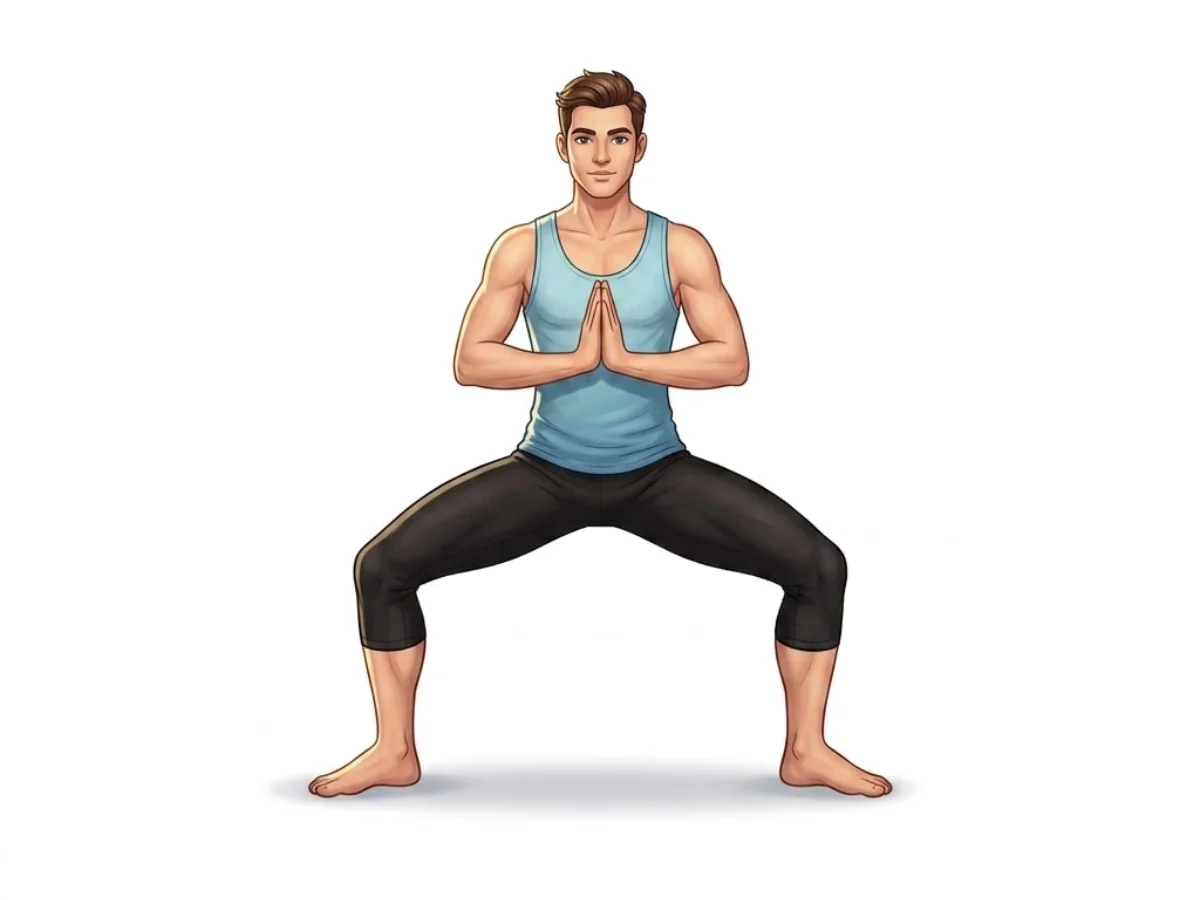
Goddess Pose
Utkata KonasanaAn active, wide-legged standing squat that builds the necessary hip and quad strength.
Follow with neutralizing Counter-poses
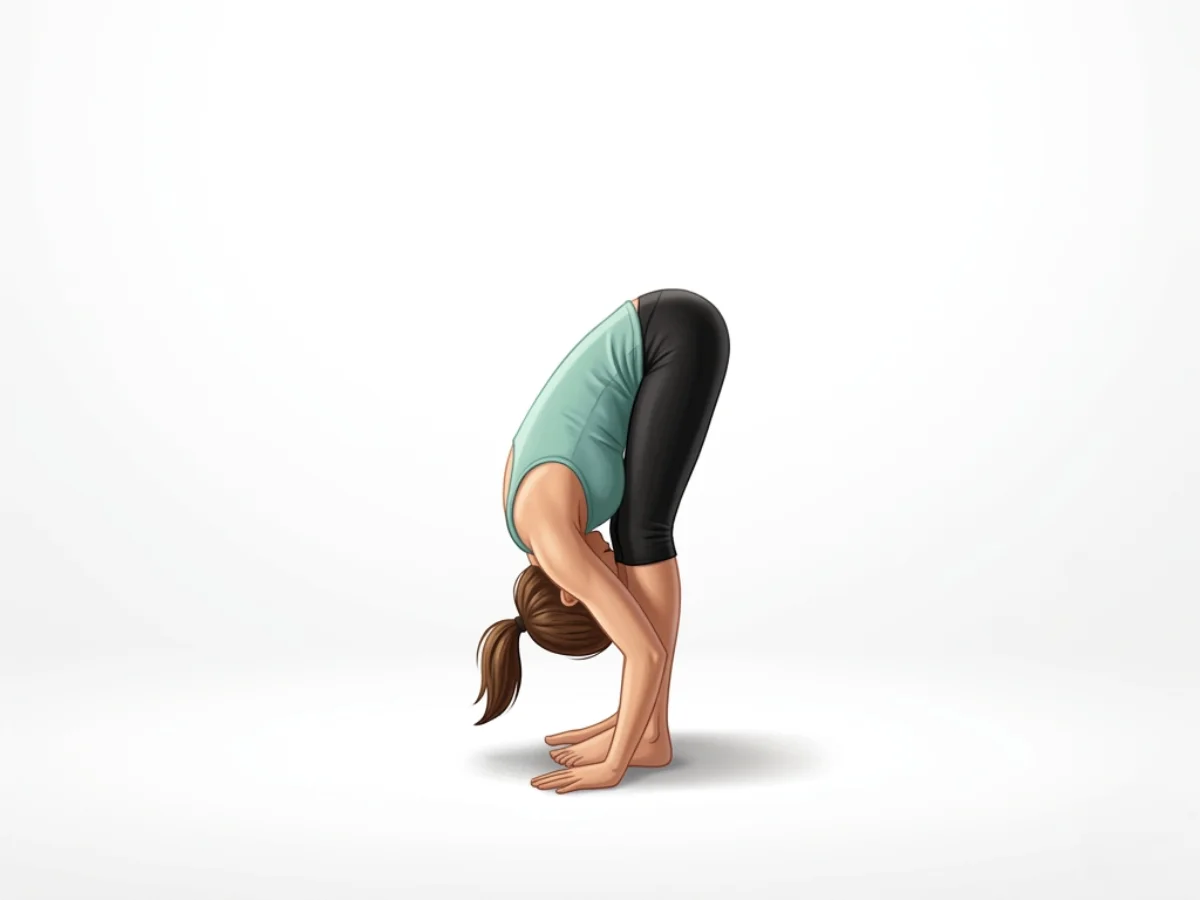
Standing Forward Bend
UttanasanaStraightens the legs and releases the knees after deep flexion, stretching the hamstrings.
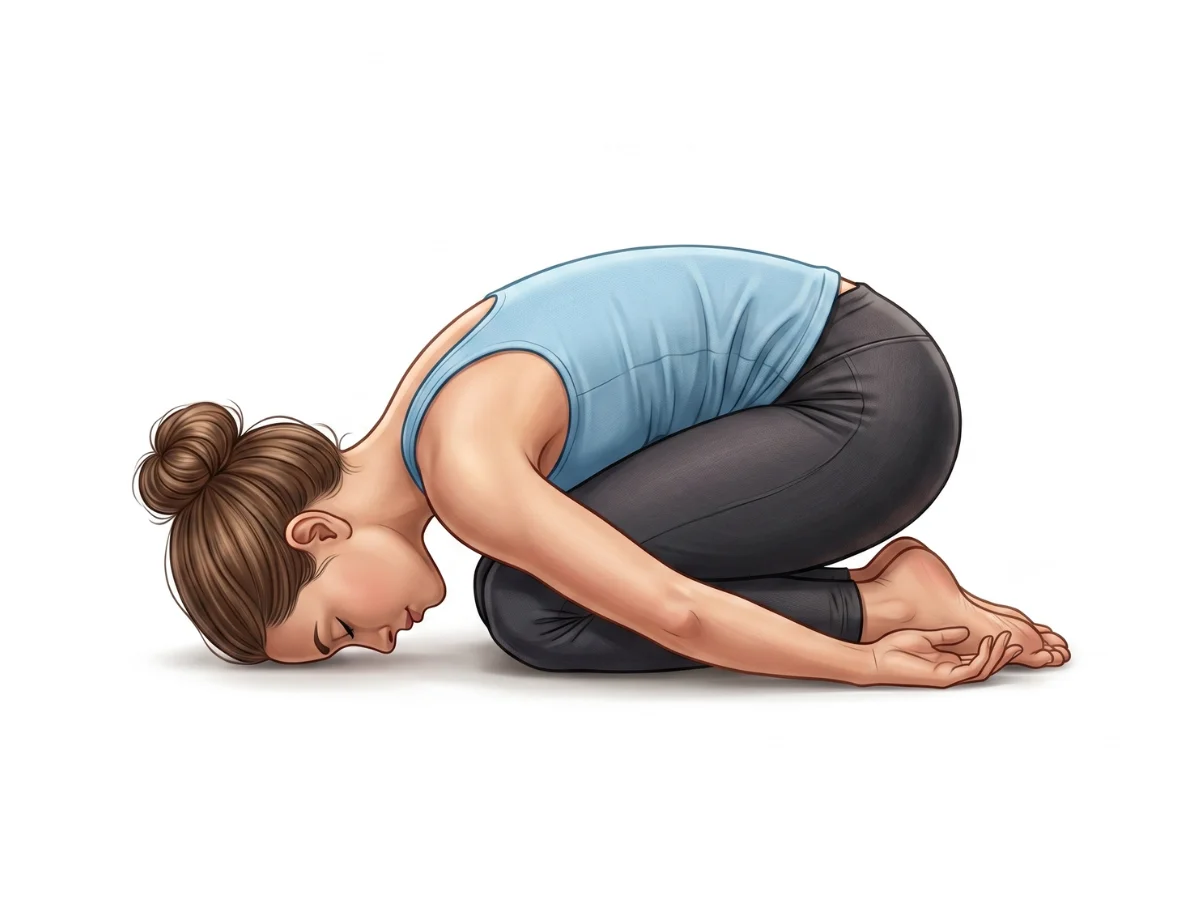
Child's Pose
BalasanaGently rests the hips while maintaining a similar soothing, forward-folding energy.
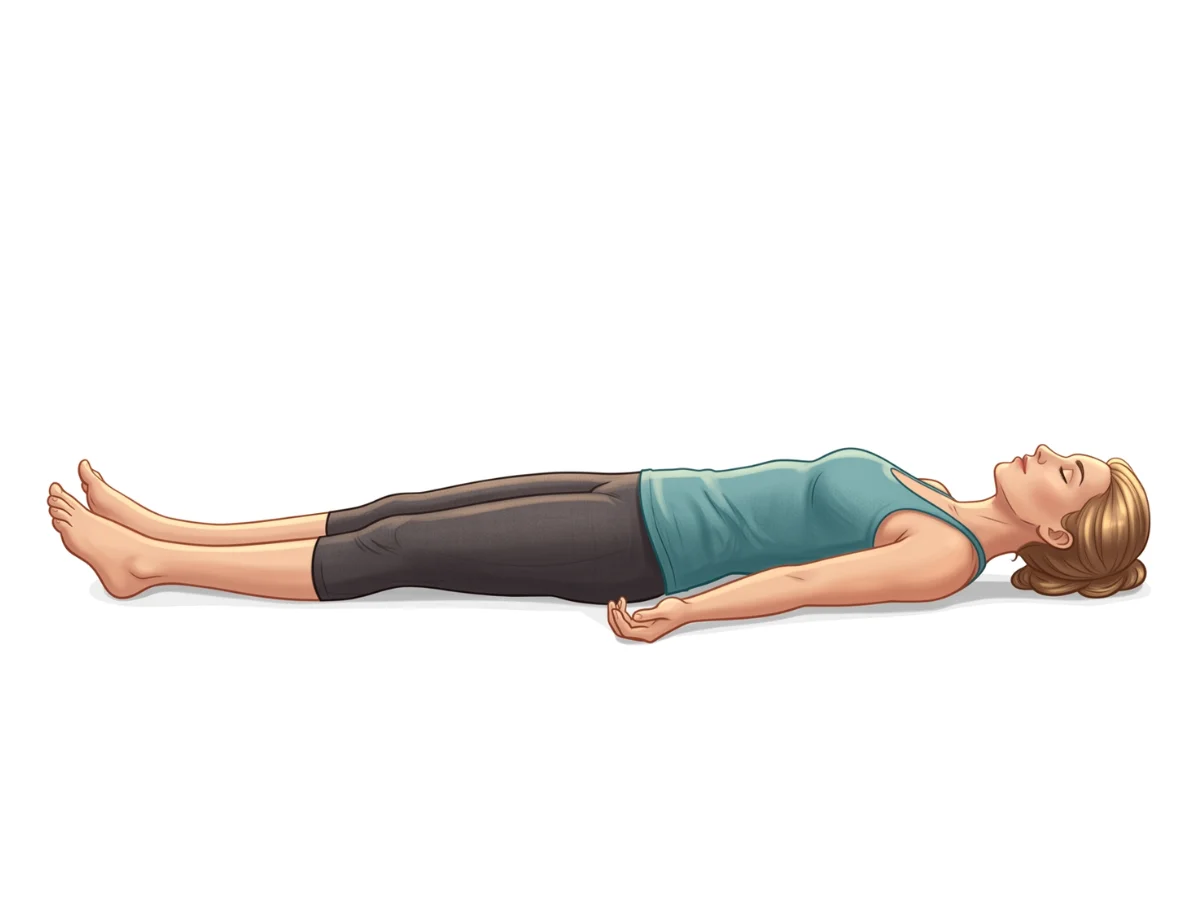
Corpse Pose
ShavasanaAllows the legs, hips, and ankles to completely rest neutrally following the intense opening.
Frequently Asked Questions
Why can I not keep my heels on the floor?
This is incredibly common and usually due to tight calf muscles or limited ankle dorsiflexion caused by wearing shoes and sitting frequently. Using a rolled blanket under your heels will support you while your flexibility improves over time.
Is Malasana safe to practice during pregnancy?
Yes, Malasana is widely recommended during a healthy pregnancy. It opens the pelvis, strengthens the pelvic floor, and can help prepare the body for childbirth.
How can I make my squat deeper?
Consistency is key. Practice preparatory poses like Downward Dog to stretch the calves, and Happy Baby (Ananda Balasana) to open the hips.
Elena Rostova is an accredited yoga educator and anatomy specialist with over 15 years of clinical experience. She focuses on functional biomechanics and injury prevention, translating complex anatomy into accessible guidance for safe, sustainable practice.
Read Full ProfileContinue Your Yoga Journey
Ready to deepen your practice? Explore our extensive library of poses, or join a structured program designed to build strength, flexibility, and mindfulness.