
Bound Angle
Baddha Konasana
By Elena Rostova Updated: verified Medically Reviewed
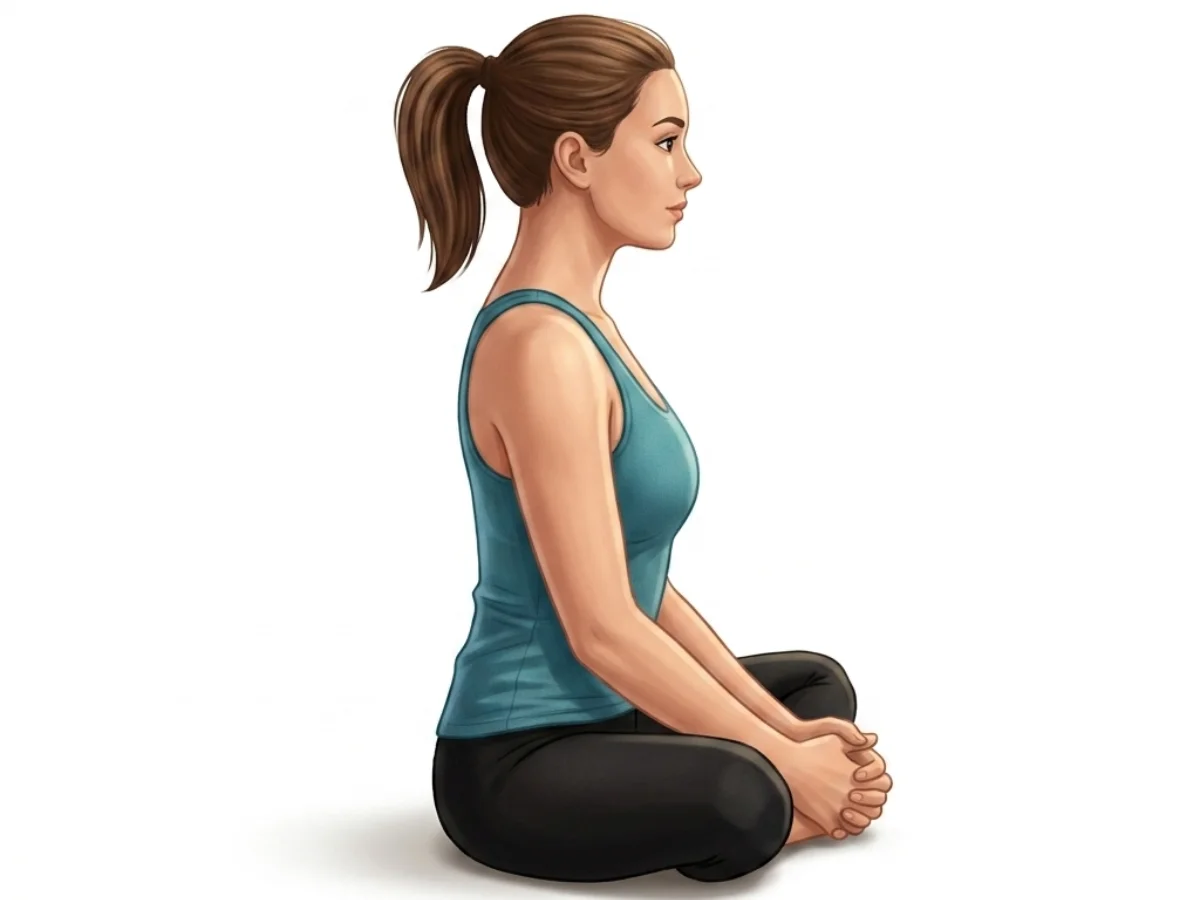
Bound Angle Pose (Baddha Konasana), often referred to as Cobbler's Pose, is a deeply restorative seated posture that gently but effectively opens the hips, inner thighs, and groins. By pressing the soles of the feet together and allowing the knees to fall open outward, practitioners encourage a profound release of tension in the pelvic region. This foundational pose is essential for developing hip mobility, soothing the nervous system, and preparing the body for more advanced seated meditation postures.
Hold Time
1–3 minutes · 10–30 breaths
Pronunciation
BAH-dah koh-NAHS-anna
About Bound Angle
A vital part of many yoga sequences, Bound Angle (Baddha Konasana) offers wonderful benefits that go beyond its simple shape. By gently focusing on hip opening & pelvic floor relaxation, it actively stretches your muscles and builds heat. Practicing this pose regularly helps with opens the hips & groins and leaves you feeling completely refreshed.
How to Practice
Starting Position
Begin by sitting on your mat in Staff Pose (Dandasana) with your legs extended straight in front of you. Ensure you are sitting tall, directly on your sitting bones.
Bend the Knees
Exhale, bend your knees, and pull your heels toward your pelvis. Drop your knees out to the sides and press the soles of your feet together.
Position the Heels
Bring your heels as close to your pelvis as comfortably possible without causing strain in your knees or lower back. If this is intense, slide the feet further away to form a diamond shape.
Grip the Feet
Grasp your big toes with your first two fingers and thumb, or simply clasp your hands around your feet or ankles. Press the outer edges of your feet firmly together.
Lengthen the Spine
Inhale deeply as you sit up tall, lifting through the crown of your head, drawing your lower belly in, and broadening across your collarbones.
Open the Hips
Never force your knees down. Instead, actively release the heads of the thigh bones toward the floor. Imagine your inner groins softening and melting away from the pelvis.
Fold Forward (Optional)
For a deeper stretch, exhale and slowly hinge forward from your hips (not your waist). Keep your spine long and your chest leading the way, avoiding any rounding in the back.
Hold and Breathe
Remain in the pose anywhere from 1 to 3 minutes, taking deep, steady breaths to encourage further relaxation in the hips.
Release Safely
To exit the pose, inhale to lift your torso back upright. Use your hands to gently draw your knees together, then extend your legs back out to Staff Pose.
Rest
Shake your legs out gently or take a few breaths in Dandasana to neutralize the hip joints.
Practice with the Yoga Timer
Keep track of your hold time and breath count for this pose.
Beginner Modifications & Prop Options
Yoga is a personal journey. These modifications and prop options allow you to adapt the pose to your current level of balance and flexibility, ensuring a safe and supportive practice.
Prop Up the Knees
Place a yoga block or folded blanket under each knee to provide support, allowing inner thigh muscles to relax without strain.
Tip: Focus on alignment rather than depth.
Elevate the Hips
Sit on the edge of a folded blanket or firm cushion to elevate the pelvis. This makes it easier to keep the spine straight and prevents lower back slumping.
Tip: Focus on alignment rather than depth.
Reclining Variation (Supta Baddha Konasana)
Lie on your back with your legs in the Bound Angle shape. Place a bolster under your spine for a restorative, supported heart-opener.
Tip: Focus on alignment rather than depth.
Benefits of Bound Angle
Opens the Hips & Groins
Provides a deep, sustainable stretch to the adductors and inner thighs, significantly improving hip joint mobility.
Stimulates Pelvic Organs
Improves circulation to the pelvic region, which can aid in digestion, kidney function, and overall reproductive health.
Soothes Menstrual Discomfort
By relaxing the pelvic floor and lower back, it is widely recommended to help alleviate menstrual cramps and discomfort.
Relieves Sciatica & Lower Back Tension
Stretching the hips gently relieves tension that often radiates into the lower back and sciatic nerve.
Calms the Nervous System
When practiced dynamically or restoratively, it helps reduce stress, mild anxiety, and fatigue.
Common Mistakes to Avoid
Mistake: Forcing the Knees Down
How to fix: Allow gravity to do the work. Focus on releasing tension rather than actively pushing. Use props if the stretch is too intense.
Mistake: Rounding the Spine
How to fix: Prioritize a tall, straight spine. If you fold forward, hinge from the hips and lead with the chest, maintaining the natural curve of the lower back.
Mistake: Clenching the Jaw or Shoulders
How to fix: Consciously soften your face, unhunch your shoulders, and direct your breath to the tight areas in your hips.
Mistake: Pulling the Feet Too Close
How to fix: Find a distance that allows for a comfortable stretch in the inner thighs without any discomfort in the knees.
Safety and Precautions
Knee Injuries
If you have a groin or knee injury, ensure you practice with support under the thighs/knees to prevent hyperextension or strain.
Sciatica
While it can help relieve mild sciatica, severe cases might be aggravated. If pain sharpens, ease out of the pose.
Lower Back Issues
Avoid folding forward if you have herniated discs or acute lower back pain. Maintain a strictly upright spine or practice the reclining variation.
Medical Disclaimer: If you have any of the above conditions, consult your doctor or a qualified yoga instructor before attempting this pose.
Muscles Worked in Bound Angle
Bound Angle demands synchronized muscular effort, creating a profound sense of engagement and release throughout the body. The activation of the primary muscles supports the structure, while the secondary muscles provide stability and balance.
Primary Muscles
Adductors (Inner Thighs)
Stretch deeply to allow the knees to drop outward.
Gracilis
Lengthens along the inner thigh.
Pectineus
Stretches as the hips flex and externally rotate.
Secondary Muscles
Erector Spinae
Engages to keep the torso upright and the spine straight.
Gluteus Medius/Minimus
Contracts slightly to assist in external rotation of the thighs.
Poses to Practice Before and After Bound Angle
Prepare with these Poses
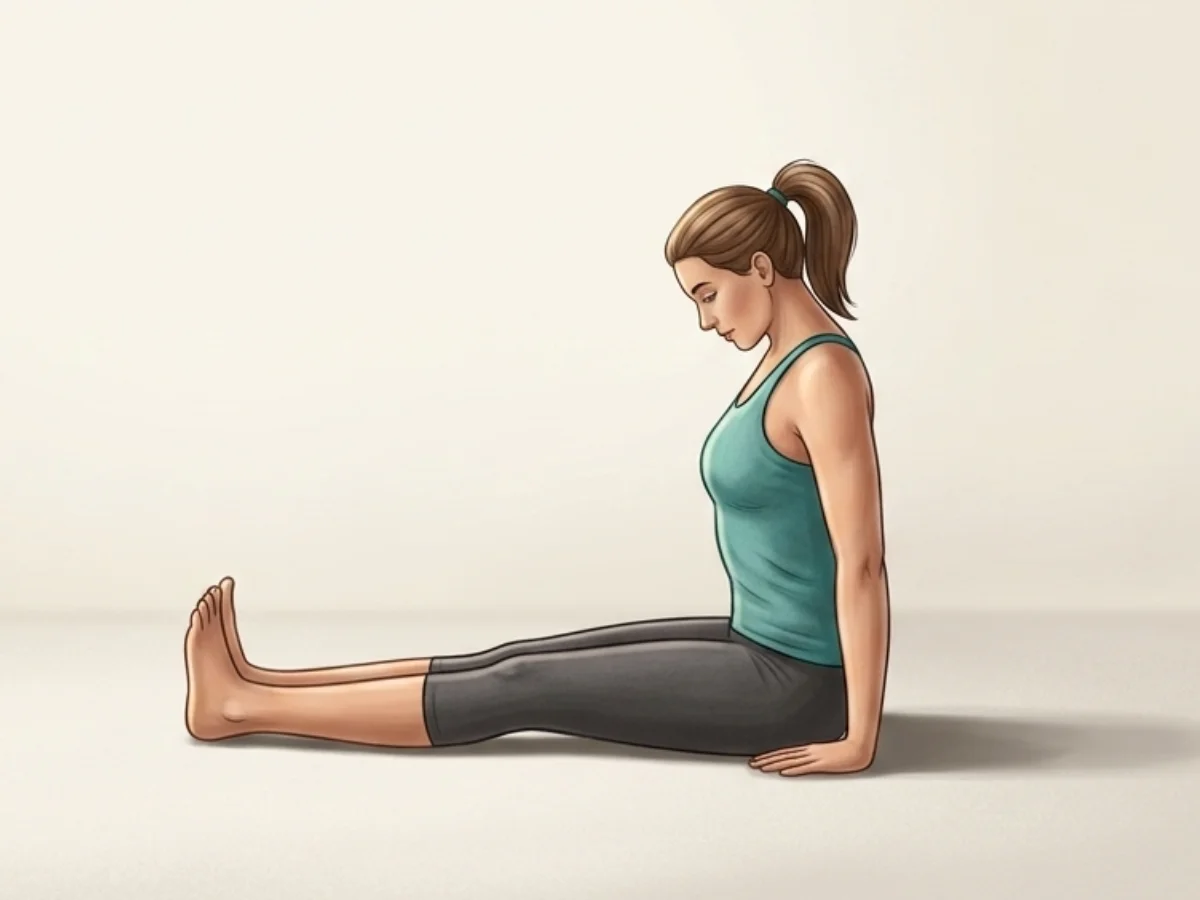
Staff Pose
DandasanaEstablishes the foundation for seated poses and correct spinal alignment.
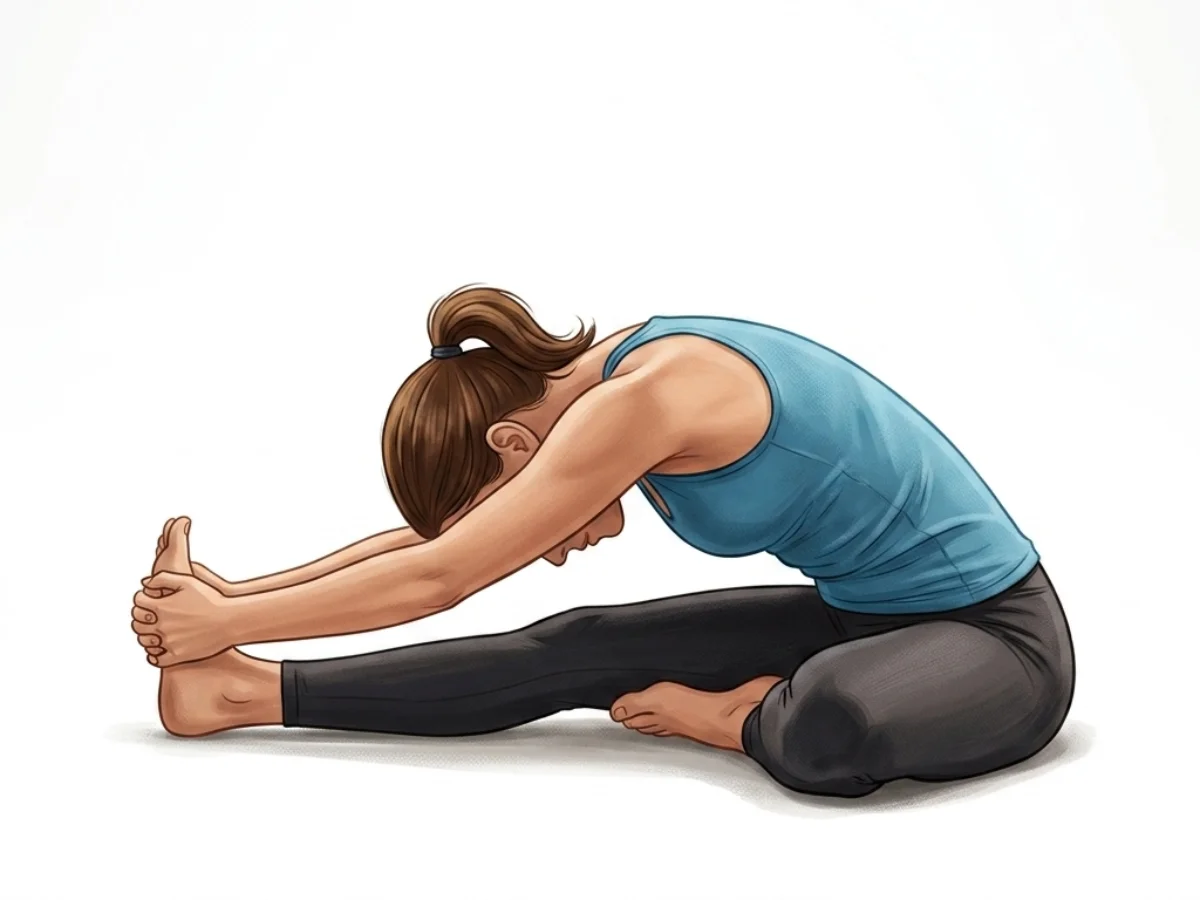
Head-to-Knee Forward Bend
Janu SirsasanaGently opens one hip at a time before attempting the bilateral stretch.
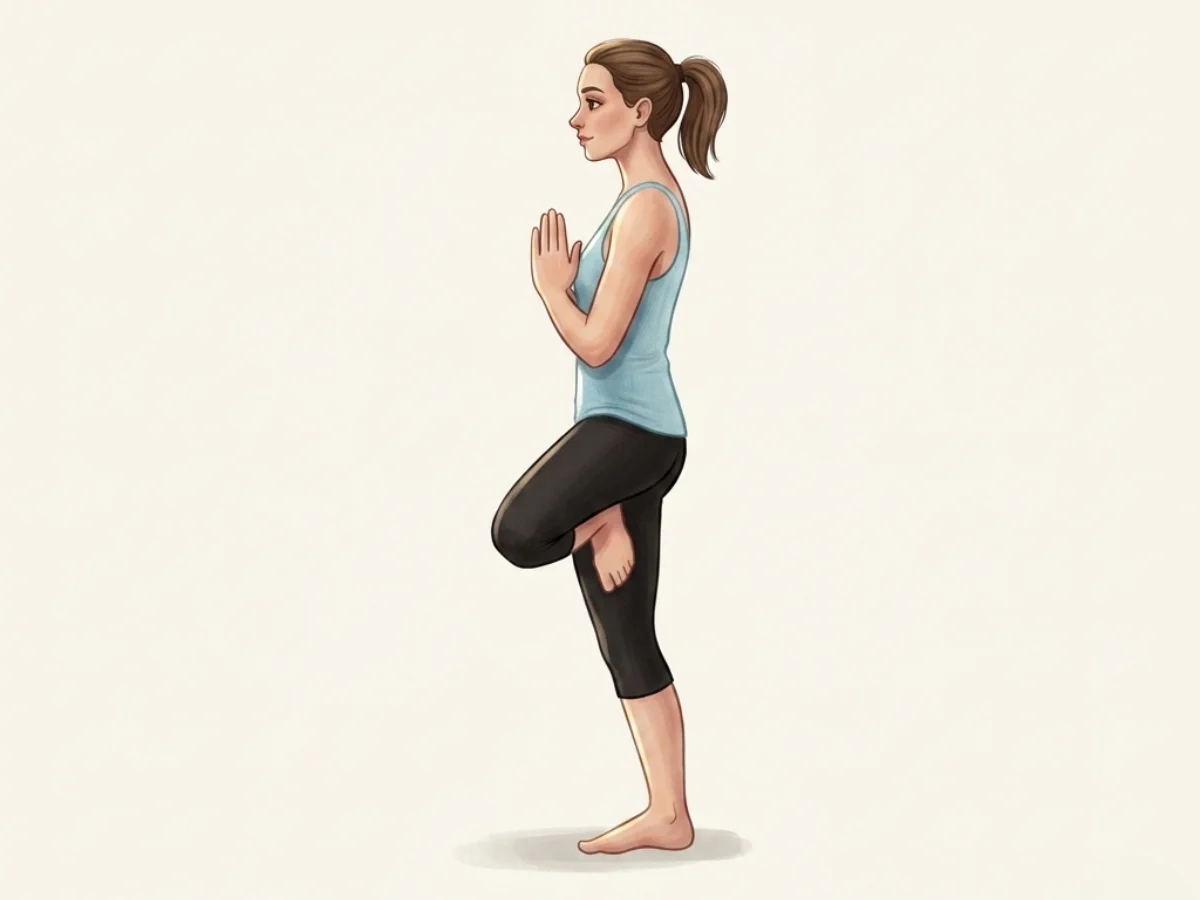
Tree Pose
VrksasanaIntroduces the external rotation of the hip joint in a standing posture.
Follow with neutralizing Counter-poses
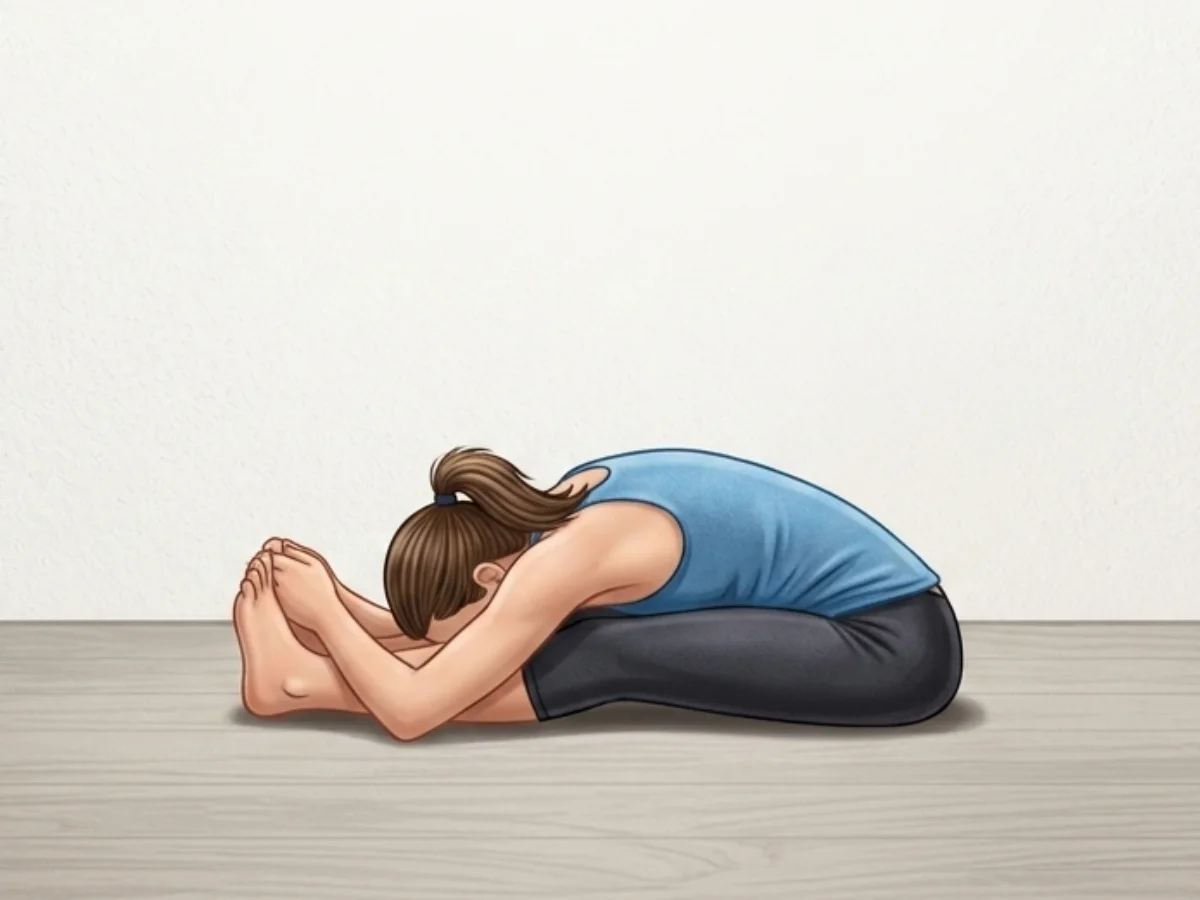
Seated Forward Bend
PaschimottanasanaNeutralizes the external rotation of the hips and stretches the back of the legs.
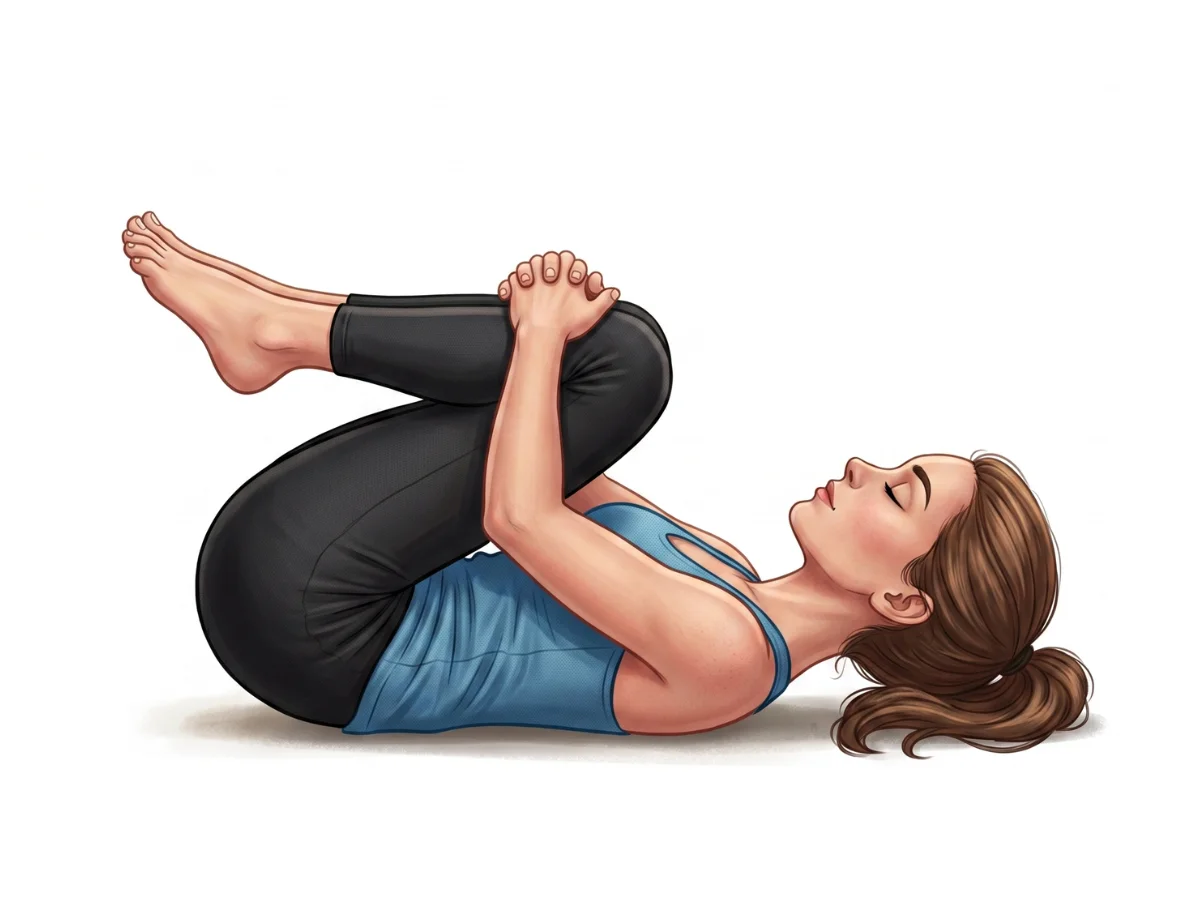
Wind-Relieving Pose
PawanmuktasanaReleases tension in the lower back and gently compresses the hips.
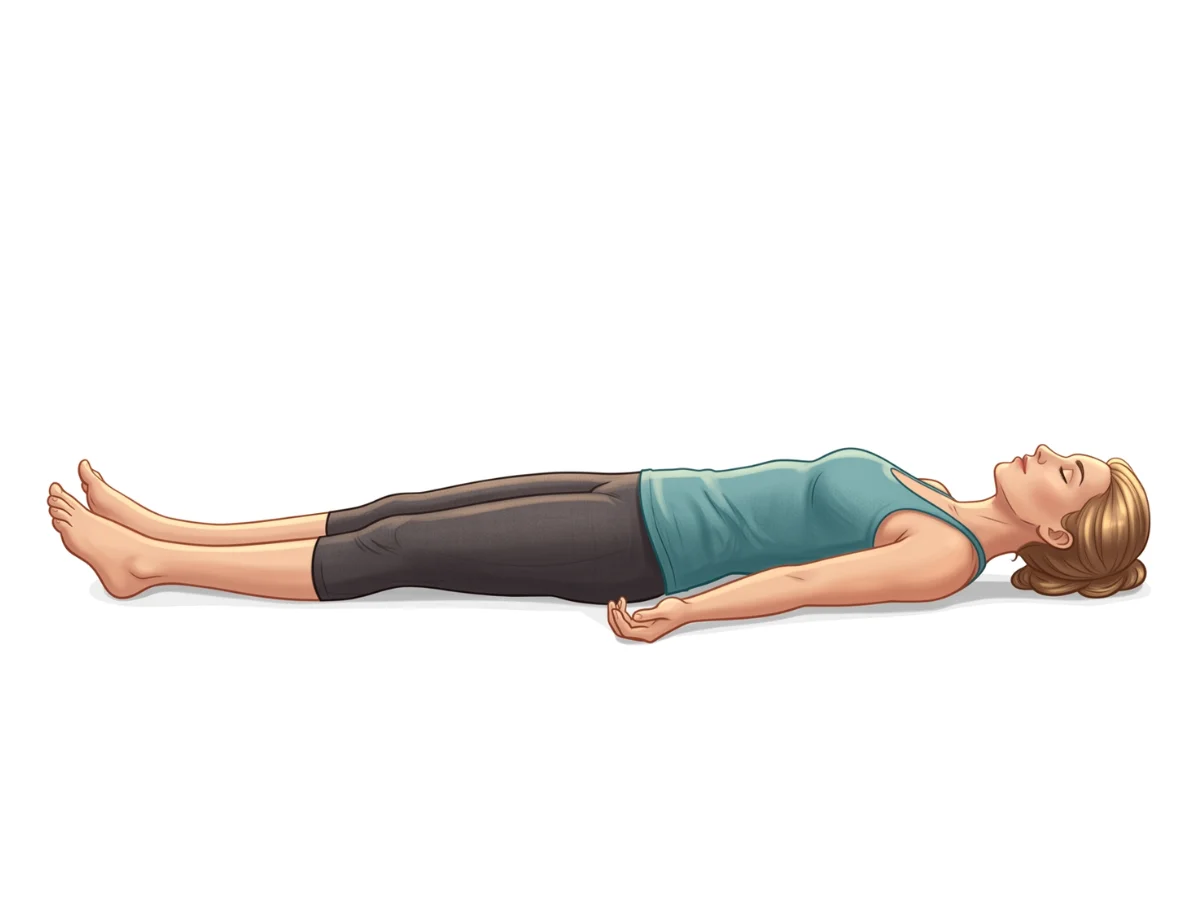
Corpse Pose
SavasanaAllows the body to fully integrate the deep hip opening in complete rest.
Frequently Asked Questions
My knees are very high off the floor. Is this normal?
Yes, it is completely normal, especially for beginners or those who sit at a desk all day. Hip flexibility takes time. Focus on keeping your spine straight and breathing into the stretch rather than worrying about how low your knees are.
How can I get my knees closer to the floor?
Consistency and time are key. Regular practice, using props for support, and gently releasing tension rather than forcing the stretch will gradually increase your hip mobility.
Is it better to hold my feet or my ankles?
Hold whichever is most comfortable and allows you to maintain a straight spine. Holding the feet and opening them like a book can slightly deepen the stretch, but holding the ankles is perfectly fine if reaching the feet causes your back to round.
Can I practice this pose during pregnancy?
Yes, Bound Angle is highly recommended during pregnancy as it helps open the pelvis and reduce lower back tension. In later stages, practice the reclining version with plenty of bolster support to avoid lying flat on your back.
What is the difference between this and Butterfly Pose?
Bound Angle (Baddha Konasana) is typically a static hold focused on deep release, whereas Butterfly Pose (Titli Asana) involves dynamically flapping the knees up and down to warm up the joints and stimulate circulation.
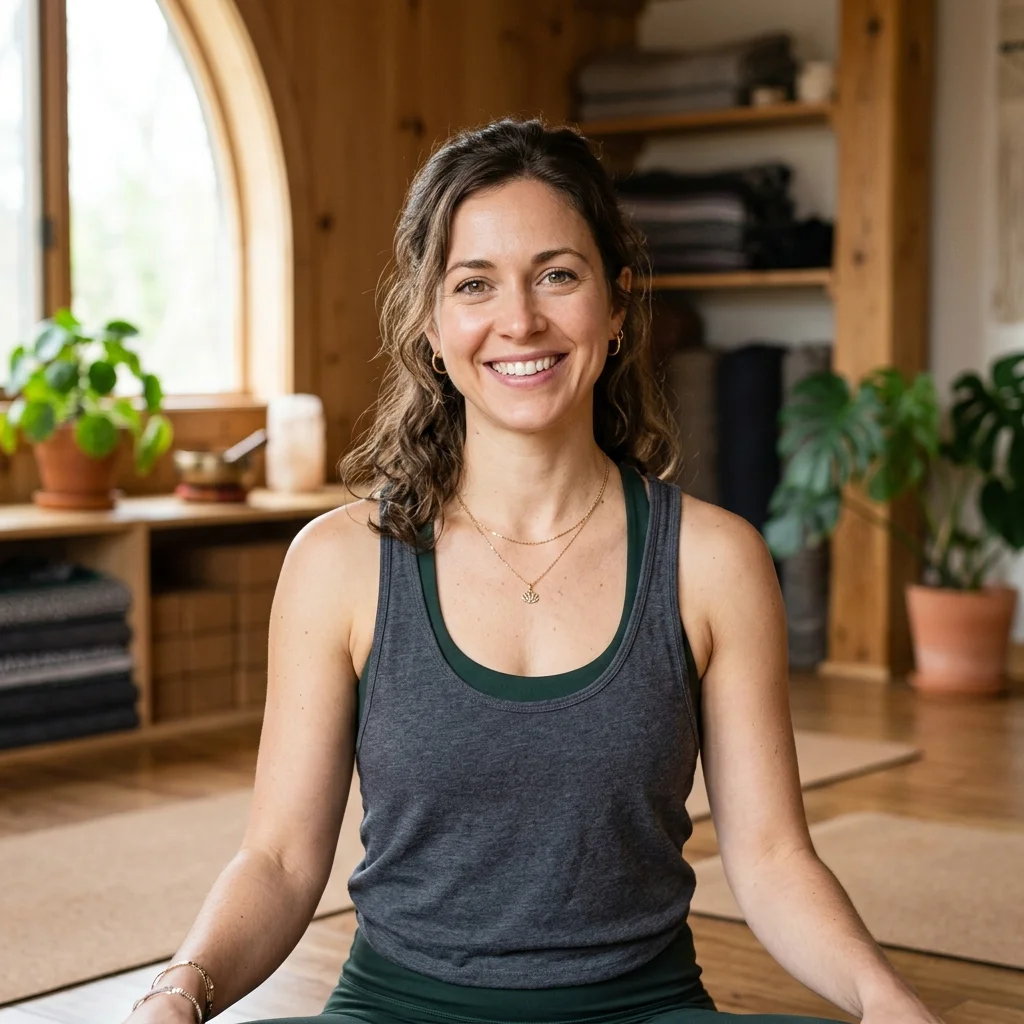
Elena Rostova is an accredited yoga educator and anatomy specialist with over 15 years of clinical experience. She focuses on functional biomechanics and injury prevention, translating complex anatomy into accessible guidance for safe, sustainable practice.
Read Full ProfileContinue Your Yoga Journey
Ready to deepen your practice? Explore our extensive library of poses, or join a structured program designed to build strength, flexibility, and mindfulness.