
Head to Knee I
Janu Sirsasana A
By Elena Rostova Updated: verified Medically Reviewed
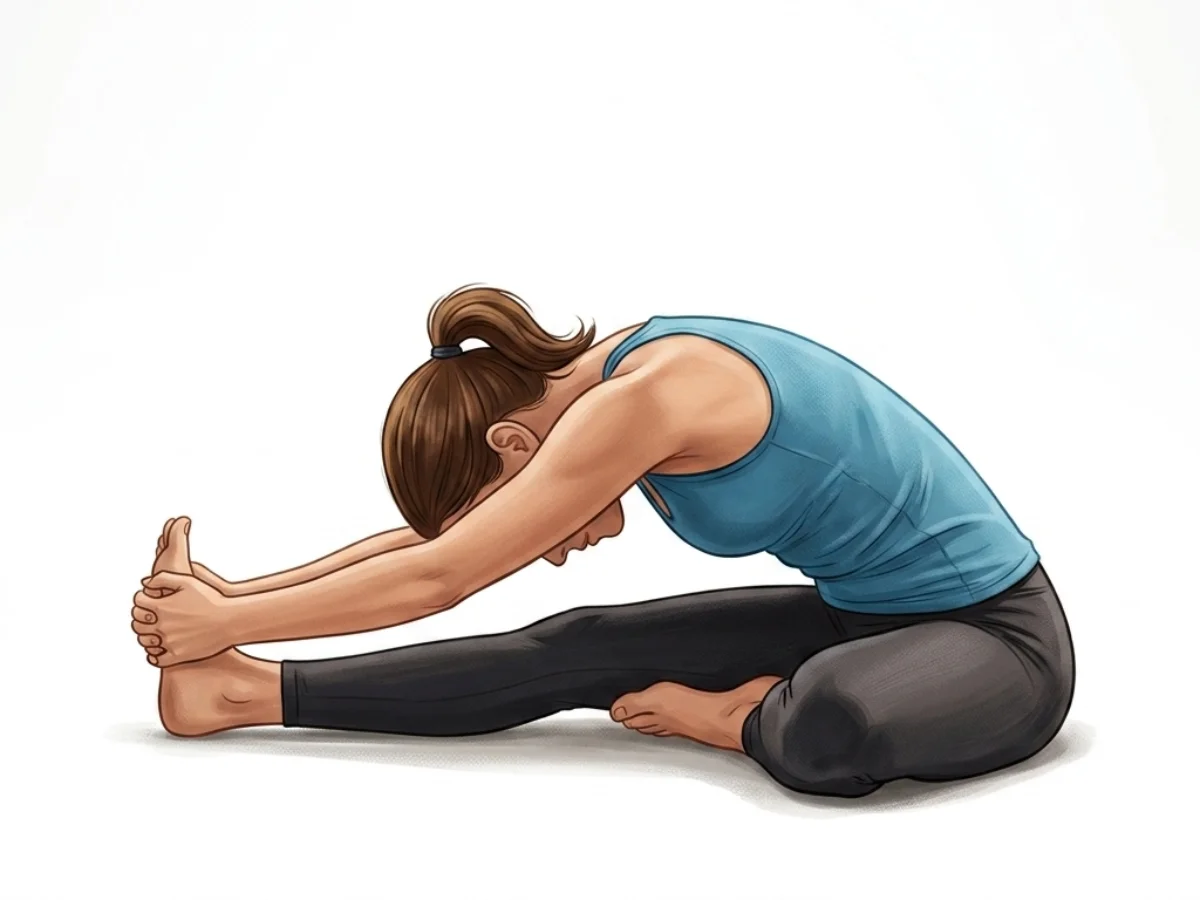
Head to Knee Pose I (Janu Sirsasana A) is a foundational asymmetrical seated forward fold that provides a deep stretch to the hamstrings and lower back. By extending one leg while tucking the other foot against the inner thigh, practitioners create a mild spinal twist that gently massages the internal organs.
Hold Time
30–60 sec · 5–10 breaths per side
Pronunciation
JAH-noo sheer-SHAHS-anna A
About Head to Knee I
A vital part of many yoga sequences, Head to Knee I (Janu Sirsasana A) offers wonderful benefits that go beyond its simple shape. This posture specifically engages the hamstring stretch & mild spinal twist, making it highly effective for developing both strength and mobility. Ultimately, it is a fantastic pose for deepens hamstring flexibility, leaving you with a profound sense of grounded energy.
How to Practice
Starting Position
Begin seated on your mat with both legs extended straight in front of you in Staff Pose (Dandasana). Sit on the edge of a blanket if your lower back rounds.
Bend One Knee
Bend your right knee and let it drop open to the side. Place the sole of your right foot against your inner left thigh, drawing the heel close to your perineum.
Align the Torso
Square your shoulders and torso so that your sternum lines up with your extended left leg. This creates a subtle twist in the spine.
Inhale and Reach
Inhale deeply as you reach both arms overhead, lengthening the sides of your waist and lifting out of your lower back.
Hinge Forward
Exhale and hinge forward from your hips, maintaining a long, flat spine. Reach your hands toward your left foot, ankle, or shin.
Secure a Grip
Grasp whatever is accessible without straining—your foot, a yoga strap around the foot, or simply rest your hands on the mat beside your leg.
Lengthen and Fold
With every inhale, find more length in your spine, reaching the crown of your head toward your toes. With every exhale, soften your belly down toward your thigh.
Hold and Breathe
Hold the posture for 5 to 10 deep, calming breaths. Keep your extended leg active, toes pointing up, and avoid pulling aggressively with your arms.
Release Safely
To exit, inhale as you engage your core and slowly lift your torso back up to a vertical position, raising your arms overhead.
Switch Sides
Exhale to release the arms. Extend the right leg, bend the left knee, and repeat the sequence on the opposite side.
Practice with the Yoga Timer
Keep track of your hold time and breath count for this pose.
Beginner Modifications & Prop Options
Yoga is a personal journey. These modifications and prop options allow you to adapt the pose to your current level of balance and flexibility, ensuring a safe and supportive practice.
Elevate the Pelvis
Sit on a folded blanket to tilt the pelvis forward. This relieves lower back strain and makes the forward fold more accessible.
Tip: Focus on alignment rather than depth.
Use a Strap
Place a yoga strap around the ball of the extended foot and hold it with both hands. This maintains a straight, long spine rather than hunched shoulders.
Tip: Focus on alignment rather than depth.
Support the Bent Knee
Place a block or cushion under the knee of the bent leg to prevent gravity from overstretching the groin and protect the knee joint.
Tip: Focus on alignment rather than depth.
Benefits of Head to Knee I
Deepens Hamstring Flexibility
Stretches the hamstrings of the extended leg safely and effectively, improving overall leg mobility.
Relieves Lower Back Tension
Lengthens the erector spinae and quadratus lumborum muscles, offering relief from mild backaches.
Calms the Nervous System
Forward folds naturally encourage the parasympathetic nervous system, helping to reduce stress and anxiety.
Massages Digestive Organs
The subtle twist and forward compression gently stimulate the liver, kidneys, and intestines.
Opens the Hips
The externally rotated bent knee gently stretches the inner groin and improves hip joint mobility.
Common Mistakes to Avoid
Mistake: Rounding the Spine Too Early
How to fix: Prioritize a long, flat back over depth. Hinge only from the hips and lead with your heart, not your head.
Mistake: Letting the Extended Foot Flop
How to fix: Keep the foot actively flexed, drawing the toes back toward the shin and pressing the back of the knee gently down.
Mistake: Pulling Aggressively with the Arms
How to fix: Use your breath to guide the depth. The hands should gently anchor you, not force you deeper.
Safety and Precautions
Severe Asthma
Deep forward folds can sometimes restrict the diaphragm. Ensure you do not fold so deeply that breathing is compromised.
Herniated or Slipped Discs
Flexion of the lumbar spine can exacerbate disc injuries. Practice with extreme caution, keeping the spine strictly neutral, or avoid entirely.
Recent Knee Injuries
The bent knee undergoes torque. If this causes pain, place a block under the knee or avoid the pose.
Hamstring Tears
Do not stretch torn hamstrings forcefully; keep the extended leg generously bent.
Medical Disclaimer: If you have any of the above conditions, consult your doctor or a qualified yoga instructor before attempting this pose.
Muscles Worked in Head to Knee I
Head to Knee I demands synchronized muscular effort, creating a profound sense of engagement and release throughout the body. The activation of the primary muscles supports the structure, while the secondary muscles provide stability and balance.
Primary Muscles
Hamstrings
Stretch extensively along the back of the extended leg.
Erector Spinae
Lengthen along the spine during the forward fold.
Gluteus Maximus
Stretches as the hip hinges forward.
Secondary Muscles
Latissimus Dorsi
Stretches as the arms reach forward toward the foot.
Adductors
Stretch on the bent leg to allow the hip to open outward.
Obliques
Engage slightly to maintain the subtle spinal twist.
Poses to Practice Before and After Head to Knee I
Prepare with these Poses
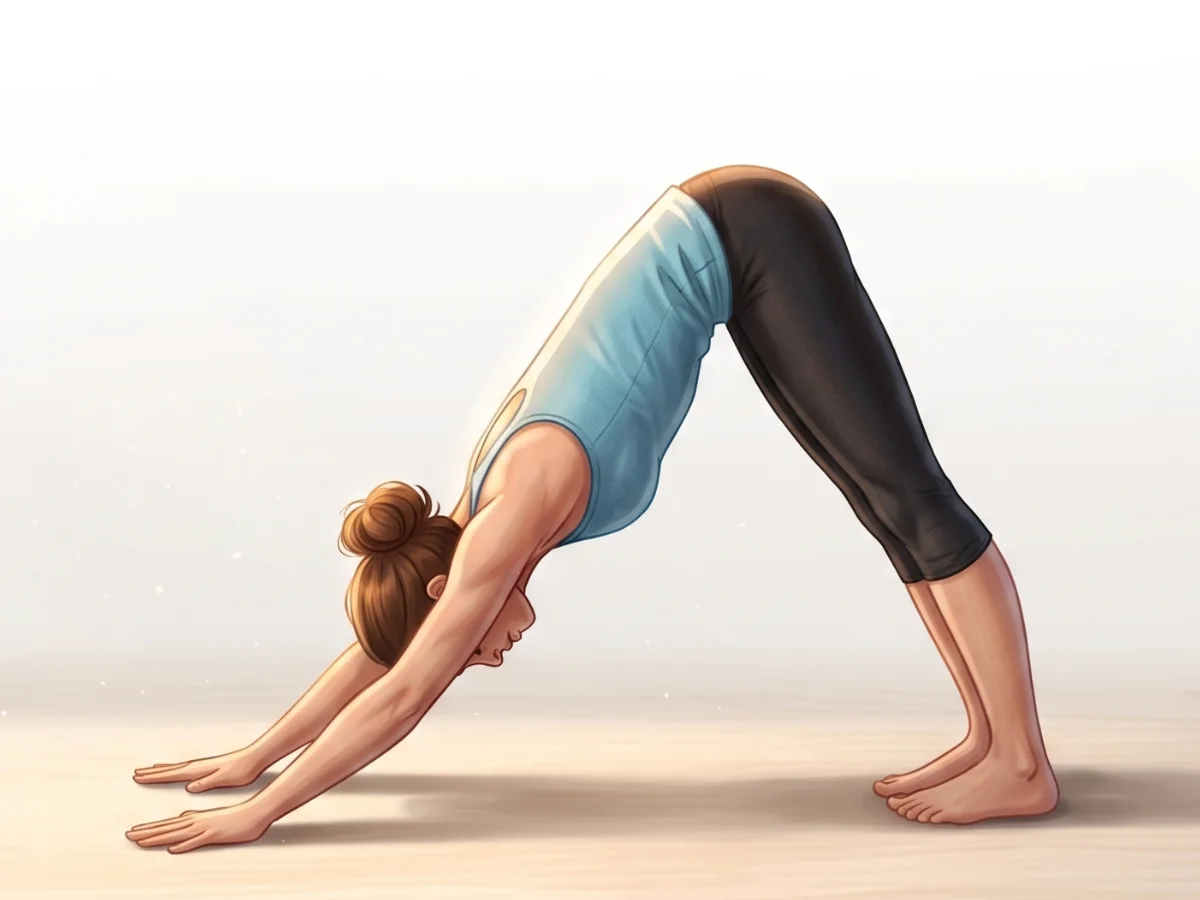
Downward-Facing Dog
Adho Mukha SvanasanaWarms up the calves and hamstrings actively.
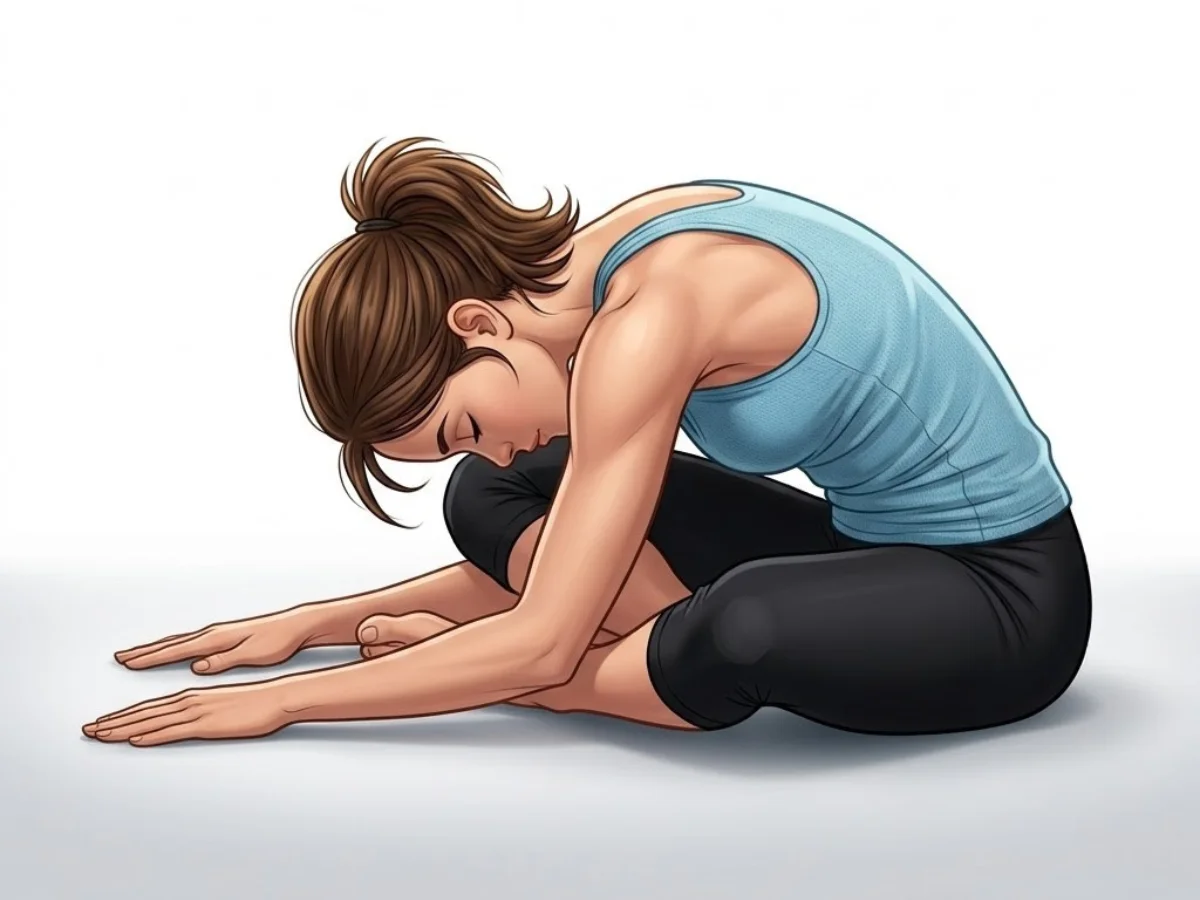
Butterfly Pose
Baddha KonasanaPrepares the hips for external rotation.
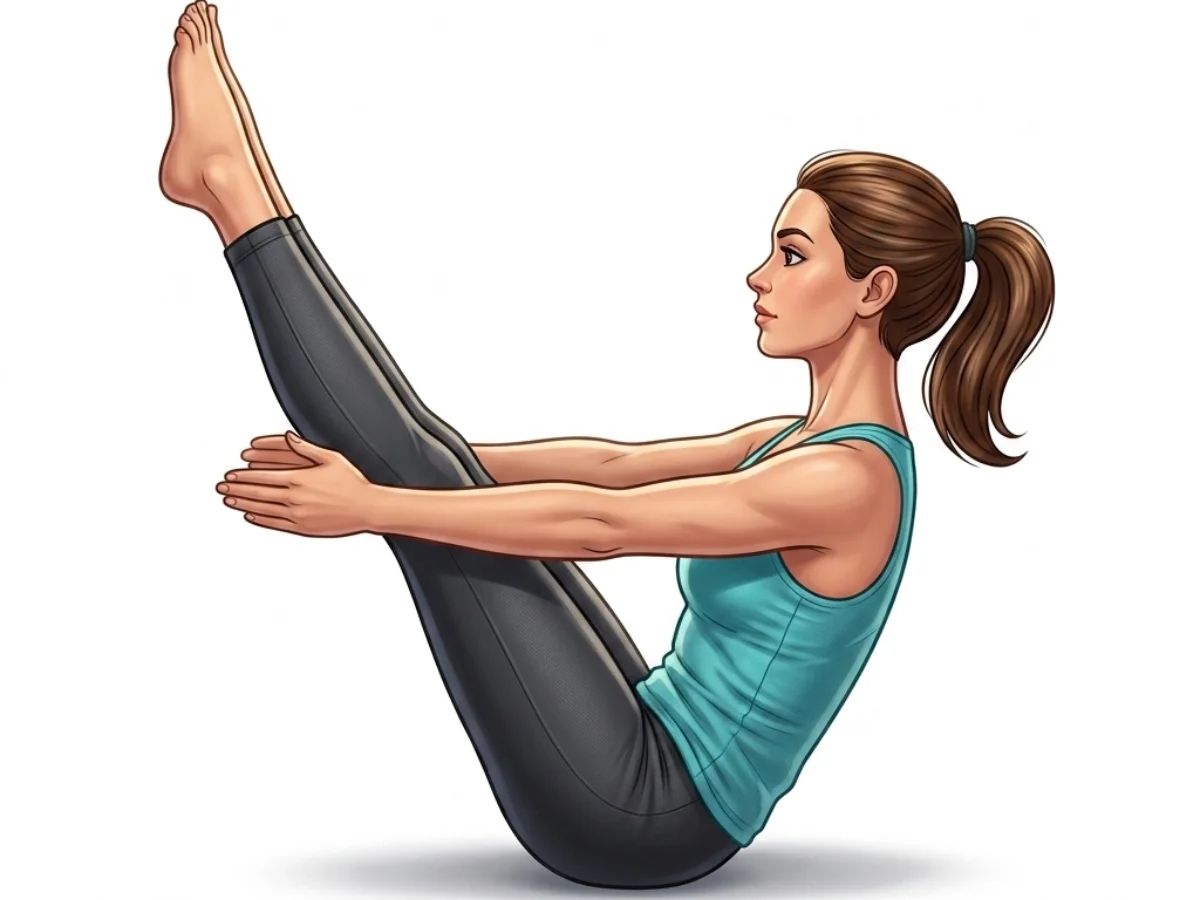
Follow with neutralizing Counter-poses
Frequently Asked Questions
Does my head actually have to touch my knee?
No. The name "Head to Knee" indicates the general direction of movement, not a mandatory requirement.
Why do I feel a stretch in my back instead of my leg?
If your hamstrings are relatively flexible but your lower back is tight, you will feel the stretch primarily in your back. The body feels the stretch wherever it holds the most tension.
Can I slightly bend the extended leg?
Yes, absolutely. If your hamstrings are very tight, keeping a micro-bend in the extended knee protects the joint and allows you to hinge forward more effectively from the hips.
Elena Rostova is an accredited yoga educator and anatomy specialist with over 15 years of clinical experience. She focuses on functional biomechanics and injury prevention, translating complex anatomy into accessible guidance for safe, sustainable practice.
Read Full ProfileContinue Your Yoga Journey
Ready to deepen your practice? Explore our extensive library of poses, or join a structured program designed to build strength, flexibility, and mindfulness.