
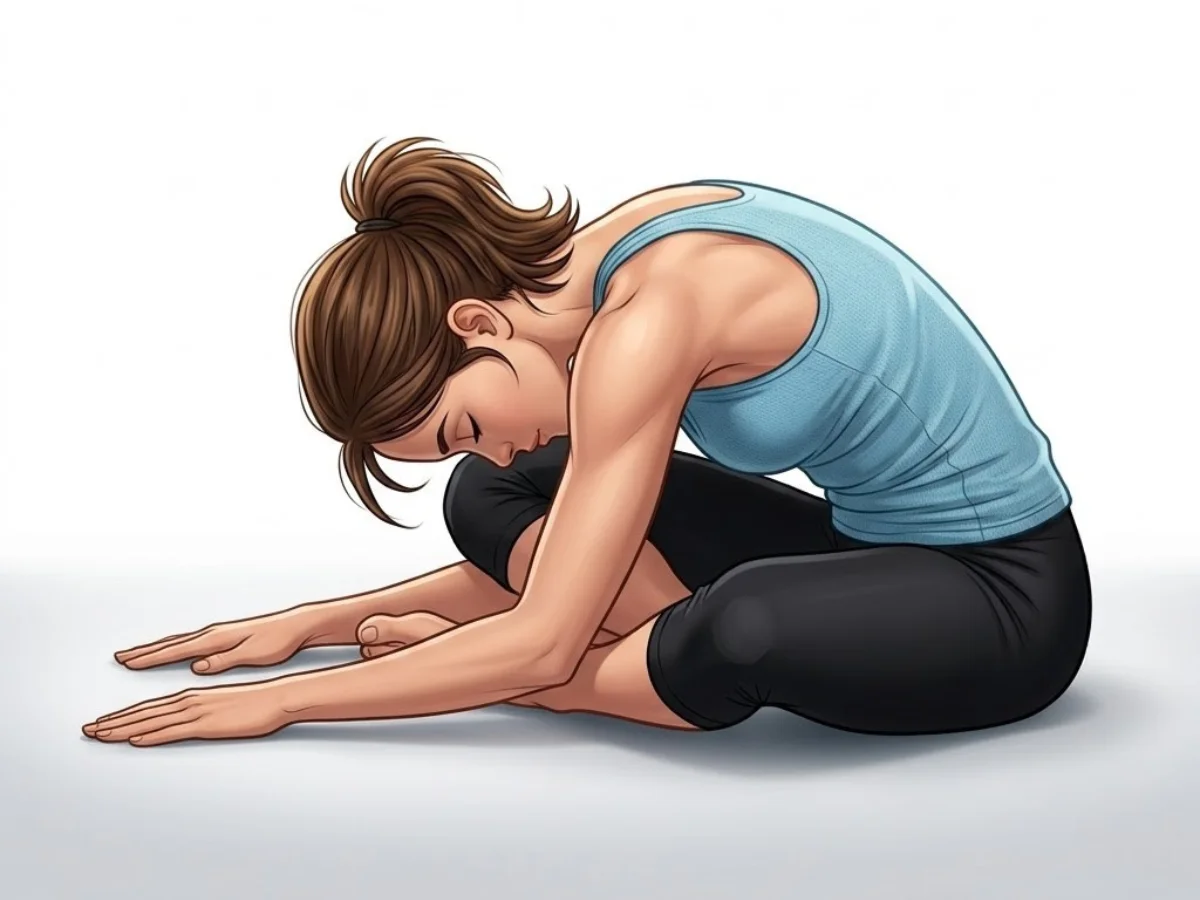
Butterfly
Titli Asana
By Elena Rostova Updated: verified Medically Reviewed
Butterfly Pose (Titli Asana) is a dynamic variation of Bound Angle Pose that involves gently flapping the knees up and down like the wings of a butterfly. This rhythmic movement is an excellent warm-up for the hip joints, stimulating blood flow, releasing stiffness in the groins and inner thighs, and preparing the body for deeper, static hip openers.
Hold Time
30–60 sec (dynamic movement)
Pronunciation
TIT-lee AHS-anna
About Butterfly
Butterfly (Titli Asana) is a grounding posture that draws its natural shape from the animal kingdom. By gently focusing on hip mobility & circulation, it actively stretches your muscles and builds heat. Ultimately, it is a fantastic pose for increases joint lubrication, leaving you with a profound sense of grounded energy.
How to Practice
Starting Position
Begin seated on your mat in Staff Pose (Dandasana) with your legs straight out in front of you. Sit up tall on your sitting bones.
Bring Feet Together
Bend your knees and draw your heels in toward your pelvis. Allow your knees to drop open to the sides, pressing the soles of your feet together.
Clasp the Hands
Interlace your fingers and hold your feet, or grasp your ankles if reaching the feet causes your back to round. Keep your spine long and chest lifted.
Begin the Movement
Slowly and gently begin to flap both knees up and down simultaneously. Imagine the graceful movement of butterfly wings.
Increase the Pace (Optional)
Once your hips begin to feel warmer, you can slightly increase the speed of the flapping motion, but ensure the movement remains smooth and controlled, never jerky or forced.
Coordinate with Breath
Breathe naturally and steadily throughout the movement. You do not need to sync the flapping directly with your breath, but focus on maintaining deep, relaxed respirations.
Duration
Continue this dynamic movement for 30 to 60 seconds, or until you feel a pleasant warmth and looseness in your hip joints.
Slow Down
Gradually reduce the speed of the flapping until your knees come to a gentle stop. Take a deep breath in.
Release
Use your hands to gently guide your knees back together, then extend your legs straight out in front of you.
Rest
Shake out your legs gently in Dandasana to relieve any remaining tension before moving on to your next pose.
Practice with the Yoga Timer
Keep track of your hold time and breath count for this pose.
Beginner Modifications & Prop Options
Yoga is a personal journey. These modifications and prop options allow you to adapt the pose to your current level of balance and flexibility, ensuring a safe and supportive practice.
Sit on a Cushion
Place a folded blanket or firm cushion under your sitting bones. Elevating the hips tilts the pelvis forward, making it easier to keep the spine straight.
Tip: Focus on alignment rather than depth.
Increase Distance to Heels
Slide your feet further away to create a larger diamond shape. This reduces the angle of knee flexion and softens the groin stretch.
Tip: Focus on alignment rather than depth.
Use Wall Support
Sit with your back flat against a wall to support your spine. This allows you to focus entirely on hip movement without tiring your back muscles.
Tip: Focus on alignment rather than depth.
Benefits of Butterfly
Increases Joint Lubrication
The dynamic movement stimulates the production of synovial fluid in the hip joints, reducing stiffness and improving mobility.
Boosts Blood Circulation
Enhances blood flow to the pelvic region, inner thighs, and reproductive organs, promoting overall vitality.
Releases Groin Tension
Gently stretches and warms up the adductor muscles of the inner thighs, making it an ideal preparatory pose for deeper stretches.
Supports Pelvic Health
Highly beneficial for the pelvic floor, making it a staple in prenatal yoga and for managing menstrual discomfort.
Alleviates Fatigue
The rhythmic movement combined with deep breathing helps clear stagnant energy in the lower body, especially after long periods of sitting.
Common Mistakes to Avoid
Mistake: Jerky or Aggressive Flapping
How to fix: Keep the movement smooth, gentle, and controlled. It is a warm-up, not a forceful stretch.
Mistake: Slumping the Spine
How to fix: Prioritize sitting tall. Draw your navel in and lift your chest. Sit on a prop if necessary to maintain alignment.
Mistake: Holding the Breath
How to fix: Ensure you are breathing deeply and evenly throughout the duration of the movement.
Mistake: Pushing Knees Down with Hands
How to fix: Use only the muscles of your legs to move the knees. Keep your hands clasped around your feet or ankles for stability only.
Safety and Precautions
Recent Knee or Groin Surgeries
Avoid dynamic movements in these areas until fully healed and cleared by a physical therapist.
Acute Sciatica
While gentle movement can help some, if flapping the knees causes sharp, shooting pain down the leg, stop immediately.
Severe Hip Injuries
If you have severe arthritis or a recent hip replacement, consult a doctor before practicing dynamic hip openers.
Medical Disclaimer: If you have any of the above conditions, consult your doctor or a qualified yoga instructor before attempting this pose.
Muscles Worked in Butterfly
Butterfly demands synchronized muscular effort, creating a profound sense of engagement and release throughout the body. The activation of the primary muscles supports the structure, while the secondary muscles provide stability and balance.
Primary Muscles
Adductors (Inner Thighs)
Dynamically stretch and contract during the downward and upward motion.
Gluteus Medius
Activates to lift the knees outward and upward.
Hip Flexors
Engage to assist the lifting motion of the knees.
Secondary Muscles
Erector Spinae
Maintains an upright and stable spinal posture throughout the movement.
Poses to Practice Before and After Butterfly
Prepare with these Poses
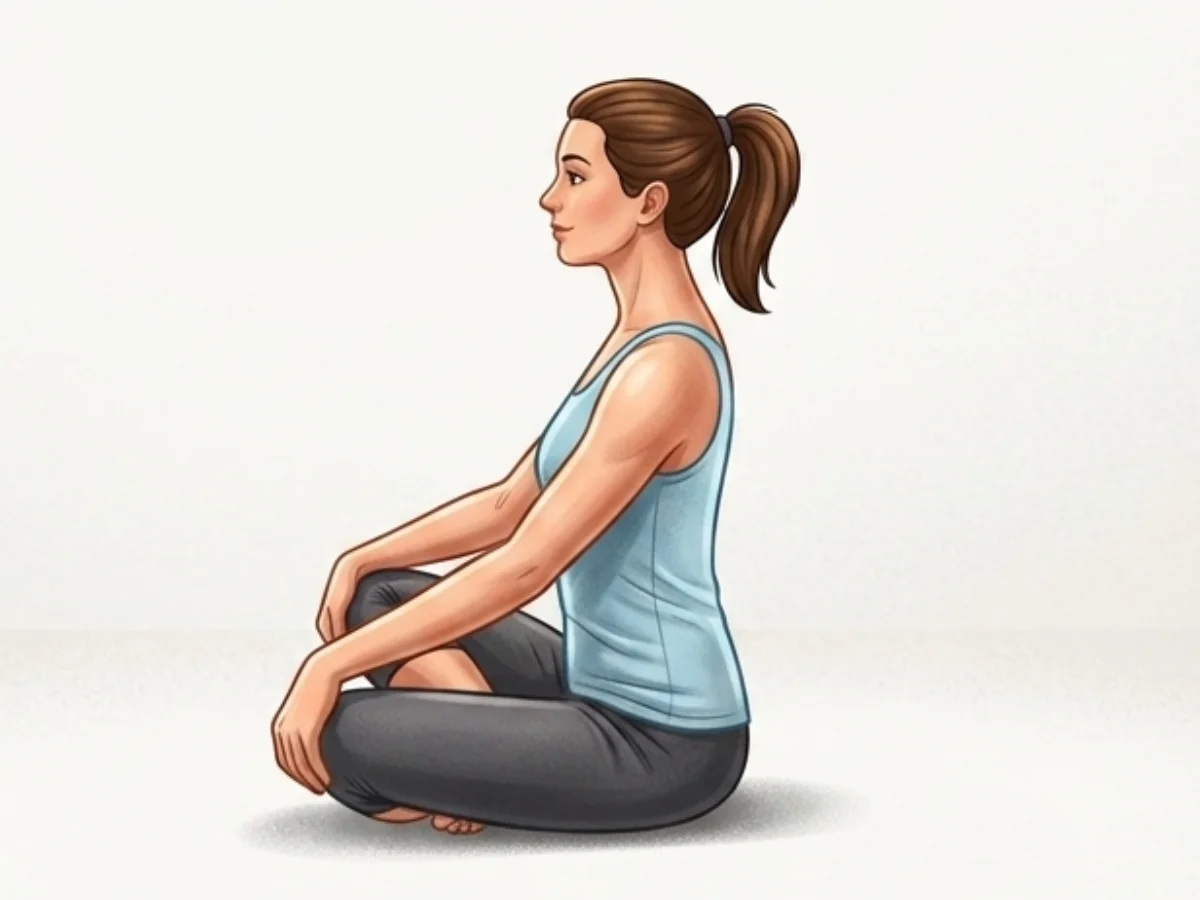
Easy Pose
SukhasanaA gentle cross-legged seat to begin opening the hips and settling the mind.
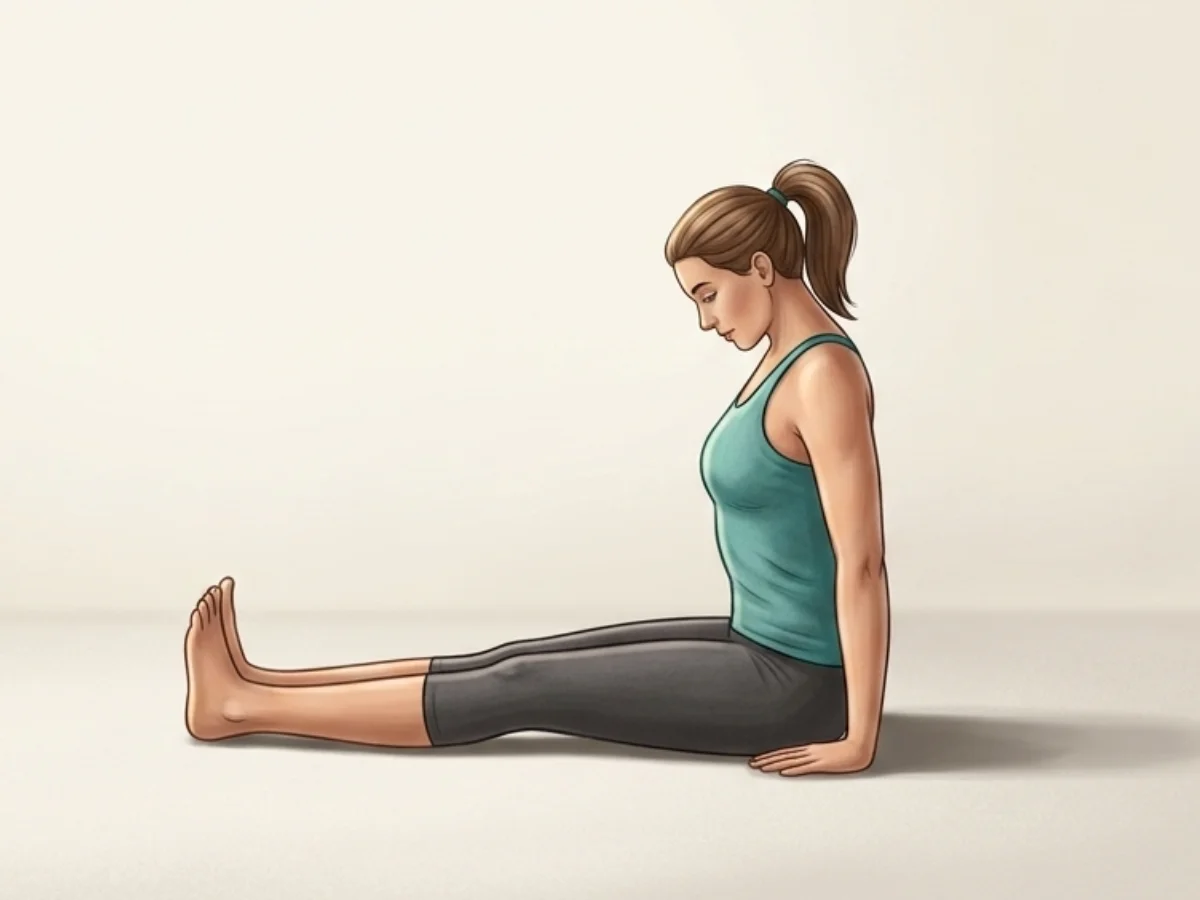
Staff Pose
DandasanaTeaches the foundational core engagement required for an upright seated posture.
Ankle Rotations
Goolf ChakraWarms up the lower leg joints before moving to the hips.
Follow with neutralizing Counter-poses
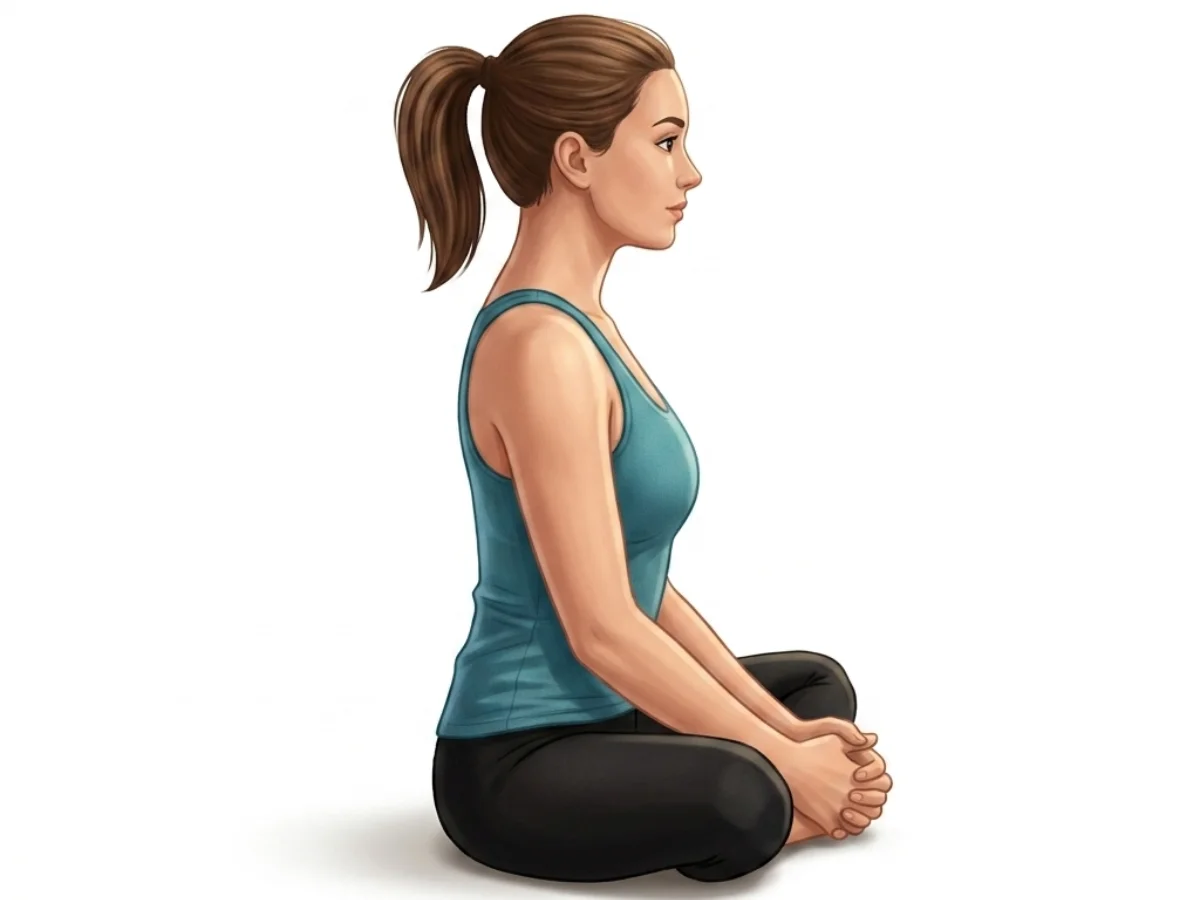
Bound Angle
Baddha KonasanaTransitions from dynamic movement to a deep, static hold in the same joint shape.
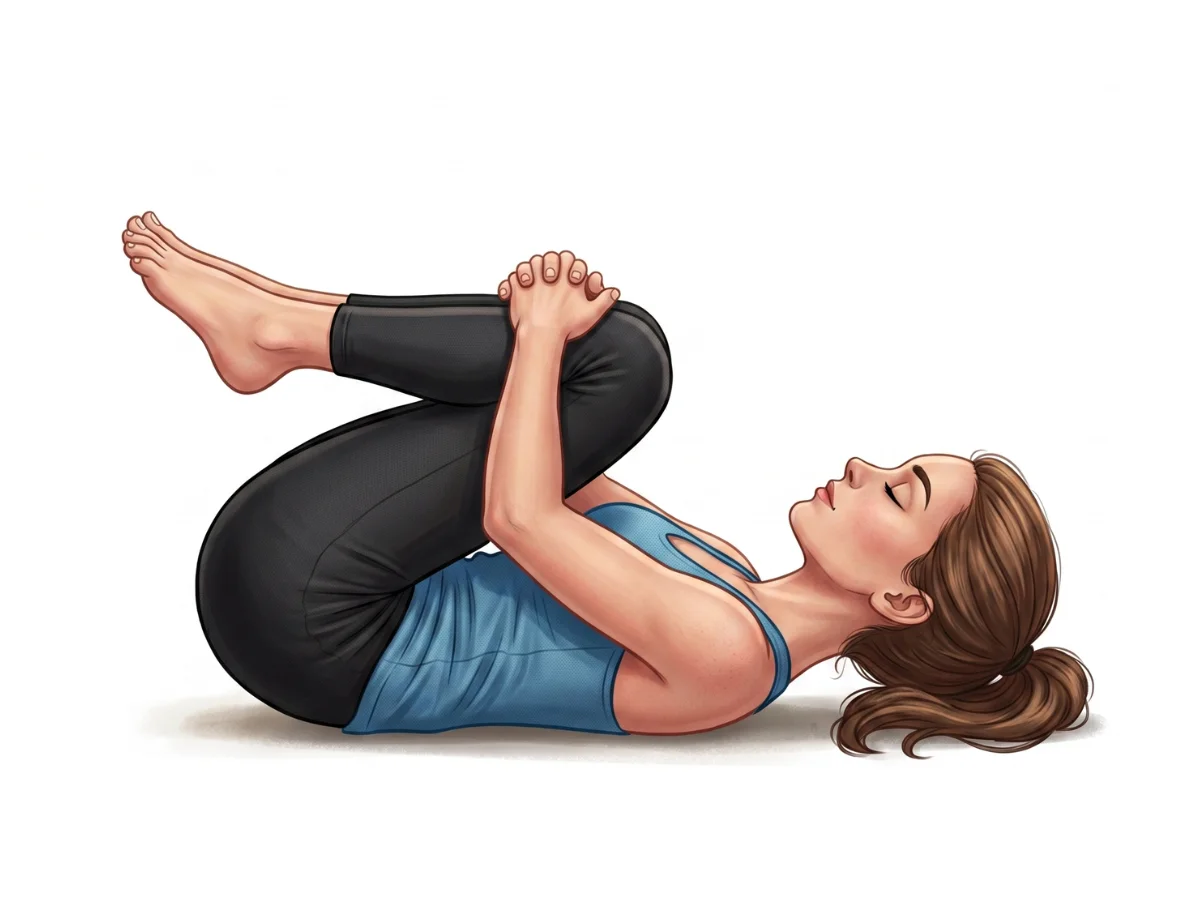
Wind-Relieving Pose
PawanmuktasanaReleases tension in the lower back and gently compresses the hips.
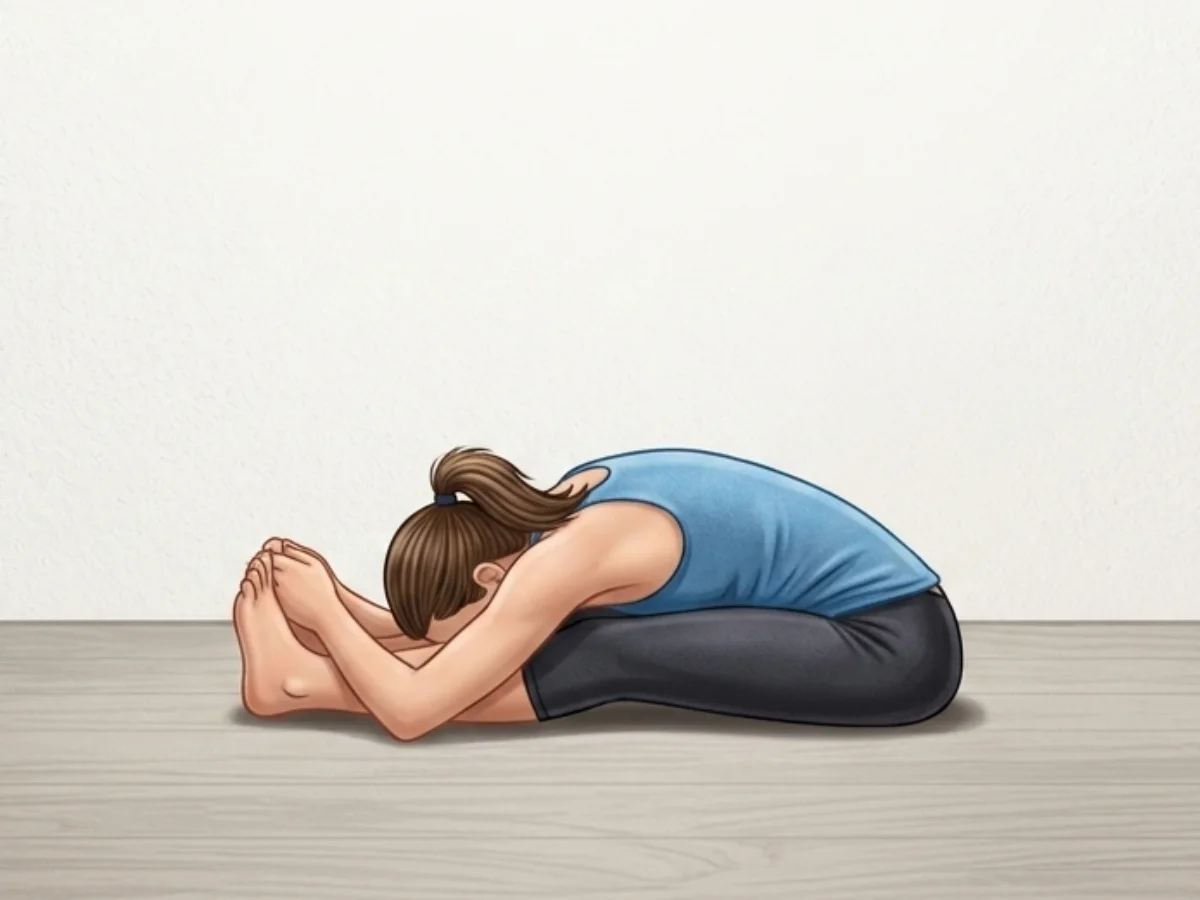
Seated Forward Bend
PaschimottanasanaStretches the back of the legs and counters the external hip rotation.
Frequently Asked Questions
What is the difference between Butterfly Pose and Bound Angle Pose?
The shape is identical, but the execution differs. Bound Angle Pose (Baddha Konasana) is a static, sustained stretch. Butterfly Pose (Titli Asana) is a dynamic movement (flapping the knees) used to warm up the joints and stimulate circulation.
How fast should I flap my knees?
The speed should be moderate and always controlled. Start slowly to gauge your joint mobility, and gradually increase the pace if it feels comfortable. It should never feel frantic or jerky.
My hips click when I do this. Is it dangerous?
Painless clicking or popping in the hips is usually just tendons moving over bone or gas bubbles releasing in the joint, which is harmless. However, if the clicking is accompanied by pain, stop the movement and consult a professional.
Can pregnant women do Butterfly Pose?
Yes, it is considered one of the best exercises during pregnancy to help open the pelvis, improve circulation, and relieve lower back tension. As always, consult your doctor before starting any prenatal exercise routine.
I feel a sharp pain in my knee. What should I do?
Stop immediately. Sharp pain indicates that the knee joint is being stressed. This often happens if the hips are tight, causing the rotation to transfer to the knee. Try sliding your feet further away from your body or practice a different hip stretch.
Elena Rostova is an accredited yoga educator and anatomy specialist with over 15 years of clinical experience. She focuses on functional biomechanics and injury prevention, translating complex anatomy into accessible guidance for safe, sustainable practice.
Read Full ProfileContinue Your Yoga Journey
Ready to deepen your practice? Explore our extensive library of poses, or join a structured program designed to build strength, flexibility, and mindfulness.