
Wind Removing
Pavanamuktasana
By Elena Rostova Updated: verified Medically Reviewed
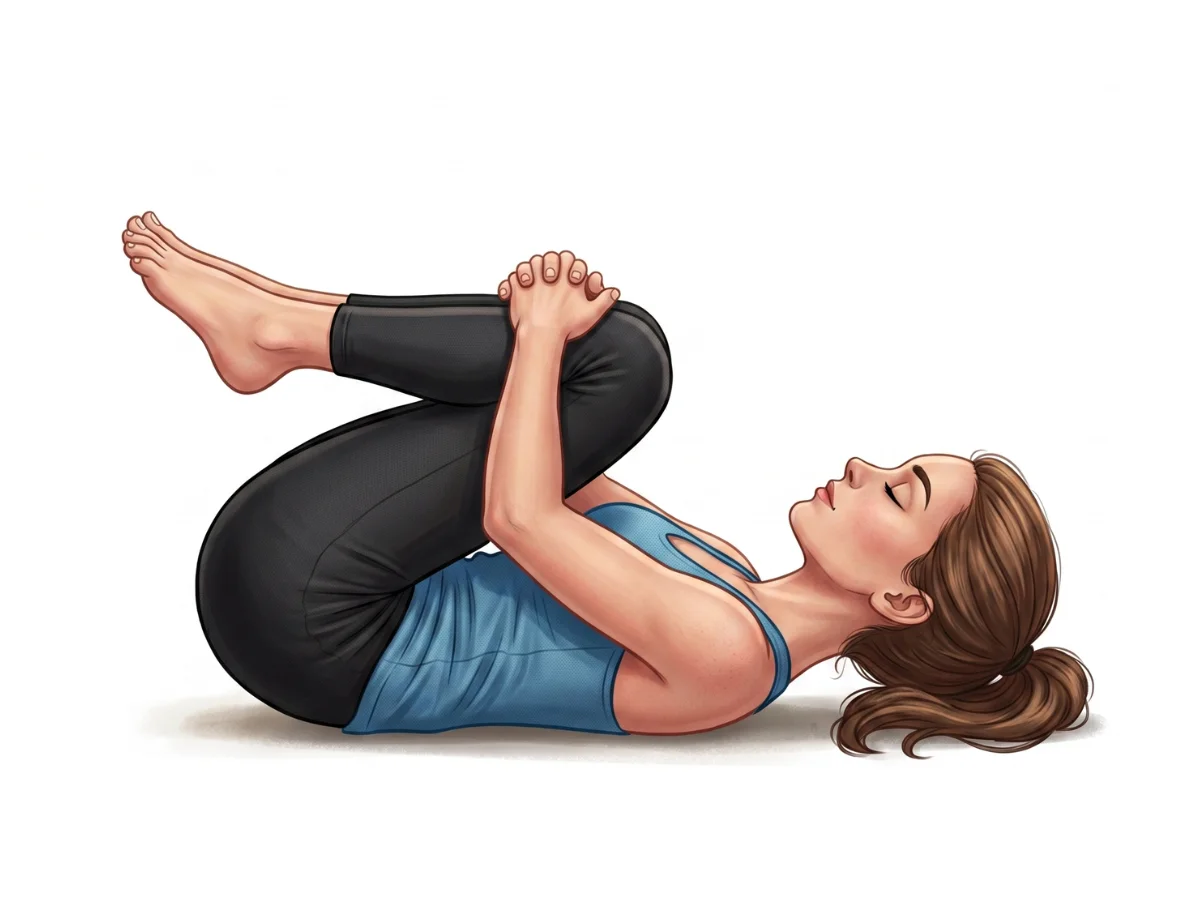
Wind Removing Pose (Pavanamuktasana) is a gentle, restorative supine posture that effectively massages the abdominal organs and releases tension in the lower back. By drawing the knees into the chest, this pose aids digestion, relieves bloating, and deeply stretches the lumbar spine.
Hold Time
1�3 min � 10�30 breaths
Pronunciation
pah-van-ah-mook-TAHS-anna
About Wind Removing
Commonly practiced as Wind Removing (Pavanamuktasana), this dynamic posture is beautifully designed to help unlock tension. It primarily targets the digestion & lower back release, helping to create length and strength exactly where you need it most. Ultimately, it is a fantastic pose for improves digestion, leaving you with a profound sense of grounded energy.
How to Practice
Supine Foundation
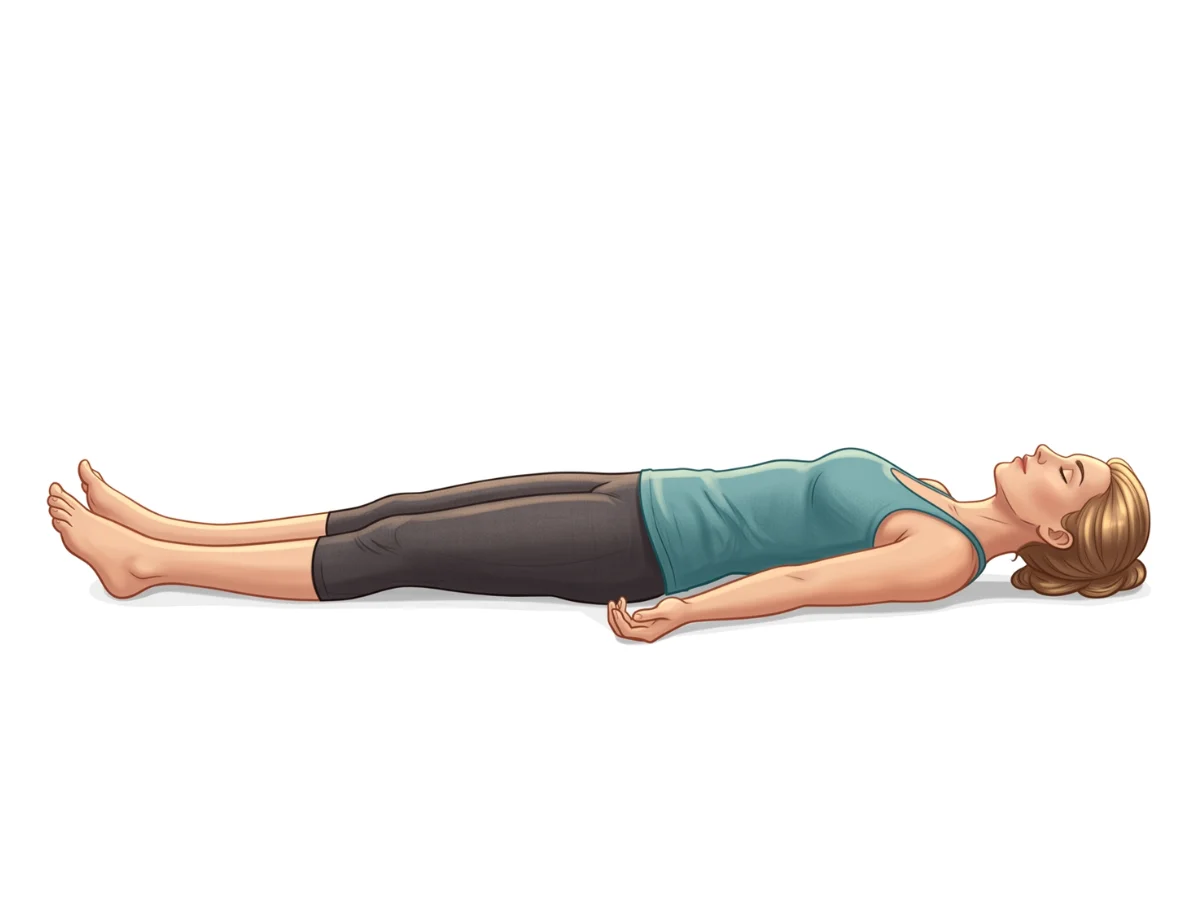
Begin by lying flat on your back in Corpse Pose (Savasana), legs fully extended and arms resting comfortably by your sides.
Draw Knees In
On an exhalation, bend both knees and draw your thighs up toward your chest, keeping your lower back grounded.
Clasp the Legs
Wrap your arms around your shins, clasping your hands, wrists, or opposite elbows depending on your flexibility.
Compress and Lengthen
Gently pull your knees closer to your chest on each exhale, compressing the abdomen, while lengthening your tailbone down toward the mat.
Shoulder Relaxation
Keep your shoulders soft and melting into the floor, avoiding any unnecessary tension in your neck or upper body.
Hold and Breathe
Maintain this soothing posture for 1 to 3 minutes, taking deep, expansive breaths into your belly against your thighs.
Release Safely
To exit the pose, inhale as you release your grip on your legs, slowly extending them back out along the floor.
Symmetrical Rest
Return to your starting position in Corpse Pose, allowing your spine and digestive organs a moment to fully relax and integrate the stretch.
Practice with the Yoga Timer
Keep track of your hold time and breath count for this pose.
Beginner Modifications & Prop Options
Yoga is a personal journey. These modifications and prop options allow you to adapt the pose to your current level of balance and flexibility, ensuring a safe and supportive practice.
Single Leg Variation
Draw only one knee into the chest at a time while keeping the opposite leg extended flat on the mat. Switch sides after several breaths.
Tip: Focus on alignment rather than depth.
Hands Behind Thighs
Instead of clasping over the shins, interlace your fingers behind your thighs (hamstrings). This prevents any compression of the knee joint.
Tip: Focus on alignment rather than depth.
Head Supported on Blanket
Place a folded blanket or thin cushion under your head to keep the cervical spine neutral and prevent the chin from jutting upward.
Tip: Focus on alignment rather than depth.
Benefits of Wind Removing
Improves Digestion
Directly massages the ascending, descending, and transverse colon, helping to stimulate peristalsis and relieve gas or bloating.
Releases Lower Back Tension
Deeply stretches the lumbar spine and erector spinae muscles, offering significant relief from mild lower back aches and stiffness.
Relaxes the Nervous System
The gentle compression and restorative nature of the pose trigger the parasympathetic nervous system, reducing stress and anxiety.
Stretches Hips and Glutes
Provides a mild, safe stretch for the gluteus maximus and hip joints, promoting better flexibility without straining the knees.
Massages Internal Organs
The pressure of the thighs against the abdomen increases blood flow to internal organs, supporting overall visceral health and detoxification.
Common Mistakes to Avoid
Mistake: Lifting the Tailbone off the Floor
How to fix: Actively press your sacrum and tailbone down into the mat to ensure the stretch stays in the lower back.
Mistake: Tensing the Shoulders and Neck
How to fix: Relax your shoulders down away from your ears and keep your shoulder blades flat on the floor.
Mistake: Holding the Breath
How to fix: Focus on deep diaphragmatic breathing; allow your belly to expand against your thighs on every inhale.
Safety and Precautions
Recent Abdominal Surgery
The deep compression can disrupt healing incisions or internal stitches.
Hernias
Increased intra-abdominal pressure can exacerbate umbilical or inguinal hernias.
Pregnancy
During the second and third trimesters, avoid deep abdominal compression. Modify by taking the knees wide toward the armpits.
Severe Spine Injuries
Those with acute disc issues should avoid aggressive rounding of the lumbar spine.
Medical Disclaimer: If you have any of the above conditions, consult your doctor or a qualified yoga instructor before attempting this pose.
Muscles Worked in Wind Removing
Wind Removing demands synchronized muscular effort, creating a profound sense of engagement and release throughout the body. The activation of the primary muscles supports the structure, while the secondary muscles provide stability and balance.
Primary Muscles
Erector Spinae
Passively lengthens to release tension in the lower and middle back.
Gluteus Maximus
Stretches as the hips move into deep flexion.
Secondary Muscles
Biceps Brachii
Engages mildly to hold the legs firmly against the chest.
Transversus Abdominis
Experiences compression, stimulating internal organ massage.
Poses to Practice Before and After Wind Removing
Prepare with these Poses
Corpse Pose
SavasanaEstablishes a neutral, grounded spine and prepares the mind for practice.
Happy Baby Pose
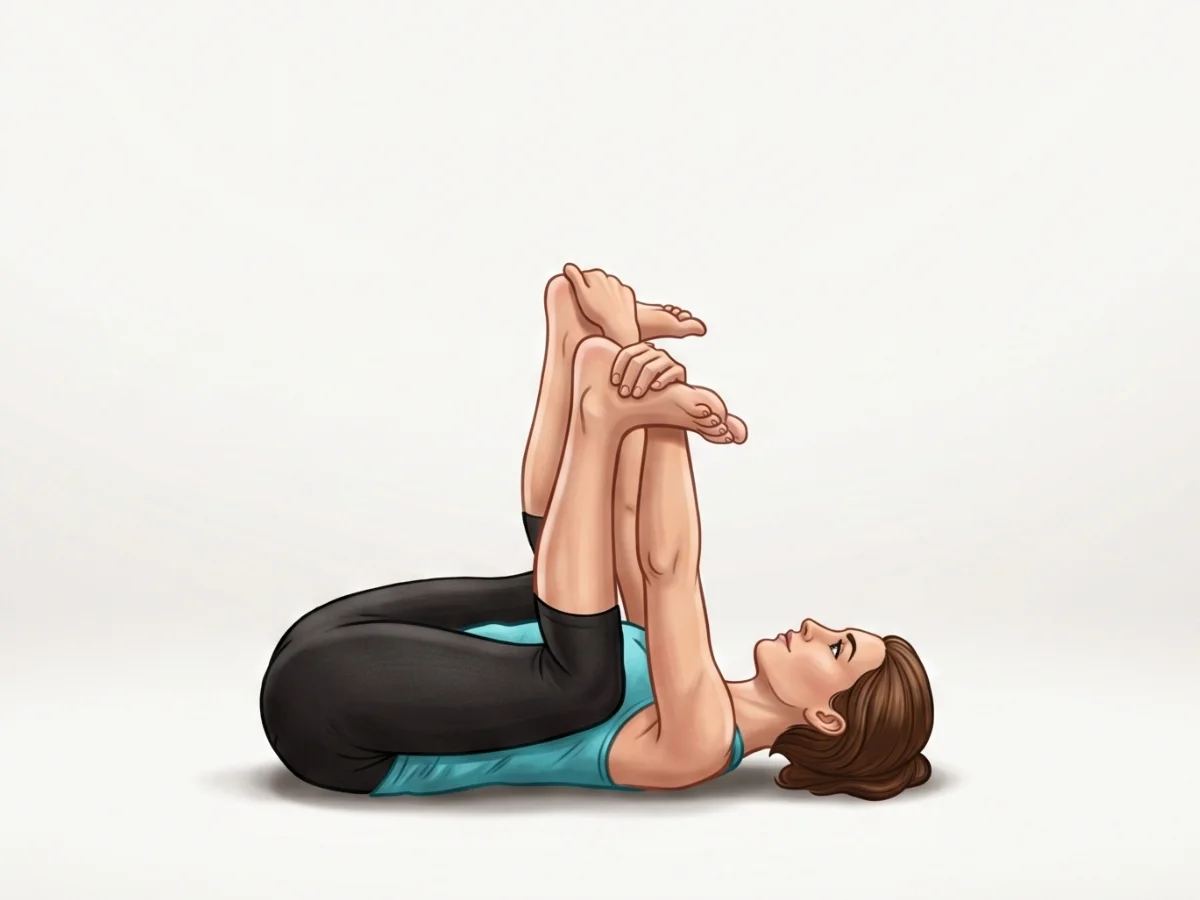
Ananda BalasanaGently opens the hips and stretches the groin in a supine position.
Bridge Pose
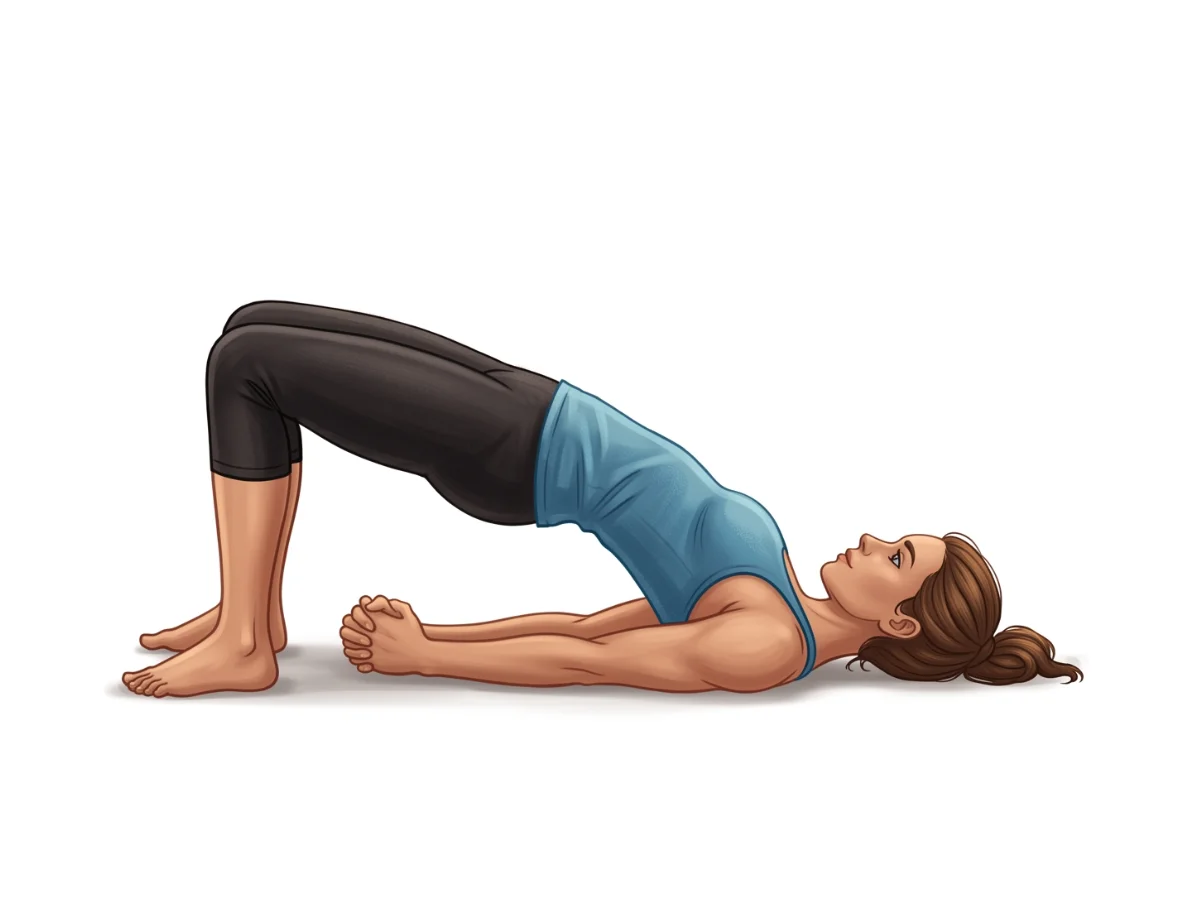
Setu BandhasanaActivates the back body and glutes, making the counter-stretch more effective.
Follow with neutralizing Counter-poses
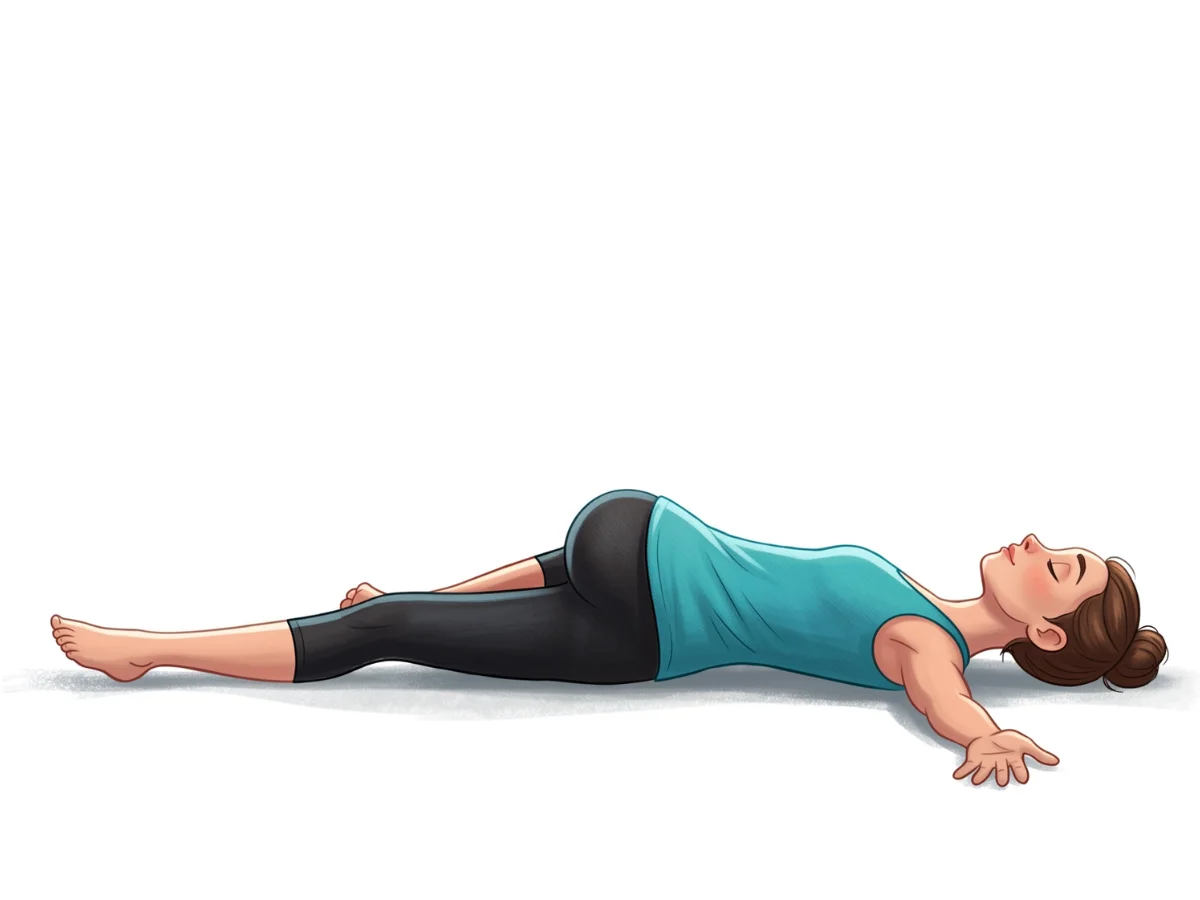
Supine Spinal Twist
Supta MatsyendrasanaNeutralizes the spine and continues to stimulate digestion through rotation.
Corpse Pose
SavasanaAllows the body to integrate the profound release in the lower back.
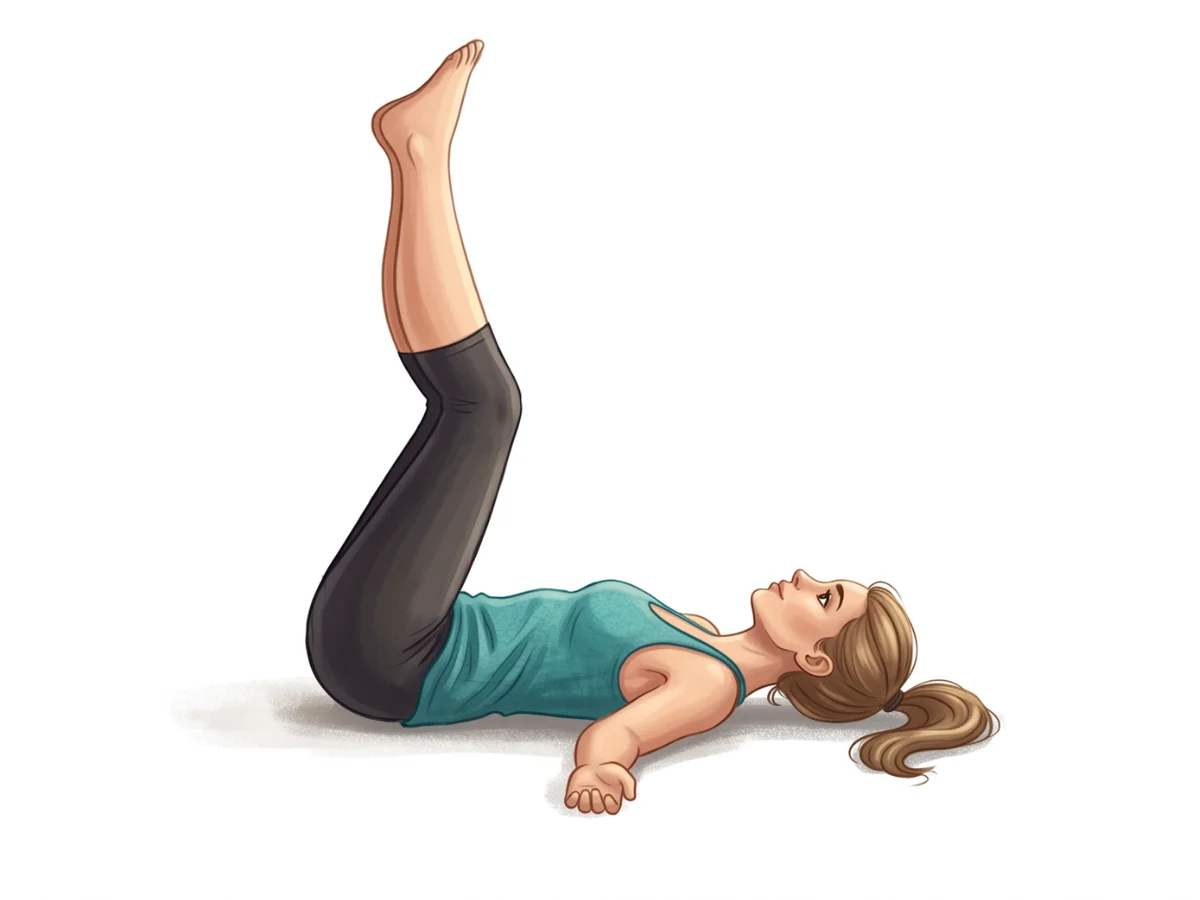
Waterfall
Viparita KaraniProvides a gentle inversion that rests the heart and calms the nervous system.
Frequently Asked Questions
How hard should I pull my knees in?
Pull them in until you feel a comfortable stretch in your lower back and gentle pressure on your abdomen. It should never cause pinching or pain in the hip crease.
Can I practice Wind Removing Pose if I have a lower back injury?
Often yes, as it provides a gentle, supportive stretch for the lumbar spine. However, avoid pulling too aggressively and consult a physical therapist if you have acute disc issues.
Why is it called Wind Removing Pose?
The pose is famous for directly massaging the ascending and descending colon, which stimulates peristalsis and effectively helps release trapped digestive gas.

Elena Rostova is an accredited yoga educator and anatomy specialist with over 15 years of clinical experience. She focuses on functional biomechanics and injury prevention, translating complex anatomy into accessible guidance for safe, sustainable practice.
Read Full ProfileContinue Your Yoga Journey
Ready to deepen your practice? Explore our extensive library of poses, or join a structured program designed to build strength, flexibility, and mindfulness.