
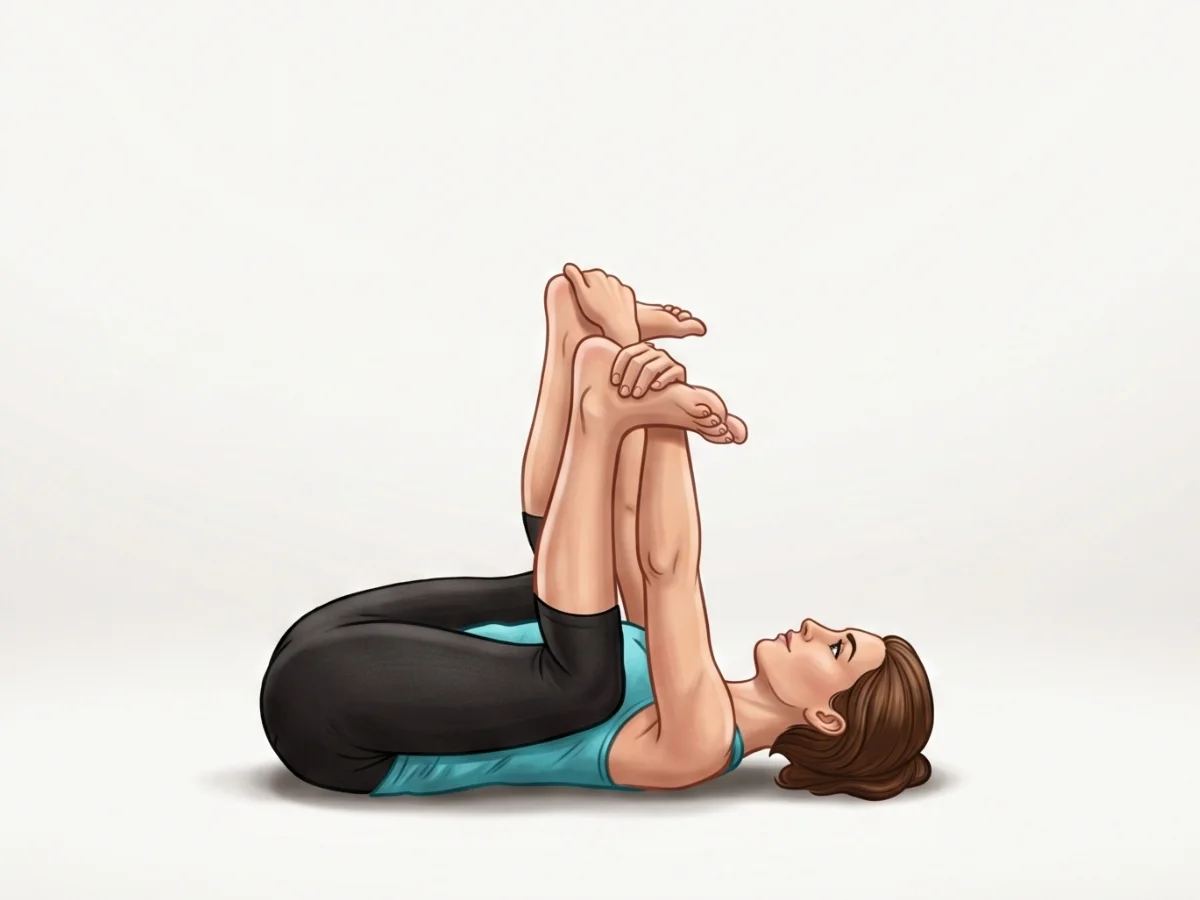
Happy Baby
Ananda Balasana
By Elena Rostova Updated: verified Medically Reviewed
Happy Baby Pose (Ananda Balasana) is a gentle and playful supine hip opener that deeply stretches the inner thighs, groins, and hamstrings while relieving tension in the lower back. Often practiced toward the end of a yoga sequence, this calming posture naturally unwinds the spine and soothes the nervous system.
Hold Time
60�120 sec � 10�15 breaths
Pronunciation
ah-NAHN-dah bah-LAHS-anna
About Happy Baby
Commonly practiced as Happy Baby (Ananda Balasana), this dynamic posture is beautifully designed to help unlock tension. By gently focusing on hip opening & lower back release, it actively stretches your muscles and builds heat. Consistent practice will actively assist in deeply opens the hips, helping you feel lighter and more balanced off the mat.
How to Practice
Starting Position
Lie flat on your back on a comfortable yoga mat in a neutral, relaxed position with your legs extended.
Draw Knees In
Exhale deeply and draw your knees into your chest, wrapping your arms lightly around your shins for a moment to stretch the lower back.
Open the Hips
Inhale and widen your knees apart, bringing them slightly wider than your torso and up toward your armpits.
Grip the Feet
Reach your arms between your legs and grab the outer edges of your feet with your hands. If you cannot reach your feet, hold your ankles or shins.
Align Ankles and Knees
Position your ankles directly over your knees, so your shins are perpendicular to the floor. Flex your feet softly.
Gentle Downward Pull
Gently pull your feet downwards with your hands, encouraging your knees closer to the floor, while simultaneously pushing your feet up into your hands to create mild resistance.
Ground the Sacrum
Actively press your tailbone and sacrum down toward the mat, keeping your entire spine elongated and flat on the floor.
Hold and Breathe
Hold the pose for 10 to 15 deep breaths. You can gently rock from side to side to massage the lower back and sacrum area if it feels comfortable.
Release Safely
To exit the pose, exhale as you release your grip on your feet. Bring your knees back to your chest, then slowly extend your legs out to return to a neutral supine posture.
Practice with the Yoga Timer
Keep track of your hold time and breath count for this pose.
Beginner Modifications & Prop Options
Yoga is a personal journey. These modifications and prop options allow you to adapt the pose to your current level of balance and flexibility, ensuring a safe and supportive practice.
Using a Strap
Loop a yoga strap over the arches of your feet and hold one end of the strap in each hand. This allows you to keep your head and shoulders relaxed on the mat without straining.
Tip: Focus on alignment rather than depth.
Holding the Shins
Instead of reaching for the feet, simply grasp the backs of your thighs or your shins. Focus on widening the knees and keeping the sacrum grounded.
Tip: Focus on alignment rather than depth.
Half Happy Baby
Keep one leg extended straight on the mat or bend one knee with the foot flat on the floor, while bringing the other leg into the Happy Baby position. Switch sides after several breaths.
Tip: Focus on alignment rather than depth.
Benefits of Happy Baby
Deeply Opens the Hips
Effectively stretches the adductors, inner groins, and hip flexors, promoting greater mobility in the pelvic region.
Relieves Lower Back Tension
Decompresses the lumbar spine and stretches the lower back muscles, making it excellent for alleviating mild back pain and stiffness.
Stretches the Hamstrings
By extending the feet upward while pulling the knees down, the pose provides a moderate, sustained stretch to the hamstrings.
Calms the Nervous System
The grounding nature of lying on the back combined with deep, slow breathing helps to reduce stress, lower the heart rate, and relieve anxiety.
Massages the Digestive Organs
The pressure of the thighs against the sides of the abdomen gently stimulates the internal organs, which can aid in digestion.
Common Mistakes to Avoid
Mistake: Lifting the Tailbone
How to fix: Avoid letting your lower back and tailbone curl up off the mat. Actively press your sacrum downward to maintain a long, neutral spine.
Mistake: Tensing the Shoulders and Neck
How to fix: Keep your shoulder blades pressed into the mat and your neck long. If you have to strain your upper body to reach your feet, use a strap or hold your ankles instead.
Mistake: Incorrect Ankle Alignment
How to fix: Ensure your shins are vertical, with your ankles stacked directly over your knees, rather than letting the feet drop toward your glutes.
Safety and Precautions
Knee Injuries
Deep flexion combined with the pulling action can aggravate meniscus tears or ligament issues in the knees.
Late-Stage Pregnancy
Lying flat on the back for extended periods can compress the vena cava. Pregnant practitioners should limit their time in this pose or use modifications.
Severe Hip Injuries
The deep external rotation and abduction can exacerbate issues like labral tears or severe hip arthritis.
Recent Abdominal Surgery
The pressure on the abdomen can be uncomfortable or unsafe during the healing process.
Neck Issues
If your chin points toward the ceiling and the back of your neck is shortened, place a blanket under your head to maintain natural alignment.
Medical Disclaimer: If you have any of the above conditions, consult your doctor or a qualified yoga instructor before attempting this pose.
Muscles Worked in Happy Baby
Happy Baby demands synchronized muscular effort, creating a profound sense of engagement and release throughout the body. The activation of the primary muscles supports the structure, while the secondary muscles provide stability and balance.
Primary Muscles
Adductors (Inner Thighs)
Stretch deeply as the knees are drawn apart and downward.
Hamstrings
Elongate as the shins are held perpendicular to the floor.
Gluteus Maximus
Stretches as the hips flex deeply into the posture.
Secondary Muscles
Erector Spinae
Gently stretches as the back broadens against the floor.
Biceps and Forearms
Engage slightly to pull the feet downward against resistance.
Psoas Major
Relaxes and gently stretches in the supine position.
Poses to Practice Before and After Happy Baby
Prepare with these Poses
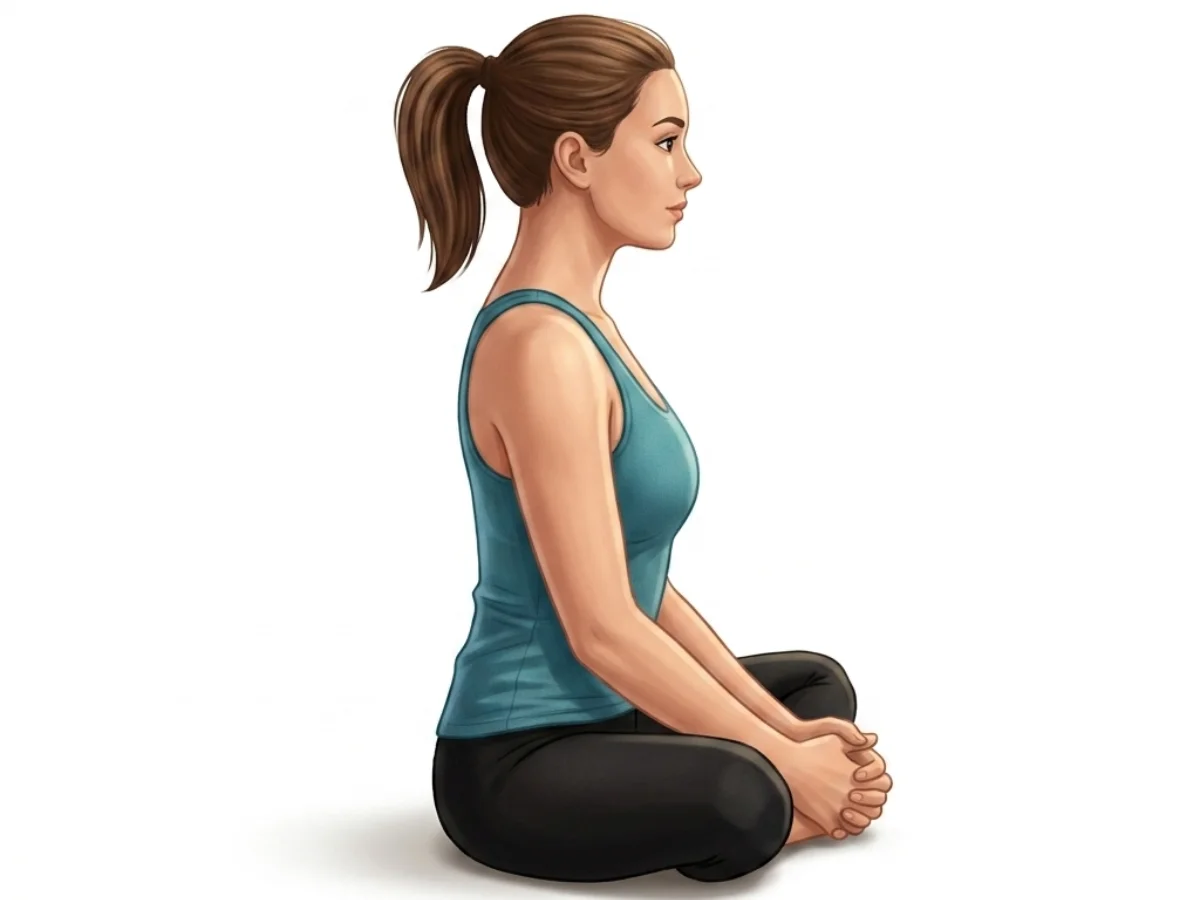
Bound Angle
Baddha KonasanaBegins the process of opening the inner groins and hips in a seated position.
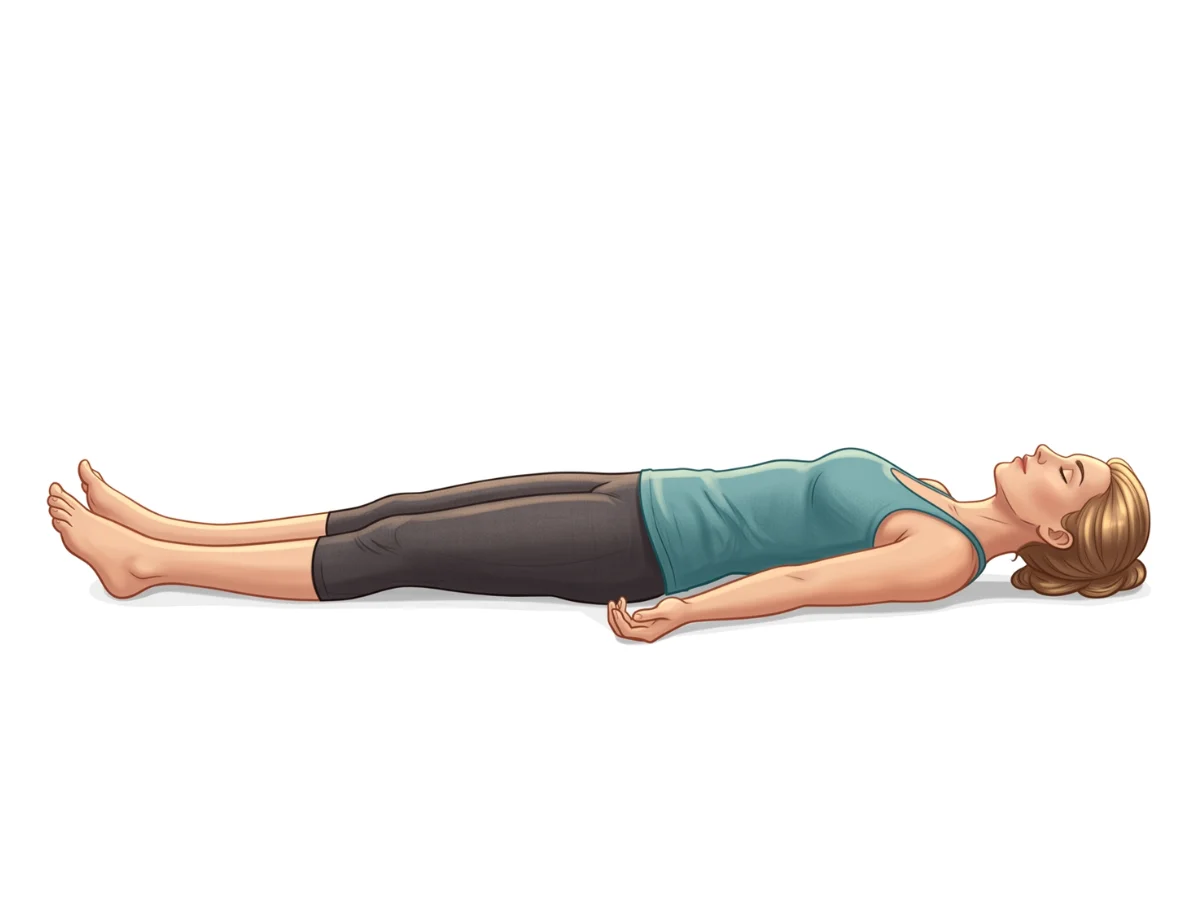
Corpse Pose
SavasanaProvides the foundational supine alignment and breath awareness.
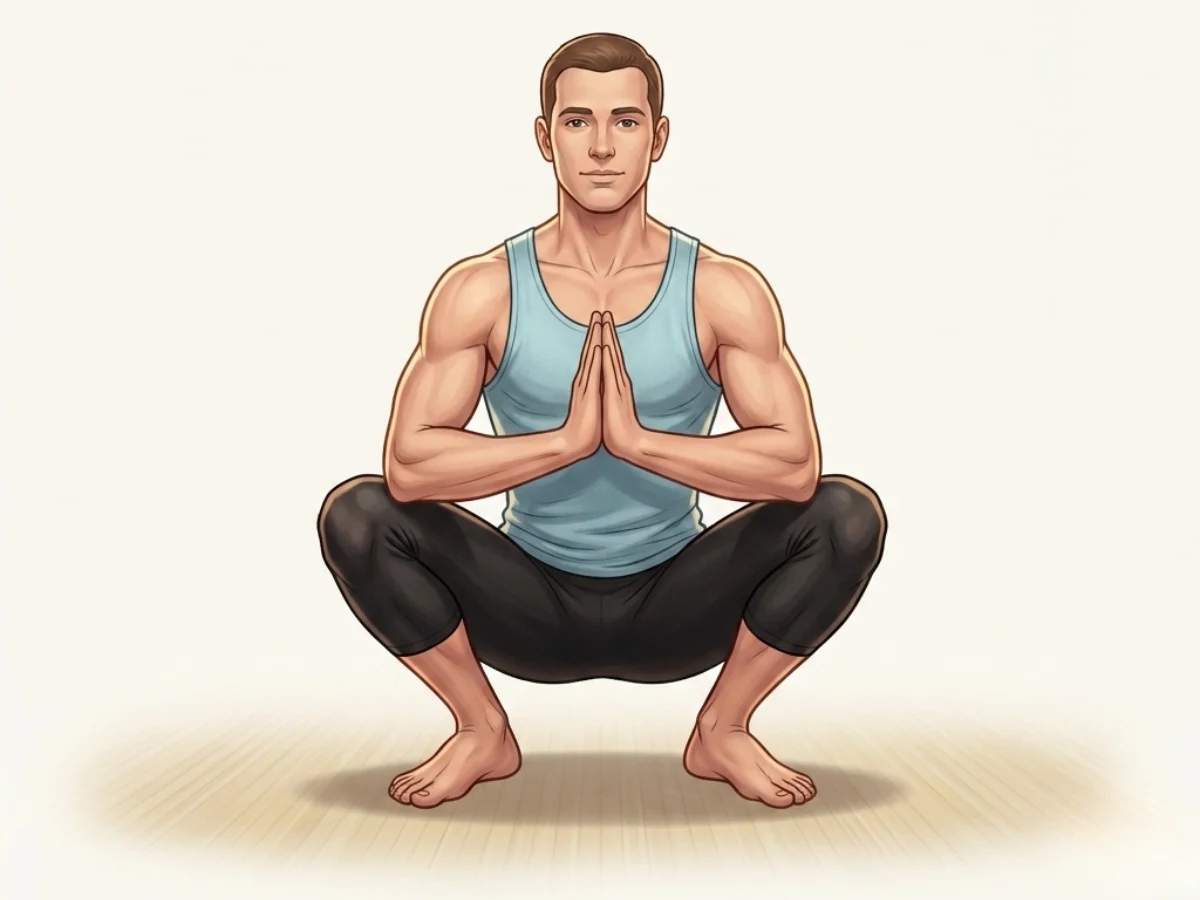
Garland Pose
MalasanaA deep squat that mirrors the shape of Happy Baby but in a weight-bearing orientation.
Follow with neutralizing Counter-poses
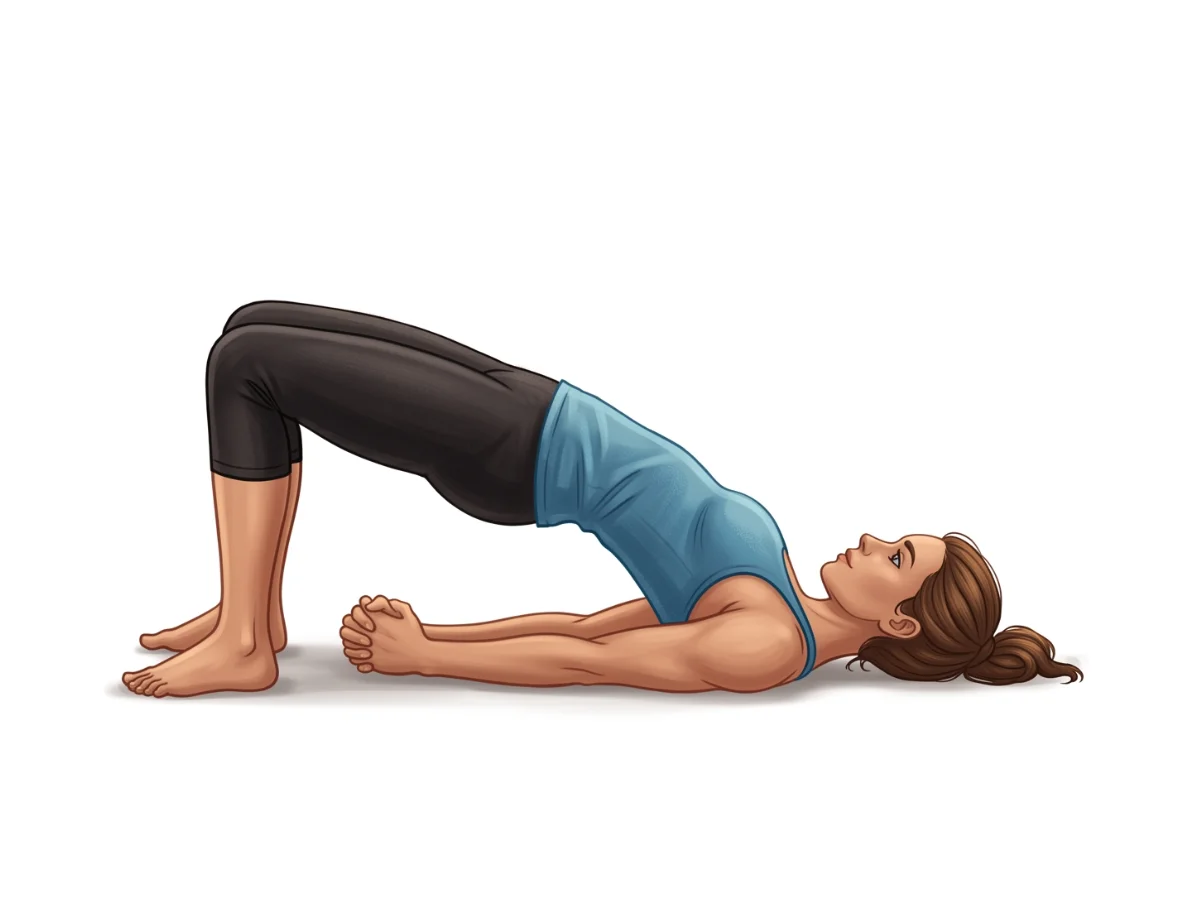
Bridge Pose
Setu BandhasanaExtends the hips and neutralizes the deep flexion experienced in Happy Baby.
Corpse Pose
SavasanaThe ultimate resting pose to fully relax the body after deep stretching.
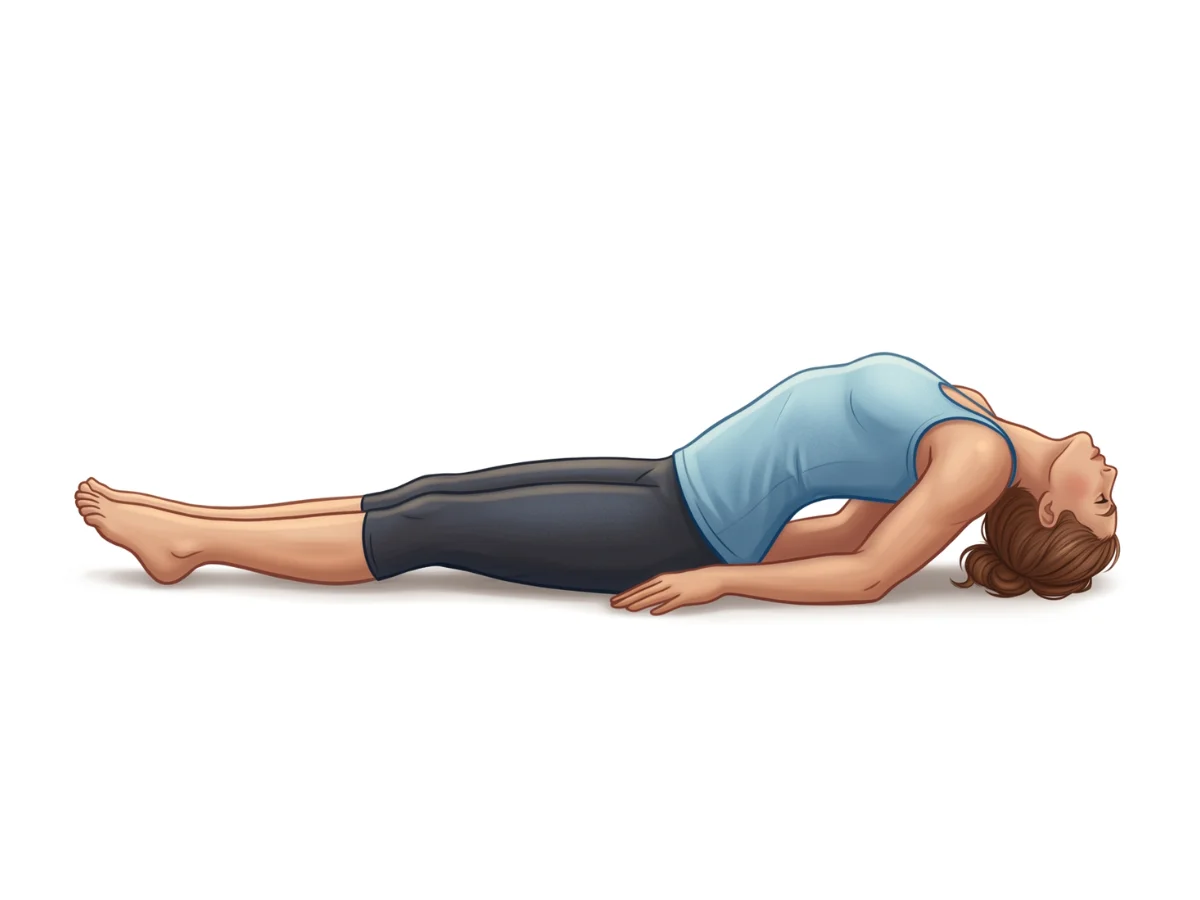
Fish Pose
MatsyasanaA gentle counter-pose that opens the front body and chest.
Frequently Asked Questions
Why is my lower back lifting off the floor?
This often happens due to tight hips or hamstrings. When you reach for your feet, your body compensates by lifting the tailbone. To fix this, hold your ankles or shins instead of your feet, and actively press your sacrum downward.
Should I rock side to side in this pose?
Rocking gently from side to side is completely optional but highly recommended. It provides a soothing massage to the kidneys, lower back, and sacrum.
Can beginners do Happy Baby Pose?
Yes, it is an excellent pose for beginners. It safely opens the hips without placing weight on the joints. If reaching the feet is difficult, utilizing a strap or holding the thighs makes it accessible for everyone.
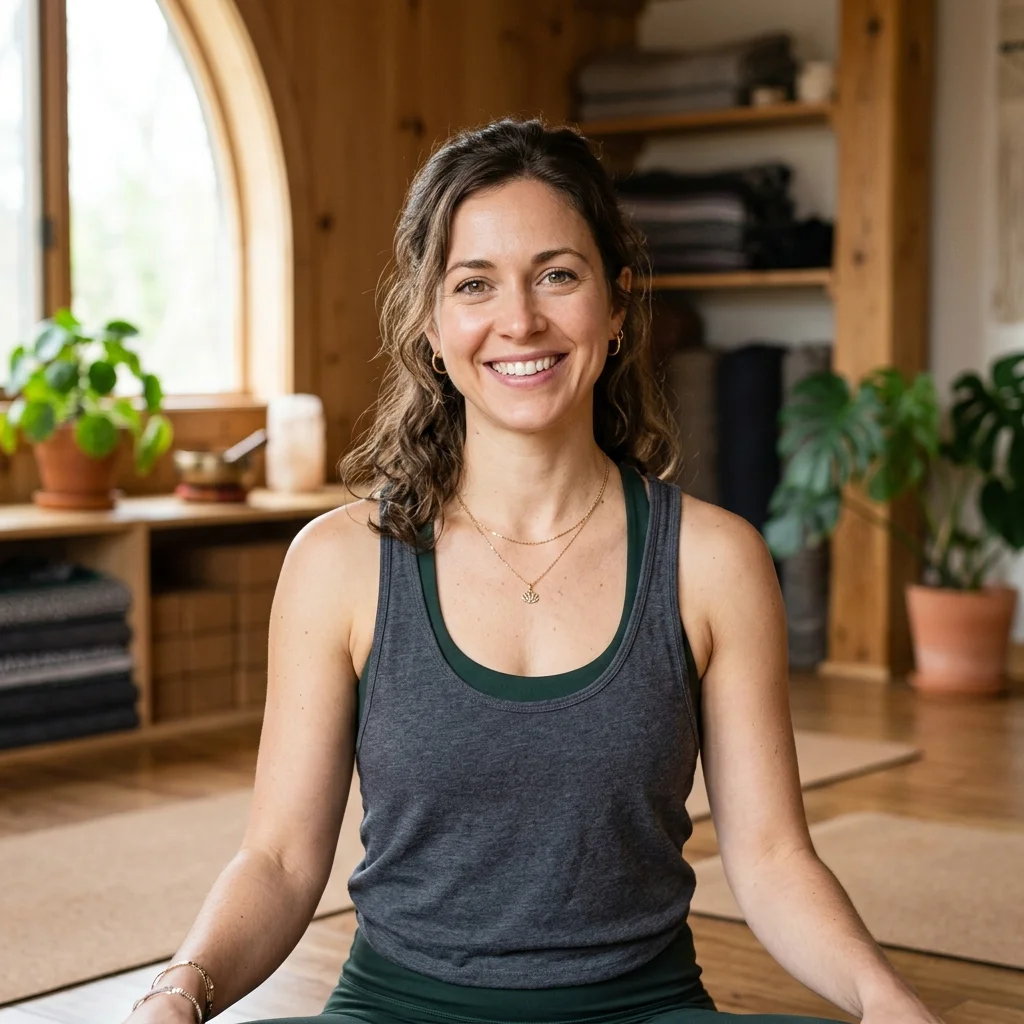
Elena Rostova is an accredited yoga educator and anatomy specialist with over 15 years of clinical experience. She focuses on functional biomechanics and injury prevention, translating complex anatomy into accessible guidance for safe, sustainable practice.
Read Full ProfileContinue Your Yoga Journey
Ready to deepen your practice? Explore our extensive library of poses, or join a structured program designed to build strength, flexibility, and mindfulness.