
Bridge Pose
Setu Bandhasana
By Elena Rostova Updated: verified Medically Reviewed
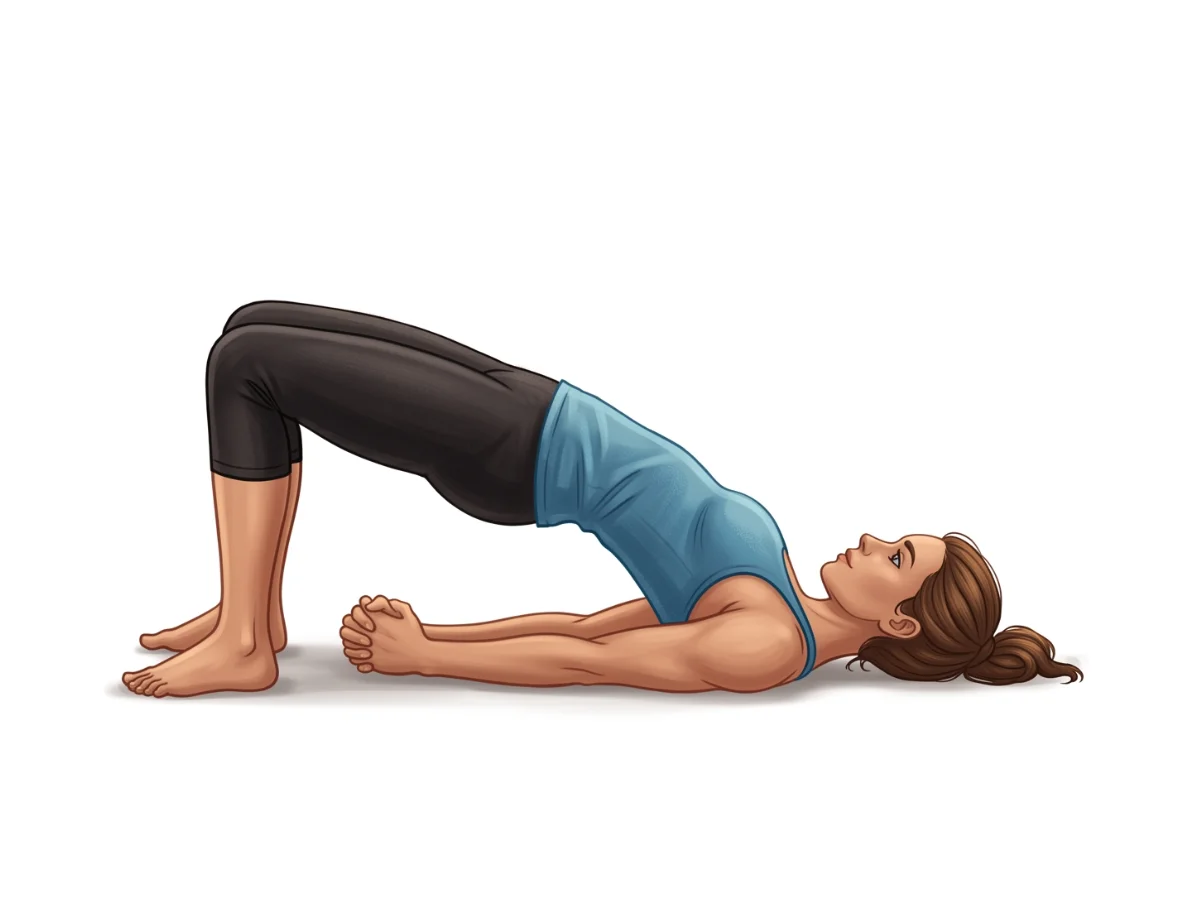
Bridge Pose (Setu Bandhasana) is a gentle but powerful supine backbend that opens the chest, stretches the hip flexors, and builds significant strength in the glutes and lower back. By actively pressing the feet into the floor and lifting the pelvis, you create a supportive "bridge" that energizes the body and prepares the spine for deeper backbends.
Hold Time
30–60 sec · 5–10 breaths
Pronunciation
SET-too BAHN-dah-sah-nah
About Bridge Pose
A vital part of many yoga sequences, Bridge (Setu Bandhasana) offers wonderful benefits that go beyond its simple shape. This posture specifically engages the back strength & chest opener, making it highly effective for developing both strength and mobility. Over time, adding this to your routine is a great way to support strengthens glutes & hamstrings while calming the mind.
How to Practice
Supine Foundation
Lie on your back with your knees bent and feet flat on the floor, hip-width apart. Rest your arms alongside your body with your palms facing down.
Align the Heels
Walk your heels close to your sitting bones so that your fingertips can just barely brush the backs of your heels.
Press and Lift
Inhale deeply as you press firmly into all four corners of both feet and your arms, lifting your hips and pelvis smoothly toward the ceiling.
Engage Glutes
Keep your glutes firm but not rigidly clenched. Engage your inner thighs slightly to prevent your knees from splaying outward.
Tuck the Shoulders
Roll your shoulders underneath you one at a time. If accessible, interlace your fingers beneath your pelvis and press your forearms into the mat to lift the chest higher.
Lengthen the Neck
Keep your neck neutral and gaze straight up toward the ceiling. Avoid turning your head side to side to protect your cervical spine.
Expand the Chest
Broaden across your collarbones and lift your sternum toward your chin (rather than dropping your chin toward your sternum).
Hold and Breathe
Maintain the pose for 5 to 10 deep breaths, expanding the ribcage fully with each inhalation and maintaining the pelvic lift on the exhalations.
Release the Hands
To exit, carefully unclasp your hands and roll your shoulders out from underneath you, returning your arms to your sides.
Lower the Spine
Exhale as you slowly roll your spine down to the mat, one vertebra at a time, letting your pelvis be the last part to touch the floor.
Practice with the Yoga Timer
Keep track of your hold time and breath count for this pose.
Beginner Modifications & Prop Options
Yoga is a personal journey. These modifications and prop options allow you to adapt the pose to your current level of balance and flexibility, ensuring a safe and supportive practice.
Supported Bridge
Place a yoga block beneath your sacrum (the flat bone at the base of your spine) and allow your weight to rest fully on the block instead of holding the hips up actively.
Tip: Focus on alignment rather than depth.
Block Between Thighs
Squeeze a yoga block lightly between your thighs. This engages the adductor muscles and helps keep the knees properly aligned over the ankles.
Tip: Focus on alignment rather than depth.
Hands Unclasped
If interlacing the fingers is uncomfortable, keep your arms alongside your body, palms pressing down into the mat, or hold the outer edges of your yoga mat and pull outward.
Tip: Focus on alignment rather than depth.
Benefits of Bridge Pose
Strengthens Glutes & Hamstrings
Actively recruits the gluteus maximus and hamstrings to keep the pelvis elevated against gravity.
Opens Chest & Shoulders
Stretches the pectoralis muscles and anterior deltoids, counteracting the effects of slouching over a desk.
Stretches Hip Flexors
Lengthens the psoas and quadriceps, which often become short and tight from prolonged sitting.
Stimulates Thyroid
The gentle compression in the neck and throat area is believed to stimulate the thyroid gland and improve metabolism.
Calms the Mind
While it is an active pose, it is also highly grounding, helping to alleviate stress, mild depression, and anxiety.
Common Mistakes to Avoid
Mistake: Turning the Head
How to fix: Never turn your head left or right while in Bridge Pose. Keep your gaze fixed on the ceiling to protect your neck vertebrae from injury under load.
Mistake: Knees Splaying Wide
How to fix: Keep your knees tracking directly over your ankles. Engage your inner thighs to prevent them from dropping outward, which can strain the lower back.
Mistake: Clenching the Glutes
How to fix: While the glutes should be engaged to lift the hips, gripping them too tightly can cause the lower back to overarch and compress. Find a firm but balanced engagement.
Safety and Precautions
Neck Injuries
Anyone with recent whiplash, cervical disc herniation, or acute neck pain should avoid this pose or practice with extreme caution under guidance.
Knee Pain
Severe knee issues may be aggravated by the deep flexion required to set up the pose. Move the feet slightly further away to reduce the angle.
Late-Stage Pregnancy
Lying flat on the back can compress the vena cava. Pregnant practitioners should avoid deep supine poses and opt for side-lying stretches.
Medical Disclaimer: If you have any of the above conditions, consult your doctor or a qualified yoga instructor before attempting this pose.
Muscles Worked in Bridge Pose
Bridge Pose demands synchronized muscular effort, creating a profound sense of engagement and release throughout the body. The activation of the primary muscles supports the structure, while the secondary muscles provide stability and balance.
Primary Muscles
Gluteus Maximus
Powers the extension of the hips to lift the pelvis.
Hamstrings
Work synergistically with the glutes to hold the hips up.
Erector Spinae
Engages to support the backbend along the length of the spine.
Secondary Muscles
Pectoralis Major
Passively stretches as the shoulders roll under and the chest lifts.
Hip Flexors (Psoas)
Passively stretch across the front of the pelvis.
Adductors (Inner Thighs)
Engage lightly to keep the knees tracking parallel.
Poses to Practice Before and After Bridge Pose
Prepare with these Poses
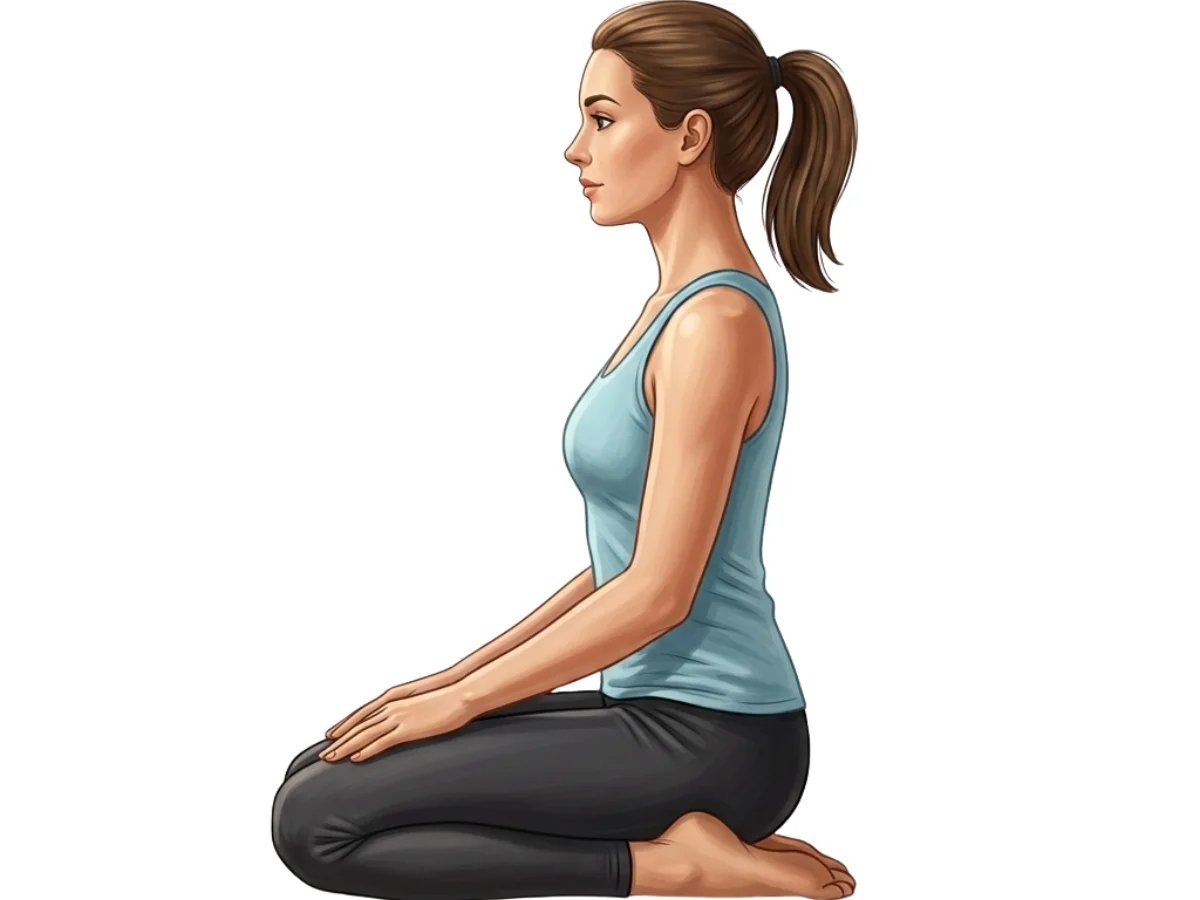
Hero Pose
VirasanaStretches the quadriceps and tops of the feet, preparing the front body for backbending.
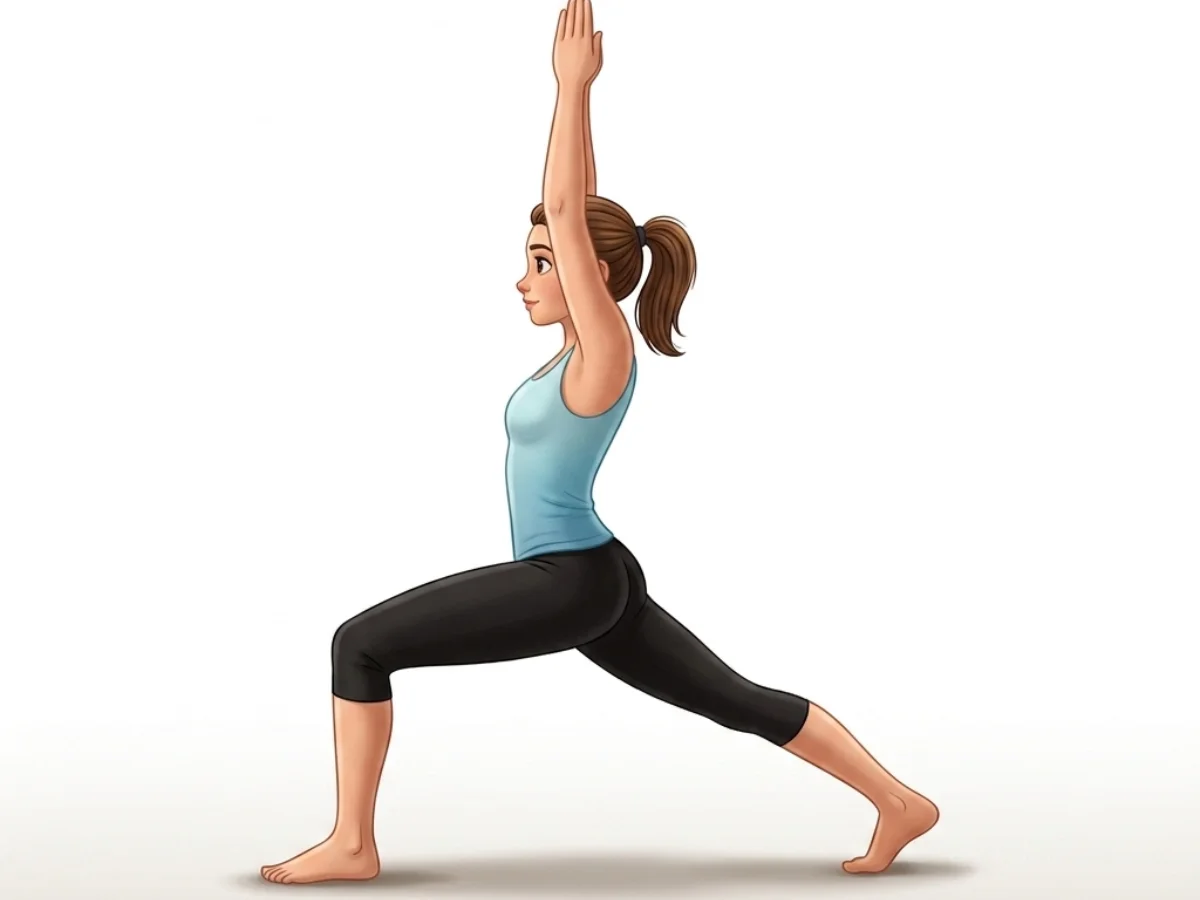
Crescent Lunge
Ashta ChandrasanaDeeply opens the hip flexors and psoas, reducing resistance in the pelvic lift.
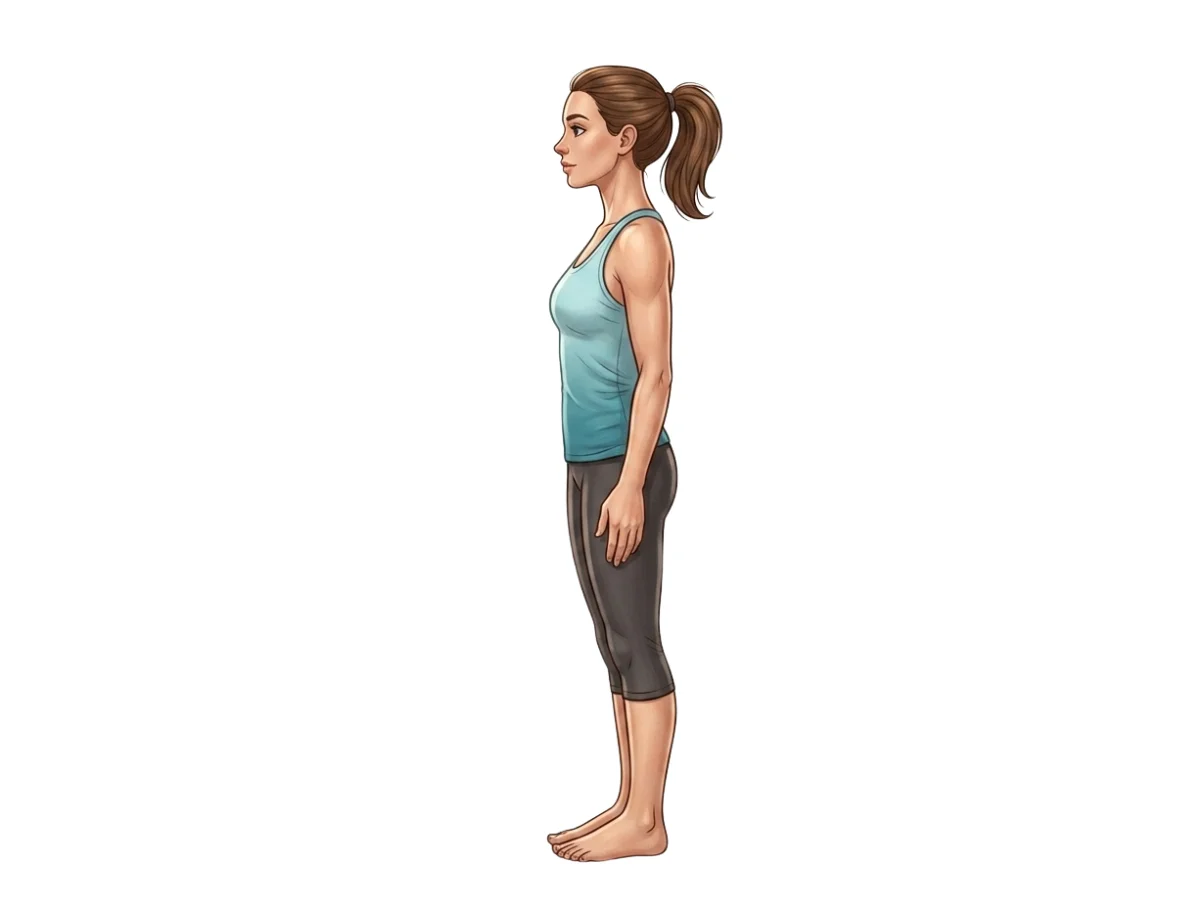
Mountain Pose
TadasanaEstablishes the grounding and foundational alignment needed for the feet and legs.
Follow with neutralizing Counter-poses
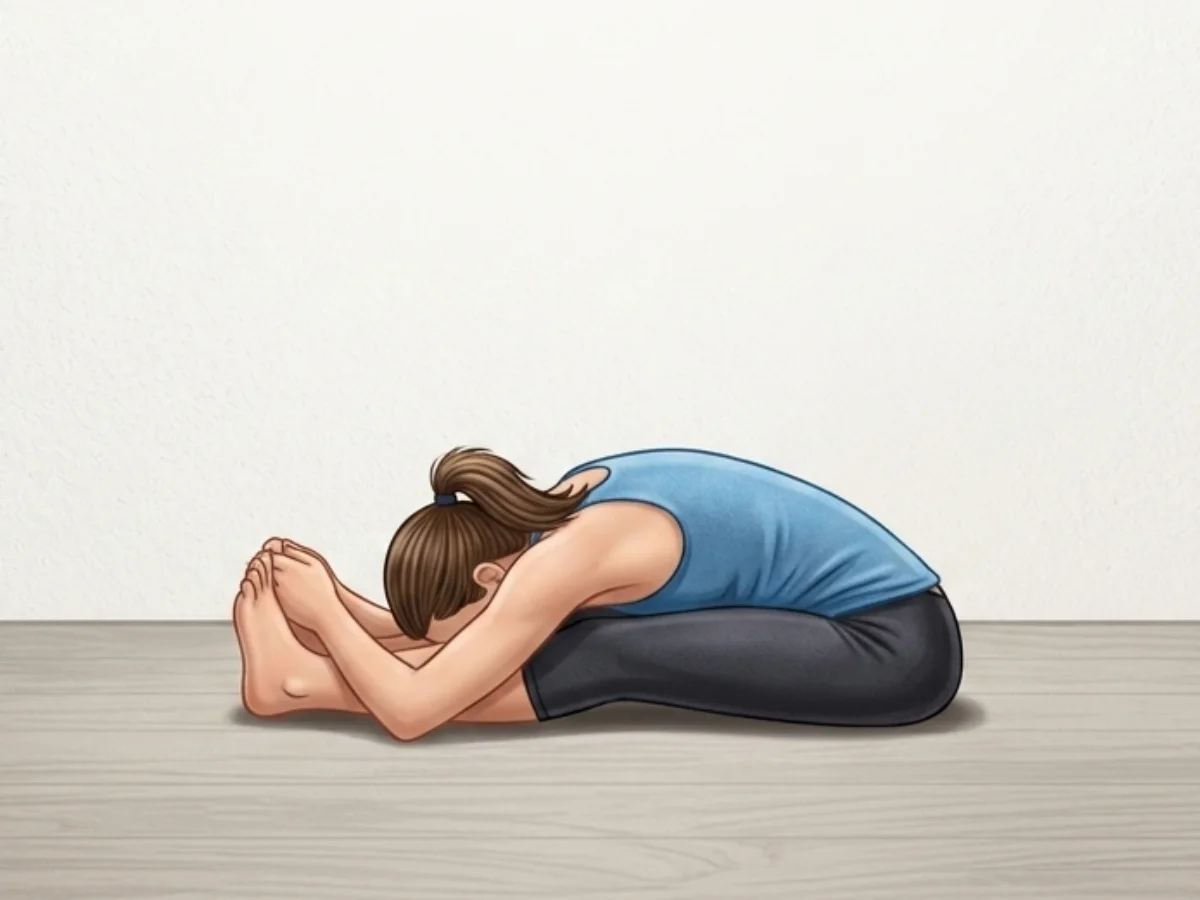
Seated Forward Bend I
Paschimottanasana ACounters the backbend by stretching the back body and decompressing the spine.
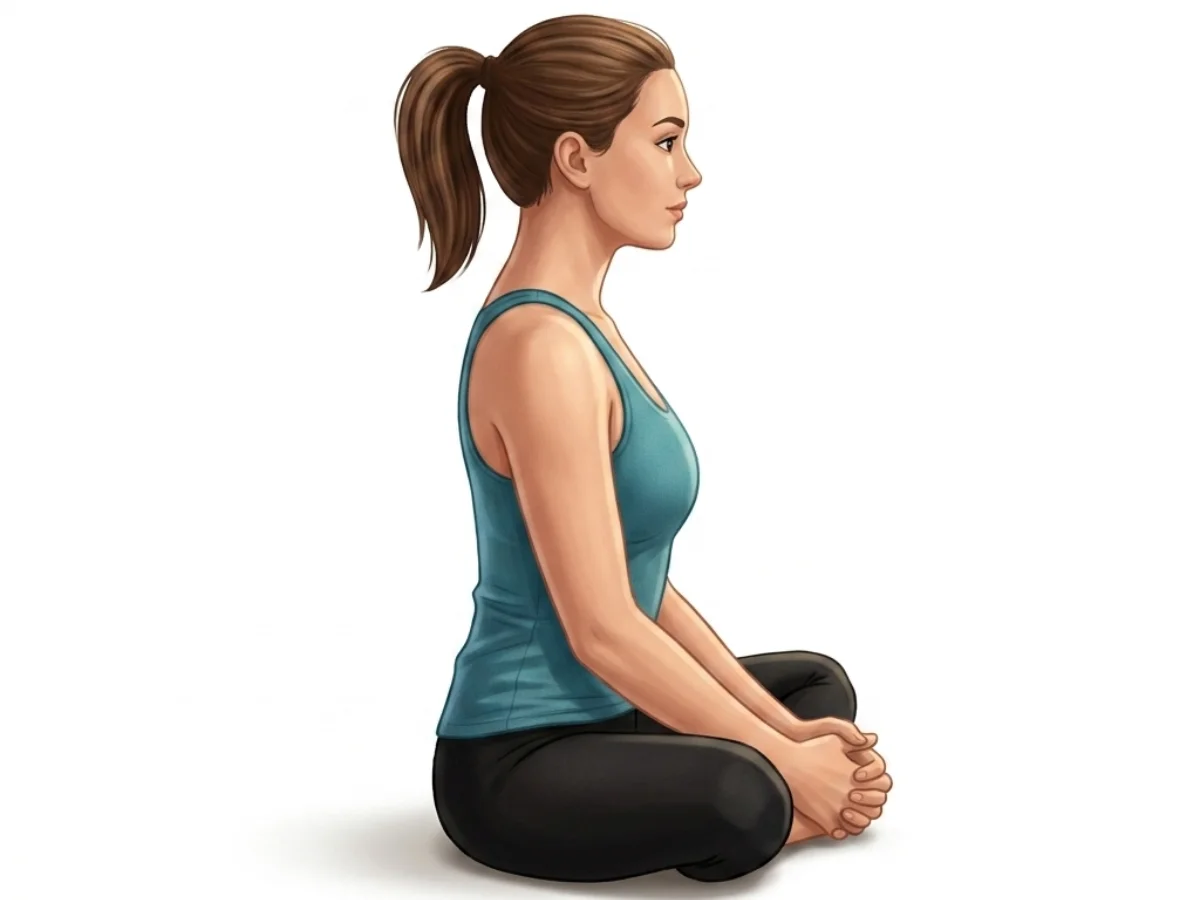
Bound Angle
Baddha KonasanaNeutralizes the lower back while gently opening the hips.
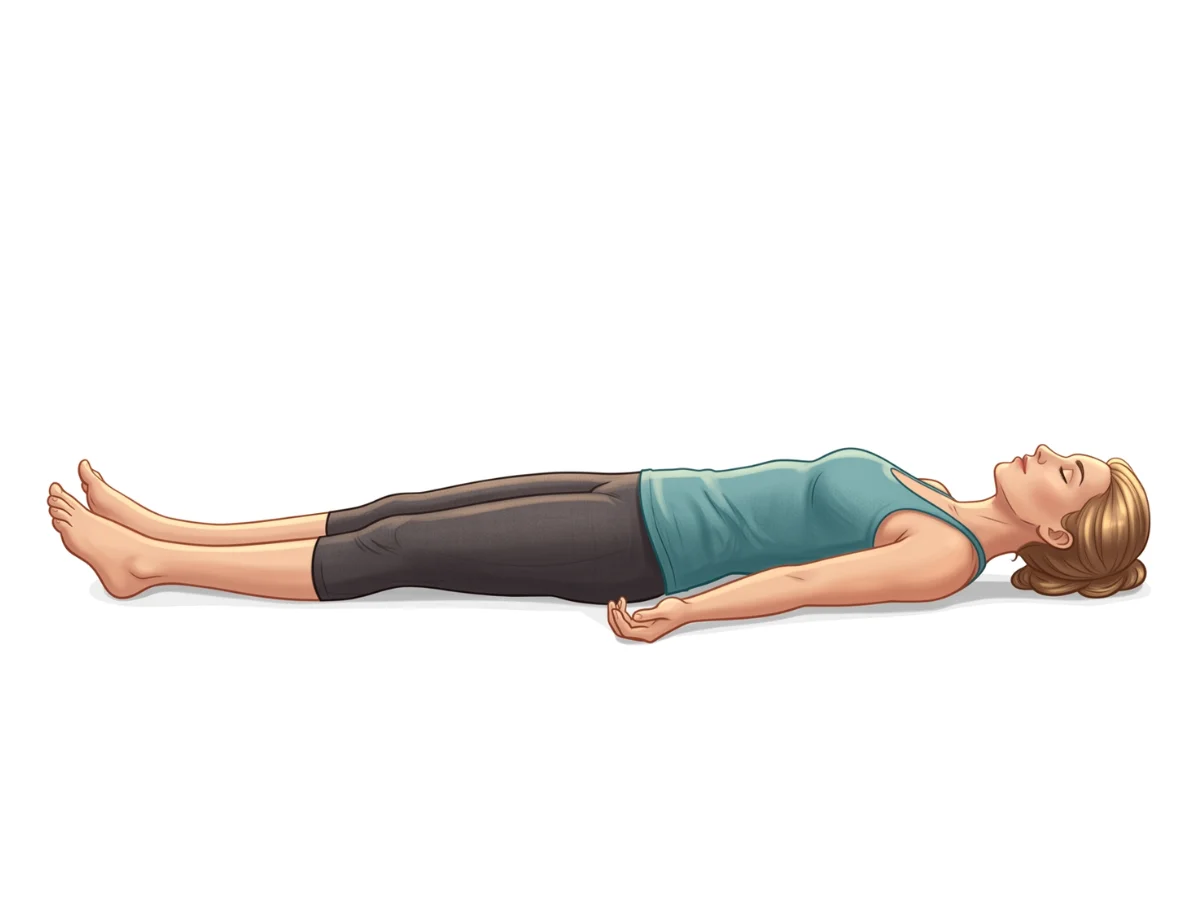
Corpse Pose
SavasanaAllows the body to fully integrate the energetic effects of the backbend while neutralizing the spine.
Frequently Asked Questions
How high should my hips lift in Bridge Pose?
Aim to lift your hips high enough to create a straight diagonal line from your knees to your shoulders. Focus on lifting with the glutes rather than forcing the lower back into a sharp arch.
Is Bridge Pose considered a backbend?
Yes, Bridge is a fundamental backbend. It introduces extension to the spine in a highly supported, accessible way, making it a perfect preparation for deeper backbends like Wheel Pose.
What should I do if my lower back hurts?
If you feel a pinching sensation in your lower back, lower your hips slightly, tuck your tailbone gently toward your knees, and ensure your core is engaged. If pain persists, place a block under your sacrum for a supported variation.
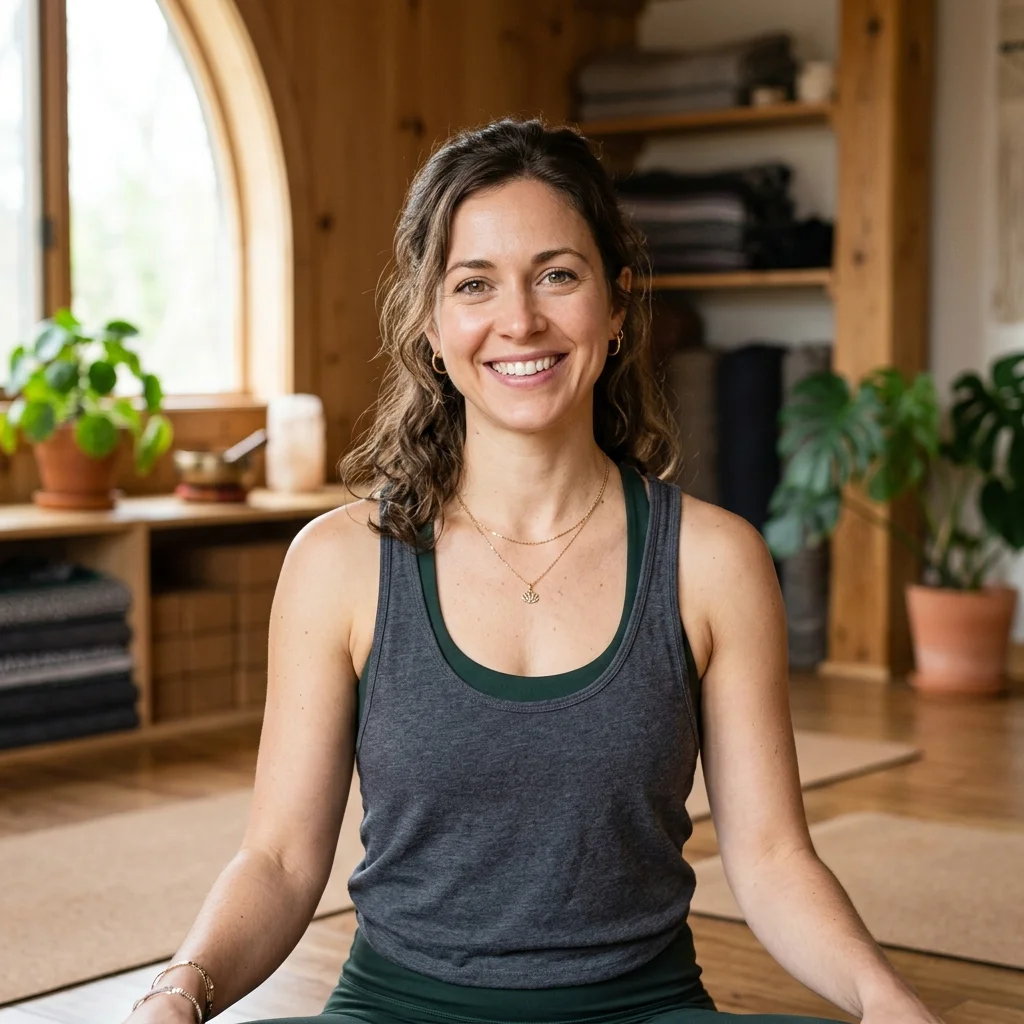
Elena Rostova is an accredited yoga educator and anatomy specialist with over 15 years of clinical experience. She focuses on functional biomechanics and injury prevention, translating complex anatomy into accessible guidance for safe, sustainable practice.
Read Full ProfileContinue Your Yoga Journey
Ready to deepen your practice? Explore our extensive library of poses, or join a structured program designed to build strength, flexibility, and mindfulness.