
Seated Forward Bend I
Paschimottanasana A
By Elena Rostova Updated: verified Medically Reviewed
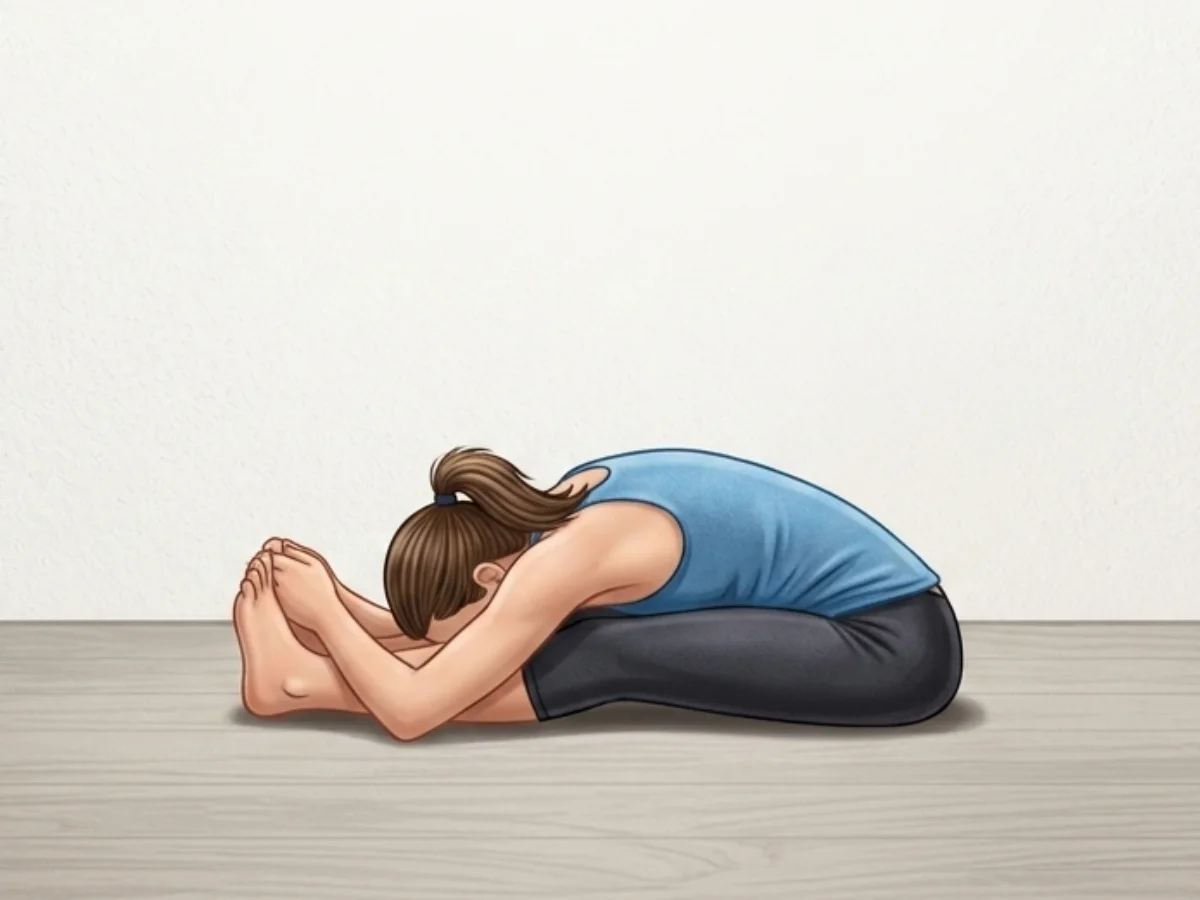
Seated Forward Bend I (Paschimottanasana A) is a classic foundational posture that deeply stretches the entire back of the body, from the heels to the neck. "Paschima" translates to "west" or the back of the body.
Hold Time
1–3 minutes
Pronunciation
POSH-ee-moh-tan-AHS-anna
About Seated Forward Bend I
Commonly practiced as Seated Forward Bend I (Paschimottanasana A), this dynamic posture is beautifully designed to help unlock tension. This posture specifically engages the hamstring & spinal stretch, making it highly effective for developing both strength and mobility. Practicing this pose regularly helps with deep hamstring stretch and leaves you feeling completely refreshed.
How to Practice
Starting Base
Begin in Staff Pose (Dandasana), sitting tall on the floor with both legs extended straight in front of you. Actively flex your feet.
Clear the Sit Bones
Gently reach under your glutes and pull the flesh back and away so that your sitting bones are firmly rooted into the mat.
Lengthen the Spine
Inhale deeply as you sweep your arms overhead, lengthening your torso out of your pelvis and creating space between your vertebrae.
Hinge from Hips
Exhale slowly and hinge forward strictly from your hips, not your lower back. Lead with your heart, keeping your spine as straight as possible.
Grip the Feet
In version A, reach forward and hook your index and middle fingers around your big toes (Yogi Toe Lock). If you cannot reach your toes, rest your hands on your shins or use a strap around your feet.
Lift and Extend
Inhale again, lift your chest, and look forward slightly to ensure your back is flat and not rounded.
Fold Deeper
Exhale to fold deeper, bending your elbows out to the sides to pull your torso closer to your legs. Aim your belly toward your thighs and your chest toward your knees.
Breathe and Hold
Hold the posture for 1 to 3 minutes, taking deep, steady breaths. With every inhale, lengthen the spine; with every exhale, release deeper into the fold.
Release Safely
To exit, inhale as you keep your back flat and raise your torso back to an upright, seated position.
Practice with the Yoga Timer
Keep track of your hold time and breath count for this pose.
Beginner Modifications & Prop Options
Yoga is a personal journey. These modifications and prop options allow you to adapt the pose to your current level of balance and flexibility, ensuring a safe and supportive practice.
Use a Yoga Strap
Loop a yoga strap around the balls of your feet. Hold one end in each hand and gently pull your chest forward while keeping your back completely straight.
Tip: Focus on alignment rather than depth.
Bend the Knees
Place a rolled blanket under your knees or bend them slightly. This reduces hamstring strain and allows the pelvis to tilt forward, protecting the lower back.
Tip: Focus on alignment rather than depth.
Sit on a Prop
Sit on the edge of a folded blanket to elevate hips. This allows the pelvis to tilt forward, making it easier to hinge without rounding the spine.
Tip: Focus on alignment rather than depth.
Benefits of Seated Forward Bend I
Deep Hamstring Stretch
Provides a powerful, sustained stretch to the hamstrings and calves, improving overall leg flexibility and health.
Lengthens the Spine
Stretches the erector spinae muscles along the back, which can relieve backaches and improve posture when practiced correctly.
Soothes the Nervous System
Forward folds naturally calm the brain, helping to alleviate stress, anxiety, and mild depression.
Stimulates Digestion
The compression of the abdomen against the thighs massages internal organs, aiding in digestion and improving organ function.
Common Mistakes to Avoid
Mistake: Rounding the Back (Turtling)
How to fix: Focus on bringing your belly to your thighs, not your head to your knees. Keep the chest broad and the spine flat.
Mistake: Pulling with the Arms
How to fix: Use the breath to guide the fold. Arms should assist gently, but the movement should come from the hip hinge and gravity.
Mistake: Letting the Feet Turn Out
How to fix: Keep the inner edges of your feet together and point your toes straight up toward the ceiling.
Safety and Precautions
Herniated Discs
Deep forward folds compress the front of the intervertebral discs. Practitioners with disc injuries should avoid this pose or practice it with a straight back and bent knees under supervision.
Sciatica
Depending on the cause, pulling intensely on the hamstrings and sciatic nerve can exacerbate symptoms. Consult a physical therapist.
Pregnancy
In the later stages of pregnancy, take the feet wide apart to make space for the belly, or avoid deep folds entirely.
Medical Disclaimer: If you have any of the above conditions, consult your doctor or a qualified yoga instructor before attempting this pose.
Muscles Worked in Seated Forward Bend I
Seated Forward Bend I demands synchronized muscular effort, creating a profound sense of engagement and release throughout the body. The activation of the primary muscles supports the structure, while the secondary muscles provide stability and balance.
Primary Muscles
Hamstrings
Receives maximum stretch along the back of the thighs.
Erector Spinae
Stretched deeply along the length of the spine.
Gastrocnemius
Stretched in the calves as the feet are flexed.
Secondary Muscles
Psoas Major
Engages to actively flex the hips and pull the torso forward.
Biceps Brachii
Assist mildly in drawing the chest forward when gripping the toes.
Poses to Practice Before and After Seated Forward Bend I
Prepare with these Poses
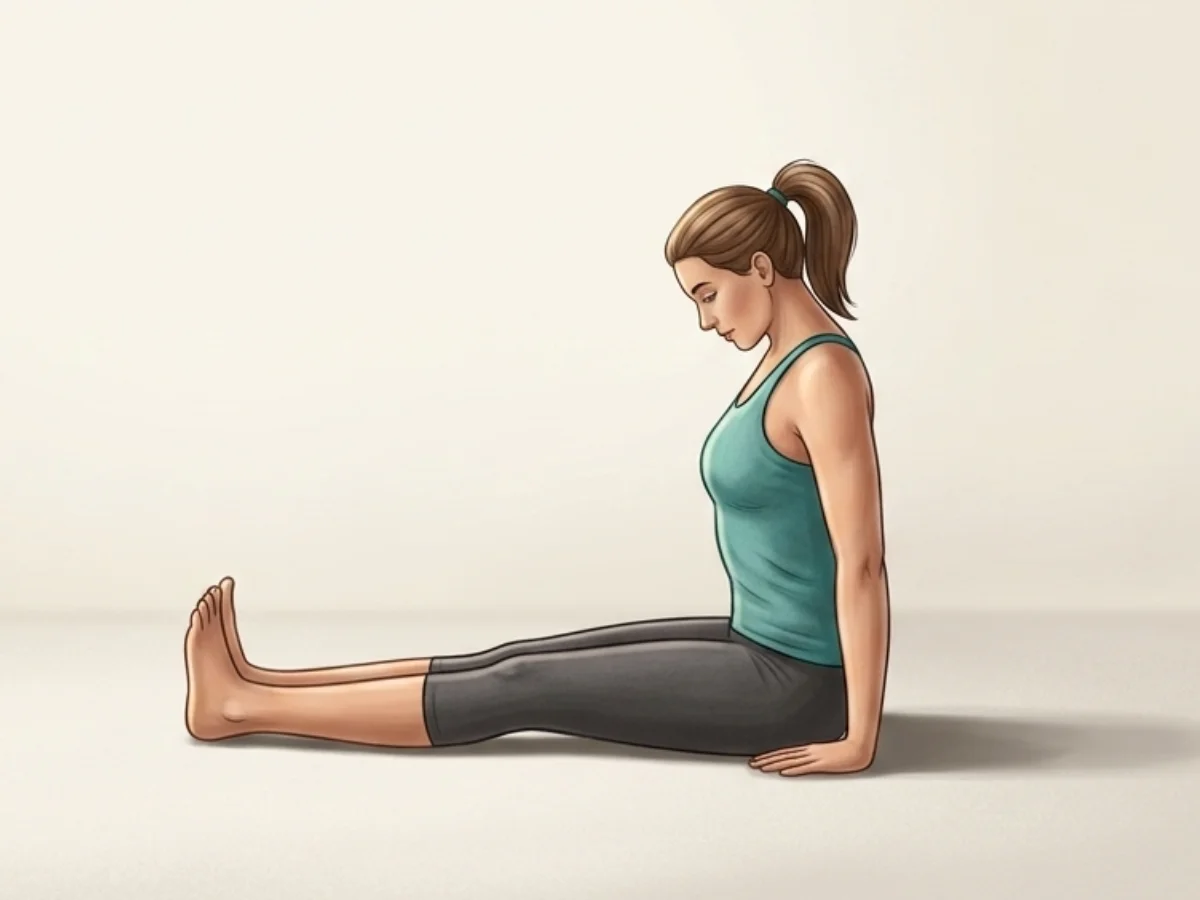
Staff Pose
DandasanaEstablishes proper seated alignment and engages the core before folding.
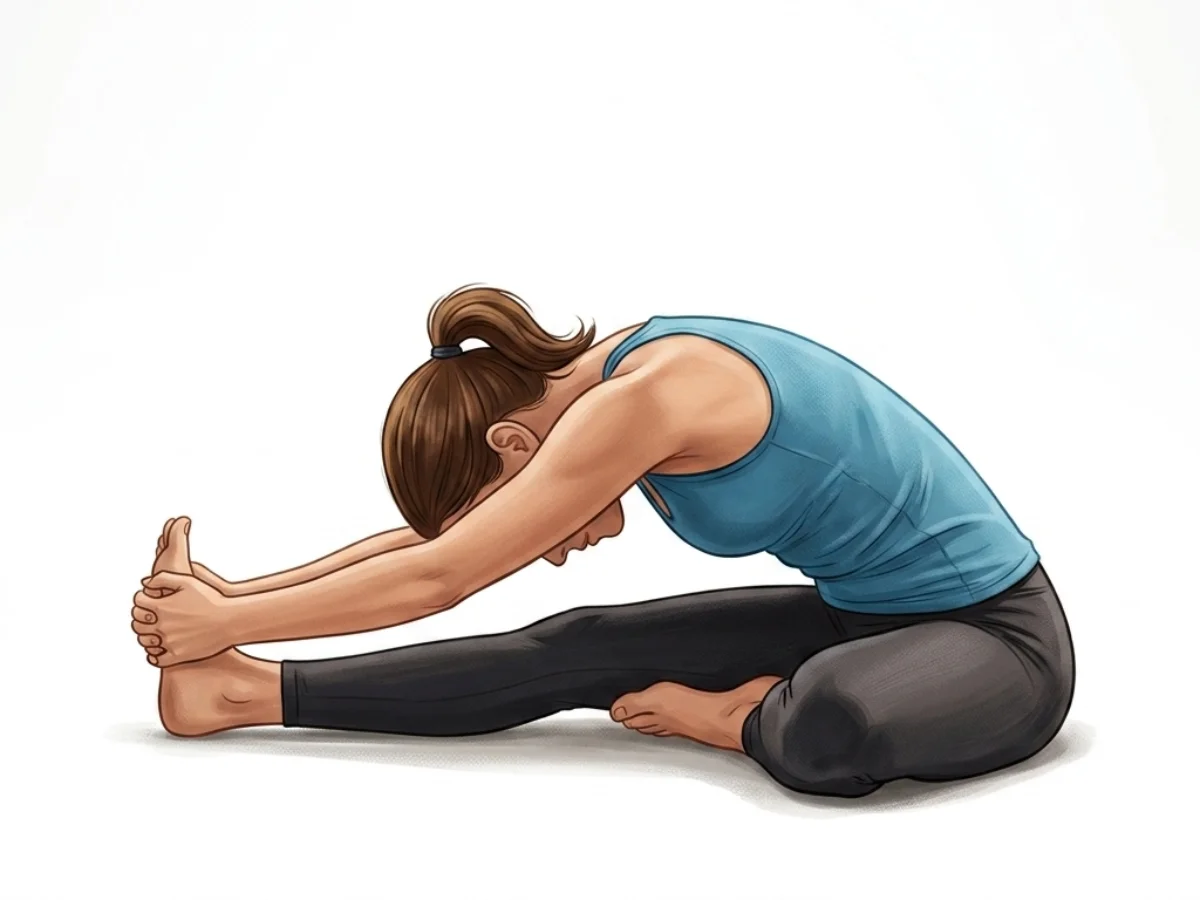
Head-to-Knee Forward Bend
Janu SirsasanaStretches one hamstring at a time, making it an excellent warm-up for stretching both simultaneously.
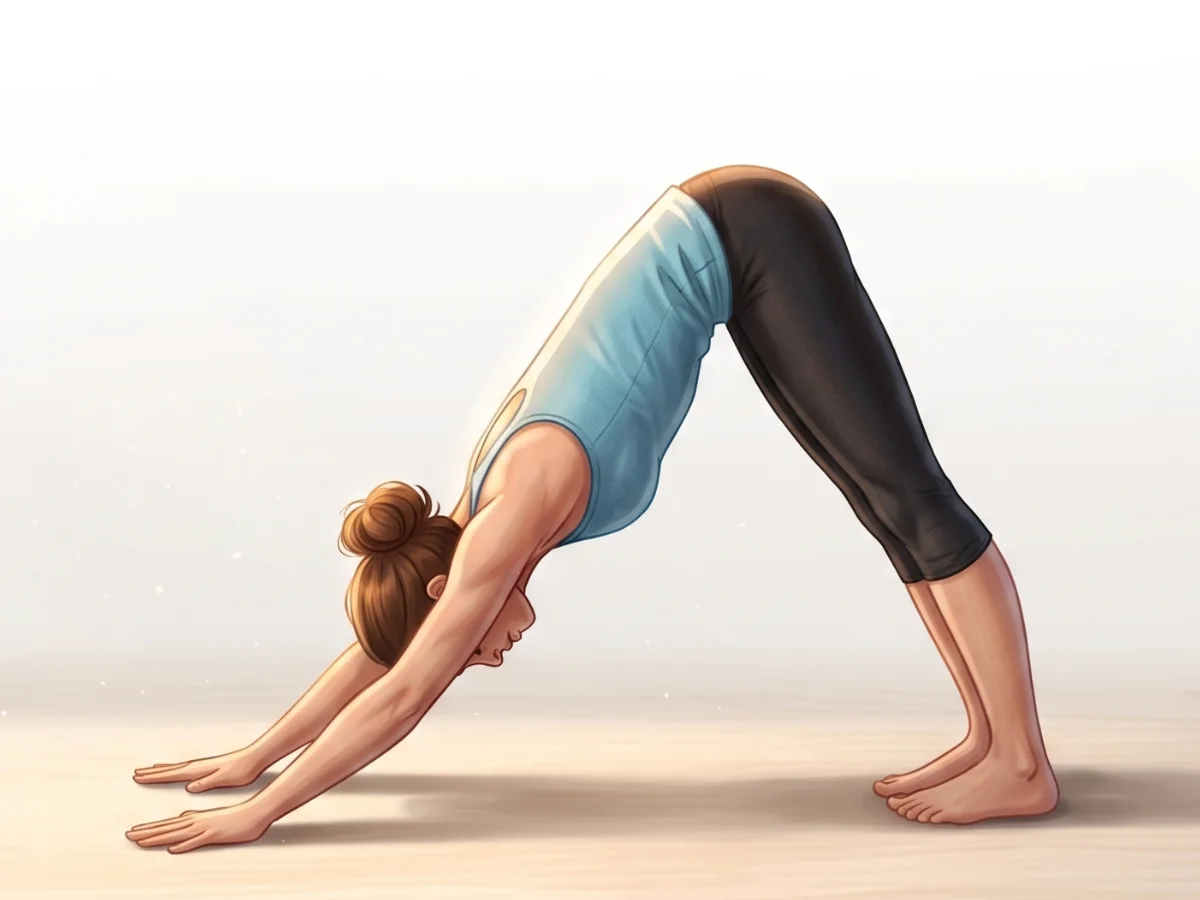
Downward-Facing Dog
Adho Mukha SvanasanaWarms up the calves, hamstrings, and back in a weight-bearing position.
Follow with neutralizing Counter-poses
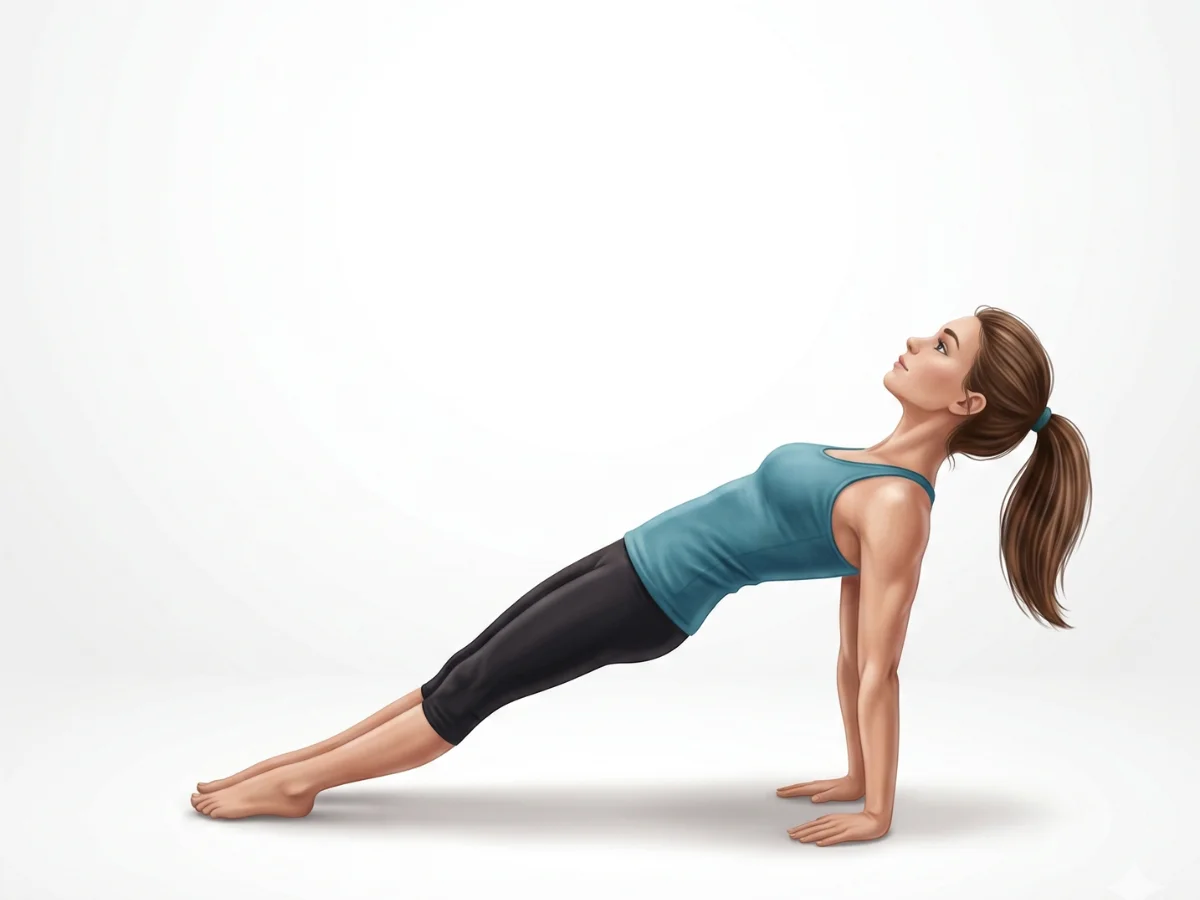
Upward Plank Pose
PurvottanasanaThe traditional counter-pose that opens the entire front of the body after intense forward folding.
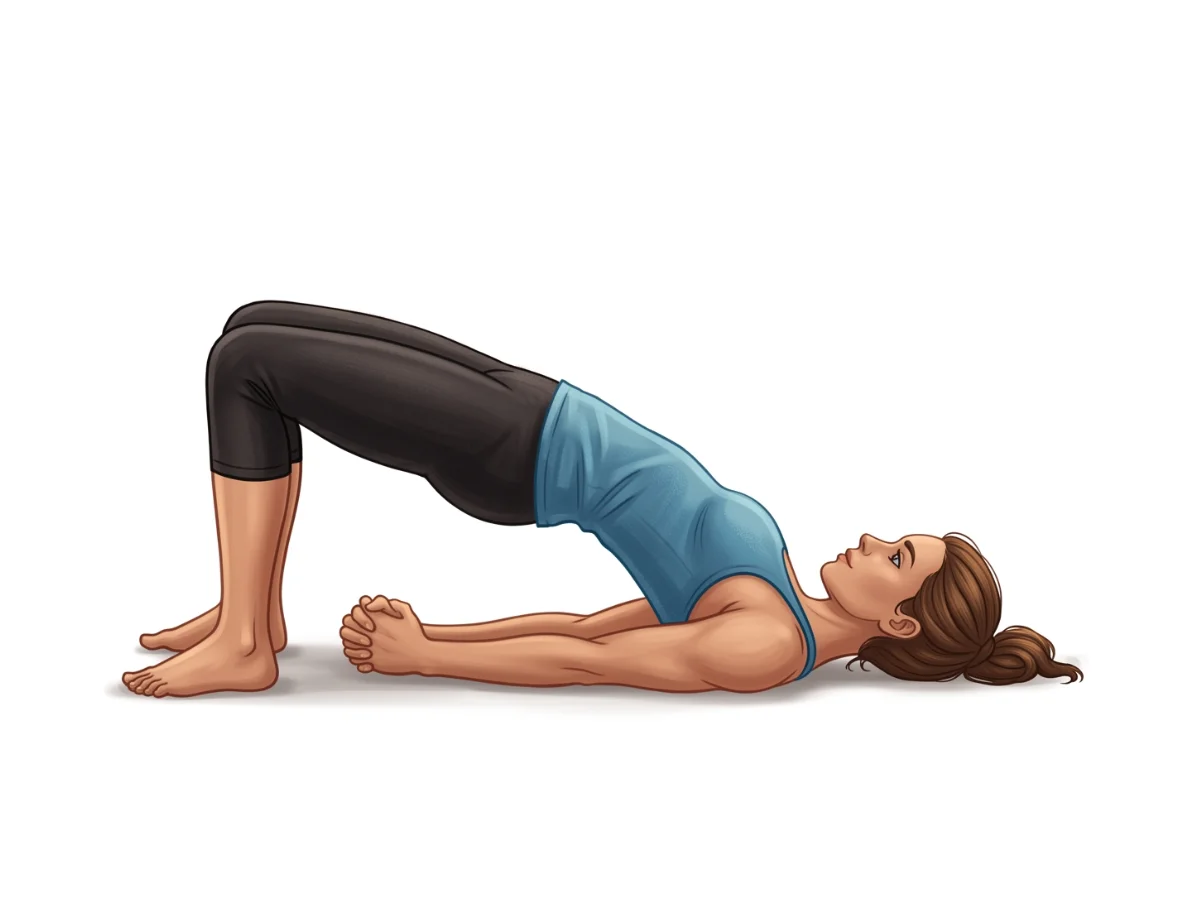
Bridge Pose
Setu BandhasanaA gentler backbend that extends the hips and stretches the abdominal wall.
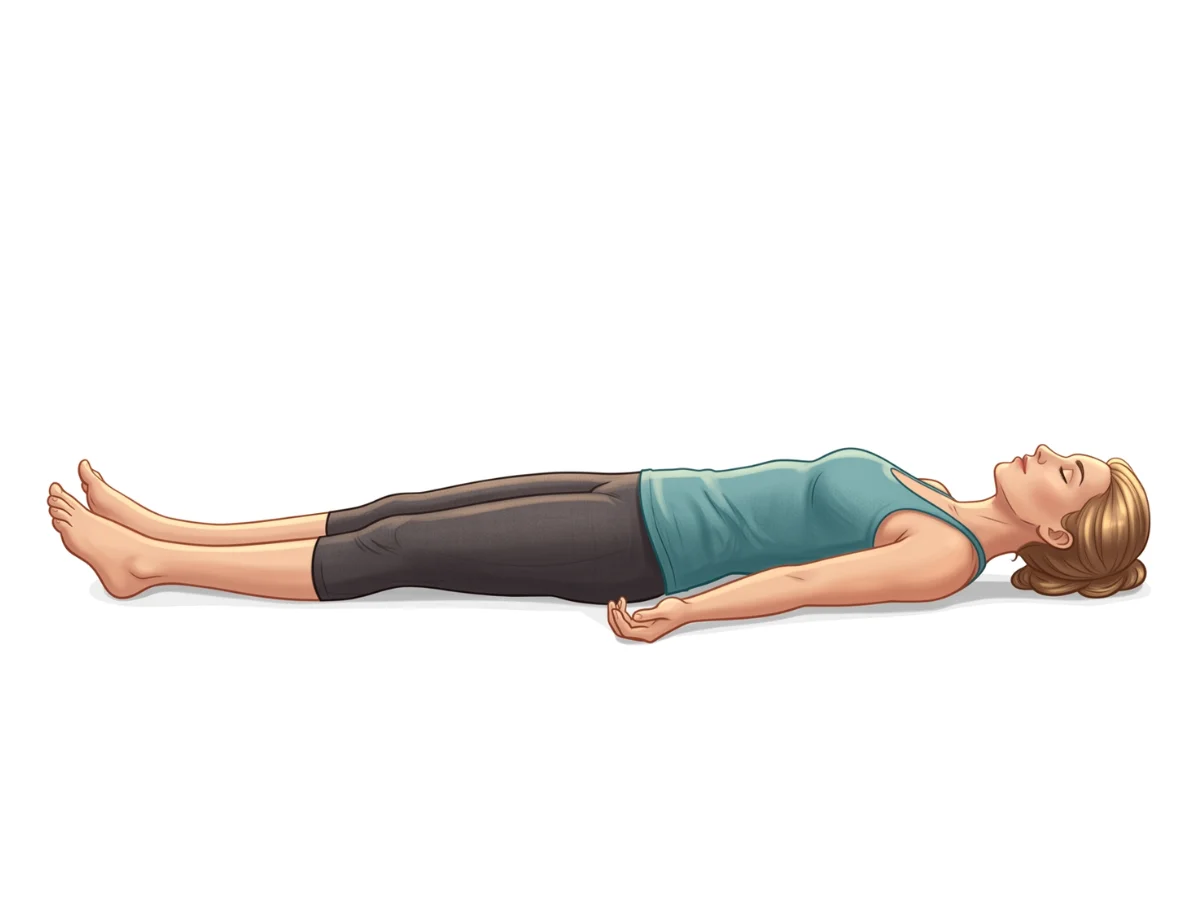
Corpse Pose
SavasanaAllows the back and leg muscles to relax fully in a neutral, supine position.
Frequently Asked Questions
How long will it take before I can touch my toes?
Flexibility timelines vary drastically based on genetics, age, and previous physical activity. It may take weeks or years. The goal of yoga is not touching the toes, but rather finding a safe, beneficial stretch for your unique body on any given day.
Is it better to have a straight back or straight legs?
Always prioritize a straight spine over straight legs. Bending your knees to keep your back flat protects your lumbar spine from disc injuries, whereas forcing the legs straight often causes the spine to round dangerously.
Elena Rostova is an accredited yoga educator and anatomy specialist with over 15 years of clinical experience. She focuses on functional biomechanics and injury prevention, translating complex anatomy into accessible guidance for safe, sustainable practice.
Read Full ProfileContinue Your Yoga Journey
Ready to deepen your practice? Explore our extensive library of poses, or join a structured program designed to build strength, flexibility, and mindfulness.