
Upward Plank
Purvottanasana
By Elena Rostova Updated: verified Medically Reviewed
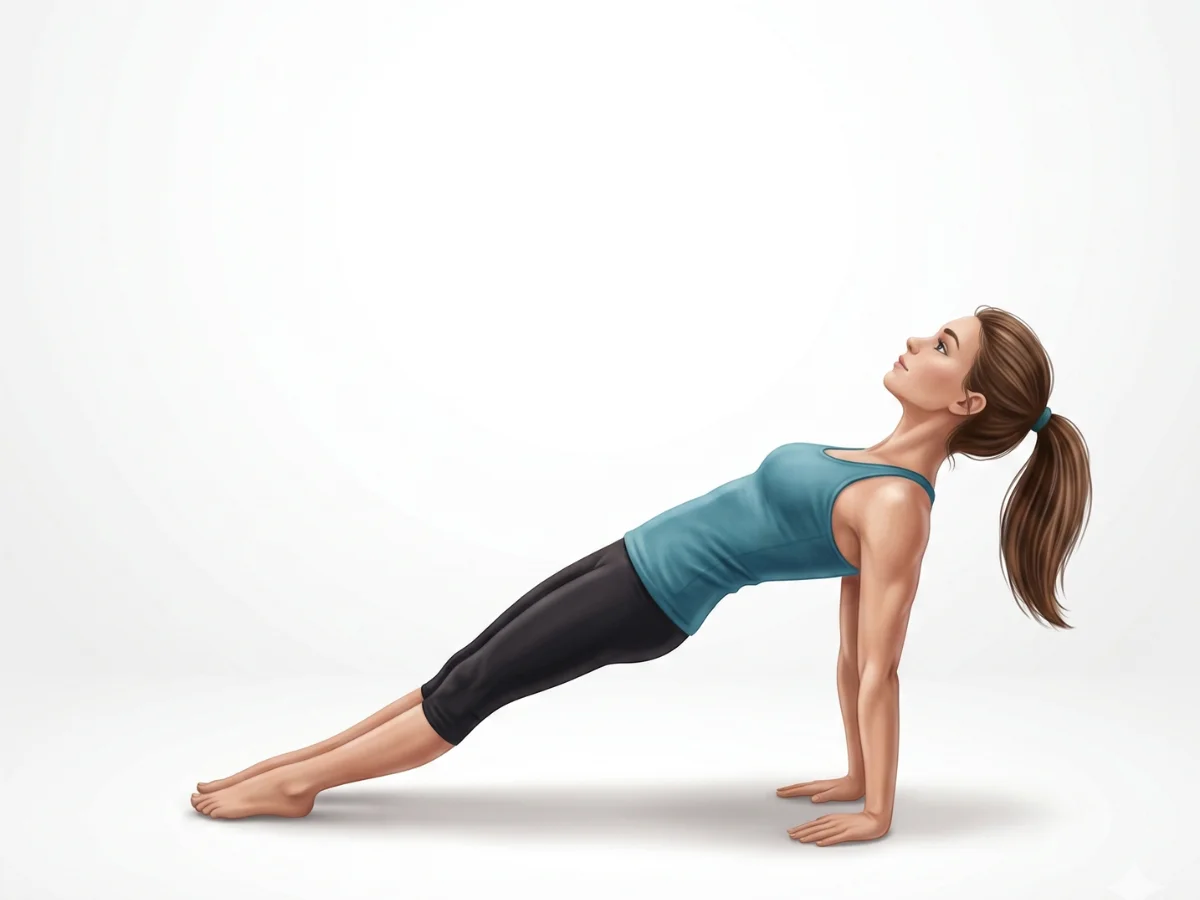
Upward Plank Pose (Purvottanasana), sometimes called Reverse Plank, intensely stretches the entire front of the body while demanding tremendous strength from the entire back body. It acts as a powerful counter-pose to the forward-folding and hunching habits of modern daily life.
Hold Time
15�30 sec � 3�5 breaths
Pronunciation
poor-voh-tahn-AHS-anna
About Upward Plank
Commonly practiced as Upward Plank (Purvottanasana), this dynamic posture is beautifully designed to help unlock tension. As you settle into the shape, it gently works the back body strength & front body stretch to increase your overall flexibility. Over time, adding this to your routine is a great way to support strengthens the posterior chain while calming the mind.
How to Practice
Starting Position
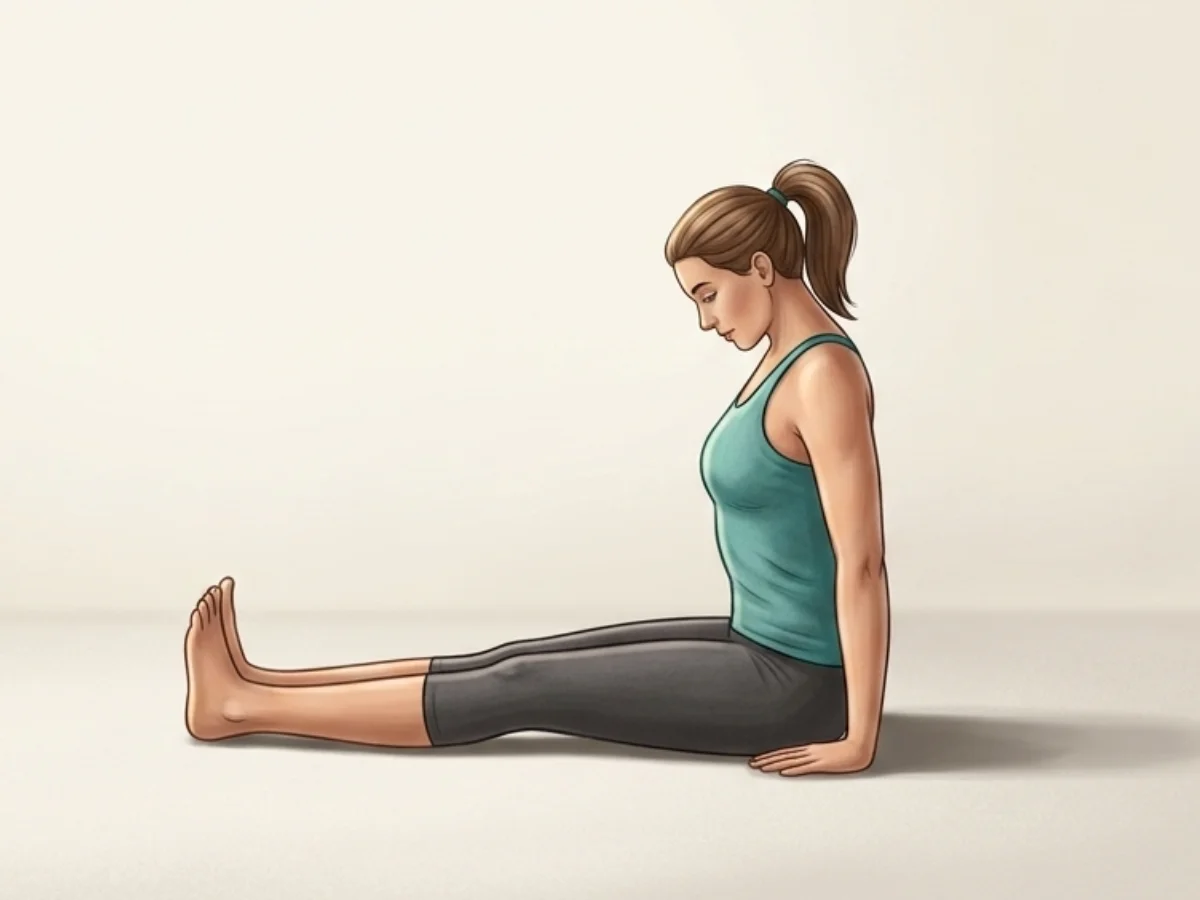
Begin seated on the mat with your legs extended straight in front of you in Staff Pose (Dandasana).
Hand Placement
Place your hands on the floor several inches behind your hips. Point your fingers forward toward your toes (or slightly outward if you have wrist stiffness).
Engage the Legs
Bring your inner thighs together and point your toes. Press your legs firmly into the mat, activating your calves and quadriceps.
Lift the Hips
Inhale deeply as you press firmly into your hands and heels. Squeeze your glutes and lift your hips high toward the ceiling.
Straighten the Body
Aim to create a straight diagonal line from your shoulders to your heels. Keep your arms fully extended, with a slight micro-bend in the elbows to avoid hyperextension.
Ground the Feet
As your hips lift, actively try to press the soles of your feet flat onto the floor. This requires significant flexibility in the ankles and strength in the hamstrings.
Open the Chest
Roll your shoulders back and lift your chest upward. Avoid letting your shoulders hunch up toward your ears.
Head Alignment
If your neck is healthy and comfortable, slowly let your head drop backward gently. If you feel any strain, keep your chin slightly tucked, gazing toward the ceiling.
Hold and Breathe
Maintain the lift for 3 to 5 deep breaths, focusing on the expansion of the chest on every inhale.
Safe Exit
To release, exhale as you slowly and with control lower your hips back down to the mat, returning to Staff Pose.
Practice with the Yoga Timer
Keep track of your hold time and breath count for this pose.
Beginner Modifications & Prop Options
Yoga is a personal journey. These modifications and prop options allow you to adapt the pose to your current level of balance and flexibility, ensuring a safe and supportive practice.
Reverse Tabletop Variation
Instead of keeping the legs straight, bend your knees and place your feet flat on the floor hip-width apart. Lift your hips so your torso and thighs are parallel to the floor, like a table. This is highly recommended for beginners.
Tip: Focus on alignment rather than depth.
Use Blocks Under Hands
Place a firm yoga block under each hand. This gives you extra height, making it easier to lift the hips and fully open the chest without over-compressing the wrists.
Tip: Focus on alignment rather than depth.
Fingers Pointing Outward
If pointing your fingers toward your feet causes sharp wrist pain, rotate your hands so the fingers point outward to the sides, or even straight backward. Find the angle that feels safest for your joints.
Tip: Focus on alignment rather than depth.
Benefits of Upward Plank
Strengthens the Posterior Chain
Powerfully engages the hamstrings, glutes, and erector spinae to lift and hold the body against gravity.
Expands the Chest & Shoulders
Deeply stretches the pectorals, anterior deltoids, and biceps, counteracting the rounding caused by sitting at desks.
Strengthens Wrists & Arms
Bears the upper body weight on extended arms, fortifying the triceps and wrist joints.
Stretches the Front Body
Elongates the entire anterior side of the body, including the abdomen, hip flexors, and ankles.
Boosts Energy
Like many backbends and chest openers, it stimulates the nervous system and can help alleviate mild fatigue.
Common Mistakes to Avoid
Mistake: Sagging Hips
How to fix: Failing to engage the glutes will cause the hips to dip, turning the pose into a hammock. Actively squeeze the buttocks and press through the heels to thrust the pelvis upward.
Mistake: Hyperextending the Elbows
How to fix: Locking the elbow joints puts all the weight on the bones rather than the muscles. Keep a tiny, almost invisible bend in the elbows to engage the triceps and biceps.
Mistake: Crunching the Neck
How to fix: Do not aggressively throw your head back. If dropping the head causes pain or compression in the cervical spine, keep the chin gently tucked toward the chest.
Safety and Precautions
Wrist Injuries or Carpal Tunnel Syndrome
The pose requires deep wrist extension while bearing significant weight, which can aggravate nerve compression or sprains.
Shoulder Injuries
Impingement syndrome, rotator cuff tears, or instability can be severely irritated by the intense shoulder extension.
Neck Issues
Cervical spondylosis or herniated discs can be worsened if the head is dropped backward. Practitioners with neck issues should always keep the chin tucked.
Ankle Injuries
Pressing the soles of the feet down requires strong plantar flexion; avoid if recovering from acute ankle sprains.
Medical Disclaimer: If you have any of the above conditions, consult your doctor or a qualified yoga instructor before attempting this pose.
Muscles Worked in Upward Plank
Upward Plank demands synchronized muscular effort, creating a profound sense of engagement and release throughout the body. The activation of the primary muscles supports the structure, while the secondary muscles provide stability and balance.
Primary Muscles
Gluteus Maximus
Contracts powerfully to extend the hips and push the pelvis upward.
Hamstrings
Works synergistically with the glutes to lift the lower body and press feet down.
Triceps Brachii
Engages to straighten the arms and bear the torso's weight.
Secondary Muscles
Erector Spinae
Contracts to lift and support the spine in a mild backbend.
Pectoralis Major
Receives a deep stretch across the chest while stabilizing the shoulders.
Gastrocnemius (Calves)
Engages to point the toes and ground the feet.
Poses to Practice Before and After Upward Plank
Prepare with these Poses
Staff Pose
DandasanaThe starting foundation that establishes the alignment of the legs and upright posture.
Bridge Pose
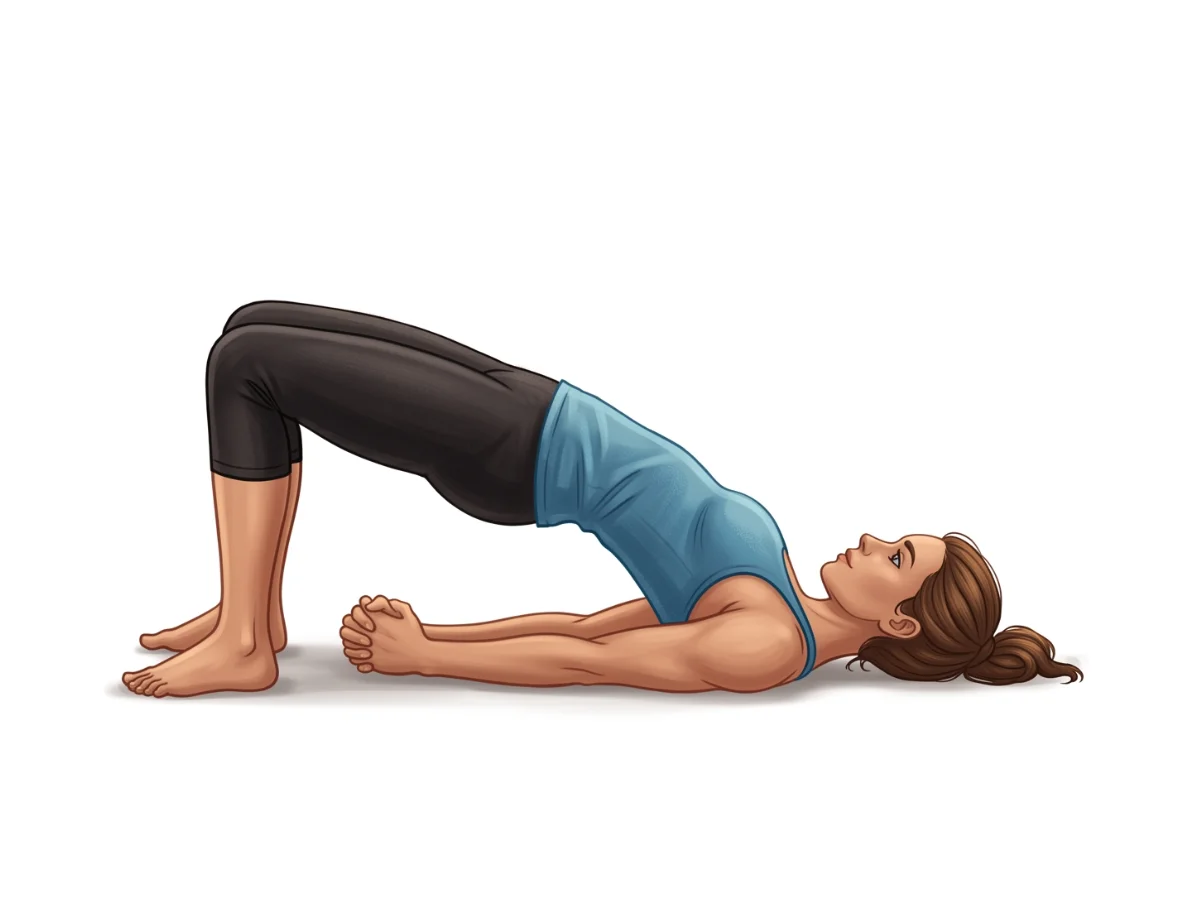
Setu BandhasanaActivates the glutes and hamstrings to lift the hips, serving as an excellent strength primer.
Seated Forward Bend
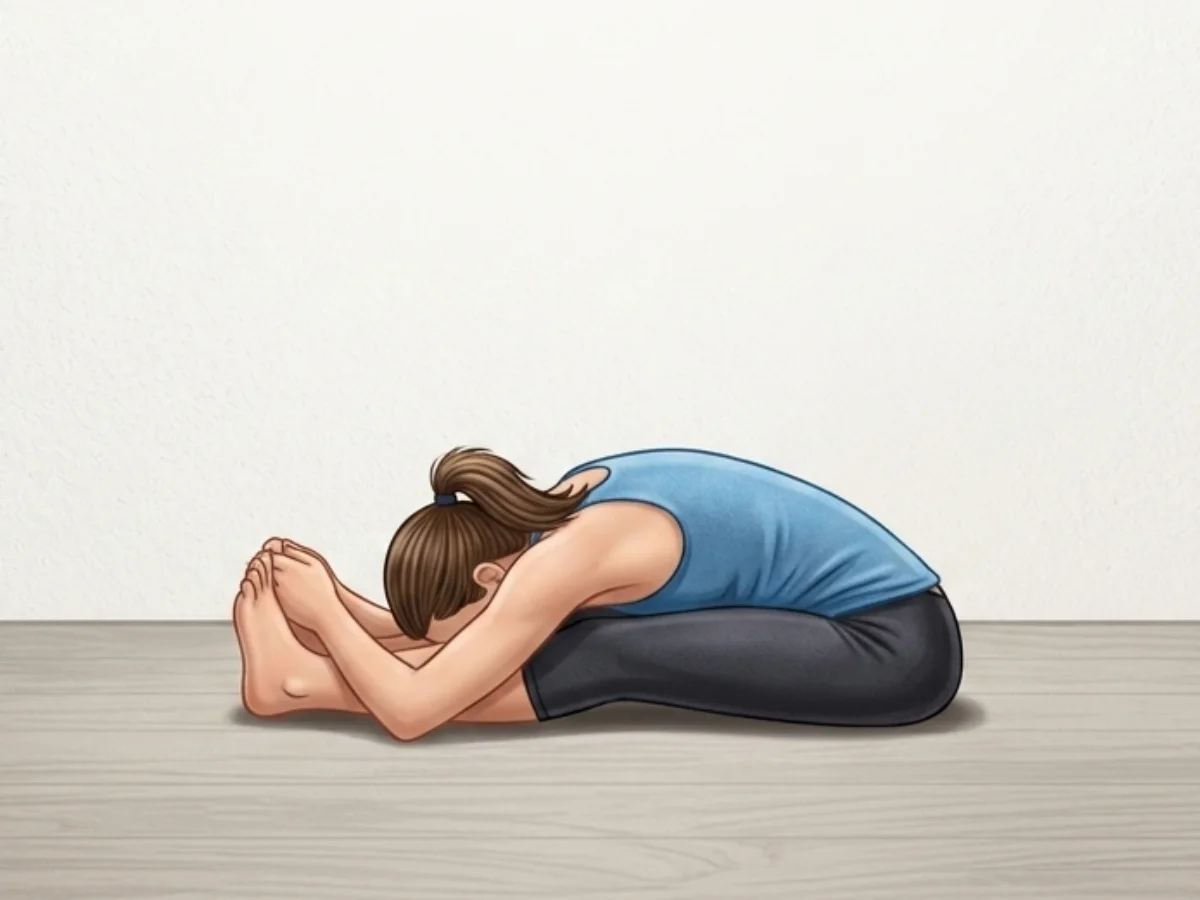
PaschimottanasanaStretches the back body before it is strongly contracted in the upward plank.
Follow with neutralizing Counter-poses
Seated Forward Bend
PaschimottanasanaNeutralizes the spine by folding forward, stretching the muscles that were just heavily contracted.
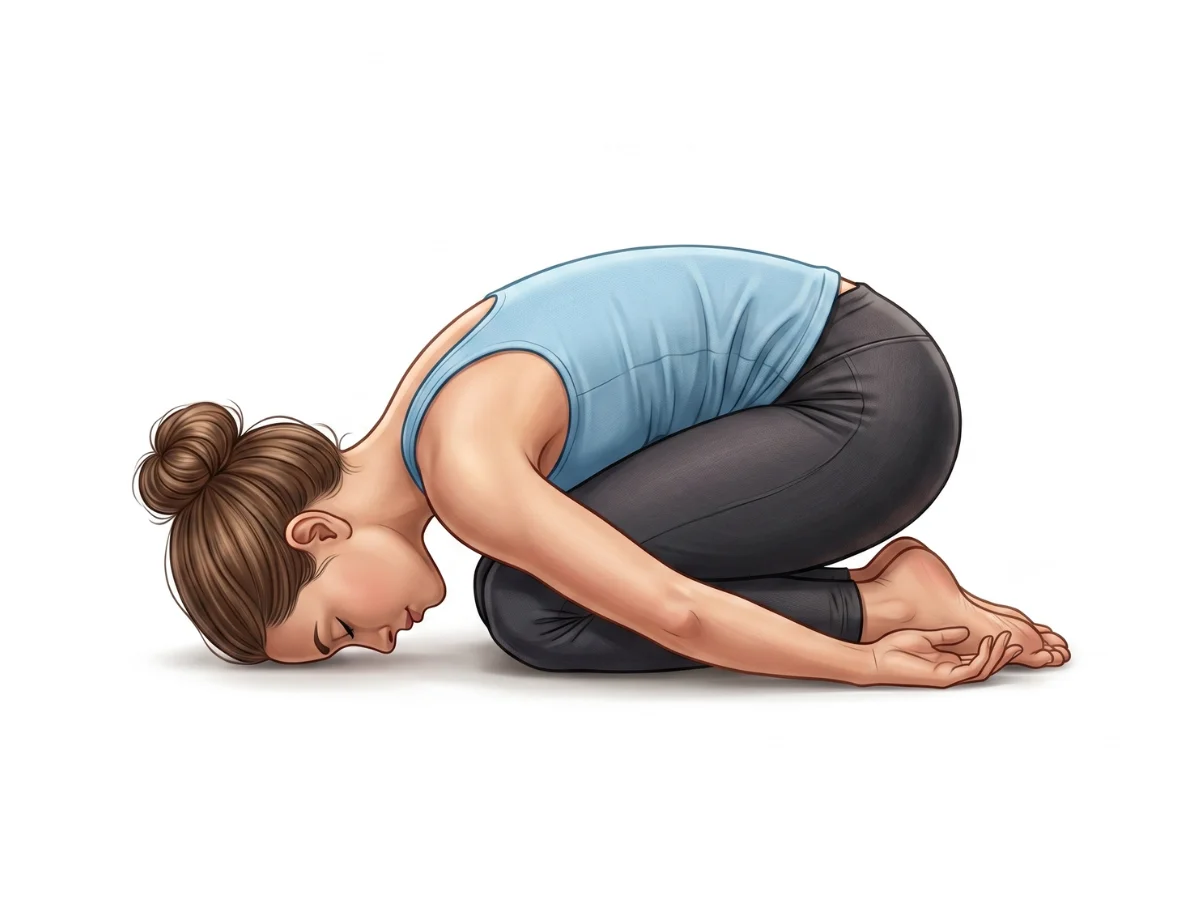
Child's Pose
BalasanaAllows the lower back to round and relax, taking pressure off the wrists and shoulders.
Staff Pose
DandasanaA neutral return point to sit quietly and observe the energetic effects of the pose.
Frequently Asked Questions
My feet don't touch the floor. Is that okay?
Yes! Pressing the soles of the feet flat requires immense hamstring strength and ankle flexibility. Point your toes as much as you can, but do not force it. Focus on lifting the hips instead.
Why does this hurt my shoulders?
If your shoulders are internally rotated (hunched forward), the joint will compress when you bear weight in this extended position. Ensure you are actively rolling your shoulder blades down your back to open the chest.
Is Reverse Tabletop less effective?
Not at all. Reverse Tabletop is an excellent pose that offers similar chest-opening and glute-strengthening benefits, but with a safer, shorter lever for the hamstrings and lower back. It is the perfect place to build foundational strength.
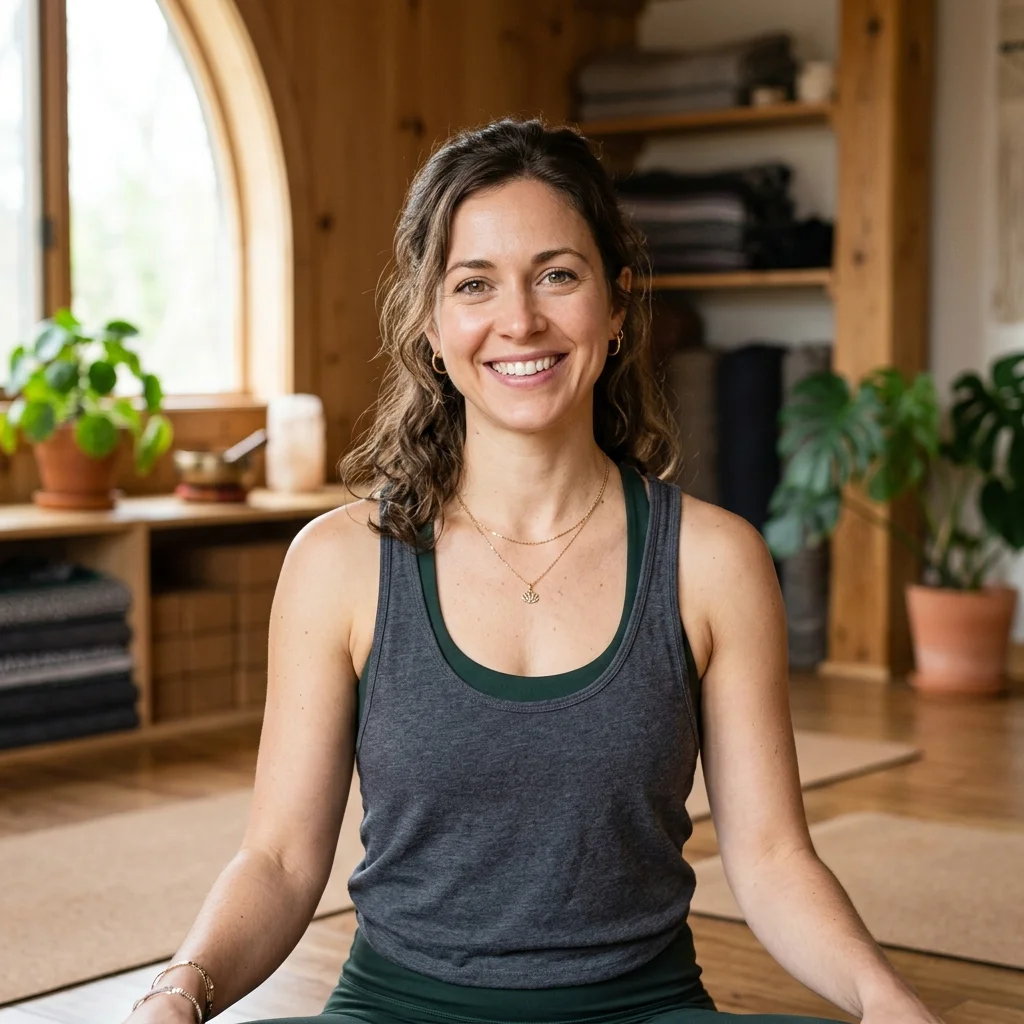
Elena Rostova is an accredited yoga educator and anatomy specialist with over 15 years of clinical experience. She focuses on functional biomechanics and injury prevention, translating complex anatomy into accessible guidance for safe, sustainable practice.
Read Full ProfileContinue Your Yoga Journey
Ready to deepen your practice? Explore our extensive library of poses, or join a structured program designed to build strength, flexibility, and mindfulness.