
Yoga Practice Timer
Set your interval count, hold durations, and transition breaks. Enjoy a soothing meditation bell tone at each pose transition.
Pose 1 of 8
Versatile Timer Modes
Adapt the timer to suit your preferred style of practice, from fast-paced flows to deep, restorative holds.
Vinyasa Flow (Breath-to-Movement)
Set shorter holds (10-15s) with minimal rest for a continuous cardiovascular practice that may help improve dynamic stability.
Yin & Restorative
Opt for extended holds (180s+) and longer transitions to gently target deep connective tissues, which commonly supports fascial health.
Hatha Precision
Use moderate holds (30-60s) to focus on alignment and steady breathing. Practitioners often report this builds isometric muscular endurance.
How to Use the Yoga Timer
A simple, guided process to structure your daily practice.
Set Your Poses
Choose the total number of asanas in your planned sequence.
Adjust Durations
Configure hold times for poses and rest times for transitions.
Begin Practice
Hit start, close your eyes, and let the soothing chimes guide you.
Optimal Hold Times
Recommended durations to maximize benefits safely.
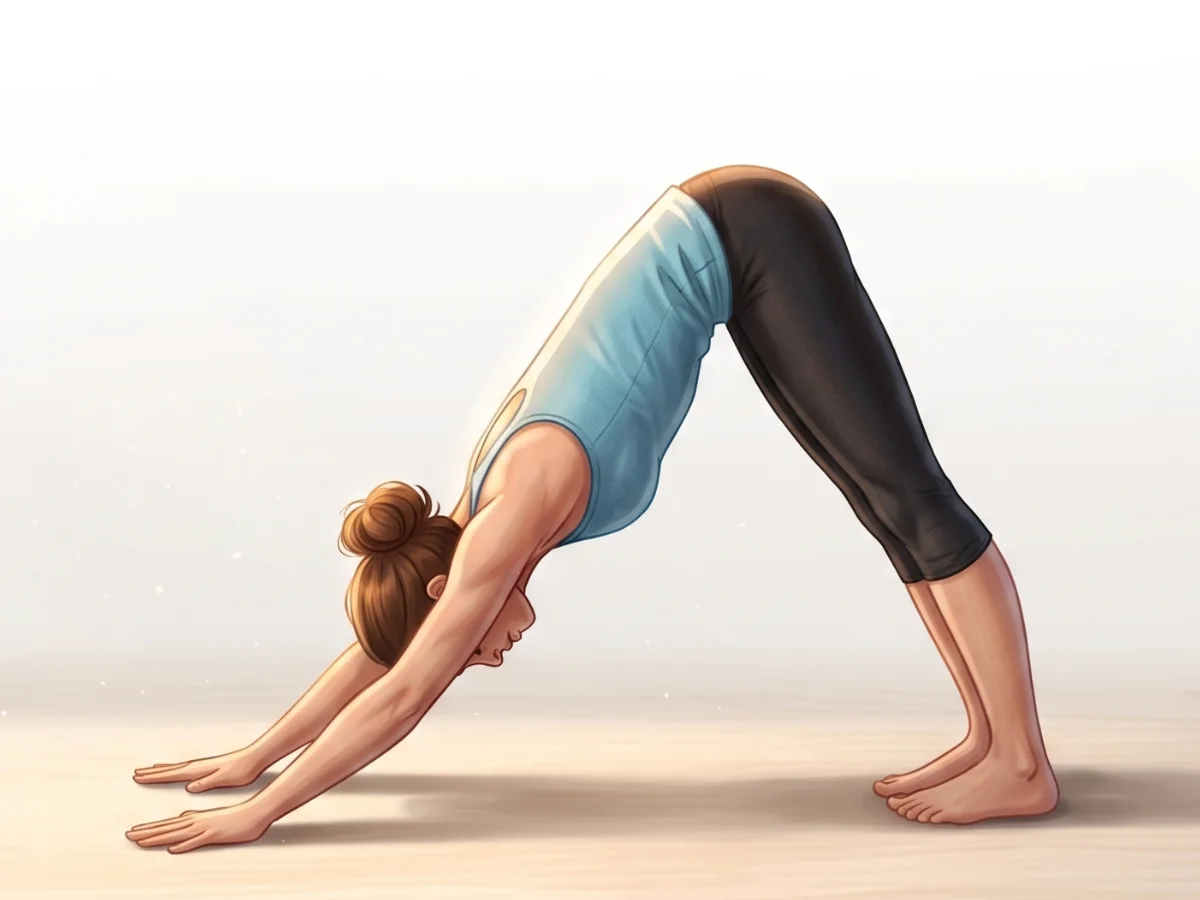
Downward Facing Dog (Adho Mukha Svanasana)
A fundamental hold that stretches the calves and hamstrings while building upper body strength.
View Guide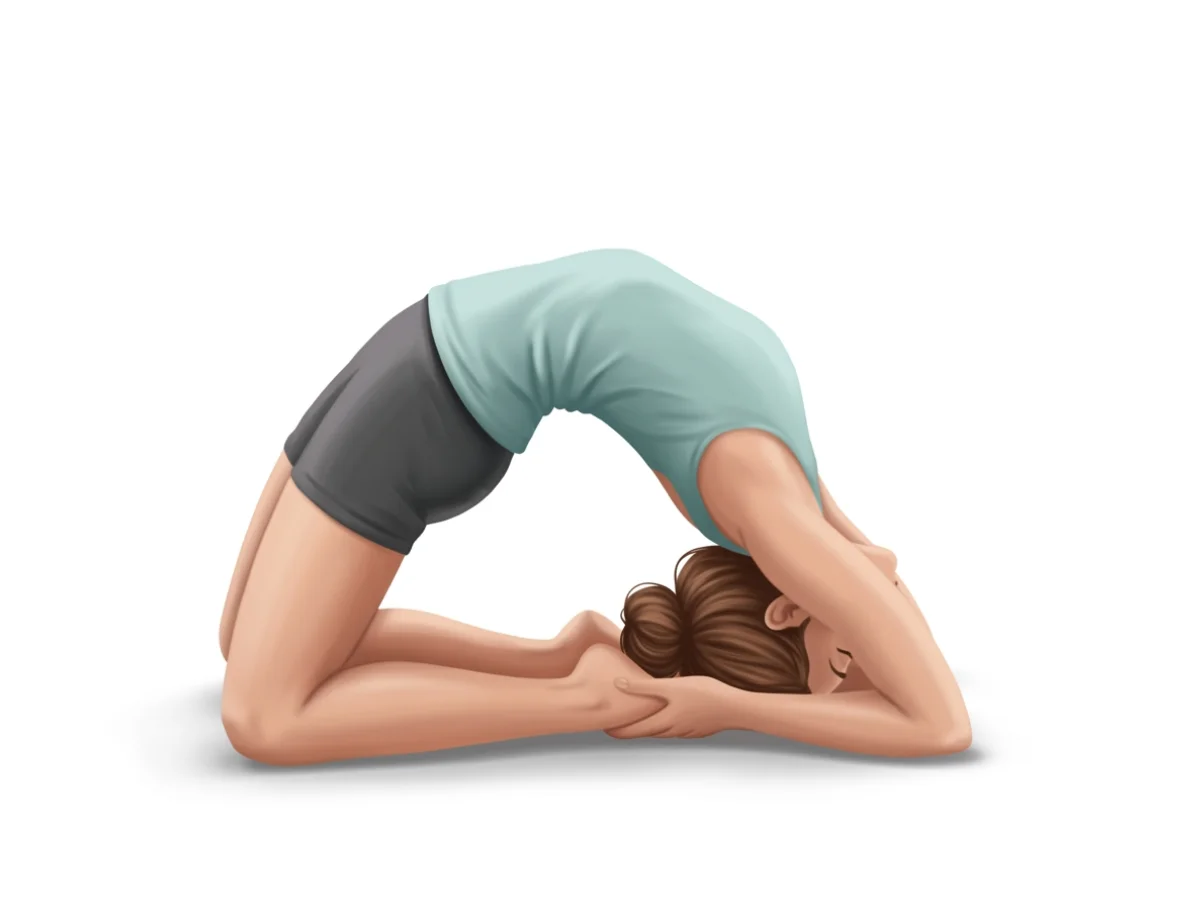
Pigeon Pose (Eka Pada Rajakapotasana)
Passive holds may help release tension in the piriformis and hip flexors. Always consult a doctor if you have knee issues.
View Guide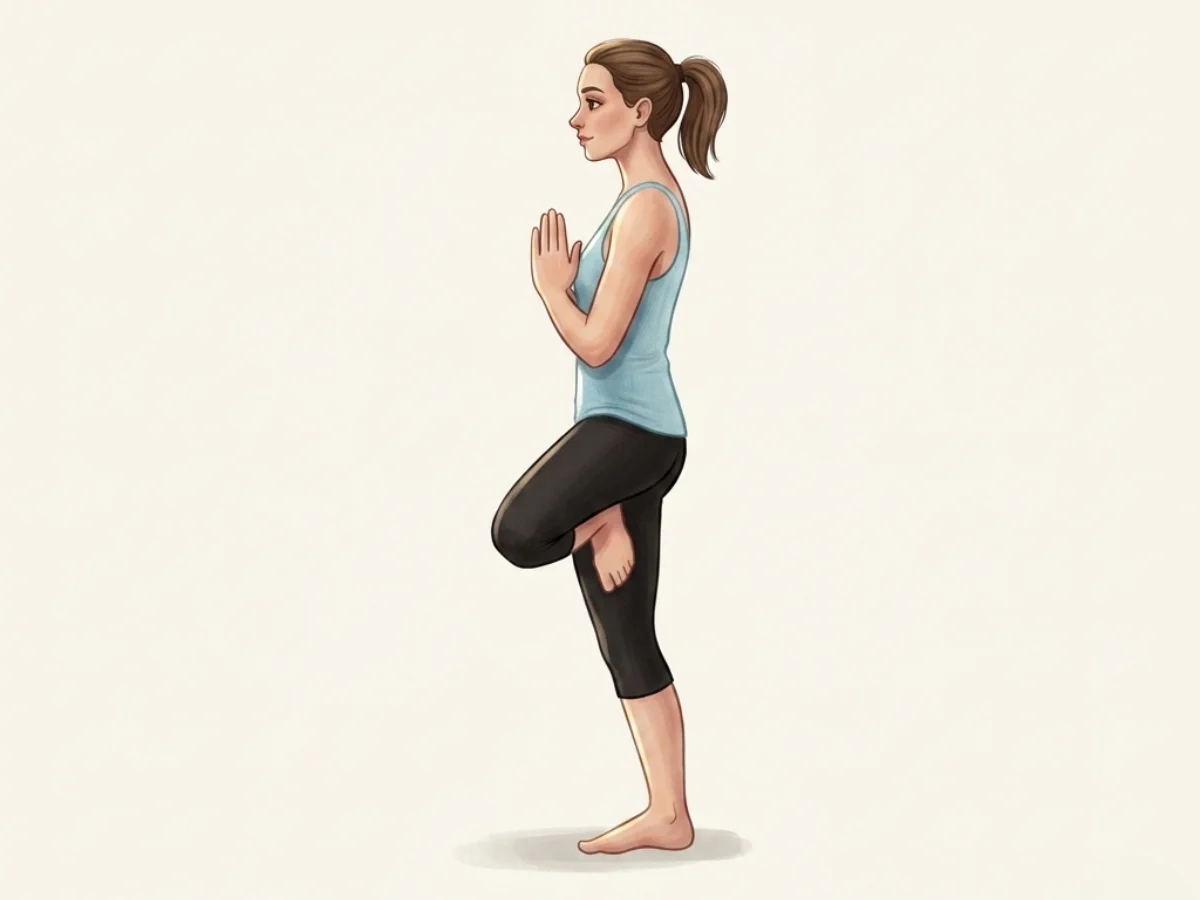
Tree Pose (Vrksasana)
A moderate hold that challenges proprioception and strengthens the stabilizing muscles of the ankles and core.
View Guide
"Using a timer removes the mental burden of counting breaths. By externalizing the timekeeping, practitioners often find it easier to shift their nervous system into a parasympathetic (rest and digest) state during deep holds."
The Science of Timing
Why holding poses for specific durations transforms your body and mind.
Fascial Hydration (90s+)
Connective tissues require longer, passive holds to safely lengthen and hydrate without triggering the stretch reflex. This approach is commonly used for improving joint mobility over time.
Isometric Adaptation (30�60s)
Sustaining active postures like Plank builds isometric endurance. The prolonged tension encourages muscle fibers to adapt to sustained loads, which may help improve joint stability.
Autonomic Regulation
External auditory cues, such as the 528Hz meditation chimes in this timer, help bypass analytical thought. Practitioners often report this encourages brainwaves to shift into relaxing alpha states.
The Stretch Reflex
When you quickly stretch a muscle, sensory receptors (muscle spindles) signal it to contract defensively. This is why ballistic stretching (bouncing) is often discouraged.
Holding a pose steadily for at least 30 seconds allows Golgi tendon organs to override this reflex, encouraging the muscle to safely relax and lengthen.
Explore More Free Tools
Enhance your practice with our suite of interactive, no-cost resources.