
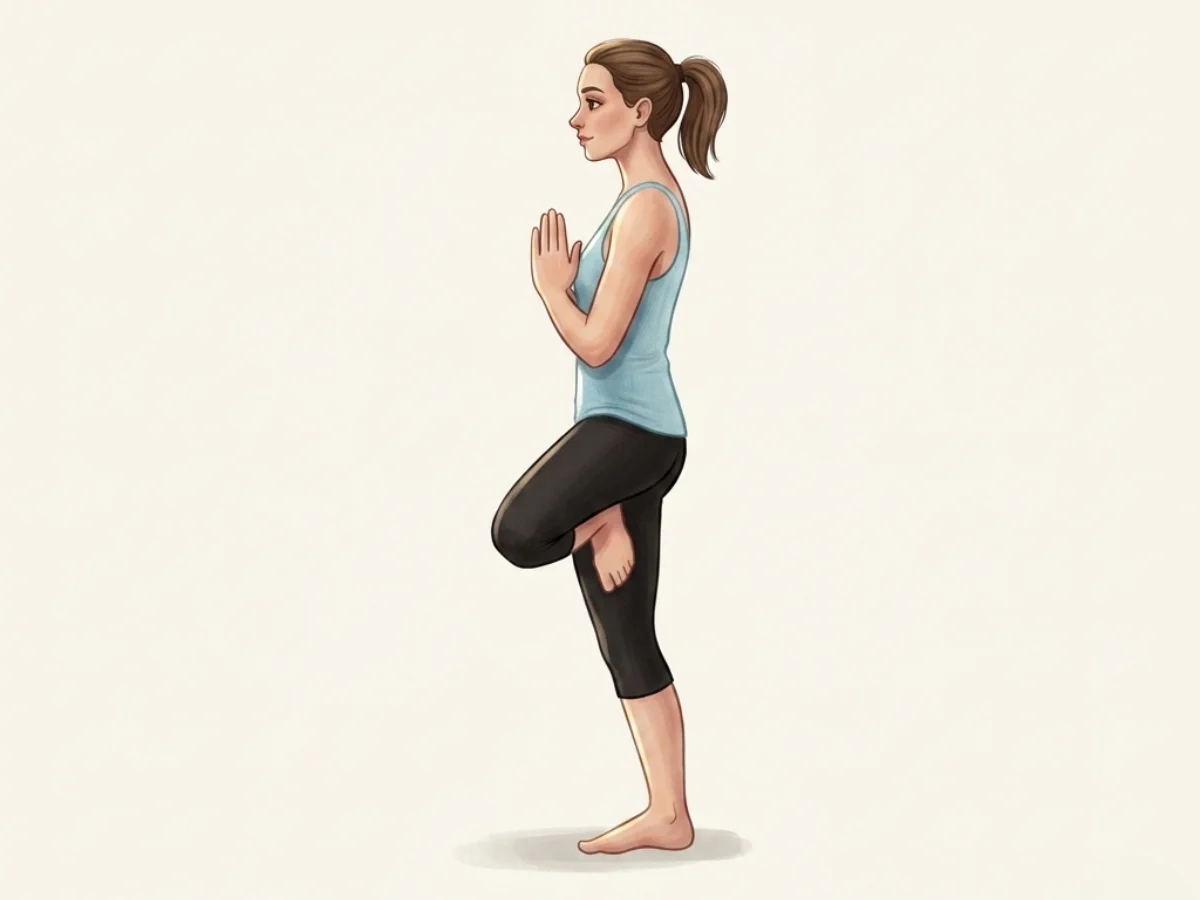
Tree Pose
Vrksasana
By Elena Rostova Updated: verified Medically Reviewed
Tree Pose (Vrksasana) is a classic, foundational balancing posture that teaches practitioners the dual qualities of grounding and lifting. By rooting down firmly through one standing leg like a tree trunk and lifting the crown of the head skyward, you develop profound physical stability and mental tranquility.
Hold Time
30–60 sec · 5–10 breaths
Pronunciation
vrik-SHAHS-anna
About Tree Pose
Embodying the beauty found in nature, Tree Pose (Vrksasana) helps anchor the body while creating a wonderful sense of space. By gently focusing on balance, focus & hip opening, it actively stretches your muscles and builds heat. Practicing this pose regularly helps with improves balance and stability and leaves you feeling completely refreshed.
How to Practice
Mountain Pose Foundation
Begin standing tall in Mountain Pose (Tadasana), rooting down evenly through all four corners of both feet.
Shift Your Weight
Fix your gaze on a steady point straight ahead. Slowly shift your body weight onto your left foot, engaging your left quadriceps to keep the leg strong.
Lift the Right Foot
Bend your right knee and peel your right foot off the floor. Externally rotate your right hip, turning your right knee out to the side.
Place the Foot
Reach down and guide the sole of your right foot to rest against your inner left thigh. If the thigh is too high, place it on your inner calf or rest your toes on the floor with your heel against your ankle.
Press and Stabilize
Actively press your right foot into your left leg, and simultaneously press your left leg back into your foot. This opposing pressure locks your center of gravity.
Align the Pelvis
Ensure your hips are square to the front. Avoid letting your right hip hike up; keep both hip points level.
Hand Position
Bring your palms together at heart center in Anjali Mudra. Once you feel stable, you can choose to grow your "branches" by reaching your arms overhead.
Hold and Breathe
Hold the balance for 5 to 10 deep breaths. Keep your face relaxed, jaw soft, and gaze steady.
Release Safely
To exit, bring your hands back to your heart, turn your right knee forward, and gently lower your foot back to the mat.
Switch Sides
Shake out your standing leg, re-establish Mountain Pose, and repeat on the other side.
Practice with the Yoga Timer
Keep track of your hold time and breath count for this pose.
Beginner Modifications & Prop Options
Yoga is a personal journey. These modifications and prop options allow you to adapt the pose to your current level of balance and flexibility, ensuring a safe and supportive practice.
Kickstand Tree
Rest the ball of your lifted foot on the floor and place your heel against your standing ankle for balance support while still opening the hip.
Tip: Focus on alignment rather than depth.
Use a Wall or Chair
Stand next to a wall or sturdy chair and rest one hand on it. Practice leg positioning and hip opening safely.
Tip: Focus on alignment rather than depth.
Foot on the Calf
Place the sole of your foot on your inner calf rather than the inner thigh. This is highly effective and completely safe for the knee joint.
Tip: Focus on alignment rather than depth.
Benefits of Tree Pose
Improves Balance and Stability
Trains the neuromuscular system to maintain equilibrium, essential for preventing falls and improving athletic performance.
Strengthens Lower Body Joints
The micro-adjustments required to balance deeply strengthen the ligaments and tendons in the ankles, knees, and hips.
Enhances Focus and Concentration
Balancing on one leg demands undivided attention, effectively quieting the mind and reducing racing thoughts.
Opens Hips and Groin
The external rotation of the bent leg provides a gentle, passive stretch to the inner thigh and hip flexors.
Engages the Core
The core muscles must fire continuously to keep the torso upright and stable over the standing leg.
Common Mistakes to Avoid
Mistake: Placing the Foot on the Knee
How to fix: Always place your foot either completely above the knee (inner thigh) or completely below the knee (inner calf).
Mistake: Dumping Weight into the Hip
How to fix: Actively squeeze your outer hip (gluteus medius) inward, standing tall and strong through the center.
Mistake: Forcing the Knee Back
How to fix: Keep your hip points facing forward. Allow your bent knee to go only as far back as your natural hip flexibility allows without twisting your torso.
Mistake: Holding the Breath
How to fix: Focus on smooth, rhythmic breathing to stay calm and physically adaptable to wobbles.
Safety and Precautions
Severe Balance Disorders
Conditions causing vertigo or dizziness require practicing with the support of a wall or chair.
Recent Knee or Ankle Injuries
Balancing on one foot can strain recovering joints. Modify with a kickstand approach or avoid entirely.
Hip Replacements
Consult a doctor before attempting postures that require external hip rotation.
Medical Disclaimer: If you have any of the above conditions, consult your doctor or a qualified yoga instructor before attempting this pose.
Muscles Worked in Tree Pose
Tree Pose demands synchronized muscular effort, creating a profound sense of engagement and release throughout the body. The activation of the primary muscles supports the structure, while the secondary muscles provide stability and balance.
Primary Muscles
Gluteus Medius
Stabilizes the standing hip and prevents it from jutting out.
Ankle Stabilizers
Work constantly to maintain balance over the foot.
Core (Transverse Abdominis)
Acts as a corset to keep the spine tall and stable.
Secondary Muscles
Hip External Rotators
Open the bent knee out to the side.
Quadriceps
Engage to support the standing leg.
Deltoids
Engage if arms are extended overhead.
Poses to Practice Before and After Tree Pose
Prepare with these Poses
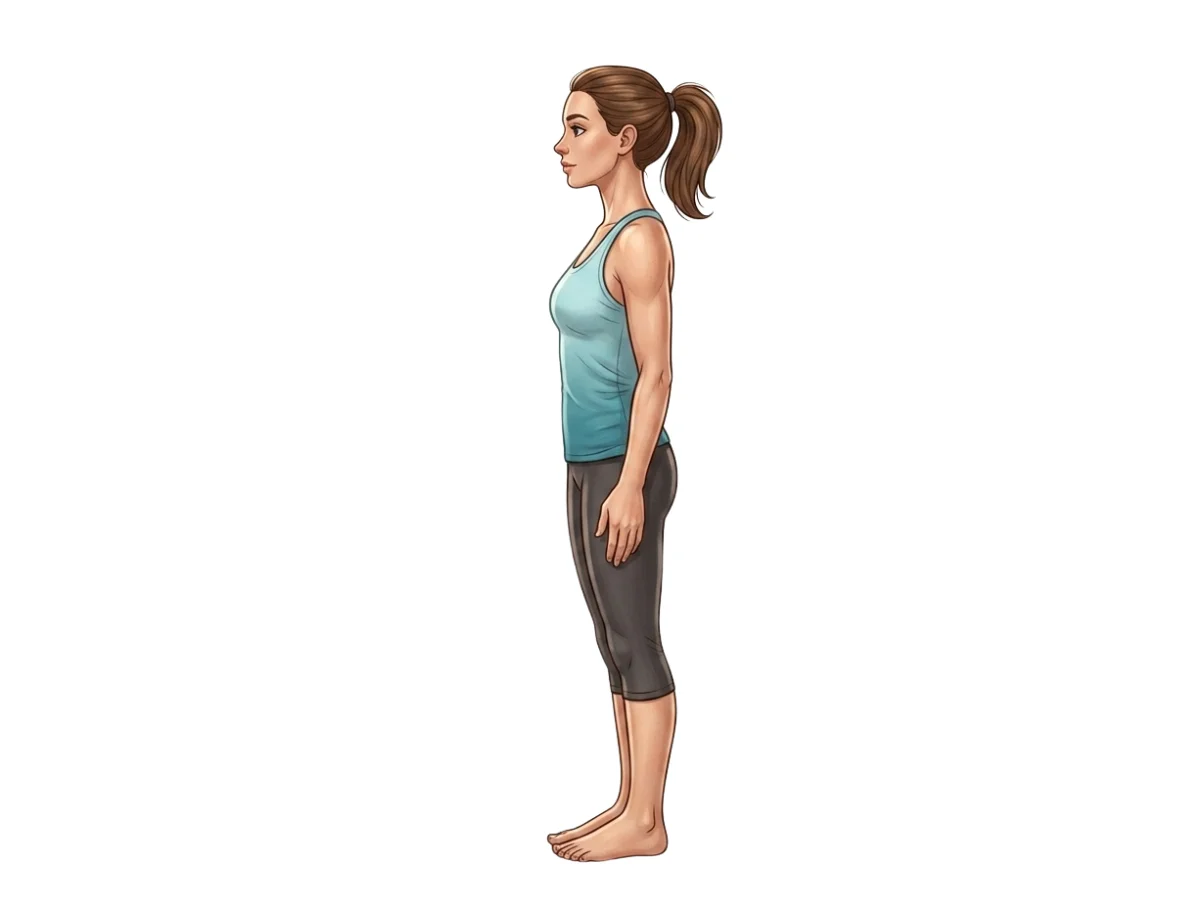
Mountain Pose
TadasanaTeaches the exact standing alignment needed before lifting a leg.
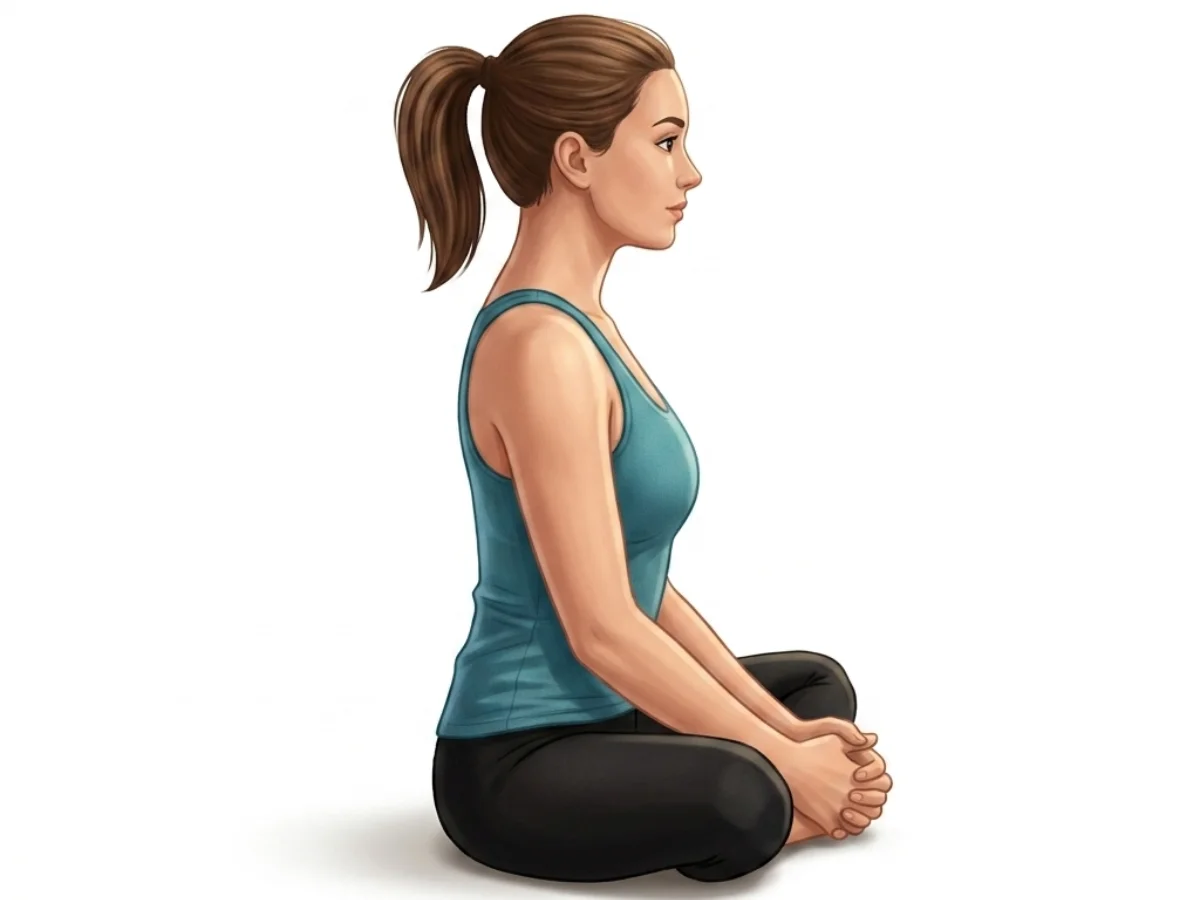
Bound Angle
Baddha KonasanaA seated pose that opens the inner thighs and prepares the hips for external rotation.
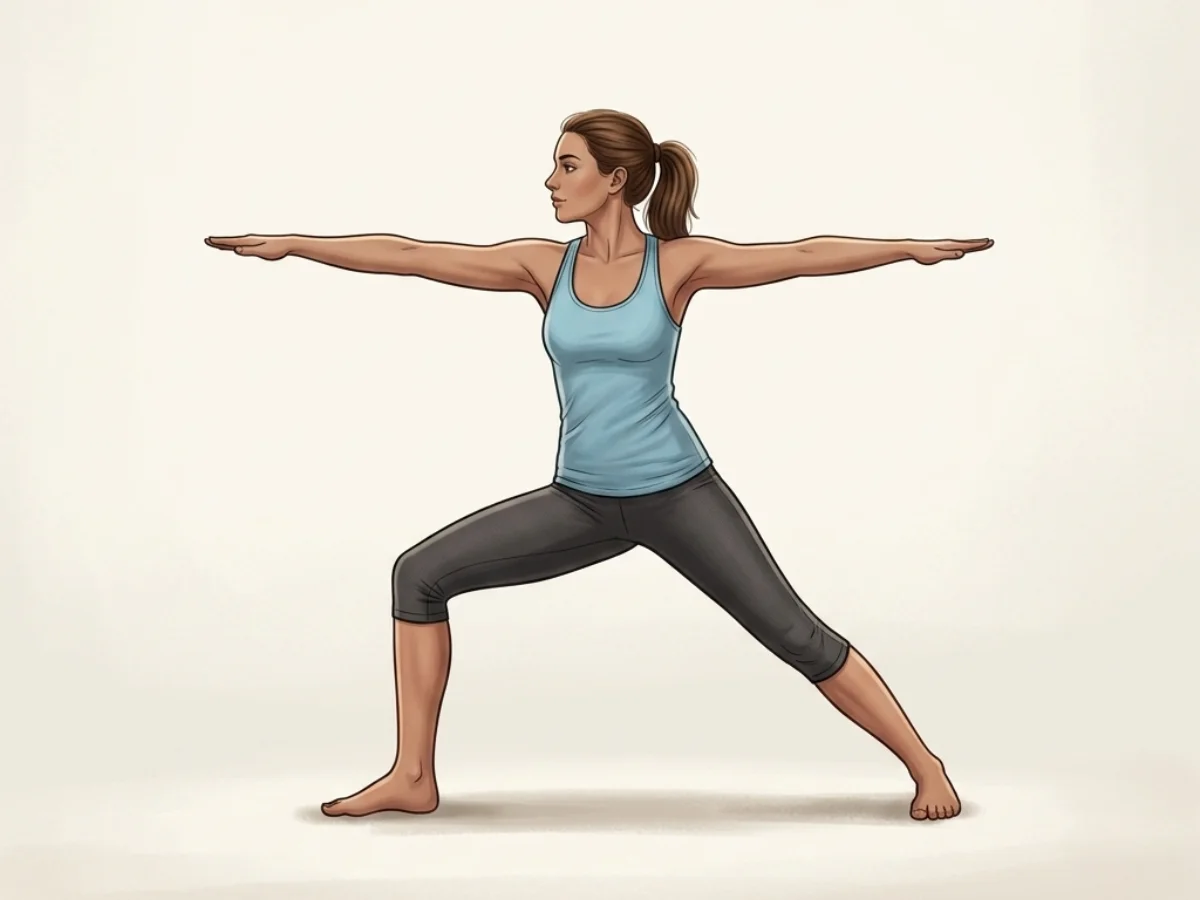
Warrior II
Virabhadrasana IIBuilds standing leg strength while warming up the hip rotators.
Follow with neutralizing Counter-poses
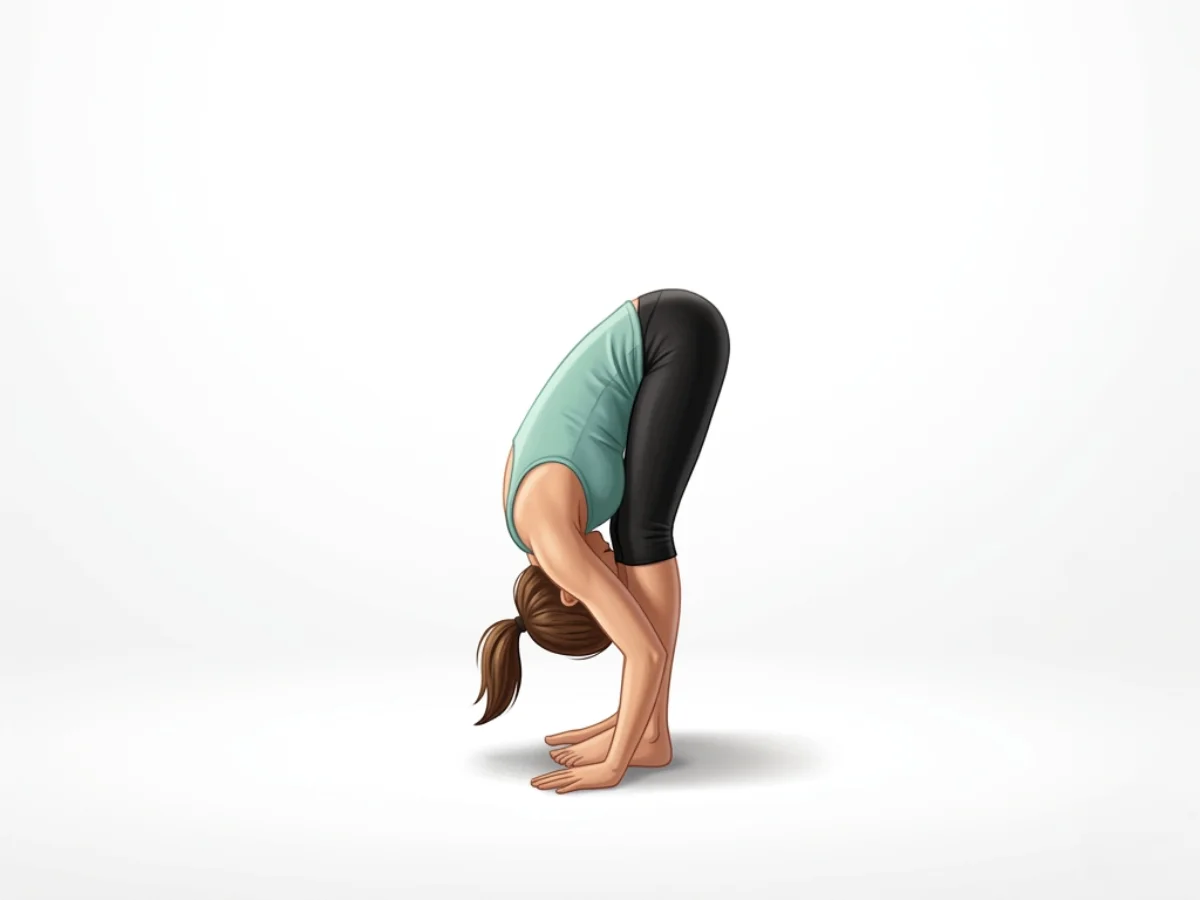
Standing Forward Bend
UttanasanaA symmetrical posture that releases the hips and lower back after balancing.
Mountain Pose
TadasanaGrounds both feet to integrate the asymmetrical practice.
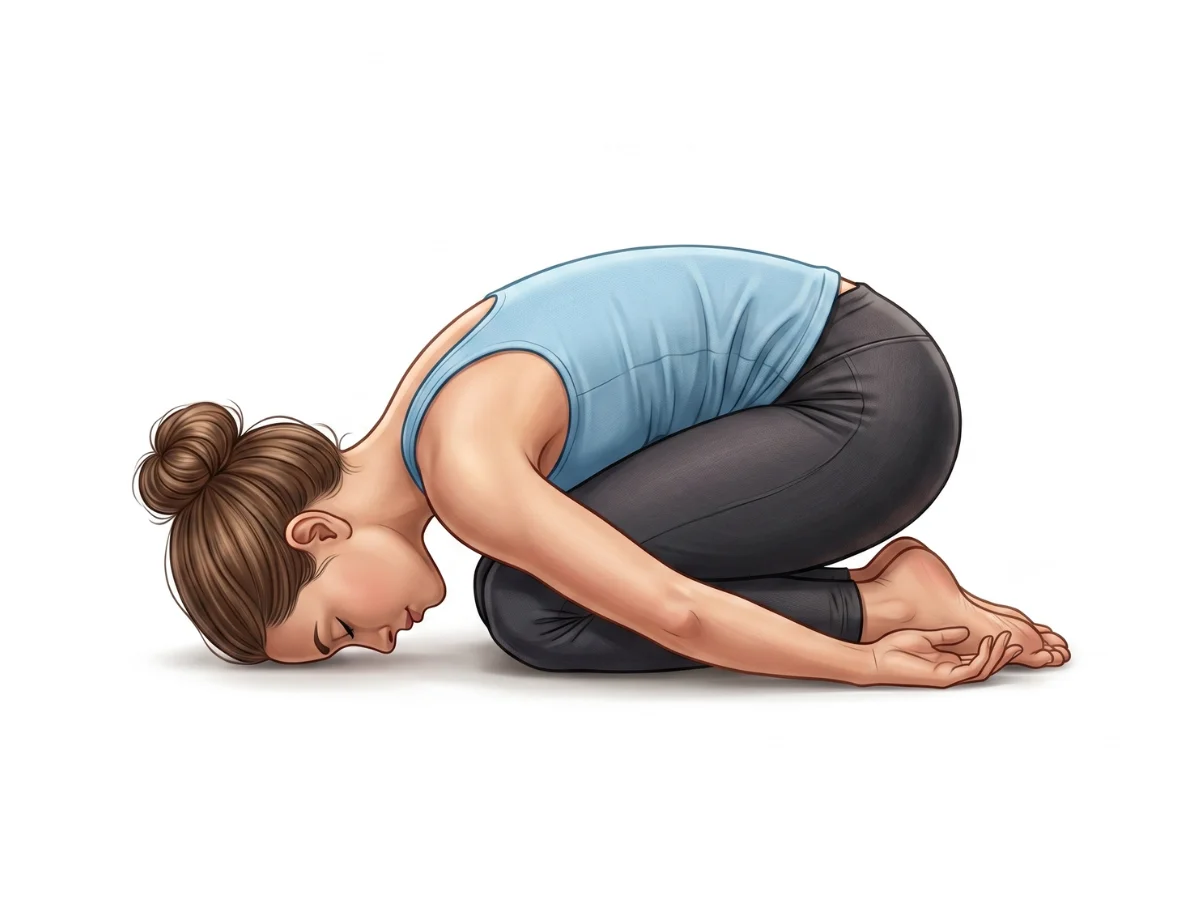
Child's Pose
BalasanaA gentle, resting counterpose that calms the nervous system.
Frequently Asked Questions
Why can I balance on one leg but not the other?
This is completely normal. Most people have a dominant leg that is stronger or more stable. Consistent practice of Tree Pose on both sides will help correct these muscular imbalances over time.
My foot keeps slipping down my leg. What can I do?
Slipping is often caused by smooth athletic wear (like certain leggings) or lack of opposing pressure. Ensure you are pressing your standing leg into your foot just as hard as your foot presses into your leg. If it still slips, simply place the foot lower on the calf.
Where should I look when balancing?
Find a "Drishti," or focal point. Look at a stationary object or spot on the floor about 5 to 10 feet in front of you. Keeping your eyes still helps quiet the mind and stabilize the body.

Elena Rostova is an accredited yoga educator and anatomy specialist with over 15 years of clinical experience. She focuses on functional biomechanics and injury prevention, translating complex anatomy into accessible guidance for safe, sustainable practice.
Read Full ProfileContinue Your Yoga Journey
Ready to deepen your practice? Explore our extensive library of poses, or join a structured program designed to build strength, flexibility, and mindfulness.