
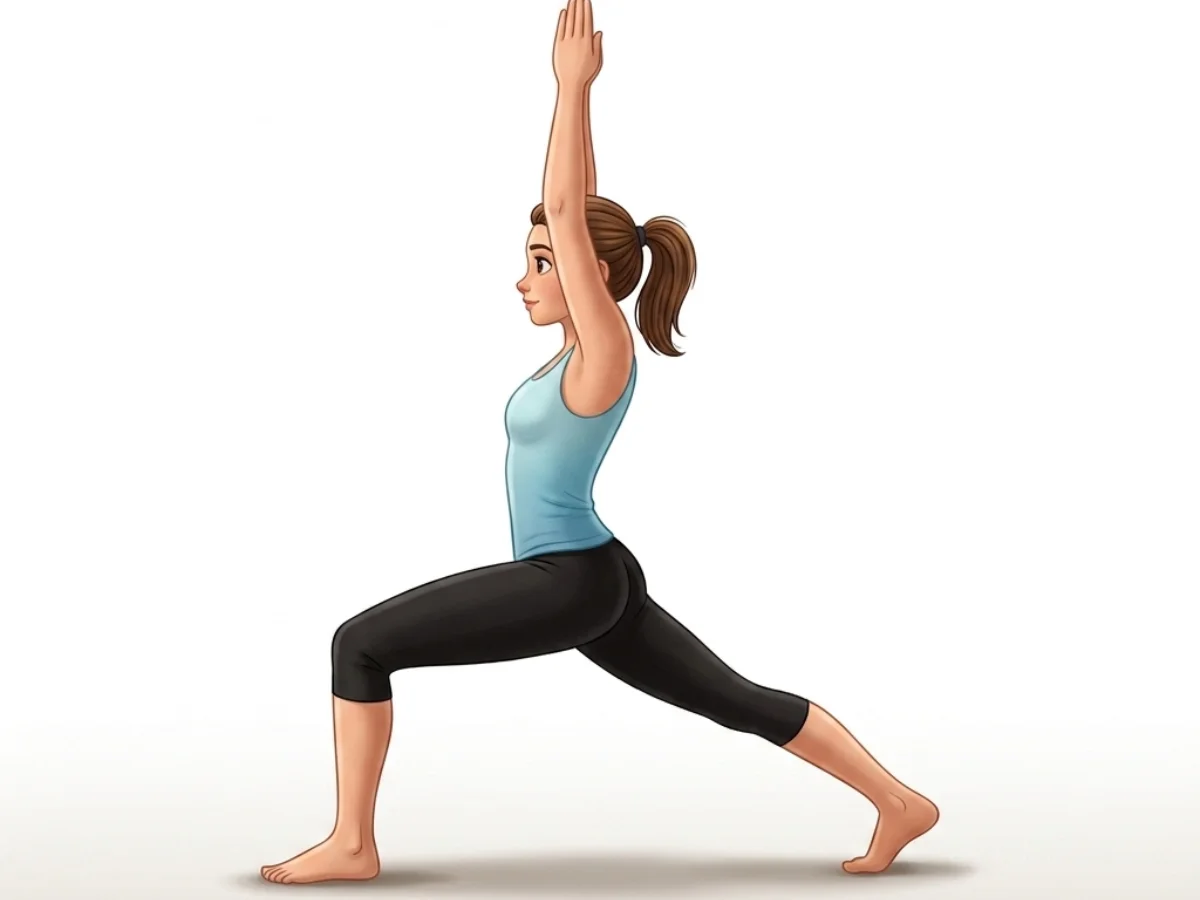
Crescent Lunge
Ashta Chandrasana
By Elena Rostova Updated: verified Medically Reviewed
Crescent Lunge (Ashta Chandrasana), or High Lunge, is a powerful standing posture that strengthens the legs while opening the hips and psoas. By lunging forward on the ball of the back foot and reaching overhead, you build lower body stability and dynamic balance.
Hold Time
30–60 sec · 5–10 breaths
Pronunciation
AHSH-tah chahn-DRAHS-anna
About Crescent Lunge
Often praised by experienced instructors, Crescent Lunge (Ashta Chandrasana) acts as a powerful tool for finding balance and realignment. By gently focusing on lower body strength & hip flexor opening, it actively stretches your muscles and builds heat. Consistent practice will actively assist in deep hip flexor opening, helping you feel lighter and more balanced off the mat.
How to Practice
Standing Foundation
Begin standing tall in Mountain Pose (Tadasana) at the front of your mat, feet hip-width apart and arms by your sides.
Step Backwards
Inhale deeply, and on your exhale, step your left foot straight back about three to four feet, keeping your feet parallel like they are on train tracks.
Elevate Back Heel
Keep your back left heel lifted high, stacking your heel directly over the ball of your back foot so that your toes point straight forward.
Lunge Forward
Bend your front right knee deeply, aiming to bring your front thigh parallel to the floor, ensuring your right knee stacks directly over your ankle.
Square Your Hips
Actively draw your right hip back and press your left hip forward to square your pelvis directly toward the front edge of your mat.
Reach Overhead
On a deep inhale, sweep your arms overhead, keeping your arms parallel and palms facing each other, keeping your fingers active.
Core Integration
Draw your lower belly in toward your spine to stabilize your lower back, preventing your tailbone from flaring and pelvis from tilting forward.
Elongate the Back Leg
Press your back left thigh up toward the ceiling to straighten and energize your back leg, extending through your back heel.
Sustained Breath
Hold the lunge for 5 to 10 deep, steady nasal breaths, keeping your shoulders relaxed down and your gaze softly forward.
Safe Return
To exit the pose safely, lower your hands to your hips on an exhale, engage your core, and step your back left foot forward to meet your right foot, returning to Tadasana.
Practice with the Yoga Timer
Keep track of your hold time and breath count for this pose.
Beginner Modifications & Prop Options
Yoga is a personal journey. These modifications and prop options allow you to adapt the pose to your current level of balance and flexibility, ensuring a safe and supportive practice.
Lowering the Back Knee (Low Lunge)
Lower your back knee to the mat (Anjaneyasana), placing a blanket under it for padding. Keep hips pressing forward and hands overhead for a stable base and deep hip flexor stretch.
Tip: Focus on alignment rather than depth.
Hands resting on Hips or at Heart
Rest your hands on your hips or press palms together at your chest. This lowers your center of gravity, aids balance, and allows focus on lower body alignment.
Tip: Focus on alignment rather than depth.
Slightly Bending the Back Knee
Maintain a slight bend in your back knee and tilt your pelvis backward. This modification unburdens the lower back and lets you stretch tight hip flexors safely.
Tip: Focus on alignment rather than depth.
Benefits of Crescent Lunge
Deep Hip Flexor Opening
Placing the back leg in extension deeply stretches the psoas major, iliacus, and rectus femoris (quadricep) of the back leg, reversing the effects of sitting.
Strengthens Lower Body muscles
Deeply tones and strengthens the quadriceps, hamstrings, and gluteus maximus of the front lunging leg, as well as the calf muscles of both legs.
Builds Balance & Core Stability
Balancing on the ball of the back foot challenges and improves proprioception, ankle strength, and lateral hip stability through deep muscle recruitment.
Engages Deep Core Muscles
Maintaining an upright torso against the resistance of the lunging legs recruits the transverse abdominis and lower obliques, protecting the lower spine.
Opens Chest & Shoulder Girdle
Reaching overhead stretches the pectorals and latissimus dorsi, helping to improve chest expansion and respiratory capacity.
Common Mistakes to Avoid
Mistake: Front Knee Drifting Past Ankle
How to fix: Step your back foot further back so that your front knee stacks directly over or slightly behind your front ankle, keeping the shin vertical.
Mistake: Collapsing the Back Knee
How to fix: Actively press your back thigh up toward the ceiling, engaging the quadriceps and hamstring of the back leg.
Mistake: Overarching the Lower Back
How to fix: Actively draw your tailbone down toward the floor and pull your lower belly in to support the lumbar spine.
Safety and Precautions
Acute Knee or Hip Joint Injuries
Bending the knees deeply under load can aggravate patellar tendonitis or meniscus issues.
Severe Sacroiliac (SI) Joint Instability
The asymmetrical stance can place shearing forces on the SI joints if core support is weak.
Severe Vertigo or Balance Disorders
Balancing on the ball of the back foot can trigger dizzy spells or increase risk of falling.
Severe Groin or Hip Flexor Strains
Forcing a deep extension stretch can worsen micro-tears in the psoas or adductor muscles.
Late-Stage Pregnancy
Balance challenges and pelvic joint laxity increase. Pregnant practitioners should take a wide stance and use a wall for support.
Medical Disclaimer: If you have any of the above conditions, consult your doctor or a qualified yoga instructor before attempting this pose.
Muscles Worked in Crescent Lunge
Crescent Lunge demands synchronized muscular effort, creating a profound sense of engagement and release throughout the body. The activation of the primary muscles supports the structure, while the secondary muscles provide stability and balance.
Primary Muscles
Quadriceps (Front Leg)
Works isometrically to support the deep lunge.
Psoas Major & Iliacus
Stretched under deep extension in the back leg.
Gluteus Maximus (Front)
Engages to support hip alignment and pelvis elevation.
Secondary Muscles
Gastrocnemius & Soleus
Stabilize ankles and heels in both feet.
Transversus Abdominis
Maintains deep core stability and lumbar support.
Anterior Deltoids
Hold the arms elevated parallel overhead.
Poses to Practice Before and After Crescent Lunge
Prepare with these Poses
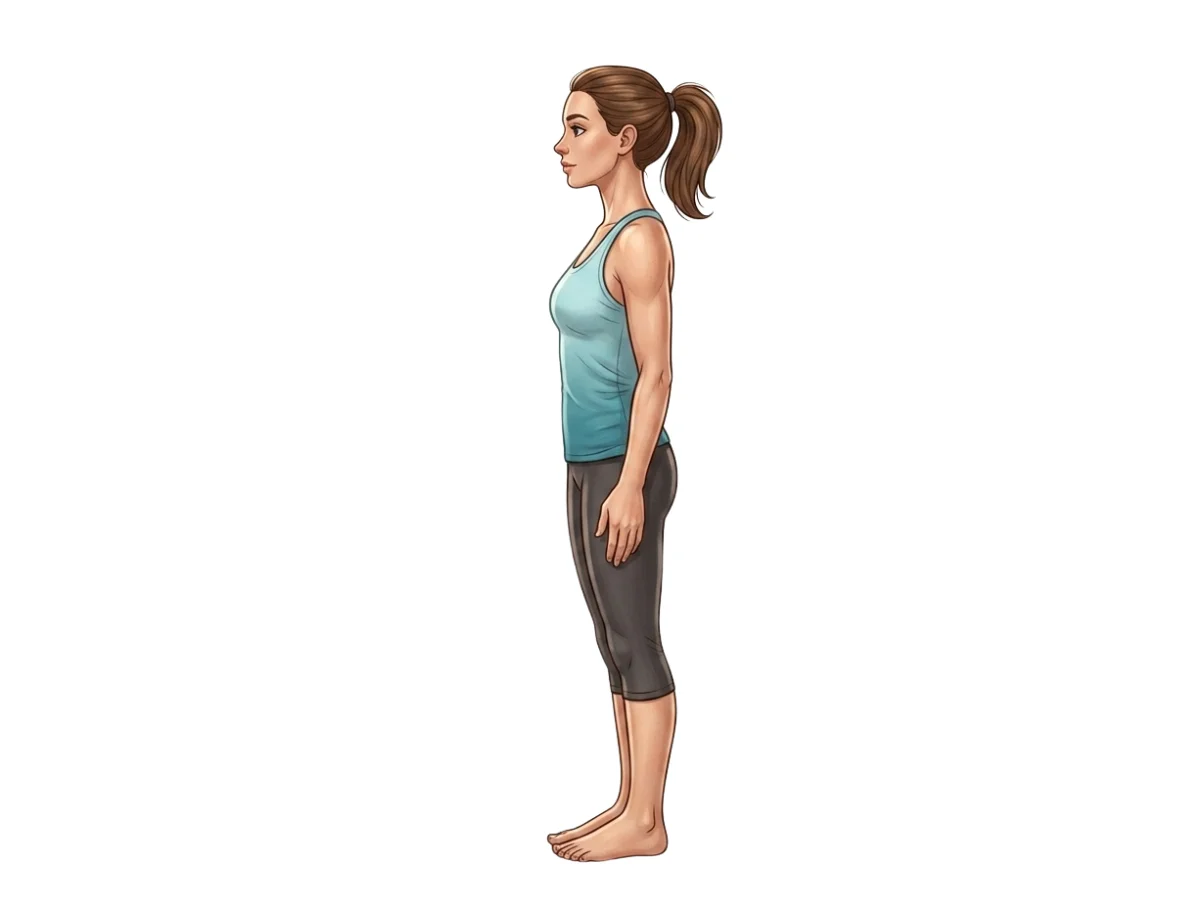
Mountain Pose
TadasanaEstablishes proper standing alignment, weight distribution, and balance.
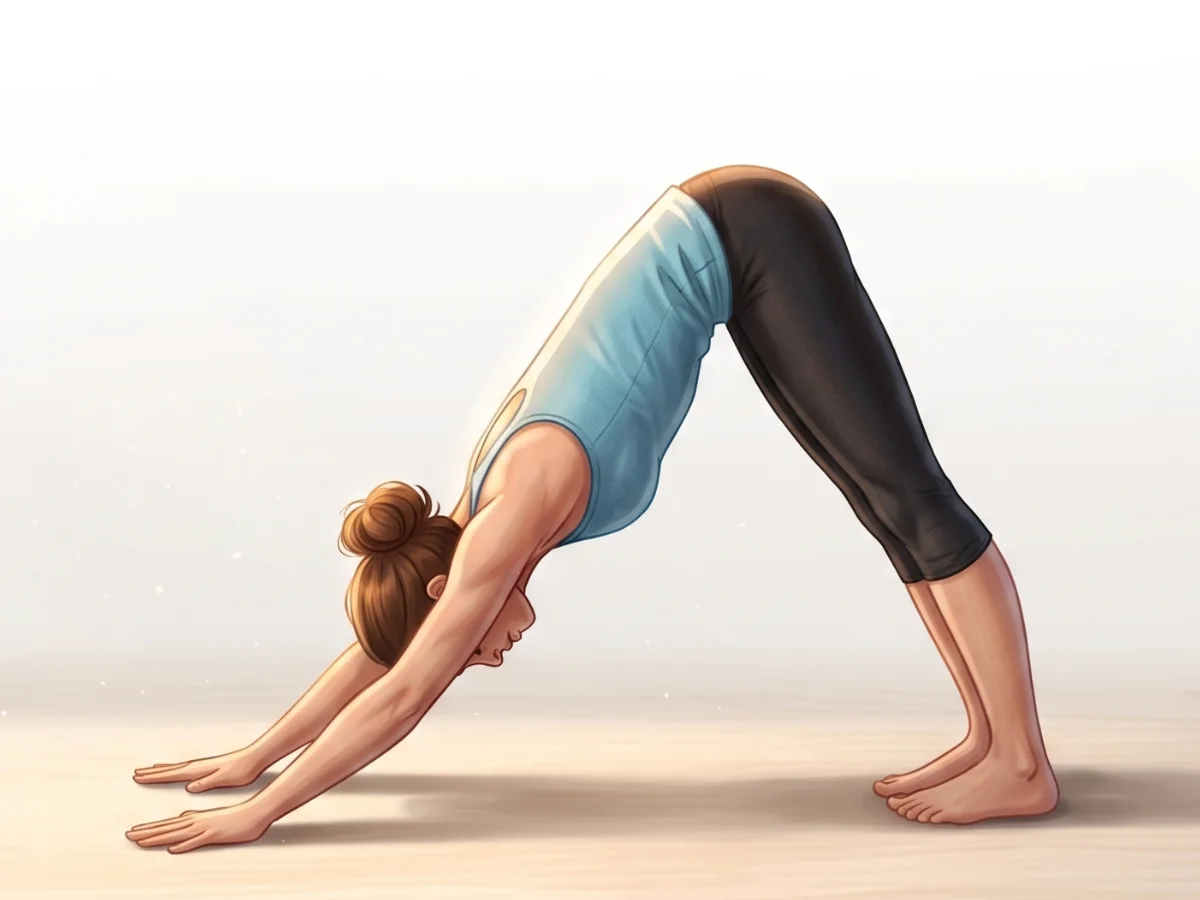
Downward-Facing Dog
Adho Mukha SvanasanaStretches the calves and hamstrings while opening the shoulders.
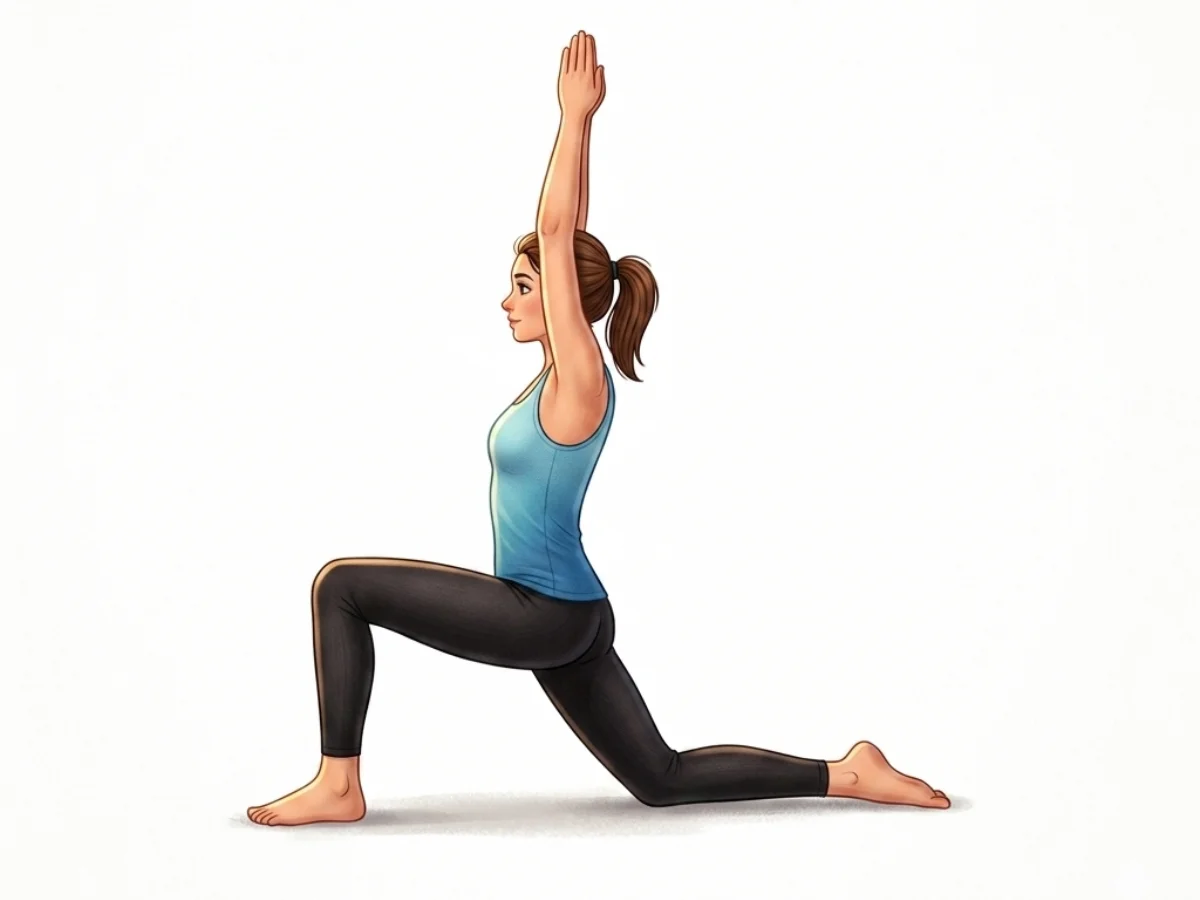
Crescent Lunge on the Knee
AnjaneyasanaWarms up the psoas and hip flexors with the support of the grounded back knee.
Follow with neutralizing Counter-poses
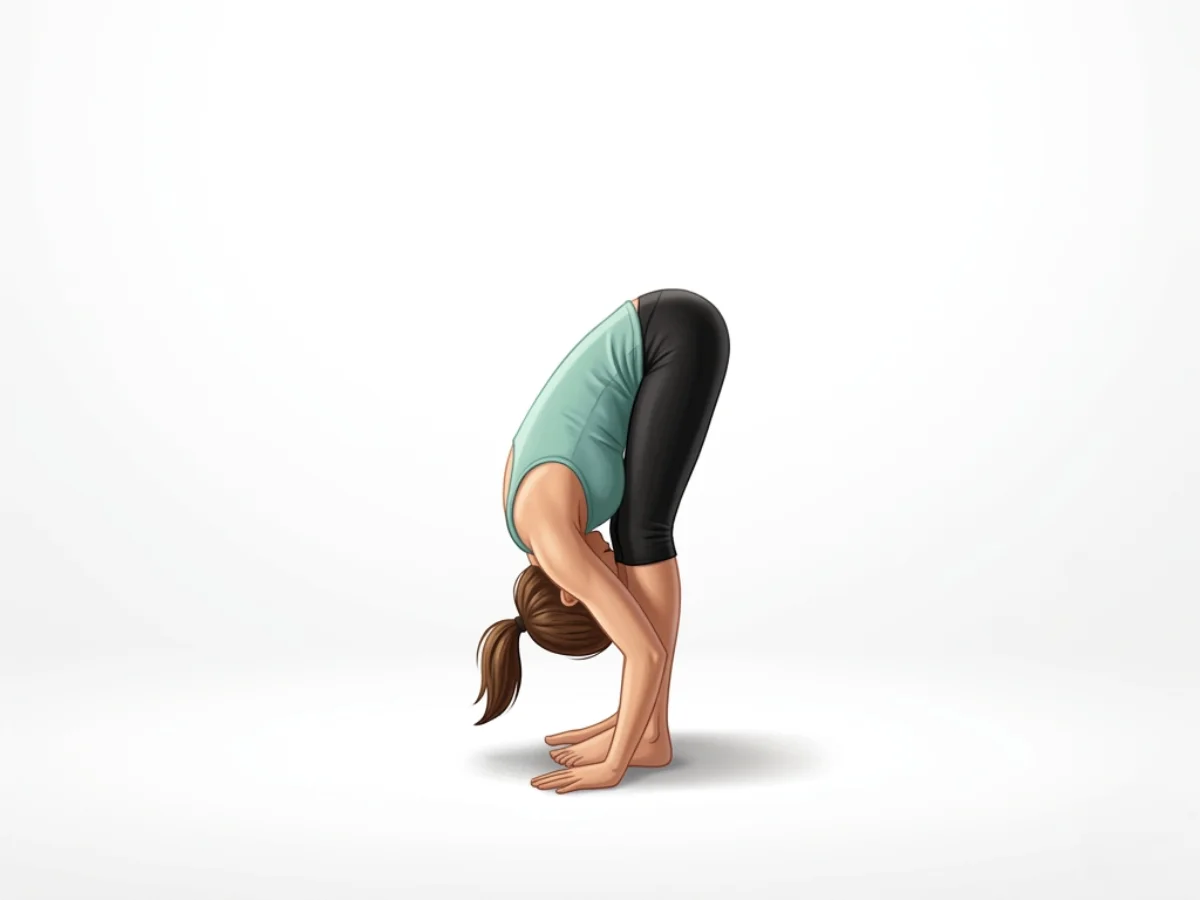
Standing Forward Bend
UttanasanaReleases the deep lunging effort and decompresses the spine in a symmetrical fold.
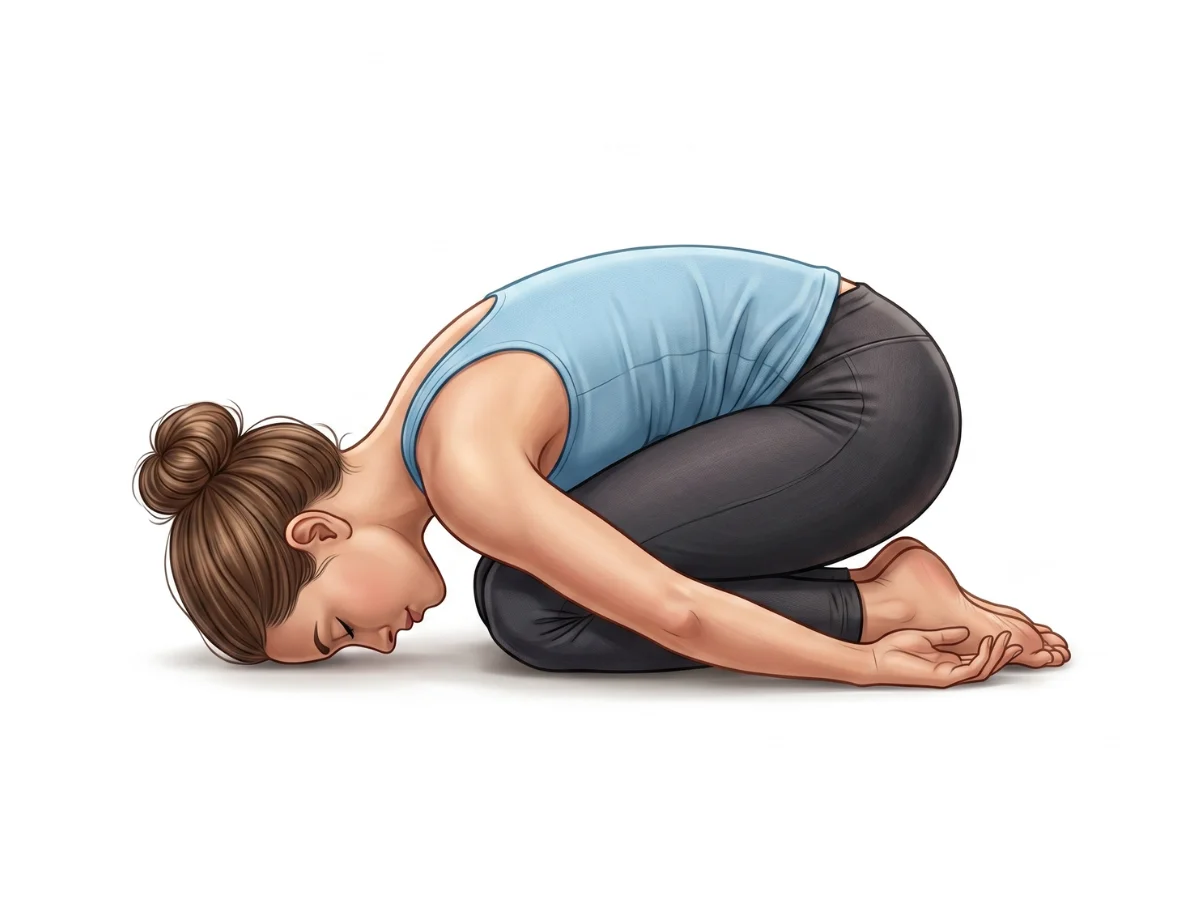
Child's Pose
BalasanaAllows the legs, hips, ankles, and back to rest completely after intense standing standing balance.
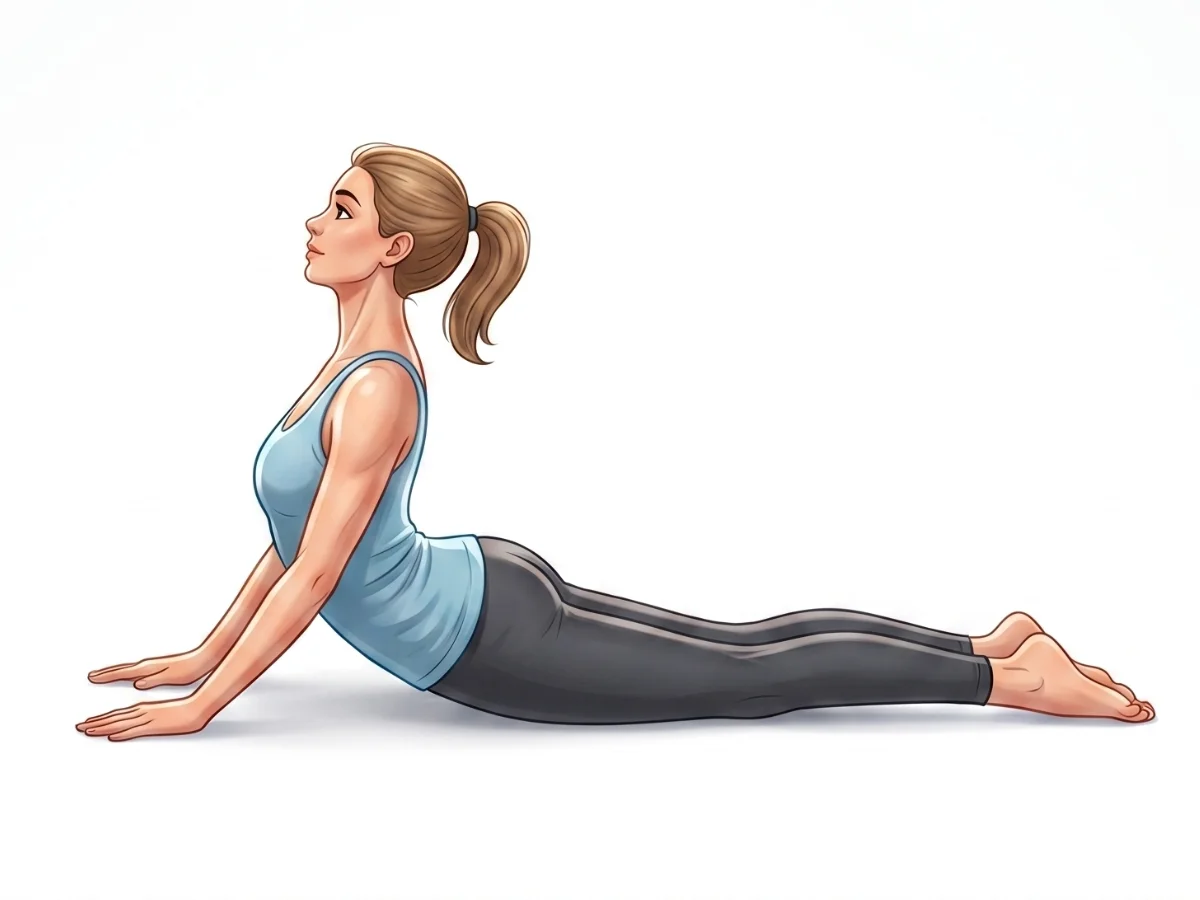
Cobra Pose
BhujangasanaGently opens the chest and stretches the front body to release any lingering lunging strain.
Frequently Asked Questions
What is the main difference between Crescent Lunge and Warrior I?
In Warrior I, the back foot is placed flat on the floor at a 45-degree angle, which rotates the pelvis slightly outward. In Crescent Lunge, the back heel remains elevated high off the floor, stacked over the ball of the foot, which allows the hips to square directly forward and stretches the psoas more deeply.
How can I improve my balance in Crescent Lunge?
Make sure your feet are not walking on a single line (tightrope stance). Take your feet hip-width apart, like they are parallel on train tracks, which instantly broadens your base and provides excellent lateral stability.
Do I need to straighten my back leg completely?
While straightening the back leg is the full expression, keeping a soft bend in the back knee is a highly recommended modification if your hip flexors are tight. This protects your lower back from overarching and keeps your pelvis in a healthy neutral position.
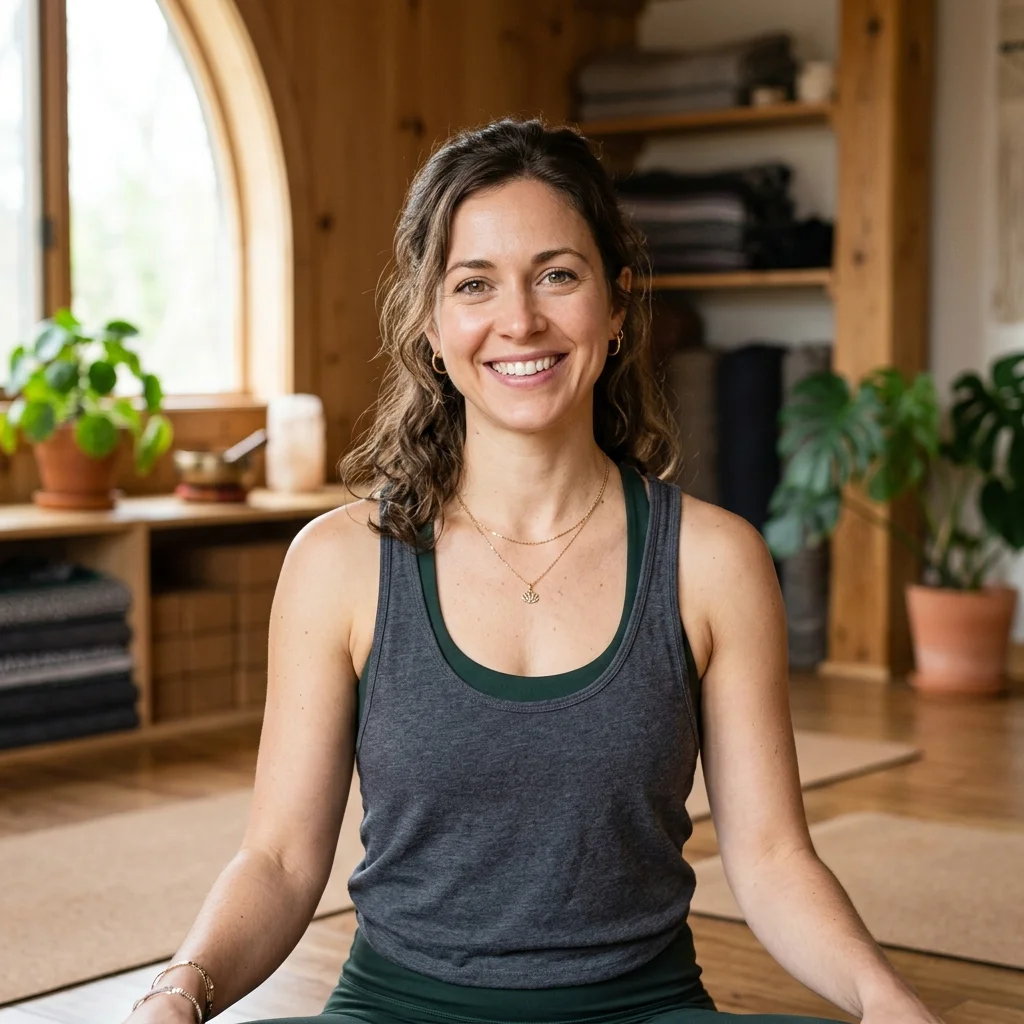
Elena Rostova is an accredited yoga educator and anatomy specialist with over 15 years of clinical experience. She focuses on functional biomechanics and injury prevention, translating complex anatomy into accessible guidance for safe, sustainable practice.
Read Full ProfileContinue Your Yoga Journey
Ready to deepen your practice? Explore our extensive library of poses, or join a structured program designed to build strength, flexibility, and mindfulness.