
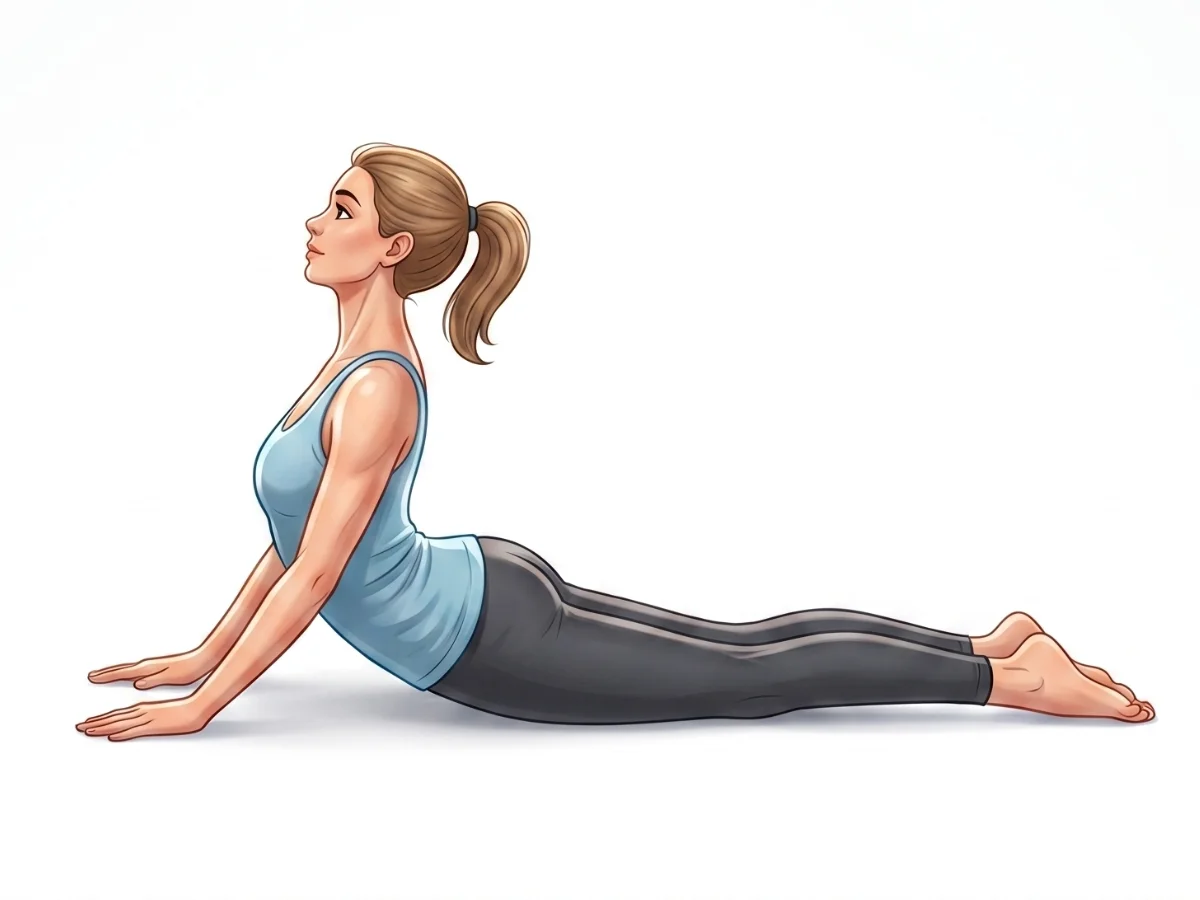
Cobra Pose
Bhujangasana
By Elena Rostova Updated: verified Medically Reviewed
Cobra Pose (Bhujangasana) is a foundational prone backbend that elegantly opens the chest and strengthens the spinal column. Essential to Sun Salutations, it invigorates the heart space and serves as an important accessible alternative to Upward-Facing Dog for building back strength safely.
Hold Time
15–30 sec · 3–5 breaths
Pronunciation
boo-jang-GAHS-anna
About Cobra Pose
Often praised by experienced instructors, Cobra Pose (Bhujangasana) acts as a powerful tool for finding balance and realignment. As you settle into the shape, it gently works the spinal extension & chest opening to increase your overall flexibility. Over time, adding this to your routine is a great way to support strengthens the spine while calming the mind.
How to Practice
Prone Foundation
Lie face-down on your yoga mat. Extend your legs straight back, keeping them hip-width apart, and press the tops of your feet firmly into the floor.
Hand Placement
Place your palms flat on the mat directly under your shoulders. Hug your elbows closely into the sides of your rib cage.
Engage the Lower Body
Press your pubic bone gently but firmly into the mat to protect your lower back. Activate your quadriceps so your kneecaps lift slightly off the floor.
Inhale and Lift
On an inhalation, use the strength of your back muscles (not just your arms) to slowly peel your chest and upper ribs off the floor.
Shoulder Positioning
Roll your shoulders down and away from your ears. Draw your shoulder blades gently together to broaden your collarbones.
Neck Alignment
Keep your neck long as a natural extension of your spine. Gaze slightly forward and down rather than craning your neck backward.
Hold the Pose
Maintain the lift for 15 to 30 seconds, taking smooth, even breaths into the expansion of your chest.
Exhale to Release
To exit, exhale slowly as you lower your ribs, chest, and forehead back down to rest on the mat.
Practice with the Yoga Timer
Keep track of your hold time and breath count for this pose.
Beginner Modifications & Prop Options
Yoga is a personal journey. These modifications and prop options allow you to adapt the pose to your current level of balance and flexibility, ensuring a safe and supportive practice.
Baby Cobra
Lift your chest only a few inches off the floor. Try hovering your hands slightly off the mat to ensure you are strictly using back strength, not arm leverage.
Tip: Focus on alignment rather than depth.
Wider Hand Stance
Place your hands slightly wider than your shoulders to create more space for the chest to lift and expand comfortably.
Tip: Focus on alignment rather than depth.
Benefits of Cobra Pose
Strengthens the Spine
Builds strength in the erector spinae muscles, promoting better posture and reducing spinal fatigue.
Opens Chest and Shoulders
Effectively counters hunched, forward-leaning posture by stretching the pectoralis muscles and anterior shoulders.
Stimulates Digestion
The gentle pressure against the floor massages abdominal organs, supporting healthy digestion and elimination.
Boosts Energy Levels
Chest-expanding backbends are inherently invigorating, increasing breathing capacity and promoting alertness.
Common Mistakes to Avoid
Mistake: Locking the Elbows
How to fix: Keep a slight bend in your elbows and keep them hugged tight to your ribs. Locking the arms shifts the strain entirely into the lower back.
Mistake: Craning the Neck
How to fix: Avoid throwing your head straight back to look at the ceiling. Keep the back of the neck long and gaze slightly forward.
Safety and Precautions
Pregnancy
Lying prone and stretching the abdomen is generally contraindicated after the first trimester.
Spinal Injuries or Herniated Discs
Deep extension can compress vulnerable lumbar discs; practice only with medical clearance.
Recent Abdominal Surgery
The pressure on the abdomen can aggravate healing tissues.
Medical Disclaimer: If you have any of the above conditions, consult your doctor or a qualified yoga instructor before attempting this pose.
Muscles Worked in Cobra Pose
Cobra Pose demands synchronized muscular effort, creating a profound sense of engagement and release throughout the body. The activation of the primary muscles supports the structure, while the secondary muscles provide stability and balance.
Primary Muscles
Erector Spinae
Contracts intensely to arch the spine and lift the torso.
Pectoralis Major
Stretches powerfully as the chest opens forward.
Triceps Brachii
Supports the lift by pressing firmly into the mat.
Secondary Muscles
Gluteus Maximus
Engages to stabilize the pelvis and protect the lumbar spine.
Rhomboids
Retract the shoulder blades to aid in chest expansion.
Poses to Practice Before and After Cobra Pose
Prepare with these Poses
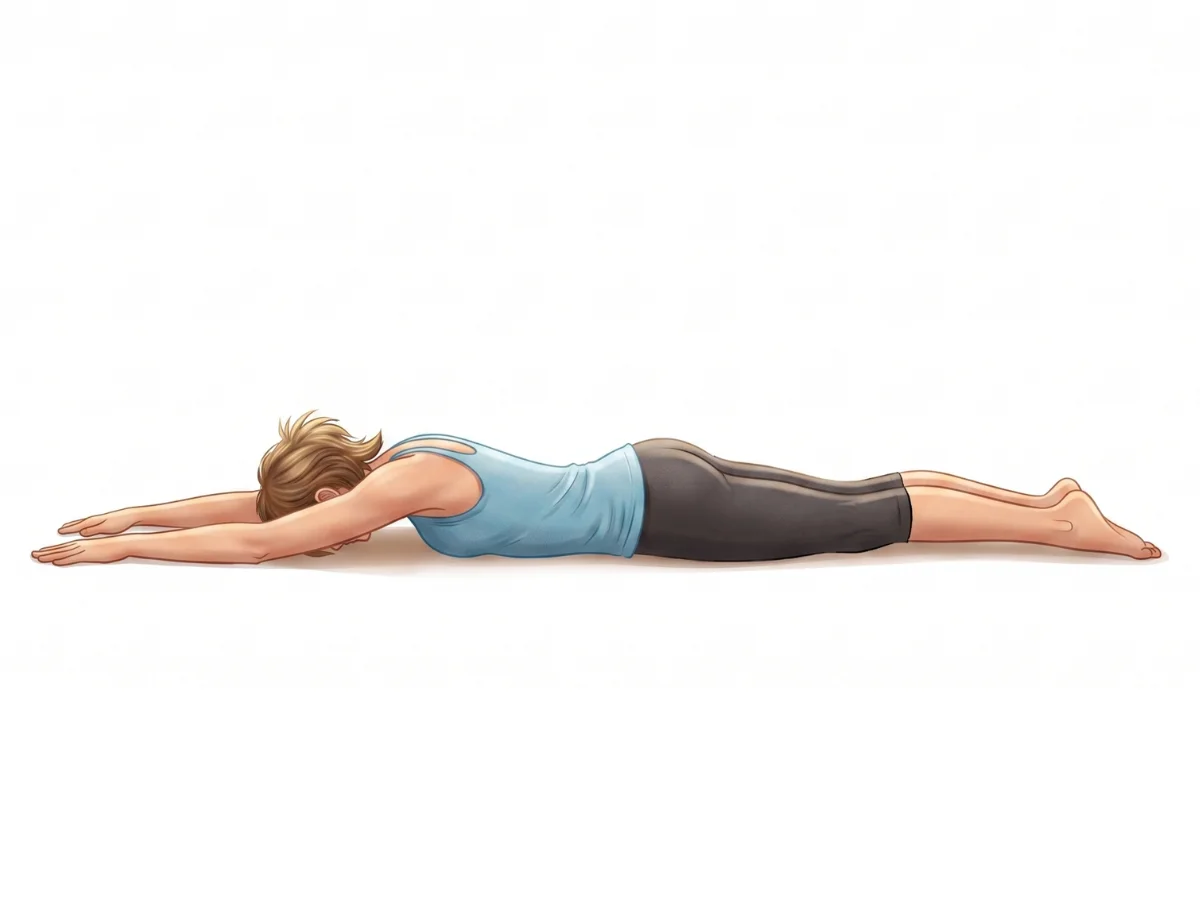
Reverse Corpse Pose
AdvasanaEstablishes a neutral, relaxed prone position before extending.
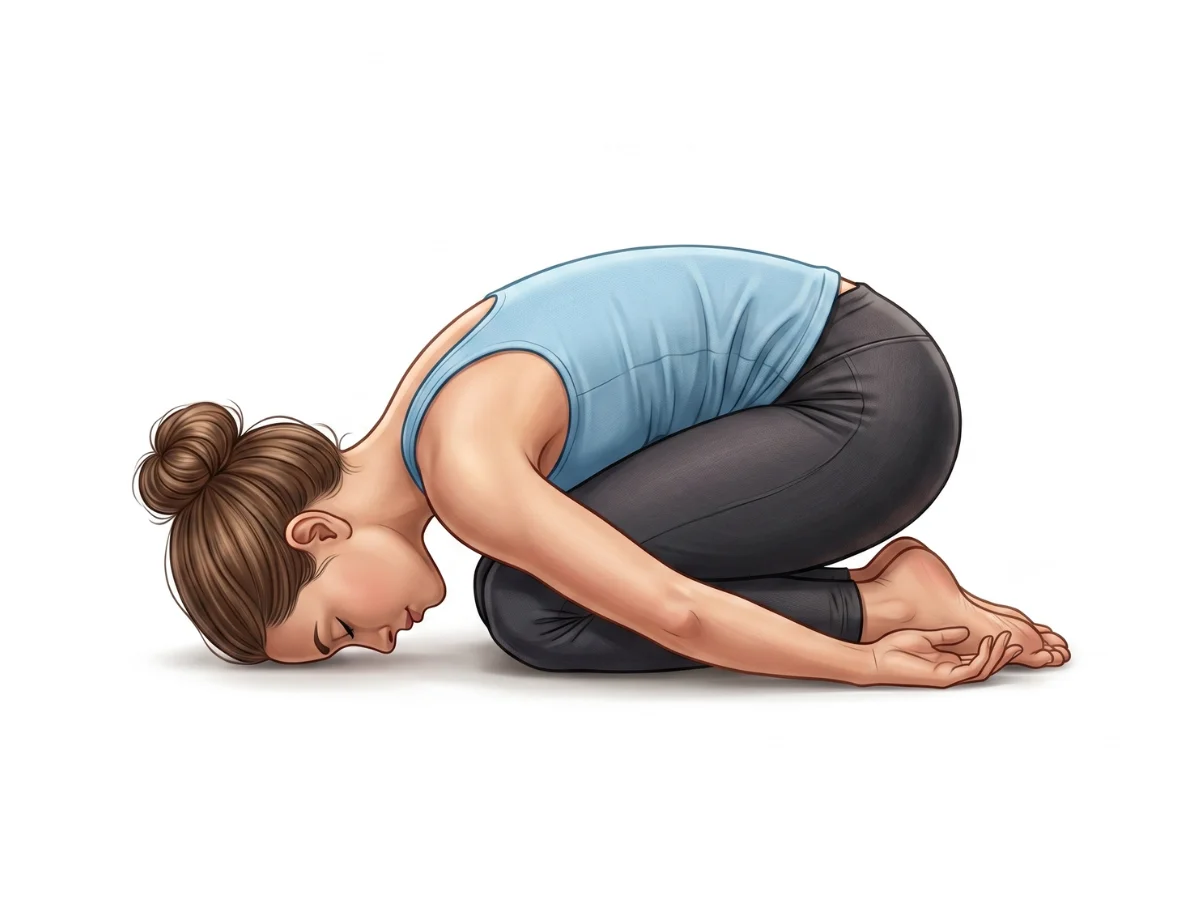
Child's Pose
BalasanaStretches the back in flexion before countering with extension.
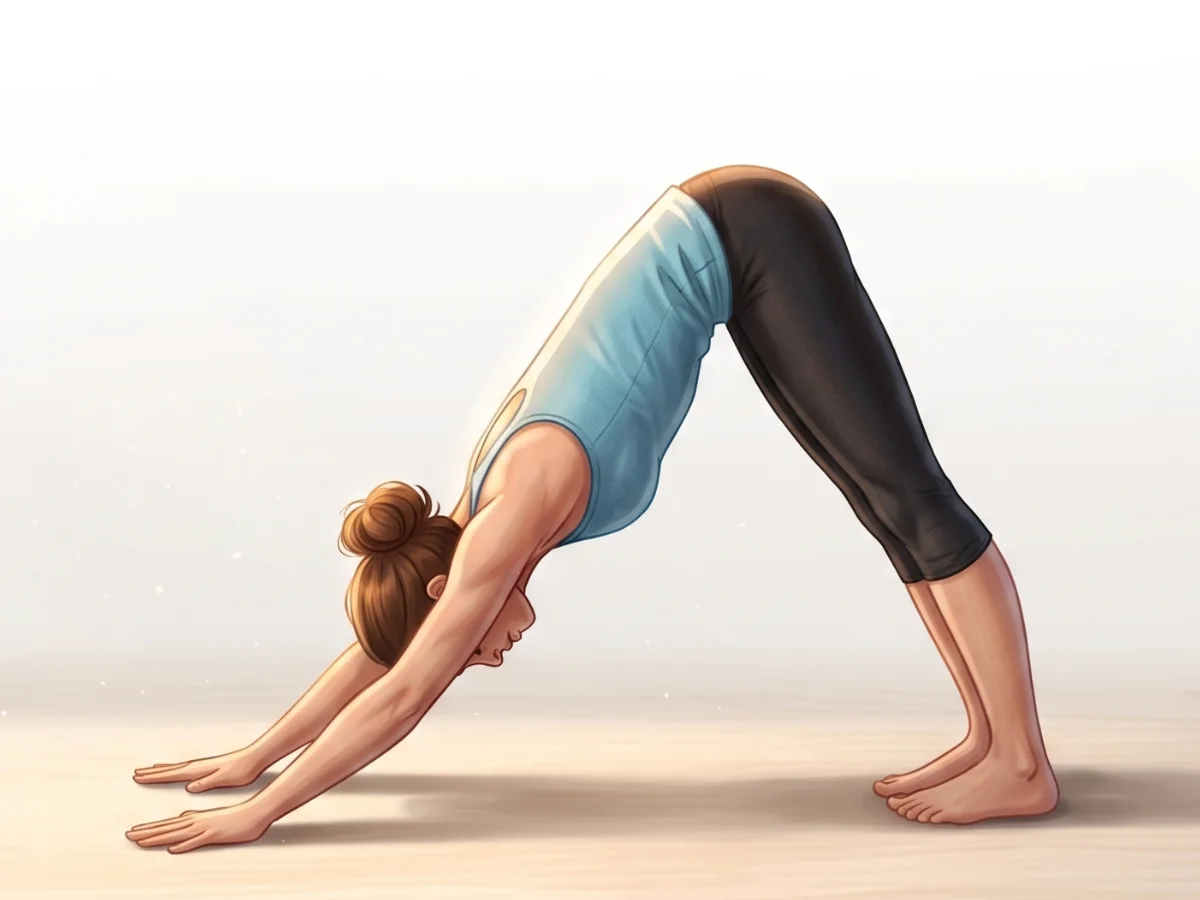
Follow with neutralizing Counter-poses
Frequently Asked Questions
What is the difference between Cobra and Upward-Facing Dog?
In Cobra, your pelvis and thighs remain on the floor, and your elbows are bent. In Upward-Facing Dog, your arms are fully straight, lifting your hips and thighs completely off the mat.
Should I squeeze my glutes?
It is best to have a gentle, supportive engagement in the glutes, but do not clench them maximally. Over-clenching can actually jam the sacroiliac (SI) joint. Focus more on pressing the tops of the feet down.
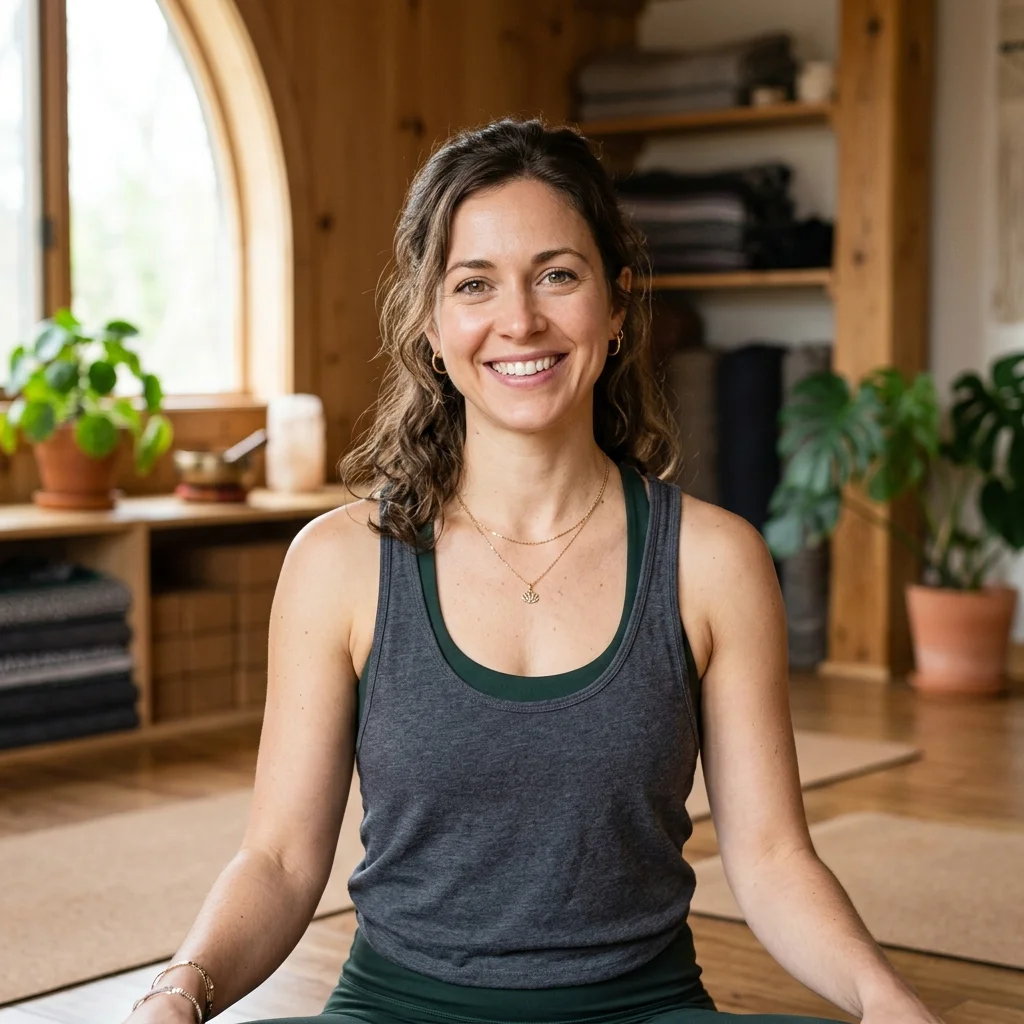
Elena Rostova is an accredited yoga educator and anatomy specialist with over 15 years of clinical experience. She focuses on functional biomechanics and injury prevention, translating complex anatomy into accessible guidance for safe, sustainable practice.
Read Full ProfileContinue Your Yoga Journey
Ready to deepen your practice? Explore our extensive library of poses, or join a structured program designed to build strength, flexibility, and mindfulness.