
Fish
Matsyasana
By Elena Rostova Updated: verified Medically Reviewed
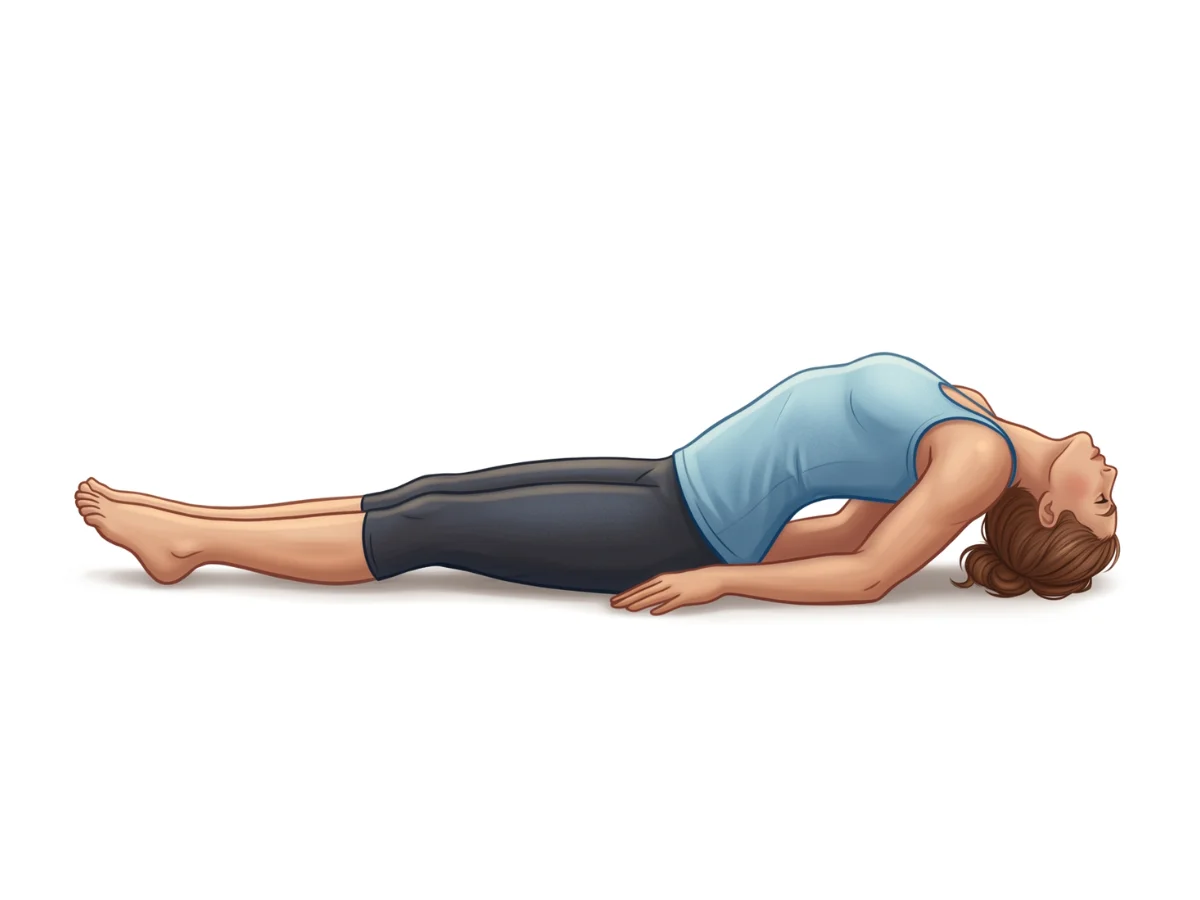
Fish Pose (Matsyasana) is a powerful supine backbend that opens the chest, throat, and abdomen. Often performed as a counter-pose to shoulder stands, this posture expands the rib cage, deepens the breath, and invigorates the body while offering a deep stretch to the neck and upper back.
Hold Time
30�60 sec � 5�10 breaths
Pronunciation
maht-see-AHS-anna
About Fish
Drawing inspiration from nature, Fish (Matsyasana) is a powerful pose that encourages a deep connection to movement. By gently focusing on chest opening & spinal flexibility, it actively stretches your muscles and builds heat. Consistent practice will actively assist in stretches the chest and neck, helping you feel lighter and more balanced off the mat.
How to Practice
Starting Position
Begin by lying flat on your back in Corpse Pose (Savasana). Keep your legs extended, feet together, and your arms resting alongside your body.
Hand Placement
Press your palms flat into the mat and gently slide your hands beneath your glutes, palms facing down. Keep your forearms and elbows tucked close to the sides of your torso.
Inhale and Lift
On a deep inhalation, press firmly into your forearms and elbows to lift your upper back, chest, and head off the mat, arching your spine upwards.
Head Release
Slowly tilt your head backwards and gently lower the crown of your head to rest lightly on the floor. Ensure minimal weight is placed on the neck; your forearms should support your body.
Chest Expansion
Actively squeeze your shoulder blades together to lift the center of your chest higher towards the ceiling, expanding your rib cage and heart center.
Leg Engagement
Keep your legs active and extended, pressing through your heels or pointing your toes, maintaining a strong connection to the earth with your lower body.
Hold and Breathe
Hold the pose for 5 to 10 steady breaths, focusing on expanding the chest with every inhale and softening any tension in the face on the exhale.
Safe Exit
To release the pose, inhale and gently lift your head, bringing your chin towards your chest. Exhale as you slowly lower your back and the back of your head to the mat.
Final Rest
Release your hands from underneath you and return to Corpse Pose (Savasana), allowing your spine to neutralize and the benefits to integrate.
Practice with the Yoga Timer
Keep track of your hold time and breath count for this pose.
Beginner Modifications & Prop Options
Yoga is a personal journey. These modifications and prop options allow you to adapt the pose to your current level of balance and flexibility, ensuring a safe and supportive practice.
Supported Fish with Blocks
Place one yoga block horizontally under your shoulder blades and another under your head. This passive variation opens the chest without requiring active muscle engagement or straining the neck.
Tip: Focus on alignment rather than depth.
Bent Knees
Instead of keeping the legs straight, bend your knees and place your feet flat on the floor hip-width apart. This tilts the pelvis and reduces compression in the lumbar spine.
Tip: Focus on alignment rather than depth.
Blanket Support
Place a folded blanket beneath your forearms and hands to provide extra cushioning and reduce pressure on the joints while lifting the chest.
Tip: Focus on alignment rather than depth.
Benefits of Fish
Stretches the Chest and Neck
Deeply opens the intercostal muscles, pectorals, and throat, reversing the effects of rounded posture and tech-neck.
Strengthens Upper Back Muscles
Engages the rhomboids and trapezius to maintain the lift of the chest, promoting a stronger and healthier upper spine.
Improves Respiratory Capacity
By expanding the rib cage, Fish Pose allows for deeper diaphragmatic breathing, increasing lung capacity and oxygen intake.
Stimulates the Thyroid Gland
The deep extension of the neck stimulates the parathyroid and thyroid glands, which may help regulate metabolism and energy.
Relieves Tension and Fatigue
As a heart-opening backbend, it gently invigorates the nervous system, potentially reducing anxiety and physical fatigue.
Common Mistakes to Avoid
Mistake: Too Much Weight on the Head
How to fix: Press actively into your forearms and elbows so that the crown of the head rests very lightly on the mat, avoiding neck compression.
Mistake: Splaying the Elbows Wide
How to fix: Keep your elbows tucked closely beside your torso. This provides a solid foundation for lifting the chest and arching the back.
Mistake: Holding the Breath
How to fix: Maintain smooth, even breathing. Focus on expanding the rib cage and drawing air fully into the upper lungs.
Safety and Precautions
Severe Neck Injuries
Those with cervical spine issues should avoid extending the neck backward and instead practice a supported variation with the chin tucked.
High or Low Blood Pressure
The inversion-like quality and chest expansion can cause dizziness or blood pressure fluctuations.
Migraines or Vertigo
Tilting the head back deeply can exacerbate symptoms of dizziness or trigger severe headaches.
Lower Back Injuries
Extreme arching can compress the lumbar spine. Bend the knees or use props to lessen the arch.
Late-Stage Pregnancy
Lying flat on the back can compress the vena cava. Pregnant practitioners should opt for a gentle, bolstered, upright heart opener instead.
Medical Disclaimer: If you have any of the above conditions, consult your doctor or a qualified yoga instructor before attempting this pose.
Muscles Worked in Fish
Fish demands synchronized muscular effort, creating a profound sense of engagement and release throughout the body. The activation of the primary muscles supports the structure, while the secondary muscles provide stability and balance.
Primary Muscles
Pectoralis Major & Minor
Stretch deeply as the chest lifts and broadens towards the ceiling.
Sternocleidomastoid
Stretches as the front of the neck extends to drop the head back.
Rhomboids
Contract actively to pull the shoulder blades together and lift the thoracic spine.
Secondary Muscles
Intercostals
Stretch to accommodate deeper breathing and rib cage expansion.
Erector Spinae
Engages to arch the back and support the lift of the spine.
Triceps
Press into the floor to maintain the elevated posture and support the body weight.
Poses to Practice Before and After Fish
Prepare with these Poses
Bridge Pose
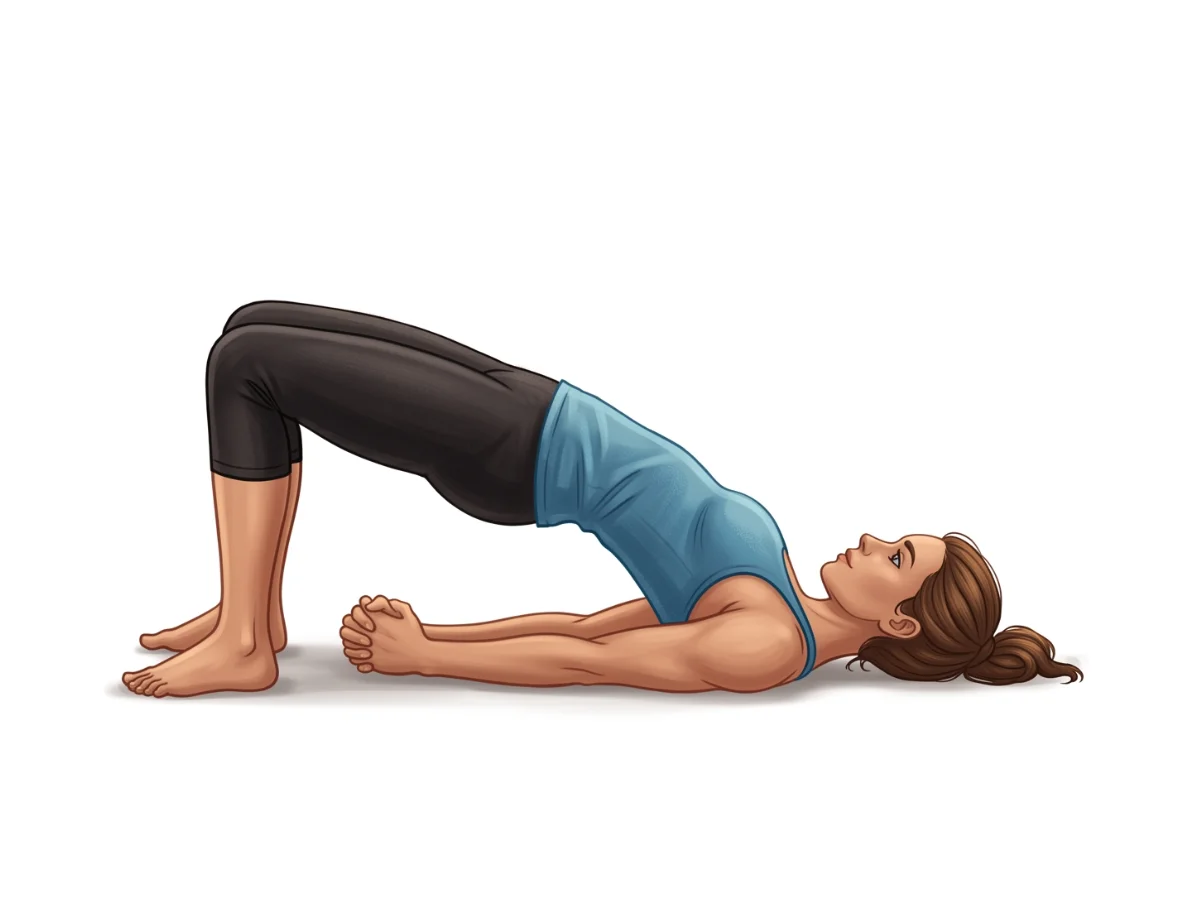
Setu BandhasanaWarms up the spine and begins the process of opening the chest and shoulders.
Corpse Pose
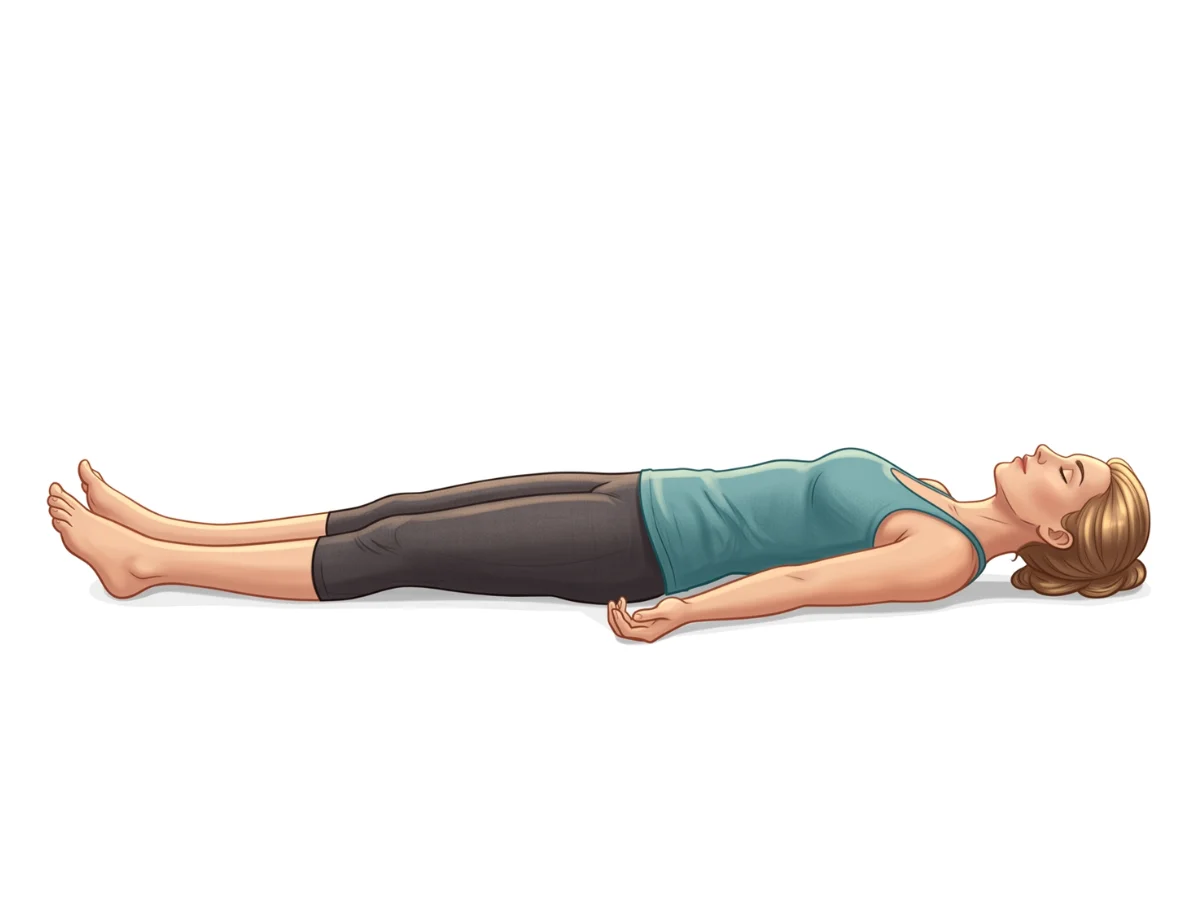
SavasanaProvides the foundational supine starting position and helps center the breath.
Easy Pose
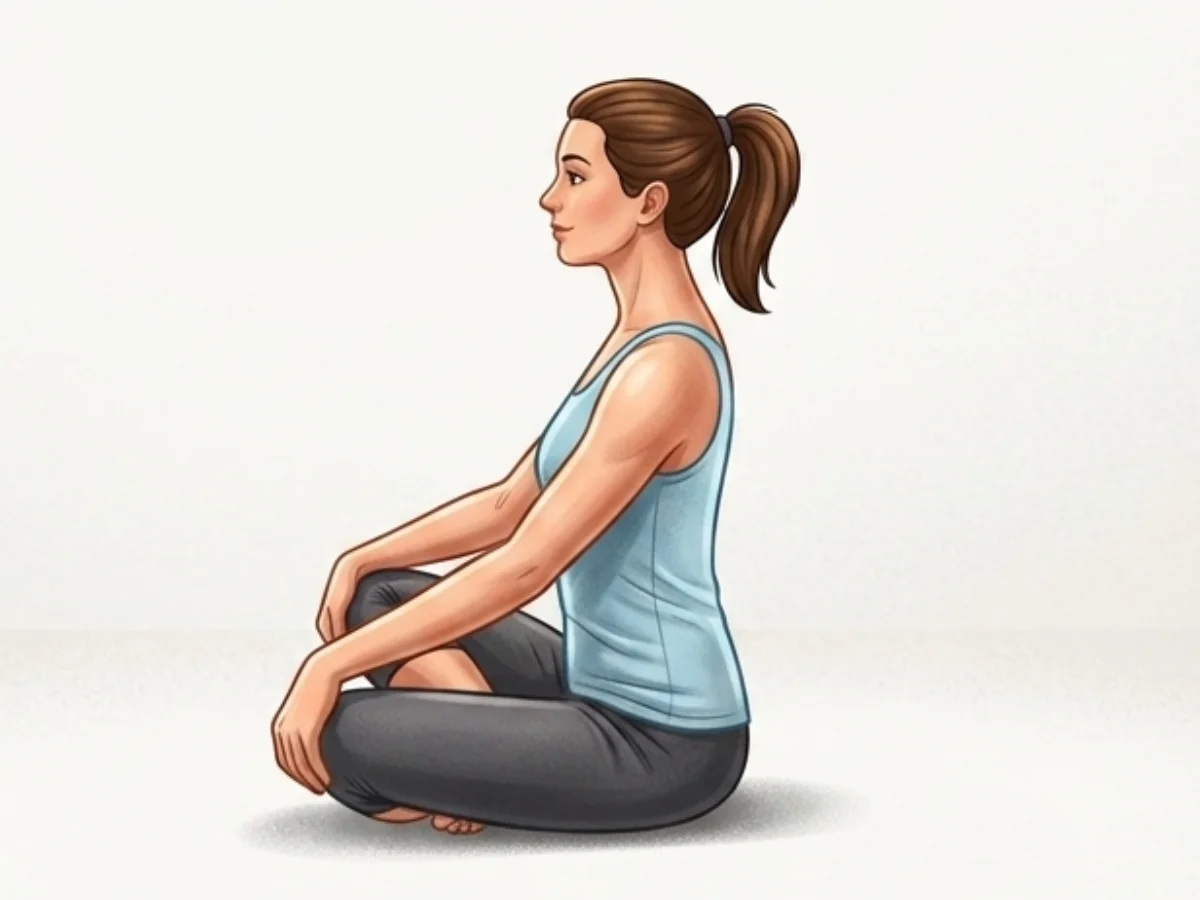
SukhasanaA gentle seated posture to establish breathing patterns and mild posture alignment before backbending.
Follow with neutralizing Counter-poses
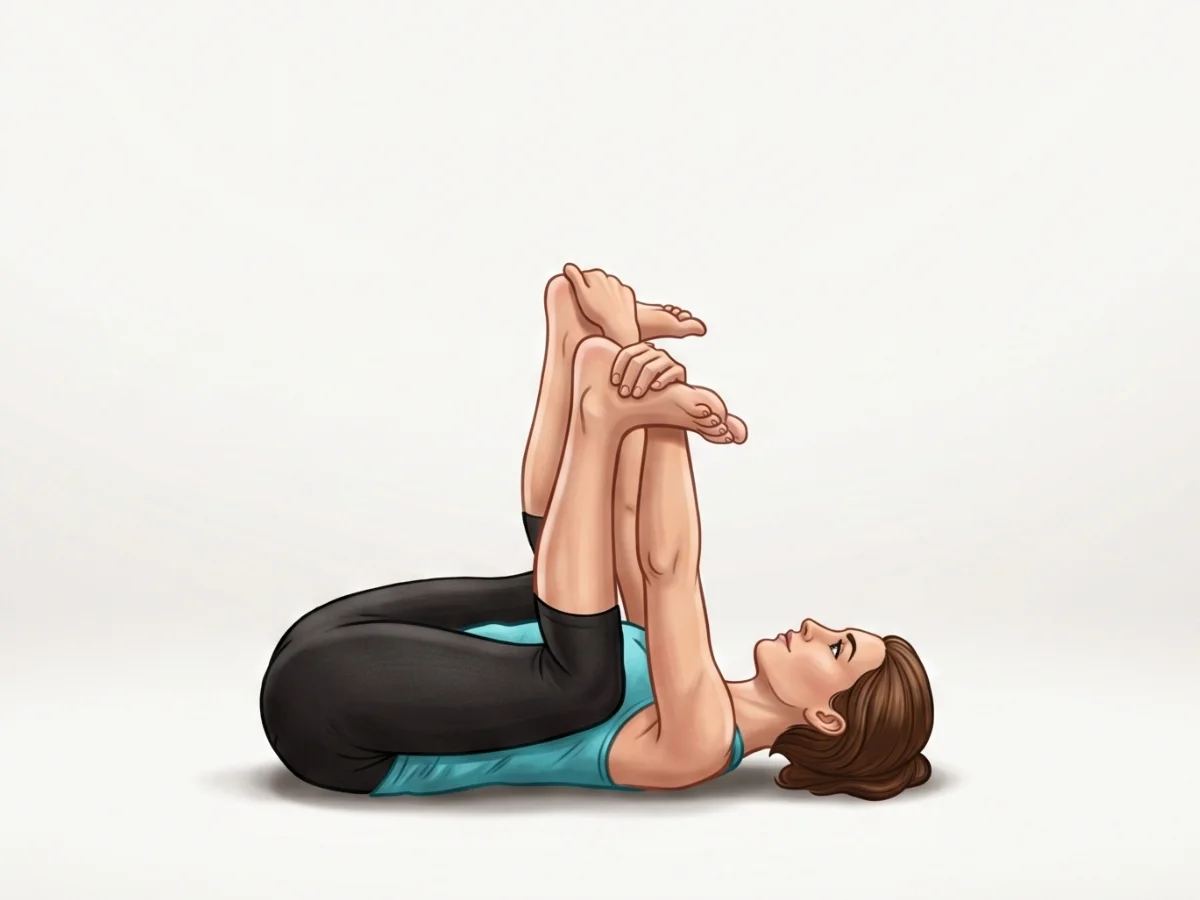
Happy Baby Pose
Ananda BalasanaGently releases the lower back and neutralizing the spine after the arching in Fish Pose.
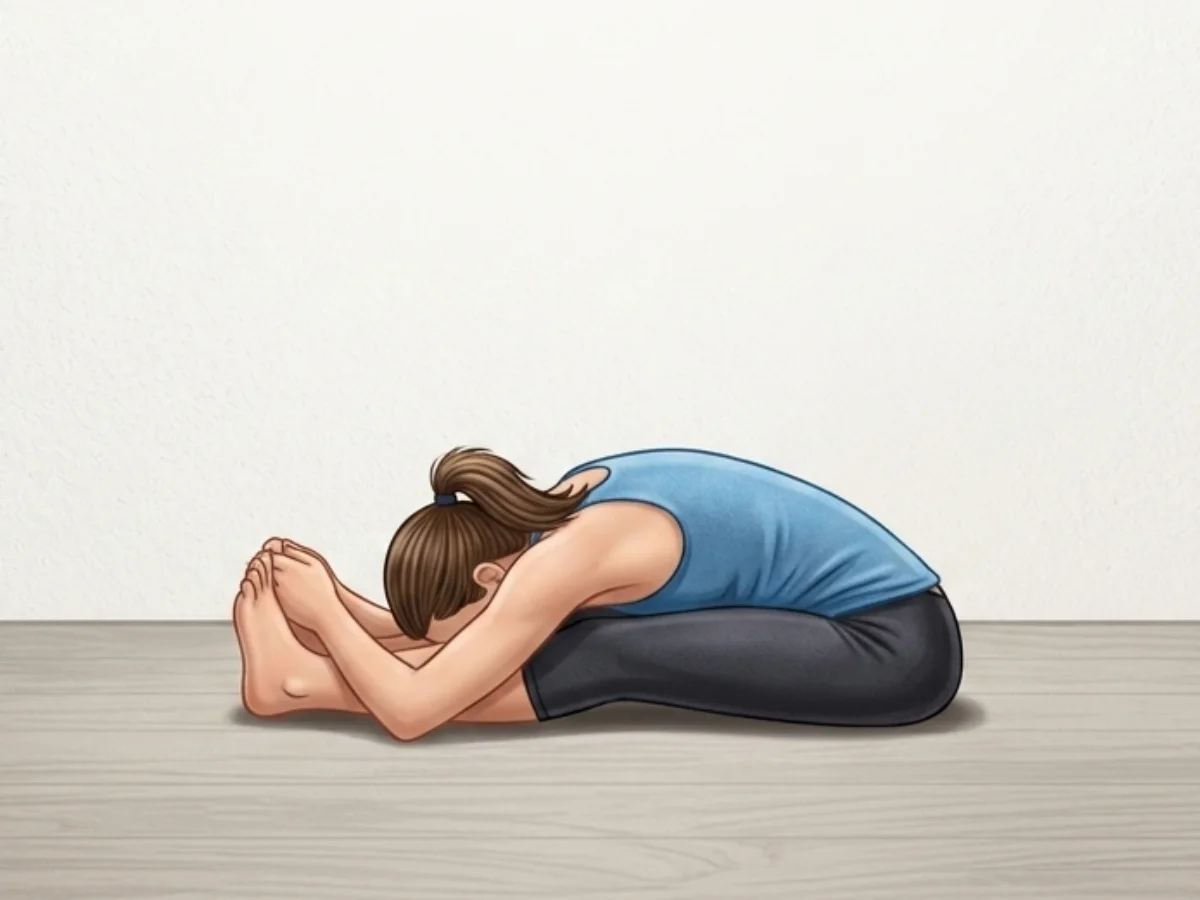
Seated Forward Bend
PaschimottanasanaCounters the backbend by deeply stretching the back of the body and flexing the spine.
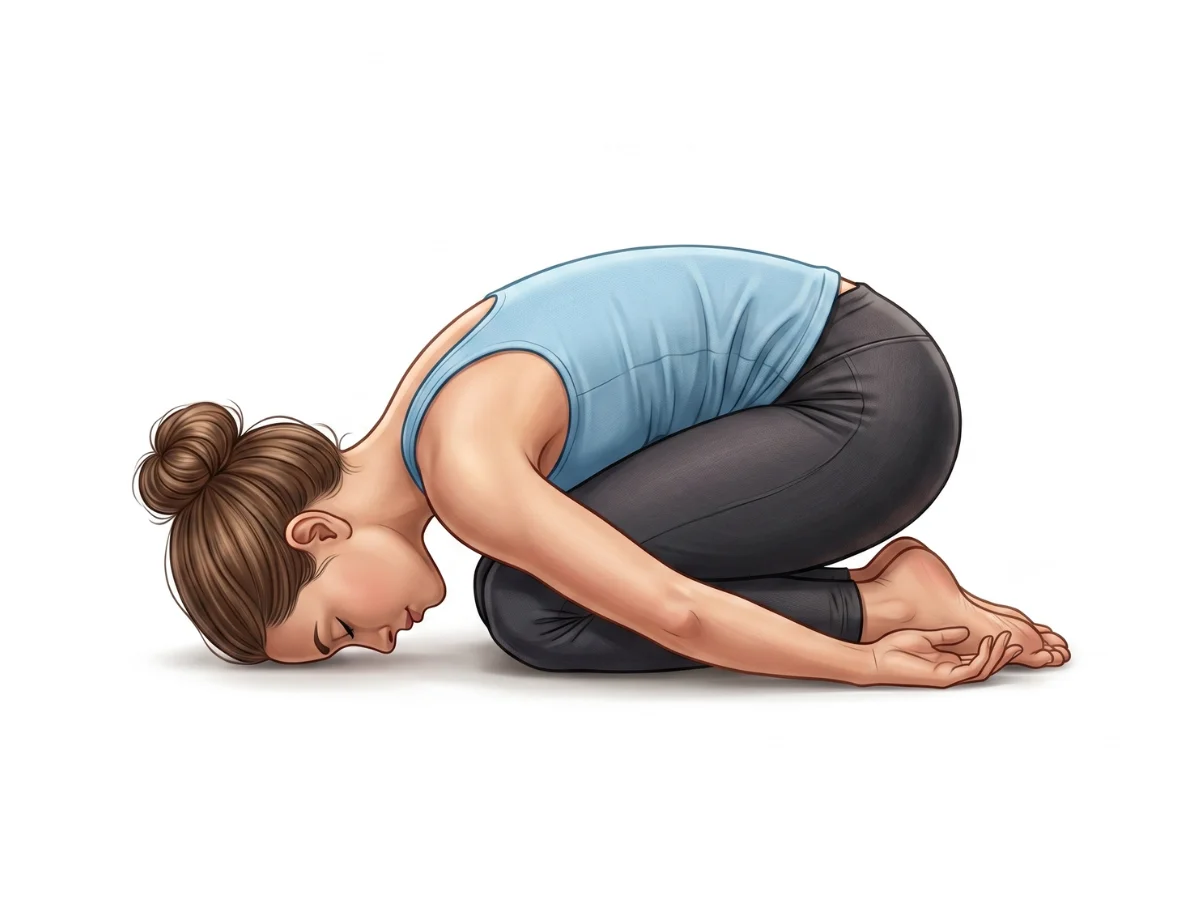
Child's Pose
BalasanaProvides a restful, rounded-spine posture that relieves tension in the neck and upper back.
Frequently Asked Questions
How much weight should be on my head?
Very little to no weight should be placed on your head. Your forearms and elbows should bear the brunt of your upper body�s weight to protect your cervical spine from compression.
What if my head doesn�t reach the floor?
If your neck flexibility is limited, place a folded blanket or a yoga block beneath your head for support. Never force the neck into a deeper extension than is comfortable.
Can I practice this pose with straight arms?
While the traditional pose uses bent elbows tucked under the body, some variations involve keeping the arms straight. However, using the forearms provides more leverage for lifting the chest safely.
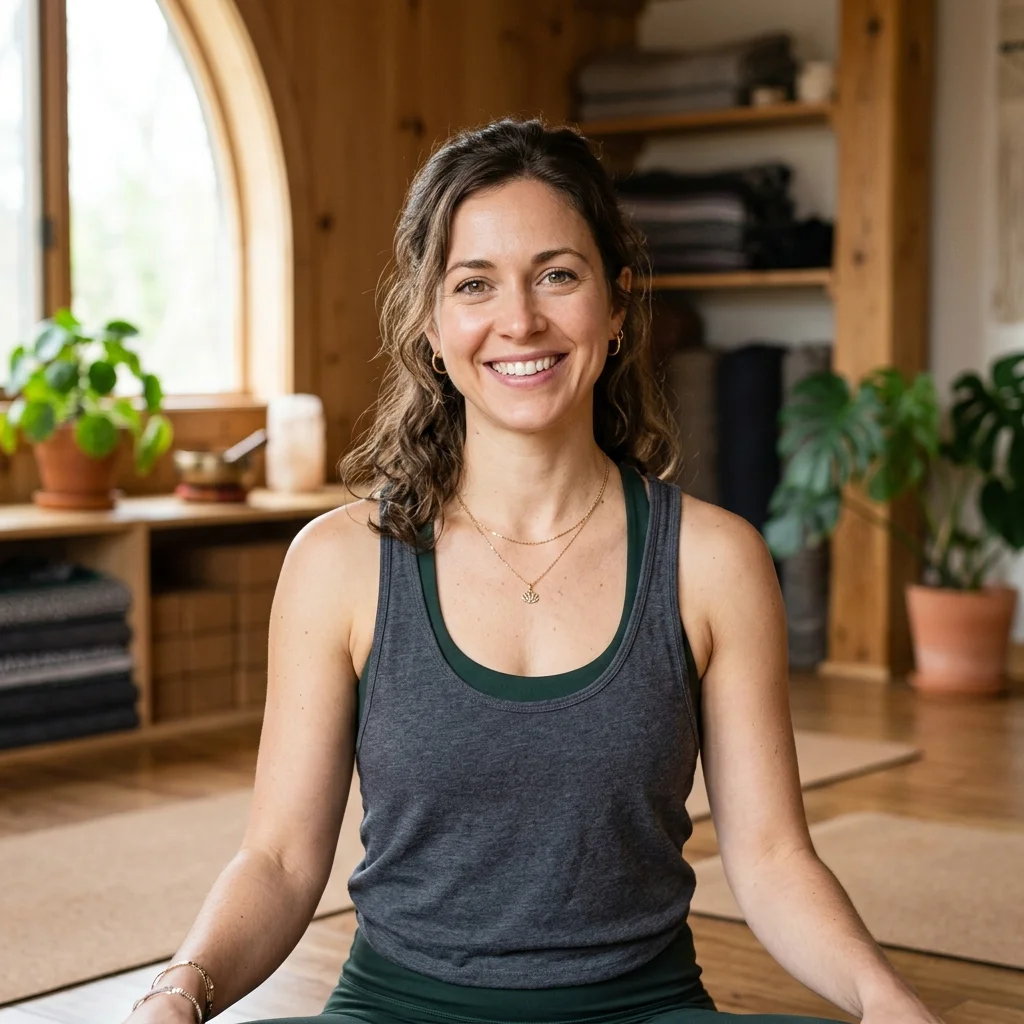
Elena Rostova is an accredited yoga educator and anatomy specialist with over 15 years of clinical experience. She focuses on functional biomechanics and injury prevention, translating complex anatomy into accessible guidance for safe, sustainable practice.
Read Full ProfileContinue Your Yoga Journey
Ready to deepen your practice? Explore our extensive library of poses, or join a structured program designed to build strength, flexibility, and mindfulness.