
Easy
Sukhasana
By Elena Rostova Updated: verified Medically Reviewed
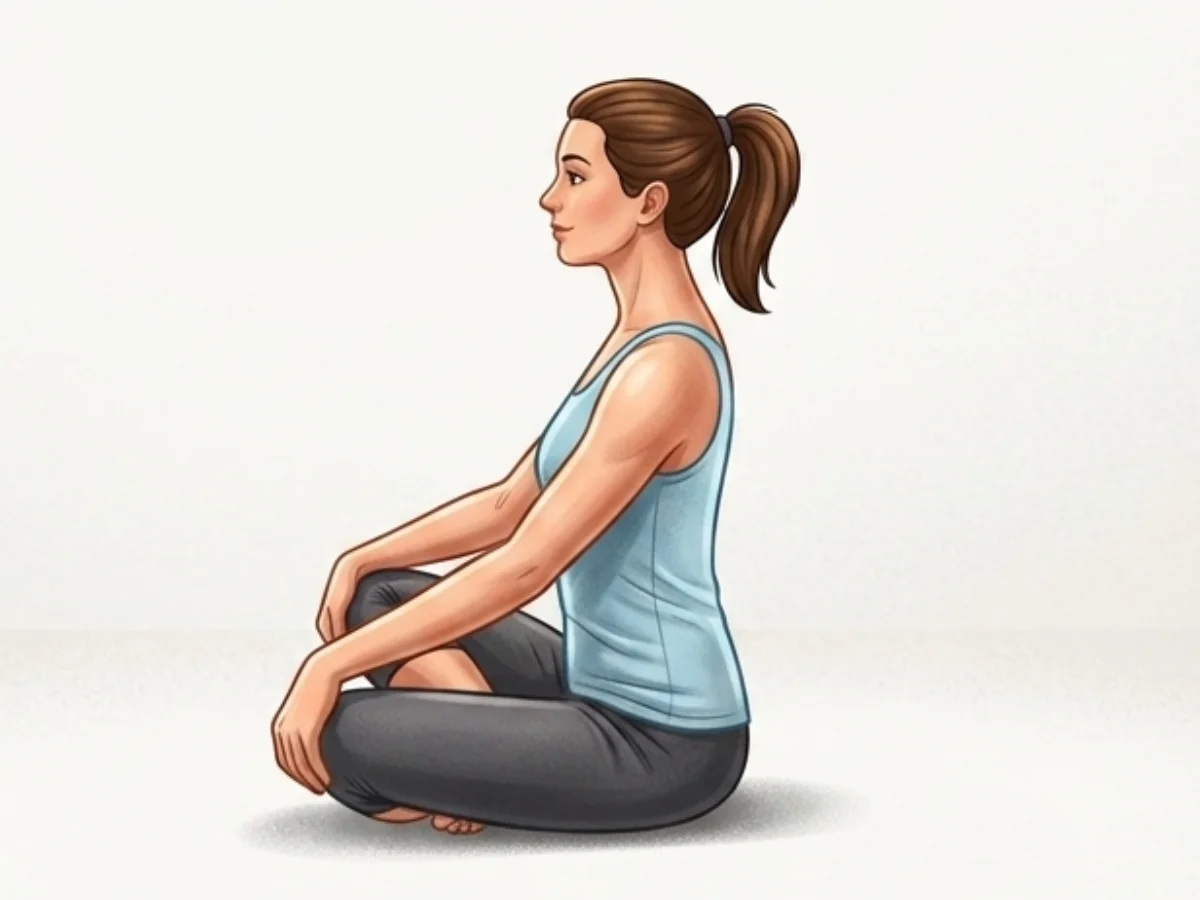
Easy Pose (Sukhasana) is a comfortable, cross-legged seated position commonly used for meditation, pranayama (breathing exercises), and centration at the beginning or end of a yoga practice. While it translates to "Easy Pose," maintaining a tall, unsupported spine requires core strength and open hips.
Hold Time
1–5 minutes
Pronunciation
soo-KAHS-anna
About Easy
Commonly practiced as Easy (Sukhasana), this dynamic posture is beautifully designed to help unlock tension. This posture specifically engages the hip opening & grounding, making it highly effective for developing both strength and mobility. Over time, adding this to your routine is a great way to support opens hips and groin while calming the mind.
How to Practice
Starting Position
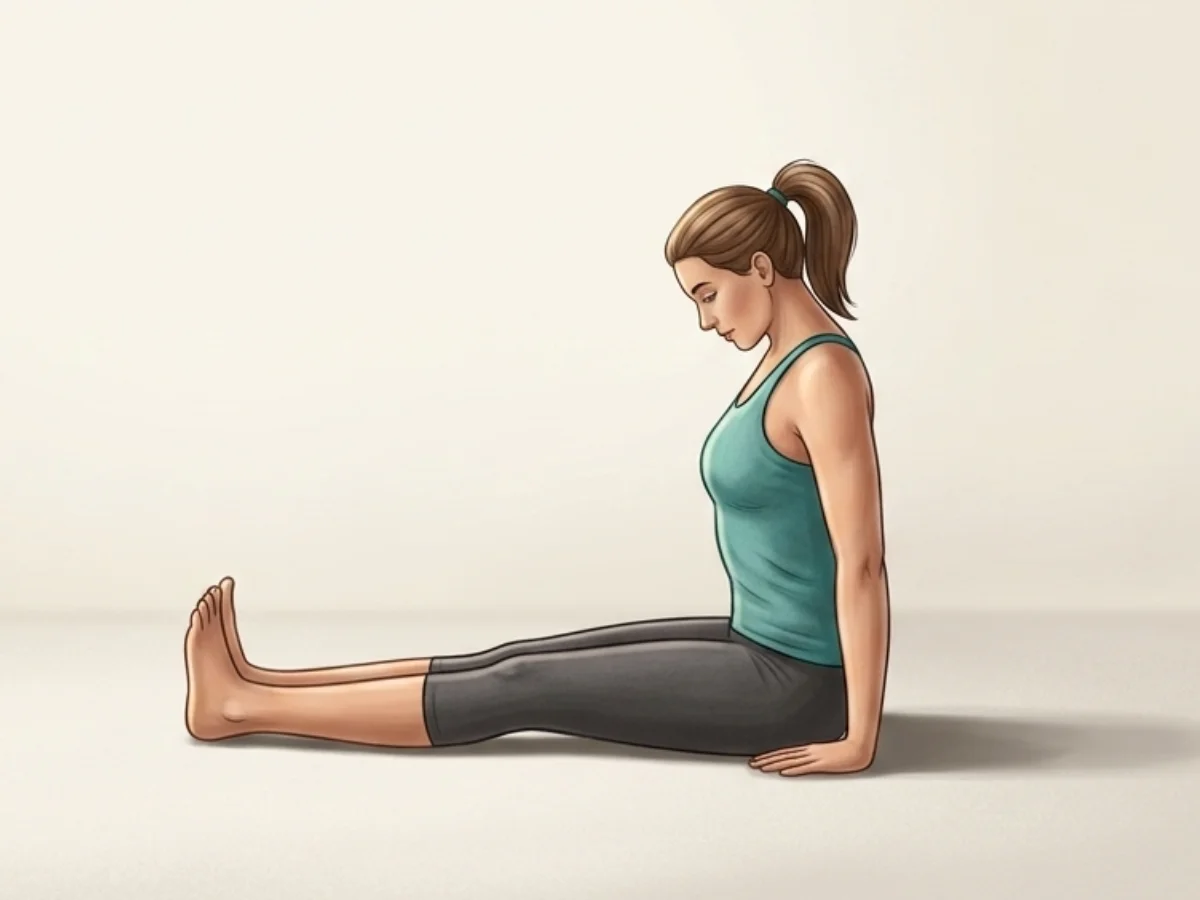
Begin seated on the floor with your legs extended straight in front of you in Staff Pose (Dandasana), resting your hands on your thighs.
Cross the Legs
Bend your knees and cross your right shin in front of your left shin, bringing your feet directly under your opposite knees.
Align the Base
Ensure your pelvis is in a neutral position. You may gently pull the flesh away from your sitting bones so they ground firmly into the mat.
Lengthen the Spine
Inhale deeply as you lengthen your spine upward from your tailbone through the crown of your head, creating space between your vertebrae.
Hand Placement
Rest your hands lightly on your knees or in your lap. Palms can face down for grounding or face up to receive energy, optionally joining your index finger and thumb in Gyan mudra.
Soften Shoulders and Face
Exhale to relax your shoulders down away from your ears, soften your jaw, and slightly tuck your chin to elongate the back of your neck.
Breathe and Hold
Close your eyes or maintain a soft gaze on the floor ahead. Hold the pose for 1 to 5 minutes or for the duration of your meditation, focusing on deep, rhythmic breaths.
Switch Sides
To ensure balanced flexibility in your hips, release your legs and cross them the opposite way (left shin in front of right shin) for an equal amount of time.
Practice with the Yoga Timer
Keep track of your hold time and breath count for this pose.
Beginner Modifications & Prop Options
Yoga is a personal journey. These modifications and prop options allow you to adapt the pose to your current level of balance and flexibility, ensuring a safe and supportive practice.
Sit on a Prop
Sit on a folded blanket, bolster, or block. Elevating hips allows the pelvis to tilt forward slightly, reducing lower back strain and allowing knees to drop.
Tip: Focus on alignment rather than depth.
Support the Knees
Place yoga blocks or rolled blankets under your knees or outer thighs. This prevents overstretching inner groins and reduces stress on knee joints.
Tip: Focus on alignment rather than depth.
Wall Support
Sit with your back against a wall, ensuring shoulder blades and sacrum touch it. This helps maintain a straight spine without exhausting back muscles.
Tip: Focus on alignment rather than depth.
Benefits of Easy
Opens Hips and Groin
Gently stretches the hip rotators and groin muscles, promoting greater flexibility in the pelvic region over time.
Promotes Mental Calmness
By providing a stable base for the body, this pose calms the nervous system, reduces stress, and prepares the mind for deep meditation.
Improves Posture
Sitting upright without back support strengthens the erector spinae and core muscles, encouraging better spinal alignment.
Stretches Knees and Ankles
The cross-legged position provides a gentle stretch to the ligaments and tendons of the knees and ankles.
Common Mistakes to Avoid
Mistake: Rounding the Lower Back
How to fix: Sit on a prop to elevate your hips, and actively lift your chest and lengthen your spine.
Mistake: Tensing the Shoulders
How to fix: Consciously draw your shoulder blades down your back and relax your neck.
Mistake: Over-Crossing the Legs
How to fix: Allow a comfortable distance between your pelvis and your feet; the shins should cross rather than the ankles.
Safety and Precautions
Knee Injuries
Deep flexion can aggravate meniscus tears or ligament issues. Use props or extend one leg if painful.
Hip or Pelvic Issues
Those with acute hip pain or sciatica should practice with caution and prioritize sitting on elevated props.
Ankle Problems
Crossing the ankles on a hard floor can compress nerves; use a soft blanket underneath.
Medical Disclaimer: If you have any of the above conditions, consult your doctor or a qualified yoga instructor before attempting this pose.
Muscles Worked in Easy
Easy demands synchronized muscular effort, creating a profound sense of engagement and release throughout the body. The activation of the primary muscles supports the structure, while the secondary muscles provide stability and balance.
Primary Muscles
Erector Spinae
Keeps the spine straight and holds the torso upright.
Gluteus Medius/Minimus
Stretched as the hips externally rotate.
Hip Flexors
Engage slightly to maintain the seated fold.
Secondary Muscles
Transversus Abdominis
Engages to stabilize the core and protect the lower back.
Sartorius
Assists in flexing and externally rotating the hips.
Poses to Practice Before and After Easy
Prepare with these Poses
Staff Pose
DandasanaEstablishes proper seated posture and spinal alignment before crossing the legs.
Bound Angle
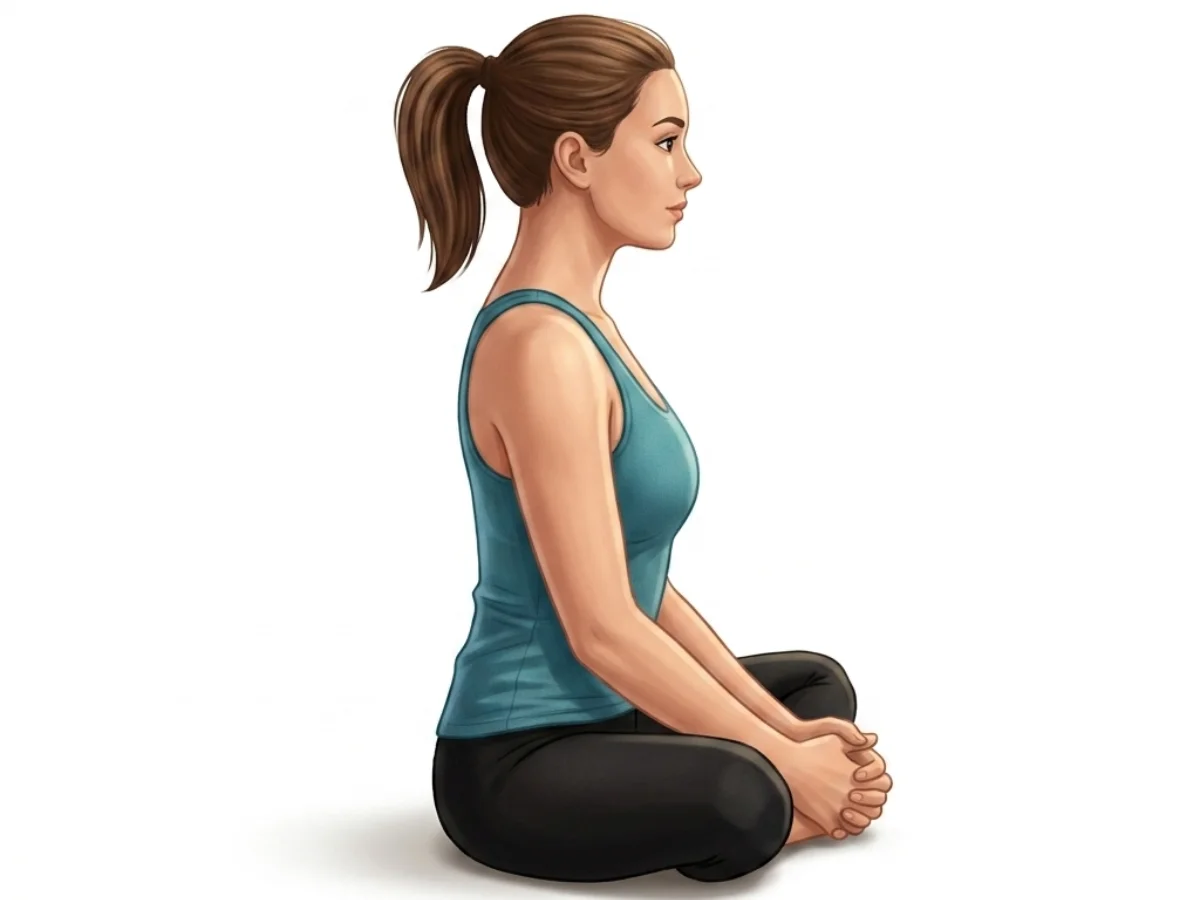
Baddha KonasanaGently opens the inner groins and hips, preparing them for external rotation.
Cat
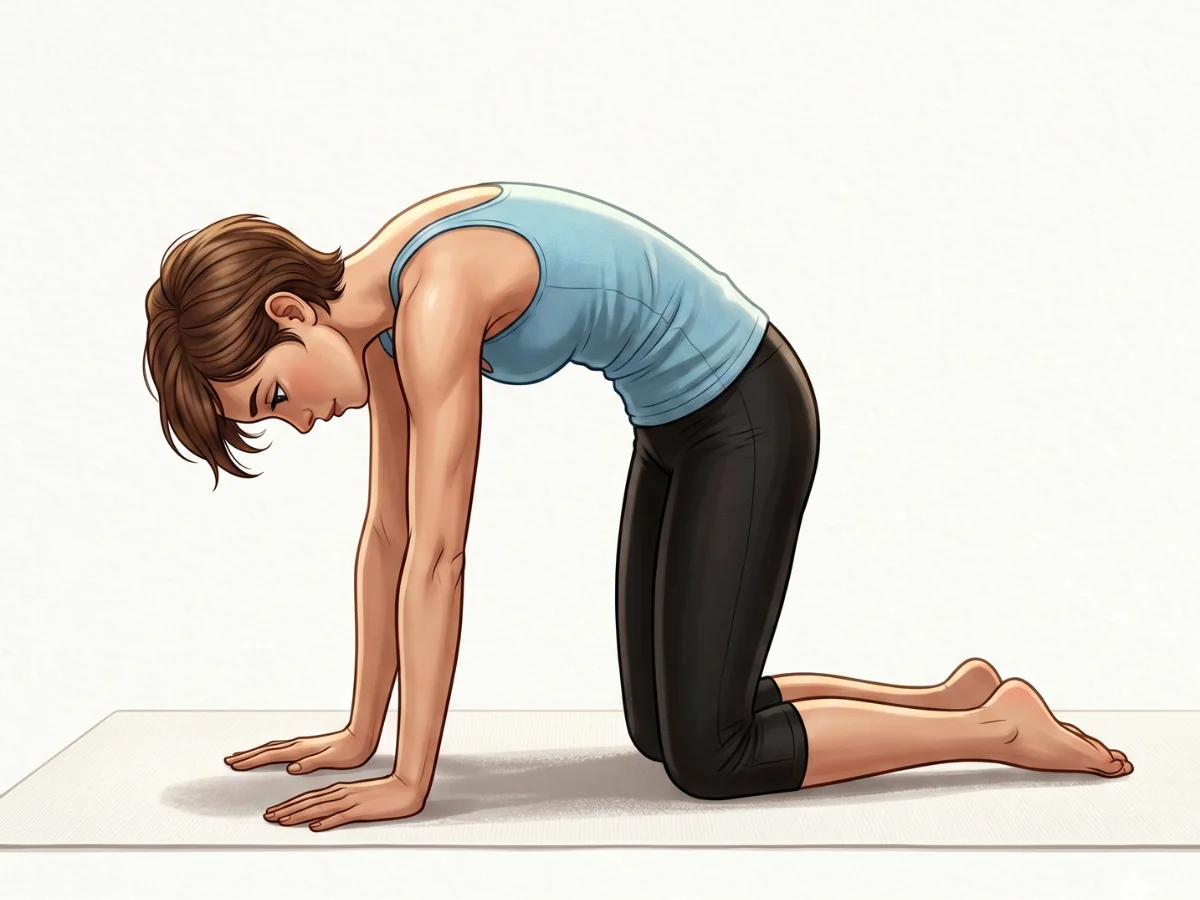
Marjaryasana-BitilasanaWarms up the spine and pelvis, making seated upright postures more comfortable.
Follow with neutralizing Counter-poses
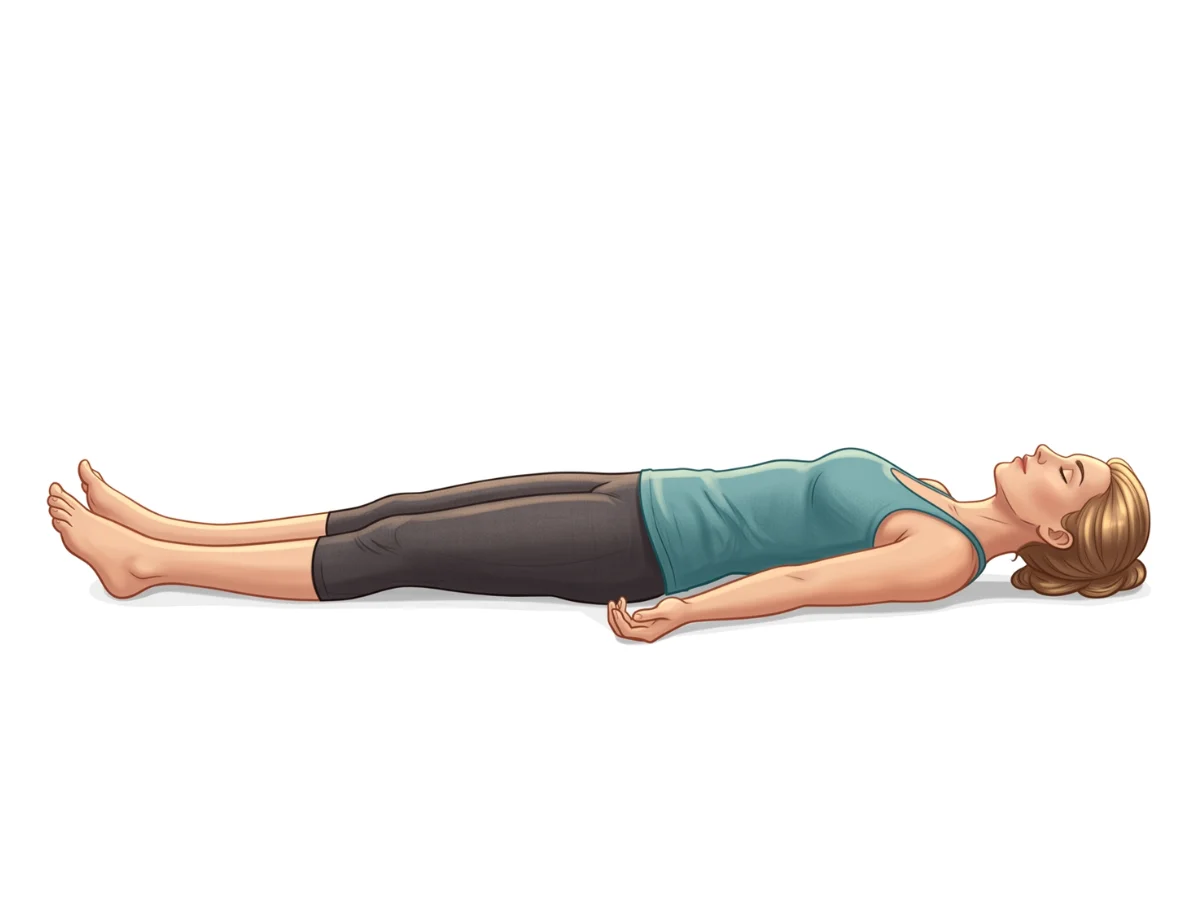
Corpse Pose
SavasanaAllows the body to rest completely flat, releasing tension from the hips and back.
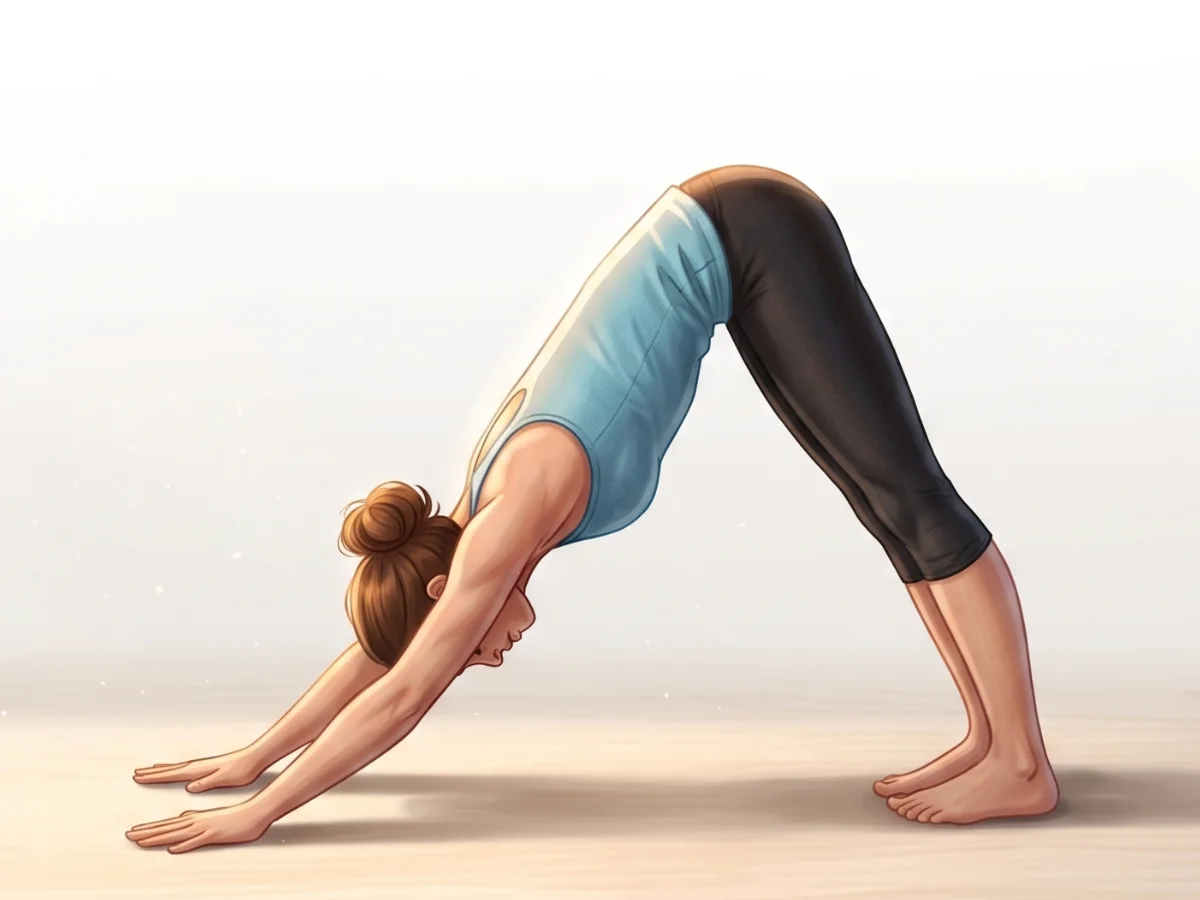
Downward-Facing Dog
Adho Mukha SvanasanaStretches the back of the legs and lengthens the spine after seated compression.
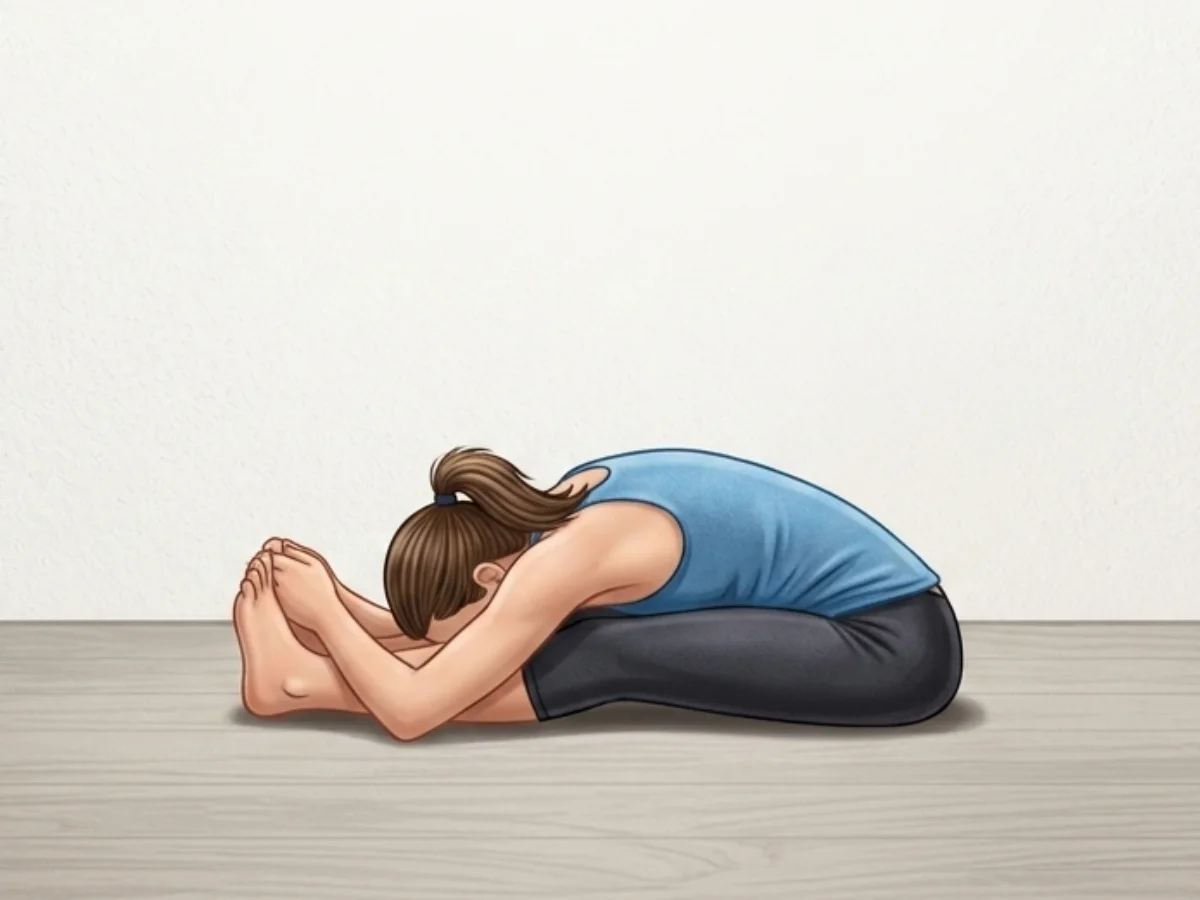
Seated Forward Bend
PaschimottanasanaReleases the hips and back while neutralizing the rotation of the legs.
Frequently Asked Questions
Is Easy Pose really easy?
While the name implies simplicity, sitting perfectly upright with cross legs for an extended period requires significant core strength, back endurance, and hip flexibility. It often becomes "easier" with consistent practice and the use of proper props.
What if my legs fall asleep?
Numbness or tingling usually results from nerve compression or reduced circulation. If this happens, extend your legs for a moment, and try sitting on a thicker cushion to elevate your hips higher than your knees.
Should I always cross the same leg in front?
No. To maintain balance in your hips and spine, you should alternate which leg crosses in front each time you practice, or switch halfway through your meditation session.
Elena Rostova is an accredited yoga educator and anatomy specialist with over 15 years of clinical experience. She focuses on functional biomechanics and injury prevention, translating complex anatomy into accessible guidance for safe, sustainable practice.
Read Full ProfileContinue Your Yoga Journey
Ready to deepen your practice? Explore our extensive library of poses, or join a structured program designed to build strength, flexibility, and mindfulness.