
Cat
Marjaryasana
By Elena Rostova Updated: verified Medically Reviewed
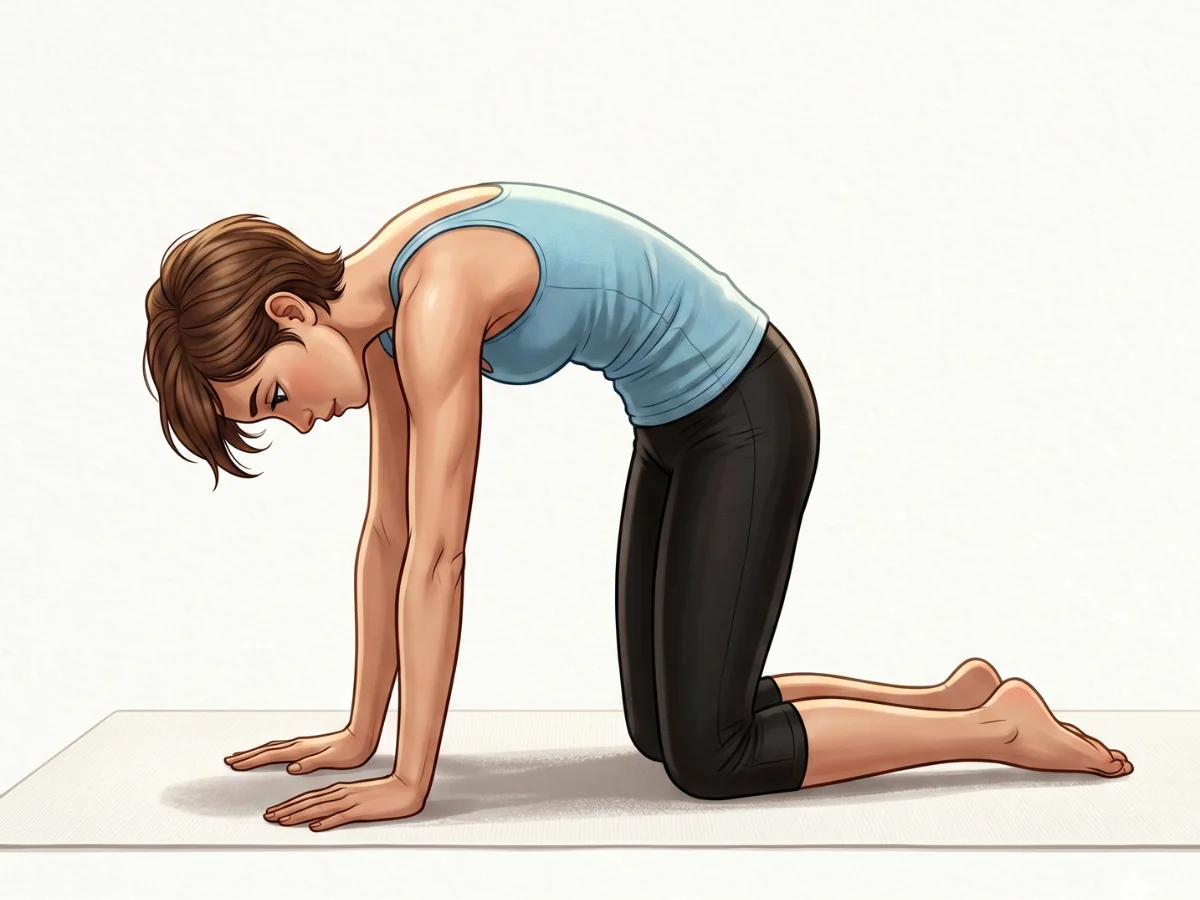
Cat Pose (Marjaryasana) is a gentle, kneeling posture that deeply stretches the spine and back torso. Usually paired with Cow Pose in a flowing sequence, it helps release tension, improve spinal mobility, and synchronize breath with movement.
Hold Time
30–60 sec · 5–10 breaths (dynamic)
Pronunciation
mar-jahr-ee-AHS-anna
About Cat
Universally known as Cat (Marjaryasana), this pose mimics the natural strength and grace of its namesake. By gently focusing on spinal flexibility & breath awareness, it actively stretches your muscles and builds heat. Consistent practice will actively assist in increases spinal flexibility, helping you feel lighter and more balanced off the mat.
How to Practice
Tabletop Setup
Begin in a neutral Box Pose (Tabletop) on your hands and knees. Ensure your wrists are directly under your shoulders and your knees are under your hips.
Neutral Spine
Keep your spine flat and your gaze focused downward, establishing a strong, stable foundation.
Exhale and Round
As you exhale deeply, draw your belly button upward toward your spine and round your back toward the ceiling, resembling an angry cat.
Tailbone Tuck
Gently tuck your tailbone downward between your knees to increase the stretch in your lower back.
Head Release
Allow your head to drop toward the floor, bringing your chin gently toward your chest without forcing it.
Shoulder Expansion
Press firmly into the floor with your palms to broaden the space between your shoulder blades.
Hold and Breathe
Maintain the rounded shape for a few seconds, feeling the deep stretch along the entire length of your spine.
Inhale to Release
Inhale slowly as you return to a neutral flat back, or flow seamlessly into Cow Pose by dropping your belly and lifting your chest.
Practice with the Yoga Timer
Keep track of your hold time and breath count for this pose.
Beginner Modifications & Prop Options
Yoga is a personal journey. These modifications and prop options allow you to adapt the pose to your current level of balance and flexibility, ensuring a safe and supportive practice.
Knee Support
Place a folded blanket beneath your knees to provide cushioning and prevent discomfort on hard floors.
Tip: Focus on alignment rather than depth.
Fists or Blocks for Wrists
Make fists and bear weight on your knuckles, or rest your forearms on blocks to alleviate extreme wrist extension.
Tip: Focus on alignment rather than depth.
Seated Cat Pose
Practice the movement while seated in a chair or cross-legged, rounding the spine back and tucking the chin to the chest.
Tip: Focus on alignment rather than depth.
Benefits of Cat
Increases Spinal Flexibility
Gently stretches the vertebrae, increasing mobility in the back and preventing stiffness.
Relieves Back Tension
Helps release built-up tension in the lumbar and thoracic spine, offering relief from mild backaches.
Massages Abdominal Organs
The deep contraction of the core stimulates digestion and massages internal organs.
Stretches the Upper Back
Broadens the shoulders and stretches the rhomboids and trapezius, relieving neck and shoulder stress.
Coordinates Breath and Movement
Encourages slow, deliberate breathing, which calms the mind and central nervous system.
Common Mistakes to Avoid
Mistake: Forcing the Chin to the Chest
How to fix: Let your head hang naturally due to gravity; avoid pulling or straining your neck to touch your chin to your chest.
Mistake: Holding the Breath
How to fix: Ensure the movement is fluidly linked with a deep exhale. Never hold your breath during the stretch.
Mistake: Shifting Hips Backward
How to fix: Keep your hips stacked vertically directly over your knees; do not sit back toward your heels as you round your spine.
Safety and Precautions
Severe Neck Injuries
Keep the head in line with the torso rather than dropping it fully to prevent cervical strain.
Recent Wrist or Knee Surgery
Bearing weight on the joints can impede healing; use seated modifications instead.
Medical Disclaimer: If you have any of the above conditions, consult your doctor or a qualified yoga instructor before attempting this pose.
Muscles Worked in Cat
Cat demands synchronized muscular effort, creating a profound sense of engagement and release throughout the body. The activation of the primary muscles supports the structure, while the secondary muscles provide stability and balance.
Primary Muscles
Rectus Abdominis
Contracts to pull the spine into flexion.
Erector Spinae
Stretches deeply along the length of the back.
Trapezius
Lengthens as the shoulder blades pull apart.
Secondary Muscles
Serratus Anterior
Engages to push the floor away and protract the shoulders.
Gluteus Maximus
Engages slightly to tuck the tailbone.
Deltoids
Support the body's weight through the arms.
Poses to Practice Before and After Cat
Prepare with these Poses
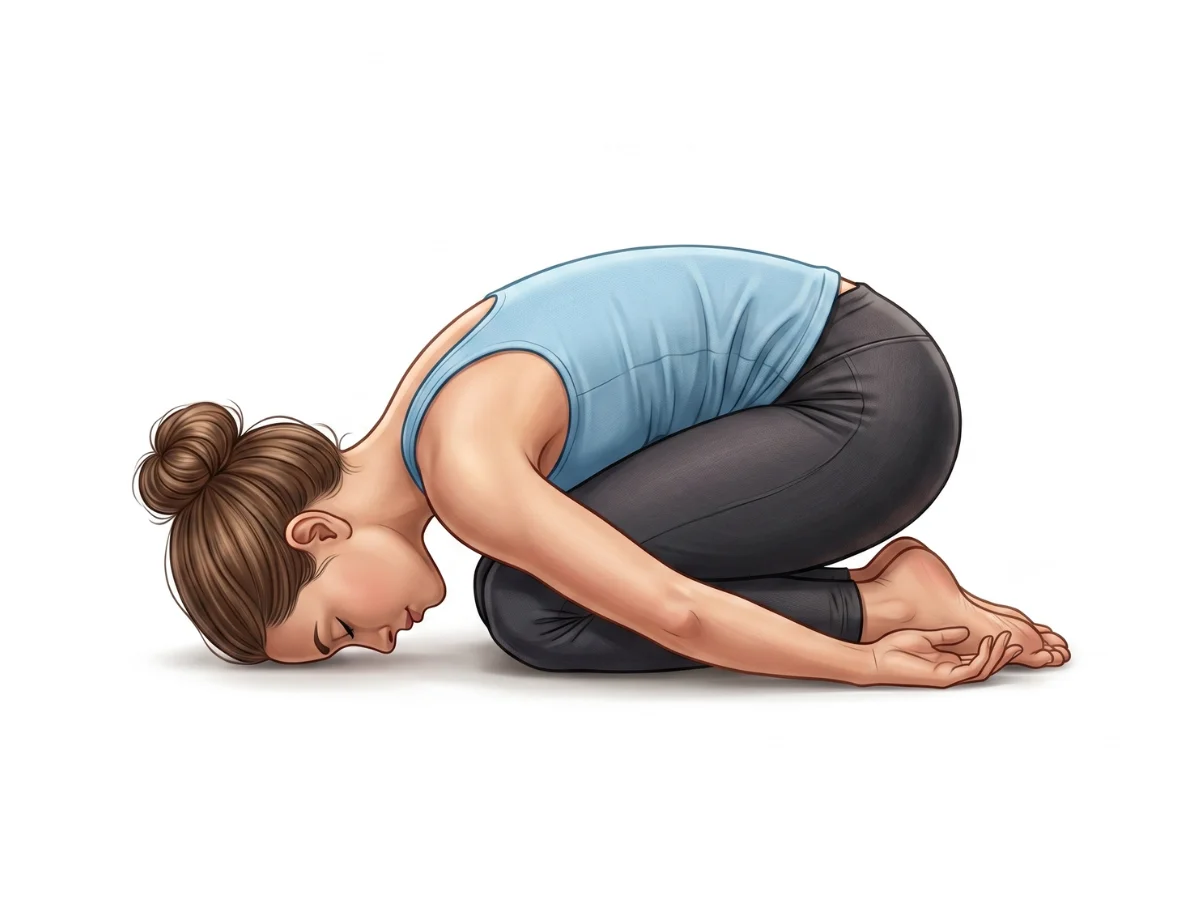
Child's Pose
BalasanaGently stretches the lower back and sets a calm, introspective tone.
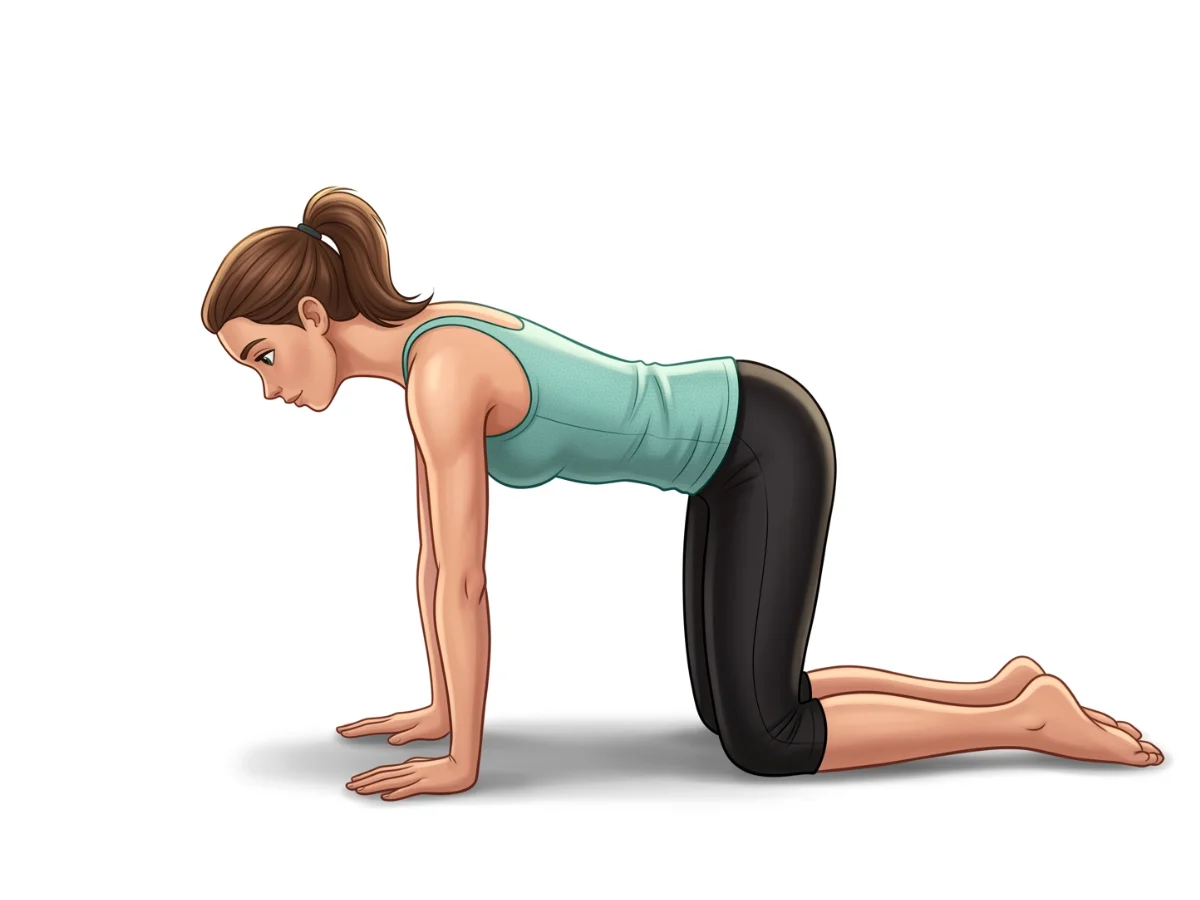
Box Pose
BharmanasanaEstablishes the correct foundational alignment for the hands and knees.
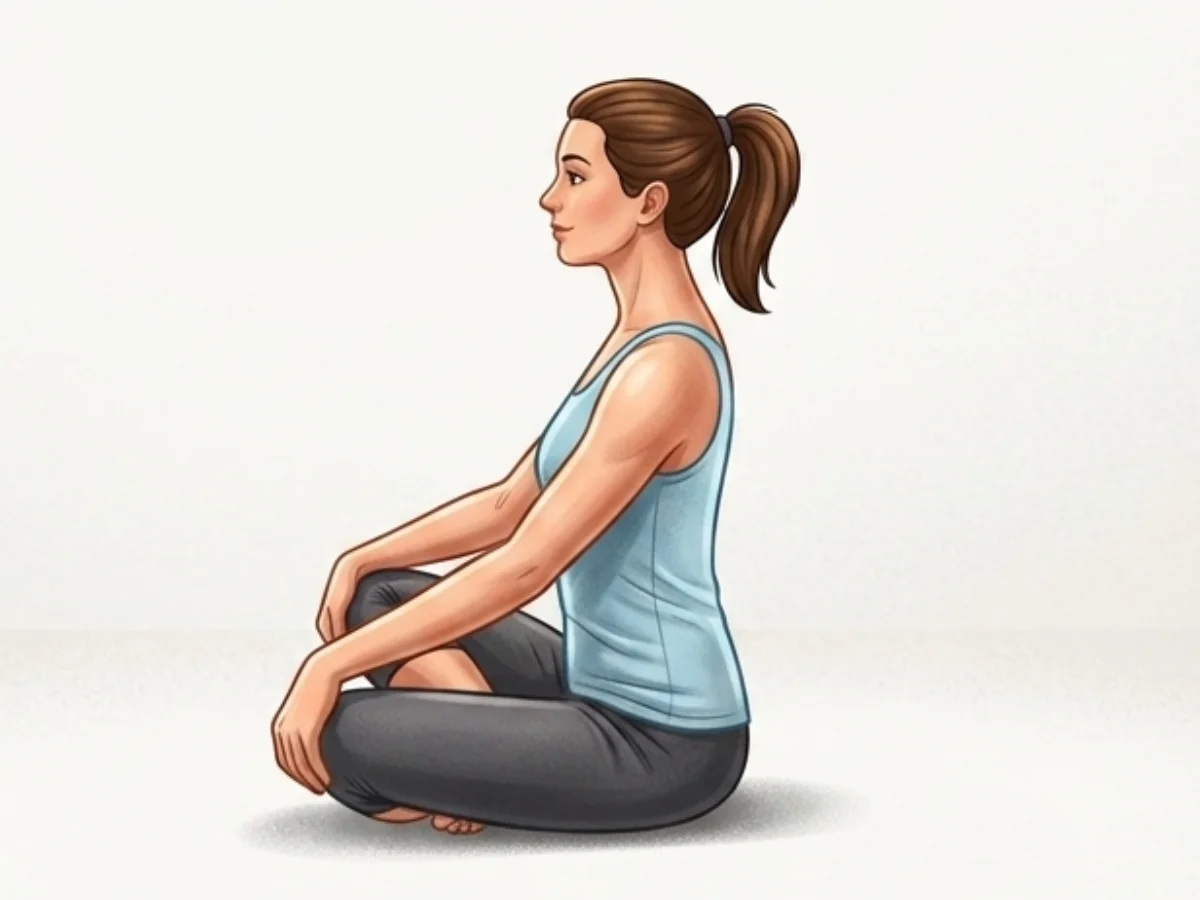
Easy Pose
SukhasanaAllows for initial breath awareness and centering before movement.
Follow with neutralizing Counter-poses
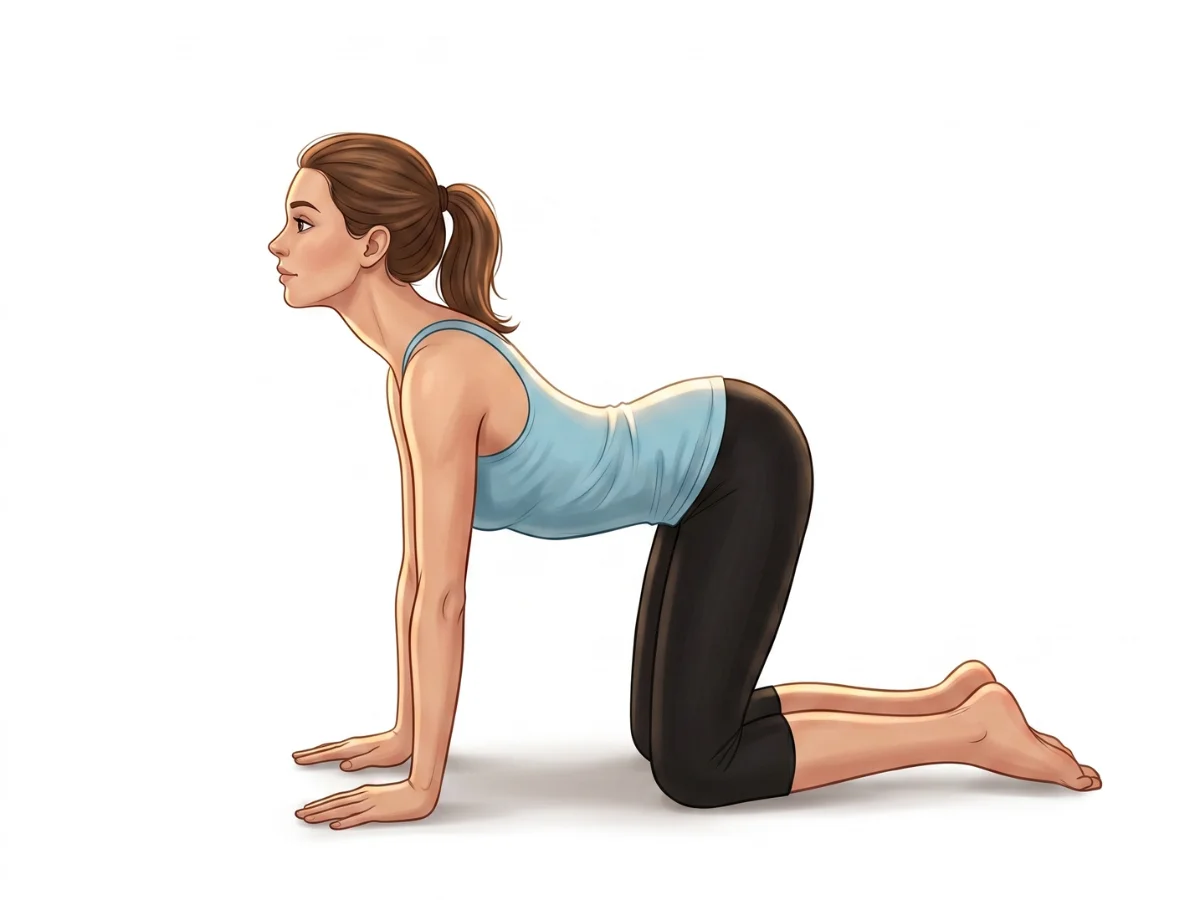
Cow Pose
BitilasanaThe direct counter-movement, extending the spine into a gentle backbend.
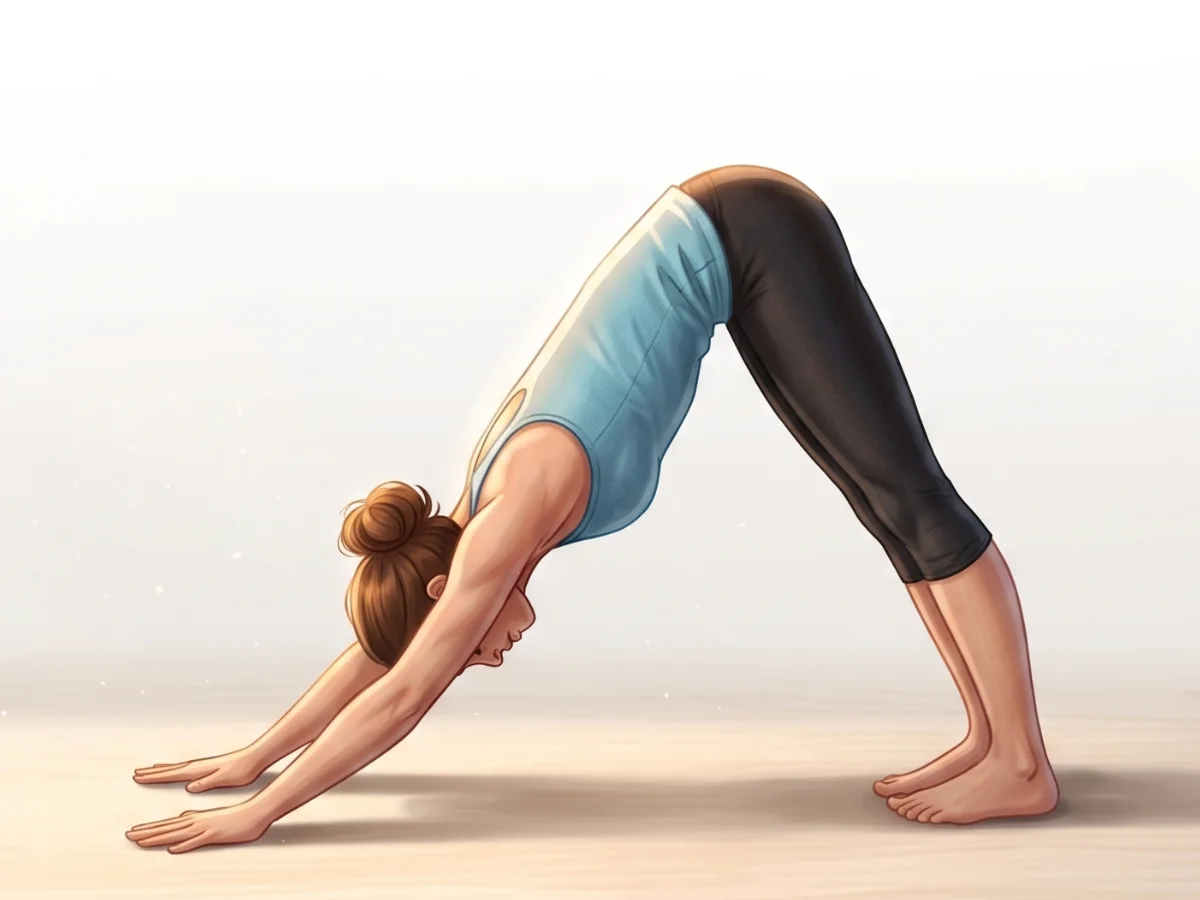
Downward-Facing Dog
Adho Mukha SvanasanaLengthens the spine fully and shifts weight-bearing dynamics.
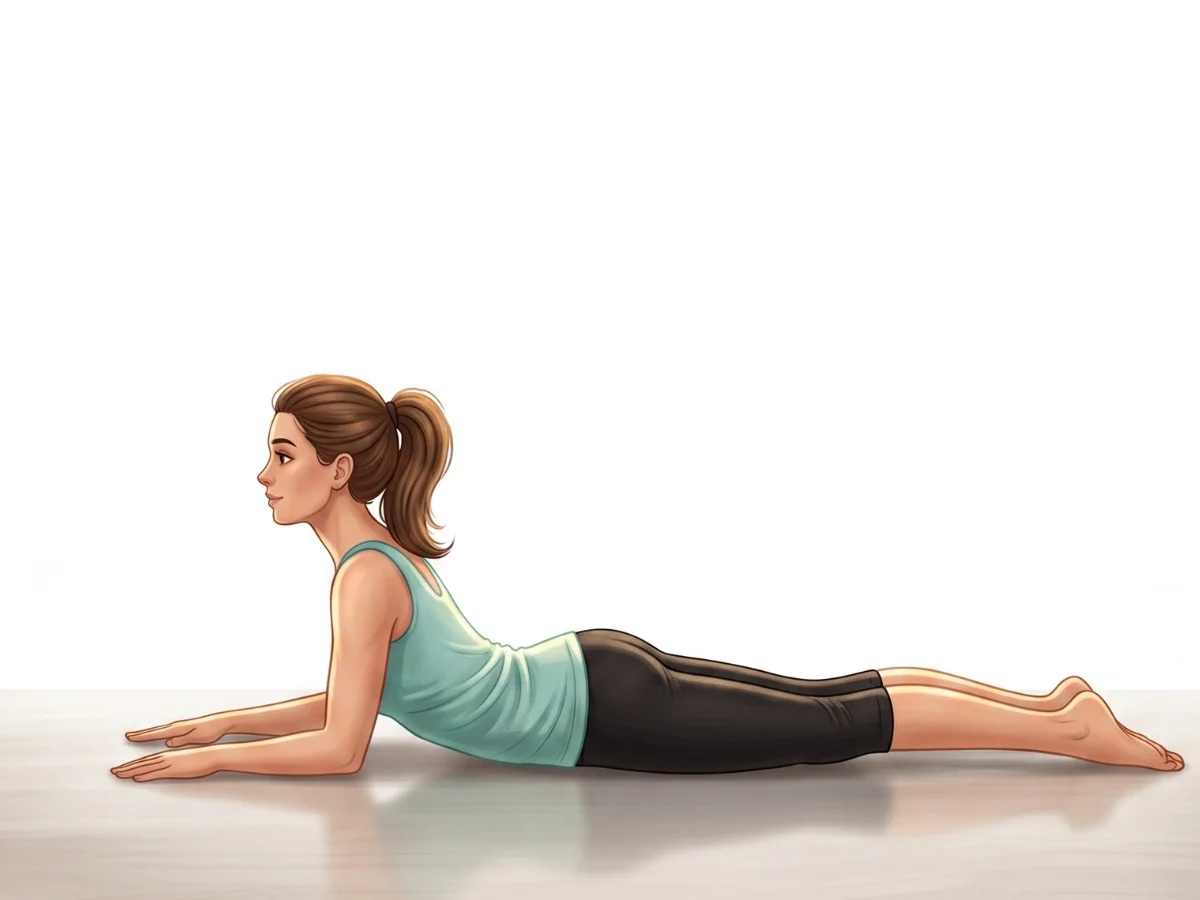
Sphinx Pose
Salamba BhujangasanaProvides a gentle, supported extension to counter the spinal flexion.
Frequently Asked Questions
Do I have to do Cat and Cow poses together?
While they are most often sequenced together to create a fluid, warming flow for the spine, you can certainly practice Cat Pose on its own to relieve back tension.
How deep should the stretch be?
The stretch should feel relieving and expansive, never painful. Move only to the degree that feels comfortable for your spine, focusing on a smooth curve.
Can I practice this while pregnant?
Yes, Cat Pose is excellent during pregnancy to relieve lower back pressure. Avoid deep abdominal contraction, focusing simply on the spinal stretch.
Elena Rostova is an accredited yoga educator and anatomy specialist with over 15 years of clinical experience. She focuses on functional biomechanics and injury prevention, translating complex anatomy into accessible guidance for safe, sustainable practice.
Read Full ProfileContinue Your Yoga Journey
Ready to deepen your practice? Explore our extensive library of poses, or join a structured program designed to build strength, flexibility, and mindfulness.