
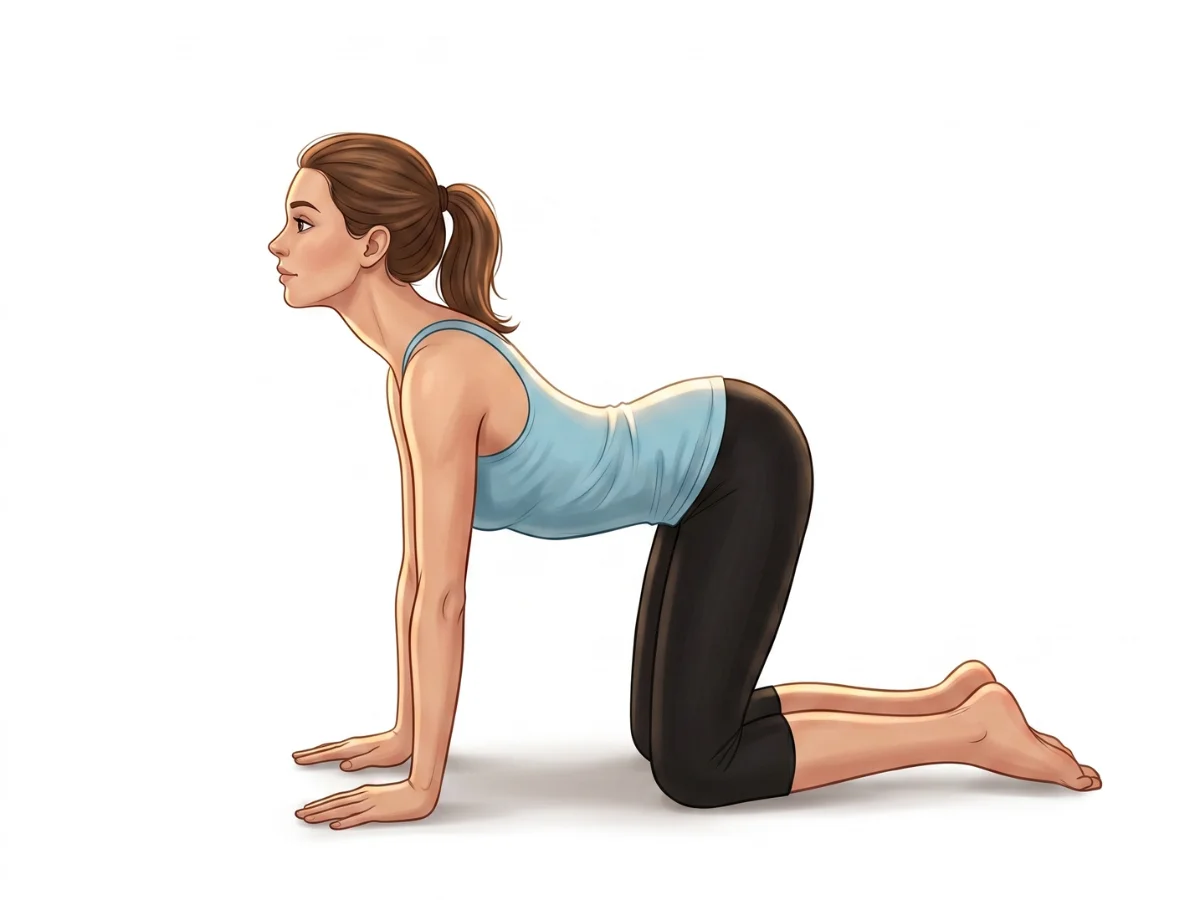
Cow
Bitilasana
By Elena Rostova Updated: verified Medically Reviewed
Cow Pose (Bitilasana) is a gentle, kneeling backbend that stretches the front torso and neck while opening the chest. Often practiced fluidly in tandem with Cat Pose, it warms up the spine and synchronizes movement with the breath.
Hold Time
30–60 sec · 5–10 breaths (dynamic)
Pronunciation
bee-til-AHS-anna
About Cow
Drawing inspiration from nature, Cow (Bitilasana) is a powerful pose that encourages a deep connection to movement. As you settle into the shape, it gently works the chest opening & spinal extension to increase your overall flexibility. Over time, adding this to your routine is a great way to support warms up the spine while calming the mind.
How to Practice
Tabletop Setup
Start in a neutral Box Pose (Tabletop) on your hands and knees. Check that your wrists are directly under your shoulders and your knees are under your hips.
Inhale and Drop Belly
As you take a slow, deep inhale, let your belly drop heavily toward the floor, creating a dip in your lower back.
Lift the Chest
Draw your chest forward and lift your collarbones upward, actively opening your heart space.
Elevate Tailbone
Simultaneously lift your tailbone and sit bones upwards toward the ceiling to accentuate the arch in your spine.
Gaze Upward
Gently lift your chin and gaze softly forward or slightly upward toward the ceiling, taking care not to crunch the back of your neck.
Shoulder Placement
Roll your shoulders back and away from your ears, pressing the floor away to maintain strong arms.
Hold and Expand
Hold this extended position for a moment at the top of your inhale, feeling the stretch across your abdomen and chest.
Exhale to Release
Exhale slowly as you return to a neutral spine, or transition smoothly into the rounded back of Cat Pose.
Practice with the Yoga Timer
Keep track of your hold time and breath count for this pose.
Beginner Modifications & Prop Options
Yoga is a personal journey. These modifications and prop options allow you to adapt the pose to your current level of balance and flexibility, ensuring a safe and supportive practice.
Padding for Knees
Place a folded blanket or towel under your knees to reduce pressure against the hard floor.
Tip: Focus on alignment rather than depth.
Fists for Wrists
Instead of flat palms, make fists and rest your weight on your knuckles to keep your wrists in a neutral, straight line.
Tip: Focus on alignment rather than depth.
Seated Cow Pose
Sit in a chair with feet flat on the floor. Inhale, press your chest forward, arch your back slightly, and look up.
Tip: Focus on alignment rather than depth.
Benefits of Cow
Warms Up the Spine
Provides a gentle, accessible backbend that lubricates the intervertebral discs and increases spinal mobility.
Opens the Chest and Lungs
Stretching the front torso allows for deeper, fuller breaths by expanding the ribcage and lung capacity.
Improves Posture
Counteracts the hunched posture of modern desk work by engaging the back muscles and opening the anterior deltoids.
Massages Abdominal Organs
The stretching and releasing of the abdominal wall stimulates the digestive tract and reproductive organs.
Relieves Stress
Synchronizing the movement with deep inhales calms the mind and triggers the parasympathetic nervous system.
Common Mistakes to Avoid
Mistake: Crunching the Neck
How to fix: Keep the back of your neck long. Avoid throwing your head back sharply; instead, lift your chest and let the neck follow naturally.
Mistake: Dumping Weight into the Lower Back
How to fix: Keep your core slightly engaged even as your belly drops, to ensure the backbend is distributed evenly along the spine.
Mistake: Locking the Elbows
How to fix: Keep a micro-bend in your elbows and rotate your inner elbows slightly forward to protect the joints and engage arm muscles.
Safety and Precautions
Severe Neck Injuries
Keep the head in a neutral position looking straight ahead rather than looking up to protect the cervical spine.
Recent Back Surgery
Deep spinal extension should be avoided or approached very carefully under medical guidance.
Medical Disclaimer: If you have any of the above conditions, consult your doctor or a qualified yoga instructor before attempting this pose.
Muscles Worked in Cow
Cow demands synchronized muscular effort, creating a profound sense of engagement and release throughout the body. The activation of the primary muscles supports the structure, while the secondary muscles provide stability and balance.
Primary Muscles
Erector Spinae
Contracts to arch the spine into extension.
Rectus Abdominis
Stretches and lengthens along the front of the body.
Pectoralis Major
Lengthens to open the chest cavity.
Secondary Muscles
Rhomboids
Contract to pull the shoulder blades together and lift the chest.
Triceps Brachii
Engage to keep the arms straight and support the body.
Psoas Major
Stretches slightly as the hips tilt anteriorly.
Poses to Practice Before and After Cow
Prepare with these Poses
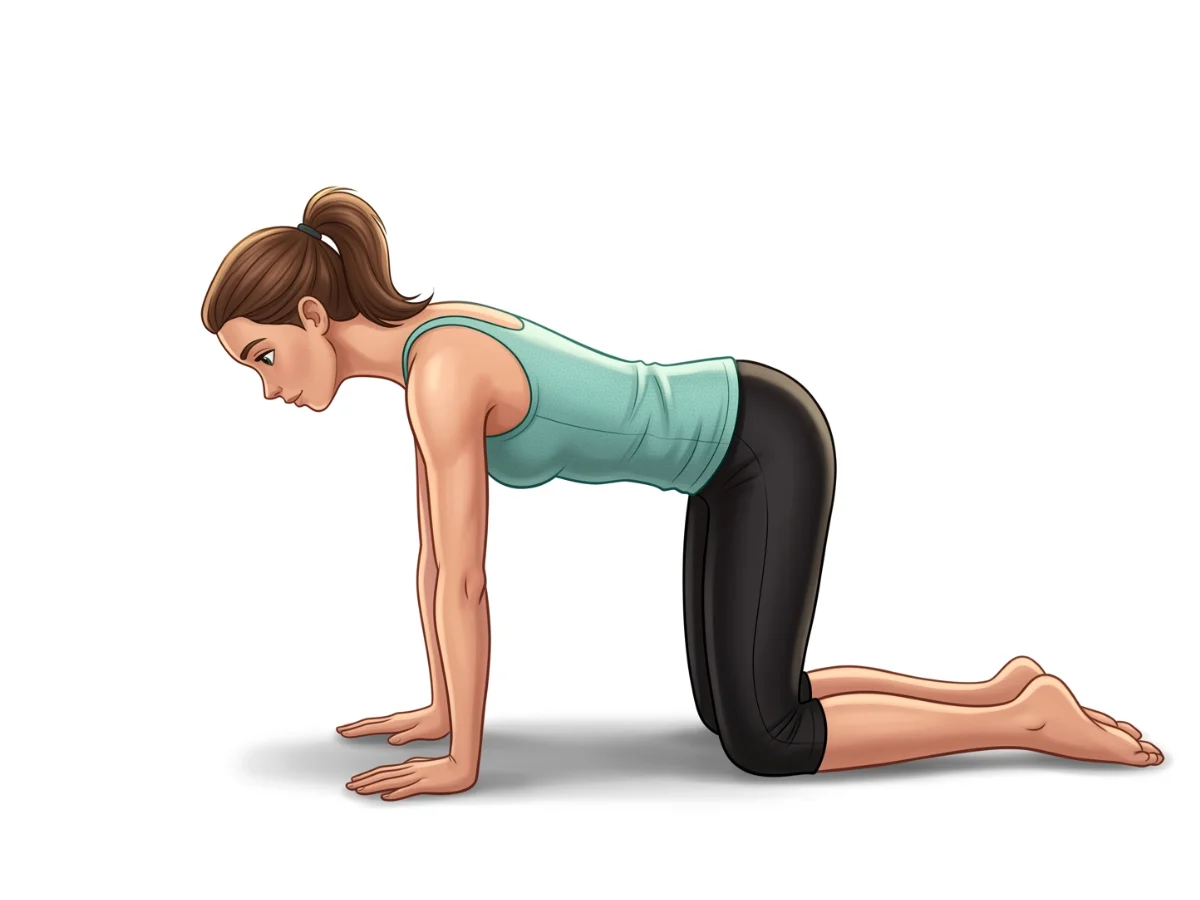
Box Pose
BharmanasanaSets the foundational alignment for the hands and knees.
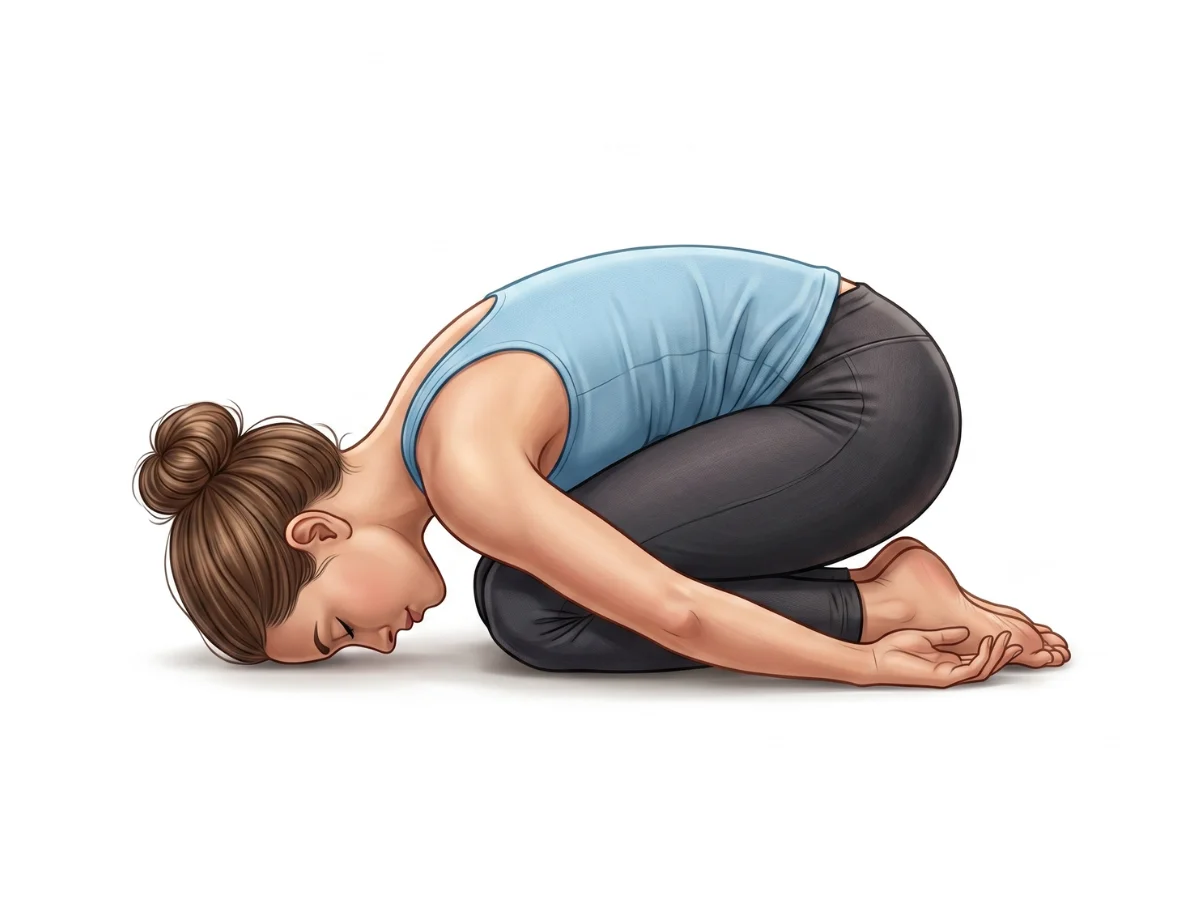
Child's Pose
BalasanaRests the spine and prepares the body for gentle movement.
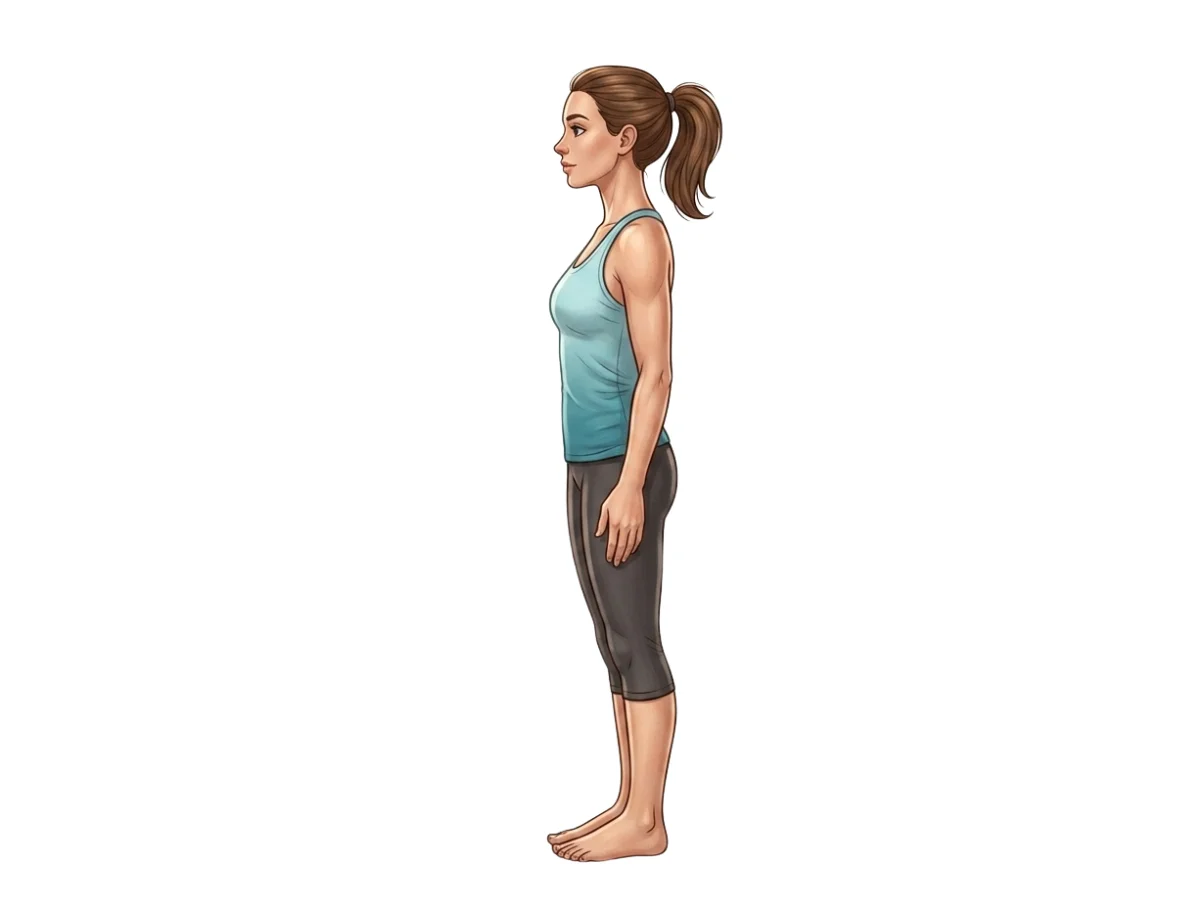
Mountain Pose
TadasanaCultivates basic postural awareness and chest opening.
Follow with neutralizing Counter-poses
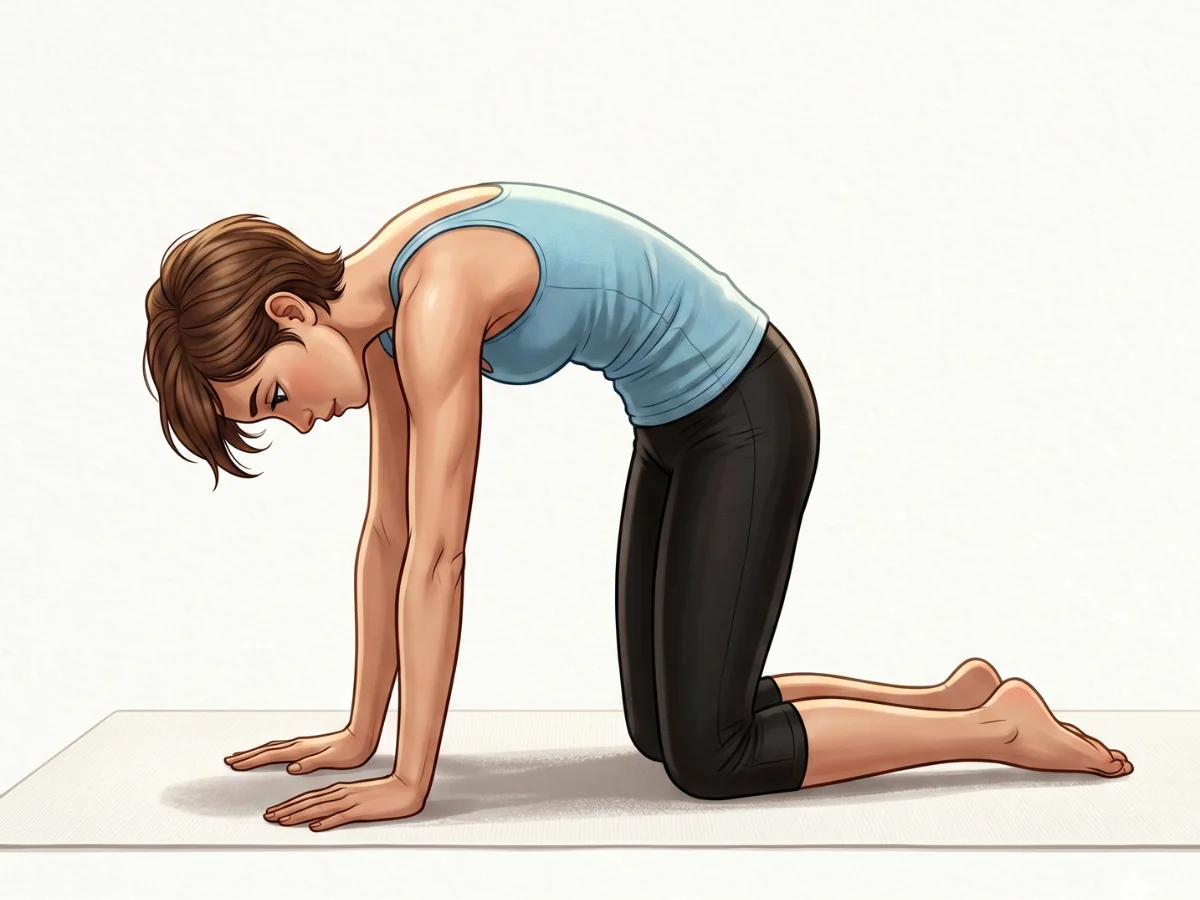
Cat Pose
MarjaryasanaProvides the perfect complementary forward fold, rounding and stretching the spine.
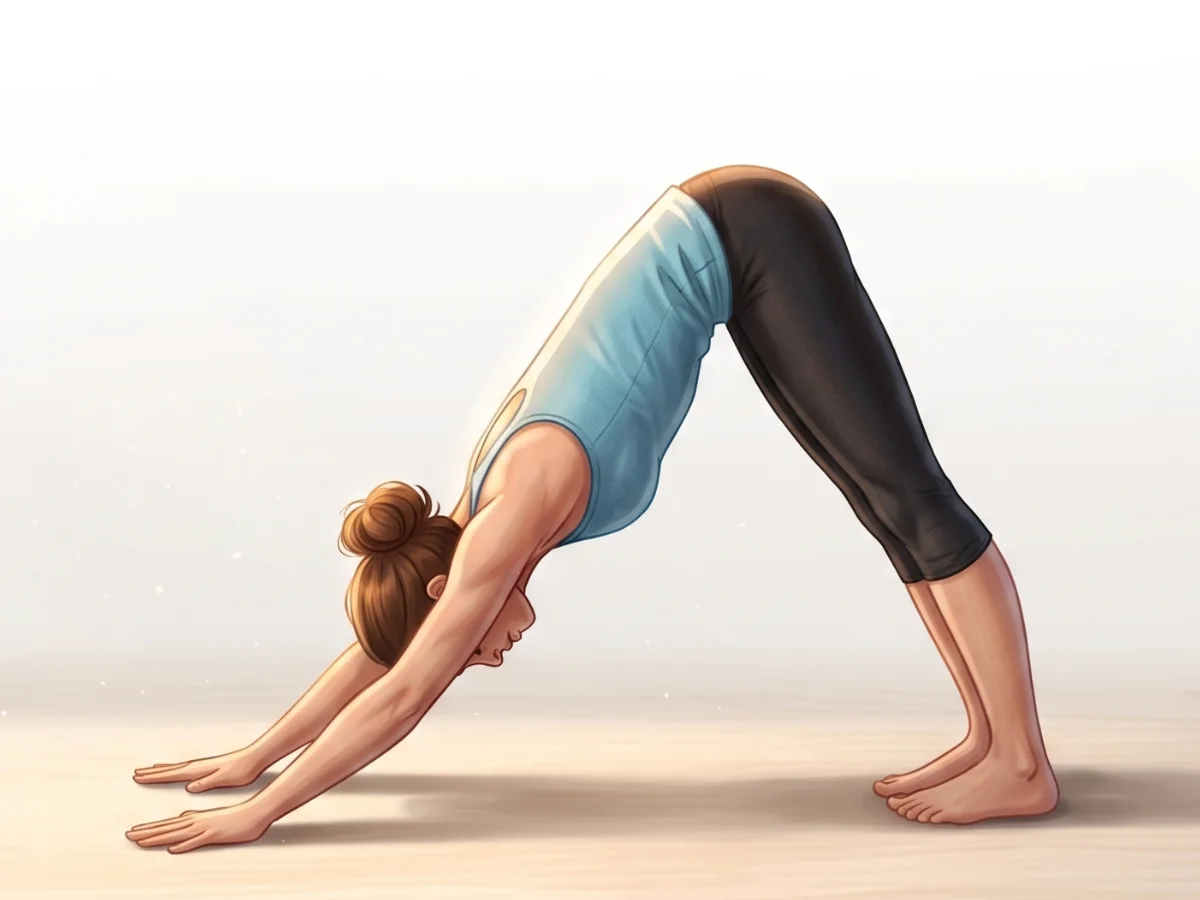
Downward-Facing Dog
Adho Mukha SvanasanaLengthens the spine fully after the backbend.
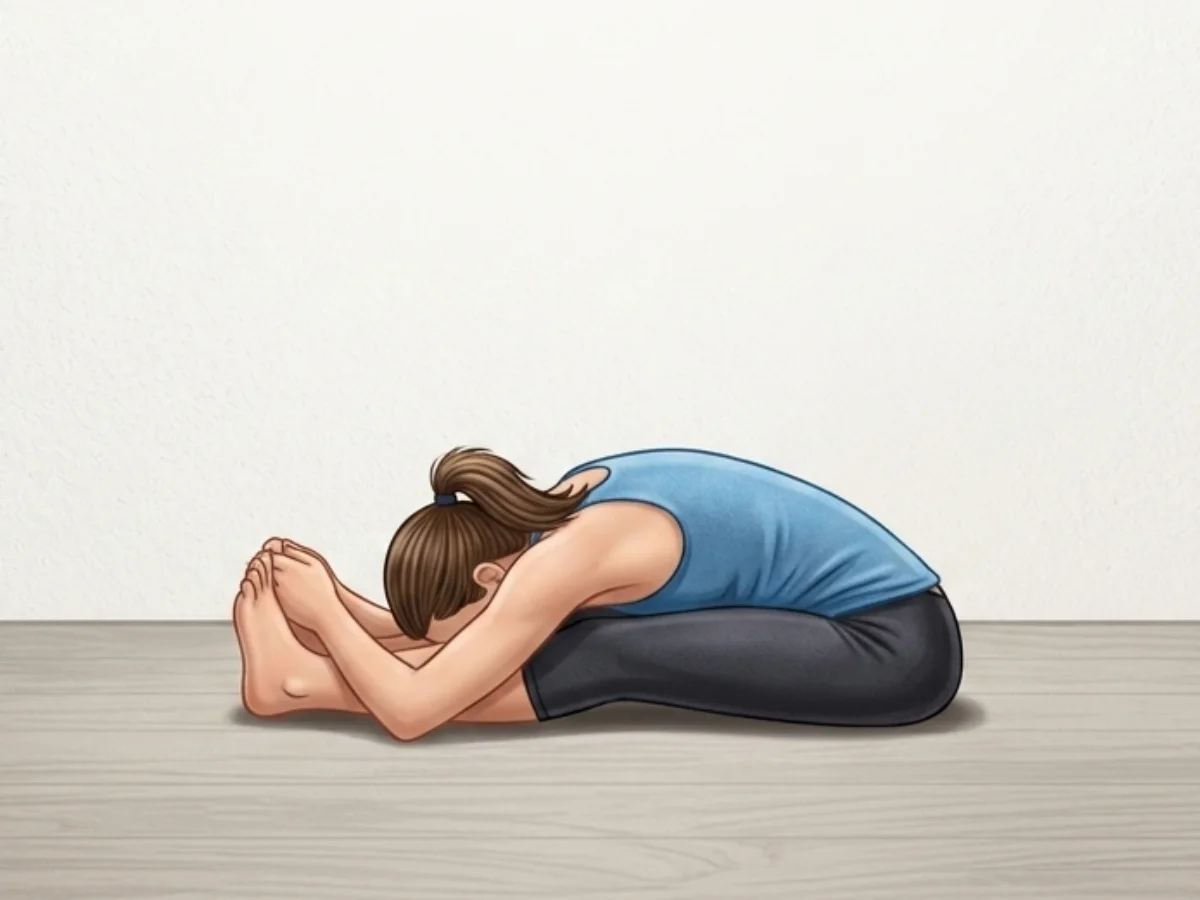
Seated Forward Bend
PaschimottanasanaNeutralizes the back with a seated forward stretch.
Frequently Asked Questions
Why do Cat and Cow poses always go together?
They perfectly balance spinal flexion (Cat) and extension (Cow). Moving fluidly between the two warms up the back safely and connects movement with the natural rhythm of your breath.
How deeply should my belly drop in Cow Pose?
Allow gravity to pull your belly down naturally, but keep a very slight engagement in your core to protect your lower back from crunching or overextending.
Where should I look during the pose?
Gaze straight ahead or gently upward toward the ceiling, depending on what feels comfortable for your neck. Never force your head back.
Elena Rostova is an accredited yoga educator and anatomy specialist with over 15 years of clinical experience. She focuses on functional biomechanics and injury prevention, translating complex anatomy into accessible guidance for safe, sustainable practice.
Read Full ProfileContinue Your Yoga Journey
Ready to deepen your practice? Explore our extensive library of poses, or join a structured program designed to build strength, flexibility, and mindfulness.