
Box
Bharmanasana
By Elena Rostova Updated: verified Medically Reviewed
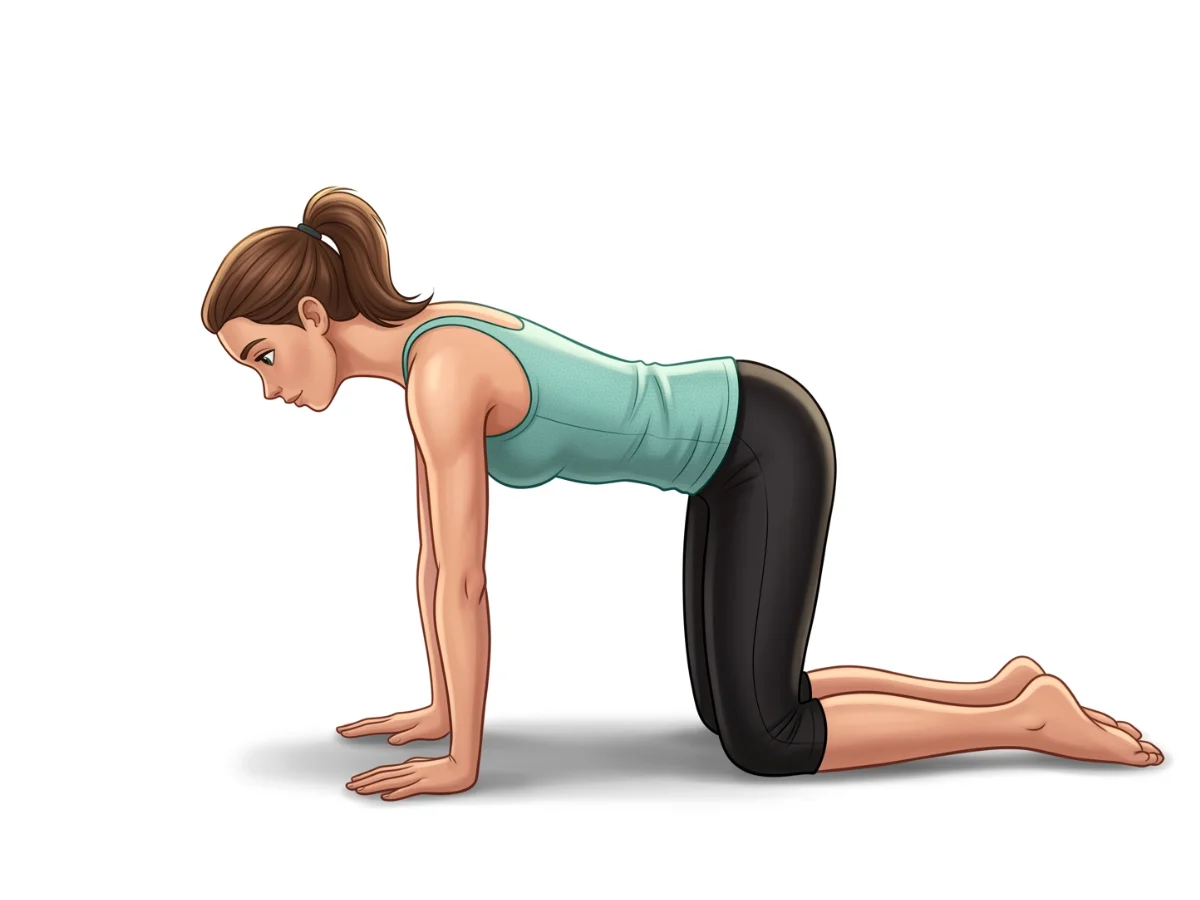
Box Pose (Bharmanasana), often called Tabletop Pose, is a foundational kneeling posture that establishes a neutral spine and balanced weight distribution between the upper and lower body. It serves as the starting point for many dynamic sequences.
Hold Time
30–60 sec · 5–10 breaths
Pronunciation
bar-MAHS-anna
About Box
Often praised by experienced instructors, Box (Bharmanasana) acts as a powerful tool for finding balance and realignment. As you settle into the shape, it gently works the spinal alignment & core stability to increase your overall flexibility. Over time, adding this to your routine is a great way to support aligns the spine while calming the mind.
How to Practice
Kneeling Foundation
Begin by kneeling on your mat with your knees positioned hip-width apart and your shins parallel to each other.
Hand Placement
Place your hands flat on the mat directly beneath your shoulders, spreading your fingers wide for stability.
Joint Alignment
Ensure your wrists, elbows, and shoulders form a straight vertical line, and your hips are stacked directly over your knees.
Spinal Neutrality
Maintain a neutral, flat back. Avoid sagging in the lower back or rounding through the shoulders.
Core Engagement
Draw your navel gently toward your spine to engage your deep core, supporting your lumbar region.
Neck Position
Keep your neck long by gazing down at the space between your hands, continuing the straight line of your spine.
Shoulder Activation
Press the floor away firmly with your hands to avoid collapsing into your shoulder joints.
Breath Integration
Hold the pose for 5 to 10 deep breaths, focusing on the expansion of your ribcage and the stability of your core.
Release
To exit the posture, slowly sit back onto your heels in Child's Pose, allowing your wrists and spine to rest.
Practice with the Yoga Timer
Keep track of your hold time and breath count for this pose.
Beginner Modifications & Prop Options
Yoga is a personal journey. These modifications and prop options allow you to adapt the pose to your current level of balance and flexibility, ensuring a safe and supportive practice.
Using a Blanket Under Knees
Place a folded blanket beneath your knees for extra padding, reducing pressure on the patella.
Tip: Focus on alignment rather than depth.
Fists or Blocks for Wrists
Make fists with your hands or place forearms on blocks to maintain a neutral wrist position and relieve joint strain.
Tip: Focus on alignment rather than depth.
Forearm Box Pose
Lower down onto your forearms, keeping elbows stacked under shoulders, removing all pressure from the hands.
Tip: Focus on alignment rather than depth.
Benefits of Box
Aligns the Spine
Establishes proper spinal alignment and postural awareness, creating a healthy neutral position.
Strengthens the Core
Holding a flat back against gravity activates the transverse abdominis, building deep core stability.
Builds Wrist & Arm Strength
Bearing weight on the hands strengthens the wrists, forearms, and shoulders, preparing for more advanced balances.
Improves Balance
Distributing weight evenly between four points improves proprioception and bodily balance.
Calms the Mind
Provides a grounding, symmetrical shape that helps center attention and calm the nervous system.
Common Mistakes to Avoid
Mistake: Dropping the Lower Back
How to fix: Engage your abdominal muscles, pulling your belly button toward your spine to flatten the lumbar curve.
Mistake: Sinking into Shoulders
How to fix: Actively press the mat away with your palms, lifting your chest away from the floor.
Mistake: Looking Too Far Forward
How to fix: Keep your gaze focused straight down between your hands to maintain a long, neutral neck.
Safety and Precautions
Severe Wrist Injuries
Bearing significant weight on extended wrists can aggravate recent sprains or carpal tunnel syndrome.
Knee Inflammation or Surgery
Kneeling may irritate sensitive kneecaps or healing joints.
Late-Stage Pregnancy
As the belly grows, core engagement becomes harder; ensure comfortable support is used or avoid long holds.
Medical Disclaimer: If you have any of the above conditions, consult your doctor or a qualified yoga instructor before attempting this pose.
Muscles Worked in Box
Box demands synchronized muscular effort, creating a profound sense of engagement and release throughout the body. The activation of the primary muscles supports the structure, while the secondary muscles provide stability and balance.
Primary Muscles
Transversus Abdominis
Stabilizes the core and prevents lower back sagging.
Serratus Anterior
Protraction of the scapulae, pressing the floor away.
Erector Spinae
Maintains the neutral alignment of the spine.
Secondary Muscles
Deltoids & Triceps
Support weight-bearing through the arms.
Gluteus Medius
Stabilizes the pelvis over the knees.
Pectoralis Major
Helps stabilize the shoulder girdle.
Poses to Practice Before and After Box
Prepare with these Poses
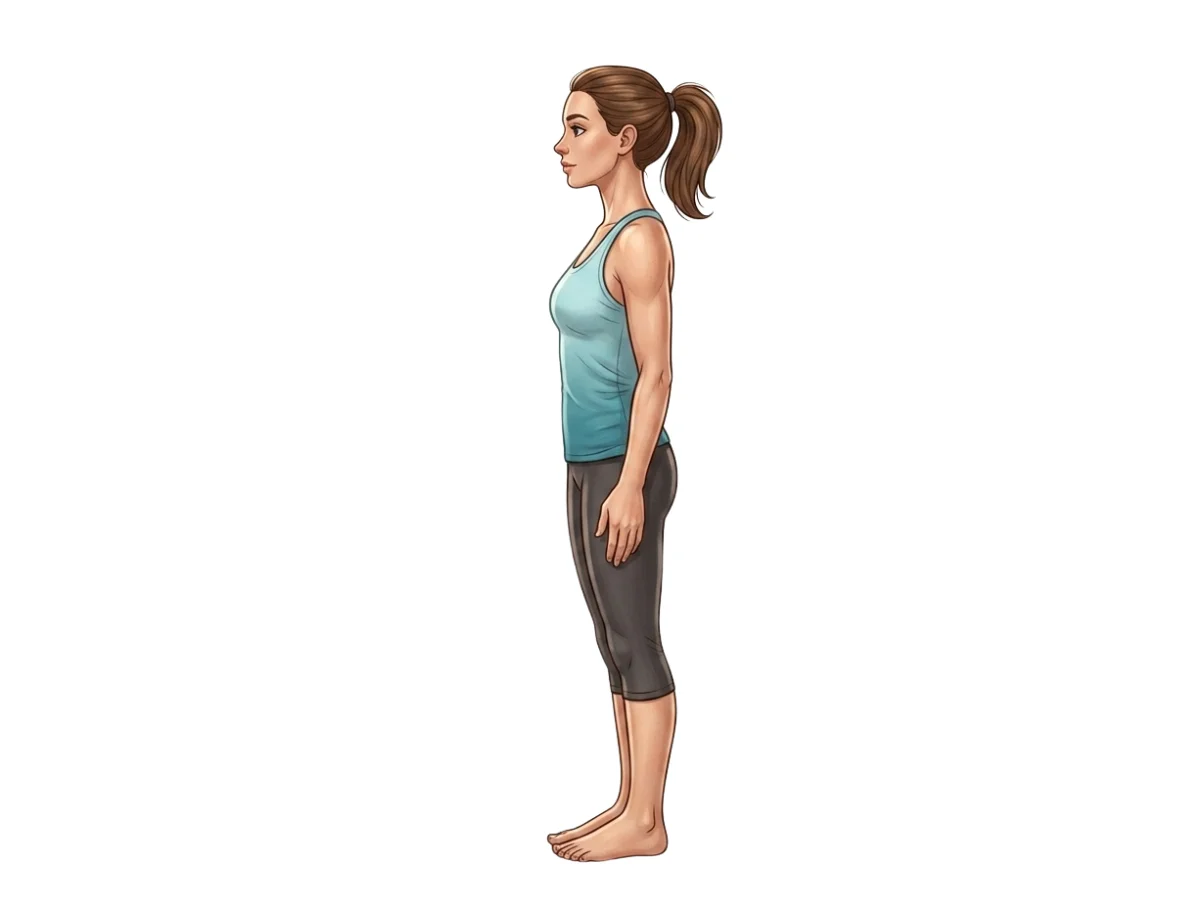
Mountain Pose
TadasanaEstablishes postural awareness and spinal alignment before moving to the floor.
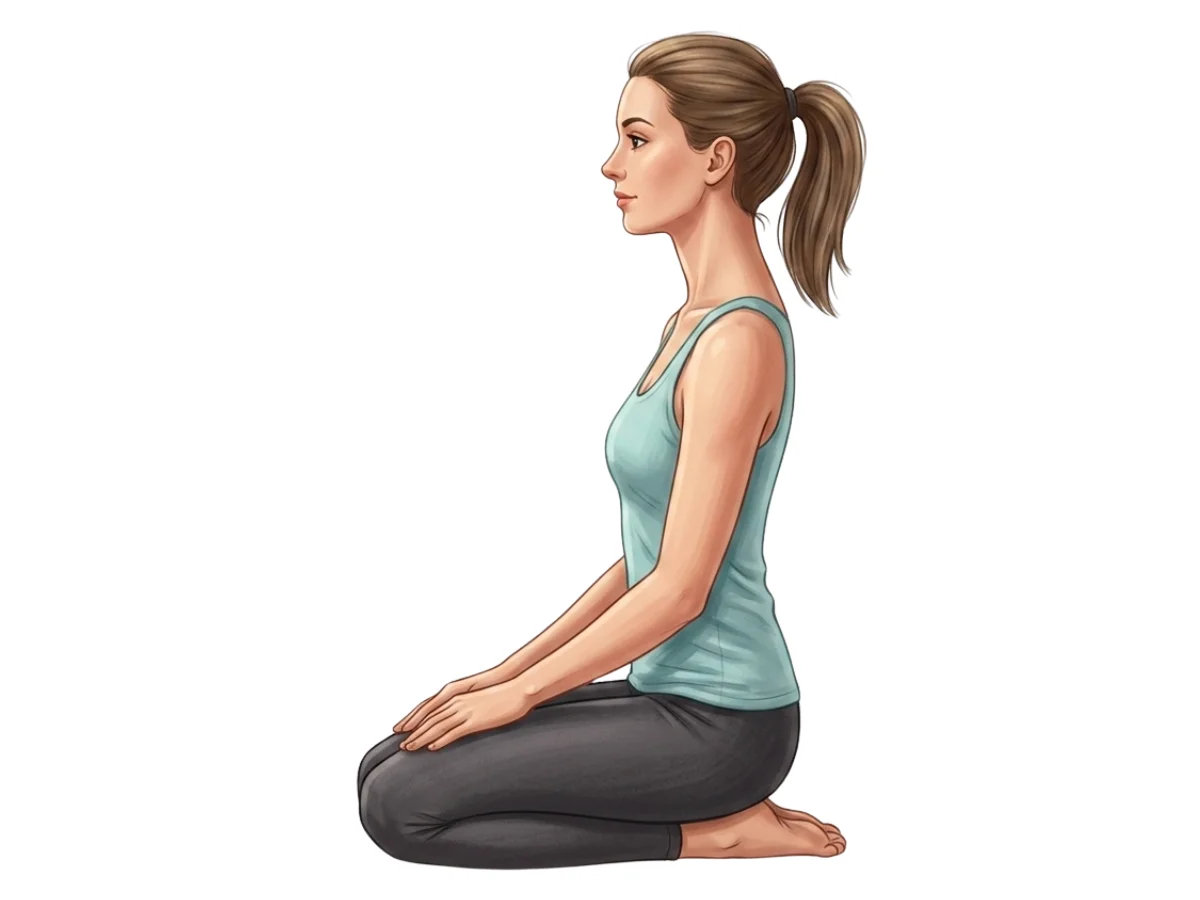
Thunderbolt Pose
VajrasanaGently stretches the ankles and knees in preparation for kneeling.
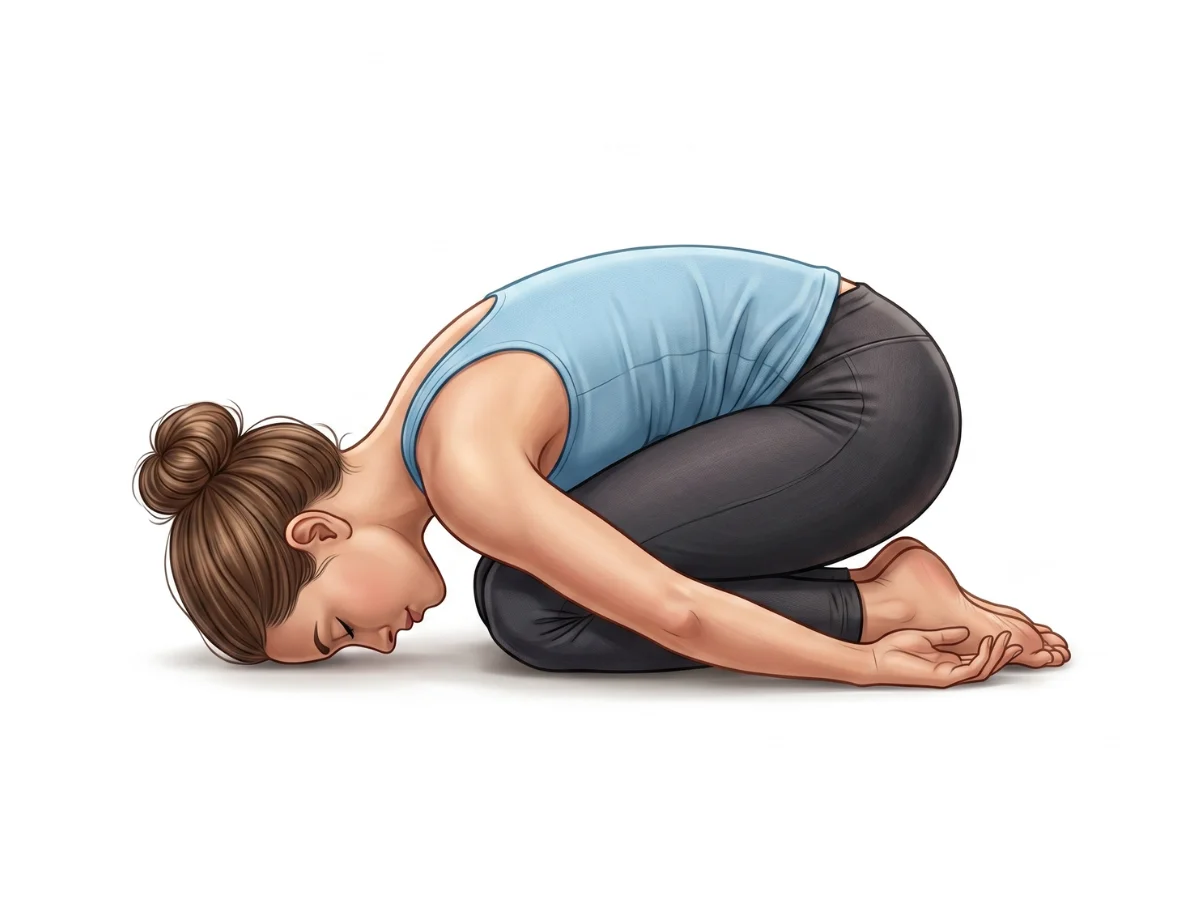
Child's Pose
BalasanaA gentle forward fold that rests the spine before entering a neutral load-bearing posture.
Follow with neutralizing Counter-poses
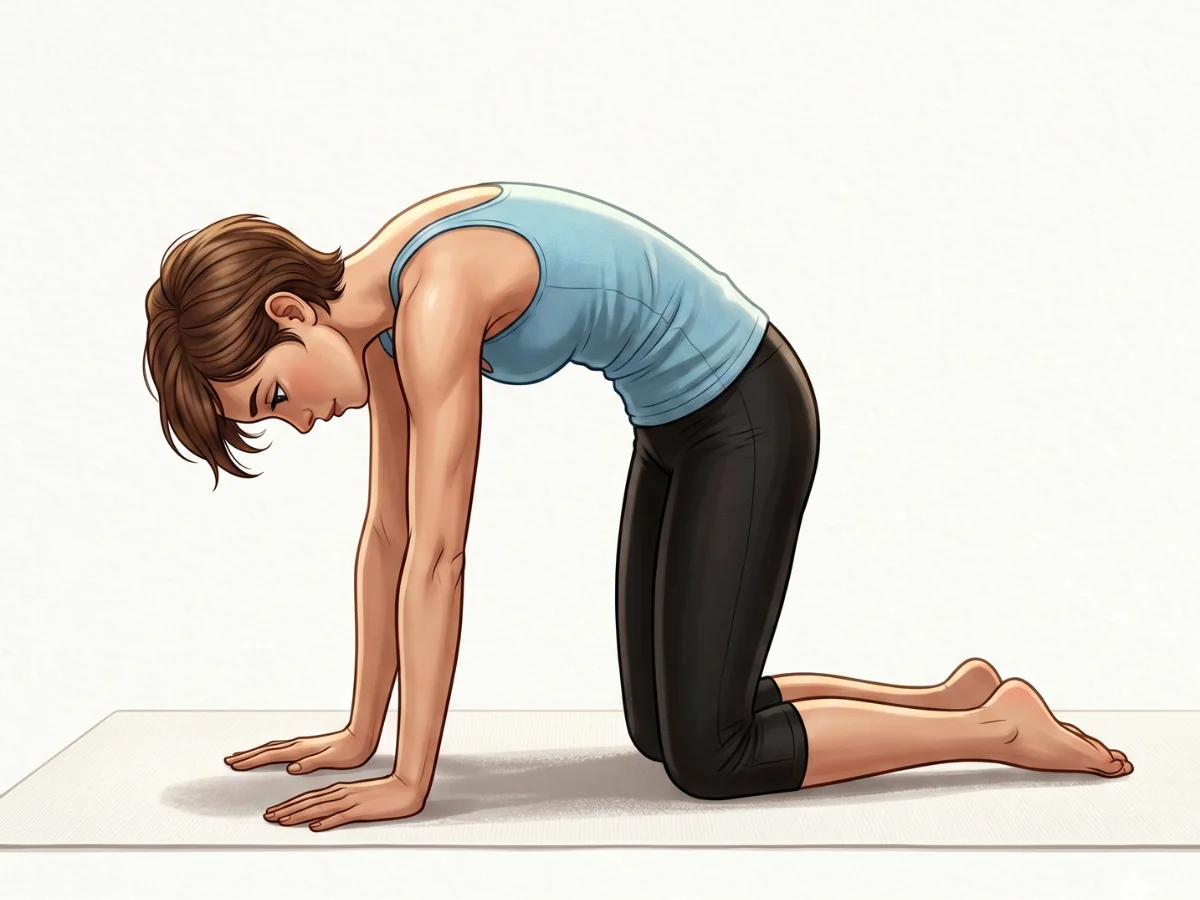
Cat Pose
MarjaryasanaFlexes the spine upward, providing a counter-stretch to the static neutral hold.
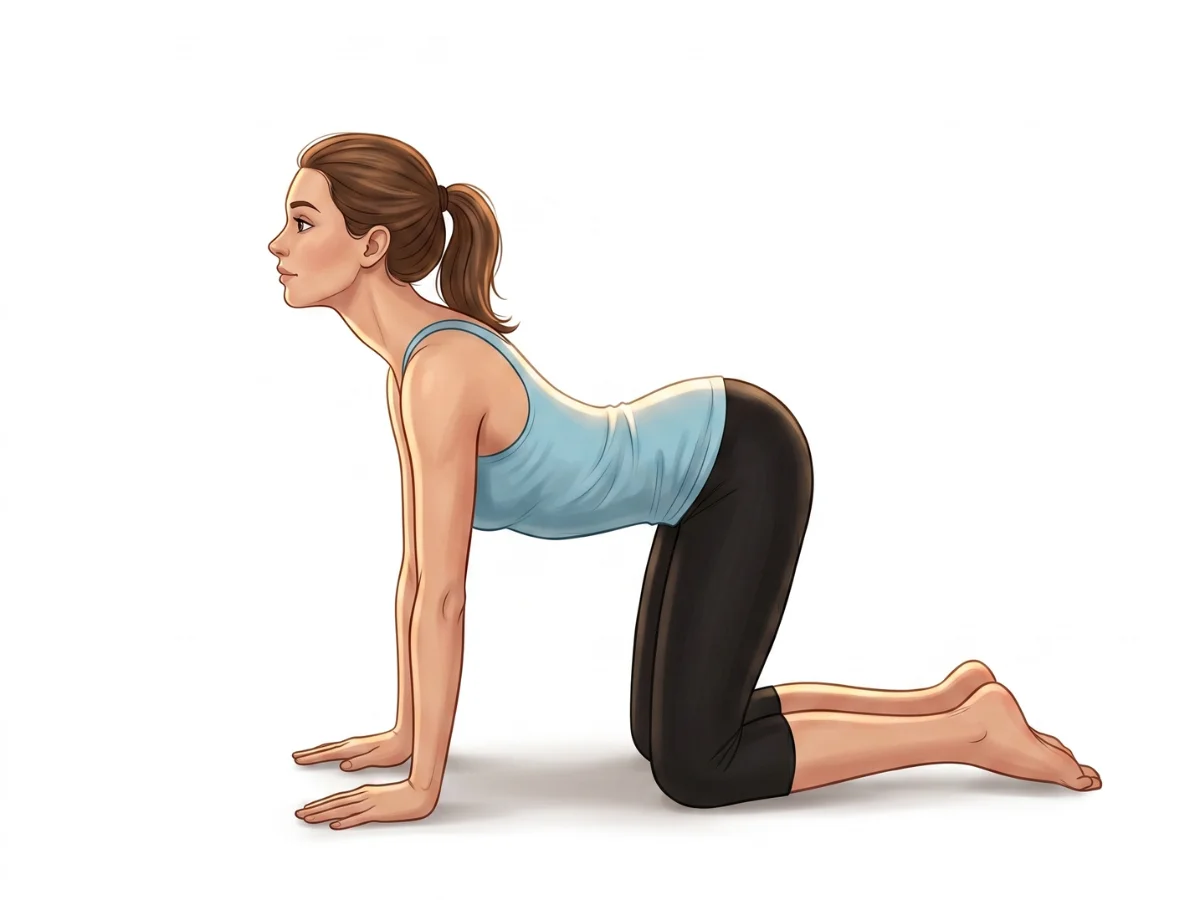
Cow Pose
BitilasanaExtends the spine into a gentle backbend, mobilizing the vertebrae.
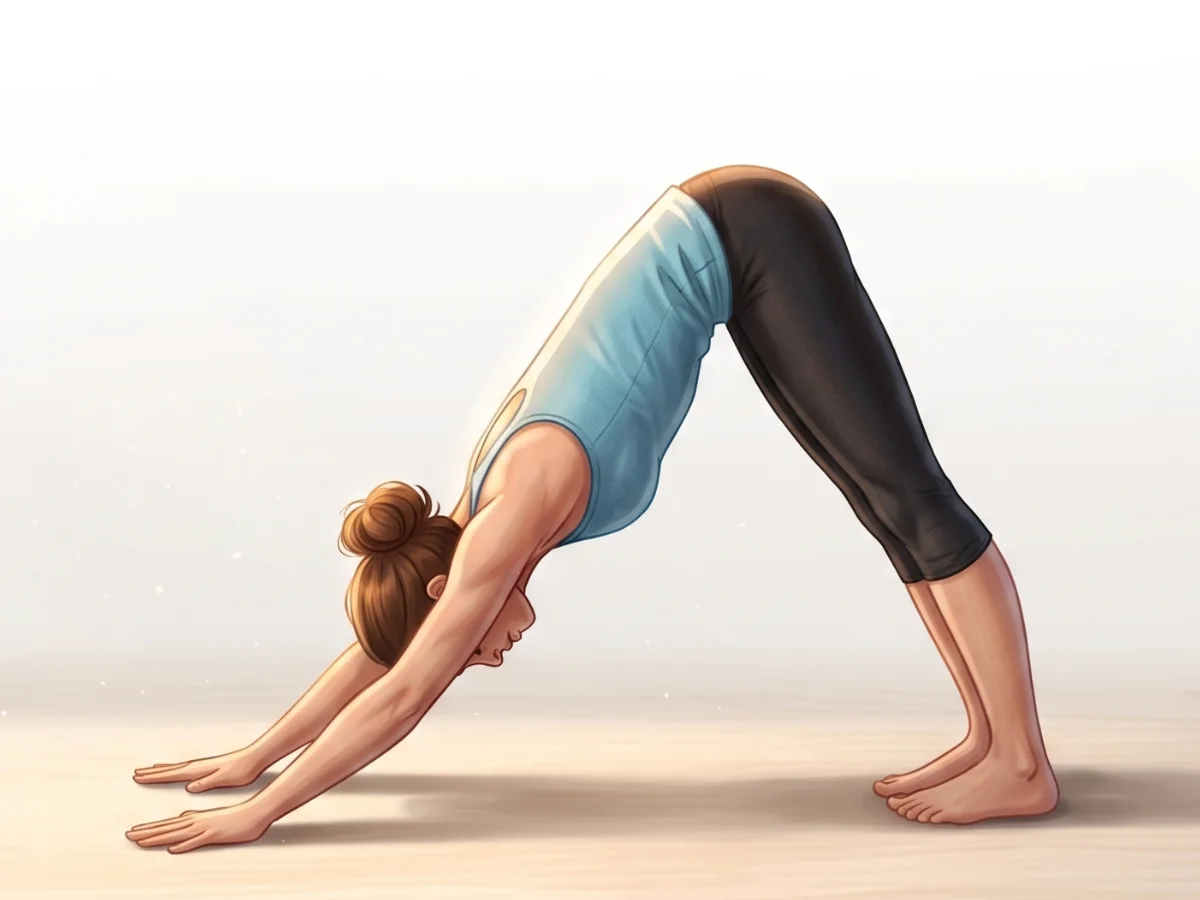
Downward-Facing Dog
Adho Mukha SvanasanaLengthens the entire back body and challenges the upper body strength developed in Box pose.
Frequently Asked Questions
How can I tell if my back is flat in Box Pose?
It helps to practice beside a mirror or ask a teacher to observe. You can also place a yoga block lightly on your lower back—if it stays balanced, your spine is likely in a good neutral position.
Why do my knees hurt in this pose?
Hard floors can place excessive pressure on the patella. Always fold your mat double under your knees or use a yoga blanket for extra cushioning.
Is Box Pose considered a resting pose?
While less intense than standing poses, Box Pose is highly active. You must continuously engage your core and press the floor away to maintain integrity.
Elena Rostova is an accredited yoga educator and anatomy specialist with over 15 years of clinical experience. She focuses on functional biomechanics and injury prevention, translating complex anatomy into accessible guidance for safe, sustainable practice.
Read Full ProfileContinue Your Yoga Journey
Ready to deepen your practice? Explore our extensive library of poses, or join a structured program designed to build strength, flexibility, and mindfulness.