
Thunderbolt
Vajrasana
By Elena Rostova Updated: verified Medically Reviewed
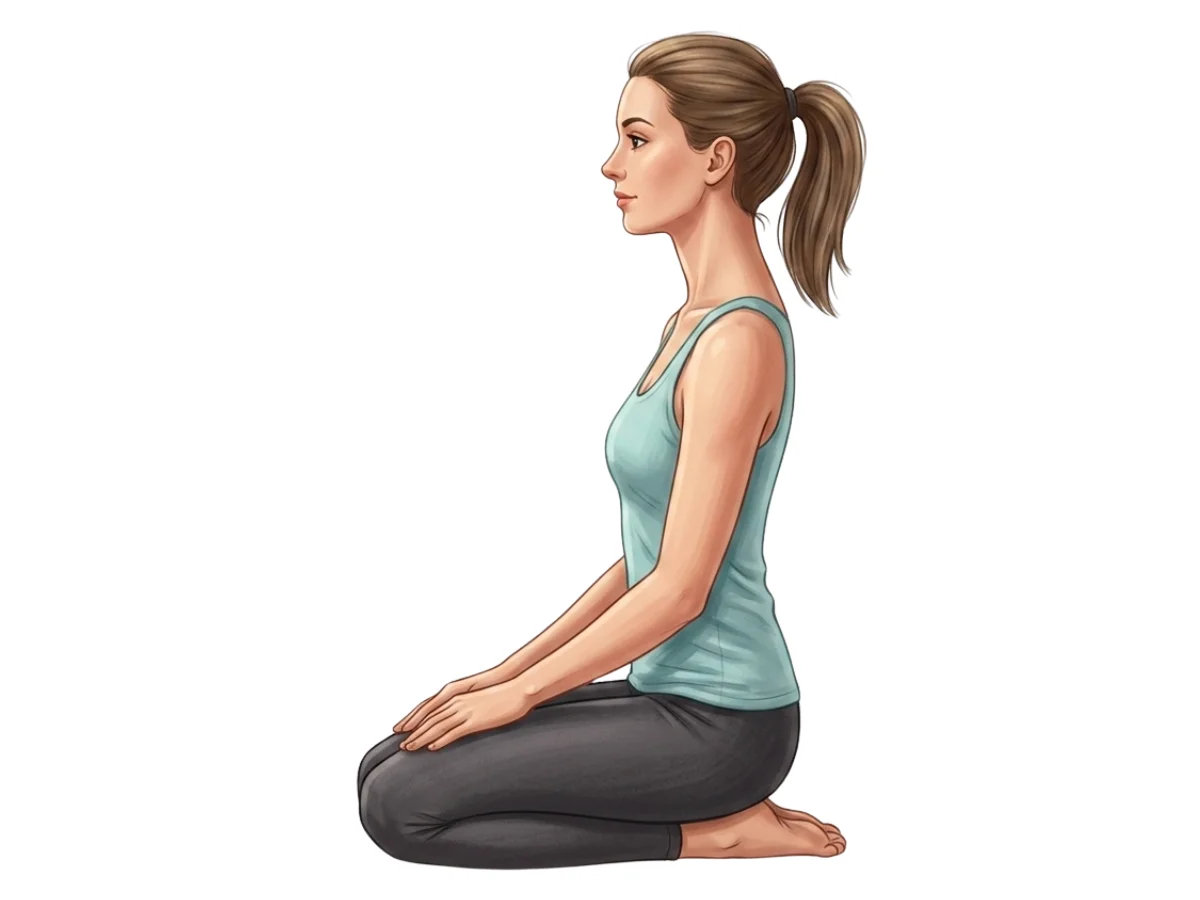
Thunderbolt Pose (Vajrasana) is a simple but powerful kneeling posture that serves as an excellent seat for meditation and breathing exercises. Uniquely in yoga, it is recommended to practice this pose immediately after meals, as it alters blood flow to the lower body, directing it to the digestive organs to aid in digestion.
Hold Time
1–5 minutes
Pronunciation
vahj-RAHS-anna
About Thunderbolt
A vital part of many yoga sequences, Thunderbolt (Vajrasana) offers wonderful benefits that go beyond its simple shape. This posture specifically engages the digestion & joint mobility, making it highly effective for developing both strength and mobility. Consistent practice will actively assist in aids in digestion, helping you feel lighter and more balanced off the mat.
How to Practice
Come to Kneeling
Begin by kneeling on your mat with your knees touching and your lower legs extending straight back.
Align the Feet
Keep the tops of your feet flat on the floor with your big toes lightly touching. Do not cross your feet over one another.
Sit Back
Exhale as you slowly lower your hips backward to sit directly on your heels. Your buttocks should rest comfortably on the soles of your feet.
Lengthen the Spine
Inhale and sit up tall. Stack your head over your shoulders, and your shoulders directly over your hips, creating a long, straight spine.
Rest the Hands
Place your palms relaxed on your thighs, either facing down for grounding or facing up to receive energy.
Open the Chest
Roll your shoulder blades slightly back and down. Relax your neck and ensure your chin is parallel to the floor.
Engage Core Slightly
Draw your navel gently in toward your spine to prevent your lower back from overarching (swayback).
Hold and Breathe
Close your eyes and breathe deeply. You can hold this pose for several minutes as a meditative seat or after a meal.
Safe Exit
To exit, lean forward, place your hands on the mat to lift your hips off your heels, and swing your legs around to the front.
Practice with the Yoga Timer
Keep track of your hold time and breath count for this pose.
Beginner Modifications & Prop Options
Yoga is a personal journey. These modifications and prop options allow you to adapt the pose to your current level of balance and flexibility, ensuring a safe and supportive practice.
Blanket Between Thighs and Calves
Roll up a towel or blanket and place it snugly in the crease behind your knees before sitting back to create space and reduce flexion pressure.
Tip: Focus on alignment rather than depth.
Block Between the Feet
Separate your heels slightly and place a yoga block directly under your sitting bones to take weight off your ankles and knees entirely.
Tip: Focus on alignment rather than depth.
Blanket Under the Ankles
Place a softly folded blanket underneath the shins and ankles to cushion the bones and decrease the angle of ankle extension.
Tip: Focus on alignment rather than depth.
Benefits of Thunderbolt
Aids in Digestion
Restricts blood flow to the legs, redirecting it to the stomach and pelvic region, which dramatically improves digestive efficiency.
Stretches the Ankles
Provides a deep, sustained stretch to the anterior tibialis and the tops of the feet, increasing ankle flexibility.
Promotes Proper Posture
The kneeling position naturally aligns the pelvis, making it effortless to keep the spine straight and upright.
Calms the Mind
Creates a stable, grounded foundation that is highly effective for pranayama (breathing exercises) and meditation.
Improves Knee Mobility
Safely compresses and lubricates the knee joints when practiced mindfully without pain.
Common Mistakes to Avoid
Mistake: Overarching the Lower Back
How to fix: Tuck your tailbone very slightly and engage your lower core to lengthen the lower back.
Mistake: Crossing the Feet
How to fix: Keep the big toes touching side-by-side and the heels pointing straight up under the buttocks.
Mistake: Ignoring Knee Pain
How to fix: Always use props (blanket or blocks) if you feel any pinching or sharp pain in the knees.
Safety and Precautions
Severe Knee Injuries
Deep knee flexion compresses the joint space; avoid if you have recent meniscus tears, ACL/MCL injuries, or severe arthritis.
Ankle Sprains
The intense plantar flexion (pointing the toes) will severely stretch healing ankle ligaments.
Foot Injuries
Conditions like plantar fasciitis or toe injuries may flare up when bearing weight on the top of the foot.
Medical Disclaimer: If you have any of the above conditions, consult your doctor or a qualified yoga instructor before attempting this pose.
Muscles Worked in Thunderbolt
Thunderbolt demands synchronized muscular effort, creating a profound sense of engagement and release throughout the body. The activation of the primary muscles supports the structure, while the secondary muscles provide stability and balance.
Primary Muscles
Erector Spinae
Maintains the upright posture of the torso.
Tibialis Anterior
Stretches deeply along the shin and front of the ankle.
Secondary Muscles
Quadriceps
Undergo a moderate passive stretch.
Transversus Abdominis
Engages lightly to support the lumbar spine.
Poses to Practice Before and After Thunderbolt
Prepare with these Poses
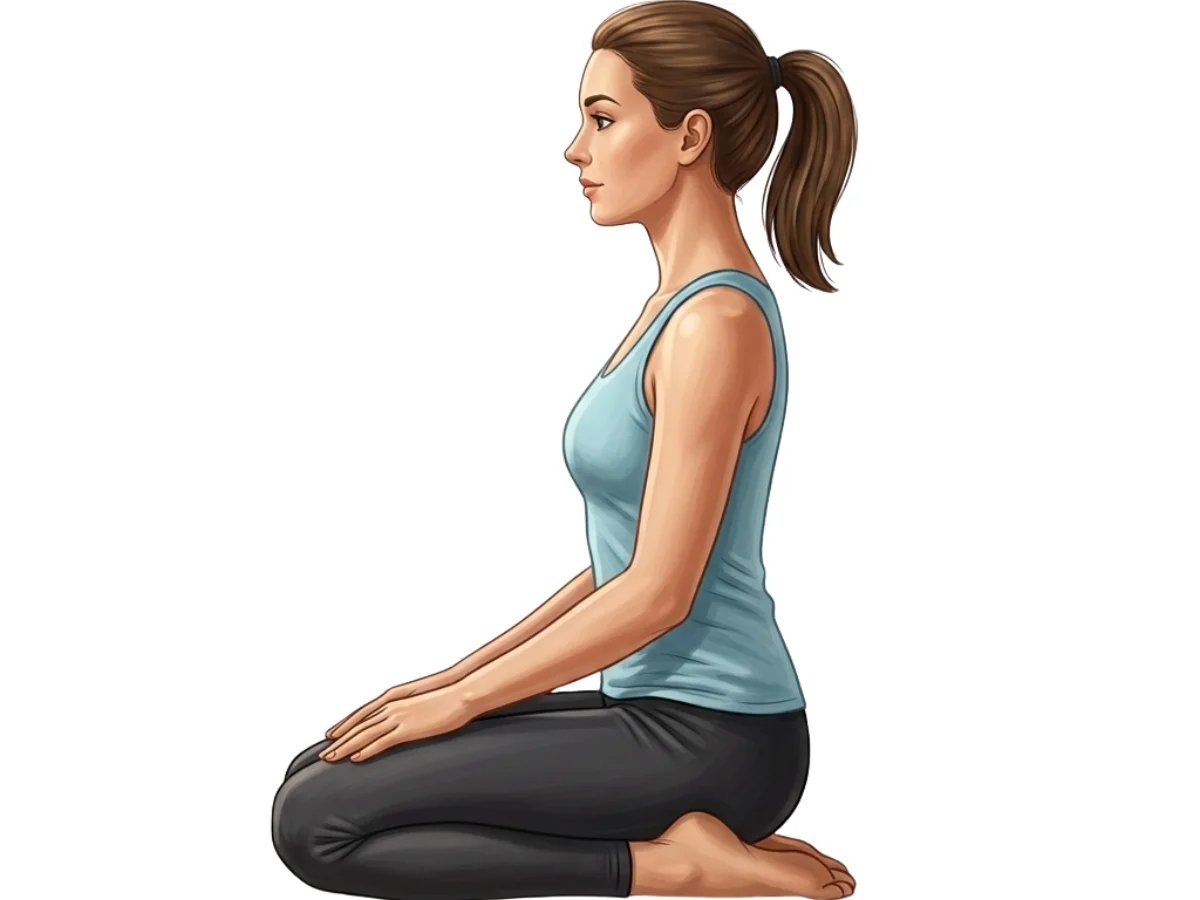
Hero Pose
VirasanaA similar kneeling pose where the feet are wider and hips sit between the heels.
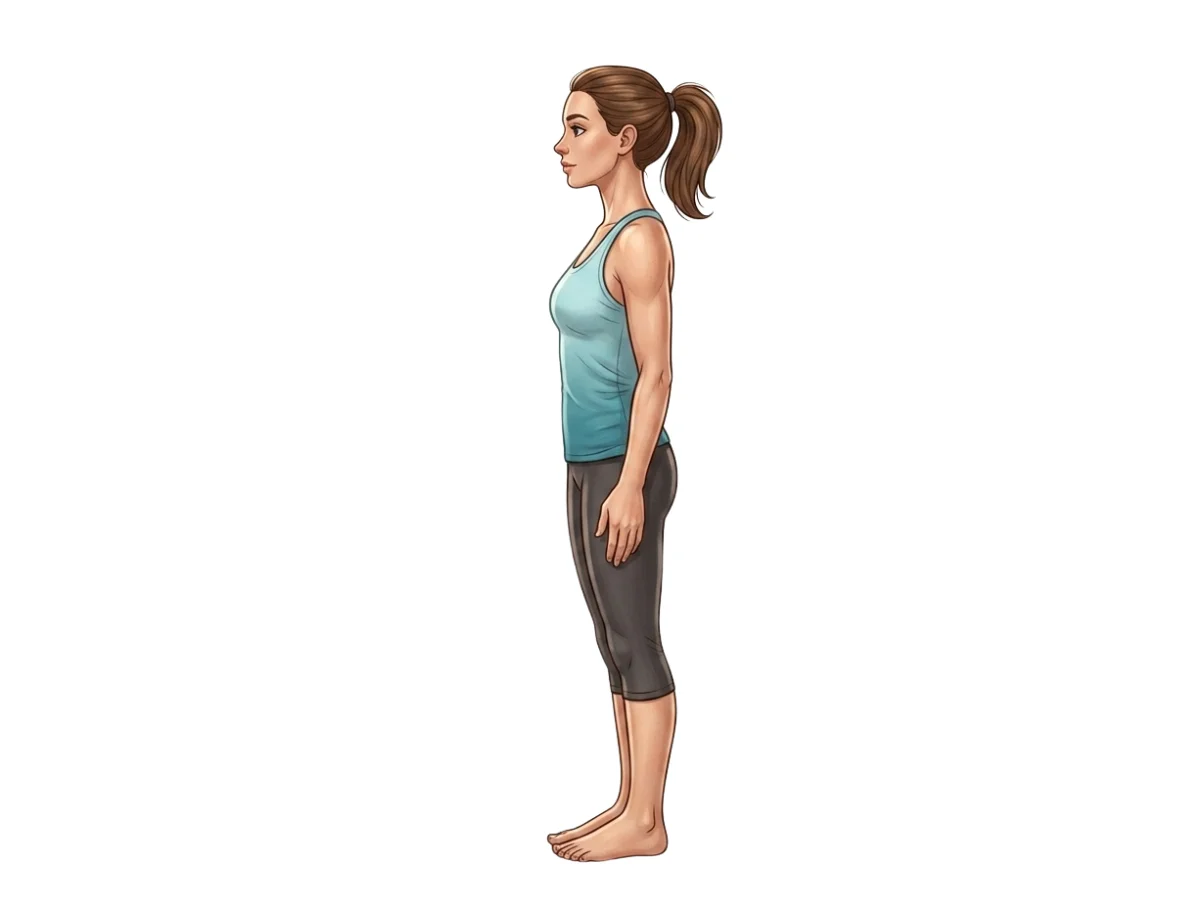
Mountain Pose
TadasanaEstablishes the tall, aligned spine required for seated postures.
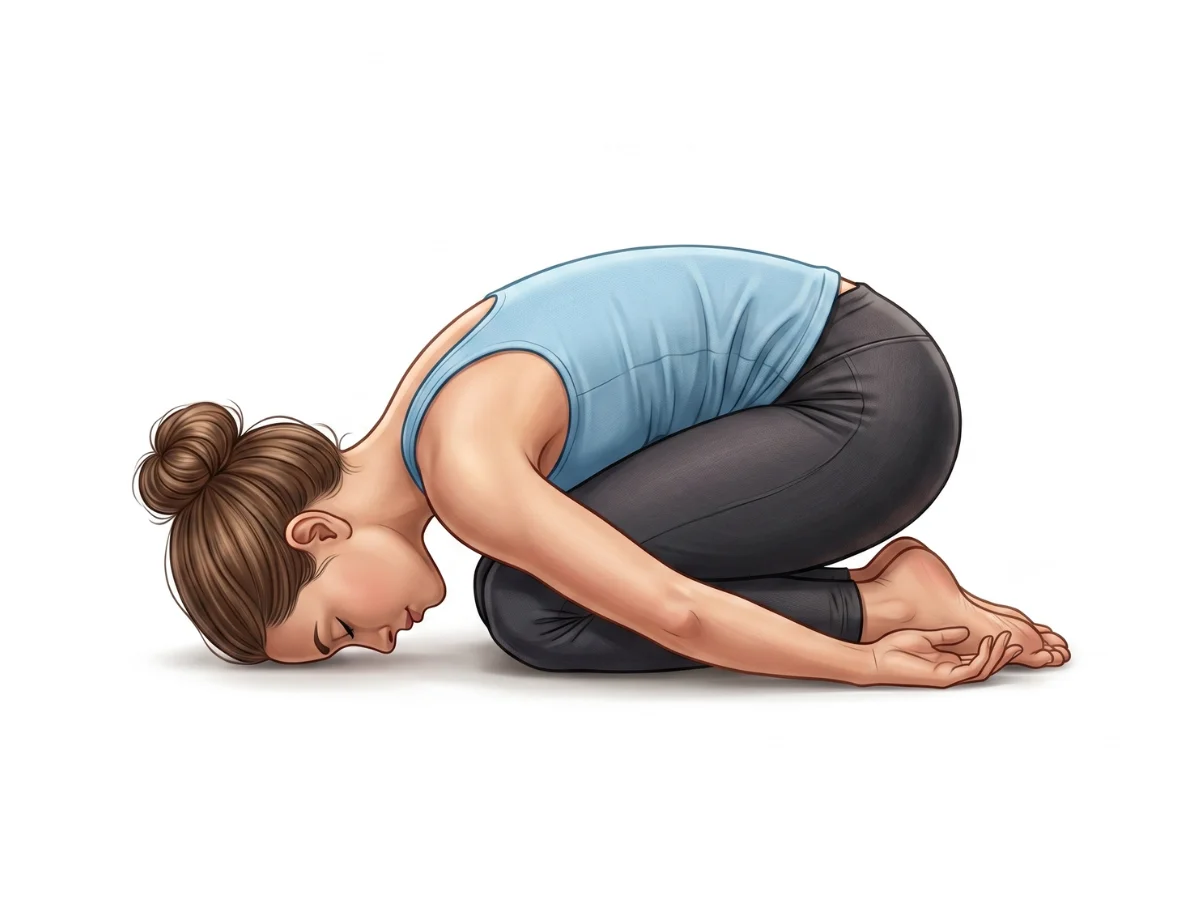
Child's Pose
BalasanaGently flexes the knees and ankles in a restorative, resting position.
Follow with neutralizing Counter-poses
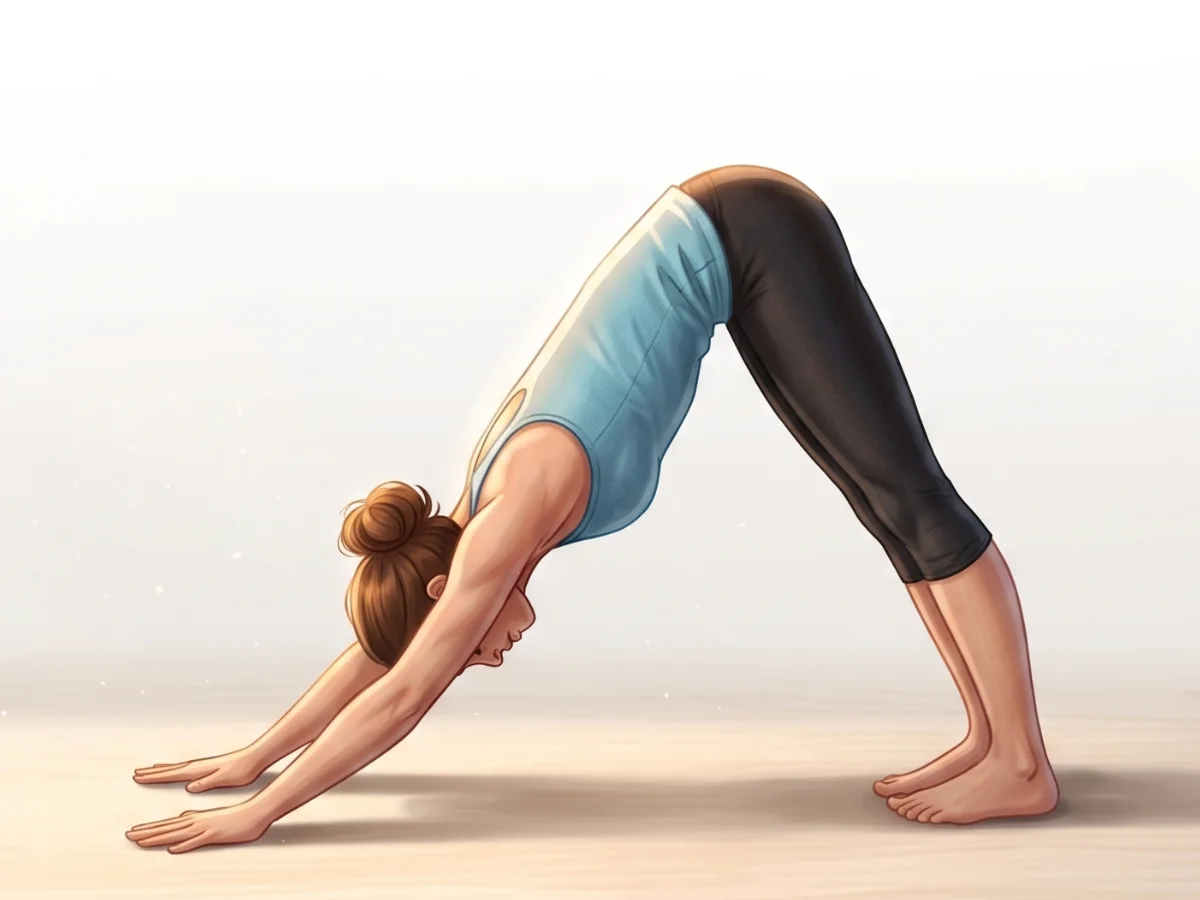
Downward-Facing Dog
Adho Mukha SvanasanaInstantly relieves the knee compression and stretches the back of the legs.
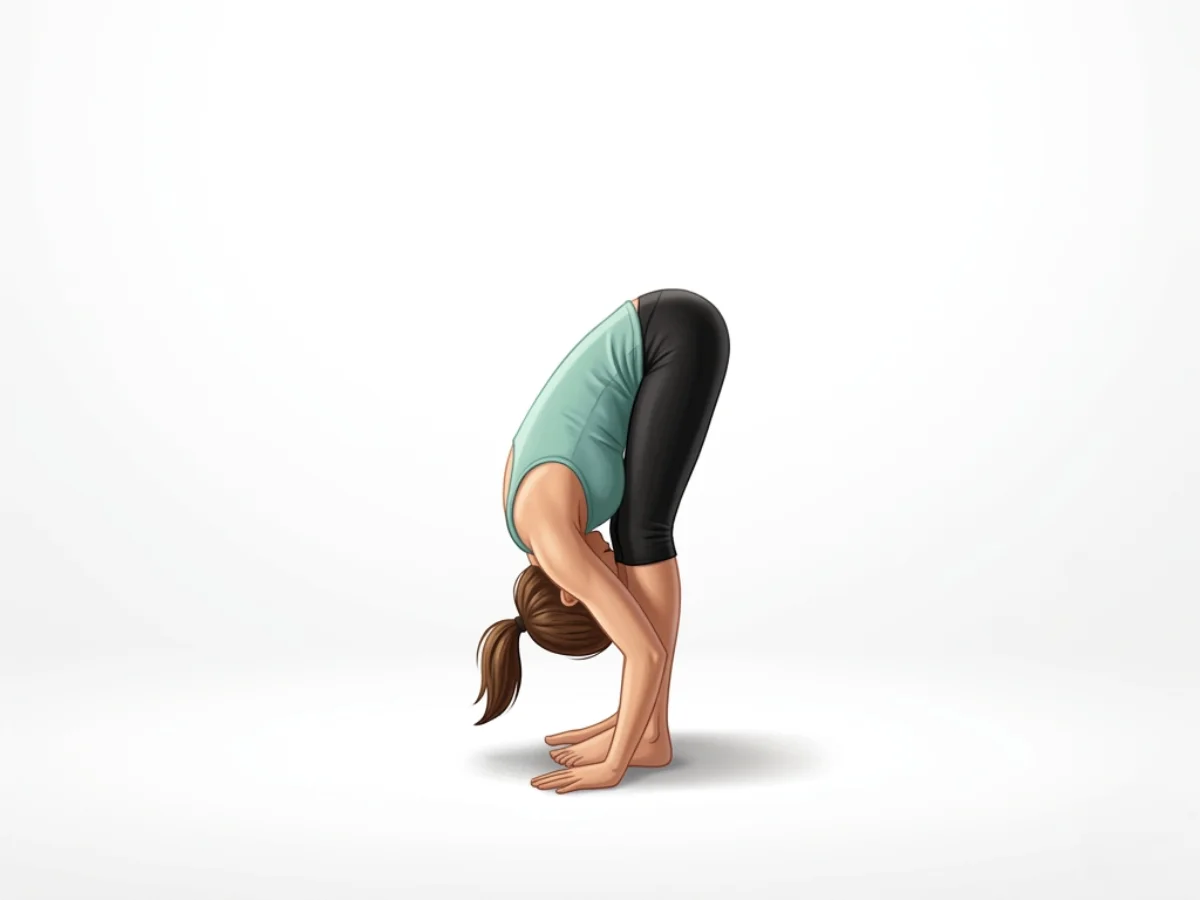
Standing Forward Bend
UttanasanaAllows the legs to straighten entirely and restores circulation.
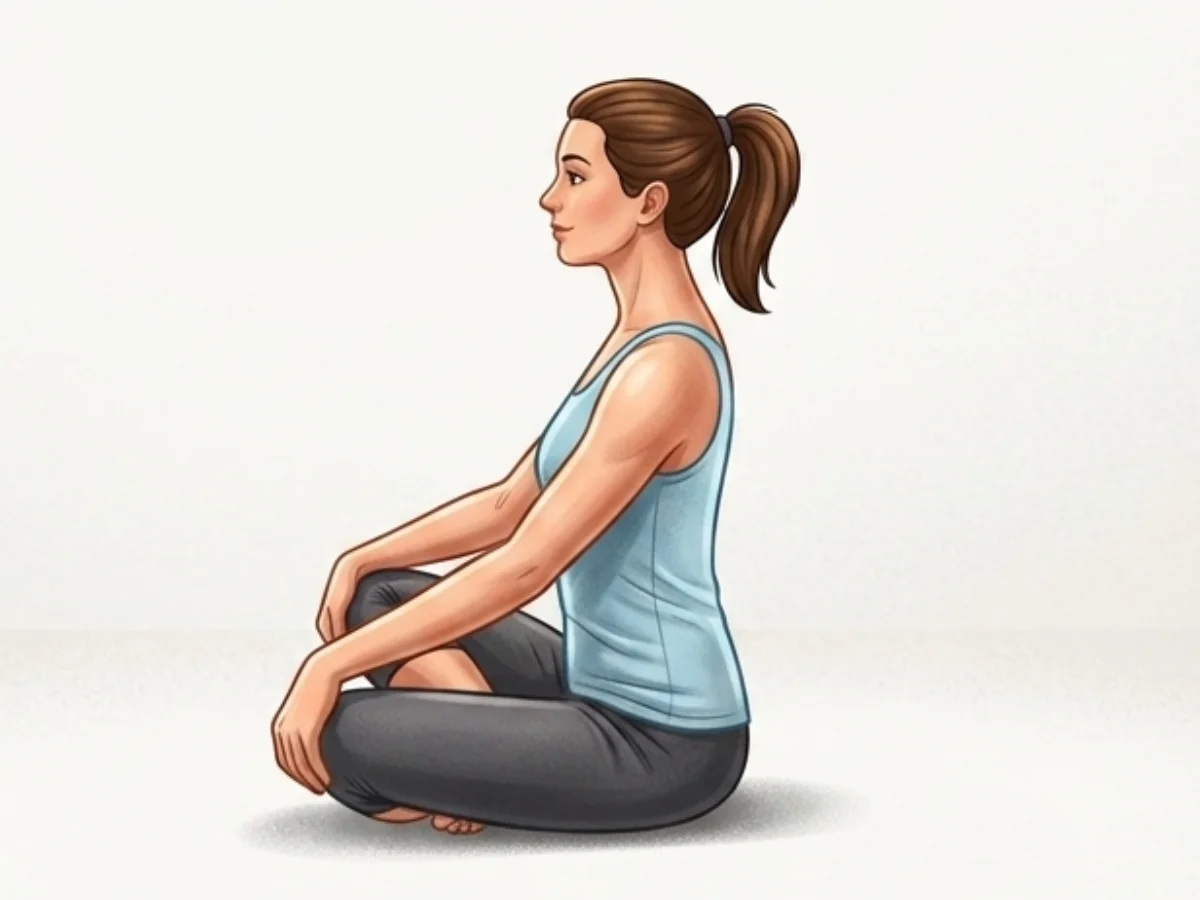
Easy Pose
SukhasanaA cross-legged alternative to relieve pressure on the knees and ankles while remaining seated.
Frequently Asked Questions
Why is this pose recommended after eating?
Most yoga poses engage the sympathetic nervous system or contort the body in ways bad for digestion. Vajrasana is unique because it restricts blood flow to the legs and redirects it to the digestive organs, accelerating the digestive process safely.
My ankles hurt a lot in this pose. What should I do?
This is very common if you aren't used to stretching the tops of your feet. Place a rolled towel under your ankles, or sit on a block between your heels to take the weight off.
What is the difference between Thunderbolt and Hero Pose (Virasana)?
In Thunderbolt (Vajrasana), the feet are together and you sit directly on your heels. In Hero Pose (Virasana), the feet are separated wider than the hips, and you sit on the floor (or a block) between your heels.

Elena Rostova is an accredited yoga educator and anatomy specialist with over 15 years of clinical experience. She focuses on functional biomechanics and injury prevention, translating complex anatomy into accessible guidance for safe, sustainable practice.
Read Full ProfileContinue Your Yoga Journey
Ready to deepen your practice? Explore our extensive library of poses, or join a structured program designed to build strength, flexibility, and mindfulness.