
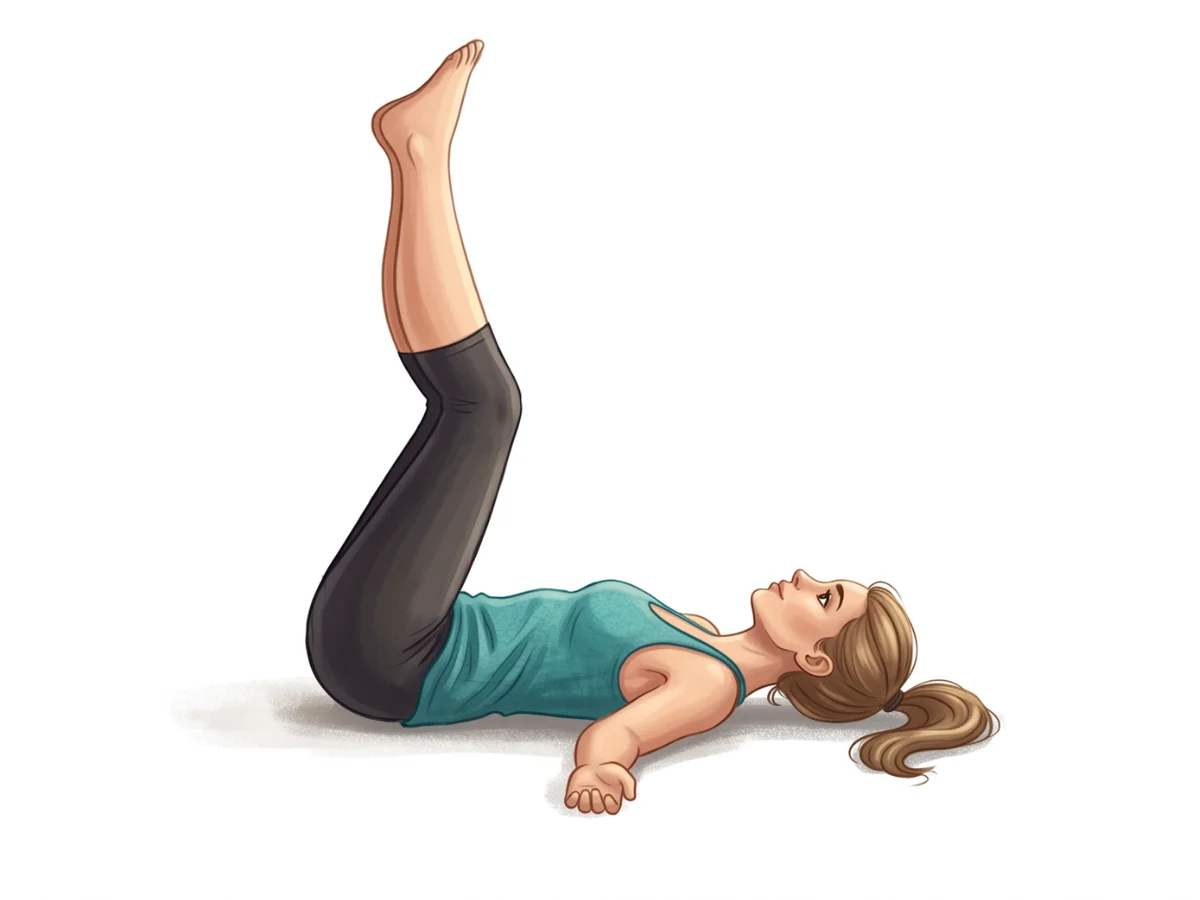
Waterfall
Viparita Karani (Variation)
By Elena Rostova Updated: verified Medically Reviewed
Waterfall Pose is a deeply restorative mild inversion where the legs are elevated above the heart. Often practiced with a block under the sacrum, this accessible variation quickly soothes the nervous system and relieves fatigue in the lower body.
Hold Time
2–5 min · 20–50 breaths
Pronunciation
vip-ah-REE-tah kah-RAH-nee
About Waterfall
Reflecting the quiet power of the natural world, Waterfall (Viparita Karani (Variation)) is an expansive pose that cultivates inner stillness. This posture specifically engages the circulation & nervous system regulation, making it highly effective for developing both strength and mobility. Consistent practice will actively assist in relieves tired legs & feet, helping you feel lighter and more balanced off the mat.
How to Practice
Start in Bridge Prep
Lie flat on your back, bend your knees, and place your feet flat on the floor close to your sitting bones, as if preparing for Bridge Pose.
Lift the Hips
Press firmly into your feet and inhale as you lift your hips up off the mat.
Place the Block
Slide a yoga block (on its lowest or medium height) directly under your sacrum—the flat, bony triangle at the base of your spine. Rest your weight securely onto the block.
Elevate the Legs
Once stable, carefully lift one leg up toward the ceiling, followed by the other. Keep your legs relatively straight but maintain a soft micro-bend in the knees.
Find the Balance Point
Adjust the angle of your legs slightly forward or backward until you find a "weightless" balance point where minimal core effort is needed to keep them elevated.
Relax the Upper Body
Let your arms rest by your sides with palms facing up. Soften your jaw, neck, and shoulders completely into the floor.
Hold and Breathe
Remain in Waterfall Pose for 2 to 5 minutes, focusing on smooth, long exhalations to deepen the relaxation.
Exit Safely
To come out, slowly bend your knees and place your feet back on the floor one at a time. Press into your feet, lift your hips, remove the block, and slowly roll your spine down to the mat.
Practice with the Yoga Timer
Keep track of your hold time and breath count for this pose.
Beginner Modifications & Prop Options
Yoga is a personal journey. These modifications and prop options allow you to adapt the pose to your current level of balance and flexibility, ensuring a safe and supportive practice.
No Props Needed
You can practice Waterfall flat on your back without a block under your sacrum, though it may require slightly more core engagement to keep the legs up.
Tip: Focus on alignment rather than depth.
Strap Around Thighs
Loop a yoga strap securely around your mid-thighs to hold the legs together, allowing the inner thigh muscles to completely relax.
Tip: Focus on alignment rather than depth.
Benefits of Waterfall
Relieves Tired Legs & Feet
By reversing the pull of gravity, it effectively drains built-up fluid and reduces swelling and fatigue in the lower extremities.
Soothes the Nervous System
The mild inversion slows the heart rate and shifts the body into a deep state of parasympathetic "rest and digest" mode.
Improves Circulation
Facilitates venous return, bringing deoxygenated blood from the legs back to the heart more efficiently.
Decompresses the Lower Back
When using a block under the sacrum, gravity helps gently decompress and lengthen the lumbar spine.
Calms the Mind
The still, supported nature of the posture greatly reduces mental chatter and anxiety, preparing the body for deep sleep.
Common Mistakes to Avoid
Mistake: Block Placed on Lower Back
How to fix: Ensure the block is under the hard, bony sacrum (pelvis) and not digging into the soft lumbar spine.
Mistake: Locking the Knees
How to fix: Maintain a soft, subtle bend in the knees to prevent hyperextension and encourage blood flow.
Mistake: Tensing the Neck
How to fix: Keep the back of your neck long and avoid turning your head from side to side while in the inversion.
Safety and Precautions
Glaucoma or High Blood Pressure
Even mild inversions increase pressure in the head and eyes, which can be dangerous for these conditions.
Recent Neck or Head Injury
Though mostly supported by the shoulders, any inversion can subtly shift weight toward the cervical spine.
Pregnancy (Late Term)
Lying flat on the back for extended periods can compress the vena cava. Pregnant practitioners should use a wall and bolster to elevate the torso.
Medical Disclaimer: If you have any of the above conditions, consult your doctor or a qualified yoga instructor before attempting this pose.
Muscles Worked in Waterfall
Waterfall demands synchronized muscular effort, creating a profound sense of engagement and release throughout the body. The activation of the primary muscles supports the structure, while the secondary muscles provide stability and balance.
Primary Muscles
Core (Transversus Abdominis)
Mildly engages to balance the legs overhead (if not using a wall).
Hamstrings
Passively stretches as the legs extend upward.
Secondary Muscles
Hip Flexors (Psoas)
Relaxes and shortens slightly in this hip-flexed position.
Poses to Practice Before and After Waterfall
Prepare with these Poses
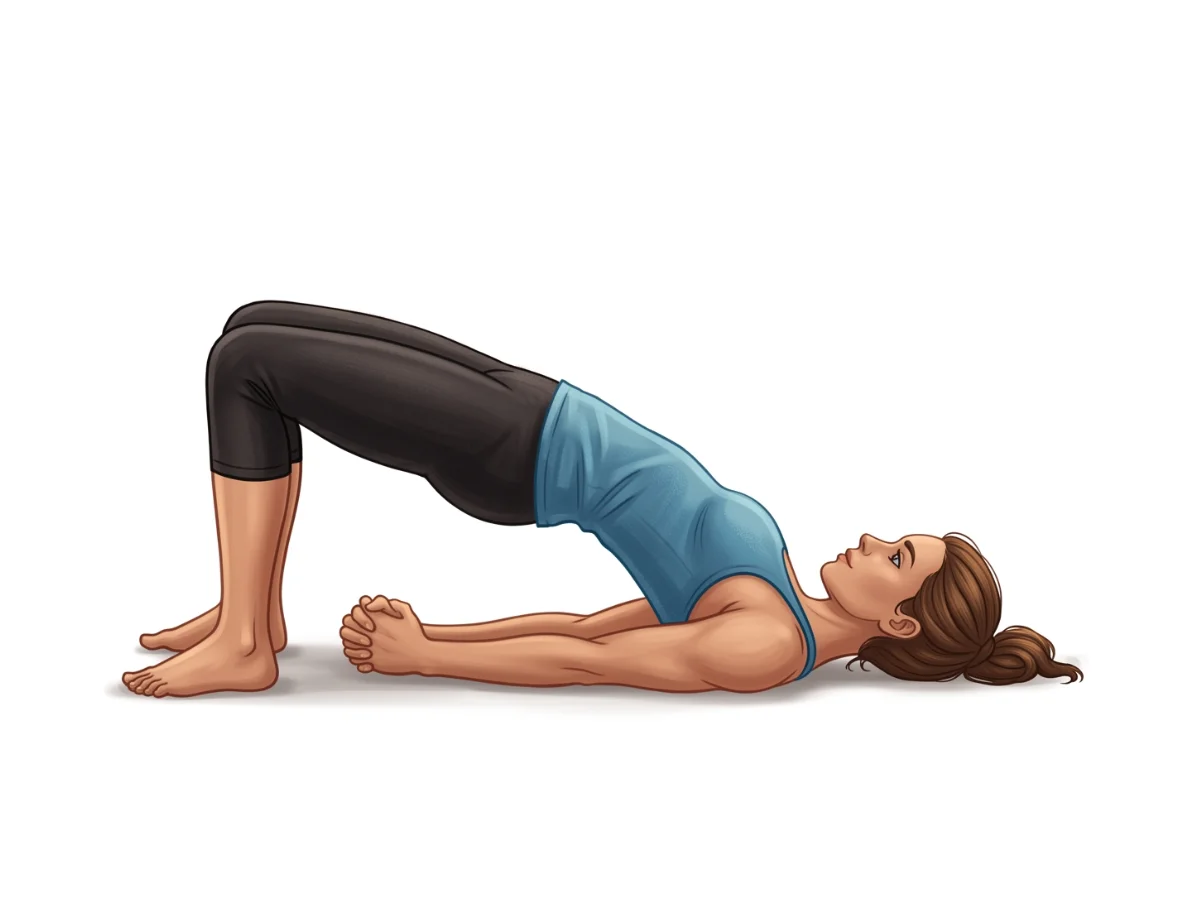
Bridge Pose
Setu BandhasanaSafely opens the hips and prepares the body for placing the block under the sacrum.
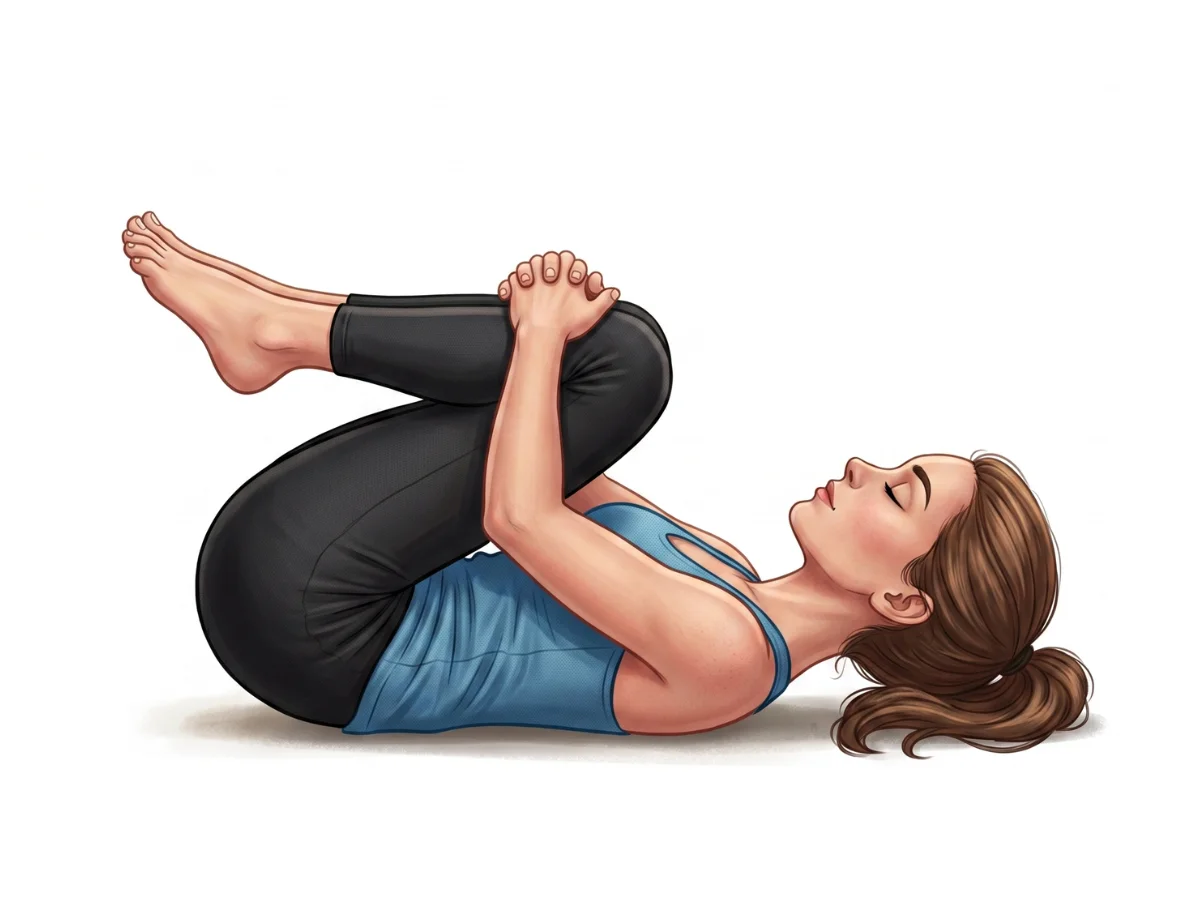
Wind Removing Pose
PavanamuktasanaGently stretches the lower back before taking the hips into slight elevation.
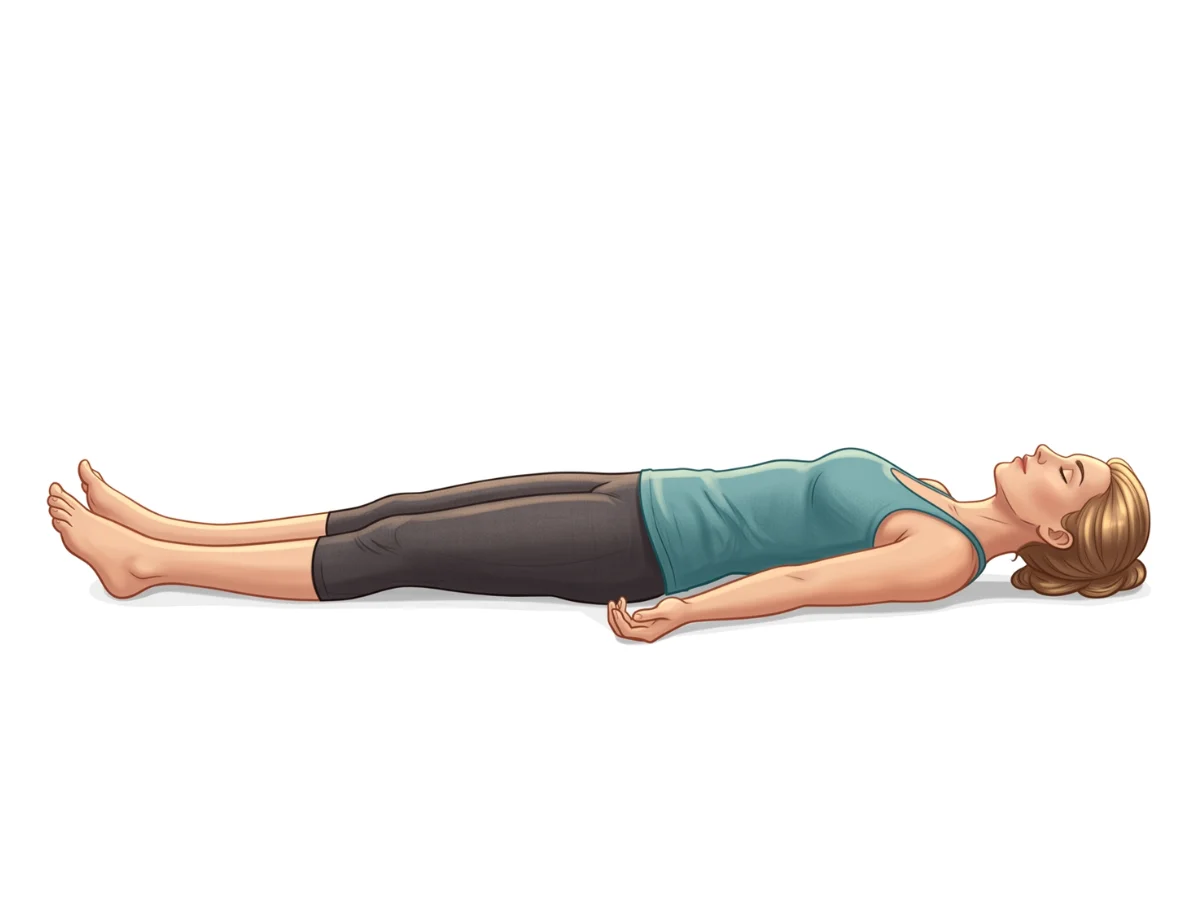
Corpse Pose
SavasanaEstablishes a baseline of relaxation and grounded breath.
Follow with neutralizing Counter-poses
Wind Removing Pose
PavanamuktasanaReleases the lower back effectively after the block is removed.
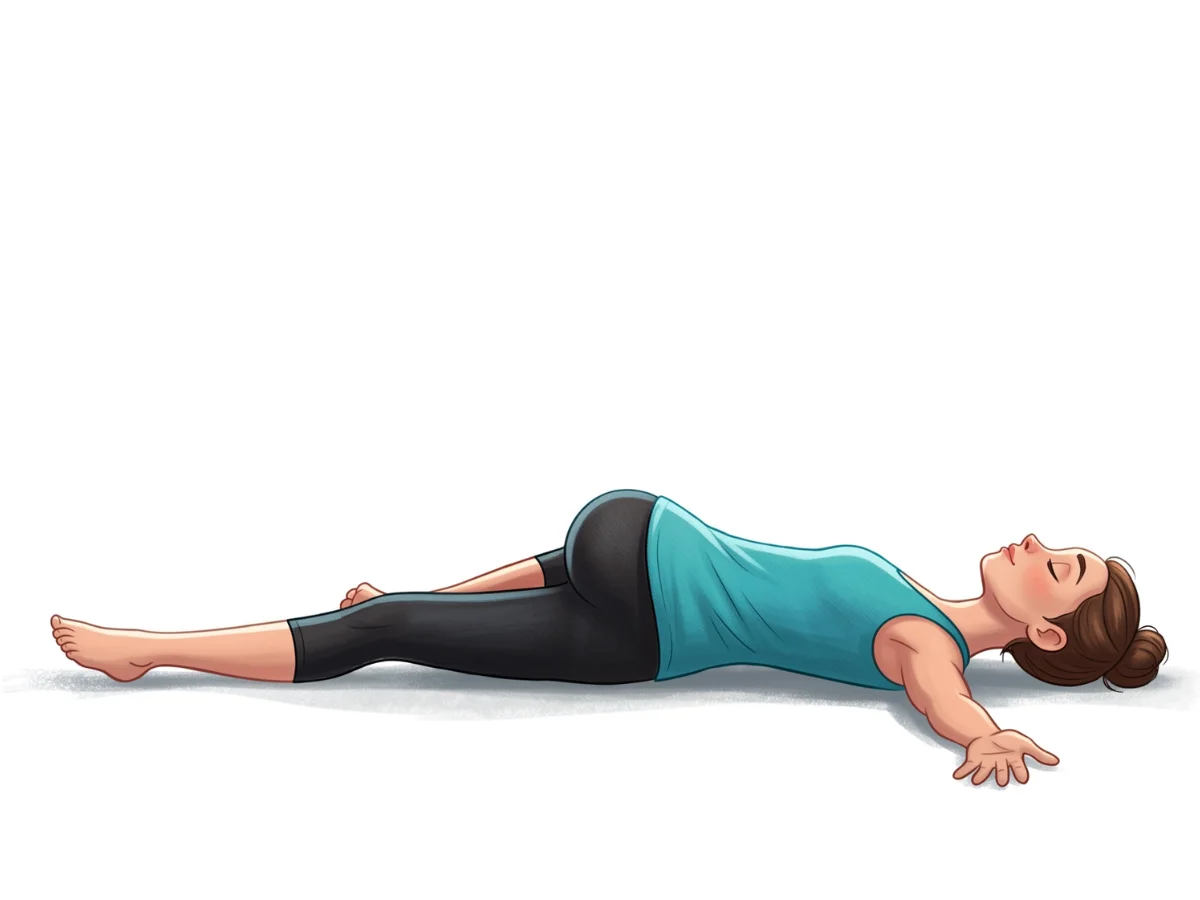
Supine Spinal Twist
Supta MatsyendrasanaNeutralizes the spine and restores mobility after the static hold.
Corpse Pose
SavasanaIntegrates the circulatory benefits and allows deep rest.
Frequently Asked Questions
How high should the block be?
For most practitioners, the lowest or medium setting of the block is ideal. If it causes any pinching in the lower back, use a folded blanket instead of a block.
Is it normal for my feet to tingle?
Mild tingling is common due to the shift in blood flow. However, if they go completely numb or become painful, come out of the pose immediately.
Can I do this pose in bed?
Yes! Practicing Waterfall in bed right before sleep is an excellent way to help relieve insomnia and calm the mind.

Elena Rostova is an accredited yoga educator and anatomy specialist with over 15 years of clinical experience. She focuses on functional biomechanics and injury prevention, translating complex anatomy into accessible guidance for safe, sustainable practice.
Read Full ProfileContinue Your Yoga Journey
Ready to deepen your practice? Explore our extensive library of poses, or join a structured program designed to build strength, flexibility, and mindfulness.