
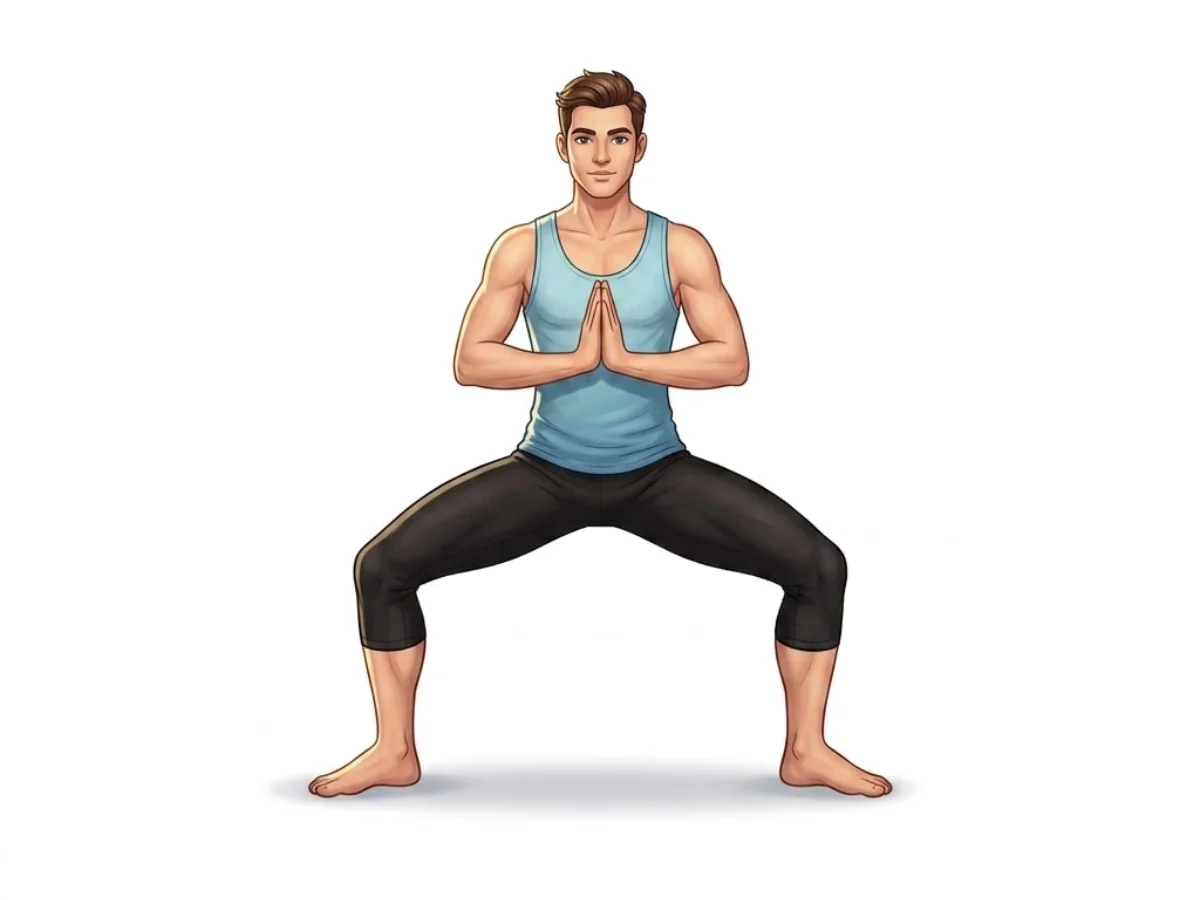
Goddess
Utkata Konasana
By Elena Rostova Updated: verified Medically Reviewed
Goddess Pose (Utkata Konasana), also known as Fierce Angle Pose, is a powerful standing squat that deeply opens the hips and strengthens the entire lower body. This pose channels inner heat, power, and focus.
Hold Time
30–60 sec · 5–10 breaths
Pronunciation
OOT-kah-tah cone-AHS-anna
About Goddess
Often praised by experienced instructors, Goddess (Utkata Konasana) acts as a powerful tool for finding balance and realignment. It primarily targets the hip opening & lower body strength, helping to create length and strength exactly where you need it most. Consistent practice will actively assist in deep hip opener, helping you feel lighter and more balanced off the mat.
How to Practice
Wide Stance
Begin standing tall in Mountain Pose. Step or hop your feet wide apart, about 3 to 4 feet, depending on your leg length. Turn your toes outward at a 45-degree angle.
Hands to Hips
Place your hands on your hips to stabilize the pelvis. Take a deep inhale to lengthen your spine and lift your chest.
Squat Down
Exhale as you bend your knees deeply, tracking them in the same direction as your toes. Aim to bring your thighs parallel to the floor, creating a wide squat.
Tailbone Alignment
Draw your tailbone slightly down toward the floor and lift your lower belly in and up to prevent excessive arching in your lower back.
Knee Tracking
Actively press your knees backward, engaging your outer glutes. Your knees must remain directly over your ankles and should not roll inward.
Arm Placement
Inhale and reach your arms out to the sides at shoulder height, then bend your elbows to 90 degrees, pointing your fingers up in a "cactus" or "goalpost" position.
Chest Expansion
Spread your fingers wide, draw your shoulder blades gently together on your back, and lift your sternum.
Hold and Breathe
Maintain this powerful stance for 5 to 10 deep breaths. Focus on equalizing the weight between both feet.
Release
To exit, inhale as you straighten your legs completely. Reach your arms up toward the ceiling for a stretch.
Return to Center
Exhale, release your arms down, and step or hop your feet back together into Mountain Pose.
Practice with the Yoga Timer
Keep track of your hold time and breath count for this pose.
Beginner Modifications & Prop Options
Yoga is a personal journey. These modifications and prop options allow you to adapt the pose to your current level of balance and flexibility, ensuring a safe and supportive practice.
Use a Wall
Perform the pose with your back against a wall. This provides stability, allowing focus on external thigh rotation and deep hip opening.
Tip: Focus on alignment rather than depth.
Hands at Heart Center
Bring your hands together in Anjali Mudra (prayer position) at your chest. This relieves the shoulders while keeping the chest broad.
Tip: Focus on alignment rather than depth.
Shallow Squat
Only bend your knees a quarter or halfway down. You receive strengthening benefits without overloading knee joints or requiring excessive hip mobility.
Tip: Focus on alignment rather than depth.
Benefits of Goddess
Deep Hip Opener
Effectively stretches the inner thighs (adductors) and groin, creating space and mobility in the pelvic region.
Strengthens Lower Body
Intensely engages and tones the quadriceps, hamstrings, calves, and gluteus muscles through sustained weight-bearing.
Activates the Core
Keeping the torso upright requires strong engagement of the deep abdominal muscles and erector spinae.
Opens Chest and Shoulders
The cactus arm position stretches the pectoralis muscles and encourages healthy posture.
Stimulates Circulation
Builds heat rapidly, stimulating the cardiovascular system and increasing blood flow throughout the body.
Common Mistakes to Avoid
Mistake: Knees Collapsing Inward
How to fix: Actively squeeze your outer glutes and manually press your knees open so they align perfectly over your second and third toes.
Mistake: Overarching the Lower Back
How to fix: Draw your tailbone straight down and engage your lower abdominals (transversus abdominis) to lengthen the lower back.
Mistake: Leaning the Torso Forward
How to fix: Keep your shoulders stacked directly over your hips. Imagine sliding your back straight down a wall.
Safety and Precautions
Recent Knee Injuries
Deep squatting puts significant pressure on the knee joint and ligaments. Avoid if recovering from meniscus or ligament tears.
Severe Hip Injuries
The intense external rotation and opening can aggravate recent hip strains or labral tears.
Lower Back Pain
Holding the torso upright without proper core engagement can strain the lumbar spine. Use a wall for support or modify with a shallow bend.
Medical Disclaimer: If you have any of the above conditions, consult your doctor or a qualified yoga instructor before attempting this pose.
Muscles Worked in Goddess
Goddess demands synchronized muscular effort, creating a profound sense of engagement and release throughout the body. The activation of the primary muscles supports the structure, while the secondary muscles provide stability and balance.
Primary Muscles
Quadriceps (Femoris)
Work eccentrically to lower into the squat and isometrically to hold it.
Gluteus Medius & Minimus
Externally rotate the thighs and keep the knees tracking outward.
Adductors (Inner Thighs)
Experience a deep stretch while stabilizing the legs.
Secondary Muscles
Erector Spinae
Maintains the upright posture of the spine.
Deltoids & Rhomboids
Hold the arms in the cactus position and retract the shoulder blades.
Poses to Practice Before and After Goddess
Prepare with these Poses
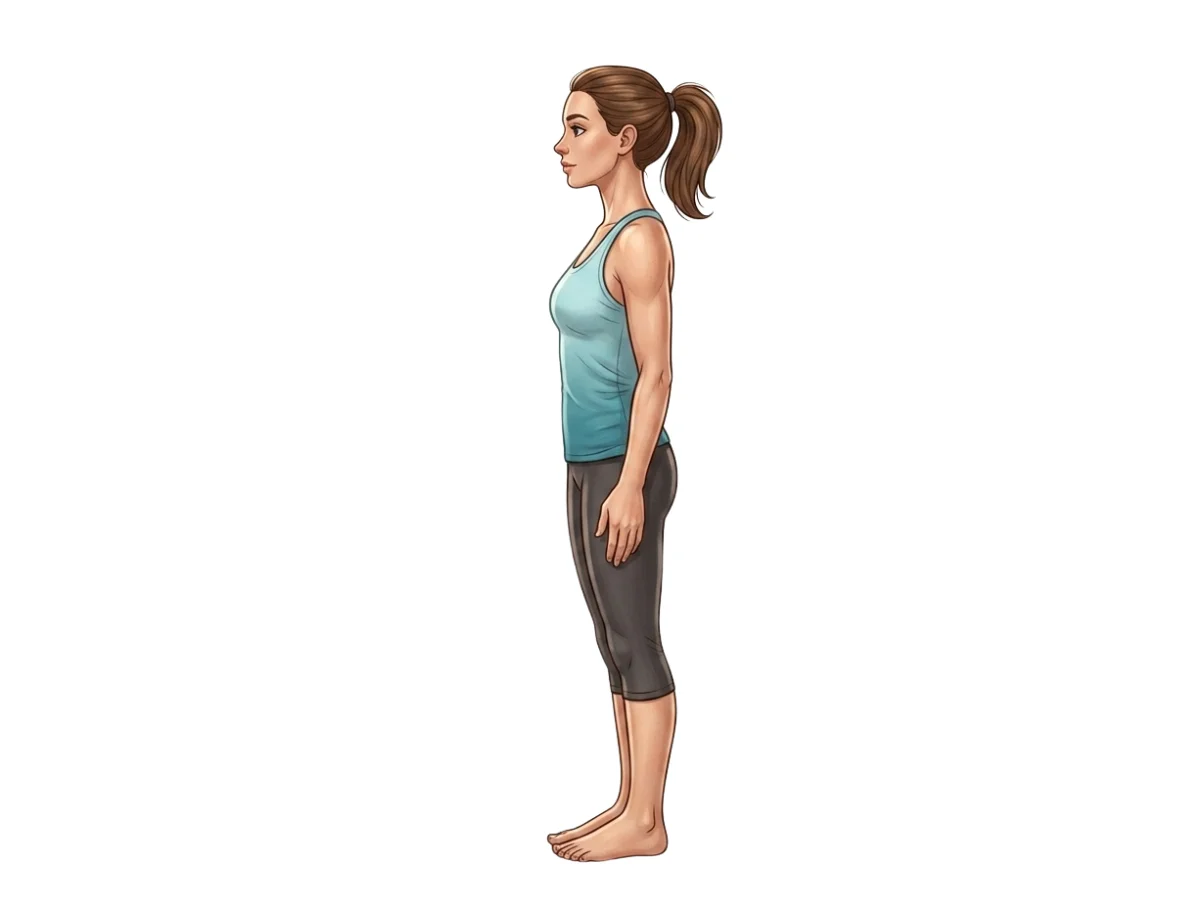
Mountain Pose
TadasanaEstablishes basic standing alignment and focus.
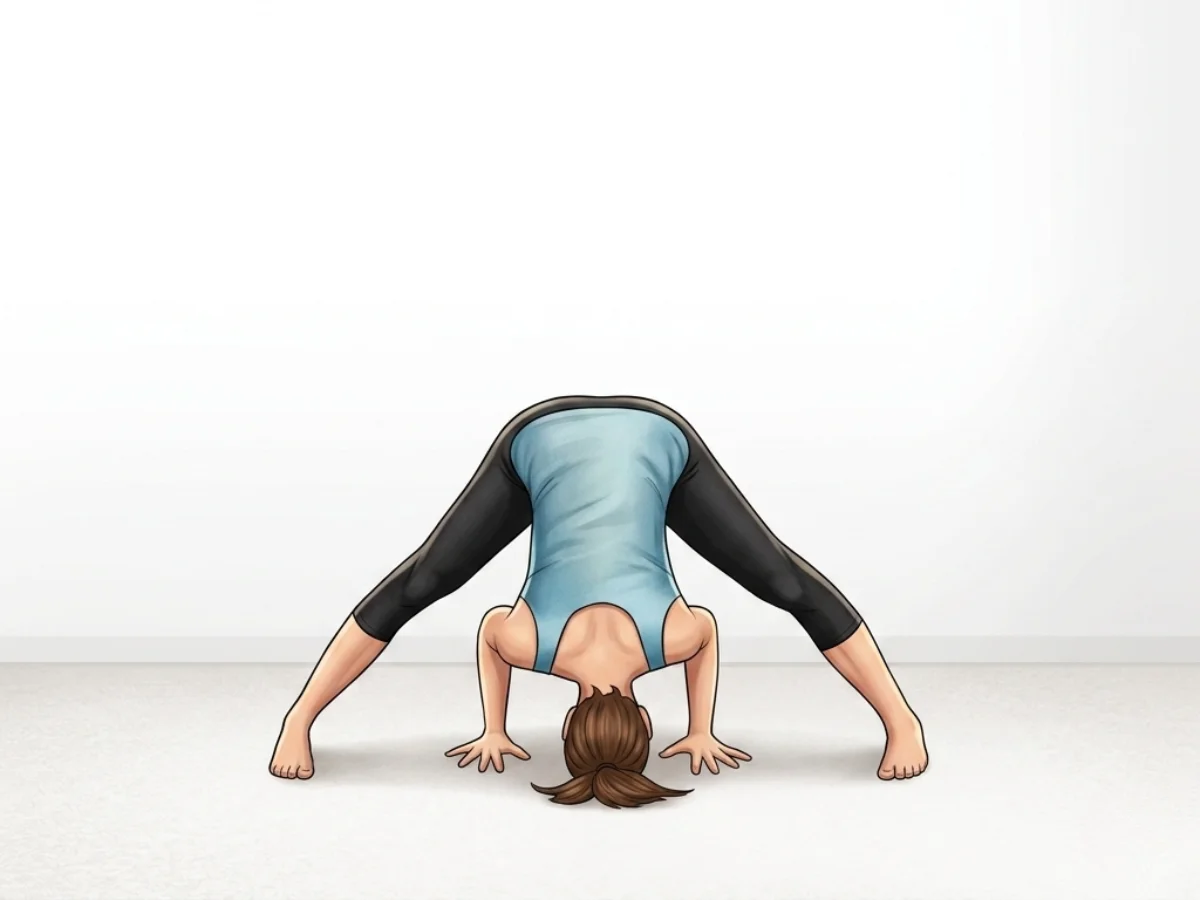
Wide Legged Forward Bend I
Prasarita Padottanasana AStretches the inner thighs and hamstrings in a wide stance.
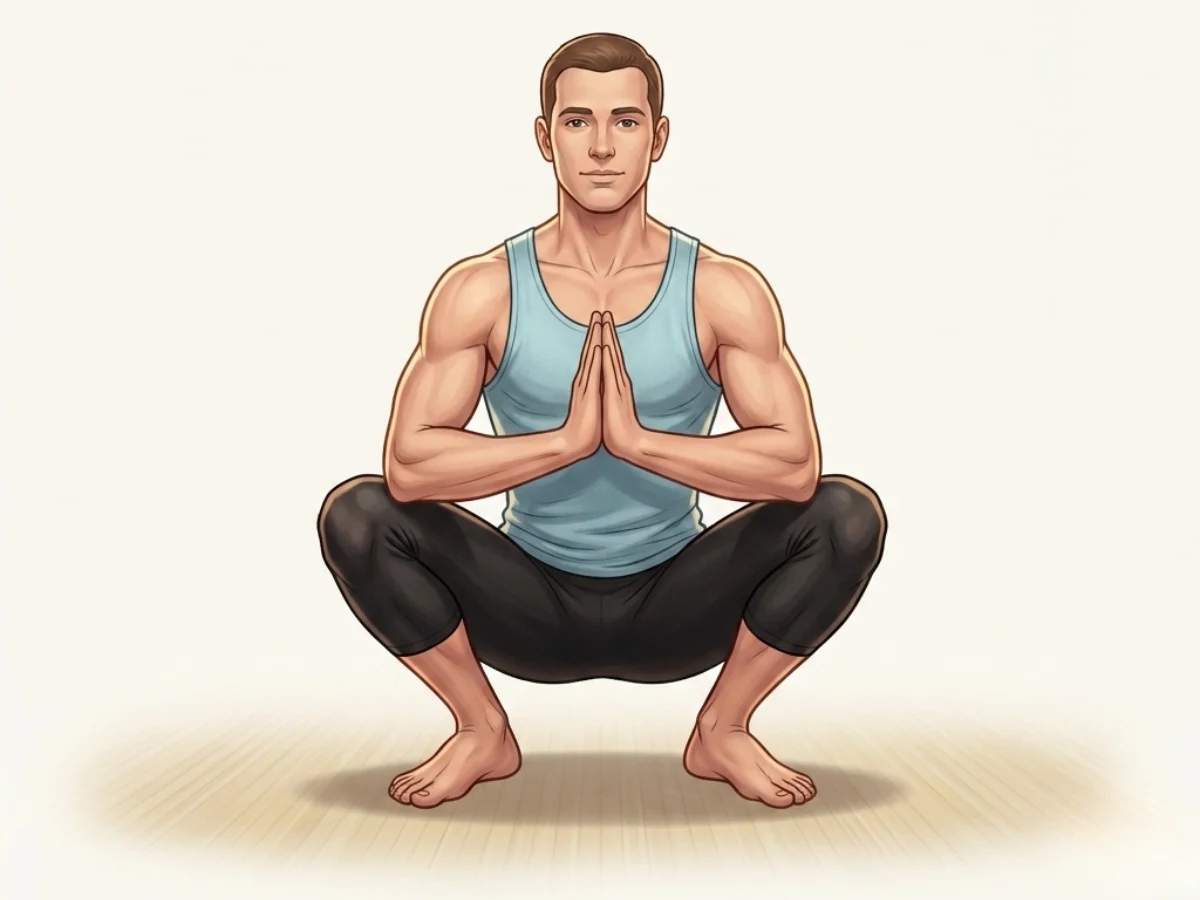
Garland Pose
MalasanaOpens the hips deeply in a low squat, preparing the pelvis for Goddess.
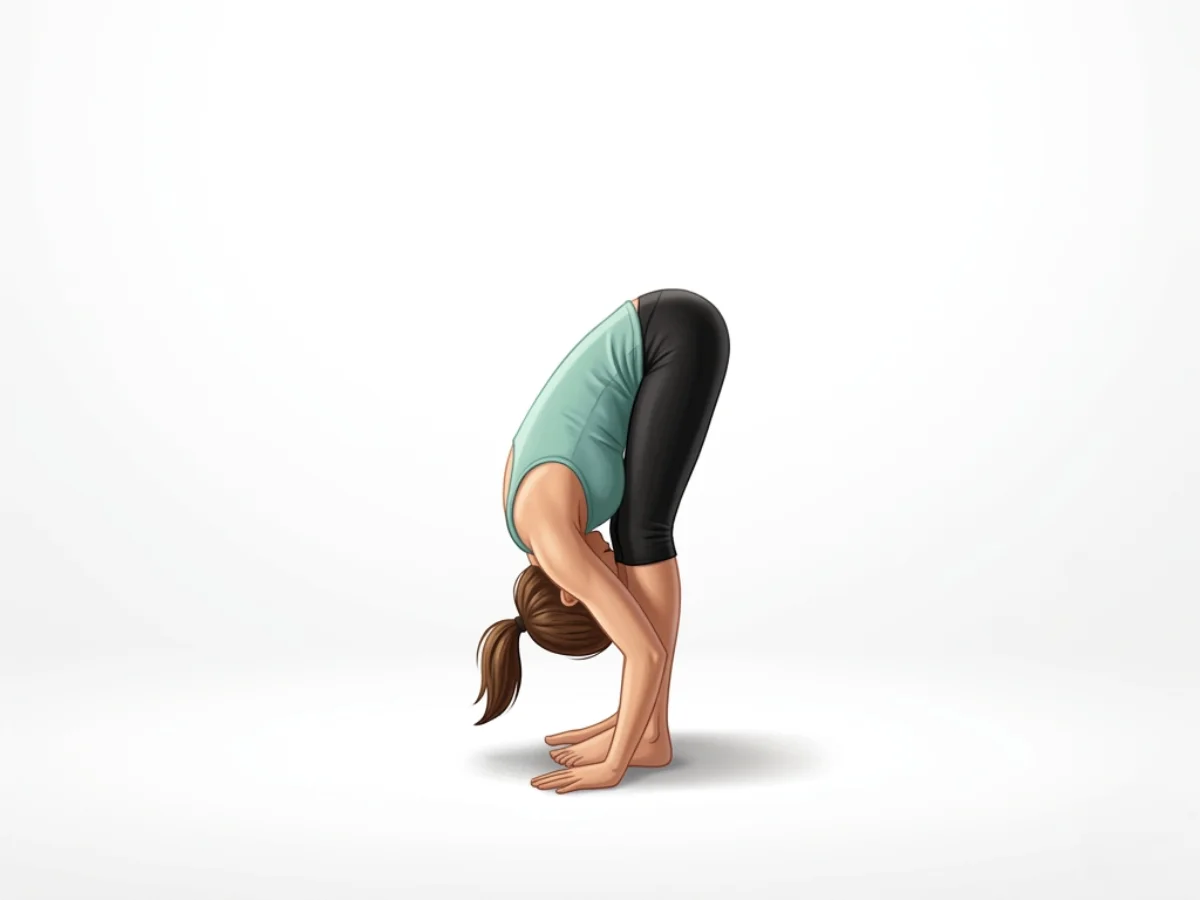
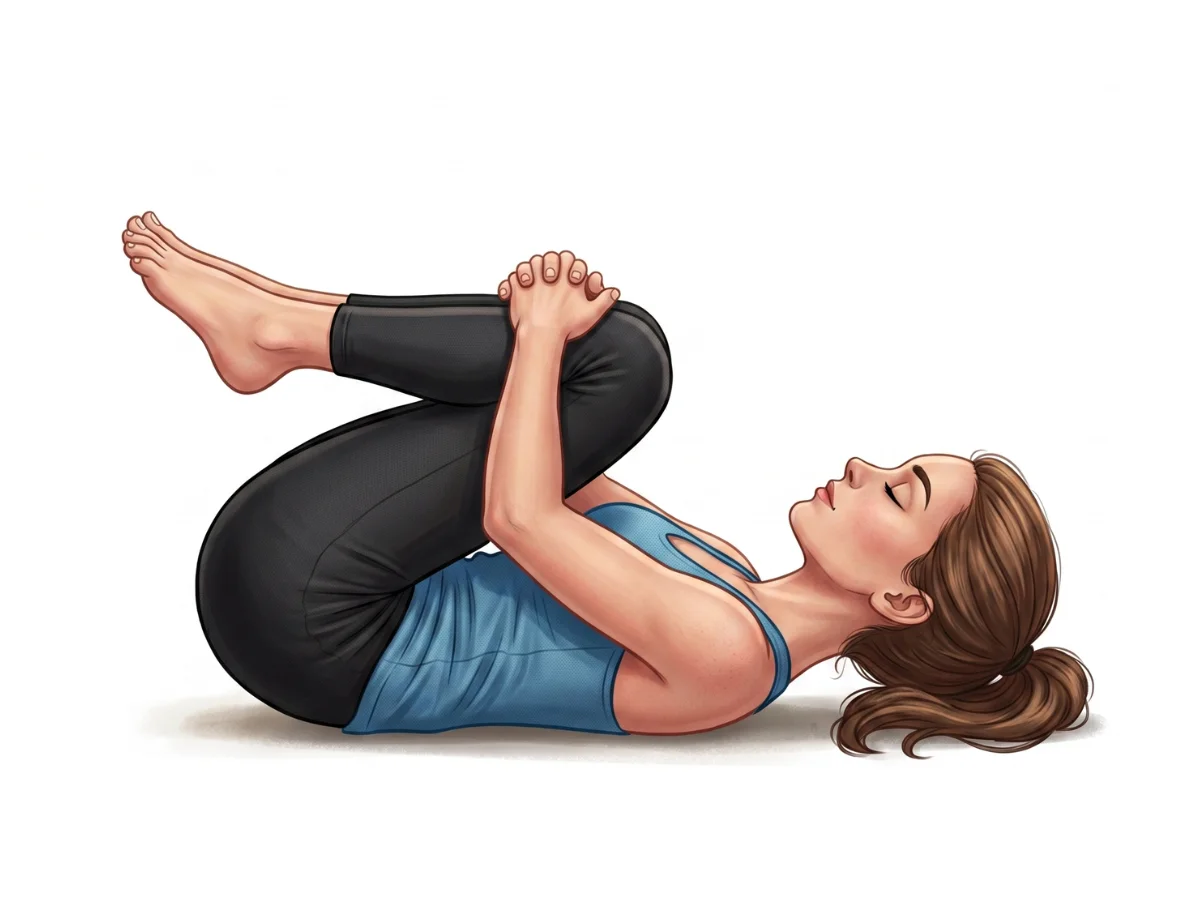
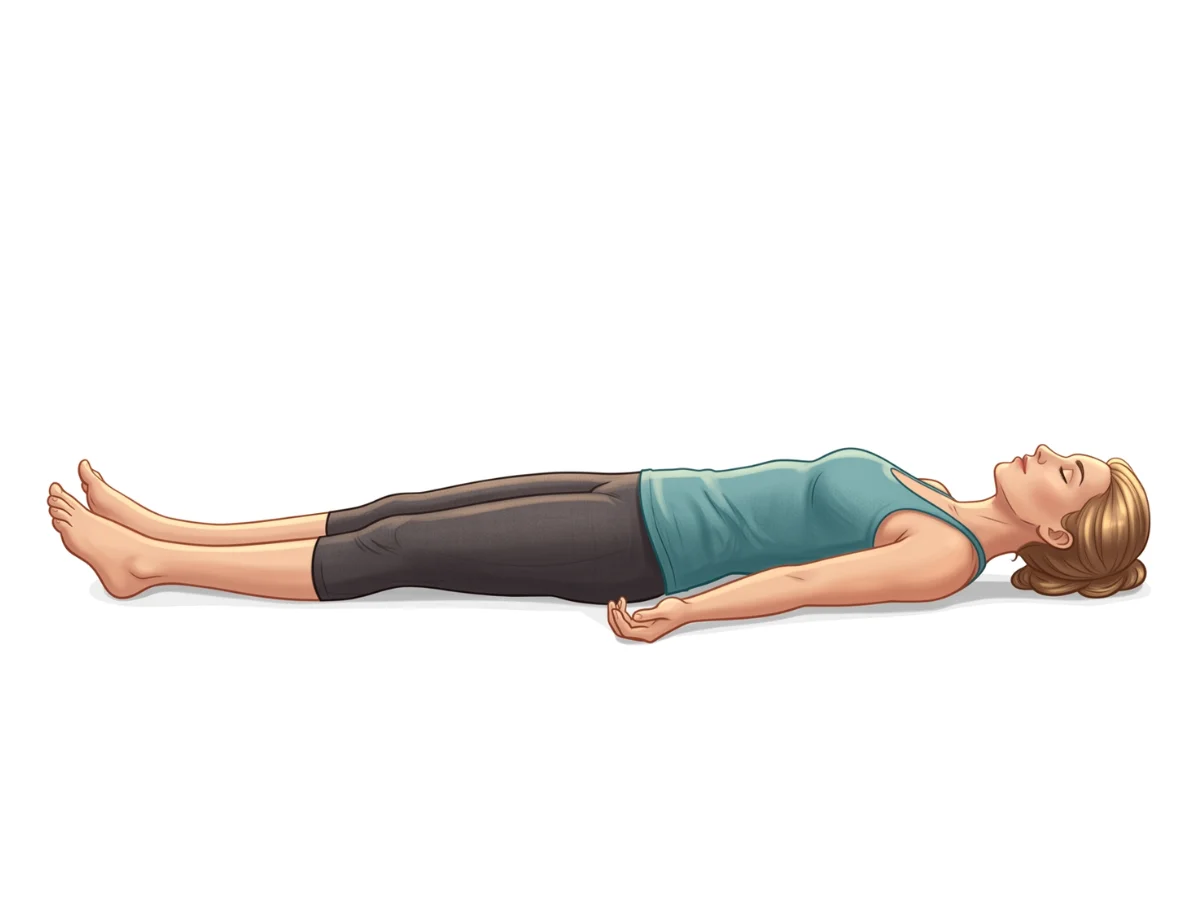
Follow with neutralizing Counter-poses
Frequently Asked Questions
How can I stop my knees from falling inward in Goddess Pose?
This is a common issue caused by tight inner thighs and weak outer glutes. Focus on actively squeezing your glutes to pull your knees back.
Is Goddess Pose good for pelvic floor health?
Yes, it is excellent for pelvic floor awareness. The wide stance and squatting action naturally open the pelvic floor.
Can pregnant women practice Goddess Pose?
Absolutely. Goddess Pose is highly beneficial during pregnancy as it creates space in the pelvis and strengthens the legs.
Elena Rostova is an accredited yoga educator and anatomy specialist with over 15 years of clinical experience. She focuses on functional biomechanics and injury prevention, translating complex anatomy into accessible guidance for safe, sustainable practice.
Read Full ProfileContinue Your Yoga Journey
Ready to deepen your practice? Explore our extensive library of poses, or join a structured program designed to build strength, flexibility, and mindfulness.