
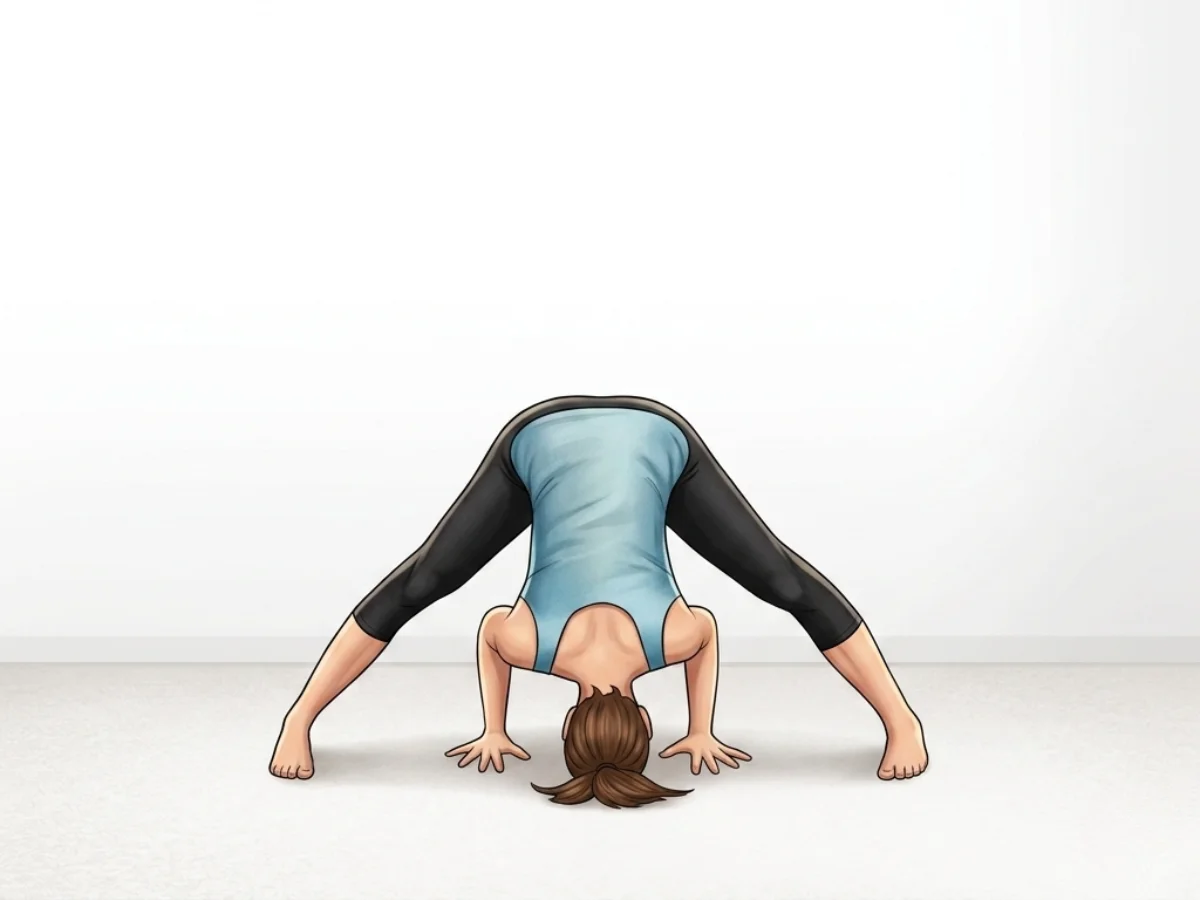
Wide Legged Forward Bend I
Prasarita Padottanasana A
By Elena Rostova Updated: verified Medically Reviewed
Wide Legged Forward Bend I (Prasarita Padottanasana A), also known as Wide-Stance Forward Fold, is a grounding standing posture that deeply stretches the hamstrings, inner thighs, and lower back. By folding forward from a wide stance with the hands placed flat on the mat between the feet, practitioners can use the upper body to gently deepen the stretch.
Hold Time
30–60 sec · 5–10 breaths
Pronunciation
prah-sah-REE-tah pah-doh-tahn-AHS-anna ah
About Wide Legged Forward Bend I
Commonly practiced as Wide Legged Forward Bend I (Prasarita Padottanasana A), this dynamic posture is beautifully designed to help unlock tension. By gently focusing on hamstring flexibility & lower back release, it actively stretches your muscles and builds heat. Over time, adding this to your routine is a great way to support deeply stretches hamstrings while calming the mind.
How to Practice
Wide Stance Foundation
Begin standing facing the long edge of your mat. Step your feet about 3 to 4 feet apart, keeping the outer edges of your feet parallel or turning your toes slightly inward.
Engage the Legs
Press firmly into the outer edges of your feet and lift your inner arches. Draw your kneecaps upward to engage your quadriceps, protecting your hamstrings.
Lengthen the Spine
Place your hands on your hips. Inhale deeply, lift your chest, and lengthen your spine upward from your tailbone to the crown of your head.
Hinge at the Hips
Exhale as you hinge forward from your hip creases, keeping your spine long and your torso straight. Avoid rounding your upper back as you descend.
Place the Hands
Release your hands to the floor beneath your shoulders. If your flexibility allows, walk your hands back so your fingertips are in line with your toes.
Deepen the Fold
Inhale to find a half-lift, lengthening the spine once more. Exhale to fold deeper, bending your elbows straight back and drawing the crown of your head toward the mat.
Distribute Weight
Shift your body weight slightly forward into the balls of your feet, ensuring your hips stay aligned over your heels rather than falling backward.
Hold and Breathe
Hold the pose for 5 to 10 deep breaths. With every inhale, feel your spine lengthen; with every exhale, allow gravity to draw you deeper into the fold.
Lift Halfway
To exit safely, inhale as you straighten your arms, lifting your torso parallel to the floor in a partial lift, and place your hands back on your hips.
Rise Up
With a strong core and flat back, inhale completely as you lift your torso all the way up to standing. Step or hop your feet back together into Mountain Pose.
Practice with the Yoga Timer
Keep track of your hold time and breath count for this pose.
Beginner Modifications & Prop Options
Yoga is a personal journey. These modifications and prop options allow you to adapt the pose to your current level of balance and flexibility, ensuring a safe and supportive practice.
Using Yoga Blocks
Place two yoga blocks under your shoulders if hands do not easily reach the floor. This helps keep the spine long and straight without forcing the stretch.
Tip: Focus on alignment rather than depth.
Micro-Bend in the Knees
Keep a slight, active bend in your knees while folding forward to prevent hyperextension in the knee joints or hamstring strain.
Tip: Focus on alignment rather than depth.
Wider or Narrower Stance
Narrow your stance slightly if the stretch is too intense. Widen your stance if you feel little stretch or your head easily touches the floor.
Tip: Focus on alignment rather than depth.
Benefits of Wide Legged Forward Bend I
Deeply Stretches Hamstrings
Provides a profound, intense stretch to the hamstrings and calves, improving overall leg flexibility and reducing tension.
Opens Inner Thighs (Adductors)
The wide stance directly targets the adductor muscles of the inner thighs, promoting better hip mobility and openness.
Decompresses the Lower Back
Folding forward allows the lumbar spine to gently lengthen and release tension, bringing relief from mild backaches.
Calms the Nervous System
As a mild inversion where the head is below the heart, this pose encourages blood flow to the brain, relieving stress and fatigue.
Strengthens Ankles and Arches
Pressing the outer edges of the feet into the mat engages and strengthens the ankle joints and lifts the foot arches.
Common Mistakes to Avoid
Mistake: Rounding the Upper Back
How to fix: Focus on lengthening the chest forward and hinging strictly from the hip joints rather than the waist.
Mistake: Weight Rocking Back into Heels
How to fix: Shift your weight slightly forward into the balls of your feet to keep the hips stacked directly over the heels.
Mistake: Hyperextending the Knees
How to fix: Engage the quadriceps by pulling the kneecaps up, and keep a micro-bend in the knees if you are hypermobile.
Safety and Precautions
Acute Lower Back Injuries
Deep forward folds can exacerbate herniated or bulging discs. Practice with a partial lift and hands on blocks.
Hamstring Tears
Intense stretching can worsen a recent or severe hamstring strain. Avoid the pose or maintain a deep bend in the knees.
Glaucoma or Uncontrolled High Blood Pressure
Lowering the head below the heart increases pressure in the head and eyes.
Severe Groin Strains
The wide stance aggressively stretches the adductors, which can irritate a torn or strained groin muscle.
Medical Disclaimer: If you have any of the above conditions, consult your doctor or a qualified yoga instructor before attempting this pose.
Muscles Worked in Wide Legged Forward Bend I
Wide Legged Forward Bend I demands synchronized muscular effort, creating a profound sense of engagement and release throughout the body. The activation of the primary muscles supports the structure, while the secondary muscles provide stability and balance.
Primary Muscles
Hamstrings
Stretch deeply along the back of the thighs as the pelvis tilts forward.
Adductors
Stretch along the inner thighs due to the wide stance.
Erector Spinae
Lengthens and releases tension to allow the spine to drape downward.
Secondary Muscles
Quadriceps
Engage isometrically to keep the legs straight and protect the hamstrings.
Gluteus Medius
Activates to stabilize the hips and pelvis during the forward fold.
Triceps Brachii
Engage slightly to maintain elbow alignment when hands are on the floor.
Poses to Practice Before and After Wide Legged Forward Bend I
Prepare with these Poses
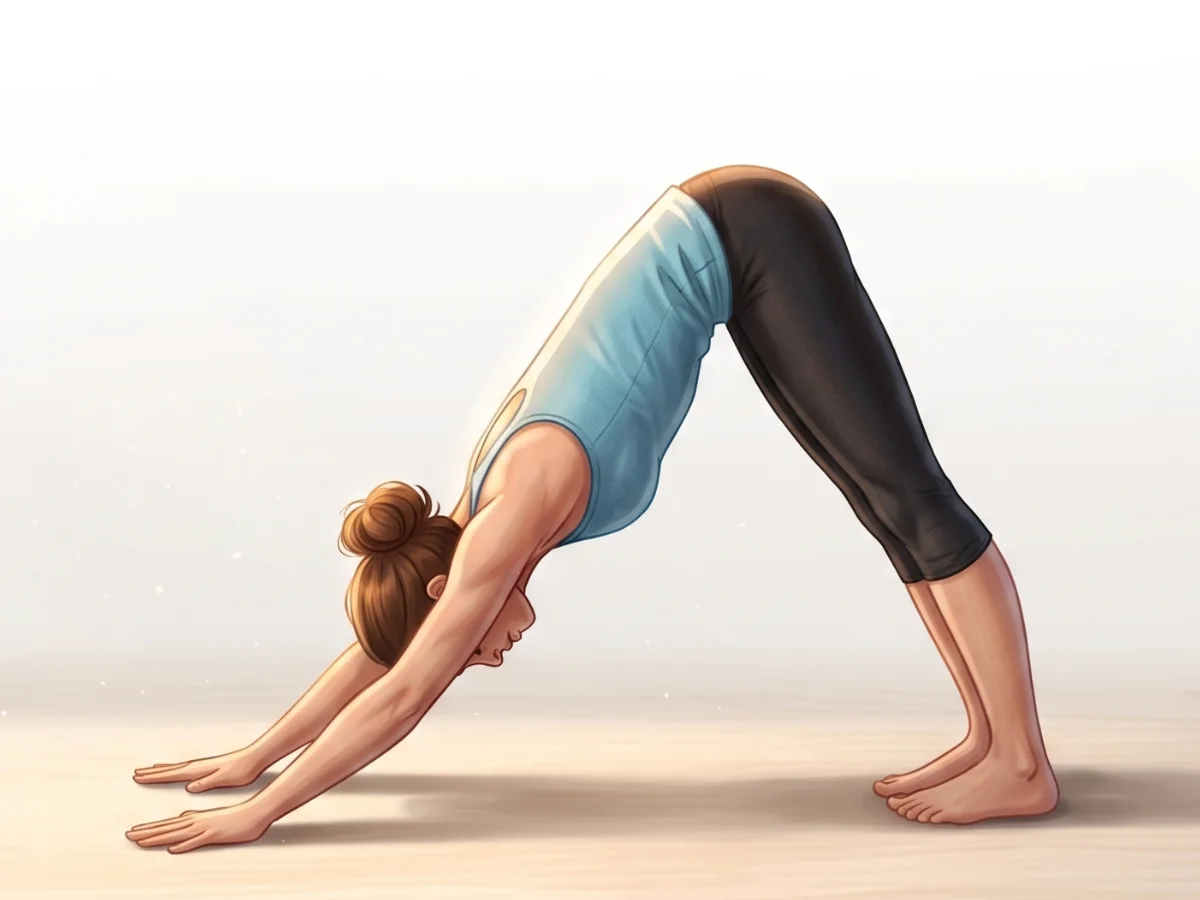
Downward-Facing Dog
Adho Mukha SvanasanaWarms up the hamstrings, calves, and shoulders to prepare for deeper forward folding.
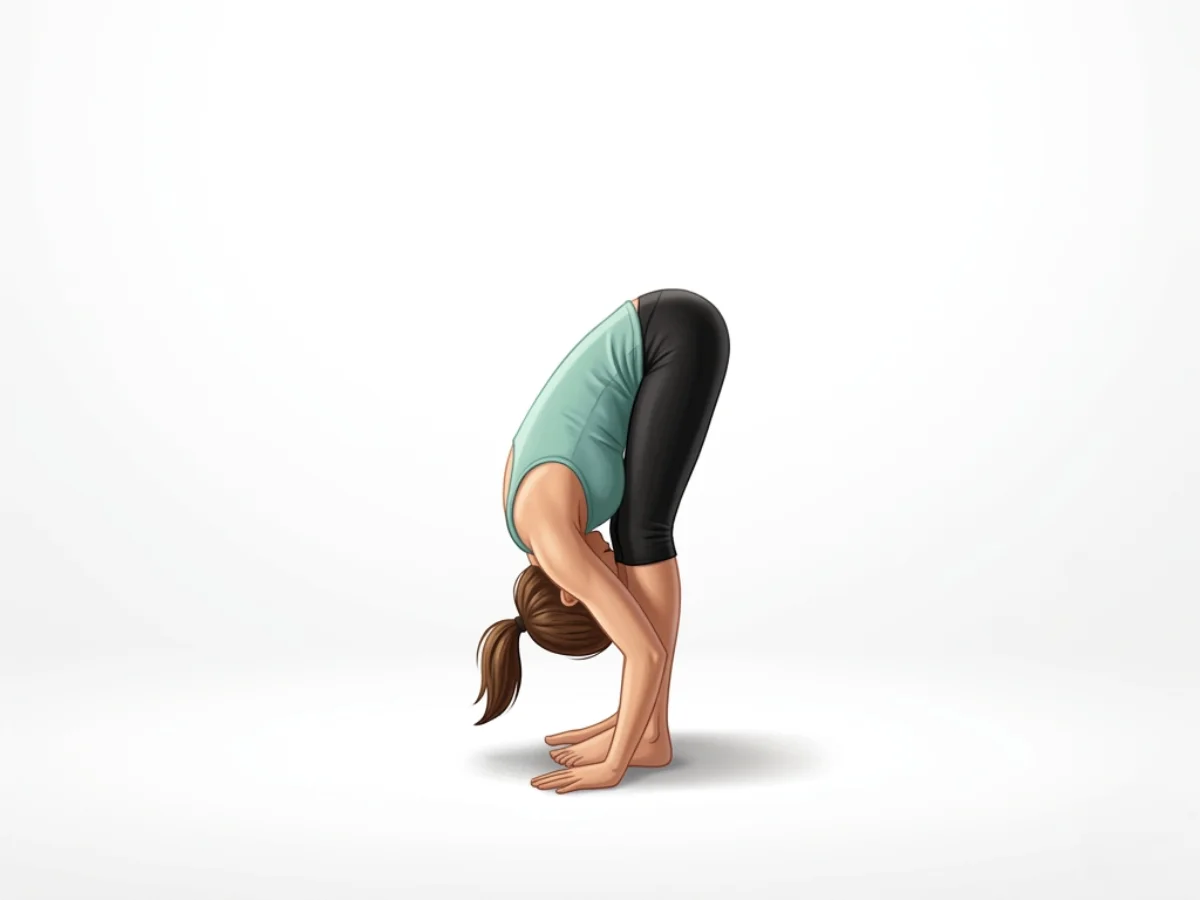
Standing Forward Bend
UttanasanaIntroduces the action of hinging at the hips and stretching the back of the legs.
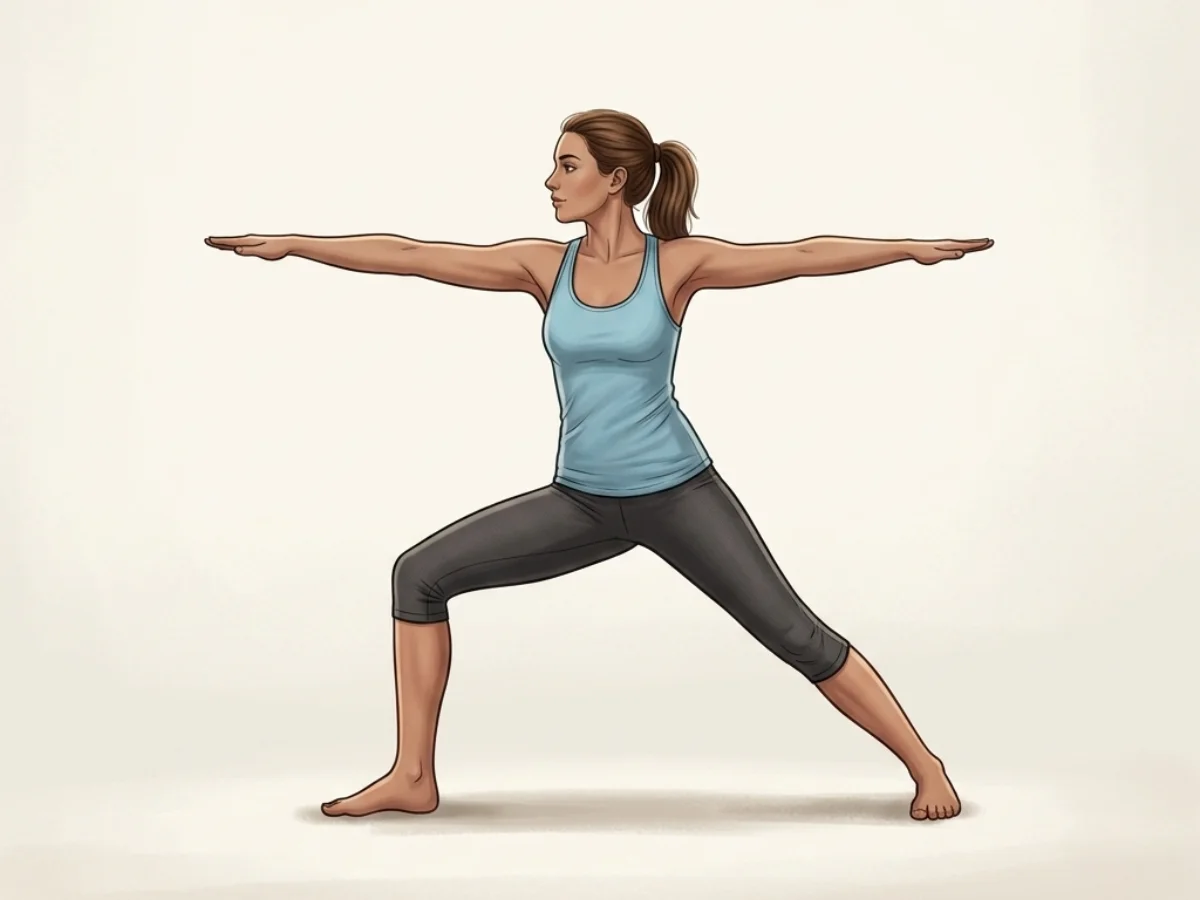
Warrior II
Virabhadrasana IIOpens the hips and inner thighs, accustoming the body to a wide-legged stance.
Follow with neutralizing Counter-poses
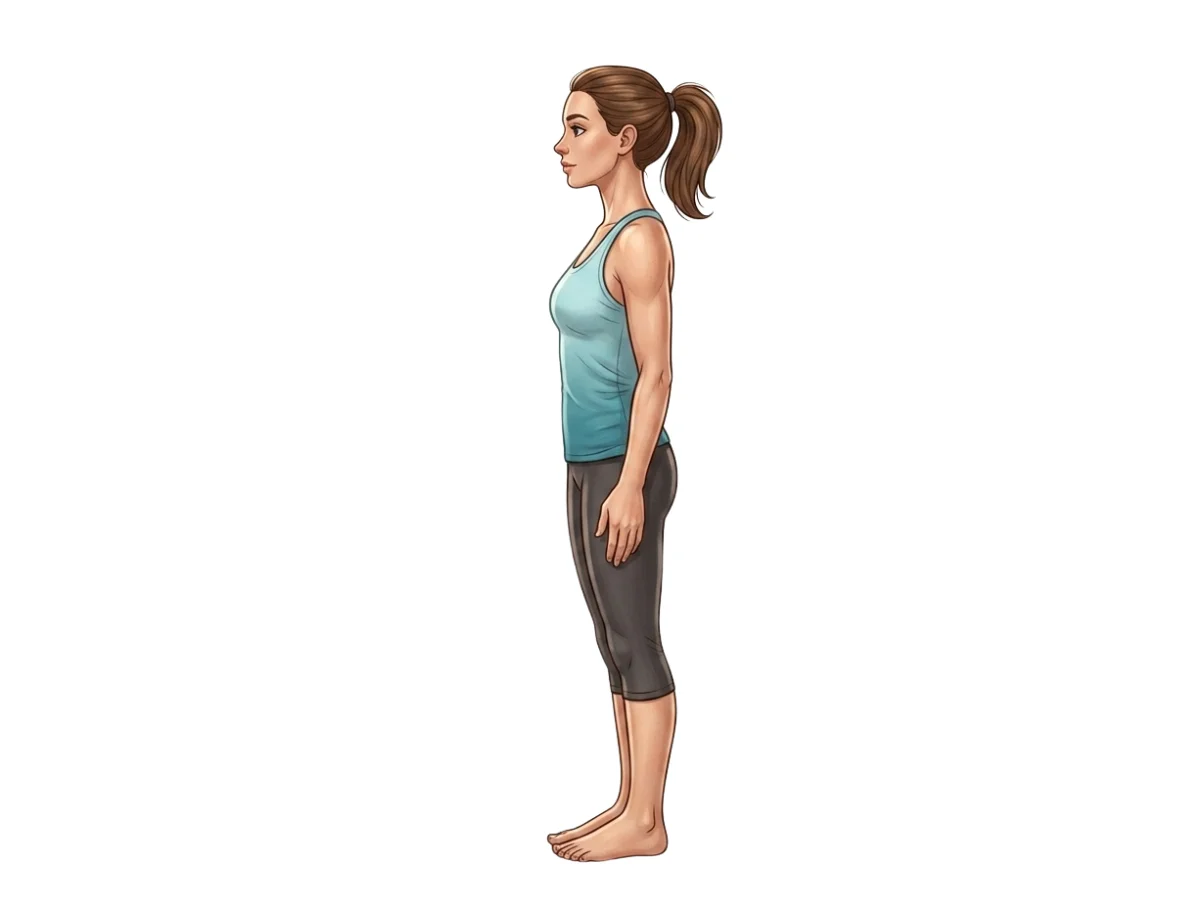
Mountain Pose
TadasanaNeutralizes the spine and pelvis while allowing blood pressure to regulate after the fold.
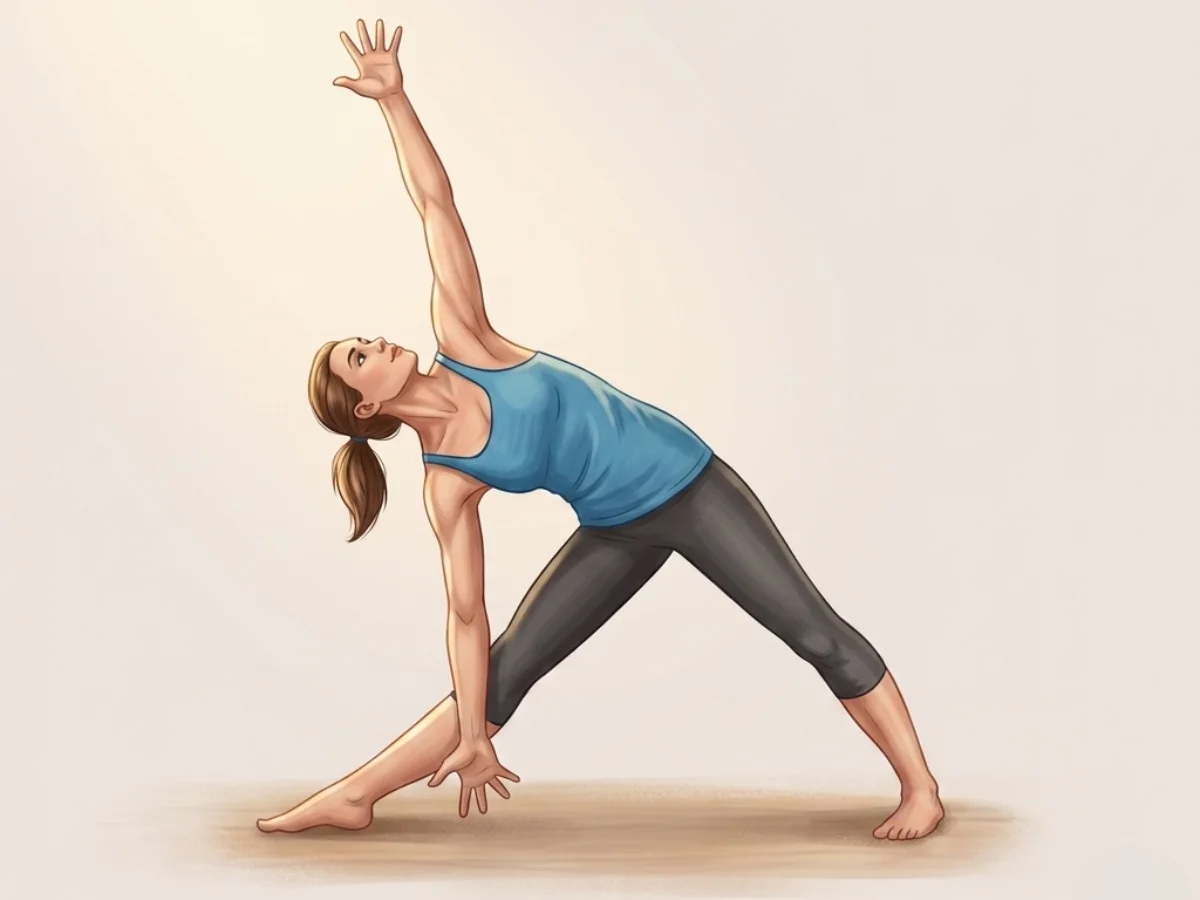
Triangle Pose
TrikonasanaProvides an asymmetrical stretch to the legs and side body to complement the symmetrical fold.
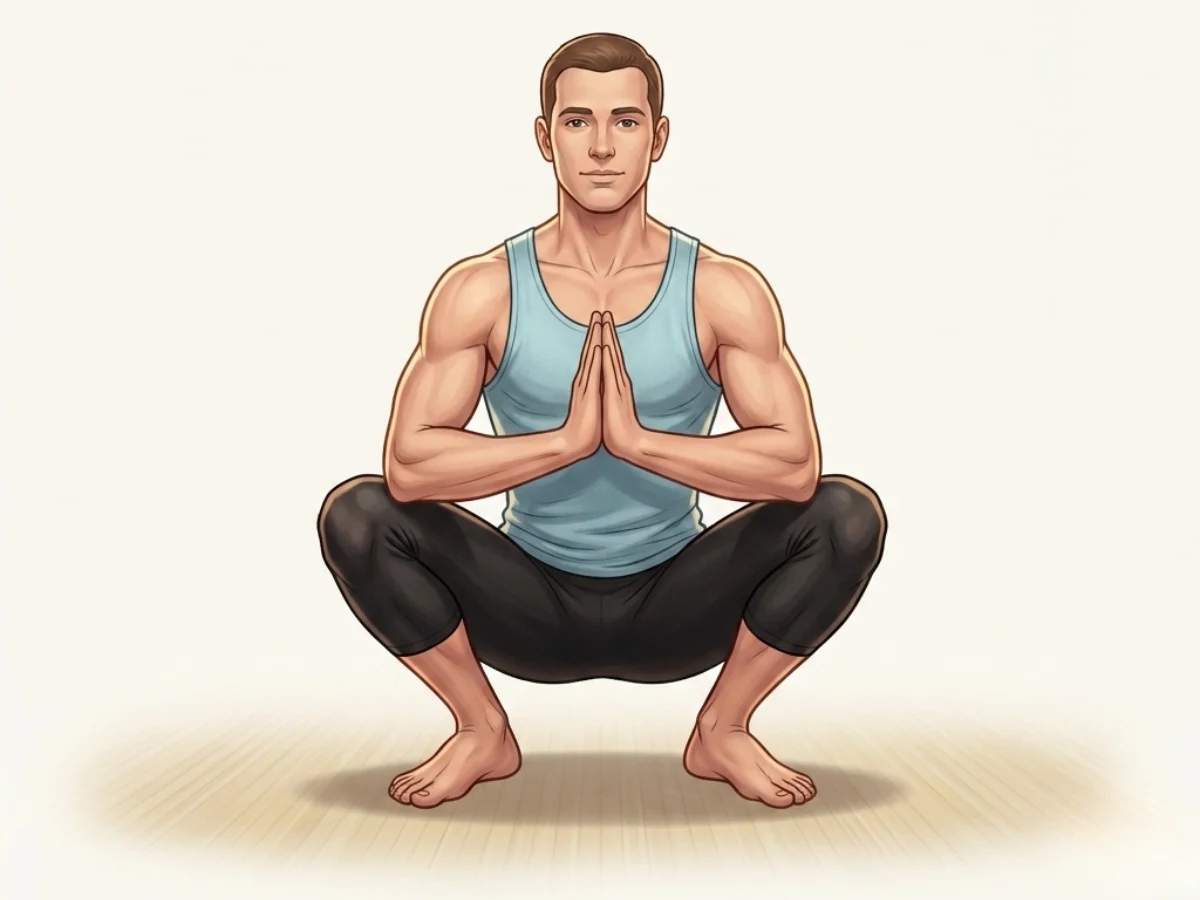
Garland Pose
MalasanaGently flexes the hips and knees, acting as a great counter to straight-leg stretches.
Frequently Asked Questions
How far apart should my feet be?
A general rule is that your feet should be about 3 to 4 feet apart, or approximately one leg-length wide. A quick check is to extend your arms out to the sides; your ankles should align roughly beneath your wrists.
Should my head touch the floor?
Touching the head to the floor is not the goal. Focus instead on keeping the spine long and hinging from the hips.
Is it normal to feel a stretch behind the knees?
You should feel the stretch in the belly of the hamstring muscle (mid-thigh), not directly behind the knee joint. If you feel a sharp pull at the knee or sitting bone, bend your knees slightly to protect the tendons.
Elena Rostova is an accredited yoga educator and anatomy specialist with over 15 years of clinical experience. She focuses on functional biomechanics and injury prevention, translating complex anatomy into accessible guidance for safe, sustainable practice.
Read Full ProfileContinue Your Yoga Journey
Ready to deepen your practice? Explore our extensive library of poses, or join a structured program designed to build strength, flexibility, and mindfulness.