
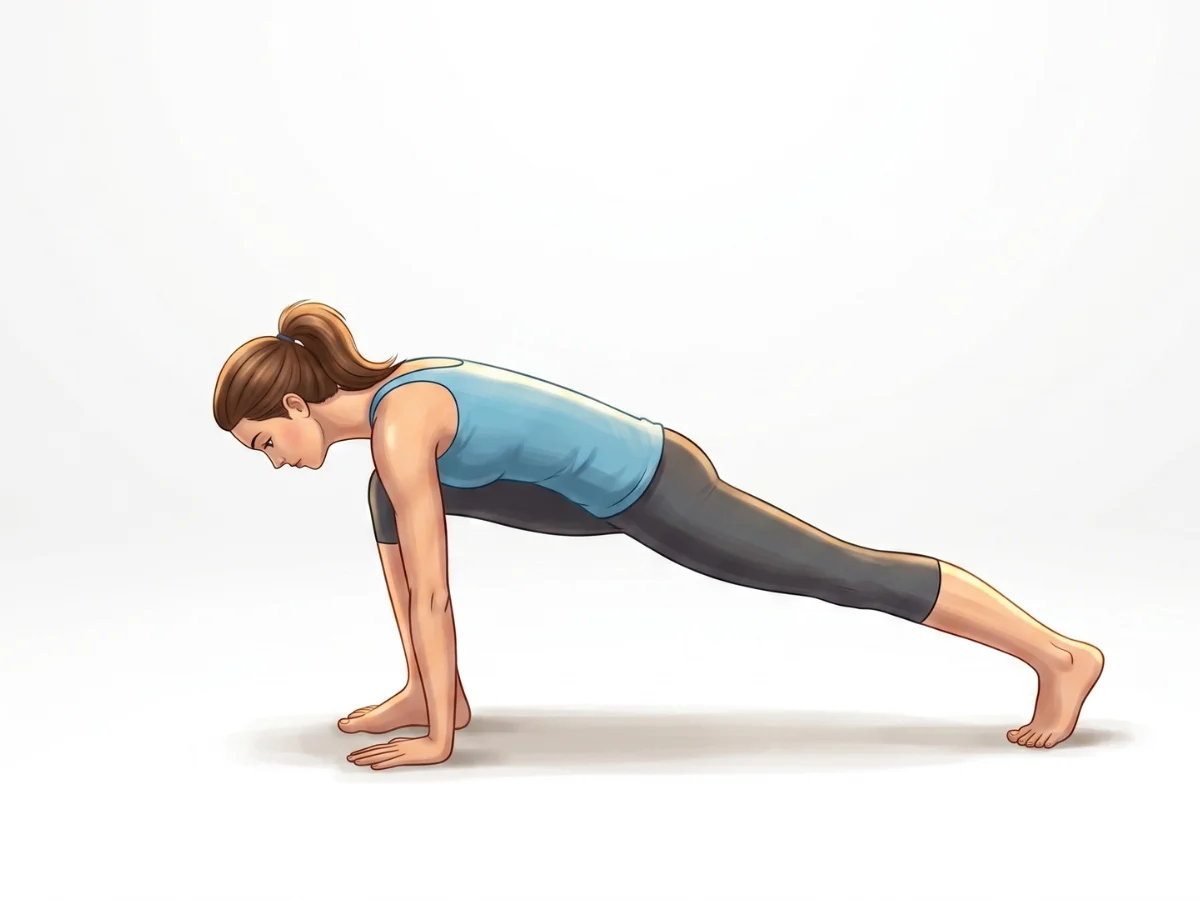
Lunge
Utthita Ashwa Sanchalanasana
By Elena Rostova Updated: verified Medically Reviewed
Lunge Pose (Utthita Ashwa Sanchalanasana), commonly known as Runner's Lunge, is a foundational standing and balancing posture that intensely engages the lower body while stretching the hips. By stepping one foot forward and keeping the back leg straight and strong, you build deep heat, structural alignment, and physical stamina.
Hold Time
30–60 sec · 5–10 breaths
Pronunciation
OOT-hee-tah AHSH-wah sahn-chah-LAH-sah-nah
About Lunge
A vital part of many yoga sequences, Lunge (Utthita Ashwa Sanchalanasana) offers wonderful benefits that go beyond its simple shape. This posture specifically engages the leg strength & hip mobility, making it highly effective for developing both strength and mobility. Over time, adding this to your routine is a great way to support strengthens thighs & glutes while calming the mind.
How to Practice
Starting Position
Begin in Downward-Facing Dog (Adho Mukha Svanasana). Take a deep breath in and extend your right leg back, lifting it toward the ceiling.
Step Forward
Exhale as you step your right foot forward, placing it between your hands. Align your right knee directly over your right heel.
Activate Back Leg
Keep your left leg straight and strong. Press firmly through your left heel toward the back of the mat, engaging the quadriceps to keep the leg active.
Fingertip Support
Rest your fingertips on the floor on either side of your front foot. Avoid dumping all your weight into your hands; use your legs to support your torso.
Square the Hips
Draw your right hip crease slightly back while gently pressing your left hip forward. This helps to keep your pelvis neutral and squared to the front.
Lengthen the Spine
Inhale to lift your chest and torso slightly forward and upward, keeping your spine long. Elongate your neck by gazing slightly forward.
Shoulder Softening
Roll your shoulders back and down, away from your ears. Broaden across your collarbones to create space in your chest for deep breathing.
Hold and Breathe
Maintain this powerful, heat-building pose for 5 to 10 deep, steady nasal breaths, keeping your gaze soft and your face relaxed.
Transition or Exit
To exit the posture safely, plant your palms firmly on the mat, engage your core, and step your right foot back to return to Downward-Facing Dog.
Symmetrical Release
Repeat the pose on the opposite side, stepping your left foot forward and holding for the same duration to ensure balanced strength and flexibility.
Practice with the Yoga Timer
Keep track of your hold time and breath count for this pose.
Beginner Modifications & Prop Options
Yoga is a personal journey. These modifications and prop options allow you to adapt the pose to your current level of balance and flexibility, ensuring a safe and supportive practice.
Use Yoga Blocks
Place a yoga block under each hand. This brings the floor closer to you, allowing you to lift your chest higher and maintain a straight spine without straining your lower back.
Tip: Focus on alignment rather than depth.
Drop the Back Knee
Lower your back knee gently to the mat (creating a Low Lunge). This reduces the strength requirement and allows you to focus purely on stretching the hip flexors.
Tip: Focus on alignment rather than depth.
Shorter Stance
Take a slightly shorter step forward, reducing the distance between your front and back feet. This creates a more stable base and lessens the intensity of the stretch.
Tip: Focus on alignment rather than depth.
Benefits of Lunge
Strengthens Thighs & Glutes
Deeply tones and strengthens the quadriceps, hamstrings, and gluteus maximus of the front leg through active weight-bearing stabilization.
Opens the Hip Flexors
Intensely stretches the psoas and hip flexors of the extended back leg, counteracting tightness caused by prolonged sitting.
Builds Core Stability
Holding the torso hovering slightly above the front thigh demands activation of the core muscles to protect the lower spine and maintain balance.
Improves Posture & Spinal Alignment
Encourages a long, straight spine from the back heel through the crown of the head, promoting healthy postural habits.
Boosts Circulation & Stamina
As a large-muscle compound pose, it quickly builds internal heat, stimulating cardiovascular circulation and building mental stamina.
Common Mistakes to Avoid
Mistake: Front Knee Past Ankle
How to fix: Ensure your front knee is stacked directly above your ankle. If the knee pushes forward over the toes, widen your stance by sliding the back foot further back.
Mistake: Rounding the Spine
How to fix: Avoid hunching over the front leg. Actively lift your chest, pull your shoulders back, and lengthen through the crown of your head.
Mistake: Sagging Back Leg
How to fix: Keep the back leg actively engaged by lifting the back knee cap and pressing firmly through the back heel.
Safety and Precautions
Acute Knee Injuries
The deep bend in the front knee and the pressure on the back knee (if lowered) can aggravate existing patellar or meniscus issues.
Severe Hip Injuries
The intense stretching of the hip flexors may strain healing tissues in the groin or hip joint.
Ankle Sprains
The active dorsiflexion of the front ankle and stabilization required can stress injured ankle ligaments.
High Blood Pressure
The heat-building nature of the pose can elevate heart rate. Practitioners with uncontrolled high blood pressure should hold for shorter durations.
Lower Back Pain
Dumping weight into the lower back instead of engaging the core can exacerbate lumbar strain.
Medical Disclaimer: If you have any of the above conditions, consult your doctor or a qualified yoga instructor before attempting this pose.
Muscles Worked in Lunge
Lunge demands synchronized muscular effort, creating a profound sense of engagement and release throughout the body. The activation of the primary muscles supports the structure, while the secondary muscles provide stability and balance.
Primary Muscles
Quadriceps
Work to stabilize the front bent knee and keep the back leg straight.
Gluteus Maximus
Engages to stabilize the hips and support the front leg.
Psoas Major
Stretches deeply on the side of the extended back leg.
Secondary Muscles
Erector Spinae
Keeps the spine straight and holds the torso lifted.
Hamstrings
Engage isometrically to support the front knee and hip.
Calves (Gastrocnemius)
Active in the back leg to press the heel backward.
Poses to Practice Before and After Lunge
Prepare with these Poses
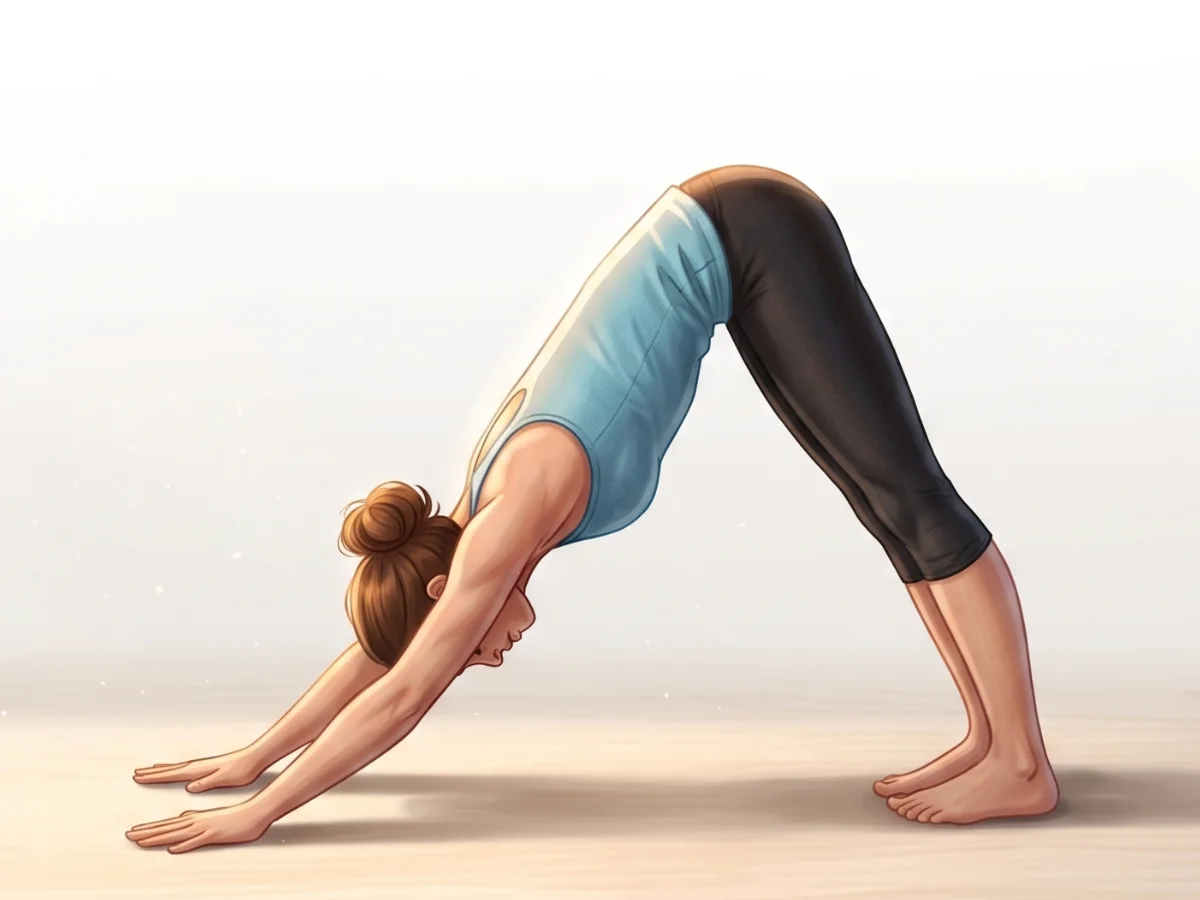
Downward-Facing Dog
Adho Mukha SvanasanaStretches the calves and hamstrings while opening the shoulders, acting as the perfect launchpad for Lunge.
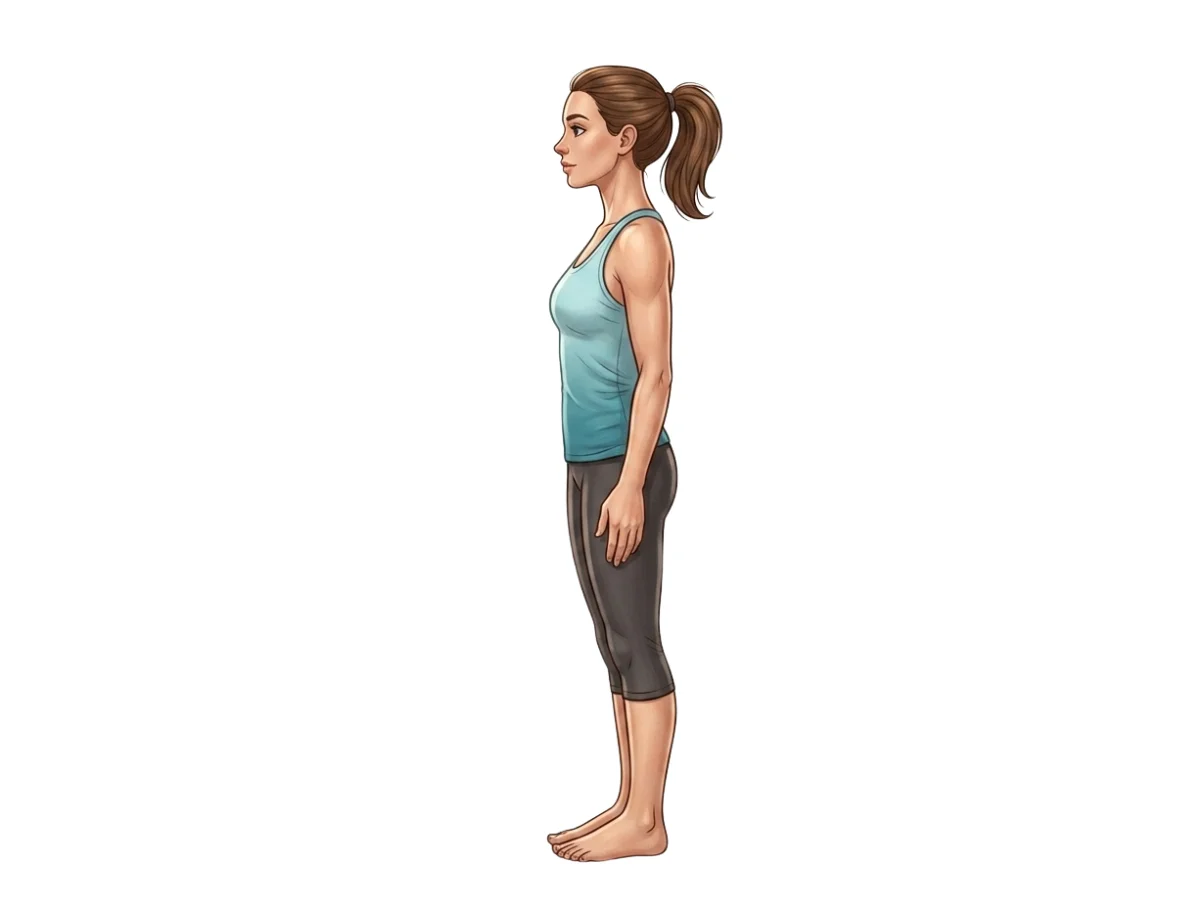
Mountain Pose
TadasanaEstablishes proper standing alignment and core awareness needed for stability.
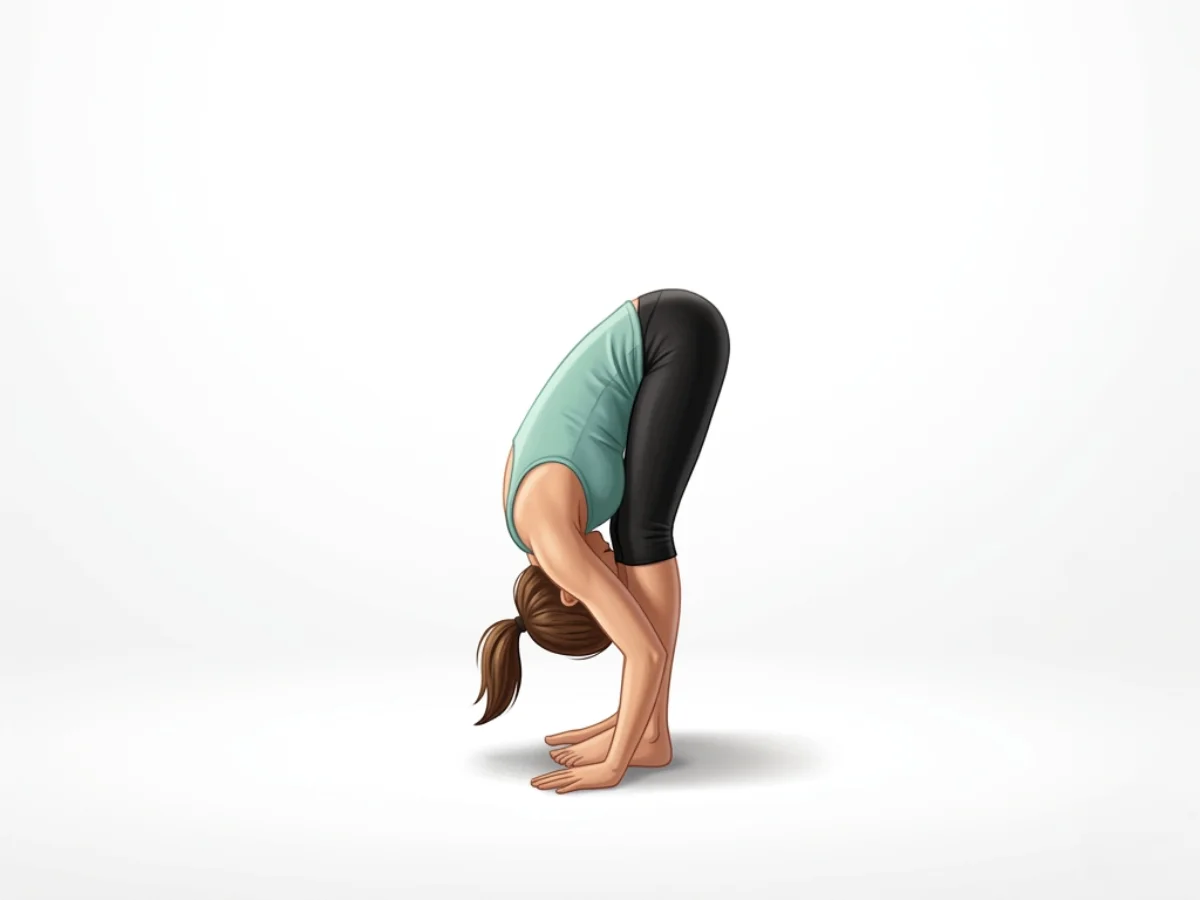
Standing Forward Bend
UttanasanaWarms up the hamstrings and lower back before moving into a deep hip opening stance.
Follow with neutralizing Counter-poses
Downward-Facing Dog
Adho Mukha SvanasanaRe-lengthens both legs evenly and neutralizes the pelvis after an asymmetrical lunge.
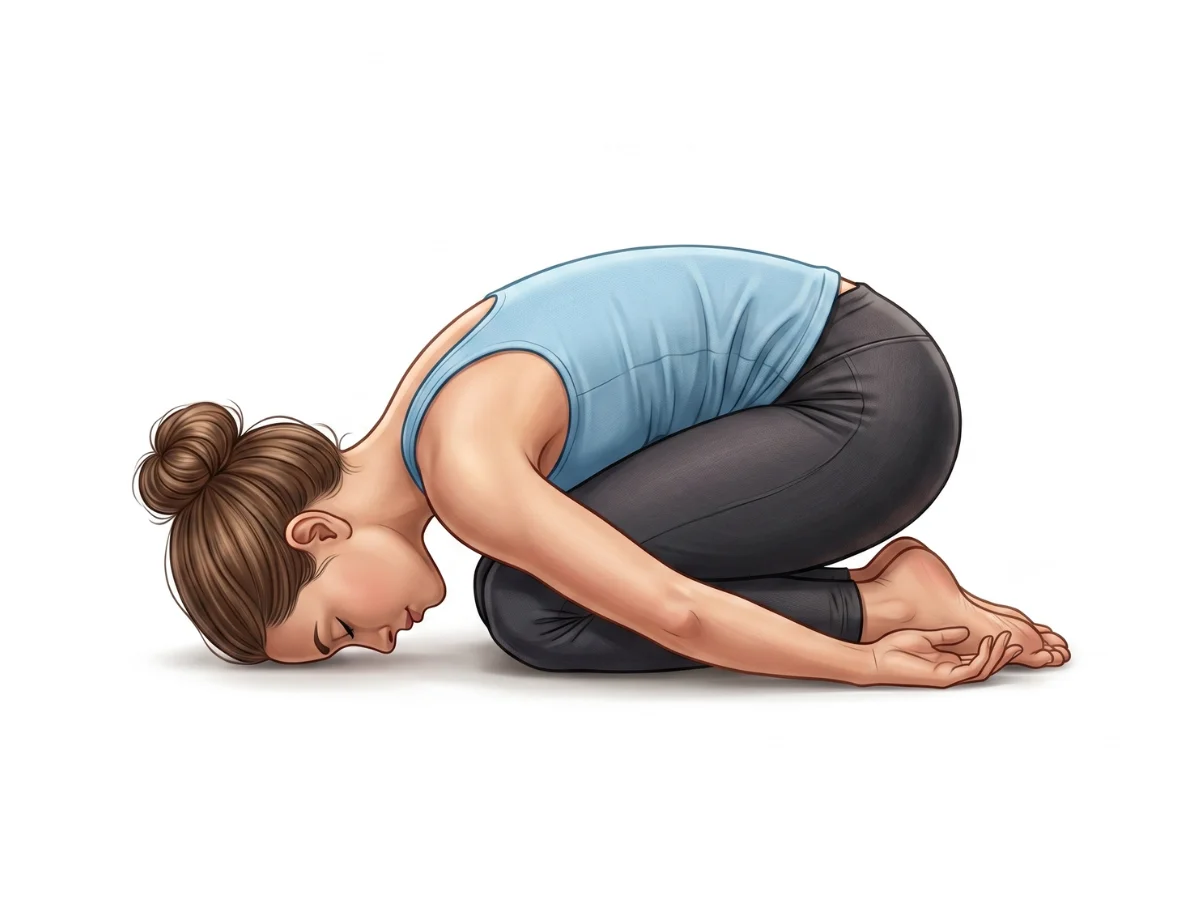
Child's Pose
BalasanaAllows the lower body, hips, and lower back to rest completely after intense standing effort.
Standing Forward Bend
UttanasanaReleases tight quads and glutes while letting the spine decompress naturally.
Frequently Asked Questions
Should my back heel touch the ground in Lunge?
No, in a standard Runner's Lunge, the back heel is lifted high off the ground, with the weight resting on the ball of the foot. This keeps the back leg active. If the heel touches the ground, you are transitioning into a variation like Warrior I.
Why does my front thigh burn so much?
Your front quadriceps are working incredibly hard to support your body weight against gravity while bent at a 90-degree angle. This burning sensation is normal muscle fatigue and indicates you are building strength.
Can I rest my chest on my front thigh?
It is best to avoid resting your full weight on your thigh. Doing so disengages your core and can cause your spine to round. Instead, use your core strength to lift your chest slightly away from the thigh.
Elena Rostova is an accredited yoga educator and anatomy specialist with over 15 years of clinical experience. She focuses on functional biomechanics and injury prevention, translating complex anatomy into accessible guidance for safe, sustainable practice.
Read Full ProfileContinue Your Yoga Journey
Ready to deepen your practice? Explore our extensive library of poses, or join a structured program designed to build strength, flexibility, and mindfulness.