
Half Moon Pose
Ardha Chandrasana
By Elena Rostova Updated: verified Medically Reviewed
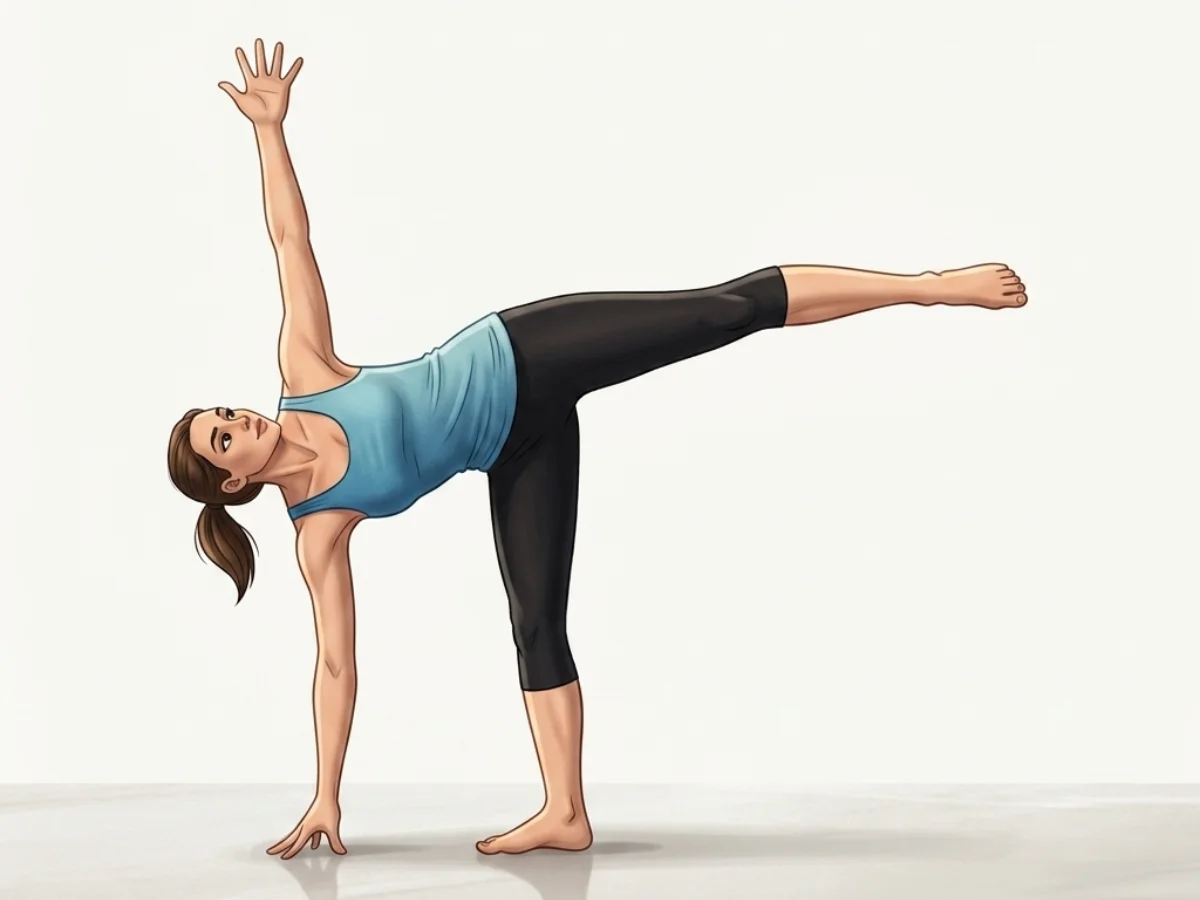
Half Moon Pose (Ardha Chandrasana) is a challenging standing balance posture that demands deep focus and core strength. By extending one leg parallel to the floor and stacking the hips and shoulders, you create an expansive shape that mimics a half moon.
Hold Time
30–60 sec · 5–10 breaths
Pronunciation
ARE-dah chan-DRAHS-anna
About Half Moon Pose
Embodying the beauty found in nature, Half Moon Pose (Ardha Chandrasana) helps anchor the body while creating a wonderful sense of space. By gently focusing on balance, core strength & hip opening, it actively stretches your muscles and builds heat. Practicing this pose regularly helps with strengthens legs & ankles and leaves you feeling completely refreshed.
How to Practice
Begin in Triangle
Start in Triangle Pose (Trikonasana) with your right foot forward and your left foot back. Your right hand is resting on your shin or a block, and your left hand is reaching toward the ceiling.
Gaze Down and Prepare
Bring your left hand to your left hip. Look down at your right foot and deeply bend your right knee.
Shift Weight Forward
Step your left foot a few inches closer to your right foot. Place your right fingertips on the floor or a yoga block about 12 inches diagonally in front of your right pinky toe.
Lift the Back Leg
Inhale and press firmly into your right foot to straighten your right leg, simultaneously lifting your left leg off the floor until it is parallel to the mat.
Stack the Hips
Actively flex your left foot, pointing the toes forward. Roll your top (left) hip open, stacking it directly above your right hip.
Extend the Arm
Once your balance is stable, reach your left arm straight up toward the ceiling, stacking your left shoulder over your right shoulder.
Adjust the Gaze
Keep your gaze directed at the floor for balance. If you feel steady, slowly turn your head to look forward, or eventually up toward your left thumb.
Hold and Breathe
Hold the pose for 5 to 10 steady breaths. Keep the standing leg strong but avoid locking the knee. Engage your core to maintain stability.
Release with Control
To exit, bring your left hand back to your left hip. Look down at your right foot, bend your right knee, and gently step your left foot far back onto the mat.
Return to Standing
Rise back up to Warrior II or a wide-legged stance, then switch sides to balance the body.
Practice with the Yoga Timer
Keep track of your hold time and breath count for this pose.
Beginner Modifications & Prop Options
Yoga is a personal journey. These modifications and prop options allow you to adapt the pose to your current level of balance and flexibility, ensuring a safe and supportive practice.
Use a Yoga Block
Place a yoga block under your bottom hand to elevate the floor. This makes it easier to keep the standing leg straight and the spine long.
Tip: Focus on alignment rather than depth.
Practice Against a Wall
Perform the pose with your back near a wall. Lightly rest your lifted heel, glutes, or shoulders against the wall for alignment feedback.
Tip: Focus on alignment rather than depth.
Keep Gaze Down
Keep your gaze fixed on the floor slightly ahead of your standing foot to maintain equilibrium and avoid neck strain.
Tip: Focus on alignment rather than depth.
Benefits of Half Moon Pose
Strengthens Legs & Ankles
The standing leg works intensely to support the body's weight, building immense strength in the ankles, calves, quadriceps, and glutes.
Enhances Balance & Focus
Balancing on one leg while rotating the torso requires high levels of proprioception, core engagement, and mental concentration.
Opens Hips & Chest
Stacking the hips and shoulders actively stretches the groins, hamstrings, and pectorals, promoting expansive mobility.
Activates the Core
The obliques and transversus abdominis engage heavily to keep the torso elevated and prevent collapsing into the bottom hand.
Improves Digestion
The twisting and stretching of the abdominal region can help stimulate digestion and relieve stress.
Common Mistakes to Avoid
Mistake: Collapsing into the Bottom Hand
How to fix: Use your bottom fingertips lightly, or use a block. The core should lift the torso away from the floor.
Mistake: Dropping the Lifted Leg
How to fix: Actively flex the lifted foot and press through the heel, engaging the outer hip to lift the leg parallel to the floor.
Mistake: Locking the Standing Knee
How to fix: Keep a micro-bend in the standing knee to ensure the quadriceps and hamstrings support the joint.
Safety and Precautions
Low Blood Pressure or Vertigo
The shift in head position combined with balancing can cause dizziness.
Ankle or Knee Injuries
Balancing on one leg puts significant stress on the joints of the standing leg.
Neck Issues
If you have cervical spine issues, do not turn your head to look up; keep looking down.
Frequent Migraines
Intense concentration and shifts in blood flow may trigger symptoms for some practitioners.
Medical Disclaimer: If you have any of the above conditions, consult your doctor or a qualified yoga instructor before attempting this pose.
Muscles Worked in Half Moon Pose
Half Moon Pose demands synchronized muscular effort, creating a profound sense of engagement and release throughout the body. The activation of the primary muscles supports the structure, while the secondary muscles provide stability and balance.
Primary Muscles
Gluteus Medius (Standing Leg)
Stabilizes the pelvis and supports the balance on one leg.
Quadriceps
Supports the standing leg and extends the lifted leg.
Obliques
Engages to rotate and lift the torso, preventing collapse.
Secondary Muscles
Hamstrings
Stretches on the standing leg and supports the lifted leg.
Pectoralis Major
Opens to allow the top shoulder to stack over the bottom.
Poses to Practice Before and After Half Moon Pose
Prepare with these Poses
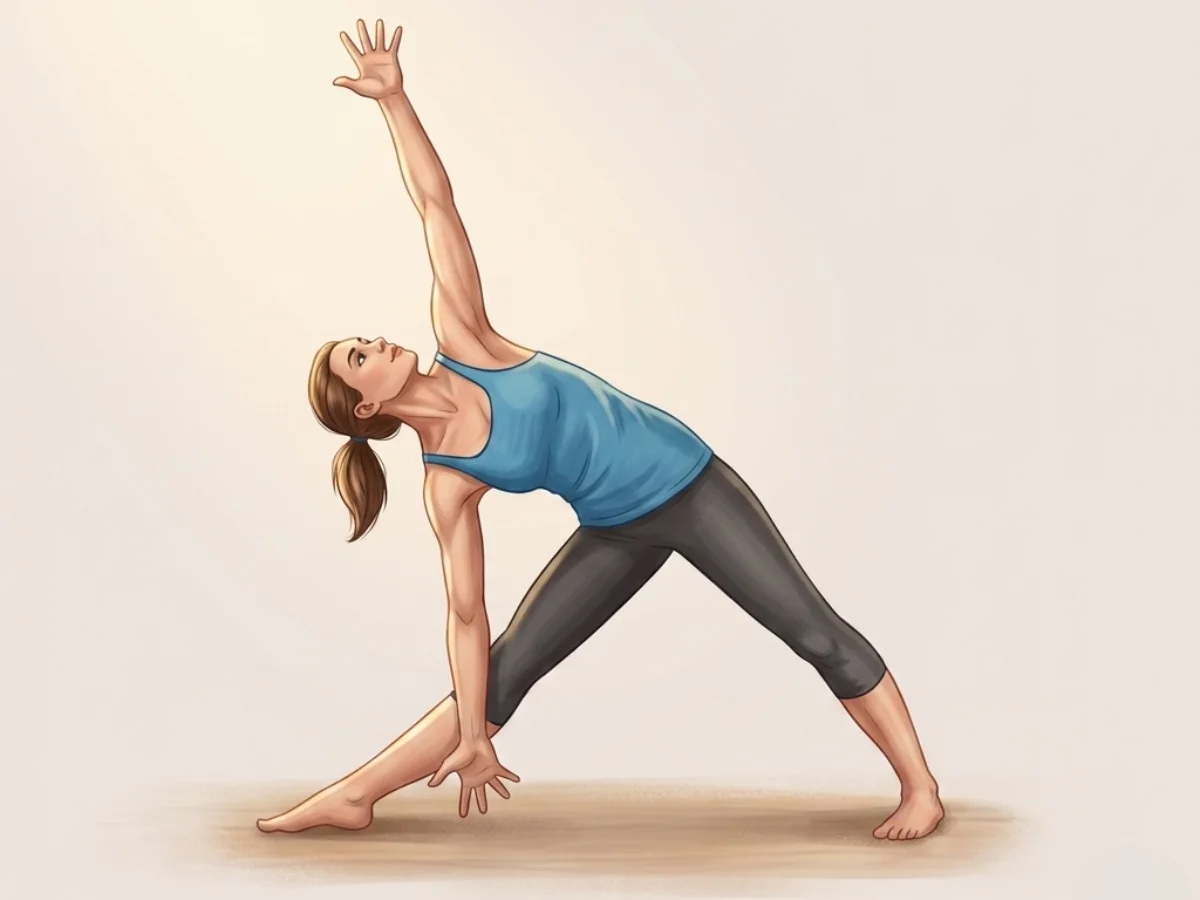
Triangle Pose
TrikonasanaOpens the hamstrings, hips, and chest, setting up the exact alignment needed for Half Moon.
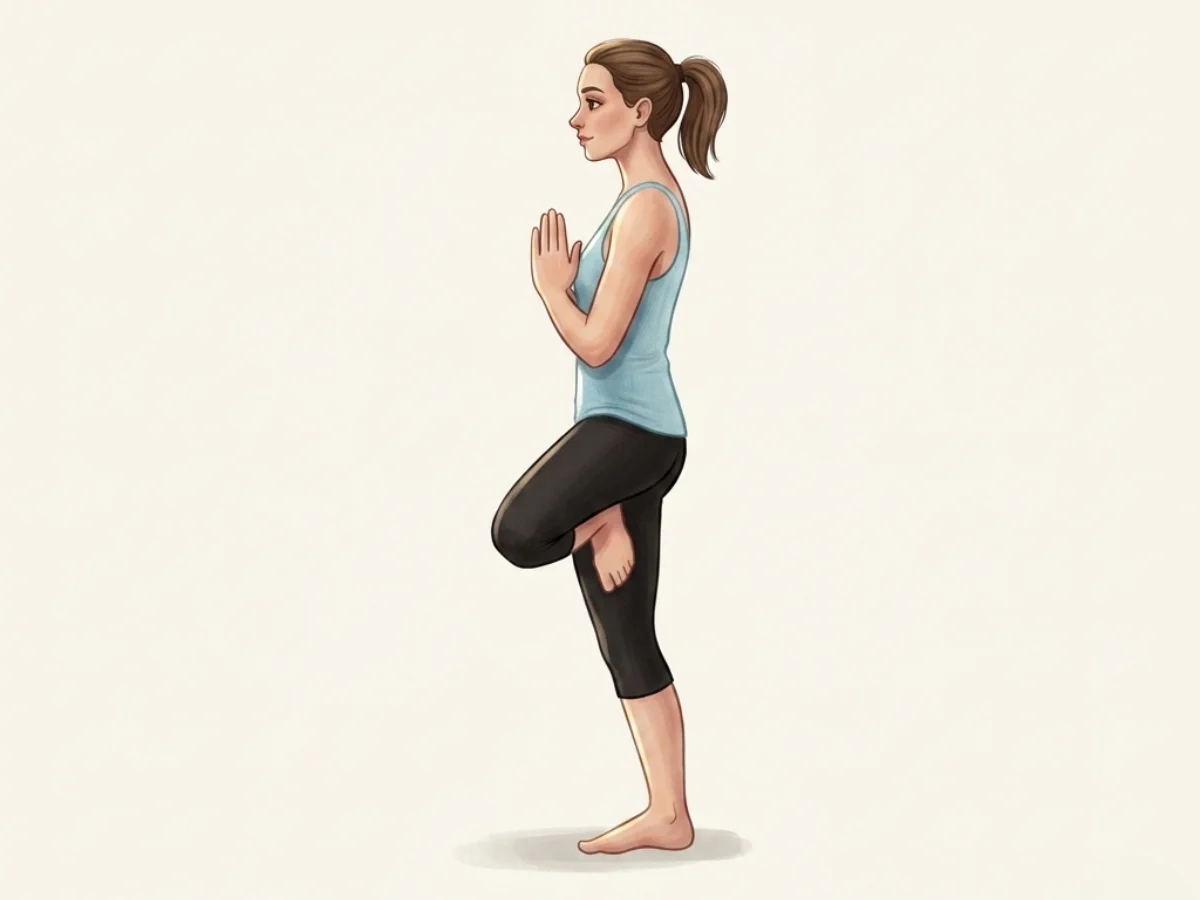
Tree Pose
VrksasanaCultivates one-legged balance and core stability in a less demanding orientation.
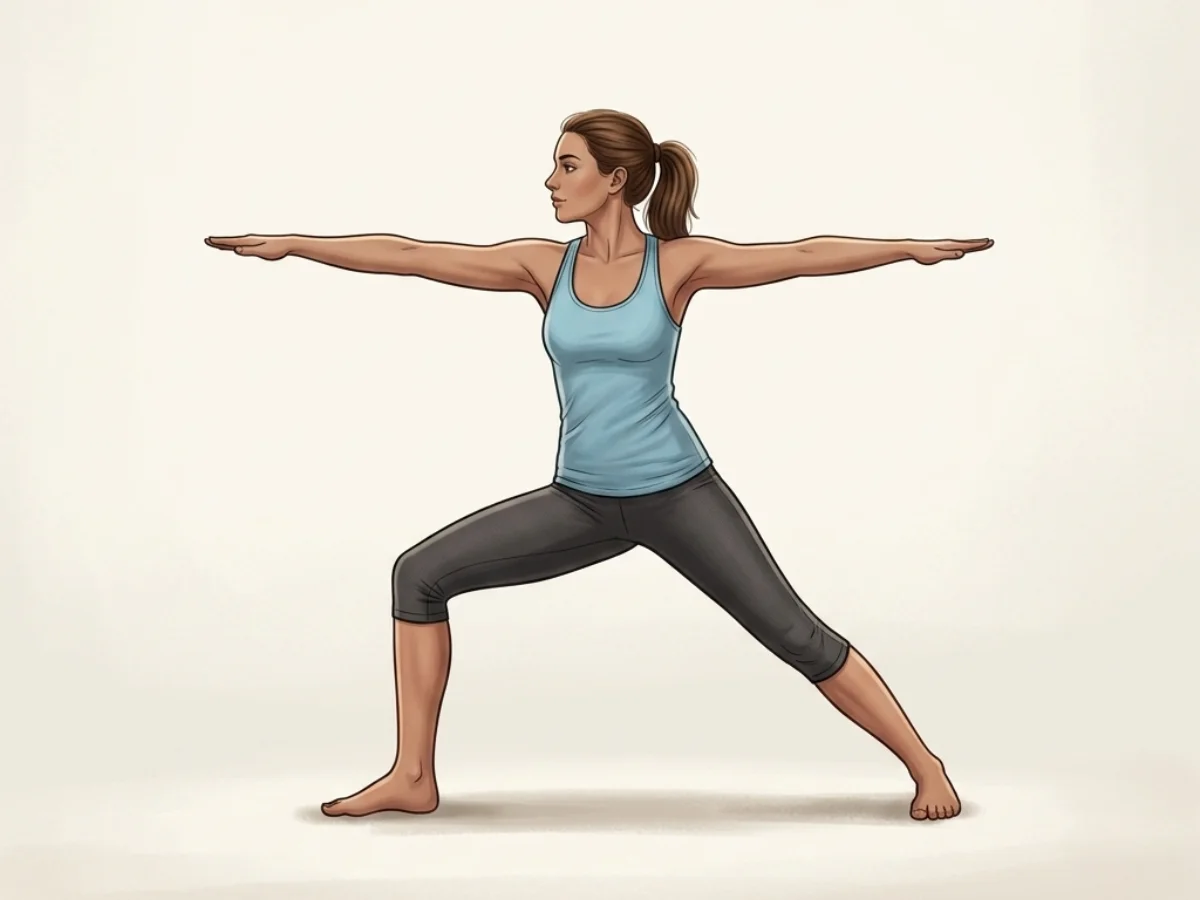
Warrior II
Virabhadrasana IIStrengthens the legs and opens the hips externally in preparation for balancing.
Follow with neutralizing Counter-poses
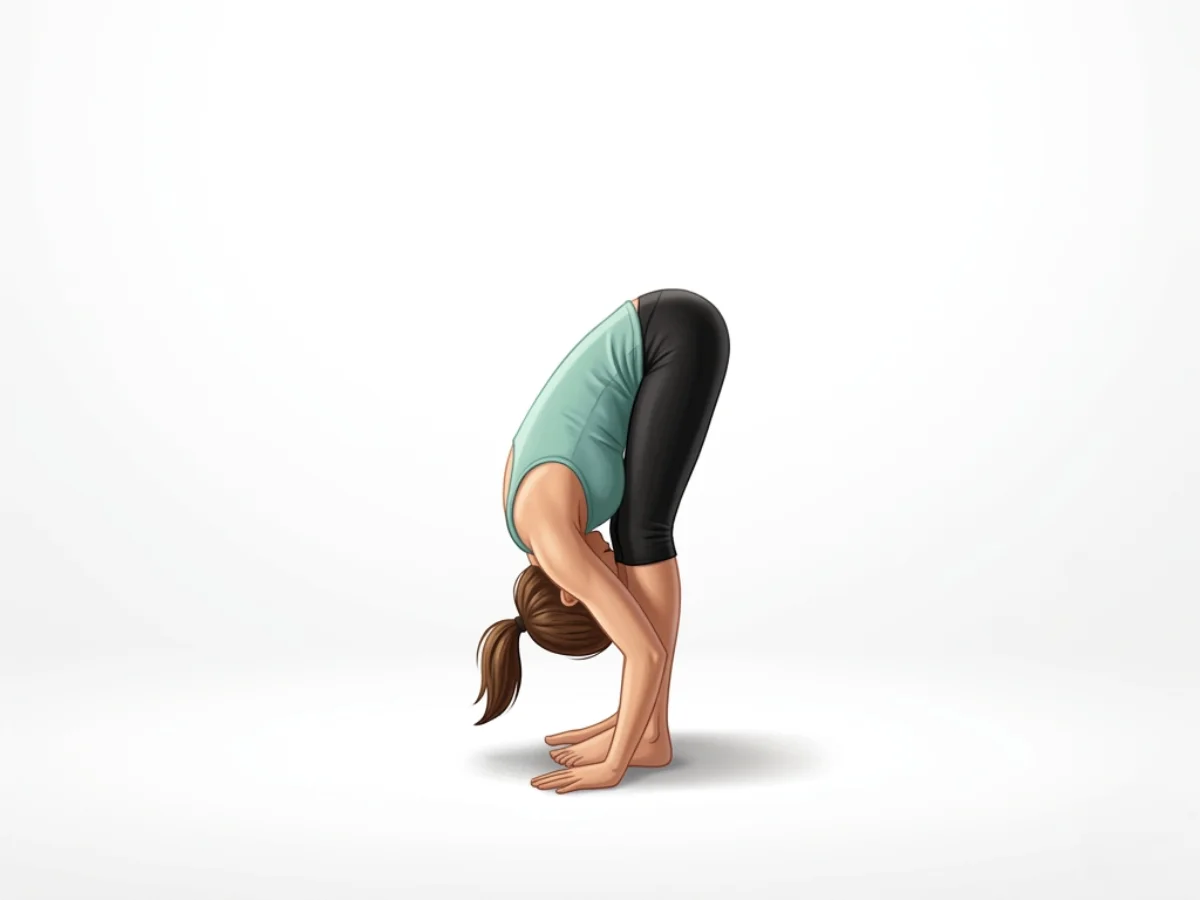
Standing Forward Bend
UttanasanaReleases the hips and hamstrings symmetrically after the asymmetrical balance.
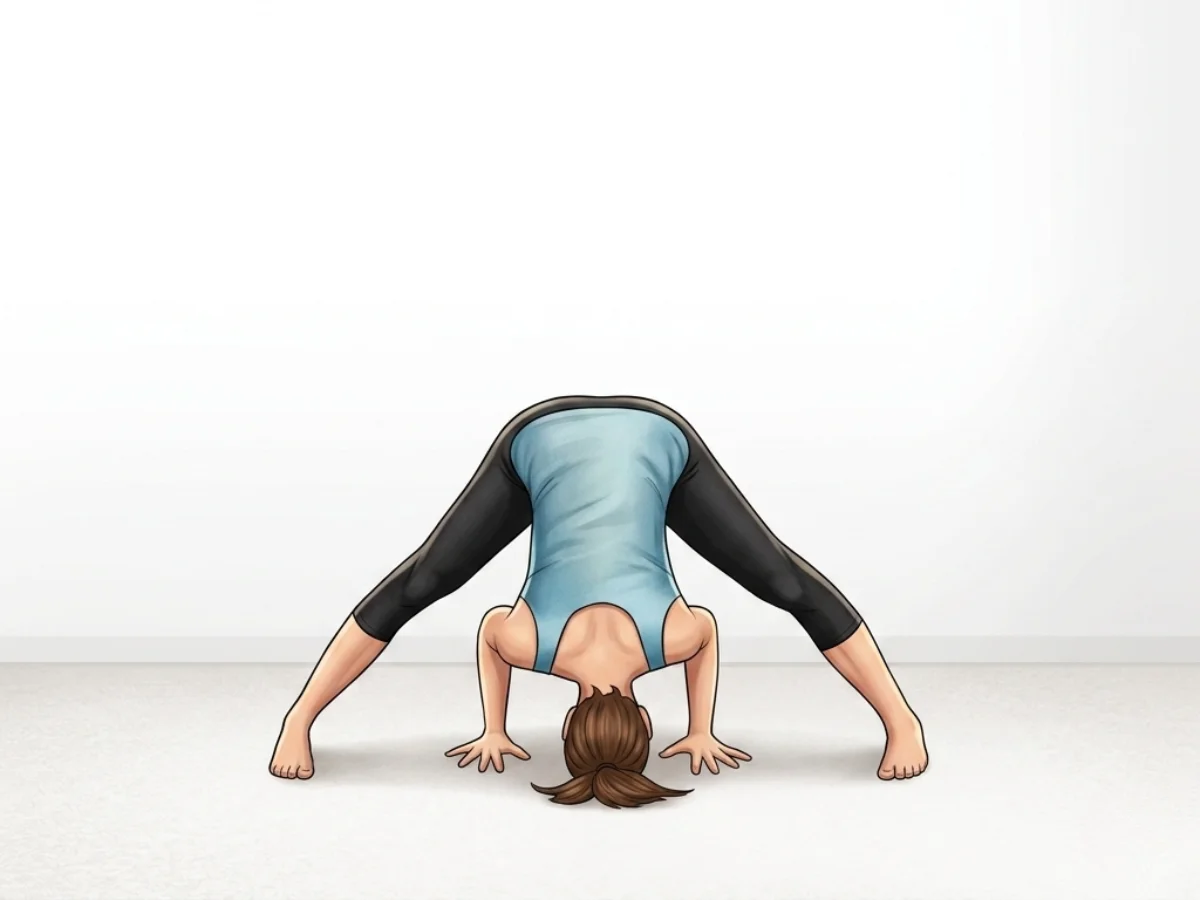
Wide-Legged Forward Fold
Prasarita PadottanasanaProvides a deep stretch to the inner thighs and releases the lower back.
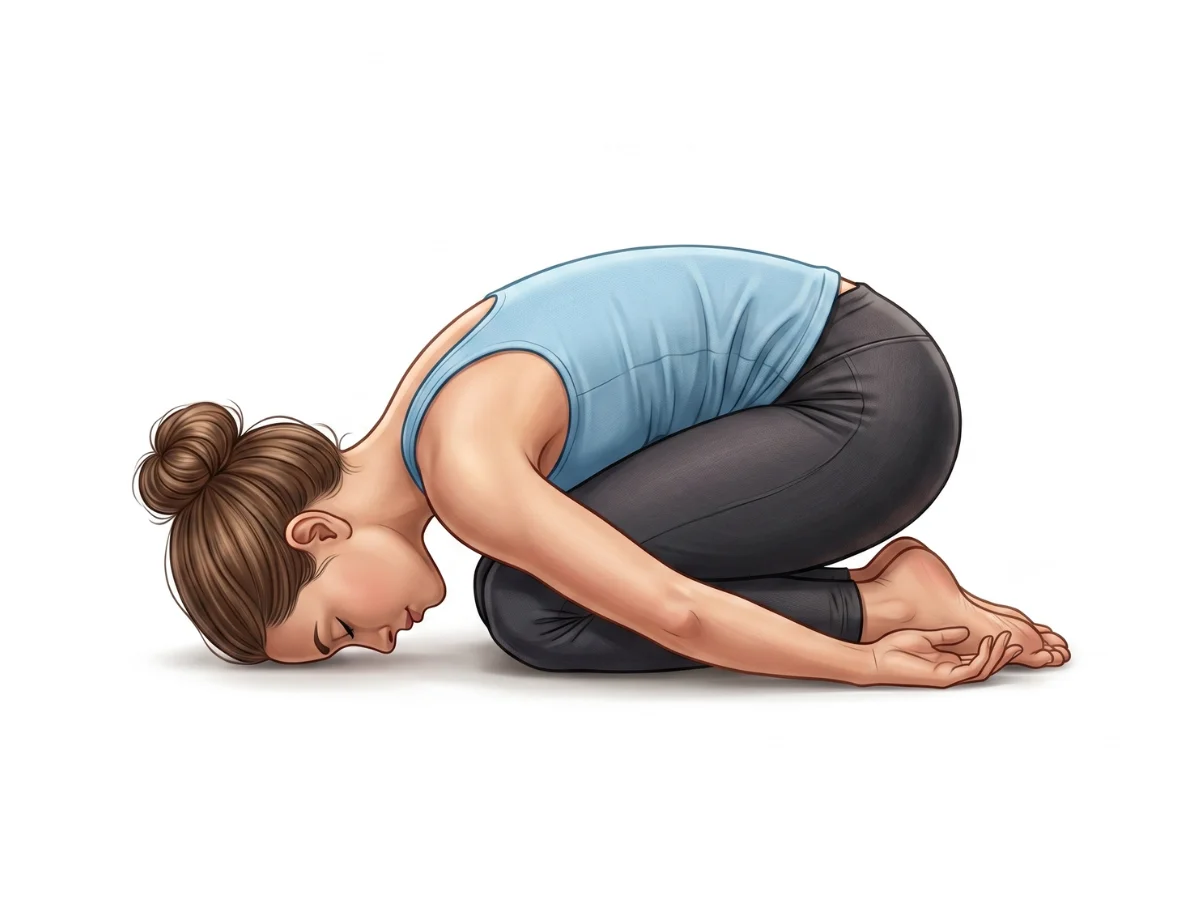
Child's Pose
BalasanaCalms the nervous system and allows the hips to rest completely.
Frequently Asked Questions
How can I stop wobbling in Half Moon Pose?
Wobbling is completely normal. To increase stability, focus your gaze (drishti) on a single unmoving point on the floor.
Where exactly should I place my bottom hand?
Place your bottom hand or block about 10 to 12 inches forward and slightly to the outside (pinky toe side) of your standing foot. This creates a stable triangular base between your standing foot and hand.
Why does my back hurt in this pose?
Back pain often occurs if you are collapsing into your bottom hand or trying to force your hips open without engaging your core. Using a block under your hand can help keep your spine long and supported.
Elena Rostova is an accredited yoga educator and anatomy specialist with over 15 years of clinical experience. She focuses on functional biomechanics and injury prevention, translating complex anatomy into accessible guidance for safe, sustainable practice.
Read Full ProfileContinue Your Yoga Journey
Ready to deepen your practice? Explore our extensive library of poses, or join a structured program designed to build strength, flexibility, and mindfulness.