
History & Origins of Hatha Yoga
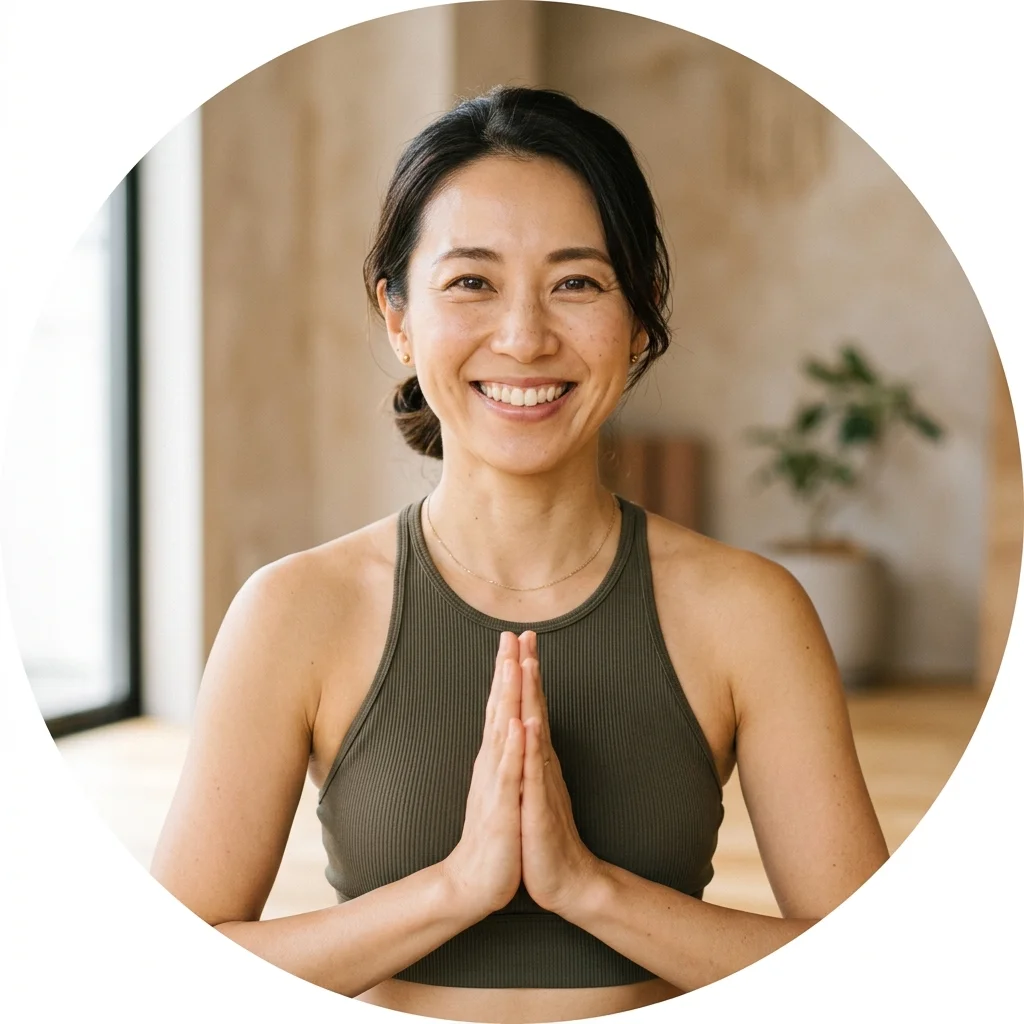
Hatha is the oldest physical yoga system, serving as the foundation for almost all modern Western styles.
The Hatha Yoga Pradipika
Sage Swatmarama authored the Hatha Yoga Pradipika, detailing physical purification, postures, and breathwork required to channel vital energy.
Krishnamacharya & the Modern Revival
Tirumalai Krishnamacharya systematized these ancient teachings. Because he taught the pioneers of modern yoga (Iyengar, Jois), Hatha became the "mother" of all modern styles.
"Hatha is not one style among many — it is the ancient root from which all modern yoga grows."
What Makes Hatha Unique?
Hatha yoga stands apart from faster styles through its deliberate approach to movement and stillness. Here are the six defining characteristics of a Hatha practice:
Poses held for 30–90 seconds
Instead of flowing continuously, poses are held in stillness, allowing you to settle into the posture and build muscular endurance.
Equal emphasis on breath and posture
Pranayama is not just an afterthought; breath control is considered just as important as the physical alignment of the asana.
No fixed sequence
Unlike Ashtanga or Bikram, Hatha has no set series. The teacher is free to sequence the class based on a theme, anatomical focus, or the students' needs.
Heavy use of alignment cues
Because you hold poses longer, teachers have time to provide detailed instructions on micro-adjustments and proper form.
Suitable for all ages and fitness levels
The slower pace and use of props make Hatha highly accessible, easily modified for seniors or those recovering from injury.
Dedicated pranayama and meditation
Classes frequently conclude with seated breathing exercises and meditation before moving into the final resting pose.
Hatha vs. Vinyasa
| Feature | Hatha Yoga | Vinyasa Yoga |
|---|---|---|
| Pacing | Slow and deliberate with pauses | Continuous, seamless flow |
| Sequence Structure | Unlinked static holds | Breath-linked movements |
| Breath Use | Focus on deep, steady diaphragmatic breath | Ujjayi breath to build internal heat |
| Best For... | Beginners, seniors, alignment focus | Those wanting a cardio workout and heat |
10 Fundamental Hatha Yoga Poses
Because Hatha is the umbrella term for physical yoga, it encompasses almost all traditional asanas. Here are 10 essential poses you will likely encounter:
 Beginner
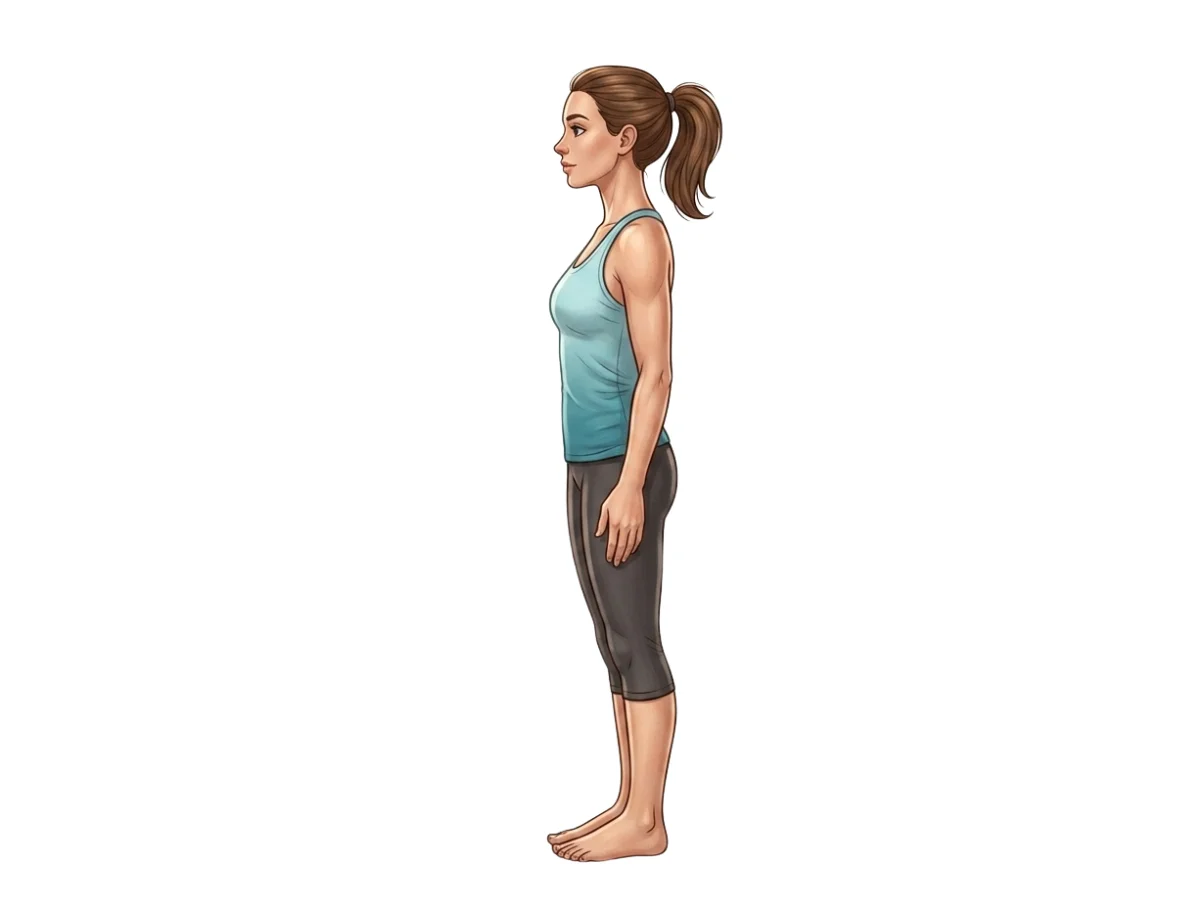
Mountain Pose
TadasanaThe blueprint for all standing poses. It grounds the body and improves posture.
 Beginner
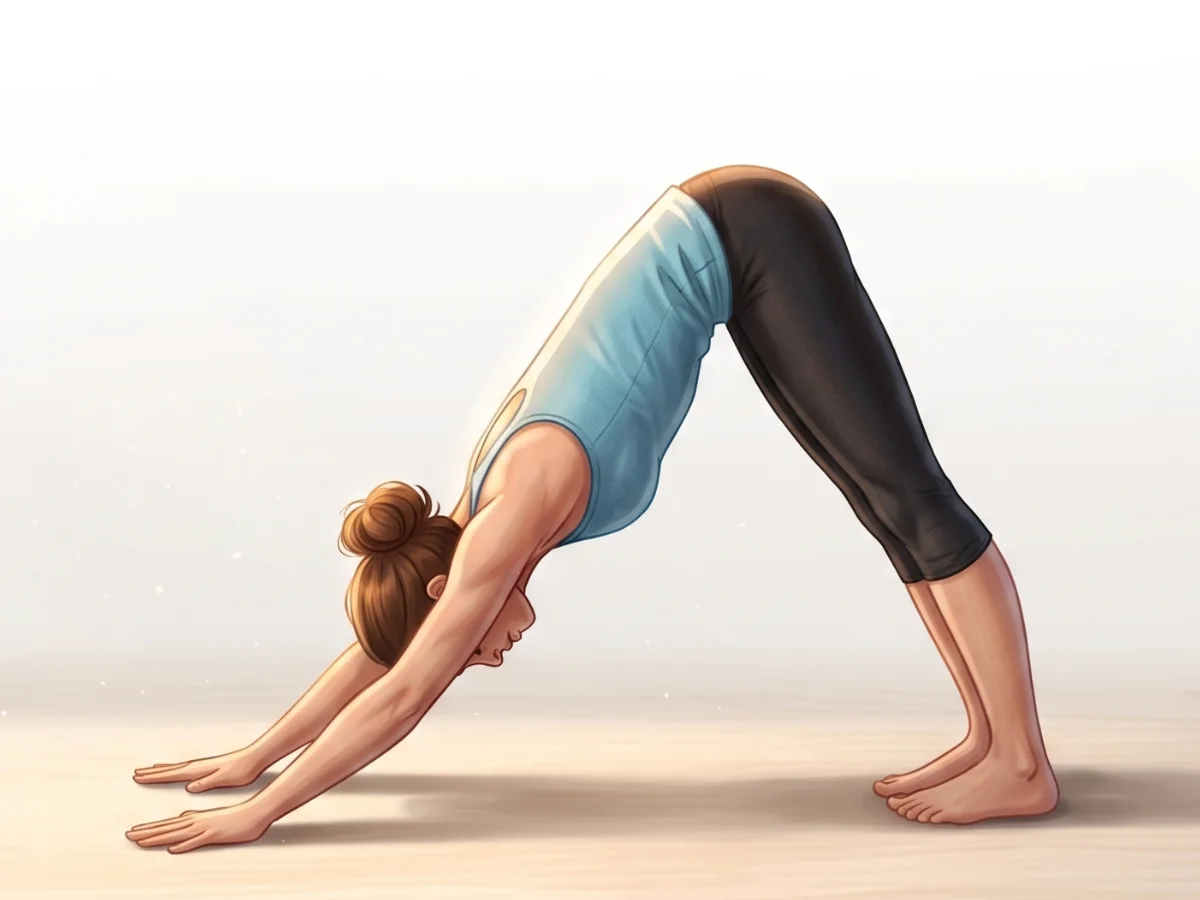
Downward-Facing Dog
Adho Mukha SvanasanaA full-body stretch that lengthens the spine and hamstrings while building shoulder strength.
 Beginner
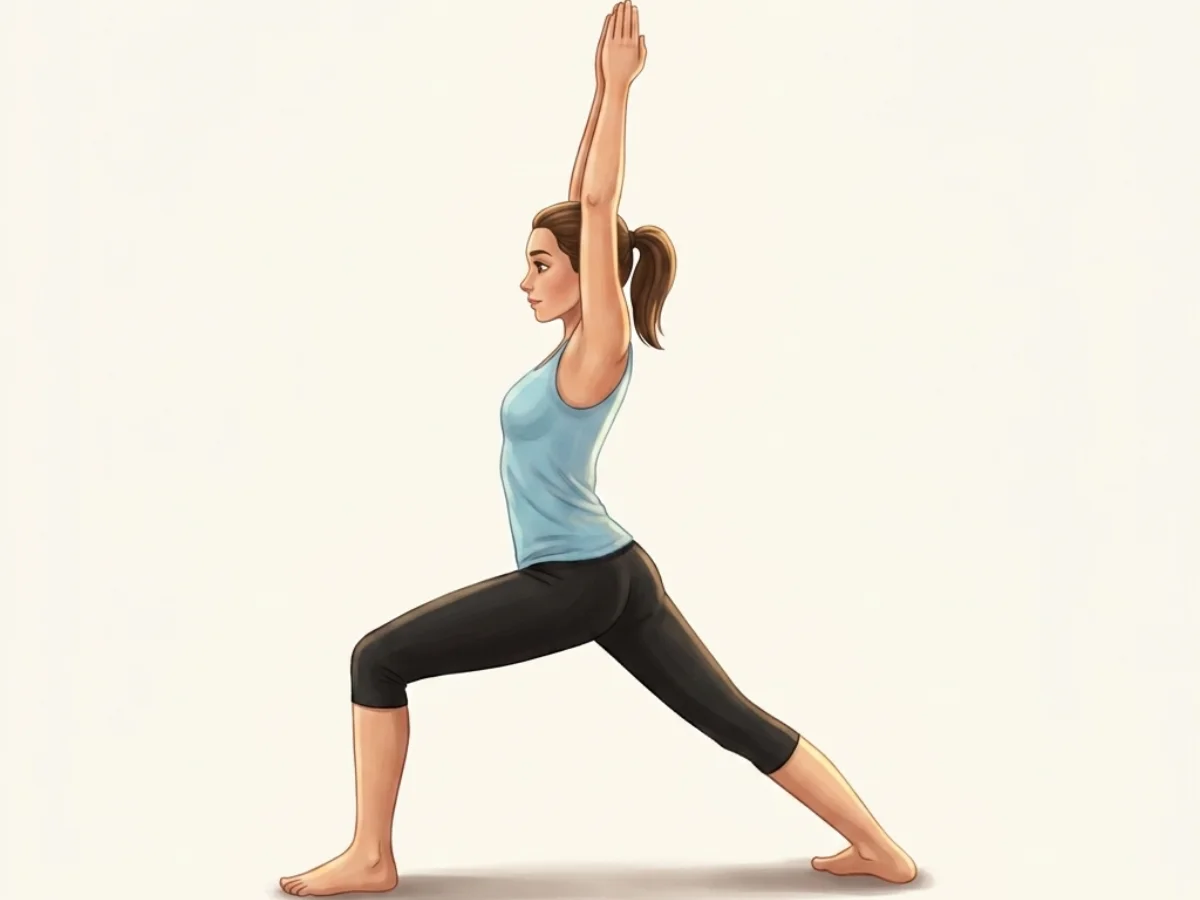
Warrior I
Virabhadrasana IStrengthens the legs while opening the hips and chest. A fundamental standing pose.
 Beginner
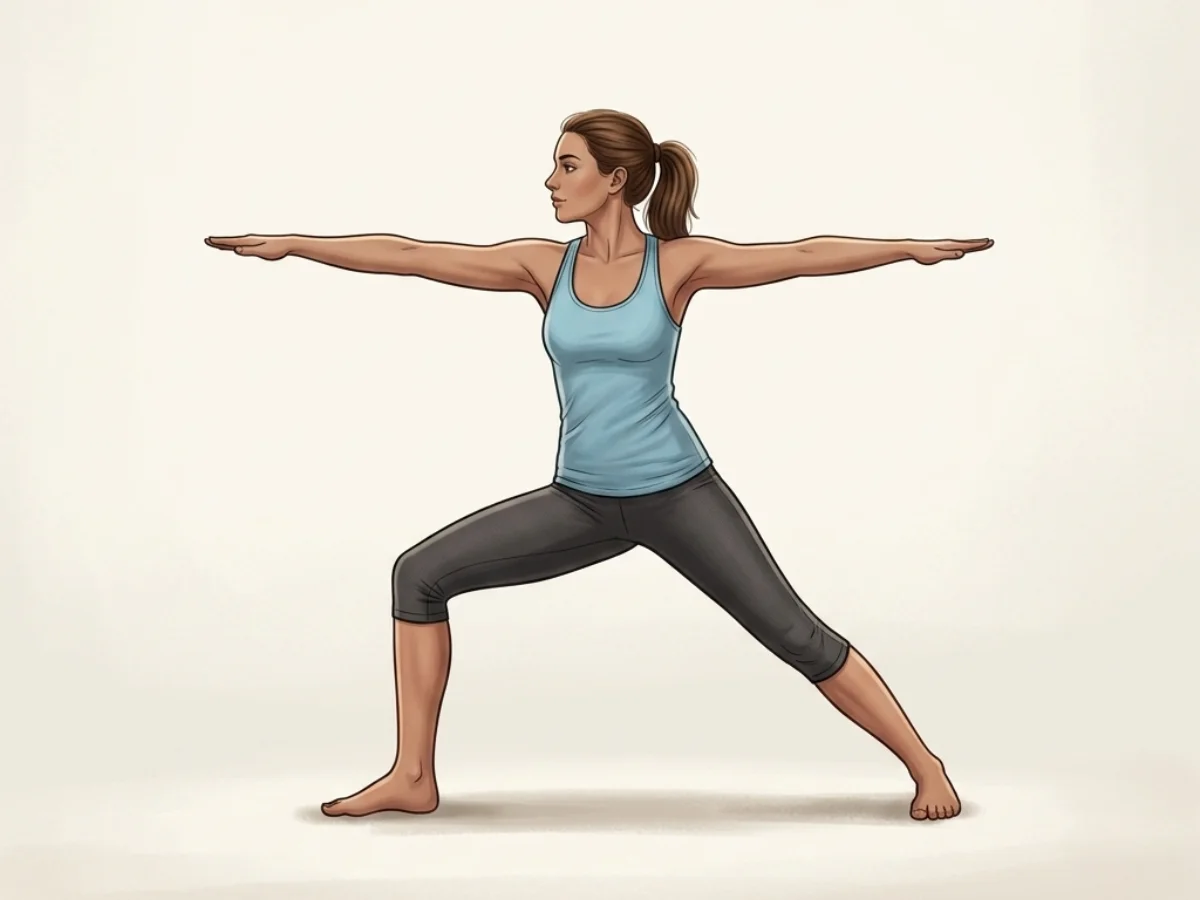
Warrior II
Virabhadrasana IIBuilds stamina in the thighs and core while opening the hips externally.
 Beginner
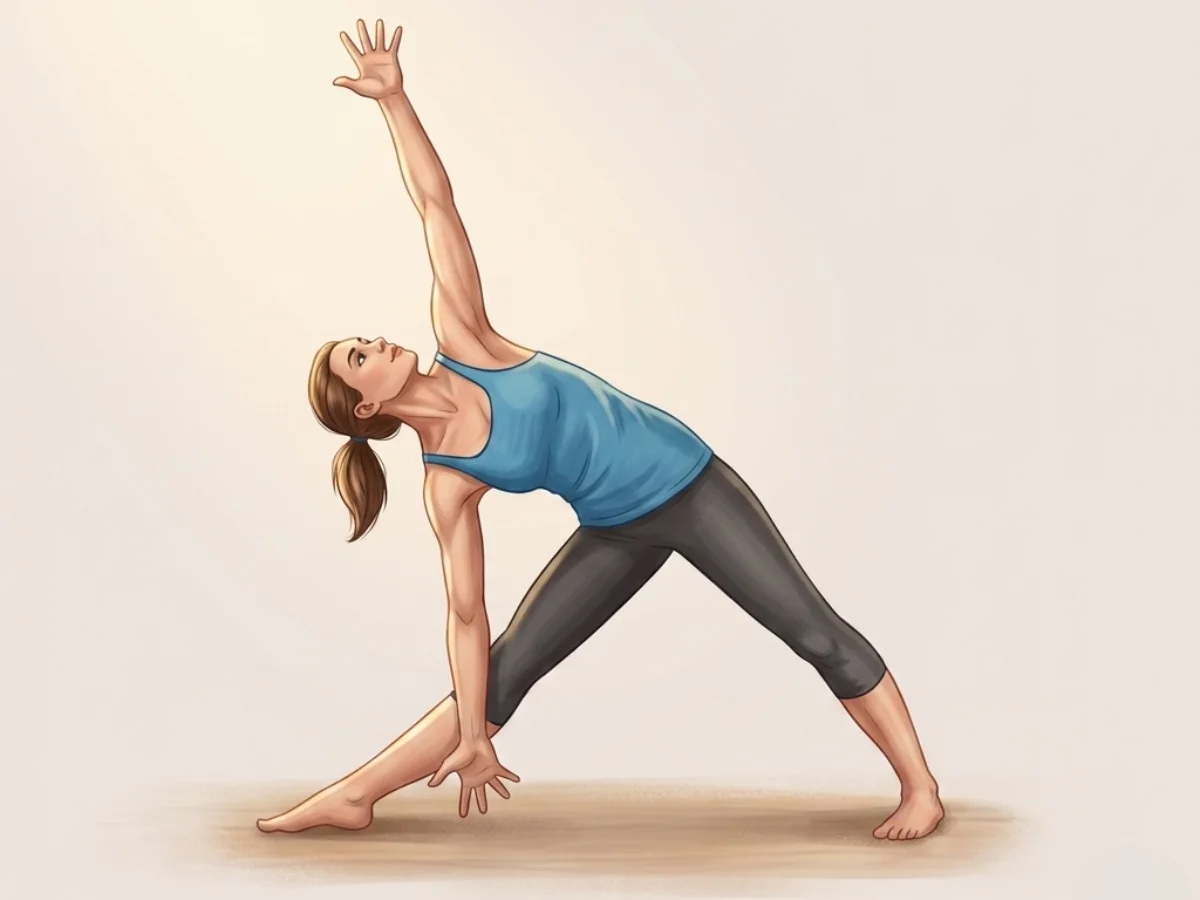
Triangle Pose
TrikonasanaStretches the hamstrings and groins while expanding the chest and shoulders.
 Beginner
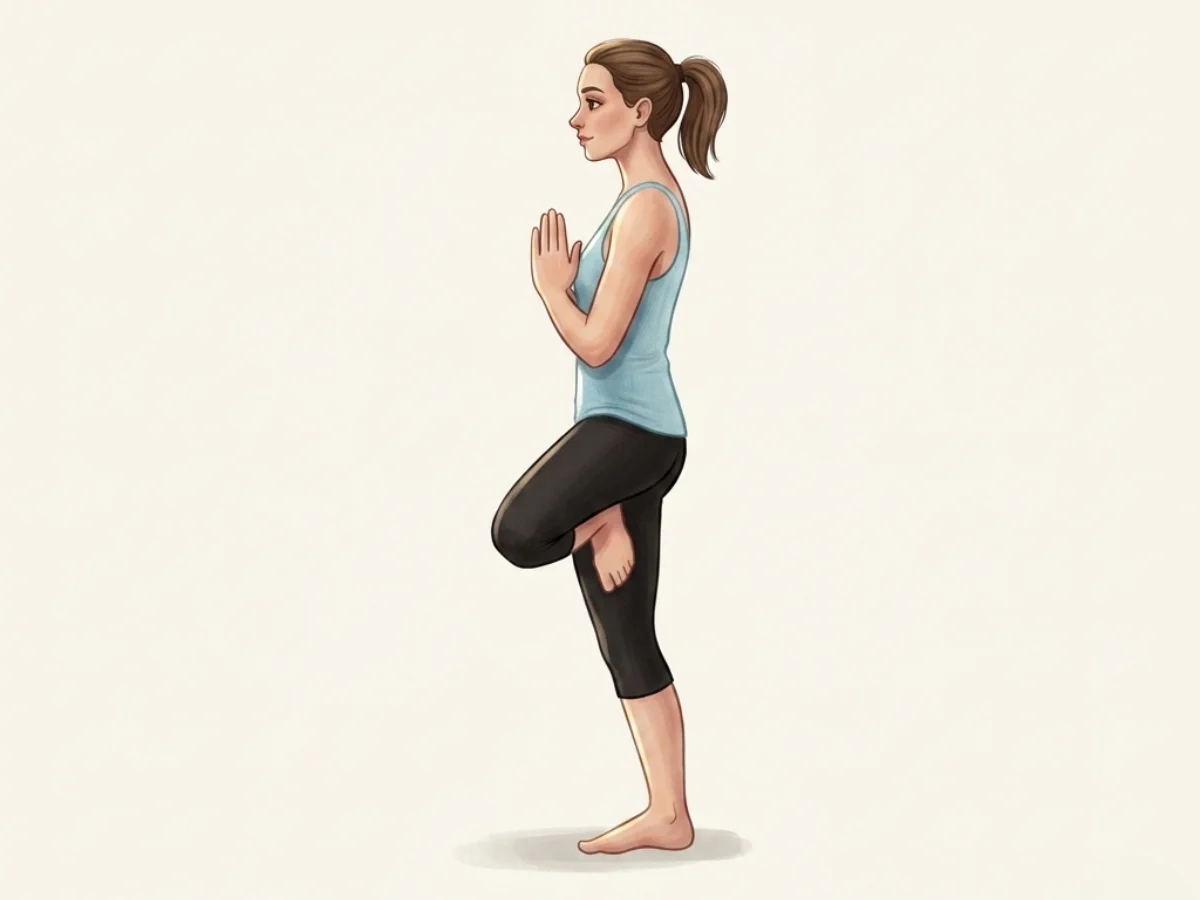
Tree Pose
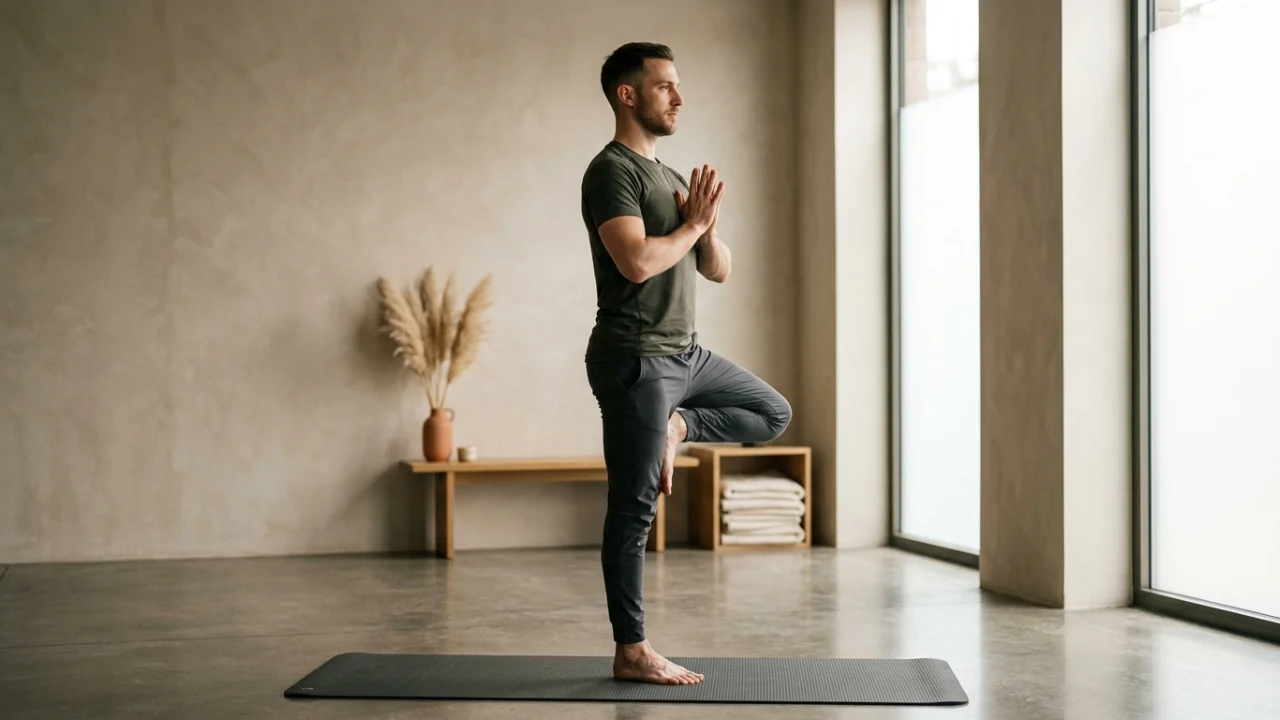
VrksasanaAn essential balancing pose that strengthens the ankles while demanding mental focus.
 Beginner
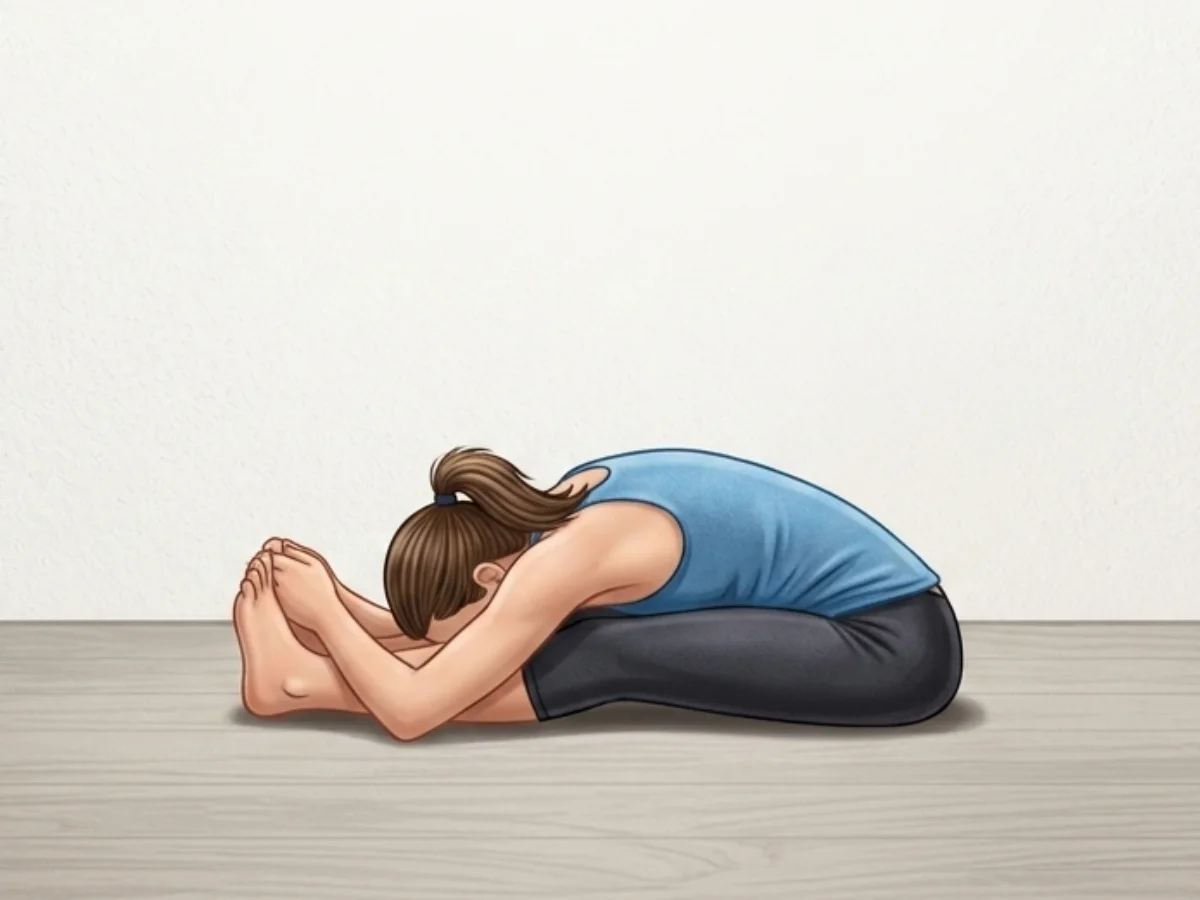
Seated Forward Bend
PaschimottanasanaDeeply stretches the entire back of the body and calms the central nervous system.
 Beginner
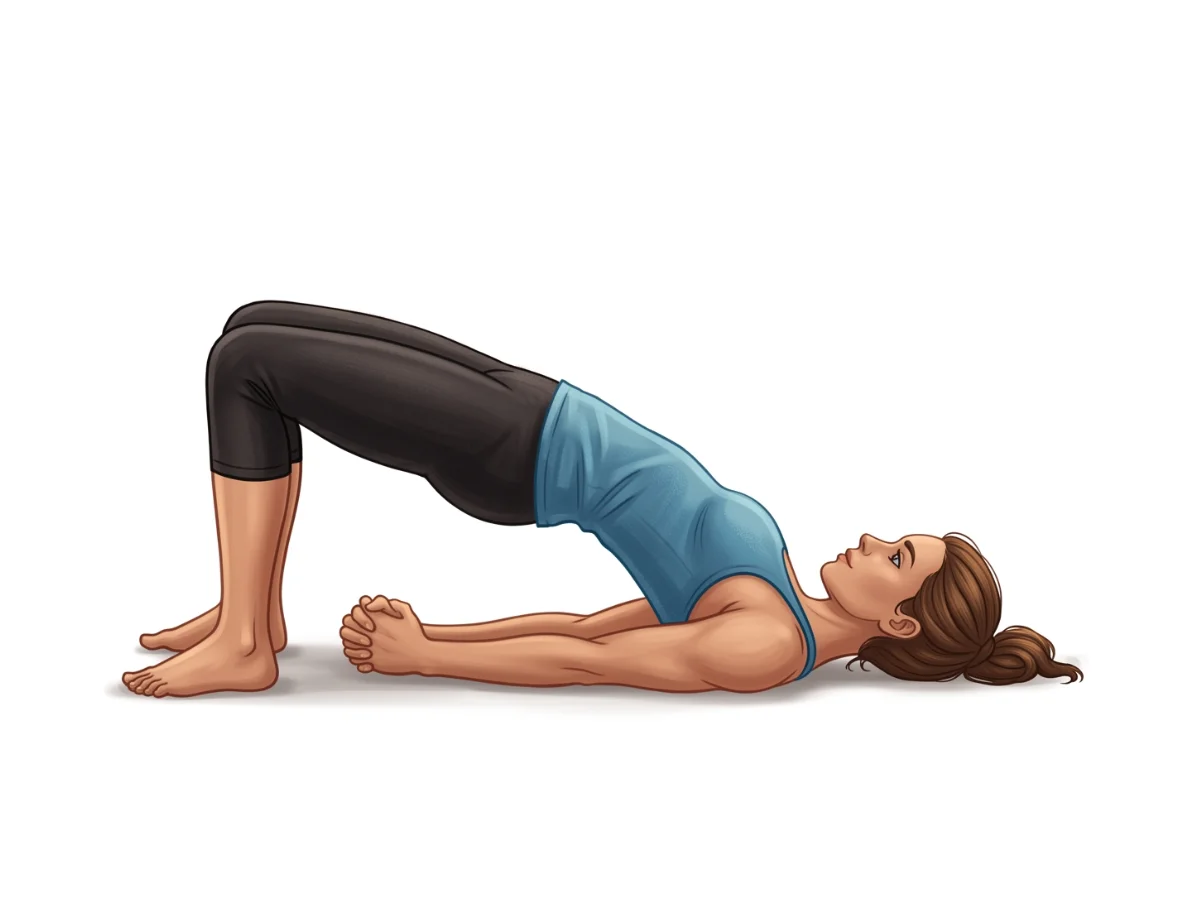
Bridge Pose
Setu BandhasanaA gentle backbend that opens the chest and strengthens the glutes and lower back.
 Restorative
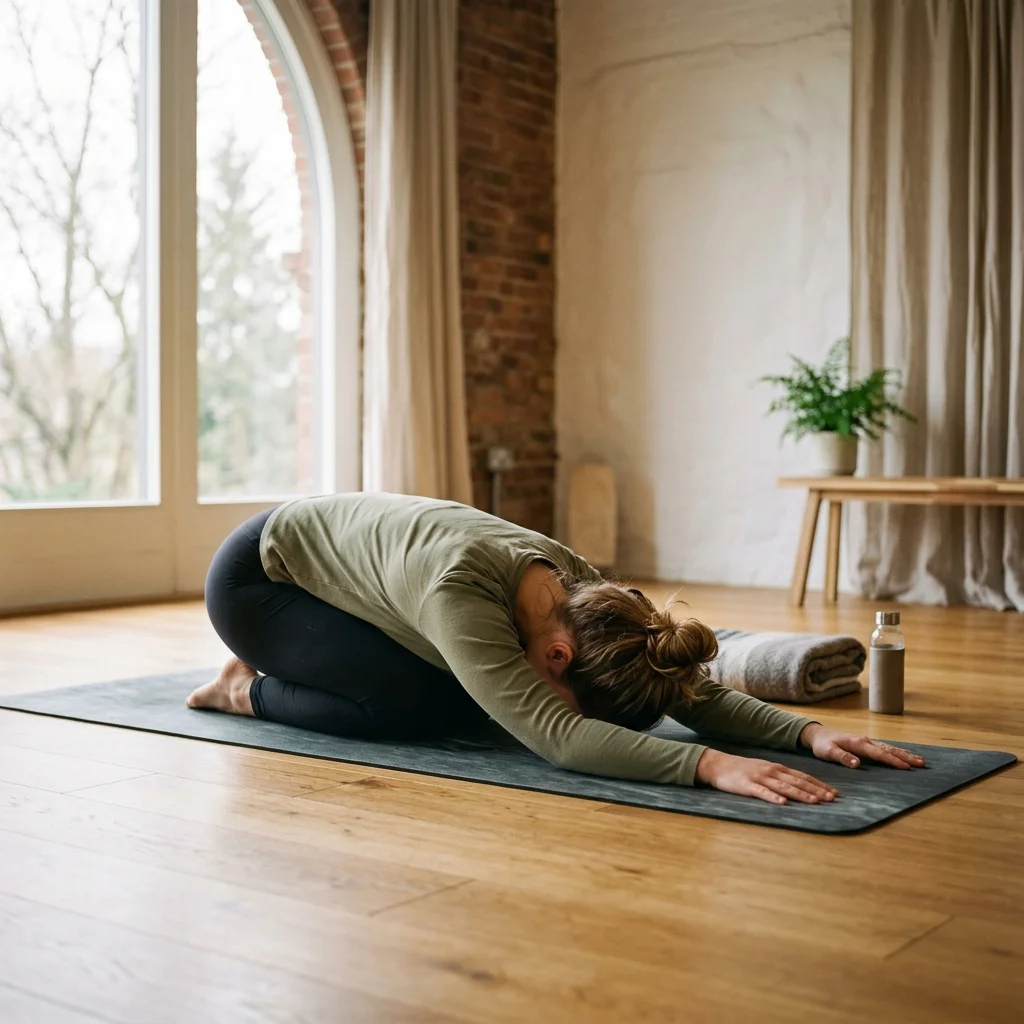
Child's Pose
BalasanaThe ultimate resting pose. Gently stretches the hips and spine while providing a sense of safety.
 Restorative
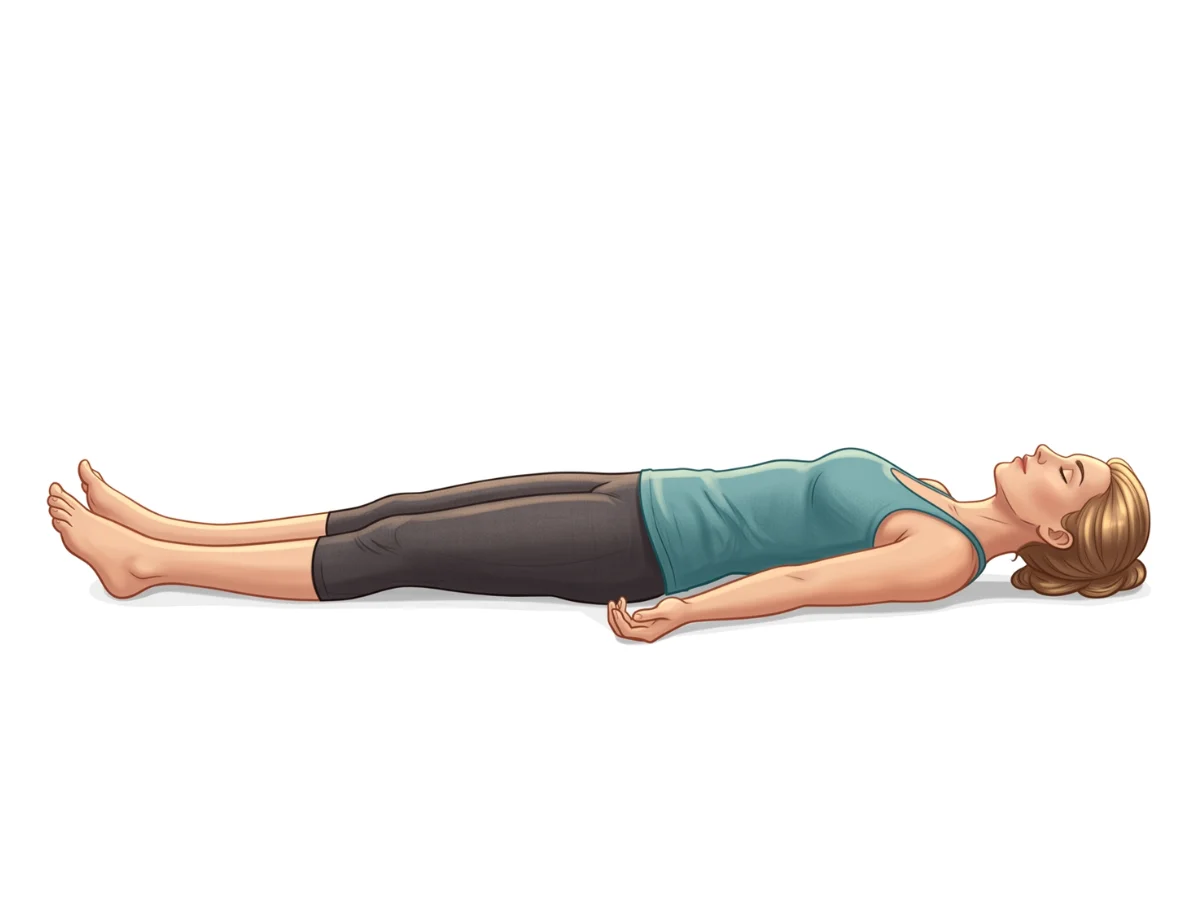
Corpse Pose
SavasanaThe crucial final resting posture that allows the nervous system to integrate the practice.
A Beginner Hatha Sequence (45 Minutes)
A simple grounding sequence to introduce you to the static holds of Hatha Yoga. Hold each pose for 45–60 seconds, maintaining deep breaths.
| # | Pose Name | Duration | Key Instruction |
|---|---|---|---|
| 1 | Mountain Pose Tadasana | 1 Min | Stand tall with feet together, engage legs, and take deep grounding breaths. |
| 2 | Cat-Cow Marjaryasana-Bitilasana | 1 Min | On all fours, inhale to arch the back (Cow), exhale to round the spine (Cat). |
| 3 | Downward-Facing Dog Adho Mukha Svanasana | 1 Min | Press into palms and stretch heels toward the floor, lengthening the spine. |
| 4 | Low Lunge Anjaneyasana | 1 Min / side | Step one foot forward between hands, lower back knee, and lift chest. |
| 5 | Warrior I Virabhadrasana I | 1 Min / side | Front knee bent, back foot flat at 45 degrees, hips square to the front. |
| 6 | Warrior II Virabhadrasana II | 1 Min / side | Open hips to the side, arms extended parallel to the floor. |
| 7 | Triangle Pose Trikonasana | 1 Min / side | Straighten front leg, hinge at hip, and reach bottom hand toward shin or block. |
| 8 | Seated Forward Bend Paschimottanasana | 1 Min | Sit with legs extended, hinge from hips, and fold forward over legs. |
| 9 | Bridge Pose Setu Bandhasana | 1 Min | Lie on back, bend knees, and press hips up to the ceiling. |
| 10 | Supine Twist Supta Matsyendrasana | 1 Min / side | Hug knees to chest, let them fall to one side while looking the opposite way. |
| 11 | Corpse Pose Savasana | 5-10 Min | Lie completely still, relaxing every muscle. |
Benefits of Hatha
Improves Posture
Holding poses helps correct bad posture and balances your muscles, especially if you sit a lot.
Builds Body Awareness
The slow pace gives you time to feel each stretch and learn exactly how your body moves.
Relieves Back Pain
Gentle stretches and twists help release tension in your spine and ease everyday back pain.
Better Breathing
You will learn to take deep, calm breaths even when a stretch feels challenging.
Reduces Stress
The slow movements and deep breathing help lower your stress hormones and calm your mind.
Keeps Joints Healthy
Gentle stretching helps keep your joints lubricated and moving smoothly as you age.
Improves Focus
Staying still in a pose teaches your mind to stay calm and focused instead of getting distracted.
Medical Disclaimer: The health information provided here is for educational purposes. Always consult a physician before beginning any new exercise program.
Who is Hatha Yoga For?
Complete Beginners
If you are new to yoga, Hatha is the best place to start. You will learn the names of the poses, how to align your body safely, and how to breathe properly before moving on to faster-paced classes.
Older Adults & Injury Recovery
The gentle, unhurried pace allows for the use of blocks, straps, and bolsters to modify poses, making it safe for those with limited mobility or returning from injury.
Beginner Mistakes Unique to Hatha
Rushing to match faster students
In a mixed-level class, it’s tempting to rush into a pose if the person next to you is moving quickly. Hatha is about your own deliberate pace—take your time to set up safely.
Ignoring the pranayama (breathwork)
Many beginners think the poses are the "real work" and check out during breathwork. In Hatha, pranayama is equally important for nervous system regulation.
Overextending in held poses
Because Hatha poses are held longer, they might feel "too easy" at first. Beginners often push too deep initially, leading to strain after 30 seconds. Find your edge slowly.
Skipping Savasana
Leaving class early before Savasana defeats the purpose of Hatha, which is to balance and calm the nervous system. Savasana is the most important pose of the practice.
Frequently Asked Questions
Is Hatha yoga good for complete beginners?
How is Hatha yoga different from Vinyasa?
How often should I practice Hatha yoga?
Can Hatha yoga help with back pain?
Is Hatha yoga good for weight loss?
What do I need for a Hatha yoga class at home?
Explore Other Yoga Styles
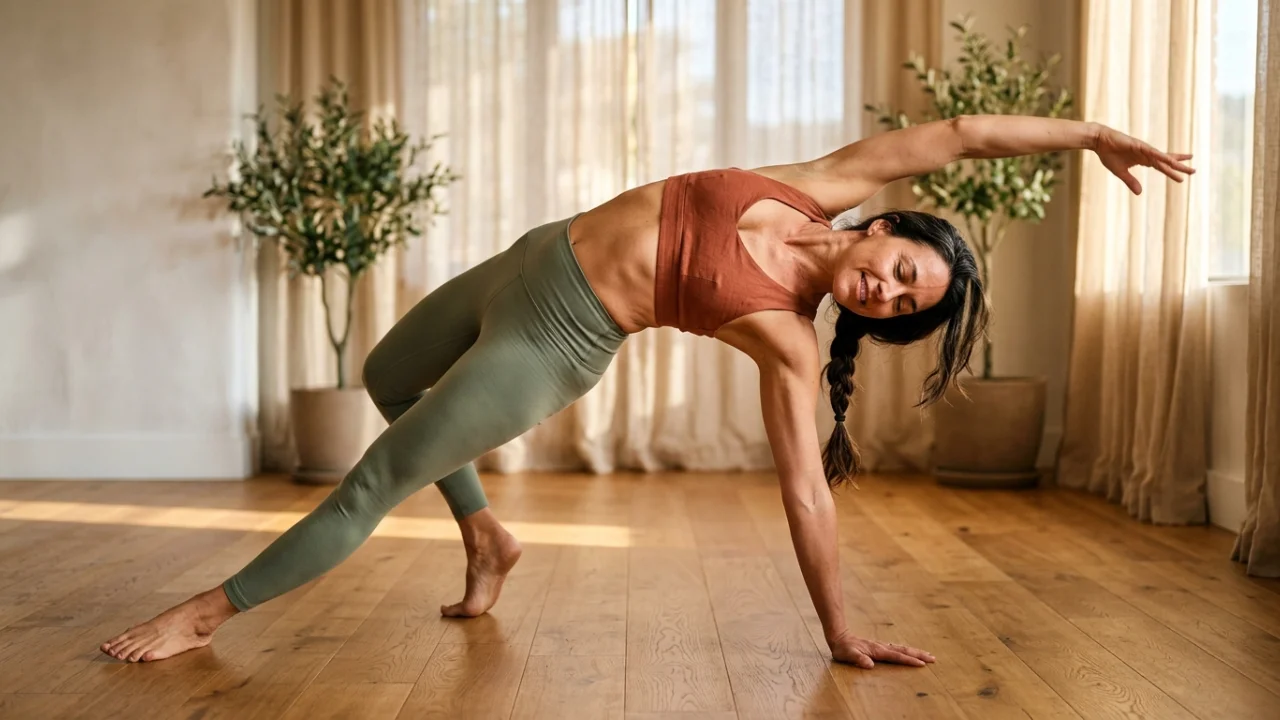
Vinyasa Yoga
A dynamic, flowing style linking breath to movement for a more vigorous practice.
Explore Guide →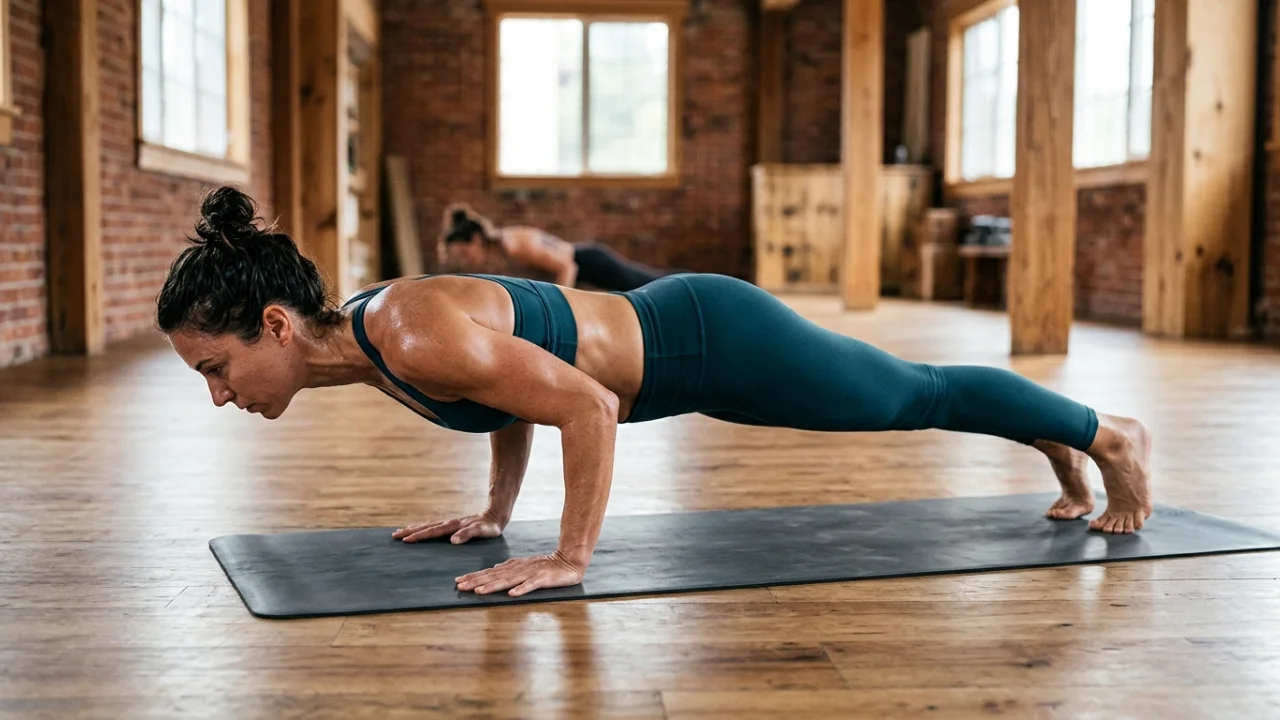
Ashtanga Yoga
A vigorous, highly structured practice following a strict, fixed sequence.
Explore Guide →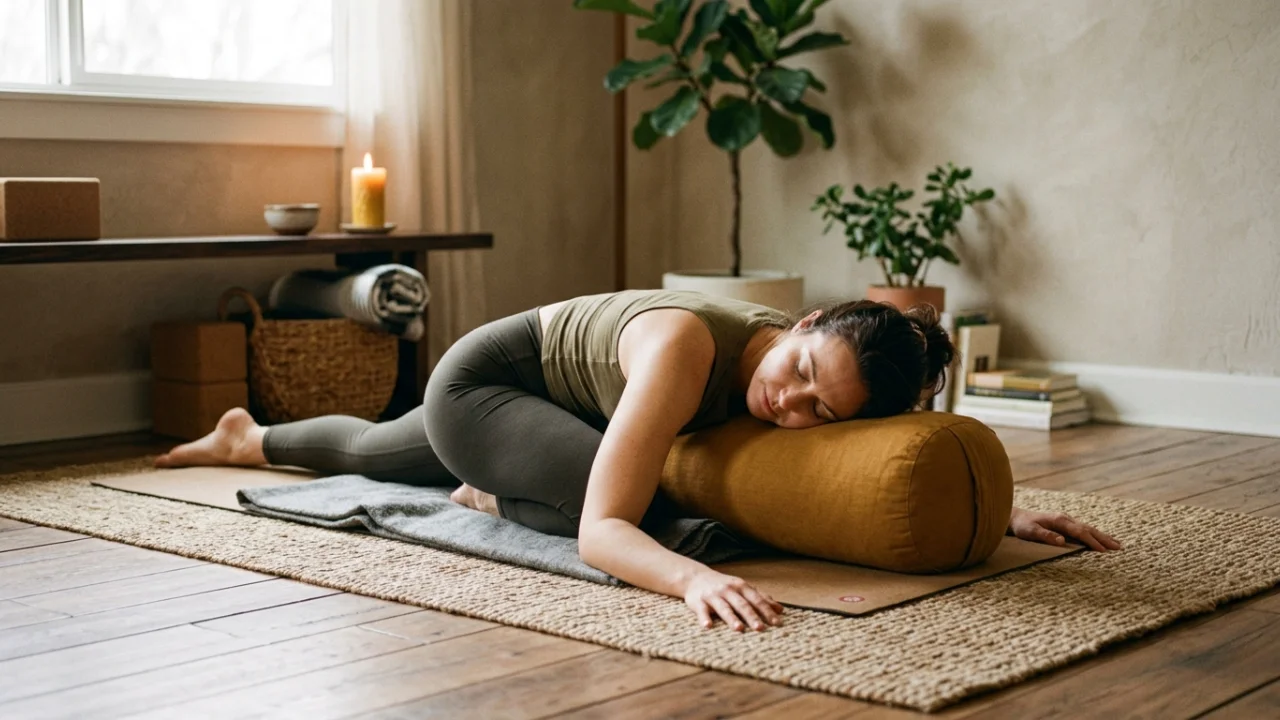
Yin Yoga
A floor-based practice that stretches the deep connective tissues through 3-5 minute holds.
Explore Guide →