
History & Origins of Ashtanga Yoga
Ashtanga is a highly structured system popularized in Mysore, India, demanding intense discipline and repetition.
Pattabhi Jois & the Mysore Palace
Sri K. Pattabhi Jois learned the system from his guru, Tirumalai Krishnamacharya, supposedly based on an ancient manuscript called the Yoga Korunta.
The Ashtanga Yoga Research Institute
Pattabhi Jois established the Ashtanga Yoga Research Institute and codified the practice into six distinct series in his seminal book, Yoga Mala.
What Makes Ashtanga Unique?
Ashtanga is perhaps the most rigid and traditional of the modern physical styles. Here are six rules that define the practice:
The Fixed Sequence
You must master the Primary Series before a teacher allows you to move on to the Intermediate Series. The sequence never changes.
Mysore Style Practice
Instead of a teacher calling out poses, students practice at their own pace in a silent room while the teacher provides one-on-one physical adjustments.
No Music, No Water
Classes are completely silent except for the sound of breathing. Drinking water is forbidden as it puts out the internal "fire."
Intense Hands-On Adjustments
Ashtanga teachers are known for firm, physical adjustments to help push students deeper into the rigid postures.
Six Days a Week
Traditional Ashtangis practice six days a week, taking rest days only on the new moon and full moon (Moon Days).
Vinyasa Between Every Pose
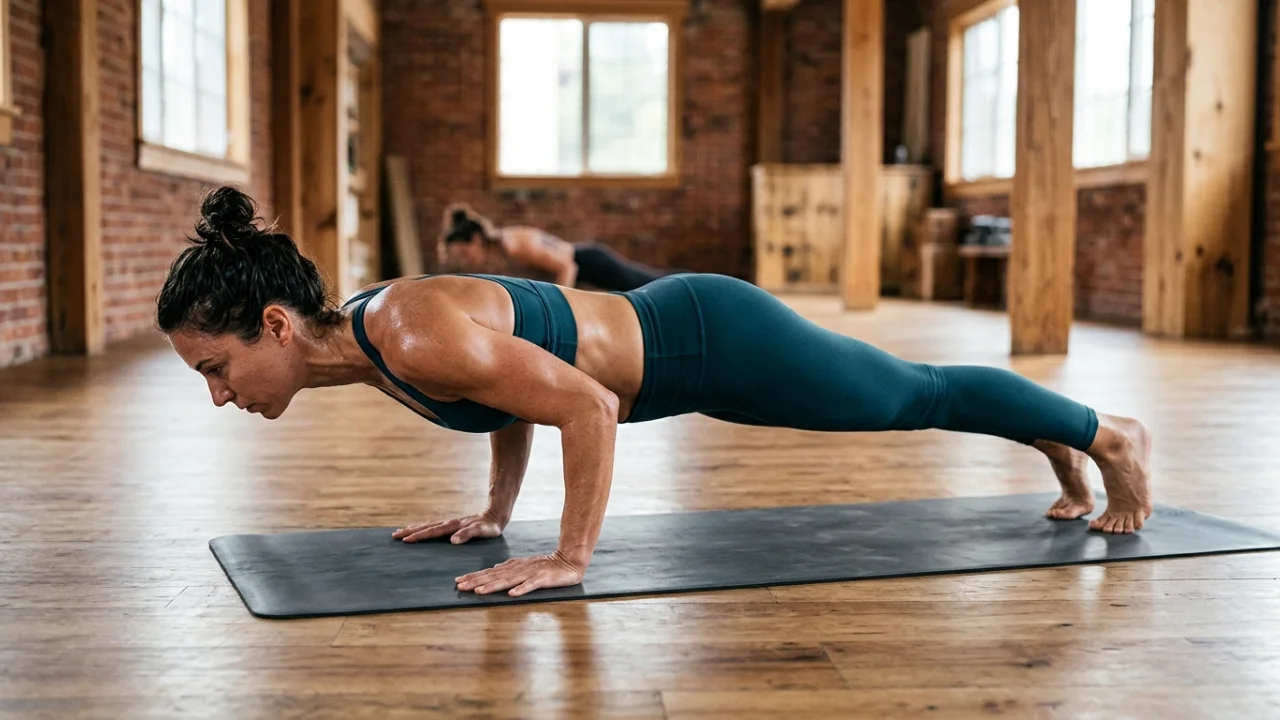
During the seated sequence, practitioners lift their entire body off the floor, jump back to Chaturanga, and jump through to sitting between every single side of every pose.
Ashtanga vs. Vinyasa
| Feature | Ashtanga Yoga | Vinyasa Yoga |
|---|---|---|
| Sequence | Always the same (Primary Series) | Constantly changing |
| Teaching Style | Mysore (Self-paced) or Led (Counted) | Teacher leads the flow |
| Transitions | Strict jump-backs between sides | Creative, varying transitions |
| Vibe | Silent, serious, disciplined | Music-filled, fluid, creative |
10 Fundamental Ashtanga Poses
These poses appear exactly in this order during the Primary Series (Yoga Chikitsa):
 Beginner
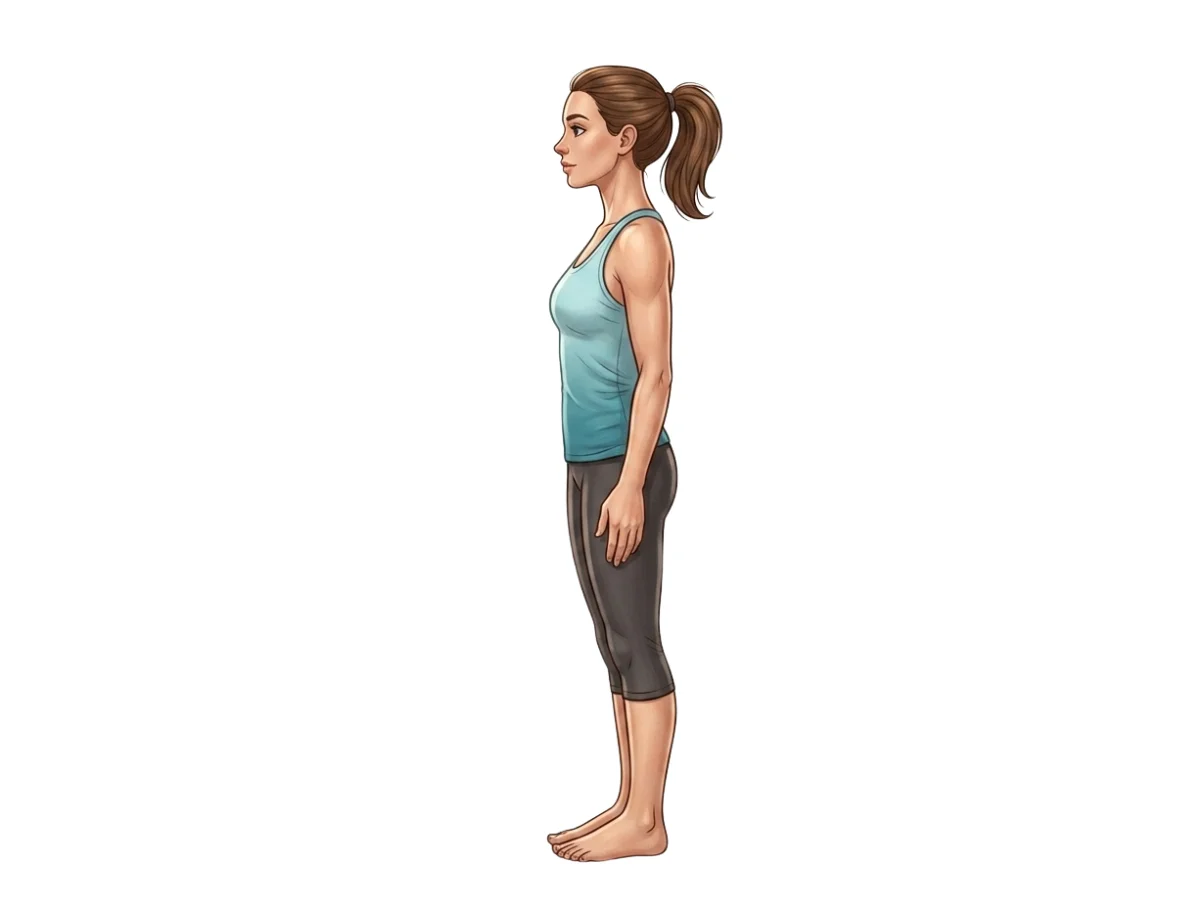
Equal Standing
SamasthitiThe starting point. Attention is drawn inward, bandhas are engaged, and drishti is set.
 Beginner
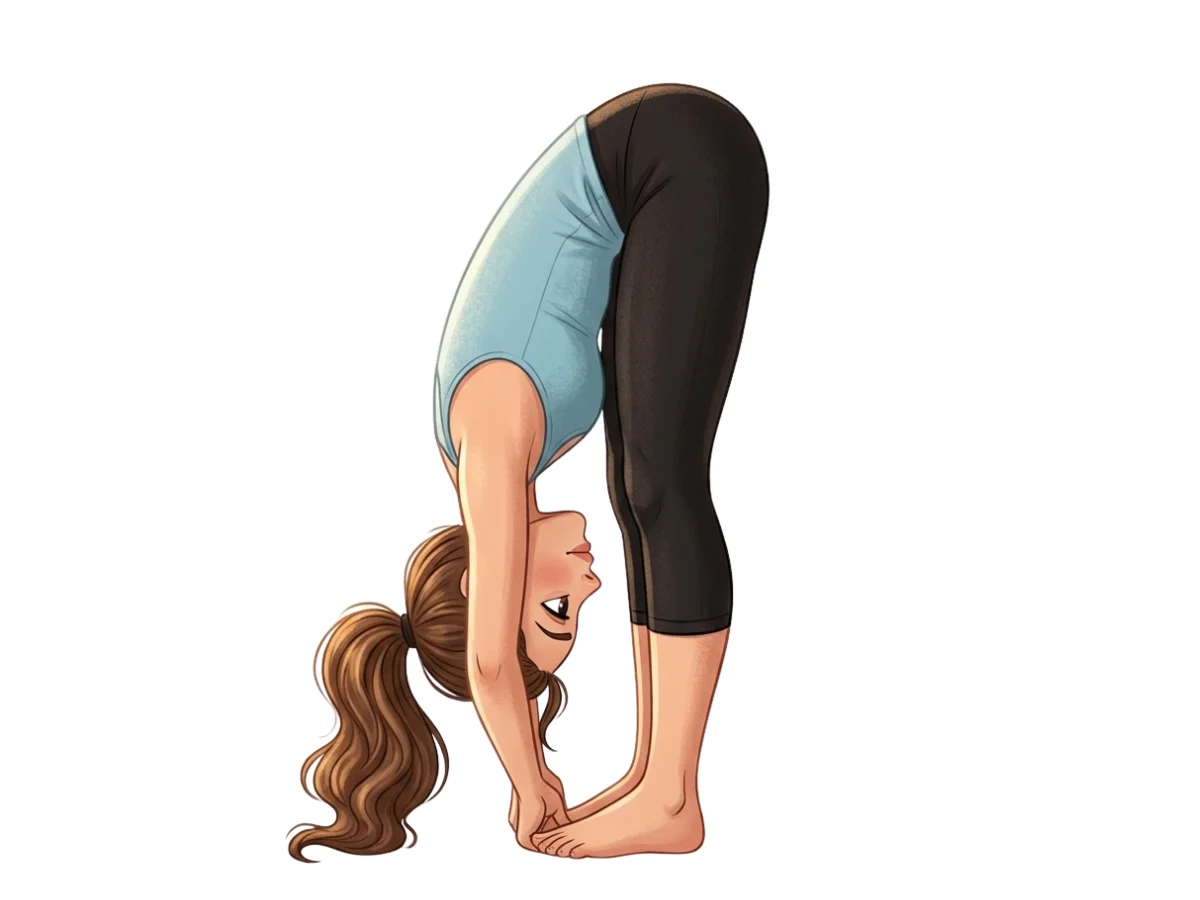
Big Toe Pose
PadangusthasanaThe first standing pose. Forward fold grabbing the big toes to lengthen the hamstrings.
 Beginner
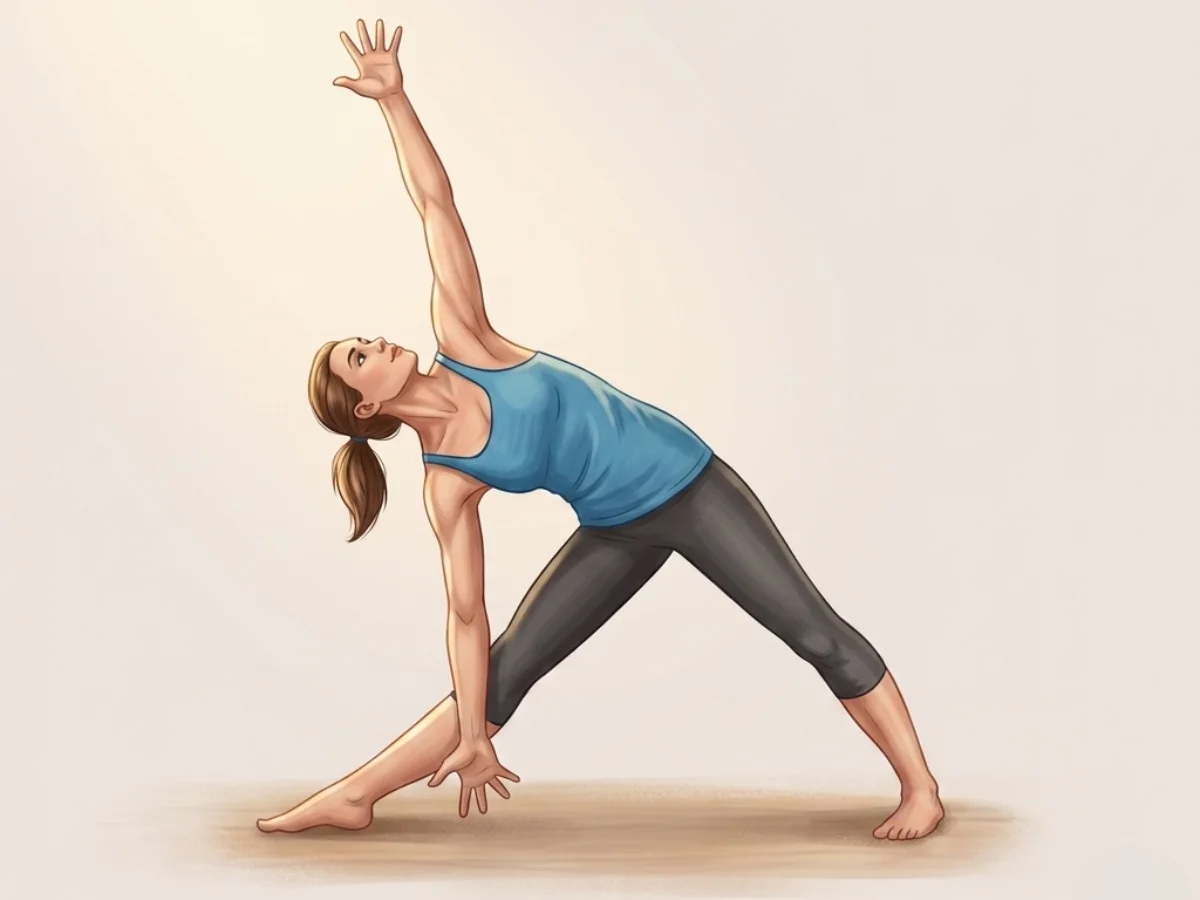
Triangle Pose
Utthita TrikonasanaDeeply stretches the sides of the waist and legs while gazing at the top thumb.
 Intermediate
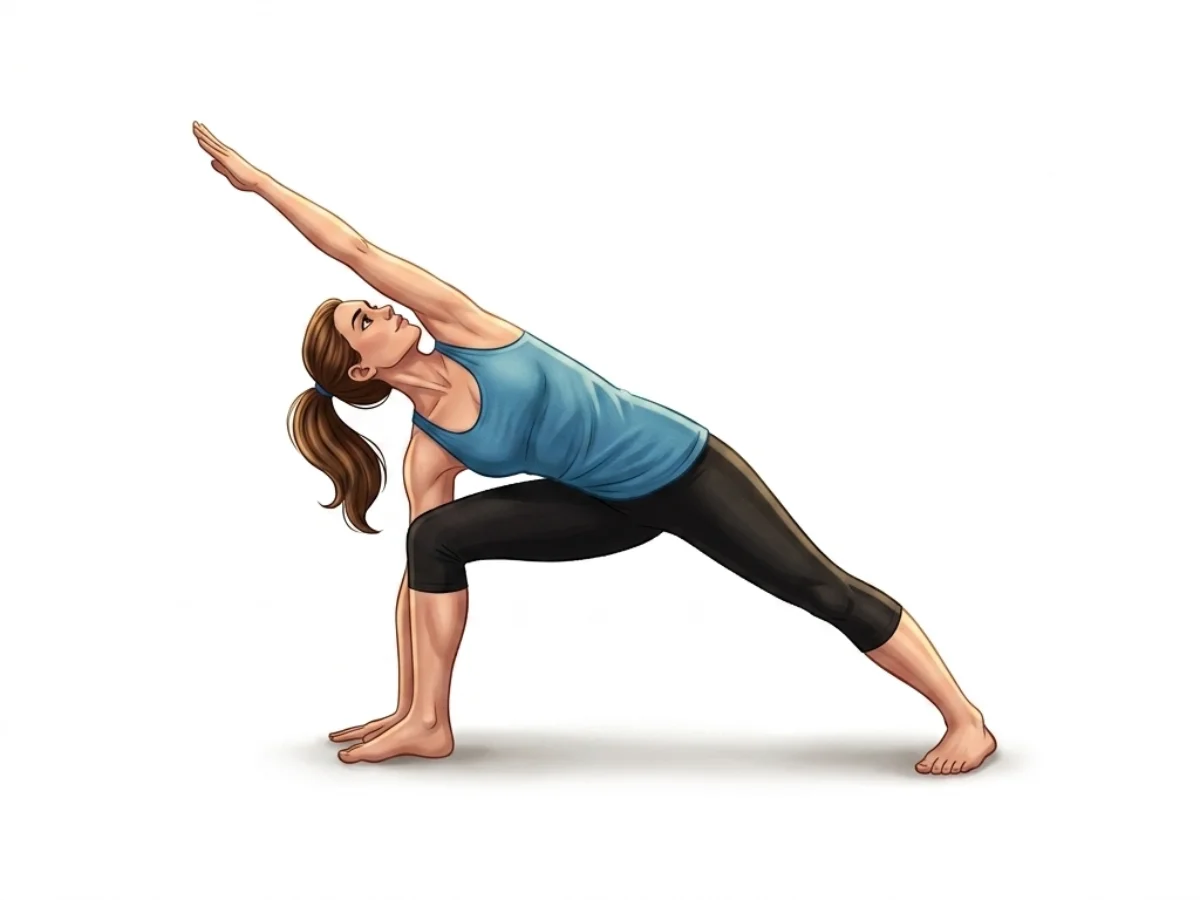
Extended Side Angle
Utthita ParsvakonasanaA powerful lunge that opens the hips and stretches a single line from heel to fingertips.
 Intermediate
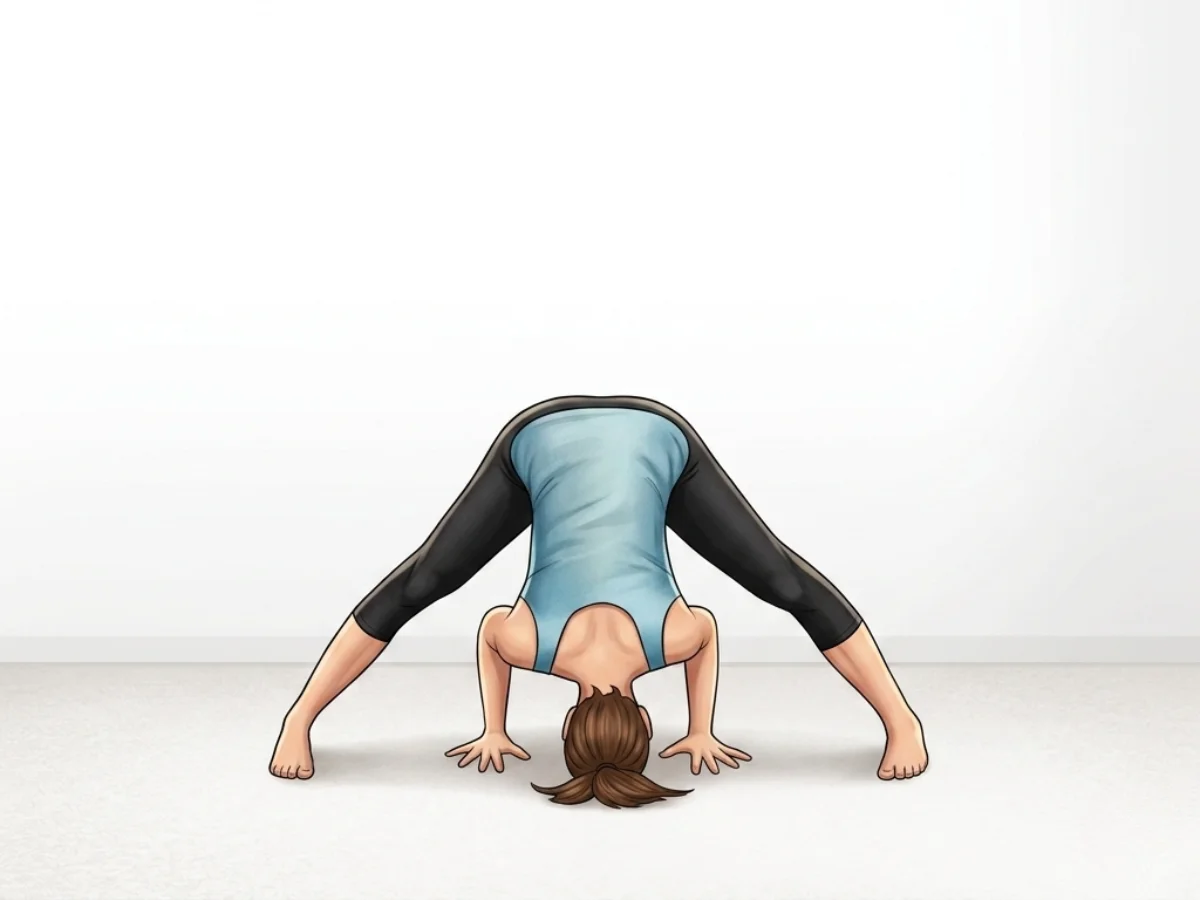
Wide-Legged Fold
Prasarita PadottanasanaHas four variations (A, B, C, D) done sequentially to deeply open the hips and hamstrings.
 Intermediate
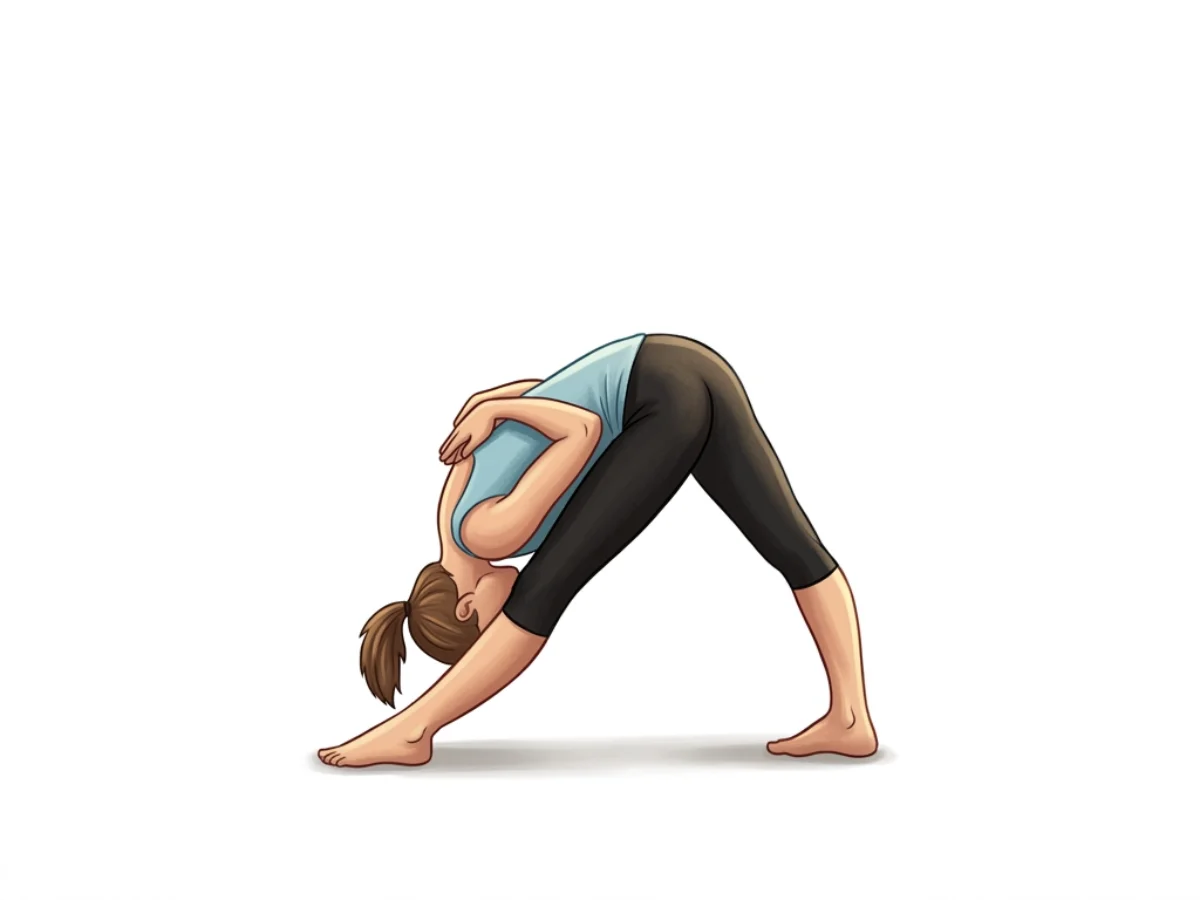
Intense Side Stretch
ParsvottanasanaA balancing forward fold with hands in reverse prayer behind the back.
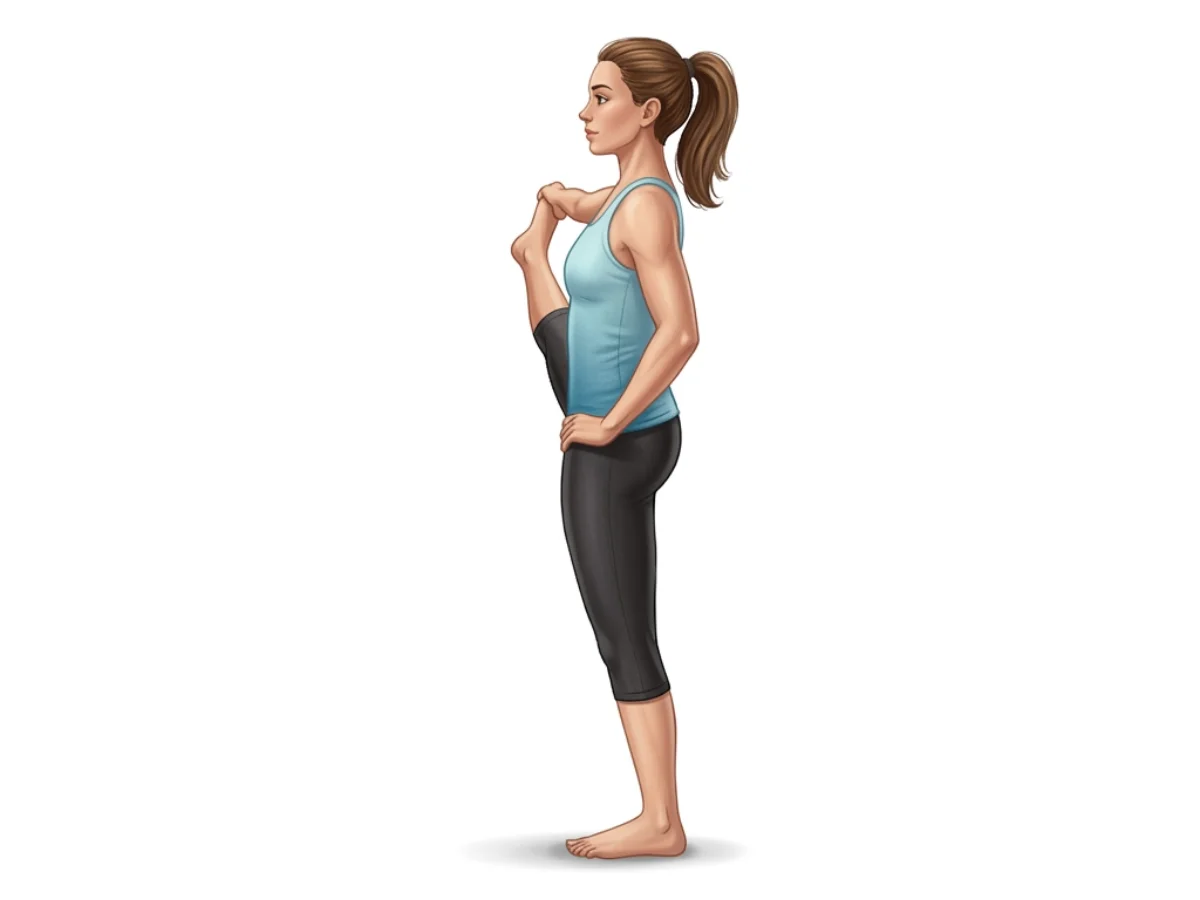 Advanced
Extended Hand-to-Toe
Utthita Hasta PadangusthasanaAn intense one-legged balance requiring extreme hamstring flexibility and core strength.
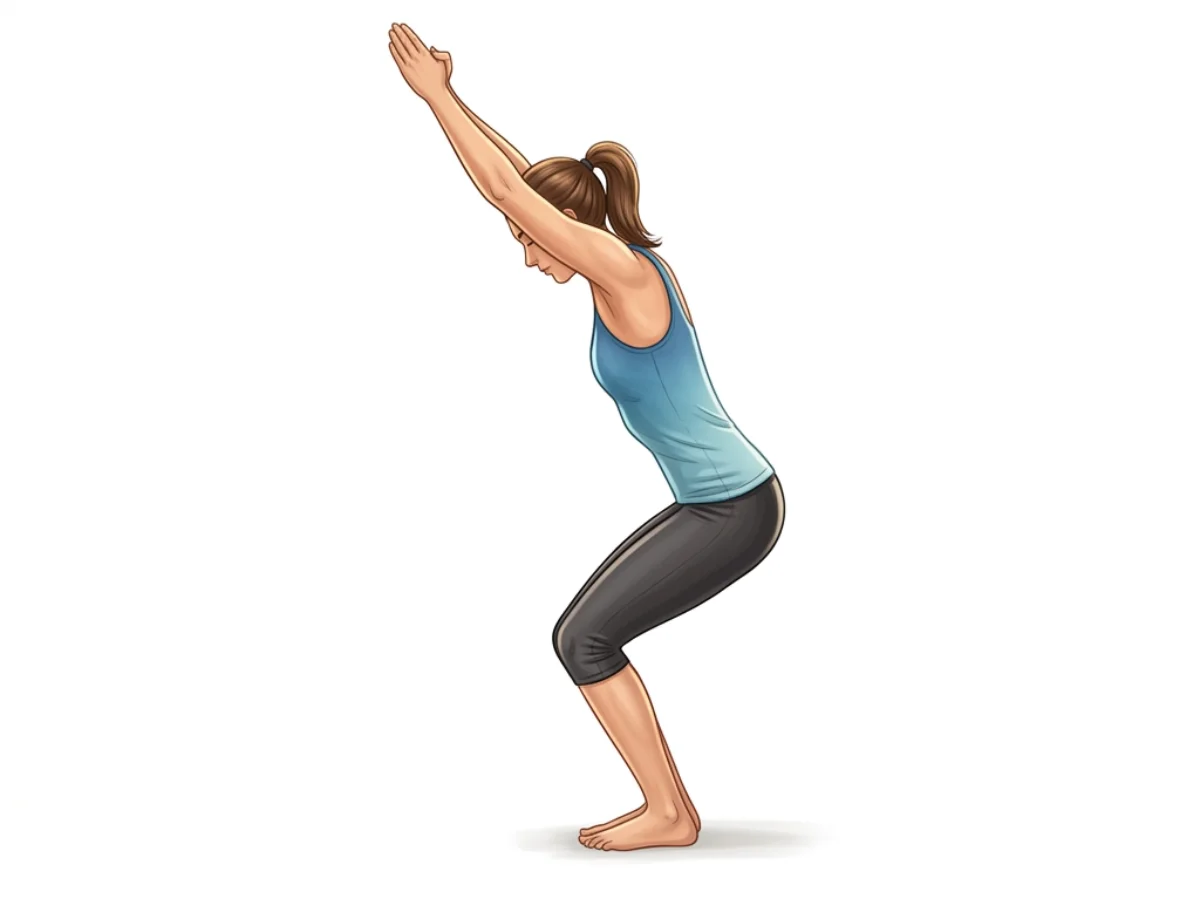 Intermediate
Fierce Pose
UtkatasanaThe gateway pose that transitions practitioners from the standing series to the seated series.
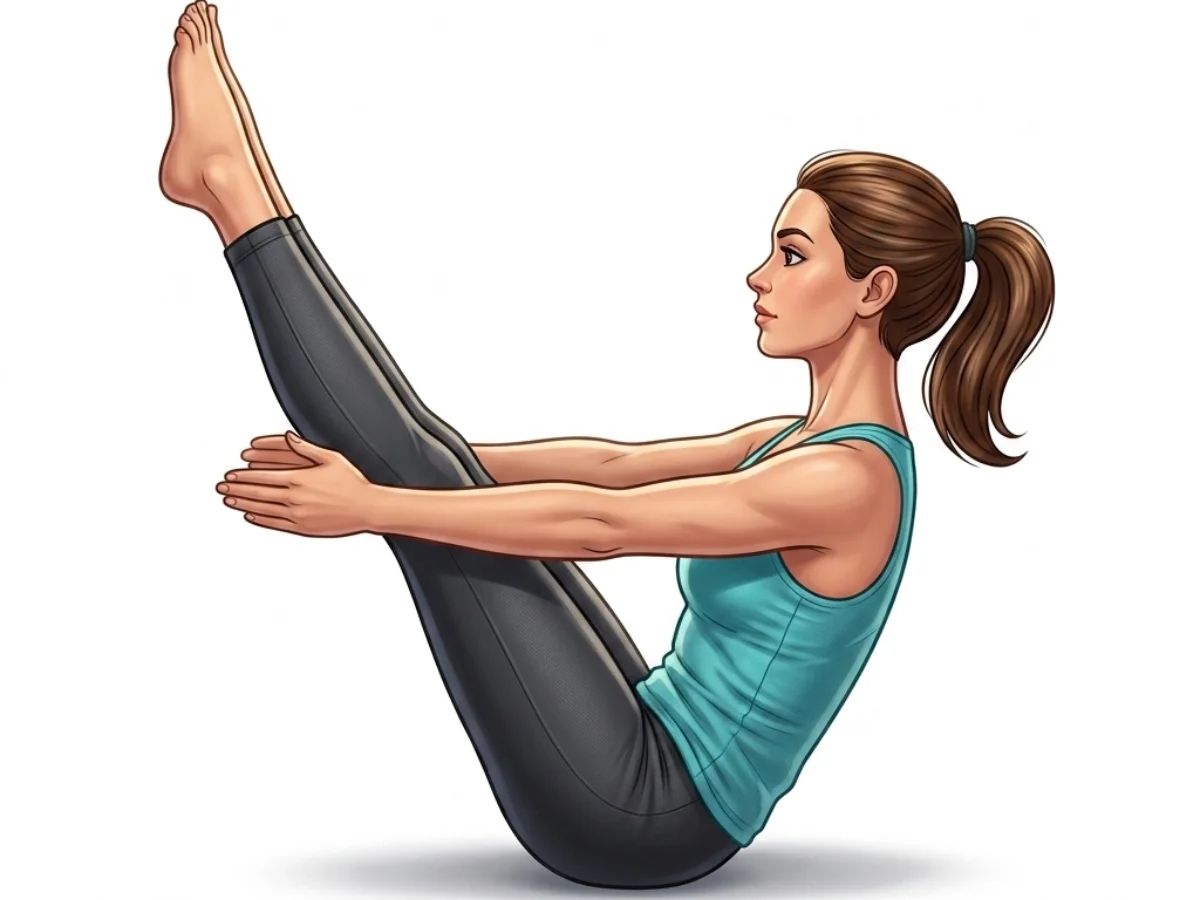 Intermediate
Boat Pose
NavasanaDone 5 times in a row, interspersed with lifting the body off the floor to incinerate the core.
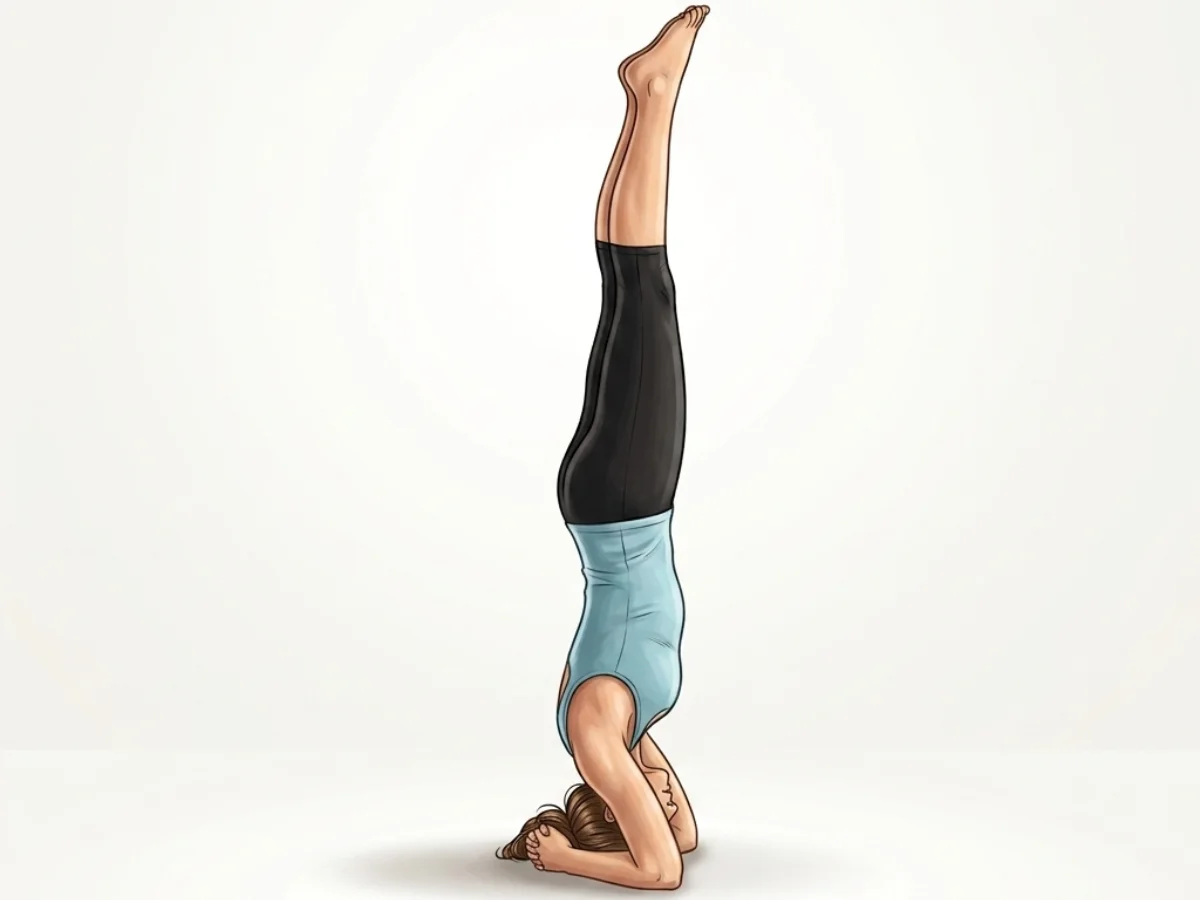 Advanced
Headstand
SirsasanaThe king of the finishing sequence, held for 15-25 breaths to reverse blood flow.
Surya Namaskar A (Sun Salutation A)
Every Ashtanga practice begins with 5 rounds of Surya Namaskar A to build the internal fire. It consists of 9 vinyasas (movements mapped to breath).
| # | Pose Name | Duration | Key Instruction |
|---|---|---|---|
| 1 | Equal Standing Samasthiti | Starting Point | Stand at the top of the mat, toes touching, bandhas engaged. |
| 2 | Upward Salute Urdhva Hastasana | Ekam (Inhale) | Raise arms, palms touch, gaze at the thumbs. |
| 3 | Forward Fold Uttanasana A | Dve (Exhale) | Fold forward, hands flat on the floor beside feet, gaze at the nose. |
| 4 | Four-Limbed Staff Chaturanga Dandasana | Catvari (Exhale) | Jump back and bend elbows to 90 degrees, gaze at the nose. |
| 5 | Upward Dog Urdhva Mukha Svanasana | Panca (Inhale) | Roll over toes, lift chest, gaze at the tip of the nose. |
| 6 | Downward Dog Adho Mukha Svanasana | Sat (Exhale) | Push back into inverted V. |
| 7 | Hold Downward Dog Adho Mukha Svanasana | Hold 5 Breaths | Engage bandhas, gaze at the navel, listen to the Ujjayi breath. |
| 8 | Jump Forward Uttanasana B | Sapta (Inhale) | Jump feet between hands, lift chest halfway, gaze at third eye. |
| 9 | Forward Fold Uttanasana A | Astau (Exhale) | Fold deeply over the legs, gaze at the nose. |
| 10 | Upward Salute Urdhva Hastasana | Nava (Inhale) | Stand up, sweep arms overhead, palms touch, gaze at thumbs. |
| 11 | Equal Standing Samasthiti | Exhale | Return arms to sides, re-engage bandhas, prepare for the next round. |
Benefits of Ashtanga
Builds Core Strength
The powerful movements and transitions build a very strong and stable core.
Cleanses the Body
The intense heat and sweating help naturally flush toxins from your body.
Increases Flexibility
Practicing the exact same deep stretches every day safely trains your body to become highly flexible.
Builds Mental Discipline
Sticking to a challenging routine builds strong willpower and mental toughness.
Boosts Stamina
The continuous, fast-paced movement provides a great cardiovascular workout.
Calms the Nervous System
Focusing deeply on your breath and movement helps calm an overactive mind.
Easy to Track Progress
Since the sequence of poses is always the same, it is very easy to see yourself getting stronger over time.
Medical Disclaimer: Ashtanga is highly demanding. Consult a physician before starting, especially if you have knee, shoulder, or lower back injuries.
Who is Ashtanga Yoga For?
Type-A Personalities & Routine Lovers
If you thrive on structure, discipline, measuring your progress, and doing the exact same thing every day to perfect it, this is your style.
Serious Athletes
The sheer physical demand of the jump-throughs, arm balances, and extreme core work attracts those who want to push their physical limits.
Beginner Mistakes Unique to Ashtanga
Pushing past pain for the sake of the sequence
The sequence is rigid, which can cause egos to flare. Beginners often force themselves into binds (like Lotus) before their hips are ready, leading to knee injuries.
Ignoring the Bandhas
The physical jump-throughs are impossible without engaging the pelvic floor (Mula Bandha). Beginners rely on muscle, while advanced practitioners rely on bandhas.
Modifying without permission
In traditional Ashtanga, you do not use props or skip poses unless the teacher specifically tells you to. You do the pose to the best of your ability, then move on.
Breathing through the mouth
If you open your mouth, you lose the internal heat. If you find yourself panting through your mouth, you are moving too fast.
Frequently Asked Questions
Is Ashtanga yoga beginner-friendly?
What is Mysore style?
How is Ashtanga different from Vinyasa?
Do I need to memorize the sequence?
Why are there no water breaks in Ashtanga?
What is the Primary Series?
Explore Other Yoga Styles
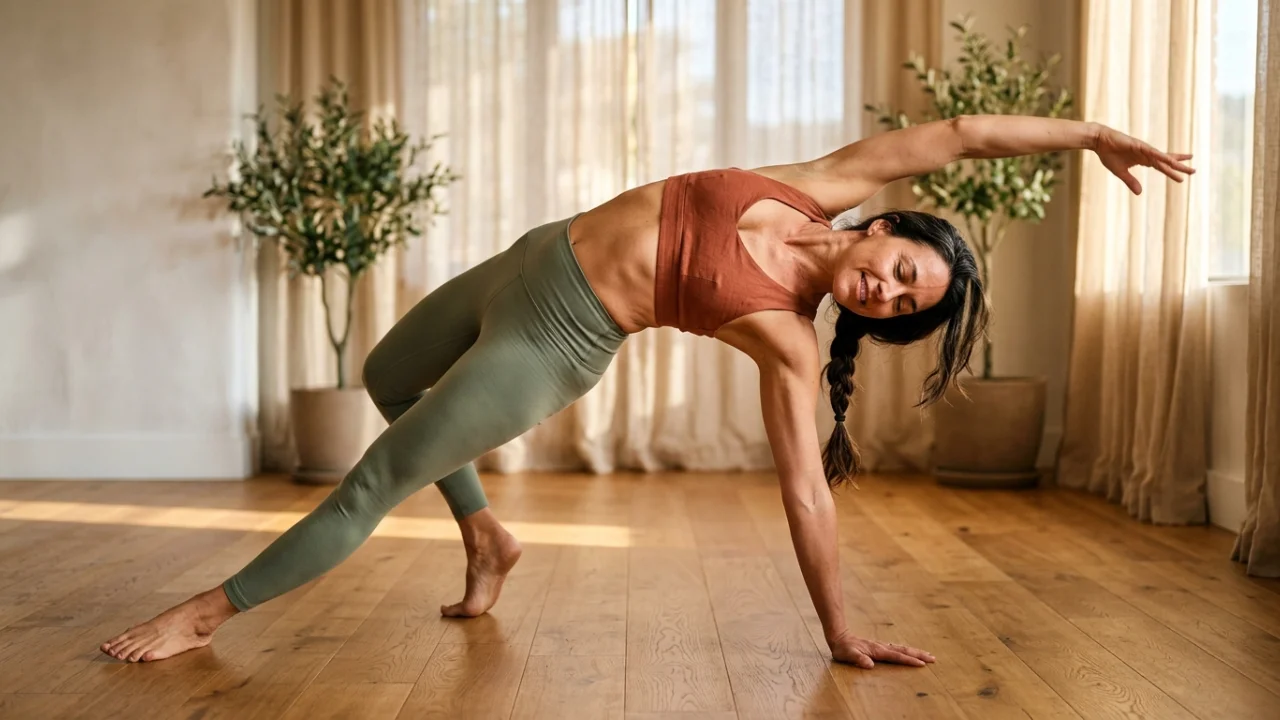
Vinyasa Yoga
A dynamic, flowing style linking breath to movement for a more vigorous practice.
Explore Guide →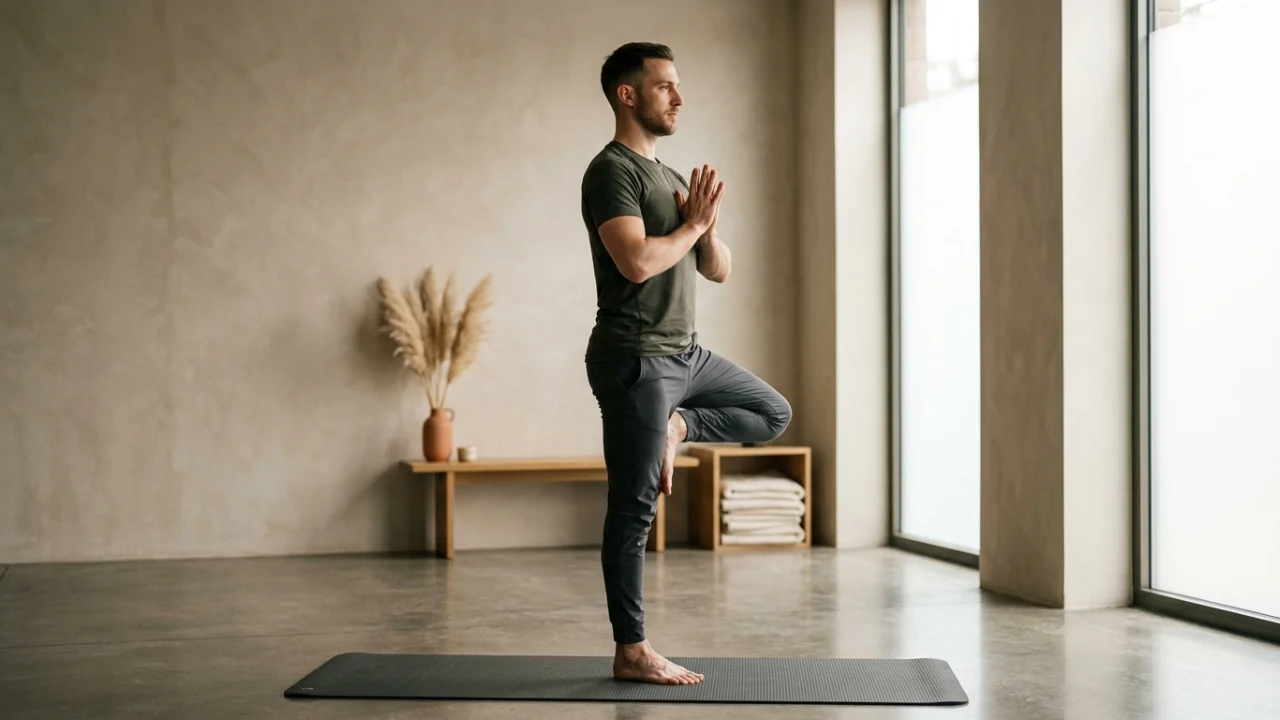
Hatha Yoga
A slower-paced, foundational practice focused on alignment and longer holds.
Explore Guide →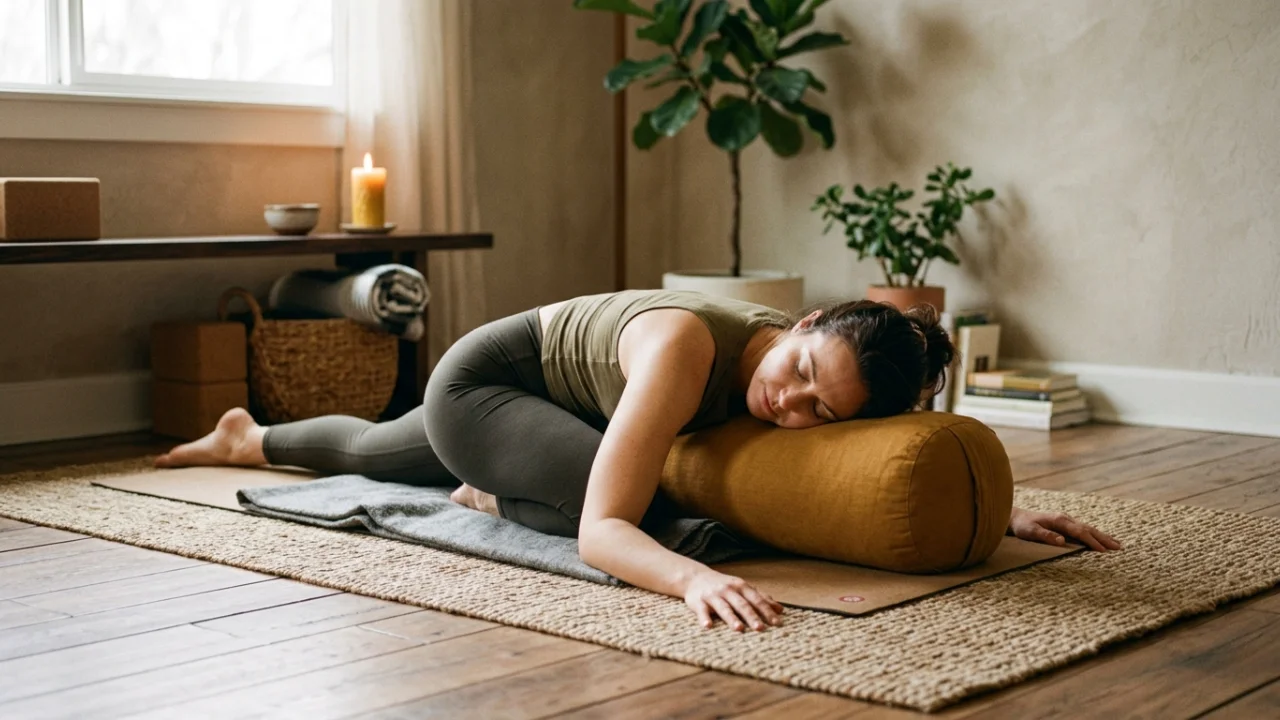
Yin Yoga
A floor-based practice that stretches the deep connective tissues through 3-5 minute holds.
Explore Guide →