
Low Push-up
Chaturanga Dandasana
By Elena Rostova Updated: verified Medically Reviewed
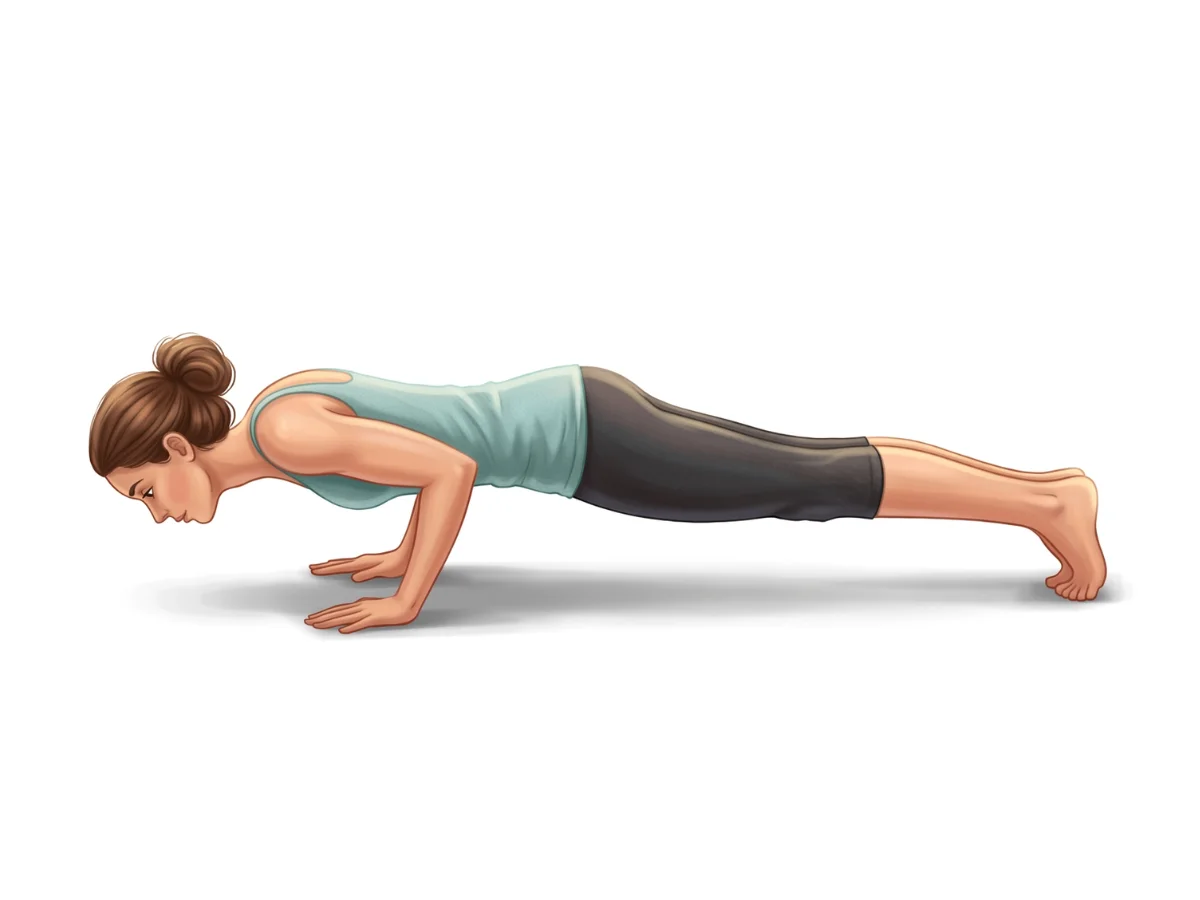
Low Push-up Pose (Chaturanga Dandasana) is a powerful transitional posture in the sun salutation sequence that demands full-body integration. By lowering halfway from a plank position while keeping the elbows hugged in, you build immense upper body and core strength.
Hold Time
10–30 sec · 3–5 breaths
Pronunciation
cha-too-rang-gah dahn-DAHS-anna
About Low Push-up
Commonly practiced as Low Push-up (Chaturanga Dandasana), this dynamic posture is beautifully designed to help unlock tension. As you settle into the shape, it gently works the upper body & core strength to increase your overall flexibility. Over time, adding this to your routine is a great way to support builds arm and shoulder strength while calming the mind.
How to Practice
Start in Plank
Begin in Plank Pose with your shoulders directly over your wrists, fingers spread wide, and core fully engaged.
Shift Forward
Inhale and shift your weight slightly forward onto your tiptoes so your shoulders move slightly past your wrists.
Engage Core
Draw your navel in toward your spine to keep your body in one straight line from your head to your heels.
Lower Halfway
Exhale as you bend your elbows straight back, keeping them pinned tightly against your ribcage. Lower your body until your shoulders are in line with your elbows.
Hover and Hold
Pause when your upper arms are parallel to the floor. Do not let your shoulders dip below your elbows.
Keep Spine Long
Extend through the crown of your head and press back through your heels to maintain tension and stability.
Breathe Steadily
Hold the pose for 3 to 5 breaths, maintaining a strong, unyielding core.
Release
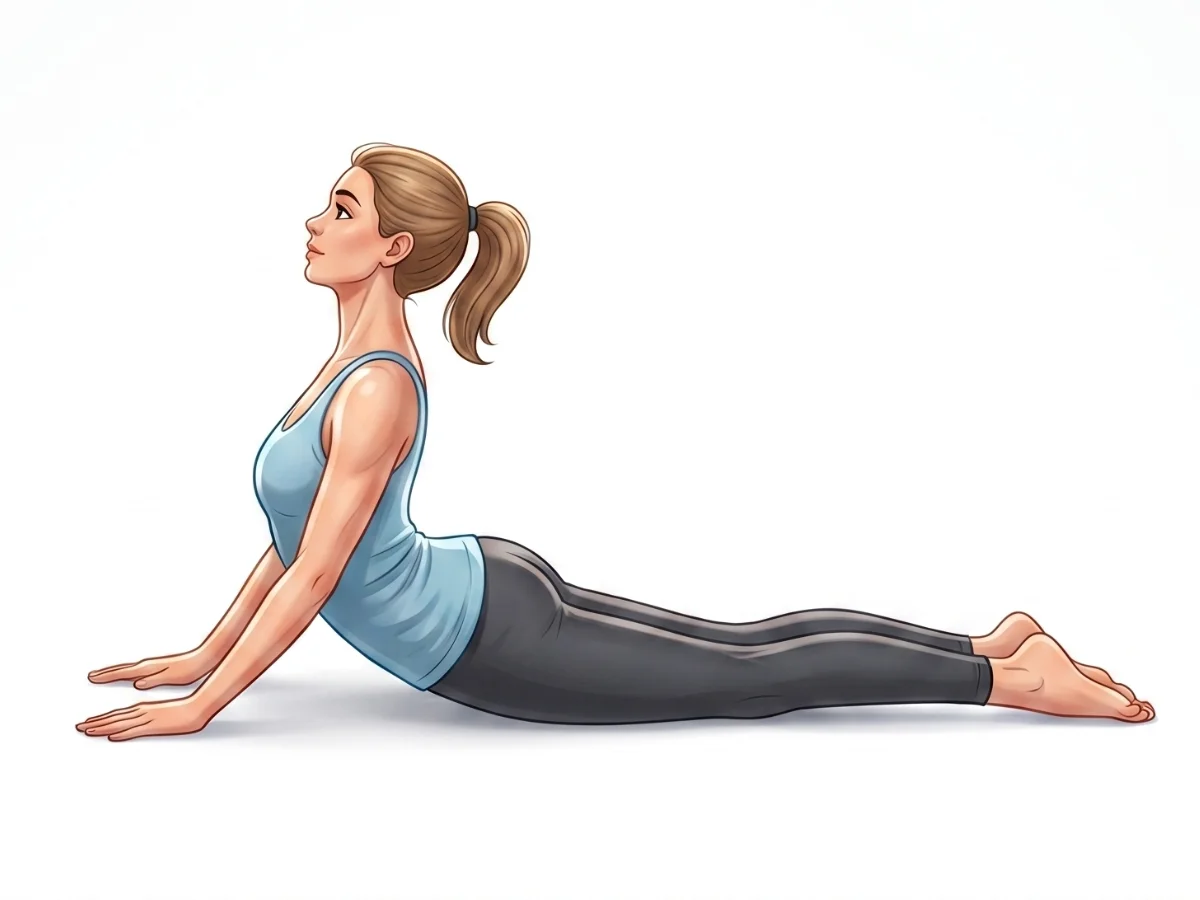
To exit, either lower all the way to your belly, or inhale to press upward into Upward-Facing Dog or Cobra Pose.
Practice with the Yoga Timer
Keep track of your hold time and breath count for this pose.
Beginner Modifications & Prop Options
Yoga is a personal journey. These modifications and prop options allow you to adapt the pose to your current level of balance and flexibility, ensuring a safe and supportive practice.
Knees to Floor
Lower your knees to the mat before bending your elbows. Keep a straight line from your knees to the crown of your head as you lower.
Tip: Focus on alignment rather than depth.
Using Blocks
Place two yoga blocks under your shoulders to catch your weight and guide you to the proper 90-degree angle.
Tip: Focus on alignment rather than depth.
Benefits of Low Push-up
Builds Arm and Shoulder Strength
Intensely strengthens the triceps, deltoids, and pectorals required for deeper arm balances.
Tones the Core
Activates the deep abdominal muscles to prevent the hips from sagging.
Strengthens the Back
Engages the erector spinae and rhomboids to keep the spine stabilized.
Improves Postural Awareness
Forces total body integration, establishing a strong mind-muscle connection for alignment.
Common Mistakes to Avoid
Mistake: Shoulders Dipping Below Elbows
How to fix: Only lower until your upper arms are parallel to the floor to protect your rotator cuffs.
Mistake: Hips Sagging
How to fix: Engage your core and squeeze your glutes to maintain a straight line from head to heels.
Mistake: Elbows Splaying Out
How to fix: Hug your elbows tightly against your ribs to engage your triceps rather than straining the chest.
Safety and Precautions
Carpal Tunnel Syndrome
The deep wrist extension under weight can exacerbate wrist pain.
Shoulder Injuries
Can strain the rotator cuff if proper alignment is not strictly maintained.
Pregnancy
Holding heavy tension in the abdominal wall can be uncomfortable; lowering to the belly should be avoided.
Medical Disclaimer: If you have any of the above conditions, consult your doctor or a qualified yoga instructor before attempting this pose.
Muscles Worked in Low Push-up
Low Push-up demands synchronized muscular effort, creating a profound sense of engagement and release throughout the body. The activation of the primary muscles supports the structure, while the secondary muscles provide stability and balance.
Primary Muscles
Triceps Brachii
Supports the body weight while the arms are bent.
Pectoralis Major
Stabilizes the chest and shoulders.
Secondary Muscles
Rectus Abdominis
Keeps the torso from sagging.
Quadriceps
Keeps the legs straight and active.
Poses to Practice Before and After Low Push-up
Prepare with these Poses
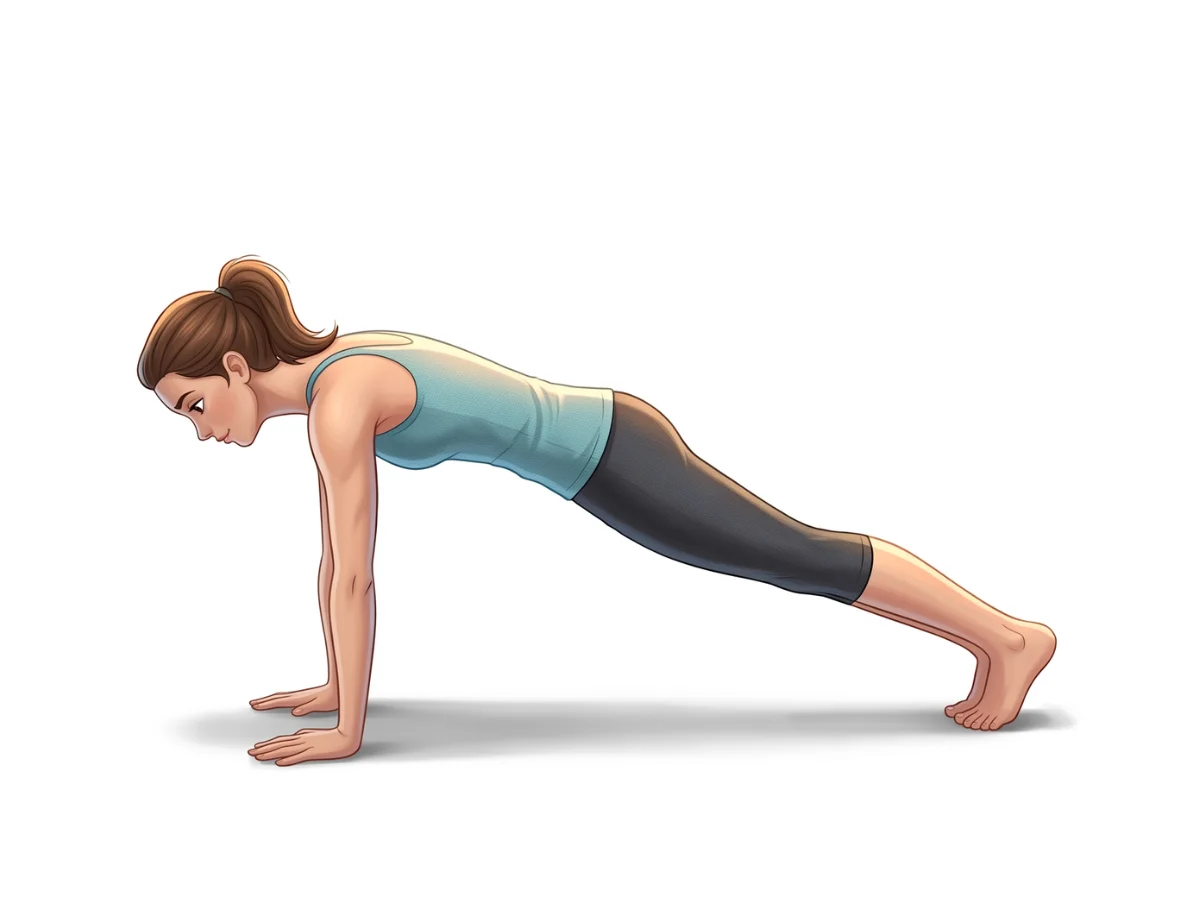
Plank Pose
PhalakasanaBuilds the foundational core and arm strength needed to lower safely.
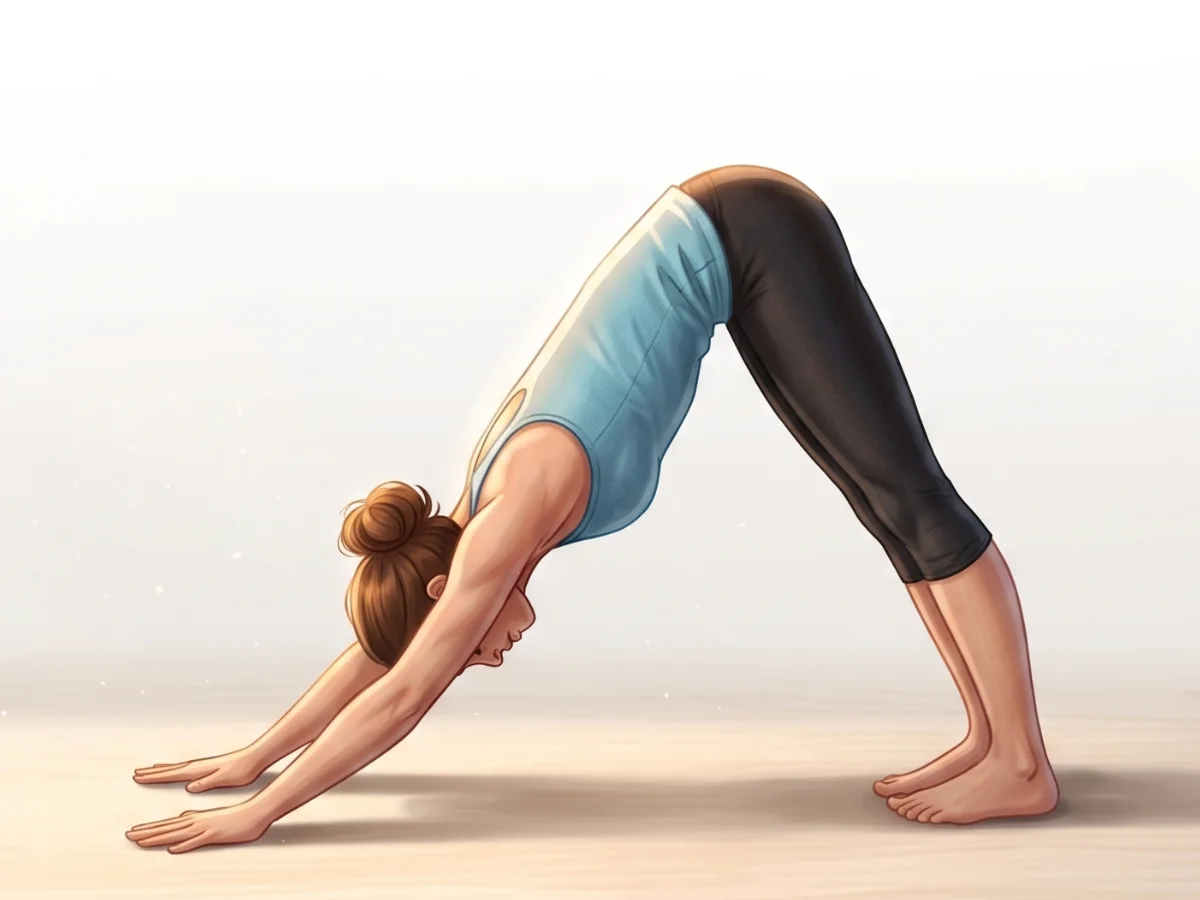
Downward-Facing Dog
Adho Mukha SvanasanaOpens the shoulders and prepares the arms to bear weight.
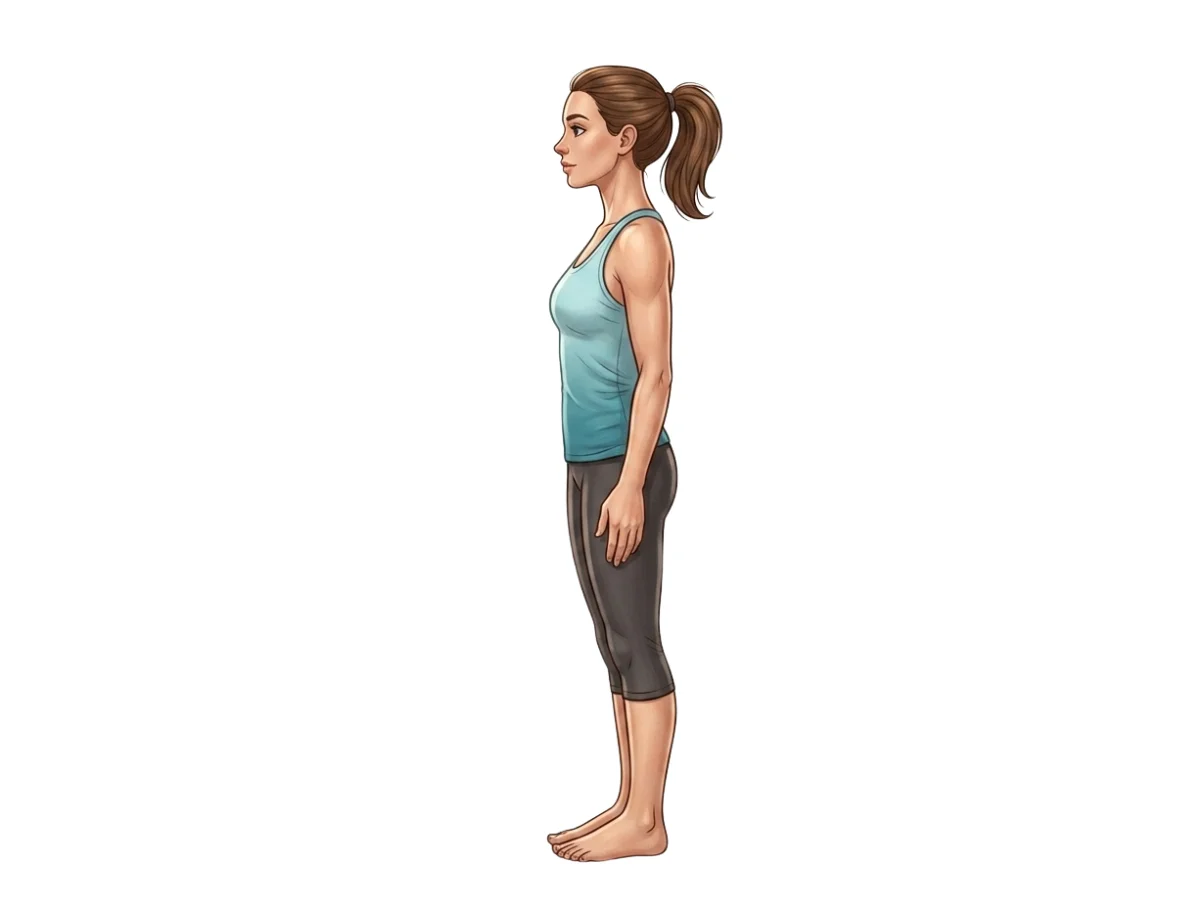
Mountain Pose
TadasanaEstablishes whole-body awareness and alignment.
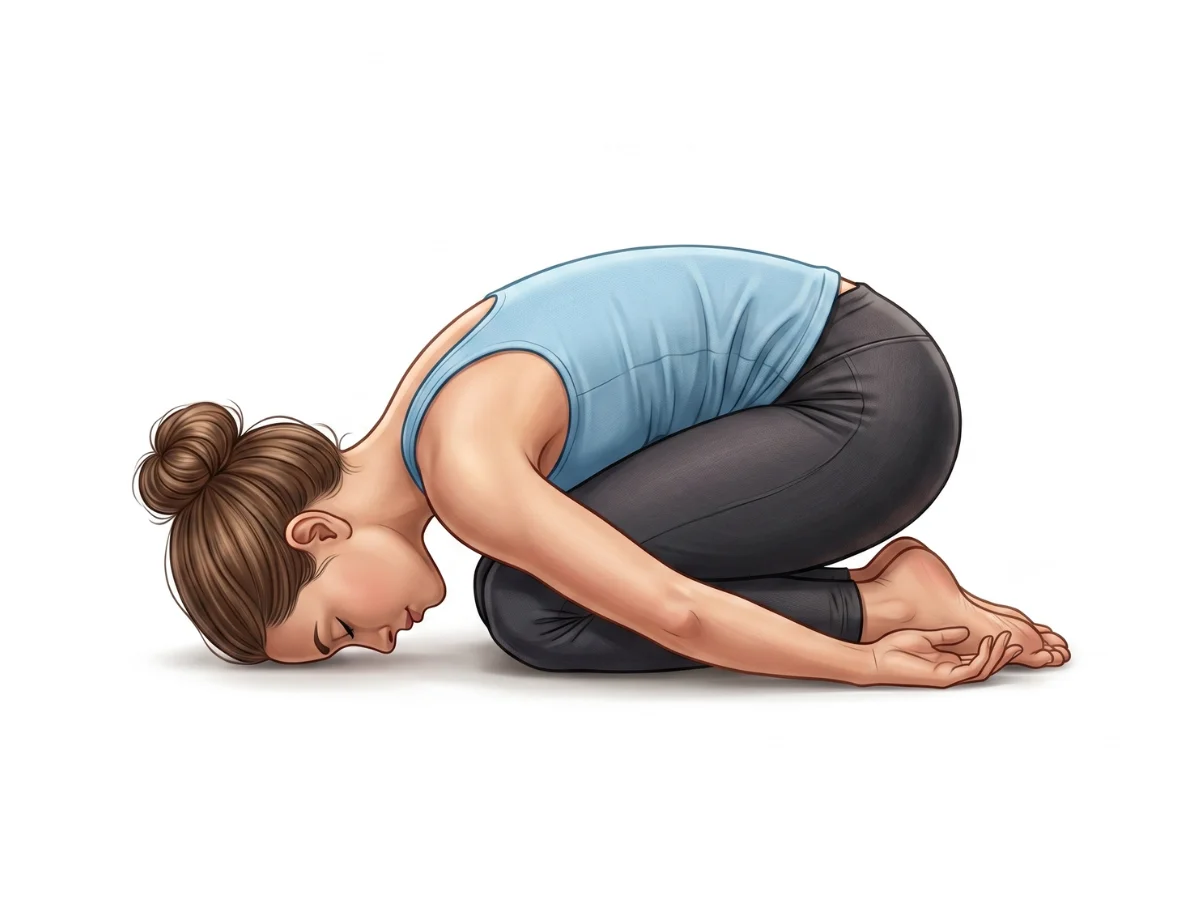
Follow with neutralizing Counter-poses
Frequently Asked Questions
How can I build strength for Chaturanga?
Start by practicing plank holds and performing the pose with your knees on the ground. Focus on hugging your elbows in rather than lowering all the way.
Why do my wrists hurt in this pose?
Wrist pain happens when you collapse your weight into the heels of your hands. Press firmly through your knuckles and fingertips to distribute the weight.
Elena Rostova is an accredited yoga educator and anatomy specialist with over 15 years of clinical experience. She focuses on functional biomechanics and injury prevention, translating complex anatomy into accessible guidance for safe, sustainable practice.
Read Full ProfileContinue Your Yoga Journey
Ready to deepen your practice? Explore our extensive library of poses, or join a structured program designed to build strength, flexibility, and mindfulness.