
Extended Side Angle
Utthita Parsvakonasana
By Elena Rostova Updated: verified Medically Reviewed
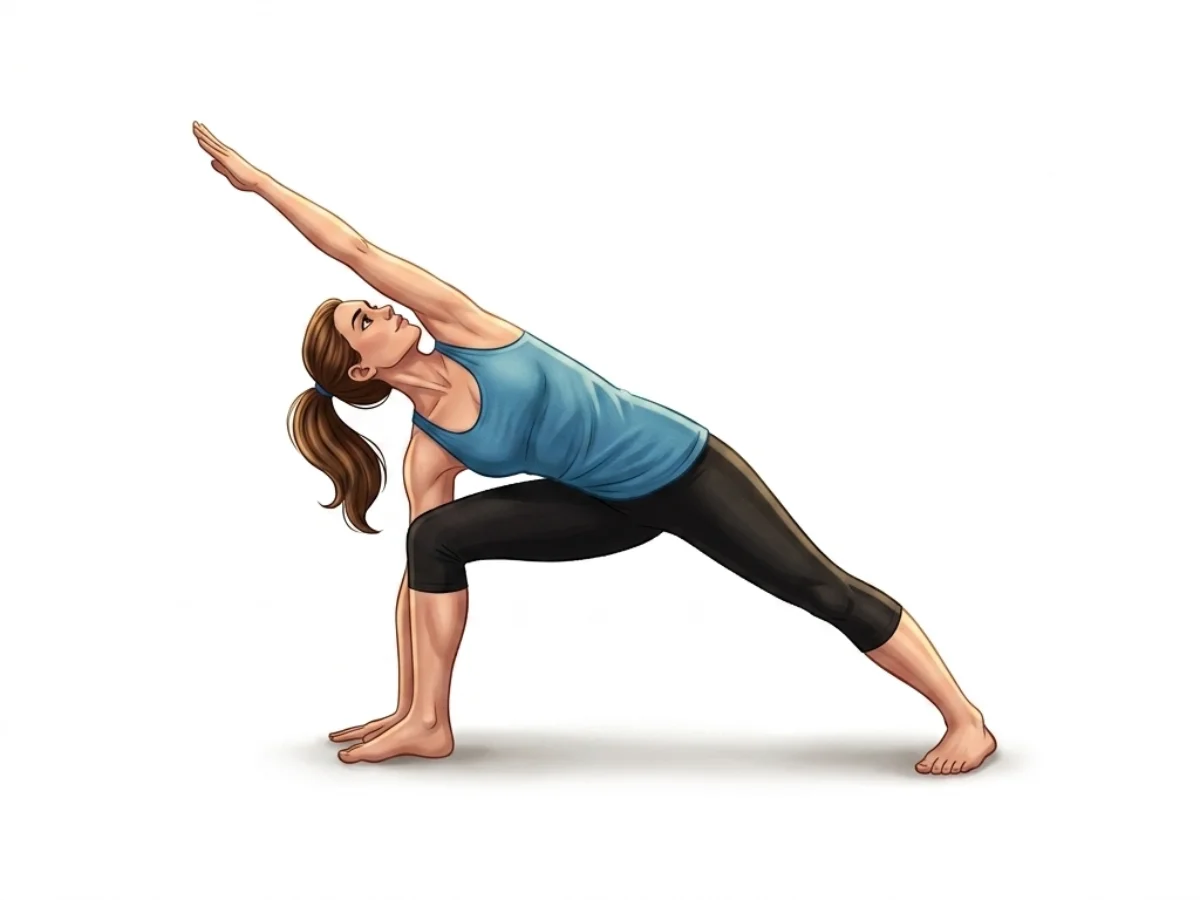
Extended Side Angle (Utthita Parsvakonasana) is a powerful standing posture that creates a single, uninterrupted line of energy from the back foot all the way through the fingertips of the extended arm. It combines a deep lunge with a profound side-body stretch, actively engaging the legs, hips, and core while simultaneously opening the chest and shoulders.
Hold Time
30–60 sec · 5–10 breaths
Pronunciation
oo-TEE-tah PARSH-vah-cone-AHS-anna
About Extended Side Angle
Commonly practiced as Extended Side Angle (Utthita Parsvakonasana), this dynamic posture is beautifully designed to help unlock tension. It primarily targets the side body extension & leg strength, helping to create length and strength exactly where you need it most. Practicing this pose regularly helps with strengthens the legs and leaves you feeling completely refreshed.
How to Practice
Wide Stance
Begin in Mountain Pose at the top of your mat, then step your feet about 3.5 to 4 feet apart. Extend your arms out to the sides parallel to the floor.
Foot Alignment
Turn your right foot out 90 degrees so your toes point to the top of the mat. Turn your left toes slightly inward. Align your right heel with your left arch.
Bend the Front Knee
Exhale and bend your right knee, bringing your right thigh as close to parallel with the floor as possible. Ensure your knee stacks directly over your right ankle.
Reach and Extend
Inhale and reach your torso to the right, extending over your right leg. Bring your right forearm to rest gently on your right thigh, or place your right hand on a block or the floor outside your right foot.
Sweep the Top Arm
Sweep your left arm up toward the ceiling, then extend it over your left ear, palm facing the floor. Create a straight line from your left heel to your left fingertips.
Open the Chest
Rotate your torso upward, spiraling your chest toward the ceiling. Keep your left shoulder rolling back and down away from your ear.
Gaze
If it feels comfortable for your neck, turn your head to gaze up past your left bicep. Otherwise, look straight ahead or down at the floor.
Hold and Breathe
Hold the pose for 5 to 10 deep breaths, pressing firmly into the outer edge of your left foot and extending through your left fingertips.
Release
To come out, inhale as you press strongly into your feet and reach your left arm back and up to pull your torso upright. Straighten your right leg.
Switch Sides
Turn your feet to parallel, then repeat the sequence on the opposite side.
Practice with the Yoga Timer
Keep track of your hold time and breath count for this pose.
Beginner Modifications & Prop Options
Yoga is a personal journey. These modifications and prop options allow you to adapt the pose to your current level of balance and flexibility, ensuring a safe and supportive practice.
Forearm to Thigh
Lightly rest your right forearm on your right thigh. Focus on lifting the chest and lengthening the side body without dumping weight into the resting arm.
Tip: Focus on alignment rather than depth.
Hand on a Block
Place a yoga block outside your front foot. Resting your hand on it elevates the floor, helping maintain an open chest and straight spine.
Tip: Focus on alignment rather than depth.
Top Hand on Hip
Keep your left hand resting on your left hip. This reduces shoulder strain and allows focus on leg strength and chest rotation.
Tip: Focus on alignment rather than depth.
Benefits of Extended Side Angle
Strengthens the Legs
Deeply engages the quadriceps, hamstrings, and glutes in the front leg while strengthening the calves and ankles of the back leg.
Stretches the Side Body
Provides a profound stretch along the entire side of the body, from the outer ankle through the hips, obliques, and lats to the fingertips.
Opens Hips and Groin
The deep lunge and external rotation of the front thigh significantly open the hip joints, groin, and inner thighs.
Improves Stamina
Holding this large-muscle, full-body posture builds cardiovascular endurance and mental resilience.
Stimulates Abdominal Organs
The gentle twisting motion and core engagement stimulate digestion and tone the abdominal organs.
Common Mistakes to Avoid
Mistake: Front Knee Collapsing Inward
How to fix: Actively press your front knee outward toward your pinky toe so it aligns perfectly over your ankle.
Mistake: Dumping Weight into the Bottom Arm
How to fix: Engage your core. Your bottom arm should be light, acting as a guide rather than a pillar.
Mistake: Chest Dropping Toward the Floor
How to fix: Use a block or rest your forearm on your thigh to stay higher, ensuring you can rotate your chest upward.
Safety and Precautions
Knee Injuries
The deep lunge puts pressure on the knee joint. Avoid or practice a shallower bend if recovering from knee issues.
Neck Problems
Do not look up at the top arm; instead, keep your gaze straight ahead or look down at the floor to avoid straining the cervical spine.
High Blood Pressure
Keep your top hand on your hip rather than extending it overhead to help regulate blood pressure and heart rate.
Shoulder Injuries
Avoid reaching the arm overhead if you have rotator cuff injuries; rest the hand on the hip instead.
Medical Disclaimer: If you have any of the above conditions, consult your doctor or a qualified yoga instructor before attempting this pose.
Muscles Worked in Extended Side Angle
Extended Side Angle demands synchronized muscular effort, creating a profound sense of engagement and release throughout the body. The activation of the primary muscles supports the structure, while the secondary muscles provide stability and balance.
Primary Muscles
Quadriceps & Gluteus Maximus
Support the deep lunge and stabilize the hips.
Latissimus Dorsi & Obliques
Extend and stabilize the side body and torso.
Adductors (Inner Thighs)
Stretch and open the groin in the wide stance.
Secondary Muscles
Deltoids & Triceps
Hold the top arm extended overhead.
Hamstrings
Stabilize the front knee and support hip flexion.
Erector Spinae
Help maintain a straight spine and prevent rounding.
Poses to Practice Before and After Extended Side Angle
Prepare with these Poses
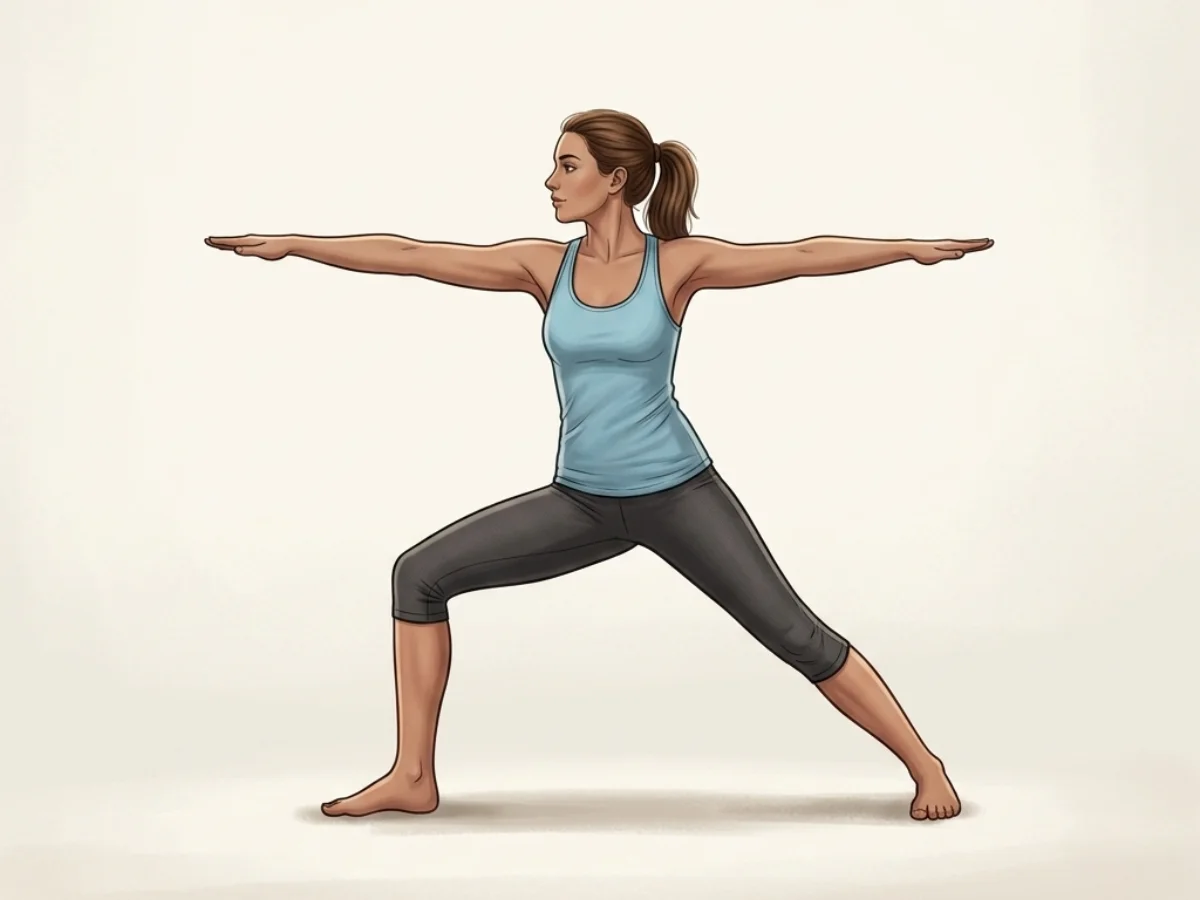
Warrior II
Virabhadrasana IIBuilds the necessary leg strength and hip openness for the lunge foundation.
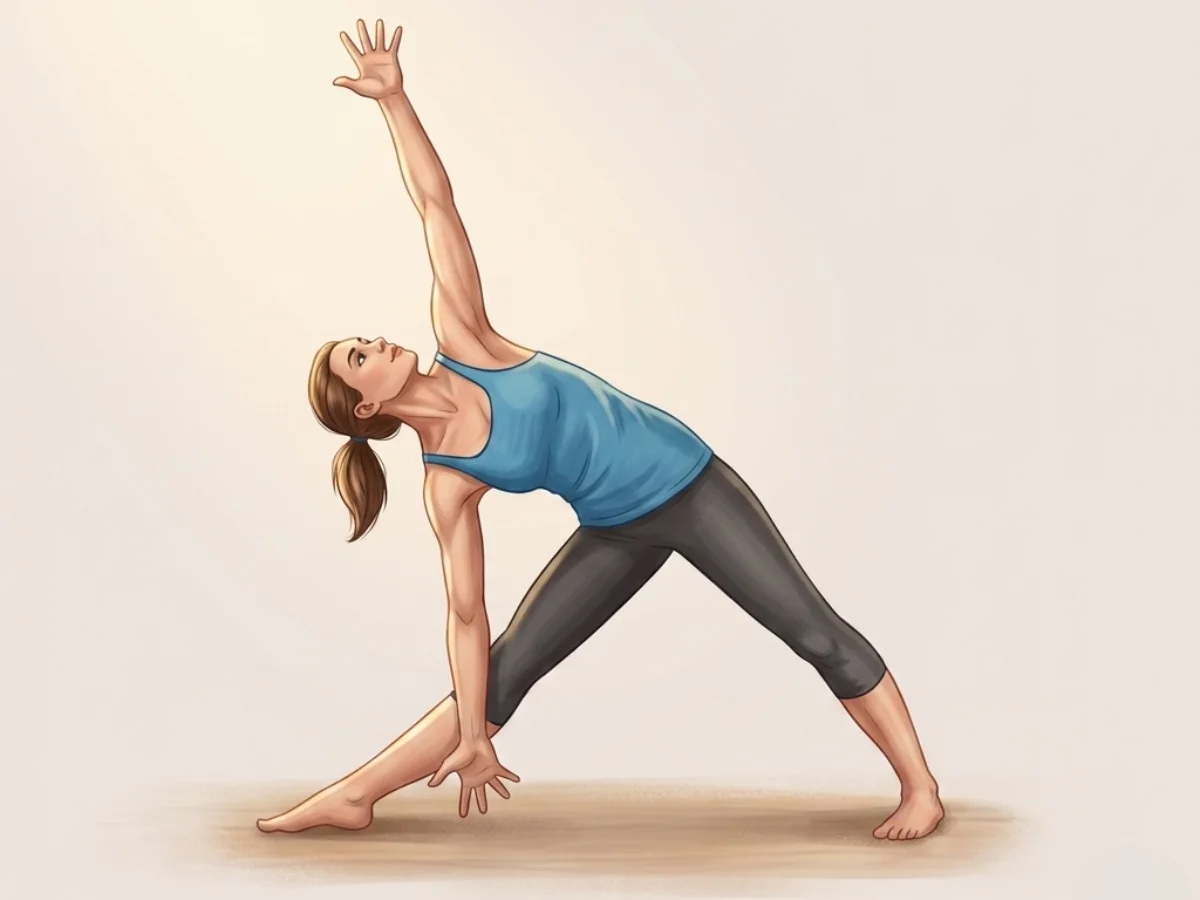
Triangle Pose
TrikonasanaStretches the side body, hamstrings, and groin before bending the knee deeply.
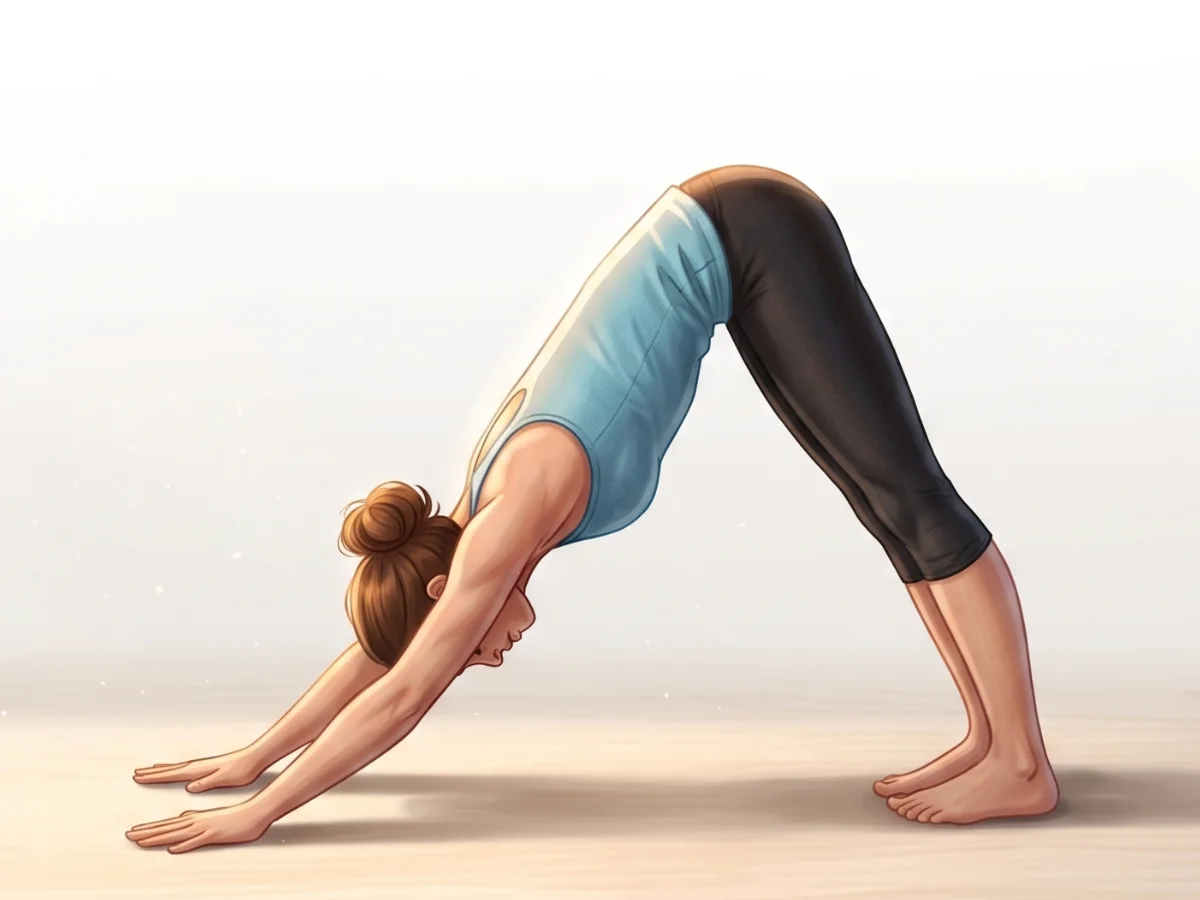
Downward-Facing Dog
Adho Mukha SvanasanaWarms up the entire body, lengthening the spine and opening the shoulders.
Follow with neutralizing Counter-poses
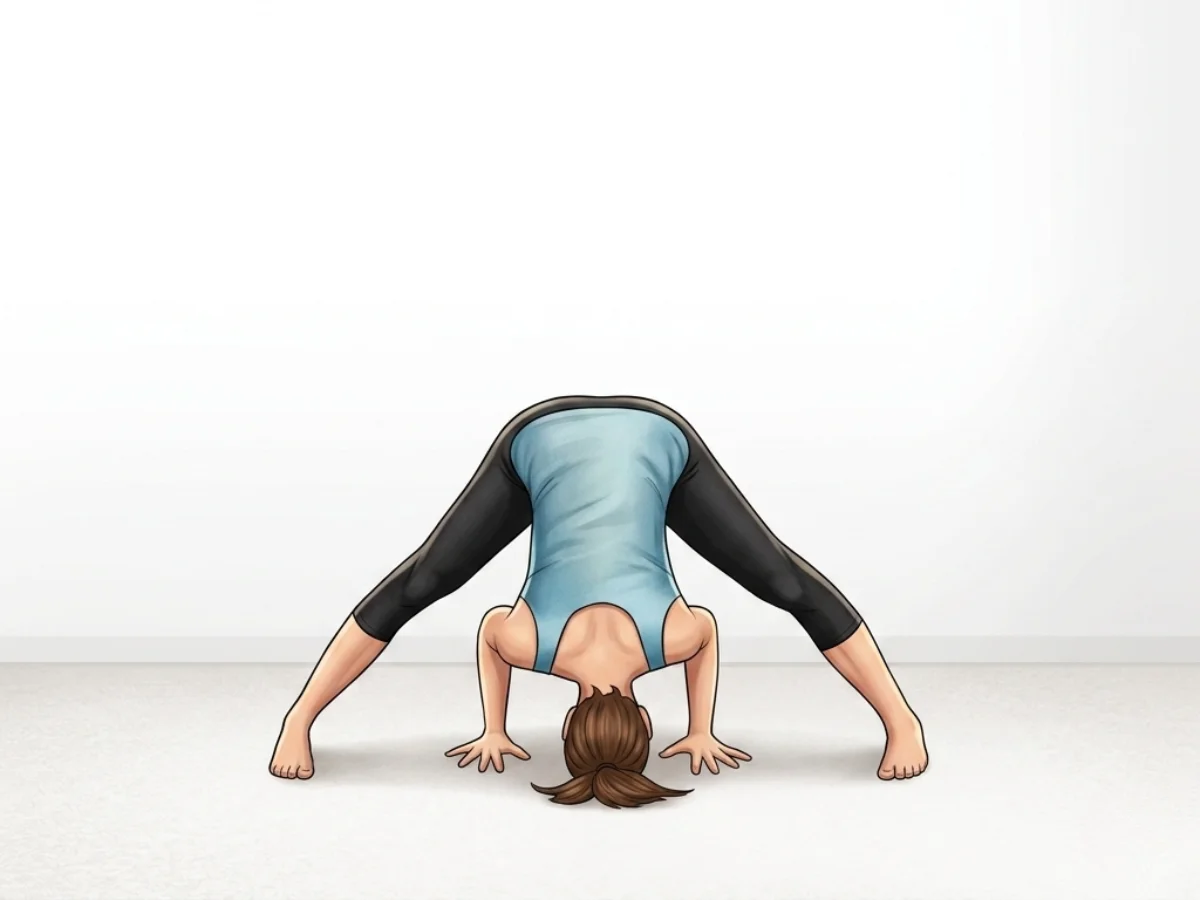
Wide-Legged Forward Bend
Prasarita PadottanasanaReleases tension in the lower back, hips, and hamstrings after asymmetrical standing poses.
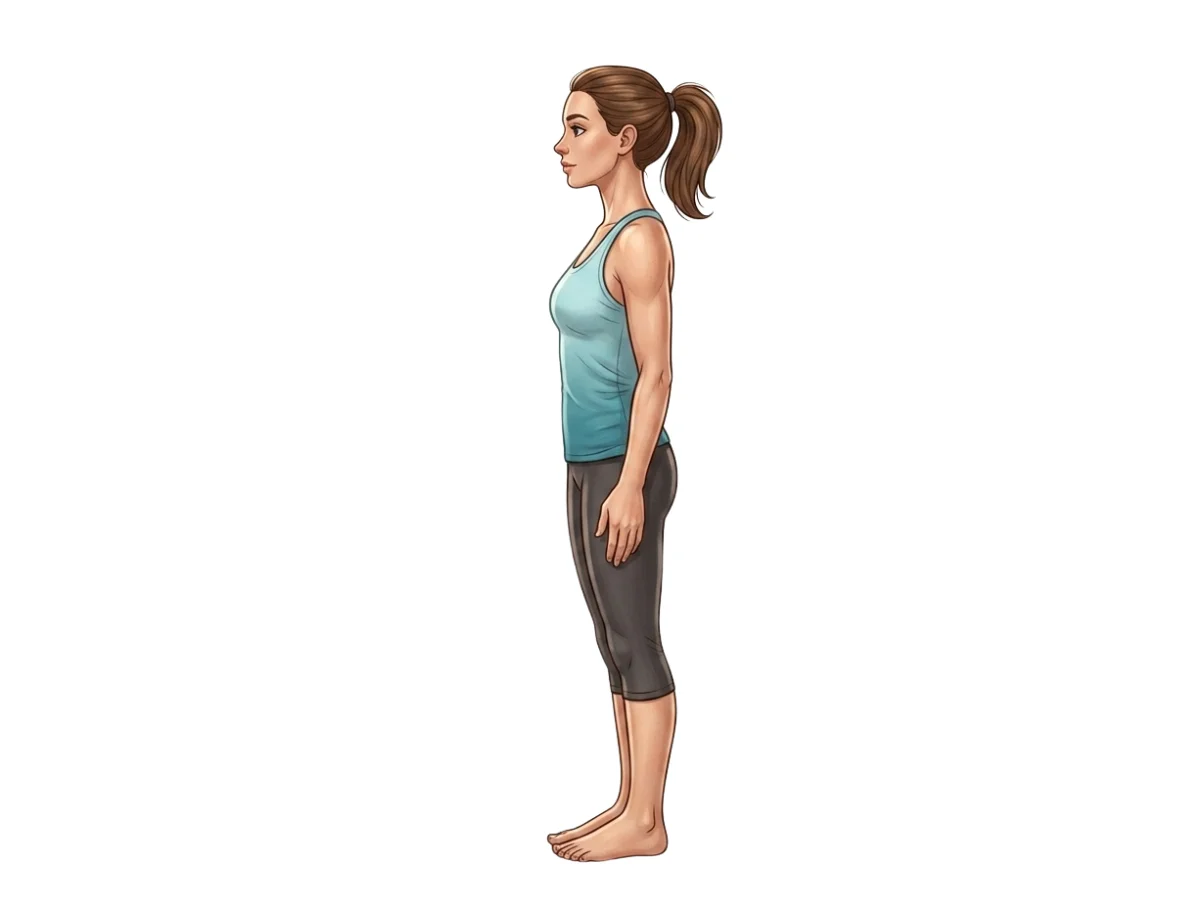
Mountain Pose
TadasanaNeutralizes the spine and allows the body to integrate the asymmetry of the pose.
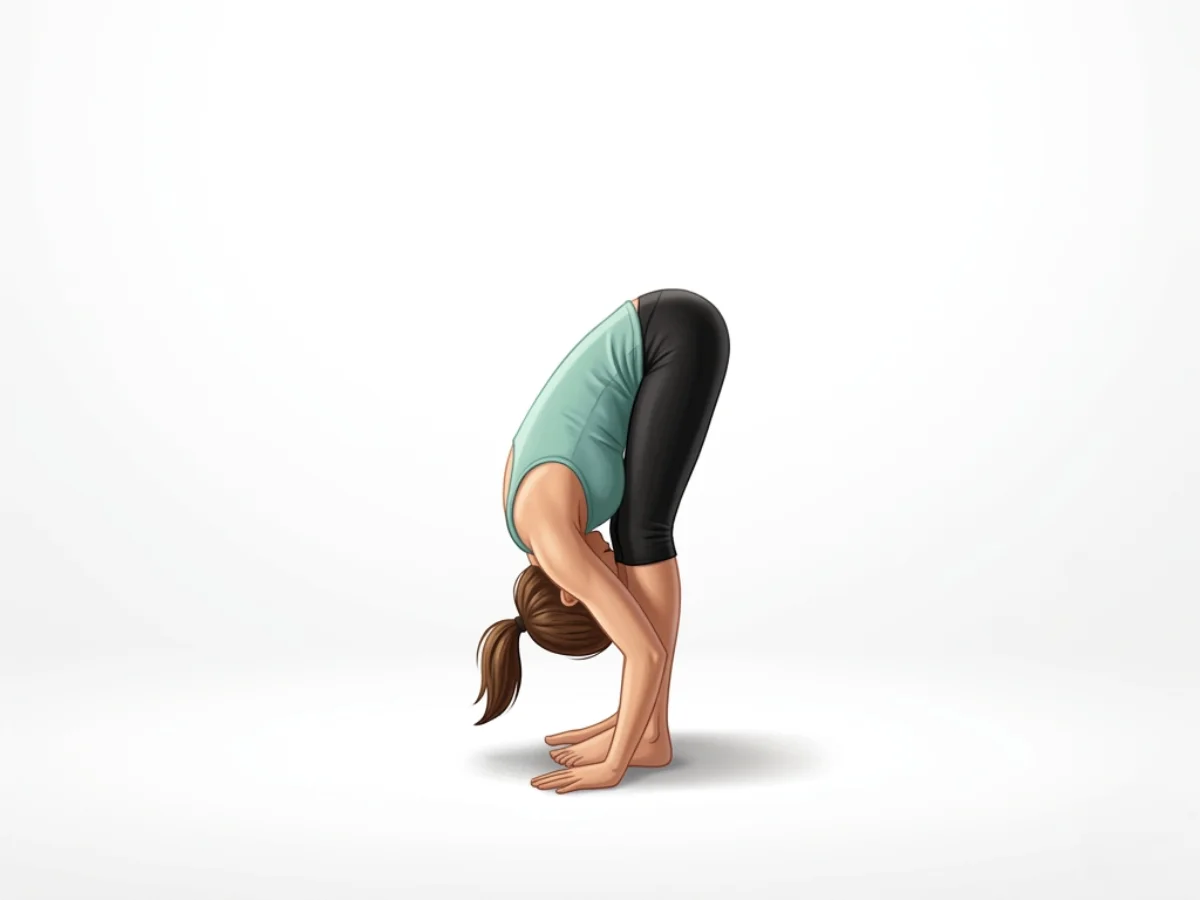
Standing Forward Bend
UttanasanaSoothes the nervous system and releases the lower back and legs.
Frequently Asked Questions
Should my hand be on the inside or outside of my front foot?
Traditionally in Iyengar and Ashtanga lineages, the hand is placed on the outside of the front foot, which helps use the arm to press the knee back into alignment. However, placing it on the inside is a common and acceptable variation that can make it slightly easier to open the chest.
How can I stop my chest from falling forward?
If your chest is rotating toward the floor, you are likely reaching too low. Lift your hand onto a yoga block or rest your forearm on your thigh.
Is Extended Side Angle good for beginners?
Yes, but it is a complex posture. Beginners should prioritize using modifications—like forearm on the thigh—to focus on correct alignment and building strength before attempting to reach the floor.
Elena Rostova is an accredited yoga educator and anatomy specialist with over 15 years of clinical experience. She focuses on functional biomechanics and injury prevention, translating complex anatomy into accessible guidance for safe, sustainable practice.
Read Full ProfileContinue Your Yoga Journey
Ready to deepen your practice? Explore our extensive library of poses, or join a structured program designed to build strength, flexibility, and mindfulness.