
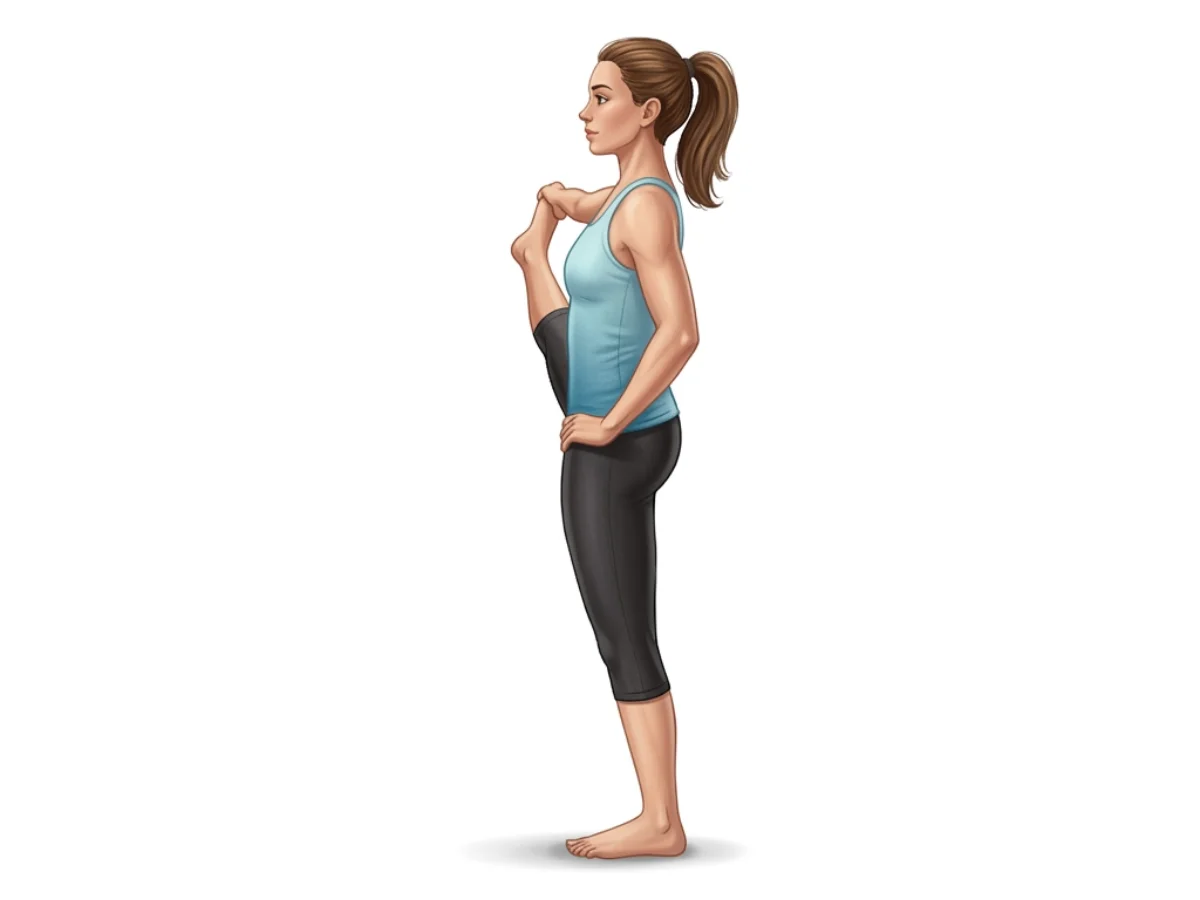
Extended Standing Hand to Big Toe Pose
Utthita Hasta Padangusthasana
By Elena Rostova Updated: verified Medically Reviewed
Extended Standing Hand to Big Toe Pose (Utthita Hasta Padangusthasana) is a powerful balancing posture that demands focus, core stability, and hamstring flexibility. By standing firmly on one leg while extending the other straight forward (or out to the side) and catching the big toe, you cultivate immense grounding and mental clarity.
Hold Time
30–60 sec · 5–10 breaths
Pronunciation
oo-TEE-tah HAHS-tah pah-dahn-goosh-TAHS-anna
About Extended Standing Hand to Big Toe Pose
A vital part of many yoga sequences, Extended Standing Hand to Big Toe Pose (Utthita Hasta Padangusthasana) offers wonderful benefits that go beyond its simple shape. This posture specifically engages the balance, hamstring stretch & core strength, making it highly effective for developing both strength and mobility. Ultimately, it is a fantastic pose for deep hamstring stretch, leaving you with a profound sense of grounded energy.
How to Practice
Establish Mountain Pose
Begin in Mountain Pose (Tadasana), rooting down firmly through both feet. Bring your hands to your hips and shift your weight entirely into your left foot.
Draw the Knee Up
Inhale deeply and draw your right knee up toward your chest. Keep your spine long and avoid leaning backward.
Catch the Toe
Reach your right arm down inside the right thigh and hook your right big toe with your index and middle fingers (yogi toe lock).
Extend the Leg
On an exhalation, slowly begin to extend your right leg straight out in front of you. Press firmly through your right heel.
Engage the Core
Draw your lower belly in and up. Drop your right hip down so it remains level with your left hip, avoiding the tendency to hike the hip up toward your shoulder.
Straighten the Spine
Pull your right shoulder blade softly down your back to keep the chest broad. Do not round your upper back just to keep the leg straight.
Hold and Focus
Find a steady focal point (drishti) at eye level. Hold the pose straight forward for 5 deep breaths.
Open to the Side (Optional)
If stable, slowly open your extended right leg out to the right side on an exhalation, keeping the hips facing forward.
Release with Control
Inhale to bring the leg back to the center. Let go of the toe, keep the leg lifted for one breath using only your core, then exhale and slowly lower the foot to the floor.
Switch Sides
Shake out your legs in Mountain Pose, then repeat the sequence balancing on your right leg.
Practice with the Yoga Timer
Keep track of your hold time and breath count for this pose.
Beginner Modifications & Prop Options
Yoga is a personal journey. These modifications and prop options allow you to adapt the pose to your current level of balance and flexibility, ensuring a safe and supportive practice.
Use a Yoga Strap
Loop a yoga strap around the ball of your lifted foot and hold it. This allows full leg extension while keeping the spine straight and shoulders relaxed.
Tip: Focus on alignment rather than depth.
Keep the Knee Bent
Simply hold onto the lifted knee with your hand. This builds the same core strength and balance without straining the hamstring.
Tip: Focus on alignment rather than depth.
Use a Wall for Support
Stand lightly touching a wall, or rest the heel of your extended leg on the back of a chair for support.
Tip: Focus on alignment rather than depth.
Benefits of Extended Standing Hand to Big Toe Pose
Deep Hamstring Stretch
Provides an intense, active stretch to the hamstrings and calves of the lifted leg, improving overall leg flexibility.
Strengthens Standing Leg
The ankles, calves, quadriceps, and glutes of the standing leg work constantly to maintain balance, building profound stability.
Enhances Core Power
Holding the torso upright while lifting the weight of the extended leg demands deep activation of the abdominals and hip flexors.
Improves Mental Focus
Balancing on one foot while managing an intense stretch requires single-pointed concentration, quieting the mind.
Opens the Hips
When the leg is opened to the side, it provides a deep stretch to the adductors (inner thighs) and opens the pelvis.
Common Mistakes to Avoid
Mistake: Rounding the Upper Back
How to fix: Bend the lifted knee or use a strap so you can lift your chest and draw your shoulder blades back.
Mistake: Hiking the Lifted Hip
How to fix: Actively press the lifted hip down toward the floor so your pelvis remains level.
Mistake: Leaning Backward
How to fix: Engage your core and stack your shoulders directly over your hips.
Safety and Precautions
Ankle or Knee Injuries
Balancing on one leg can strain injured joints on the standing leg.
Lower Back Pain
The lever action of the extended leg can pull on the pelvis and exacerbate lumbar issues if core strength is lacking.
Hamstring Tears
Deep, active stretching can re-injure healing hamstring attachments at the sit bones.
Medical Disclaimer: If you have any of the above conditions, consult your doctor or a qualified yoga instructor before attempting this pose.
Muscles Worked in Extended Standing Hand to Big Toe Pose
Extended Standing Hand to Big Toe Pose demands synchronized muscular effort, creating a profound sense of engagement and release throughout the body. The activation of the primary muscles supports the structure, while the secondary muscles provide stability and balance.
Primary Muscles
Hamstrings
Stretch deeply on the lifted leg.
Gluteus Medius
Stabilizes the pelvis on the standing leg side.
Quadriceps
Contract strongly on both legs to keep them straight.
Secondary Muscles
Psoas / Hip Flexors
Work to lift and hold the extended leg up.
Core (Transversus)
Engages to stabilize the spine and prevent leaning backward.
Poses to Practice Before and After Extended Standing Hand to Big Toe Pose
Prepare with these Poses
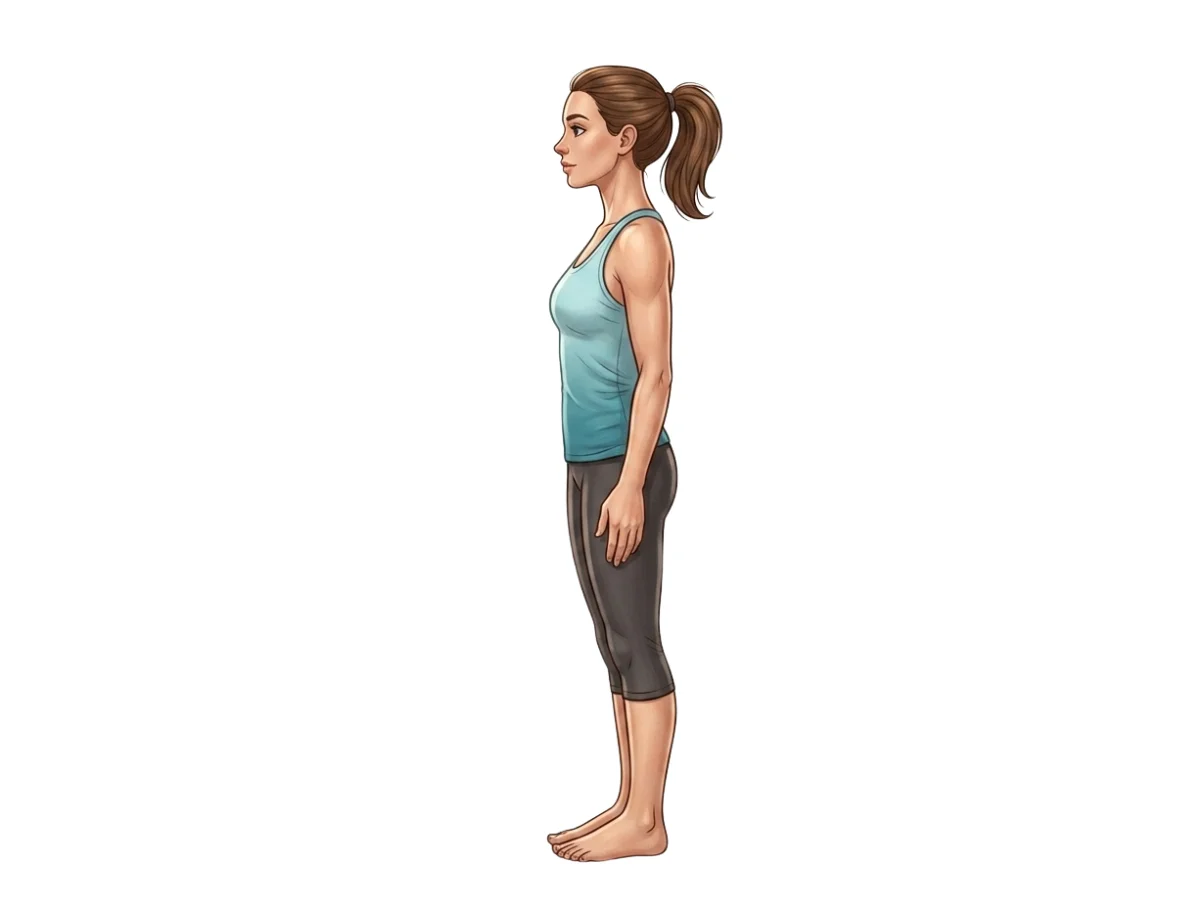
Mountain Pose
TadasanaEstablishes proper standing alignment and grounds the feet.
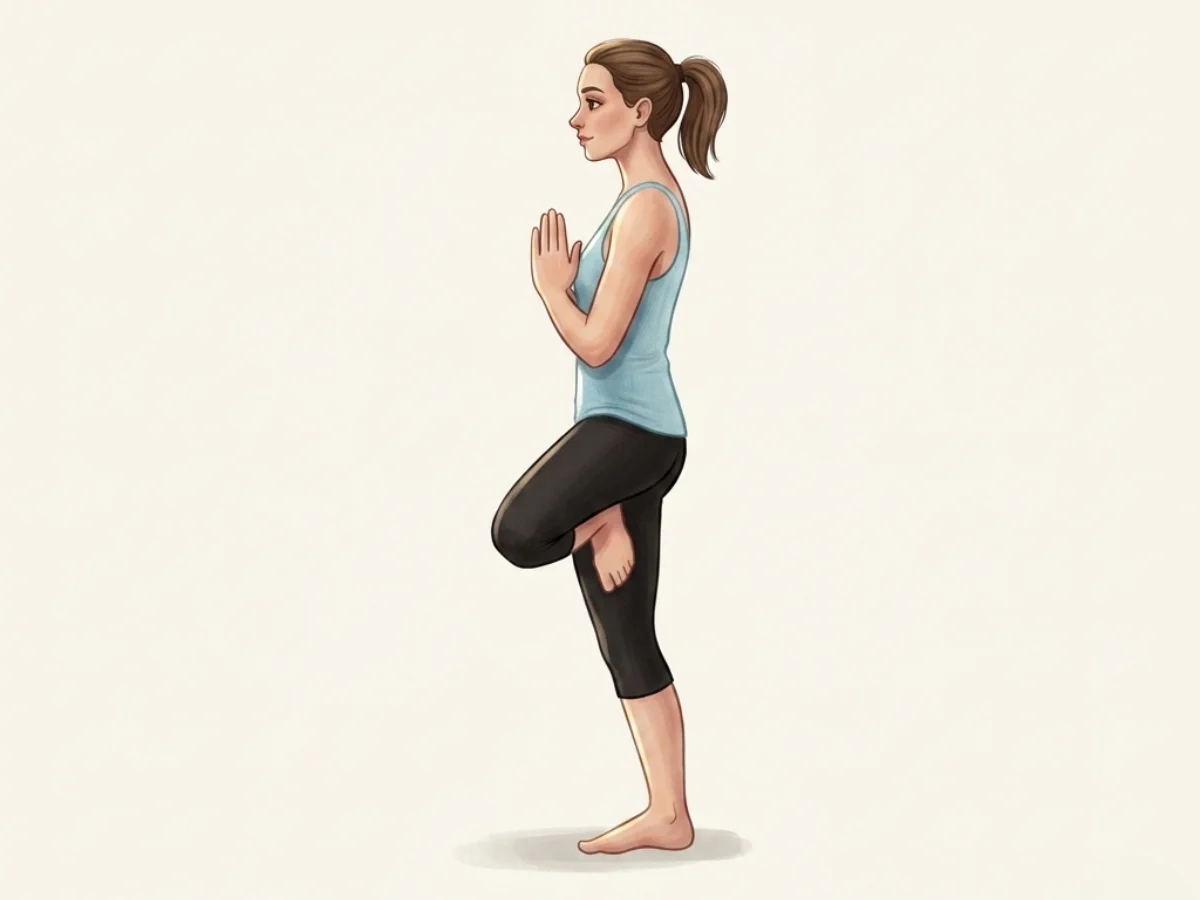
Tree Pose
VrksasanaBuilds one-legged balancing strength and focus without the intense hamstring stretch.
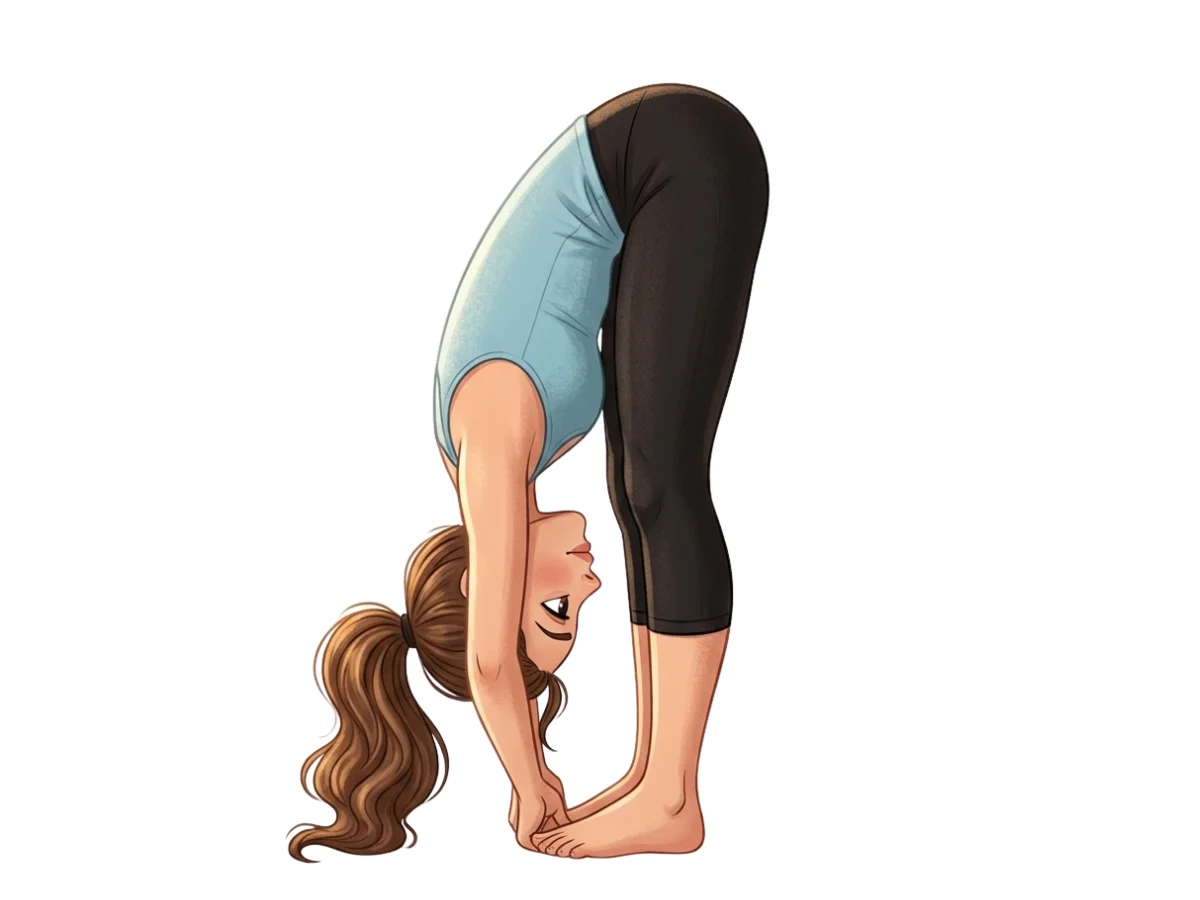
Big Toe Pose
PadangusthasanaWarms up the hamstrings and practices the yogi toe-lock grip.
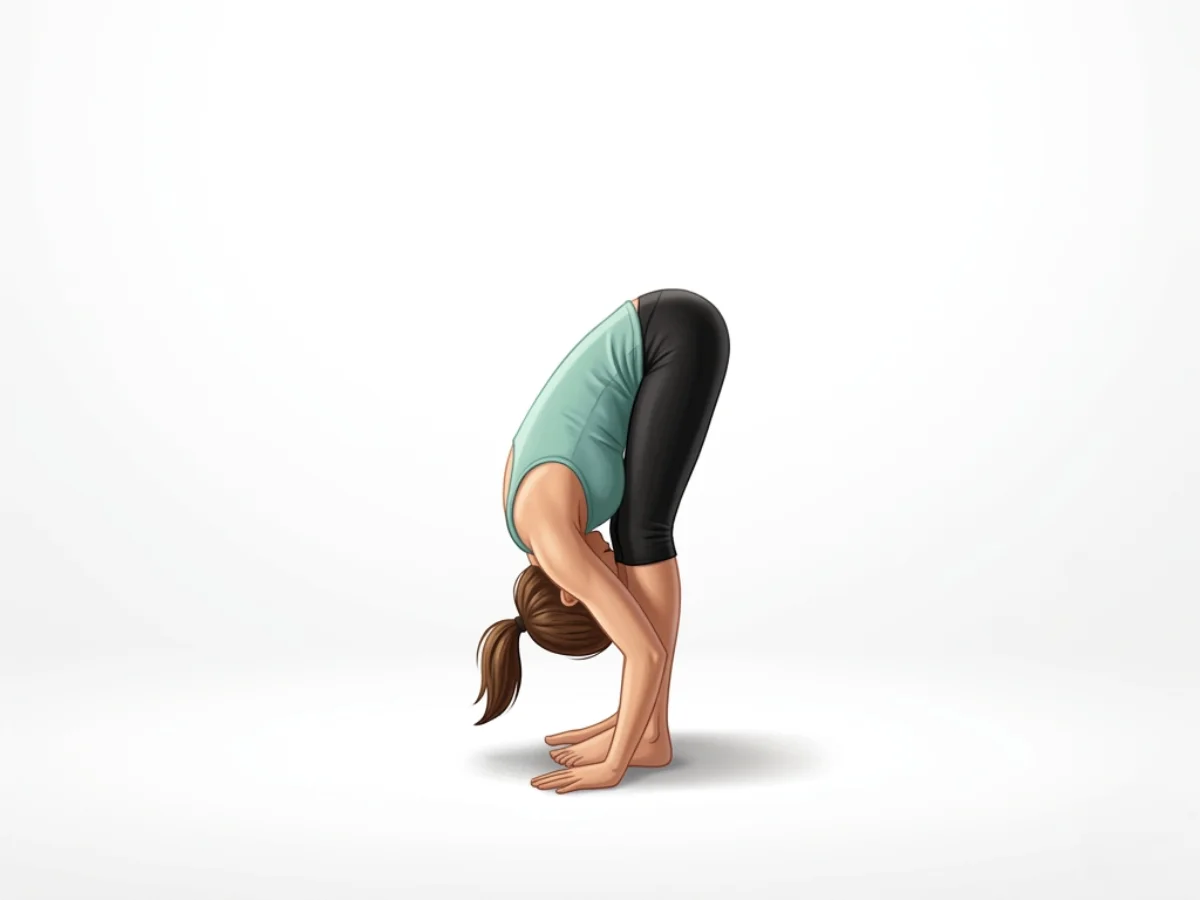
Follow with neutralizing Counter-poses
Frequently Asked Questions
Does my extended leg have to be completely straight?
No. Keeping your spine straight and shoulders relaxed is far more important than straightening the leg.
Why do I fall backward when I straighten my leg?
This usually happens due to tight hamstrings or a weak core. As the leg extends, it pulls on the pelvis, causing the torso to lean back for counterbalance.

Elena Rostova is an accredited yoga educator and anatomy specialist with over 15 years of clinical experience. She focuses on functional biomechanics and injury prevention, translating complex anatomy into accessible guidance for safe, sustainable practice.
Read Full ProfileContinue Your Yoga Journey
Ready to deepen your practice? Explore our extensive library of poses, or join a structured program designed to build strength, flexibility, and mindfulness.