
History & Origins of Vinyasa
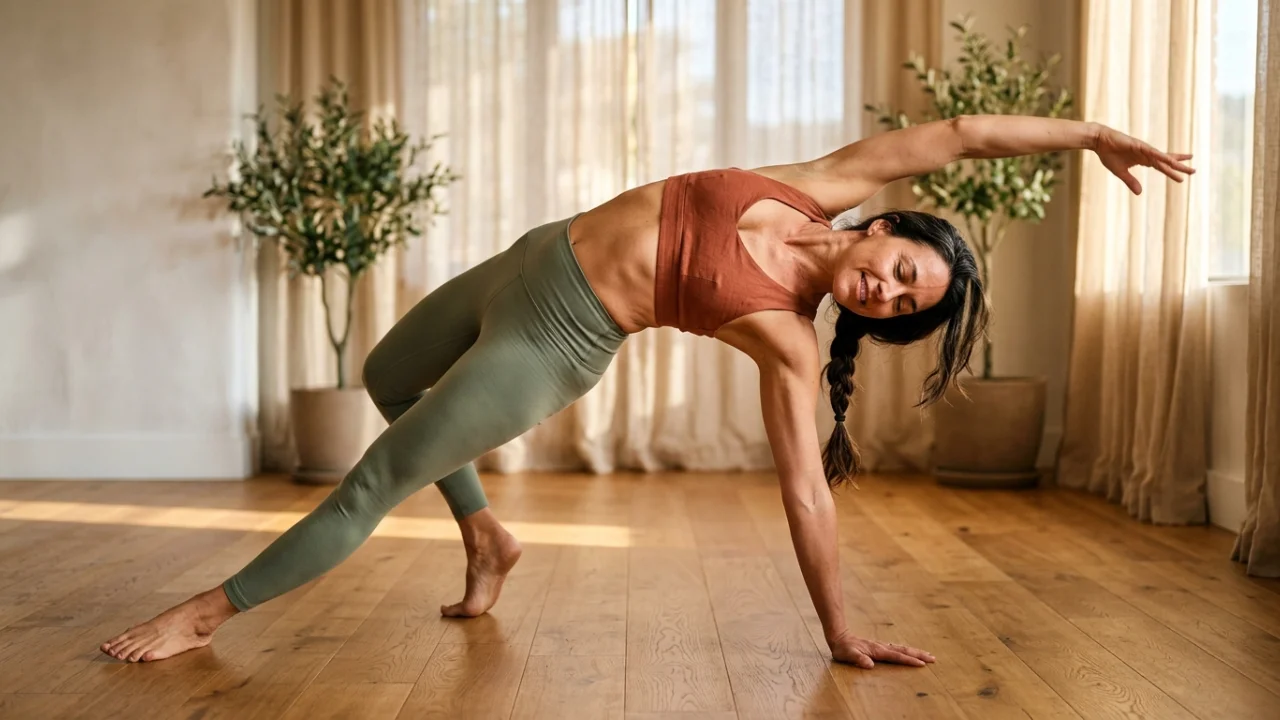
Vinyasa is a modern evolution of classical yoga, born from the desire for creative, breath-linked movement.
Krishnamacharya's Viniyoga Method
Sri Tirumalai Krishnamacharya developed Viniyoga, a system that heavily emphasized adapting poses and linking every movement with breath.
The Birth of Modern Vinyasa Flow
Western teachers began modifying the strict Ashtanga system, keeping the flowing "vinyasa" transitions but removing the rigid sequences to create the free-flowing classes we know today.
What Makes Vinyasa Unique?
Vinyasa classes are known for their creativity and cardiovascular demand. Here are six defining traits of a Vinyasa practice:
Continuous Flow
You rarely stop moving. Poses are linked seamlessly, ensuring your heart rate stays elevated throughout the class.
No Fixed Sequence
Every class is different. Teachers creatively sequence poses, often building up to a "peak pose" by the end of the class.
The "Vinyasa" Transition
Between seated or standing sequences, you will frequently flow through Plank, Chaturanga, Upward Dog, and Downward Dog to clear the body.
Ujjayi Breath (Ocean Breath)
Practitioners use a rhythmic, audible breath through the nose to regulate heart rate and build internal heat.
Cardiovascular Focus
Because of the pace, it serves as a mild to moderate cardiovascular workout, unlike slower styles.
Modern Music
Unlike classical styles, Vinyasa classes frequently feature curated playlists ranging from ambient beats to upbeat pop or hip-hop to drive the flow.
Vinyasa vs. Ashtanga
| Feature | Vinyasa Flow | Ashtanga Yoga |
|---|---|---|
| Sequence | Creative, constantly changing | Strictly fixed (e.g., Primary Series) |
| Pacing | Dynamic, varies by teacher | Very fast, rigid breath counts |
| Music | Frequently used | Never used (focus on breath sound) |
| Best For... | Those who love variety and creativity | Those who love strict routine and discipline |
10 Fundamental Vinyasa Poses
In Vinyasa, these poses are rarely held for long; instead, they serve as the building blocks for dynamic sequences.
 Beginner
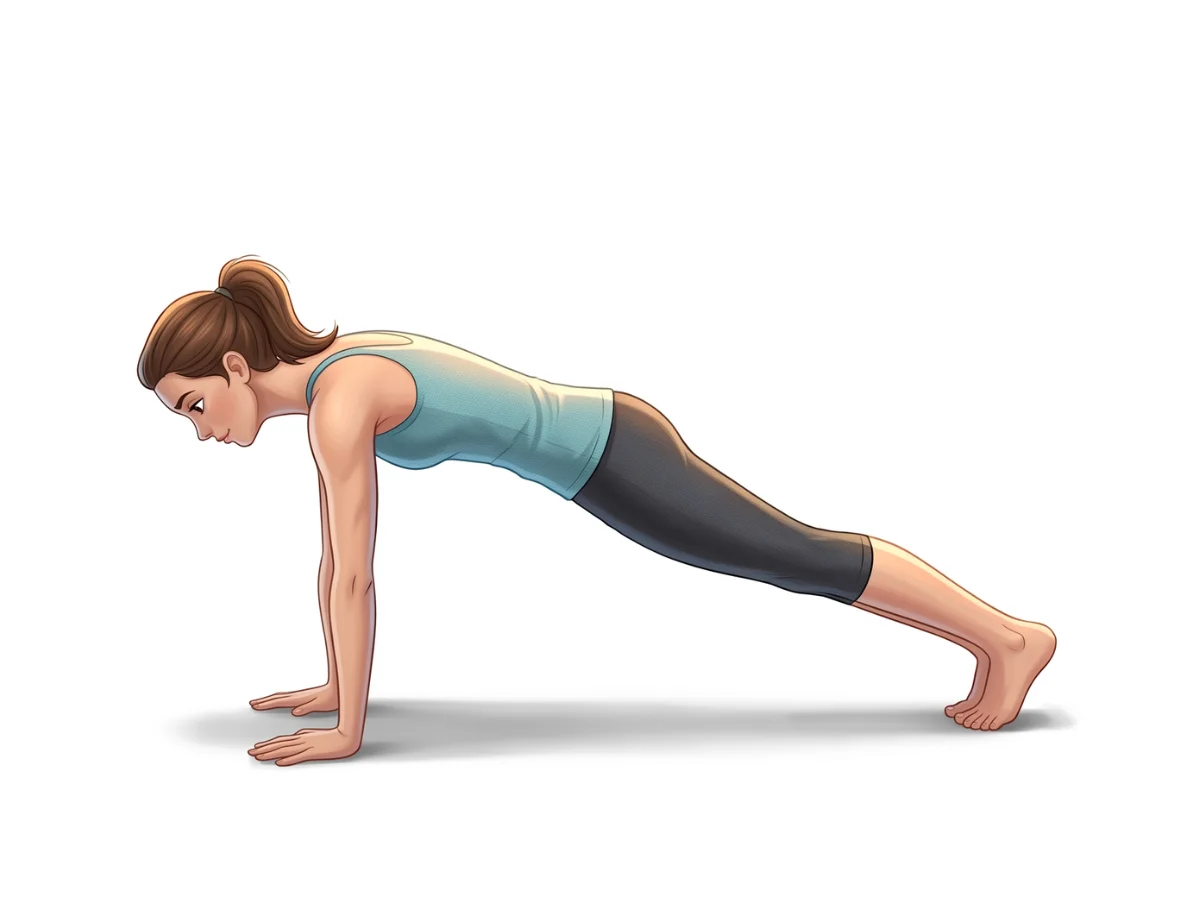
Plank Pose
PhalakasanaBuilds intense core and arm strength, preparing the body for the transition down.
 Intermediate
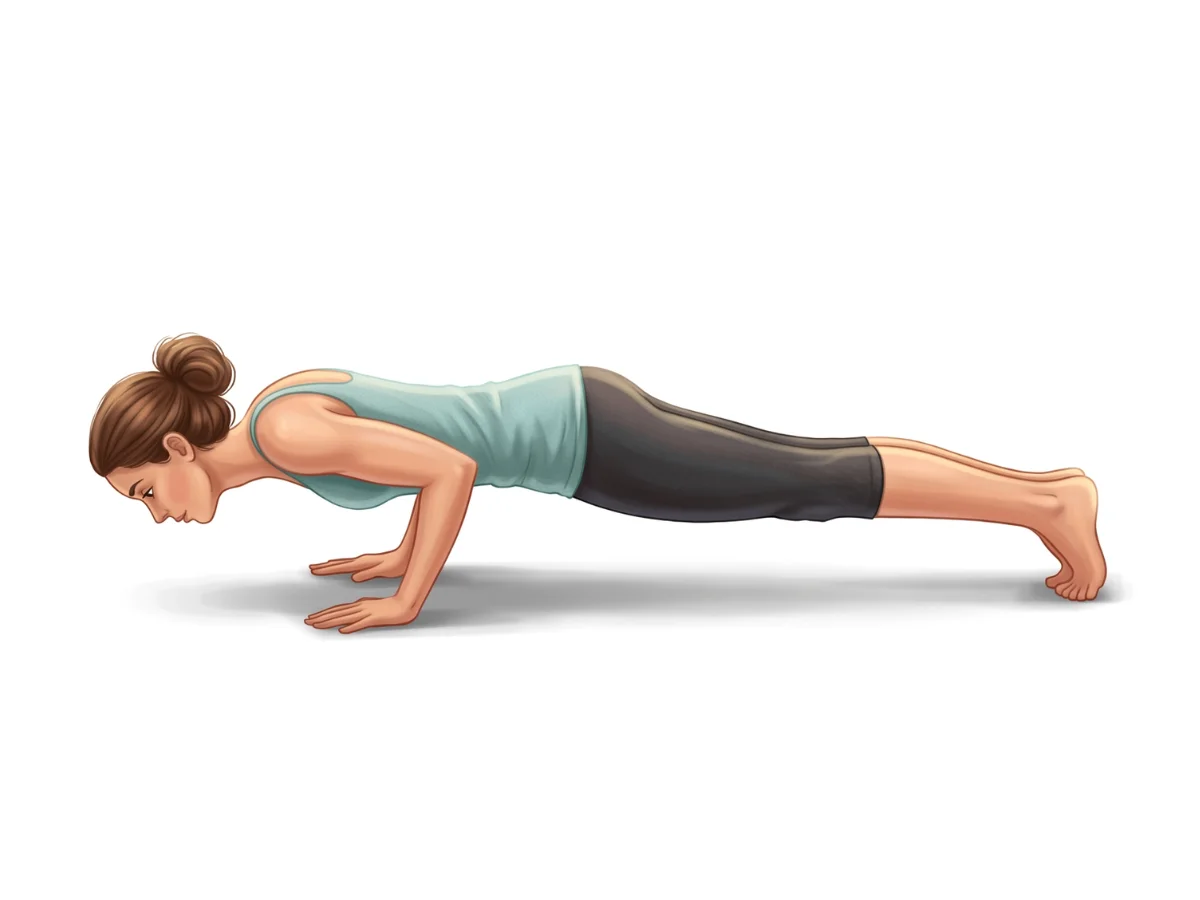
Four-Limbed Staff Pose
Chaturanga DandasanaA low hover that requires immense tricep and core control. The core transition pose.
 Intermediate
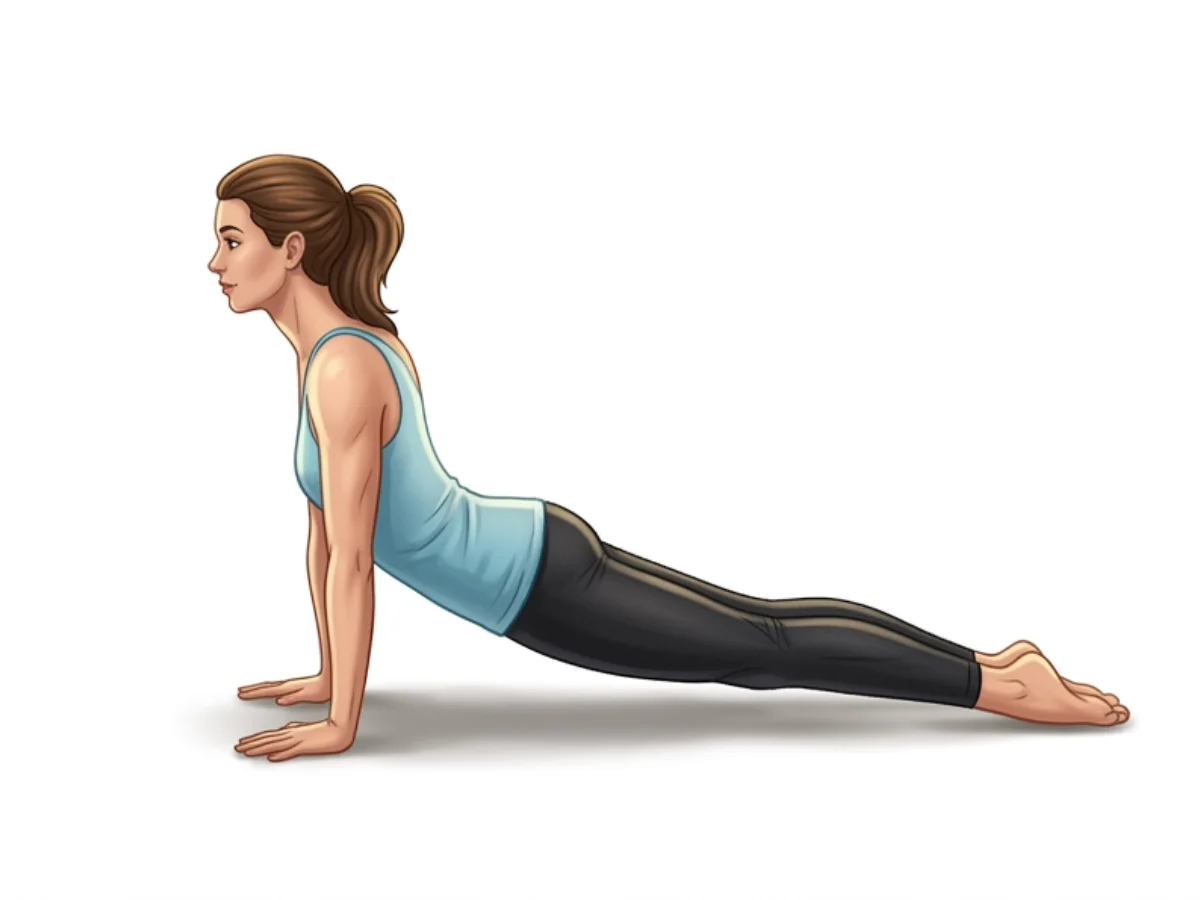
Upward-Facing Dog
Urdhva Mukha SvanasanaA powerful backbend that opens the chest while strengthening the spine and arms.
 Beginner
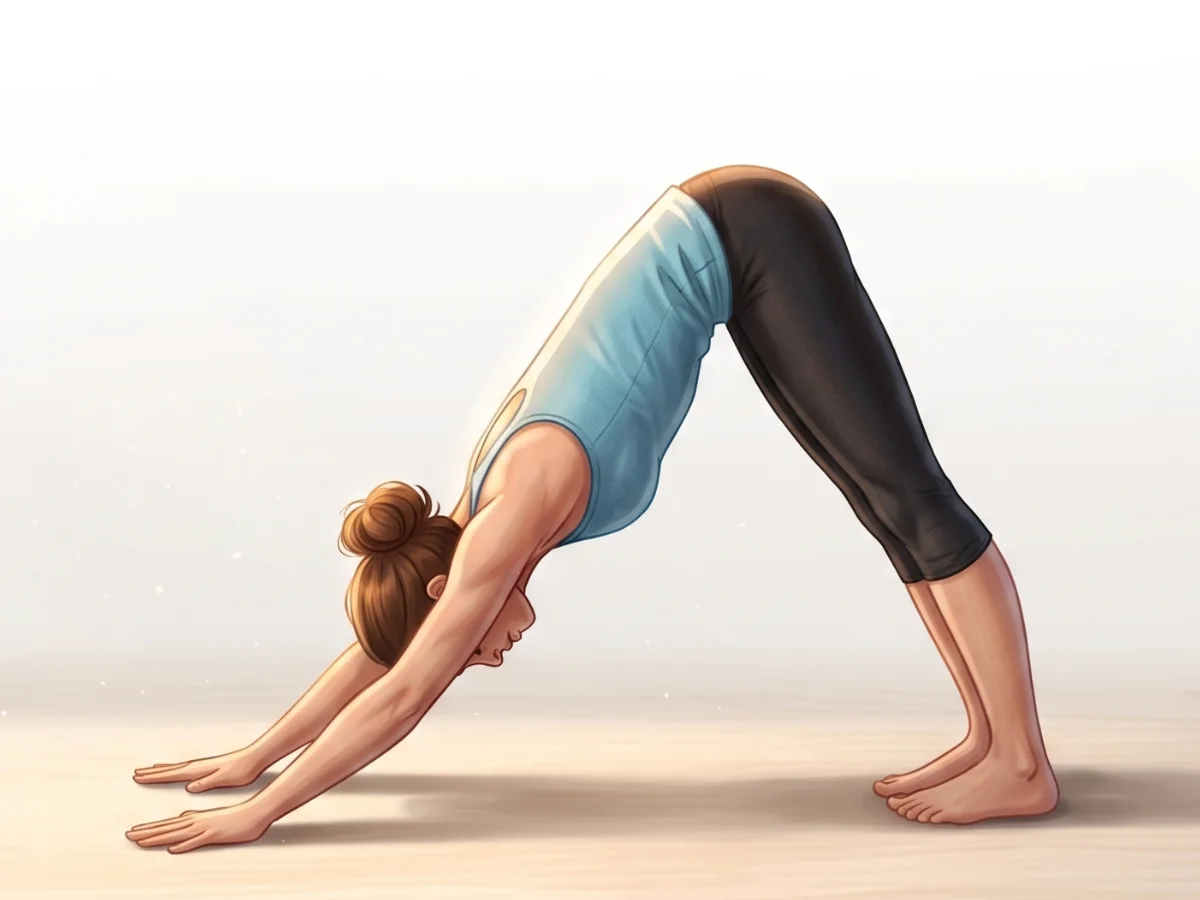
Downward-Facing Dog
Adho Mukha SvanasanaActs as the "home base" or resting pose in Vinyasa, stretching the entire back body.
 Beginner
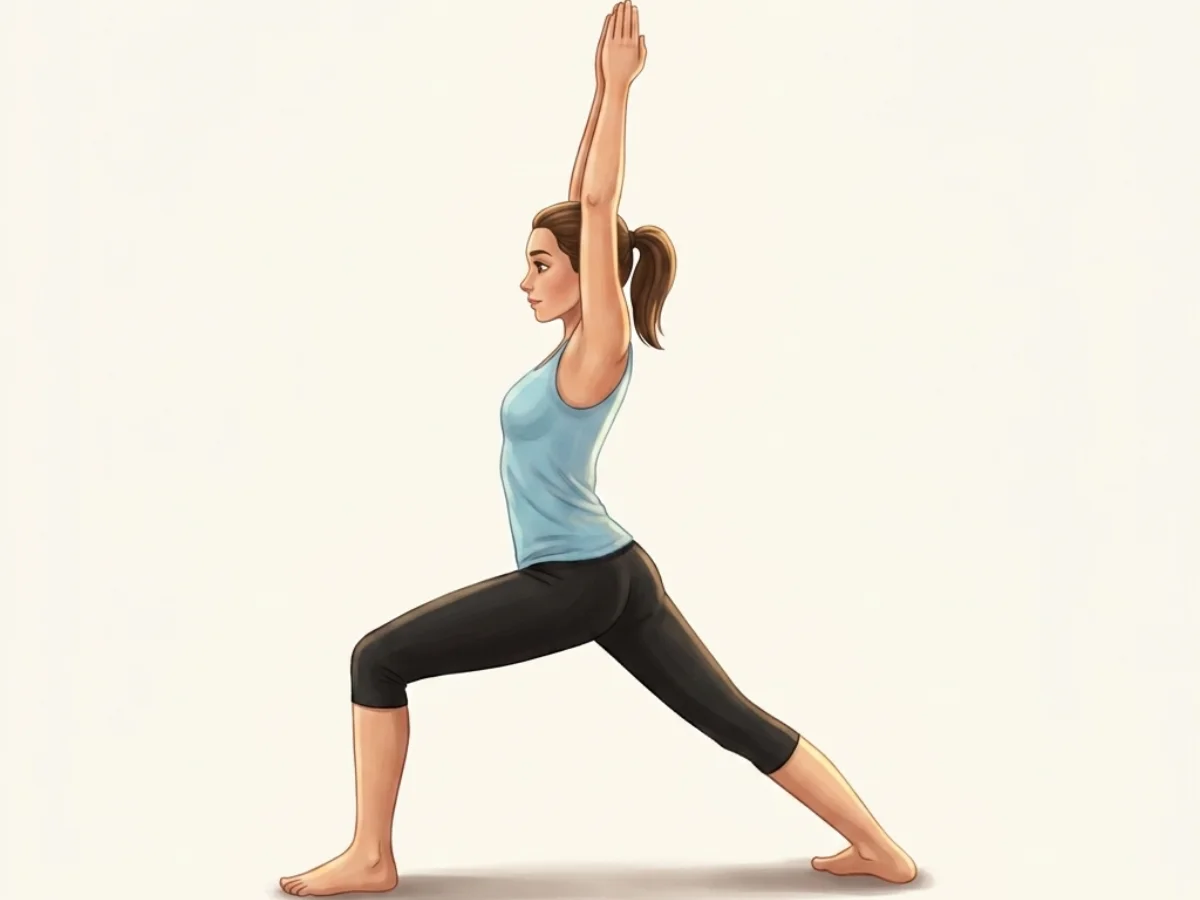
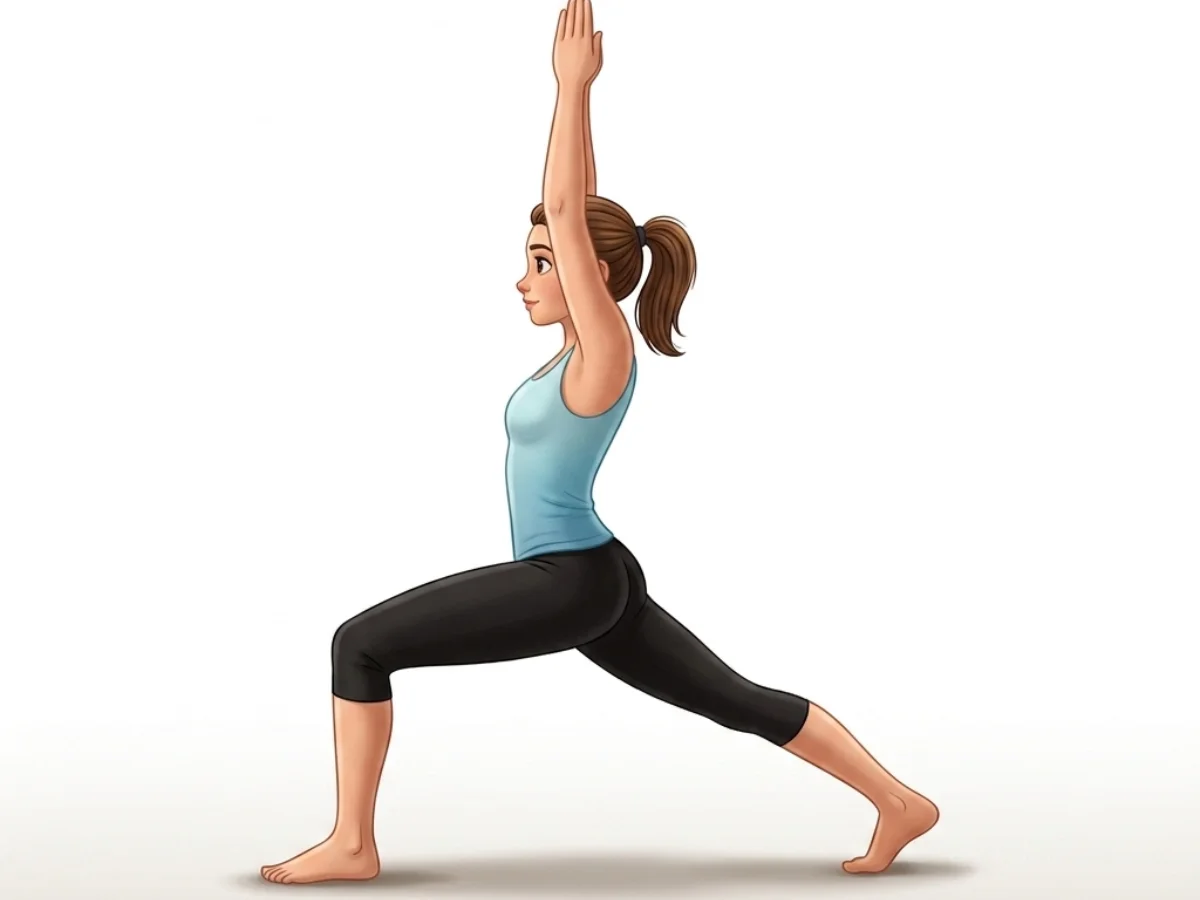
Warrior I
Virabhadrasana IA foundational standing pose that builds heat in the legs and stretches the hip flexors.
 Beginner
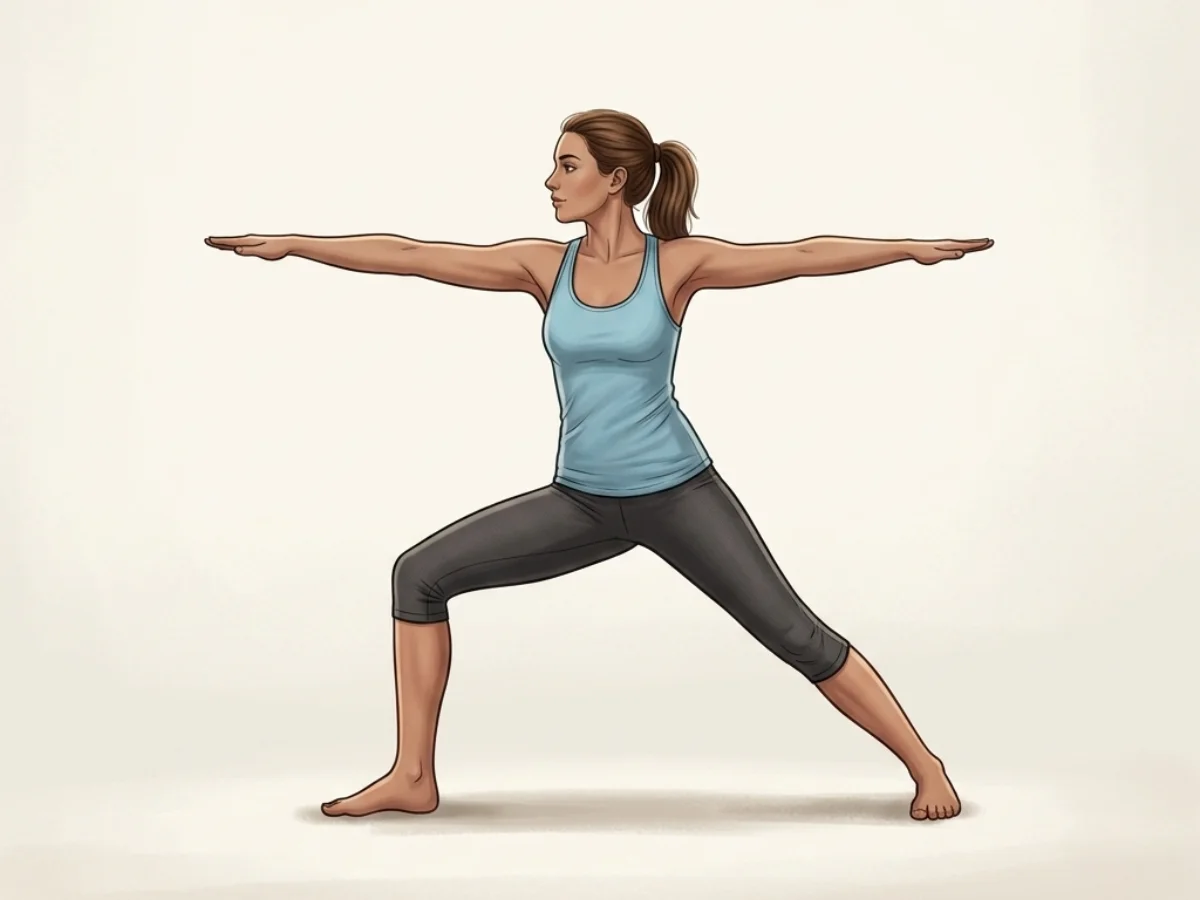
Warrior II
Virabhadrasana IIBuilds stamina in the thighs and core while opening the hips externally.
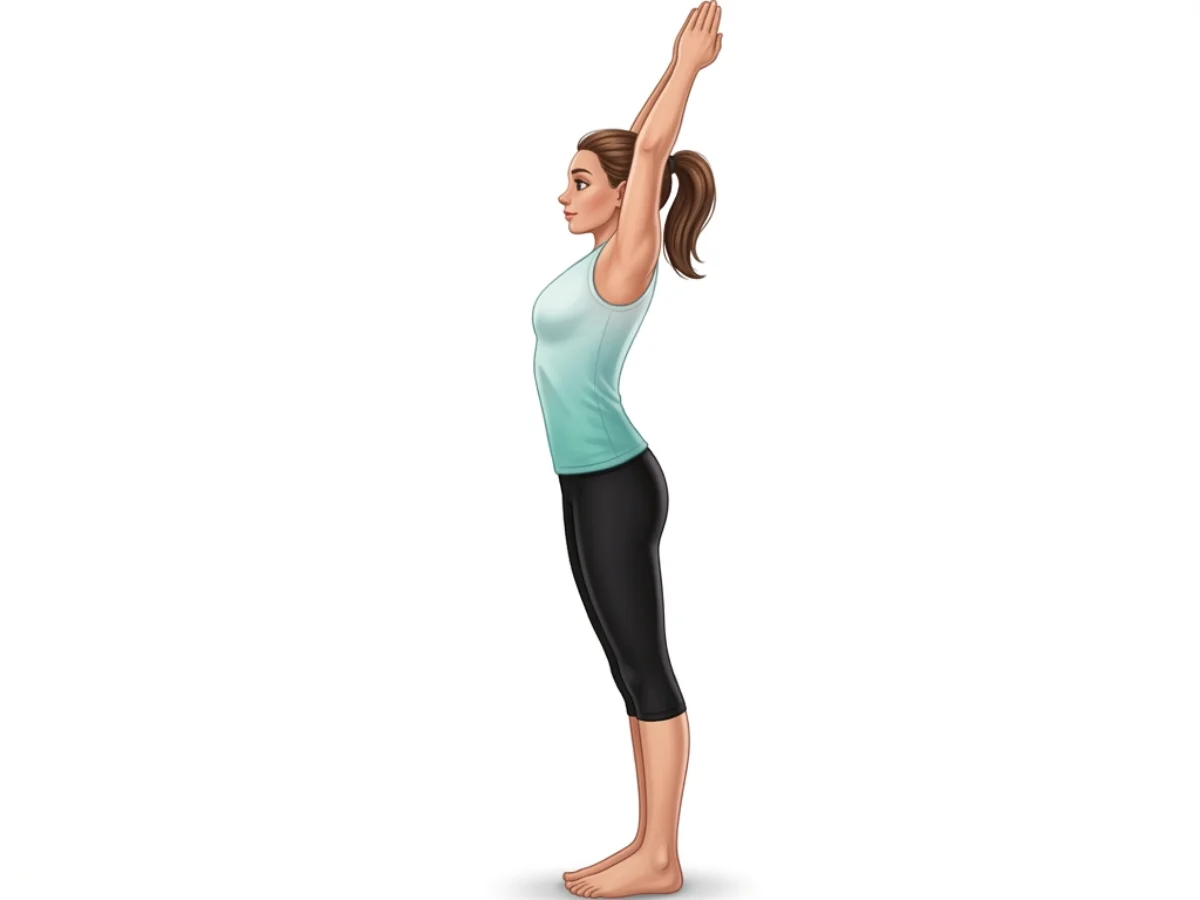 Beginner
Crescent Moon
Viparita VirabhadrasanaA side body stretch that often flows immediately out of Warrior II.
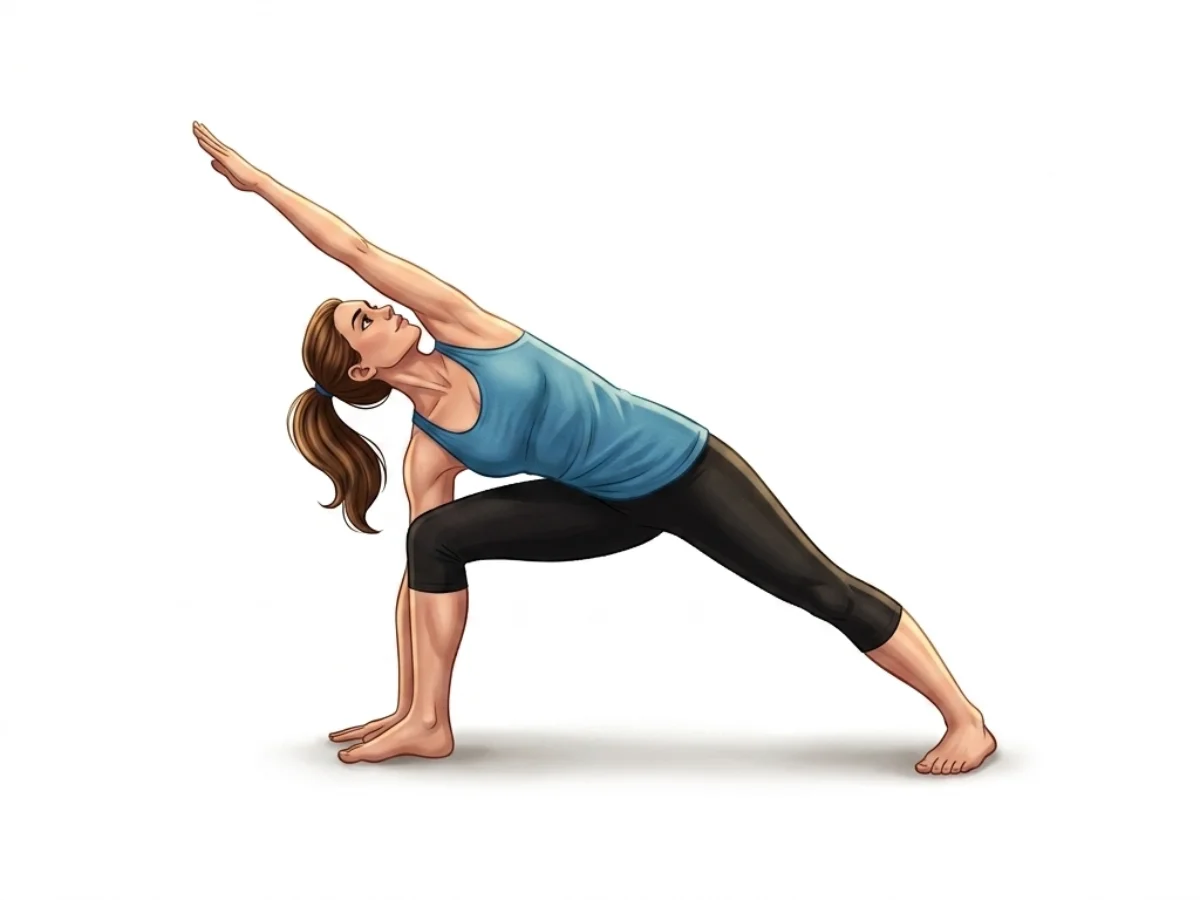 Beginner
Extended Side Angle
Utthita ParsvakonasanaDeeply opens the hips and side body, requiring strong leg engagement.
 Beginner
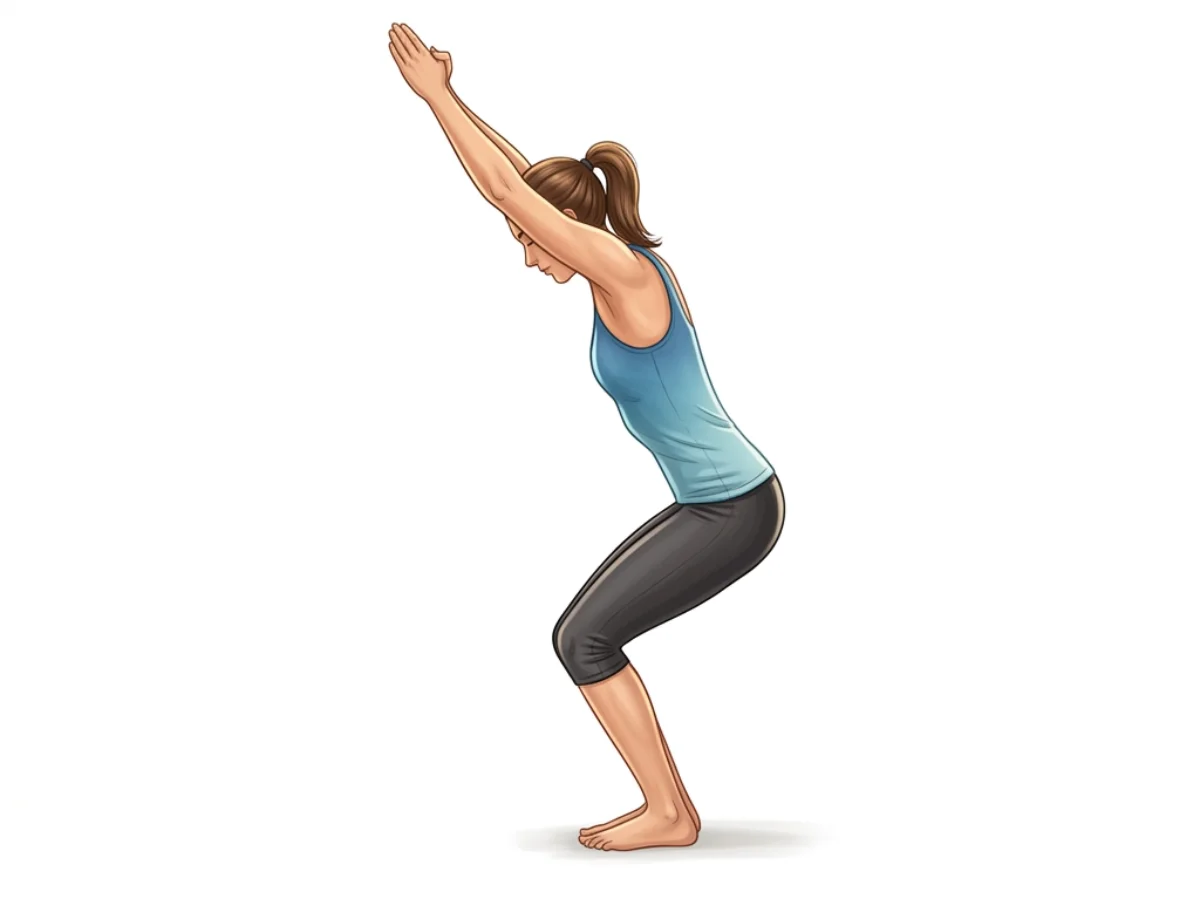
Chair Pose
UtkatasanaRapidly builds heat in the quads and glutes; a staple of Sun Salutation B.
 Intermediate
Crescent Lunge
Ashta ChandrasanaRequires balance and core stability, often used to transition into balancing poses.
A Dynamic Vinyasa Flow (Sun Salutation B Variation)
In Vinyasa, movements are linked directly to breath. Try this classic flow, moving at a pace of one breath per movement (except for Downward Dog, which is held).
| # | Pose Name | Duration | Key Instruction |
|---|---|---|---|
| 1 | Mountain Pose Tadasana | Exhale | Stand tall at the top of your mat, arms by your side. |
| 2 | Chair Pose Utkatasana | Inhale | Bend knees deeply and sweep arms up alongside ears. |
| 3 | Forward Fold Uttanasana | Exhale | Straighten legs and dive forward, hands toward the floor. |
| 4 | Chaturanga Chaturanga Dandasana | Exhale | Step or jump back to plank and immediately lower halfway down. |
| 5 | Upward-Facing Dog Urdhva Mukha Svanasana | Inhale | Flip to the tops of feet, straighten arms, lift chest and thighs. |
| 6 | Downward-Facing Dog Adho Mukha Svanasana | Exhale | Roll over toes and press hips up and back. |
| 7 | Warrior I (Right) Virabhadrasana I | Inhale | Step right foot forward, plant left heel, reach arms up. |
| 8 | Warrior II Virabhadrasana II | Exhale | Open hips and arms to the side, sinking into the front knee. |
| 9 | Crescent Moon Viparita Virabhadrasana | Inhale | Flip front palm, reach up and back, stretching the side body. |
| 10 | The "Vinyasa" Chaturanga | Exhale | Cartwheel hands to mat, step back, and lower down to flow through Up/Down Dog. |
| 11 | Downward Dog Adho Mukha Svanasana | Hold 5 Breaths | Rest here for 5 deep breaths before repeating the sequence on the left side. |
Benefits of Vinyasa
Good for Your Heart
The constant movement gets your heart pumping and improves your overall cardiovascular fitness.
Helps Manage Weight
The active, flowing movements help you burn more calories than slower styles of yoga.
Builds Upper Body Strength
Frequent push-up motions and weight-bearing poses quickly build strength in your arms, chest, and shoulders.
Improves Flexibility
The heat generated from continuous movement helps your muscles stretch safely and easily.
Clears the Mind
Focusing on matching your movement to your breath helps clear your mind and reduce stress.
Flushes Out Toxins
The heat and sweating from a vigorous flow help your body naturally cleanse itself.
Increases Stamina
Flowing through challenging poses builds both physical endurance and mental toughness.
Medical Disclaimer: The health information provided here is for educational purposes. Consult a physician before beginning any new exercise program, especially if you have joint issues.
Who is Vinyasa Yoga For?
Athletes & Fitness Enthusiasts
If you view yoga as a workout and want to sweat, build stamina, and elevate your heart rate, Vinyasa is the perfect fit.
Those with Active Minds
For people who get bored or anxious holding still in Hatha, the constant movement of Vinyasa forces the mind to stay present and focused on the next transition.
Beginner Mistakes Unique to Vinyasa
Holding your breath
When the pace gets fast, beginners tend to hold their breath in concentration. In Vinyasa, if you lose the breath, you lose the practice. Slow down if you stop breathing.
Rushing Chaturanga (Injury Risk)
Dropping the shoulders below the elbows in Chaturanga happens often when tired. It’s better to drop to your knees or skip it entirely to protect your rotator cuffs.
Comparing yourself to the room
Vinyasa attracts athletic types, and classes can look like choreography. Remember that taking Child's Pose when you are exhausted is a sign of advanced practice, not weakness.
Locking the joints
Moving quickly can lead to snapping the knees or elbows straight. Keep a micro-bend in your joints during transitions to protect your ligaments.
Frequently Asked Questions
Is Vinyasa yoga good for complete beginners?
Will I lose weight doing Vinyasa yoga?
How is Vinyasa different from Ashtanga?
Is Vinyasa yoga a good cardiovascular workout?
Do I need upper body strength for Vinyasa?
Are Vinyasa classes always heated?
Explore Other Yoga Styles
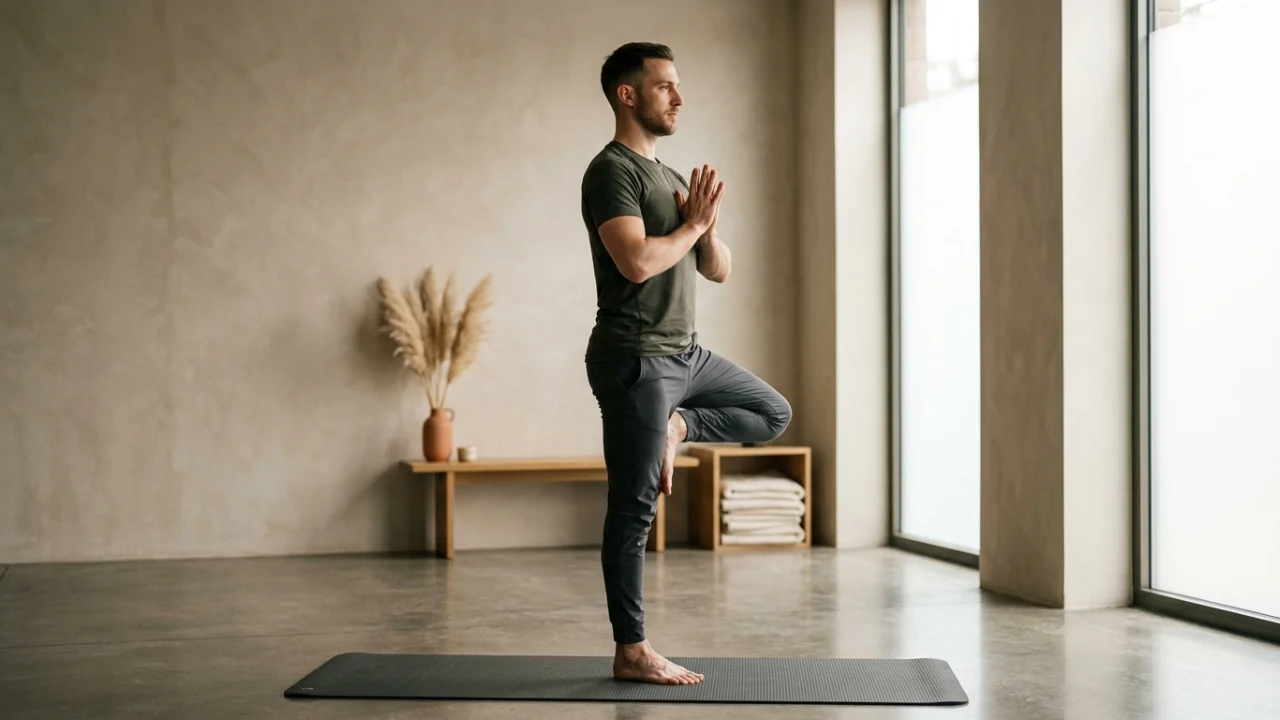
Hatha Yoga
A slower-paced, foundational practice focused on alignment and longer holds.
Explore Guide →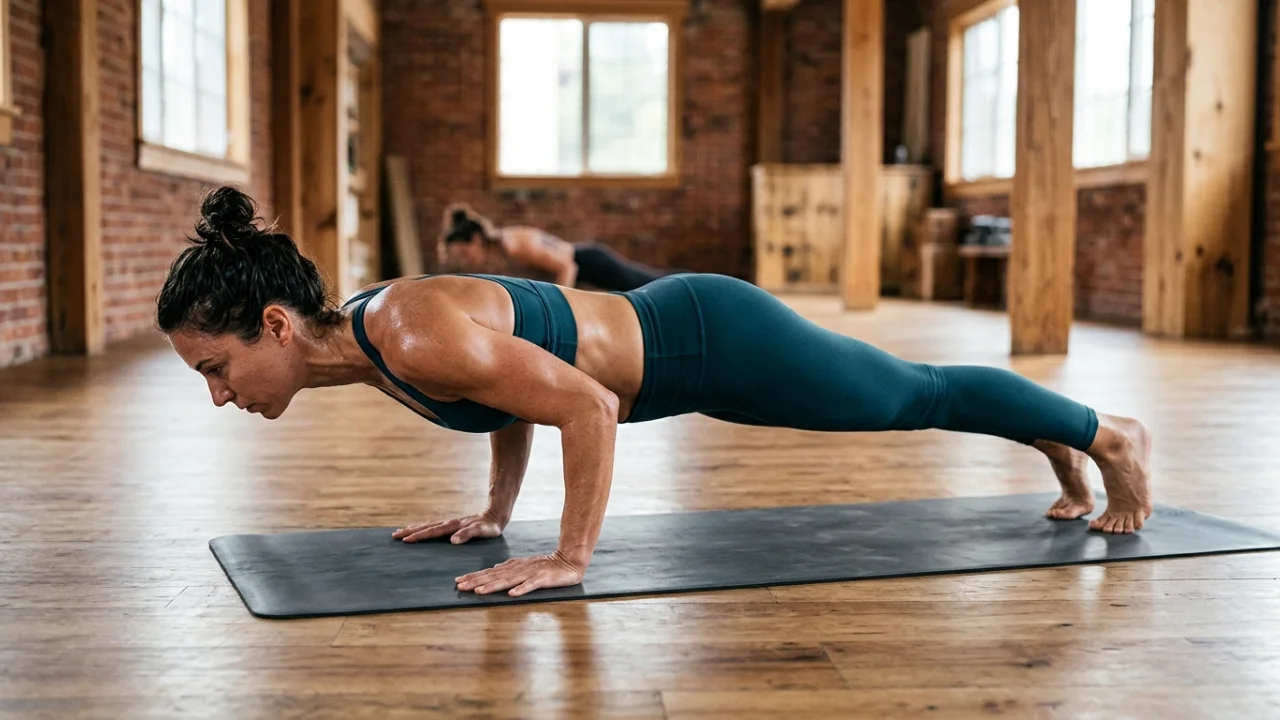
Ashtanga Yoga
A vigorous, highly structured practice following a strict, fixed sequence.
Explore Guide →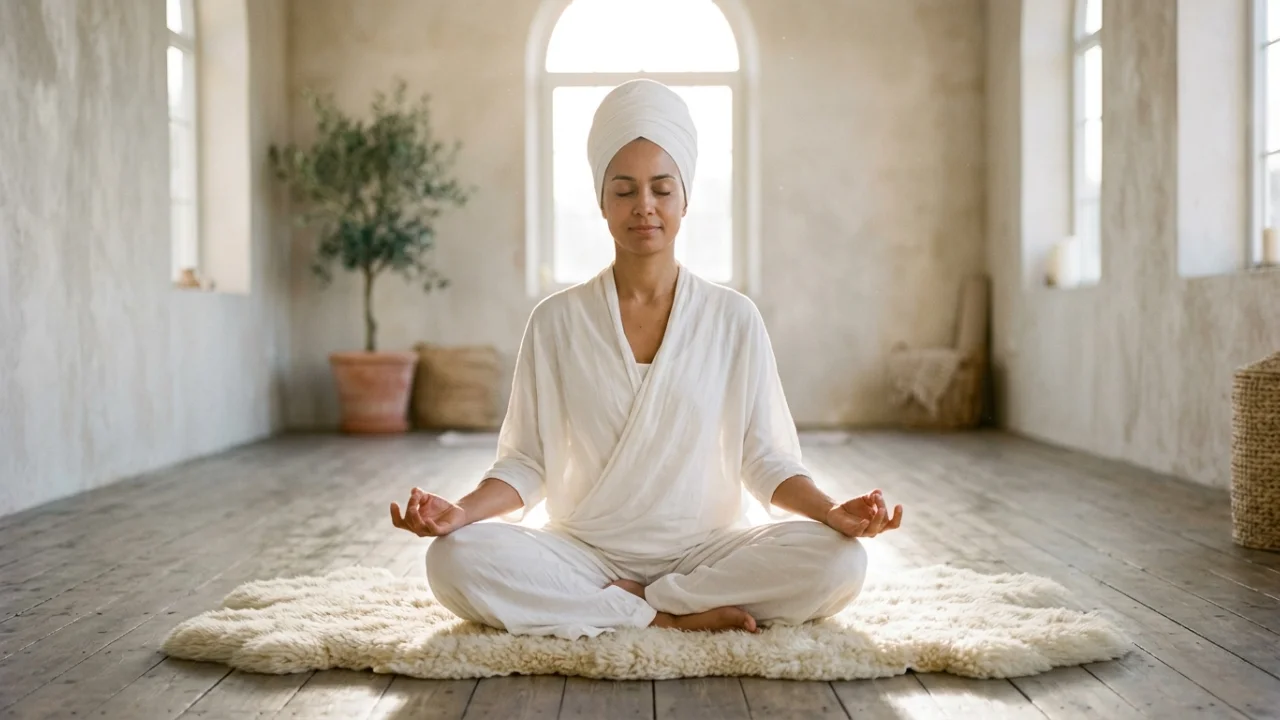
Kundalini Yoga
An uplifting blend of spiritual and physical practices incorporating movement, dynamic breathing techniques, meditation, and chanting.
Explore Guide →