
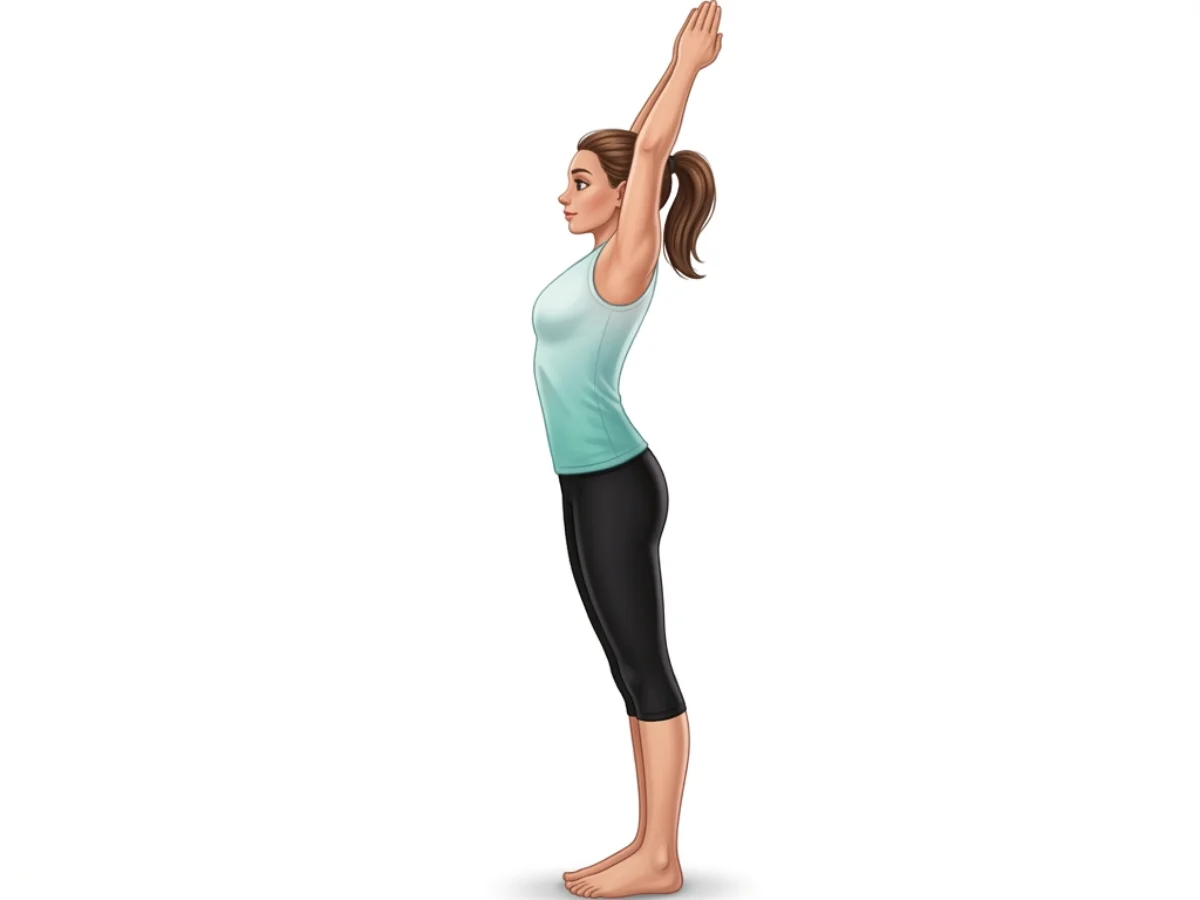
Crescent Moon
Ardha Chandrasana
By Elena Rostova Updated: verified Medically Reviewed
Standing Crescent Moon Pose is an invigorating lateral side bend that beautifully mimics the arching shape of a crescent moon. Frequently practiced near the beginning of standing sequences, it deeply stretches the intercostal muscles between the ribs and the entire side body from the outer heel up to the fingertips.
Hold Time
30–60 sec · 5–10 breaths per side
Pronunciation
ARD-hah chan-DRAHS-anna
About Crescent Moon
Embodying the beauty found in nature, Crescent Moon (Ardha Chandrasana) helps anchor the body while creating a wonderful sense of space. This posture specifically engages the lateral side body opening & ribcage mobility, making it highly effective for developing both strength and mobility. Over time, adding this to your routine is a great way to support enhances respiratory capacity while calming the mind.
How to Practice
Establish Your Foundation
Begin standing tall in Mountain Pose (Tadasana) with your big toes touching and heels slightly separated. Ground down firmly through all four corners of both feet.
Inhale and Reach
Take a deep inhale as you sweep your arms outward and upward overhead. Bring your palms together, interlace all your fingers, and release your index fingers to point straight up (steeple grip).
Lengthen the Spine
Before bending, focus on vertical extension. Press down through your heels and pull your lower abdomen in, reaching your fingertips as high toward the ceiling as possible.
Exhale and Arch
Slowly exhale as you arc your torso to the right side, pushing your hips slightly to the left to counter-balance. Keep your arms squeezing gently against your ears.
Maintain Alignment
Ensure your chest remains open and faces forward, resisting the urge to let your top (left) shoulder collapse forward or your hips to twist out of square.
Deepen the Stretch
With every inhale, feel the length increase along your left side body. With every exhale, see if you can soften a fraction deeper into the lateral bend without forcing it.
Hold and Breathe
Hold the pose for 5 to 10 slow, rhythmic breaths, keeping your throat relaxed and your gaze straight ahead or slightly upward.
Return to Center
To release, inhale strongly and use your core strength to pull your torso back to the upright, vertical starting position.
Repeat on the Left
Re-establish your vertical length, then exhale to arc your torso to the left, pushing your hips to the right, maintaining the pose for an equal duration on this side.
Final Release
Return to center on an inhale, and exhale as you slowly release your arms back down by your sides into Mountain Pose.
Practice with the Yoga Timer
Keep track of your hold time and breath count for this pose.
Beginner Modifications & Prop Options
Yoga is a personal journey. These modifications and prop options allow you to adapt the pose to your current level of balance and flexibility, ensuring a safe and supportive practice.
Wider Stance
Separate your feet to hip-width apart. This wider base makes it easier to balance and provides more space in the lumbar spine.
Tip: Focus on alignment rather than depth.
One Arm Lowered
Let the arm on the side you are bending toward rest along your leg. Reach only your top arm overhead to reduce shoulder strain and focus purely on the side stretch.
Tip: Focus on alignment rather than depth.
Wall Support
Stand with your back and heels touching a wall. Keep both shoulder blades and glutes in contact with the wall to train your body to stay in a pure lateral plane.
Tip: Focus on alignment rather than depth.
Benefits of Crescent Moon
Enhances Respiratory Capacity
By stretching the intercostal muscles that connect the ribs, this pose expands the ribcage and allows for deeper, more efficient breathing.
Strengthens Core Stabilizers
Holding a lateral bend against gravity strongly engages the obliques and transversus abdominis to support the spine.
Improves Spinal Flexibility
Lateral flexion restores side-to-side mobility to the spine, counteracting stiffness from static posture and repetitive forward movements.
Tones the Waistline
The deep muscular contraction on the compressed side, paired with the active stretch on the elongated side, helps tone the waist and lateral torso.
Stimulates Digestion
The alternating compression and stretching on the sides of the abdomen subtly massages internal organs, promoting healthy digestion and elimination.
Common Mistakes to Avoid
Mistake: Collapsing the Chest Forward
How to fix: Actively pull your top shoulder slightly back and imagine you are wedged between two panes of glass, moving strictly side-to-side.
Mistake: Compressing the Lower Back
How to fix: Always prioritize vertical length before you bend sideways. Imagine lifting up and over a large beach ball.
Mistake: Locking the Knees
How to fix: Keep a micro-bend in both knees and keep the quadriceps engaged by lifting the kneecaps slightly upward.
Safety and Precautions
Herniated Discs or Severe Spinal Issues
Extreme lateral flexion can compress spinal discs. Proceed with extreme caution and keep the bend very shallow.
Shoulder Injuries
If reaching both arms overhead causes sharp pain or impingement, utilize the one-arm modification.
Low Blood Pressure or Dizziness
Tilting the head deeply to the side while looking up can occasionally cause lightheadedness. Keep your gaze neutral, looking straight forward.
Medical Disclaimer: If you have any of the above conditions, consult your doctor or a qualified yoga instructor before attempting this pose.
Muscles Worked in Crescent Moon
Crescent Moon demands synchronized muscular effort, creating a profound sense of engagement and release throughout the body. The activation of the primary muscles supports the structure, while the secondary muscles provide stability and balance.
Primary Muscles
Internal and External Obliques
Contract on the bending side; stretch deeply on the lengthening side.
Latissimus Dorsi
Stretches powerfully along the outer edge of the back and ribs.
Intercostals
Expand between the ribs on the lengthened side to allow for deeper breathing.
Secondary Muscles
Quadratus Lumborum (QL)
Deep lower back muscle that stretches intensely on the elongated side.
Gluteus Medius
Engages to stabilize the hips and prevent them from swaying out of alignment.
Triceps Brachii
Contract slightly to keep the arms straight overhead.
Poses to Practice Before and After Crescent Moon
Prepare with these Poses
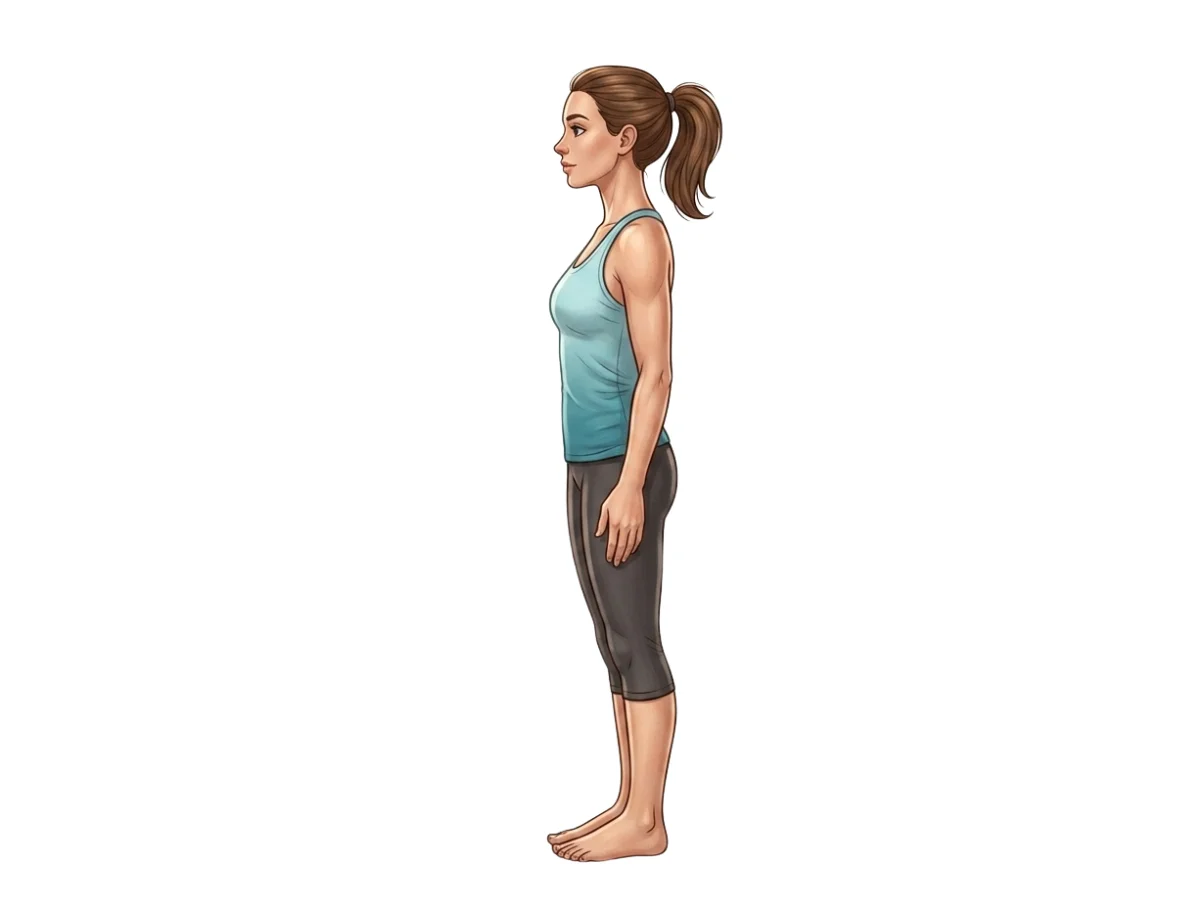
Mountain Pose
TadasanaEstablishes the foundational grounding and postural alignment necessary before initiating the side bend.
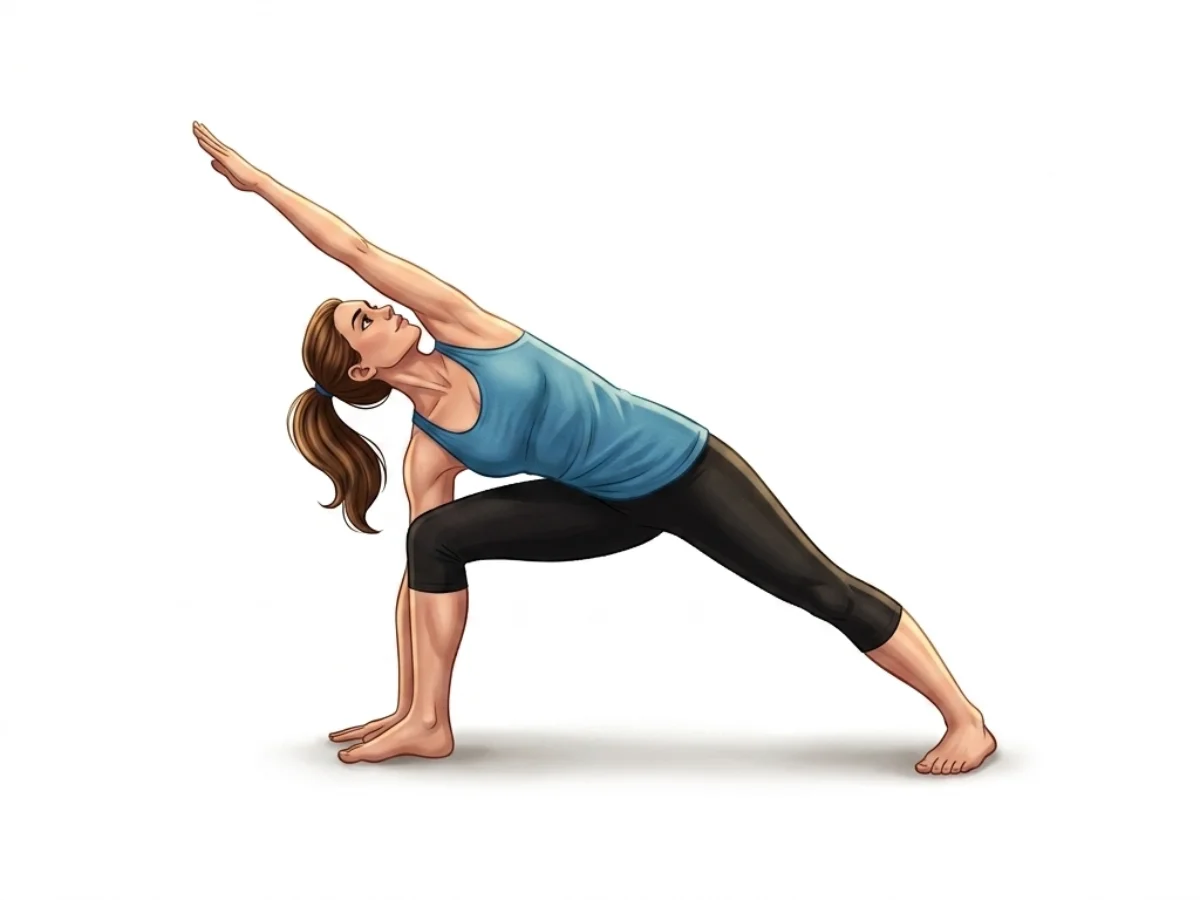
Extended Side Angle
Utthita ParshvakonasanaBegins to stretch the lateral side body deeply while keeping the hips open and grounded in a lunge.
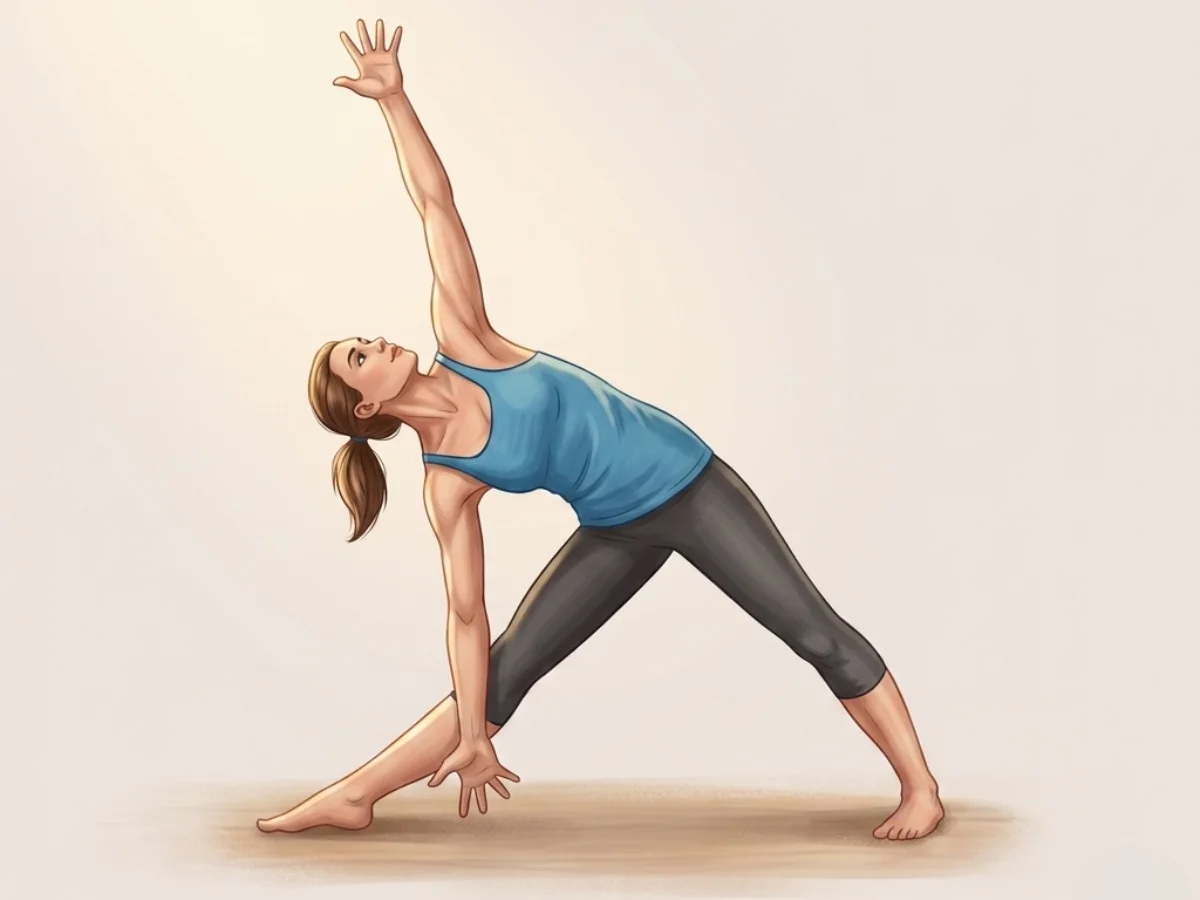
Triangle
TrikonasanaA complex standing posture that prepares the spine and hips for deep lateral extension.
Follow with neutralizing Counter-poses
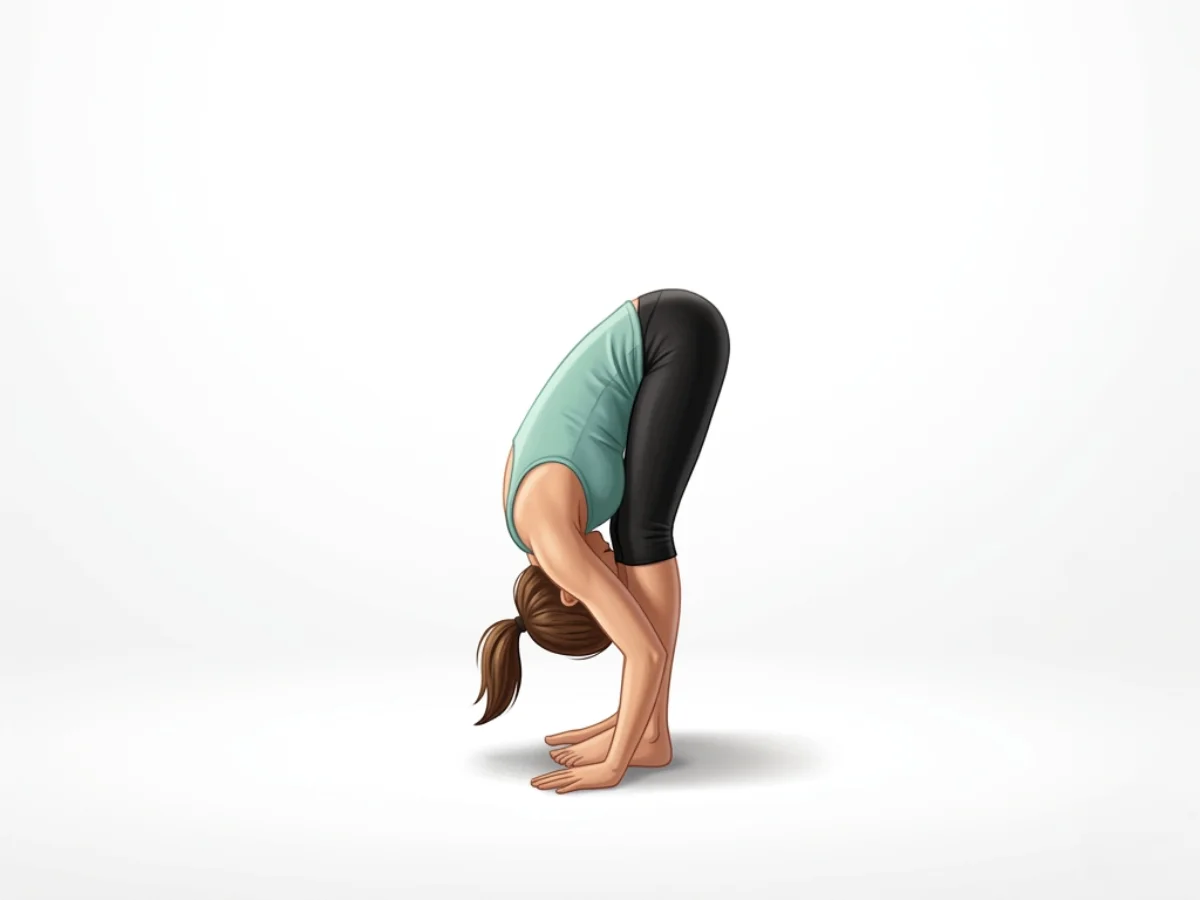
Standing Forward Bend
UttanasanaProvides symmetrical forward flexion to neutralize the spine after deep lateral stretches.
Mountain Pose
TadasanaReturns the body to a neutral, perfectly vertical axis to integrate the effects of the posture.
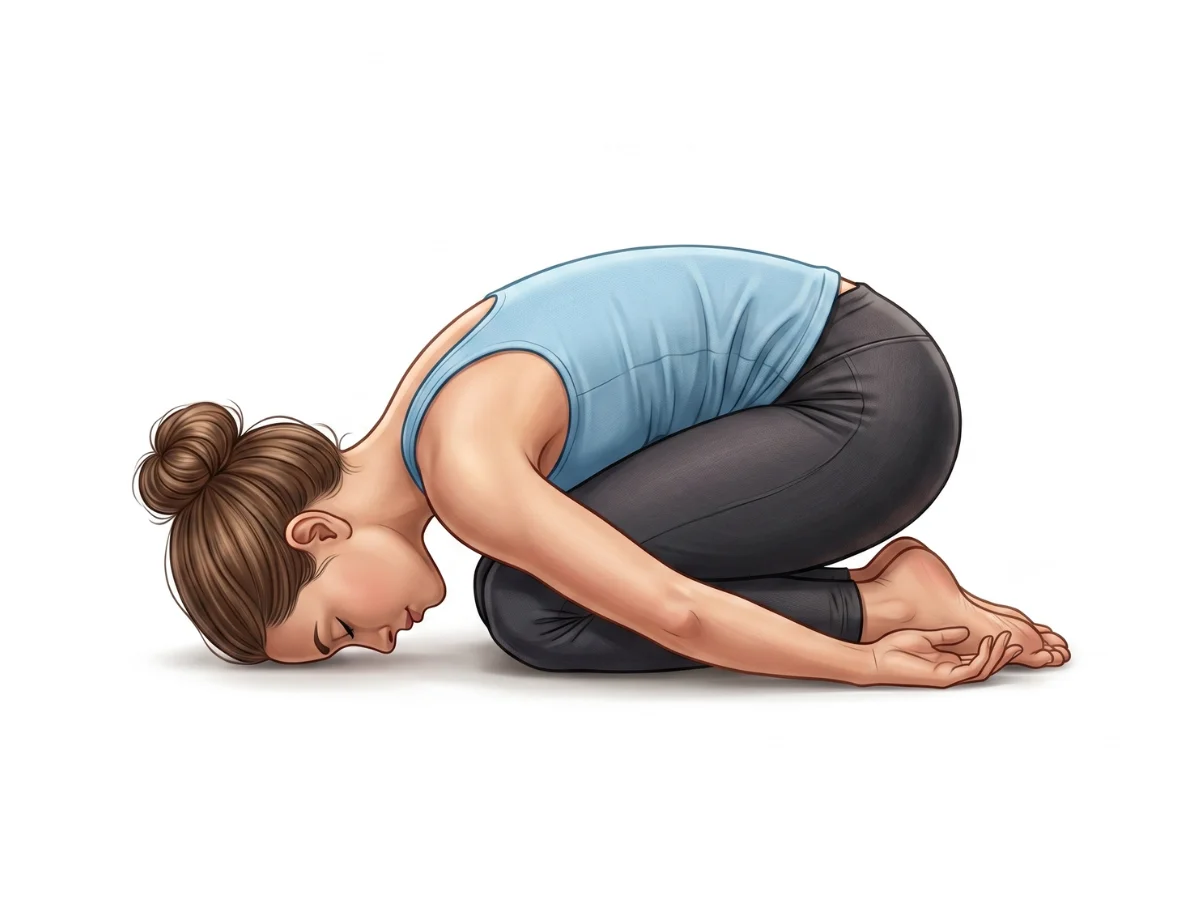
Child's
BalasanaA gentle, restorative shape that allows the spine to rest and resets the nervous system.
Frequently Asked Questions
How do I stop my lower back from hurting in this pose?
Lower back pain in lateral bends usually comes from compressing the lumbar spine. Focus on growing taller through the crown of your head before you bend to the side.
Should I look up or down during the pose?
Traditionally, the gaze is slightly upward, looking underneath the top arm to encourage the chest to stay open. However, if this strains your neck, it is perfectly fine to look straight ahead or even down at the floor.
Why does it feel harder to breathe on the compressed side?
Because you are literally compressing the ribs on one side of your body, lung expansion is restricted there. Focus your breath awareness into the open, stretched side of your ribcage, allowing the intercostal muscles there to expand fully.
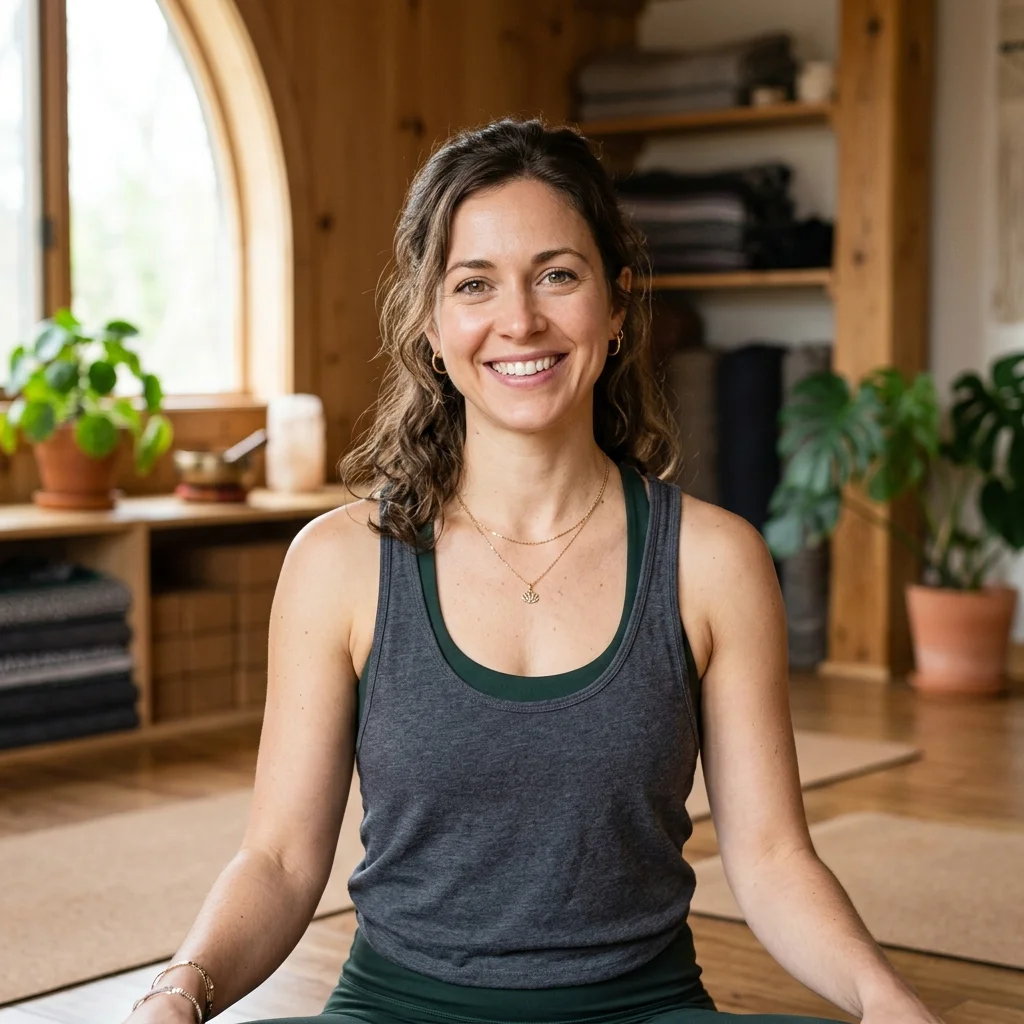
Elena Rostova is an accredited yoga educator and anatomy specialist with over 15 years of clinical experience. She focuses on functional biomechanics and injury prevention, translating complex anatomy into accessible guidance for safe, sustainable practice.
Read Full ProfileContinue Your Yoga Journey
Ready to deepen your practice? Explore our extensive library of poses, or join a structured program designed to build strength, flexibility, and mindfulness.