

History & Origins of Kundalini Yoga
For centuries, Kundalini was a highly guarded secret in India, considered too powerful for the general public.
A Guarded Master-to-Student Lineage
The practice was passed down verbally from master to a single chosen student, kept hidden due to its ability to rapidly alter human consciousness.
Yogi Bhajan Brings It to America
Yogi Bhajan broke tradition and began teaching Kundalini publicly in the US, offering it as a holistic, drug-free way to expand awareness and heal the nervous system.
What Makes Kundalini Unique?
A Kundalini class looks absolutely nothing like a typical yoga class. Here are six defining traits of the practice:
Kriyas Instead of Flows
You don't do "flows." You do a Kriya—an exact, unchangeable sequence of postures, breath, and sound prescribed by Yogi Bhajan for a specific outcome.
Breath of Fire
A rapid, rhythmic, and continuous breath through the nose, powered by pumping the navel. It builds massive internal heat and oxygenates the blood.
Chanting and Mantras
Classes involve significant out-loud chanting in Gurmukhi (a sacred Indian language) to use the vibration of sound to alter brainwaves.
Intense Repetition
You might be asked to hold your arms up in a V-shape and do Breath of Fire for 11 minutes straight. It tests mental willpower more than physical strength.
Wearing White & Head Coverings
Teachers and serious practitioners wear white natural fibers to expand their electromagnetic field (aura) and cover their heads to contain the rising energy.
Eyes Closed, Focused at the Third Eye
For 90% of the class, your eyes will be closed, rolled slightly up and inward to focus on the space between your eyebrows (the Third Eye).
Kundalini vs. Vinyasa
| Feature | Kundalini Yoga | Vinyasa Yoga |
|---|---|---|
| Primary Focus | Moving energy and altering consciousness | Physical alignment and cardiovascular flow |
| Movement Style | Repetitive actions held for 3-11 minutes | Continuous flowing transitions |
| Chanting | Essential and continuous | Rare (sometimes one "Om" at the end) |
| Breathwork | Intense (Breath of Fire) | Steady (Ujjayi) |
10 Fundamental Kundalini Poses & Actions
In Kundalini, you rarely hold a pose still. You repeat a specific movement within the pose to move energy.
Ego Eradicator
N/ASeated, arms at 60 degrees, fingers curled, thumbs pointing up. Paired with Breath of Fire to open the lungs and clear the aura.
Spinal Flex (Camel Ride)
N/ASeated, inhaling chest forward, exhaling spine back. Pumps spinal fluid and awakens energy at the base of the spine.
Sufi Grind
N/ASeated, rotating the torso in large circles. Massages the digestive organs and unblocks the Root and Sacral chakras.
Sat Kriya
Sat KriyaSitting on heels, arms straight up, chanting "Sat" (pulling navel in) and "Nam" (relaxing navel). The master kriya.
Stretch Pose
N/ALying on back, head and feet lifted 6 inches off the ground, doing Breath of Fire. Incinerates core weakness.
 Advanced
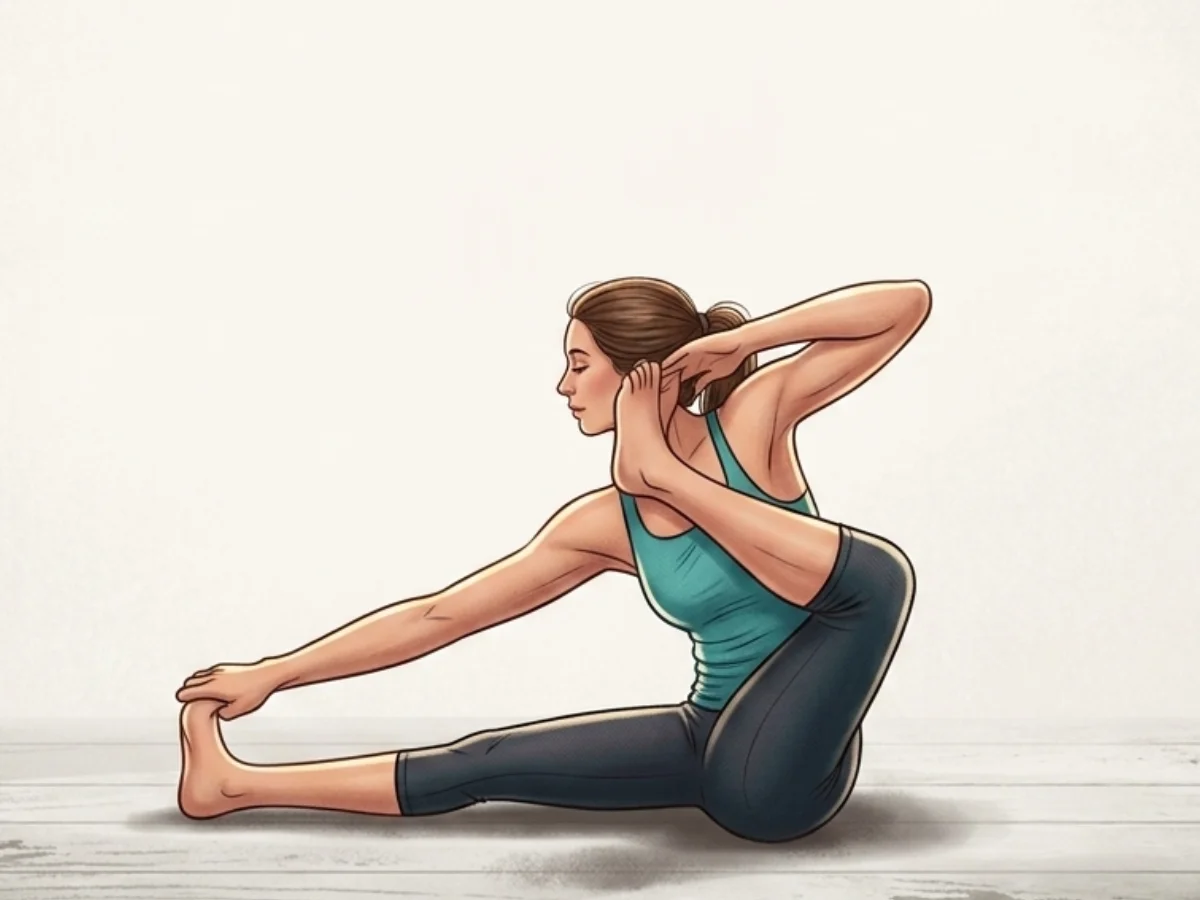
Frog Poses
Mandukasana (Variation)Squatting on toes, inhaling hips up to straighten legs, exhaling back to squat. Usually done rapidly 26 or 54 times.
 Beginner
Archer Pose
Virabhadrasana VariationA standing lunge pulling an imaginary bow. Builds immense courage, focus, and radiant body strength.
 Intermediate
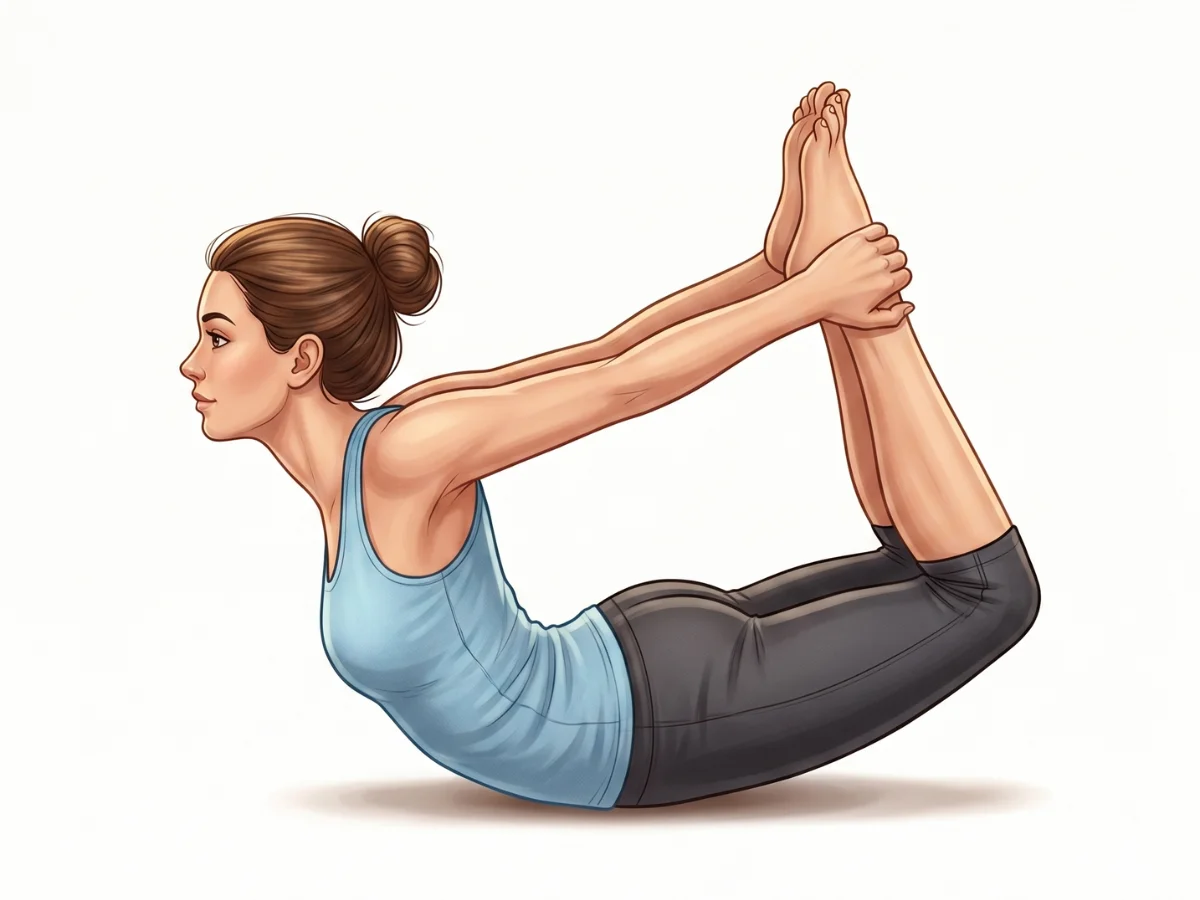
Bow Pose
DhanurasanaLying on belly, grabbing ankles, and rocking back and forth with the breath. Excellent for digestion.
 Beginner
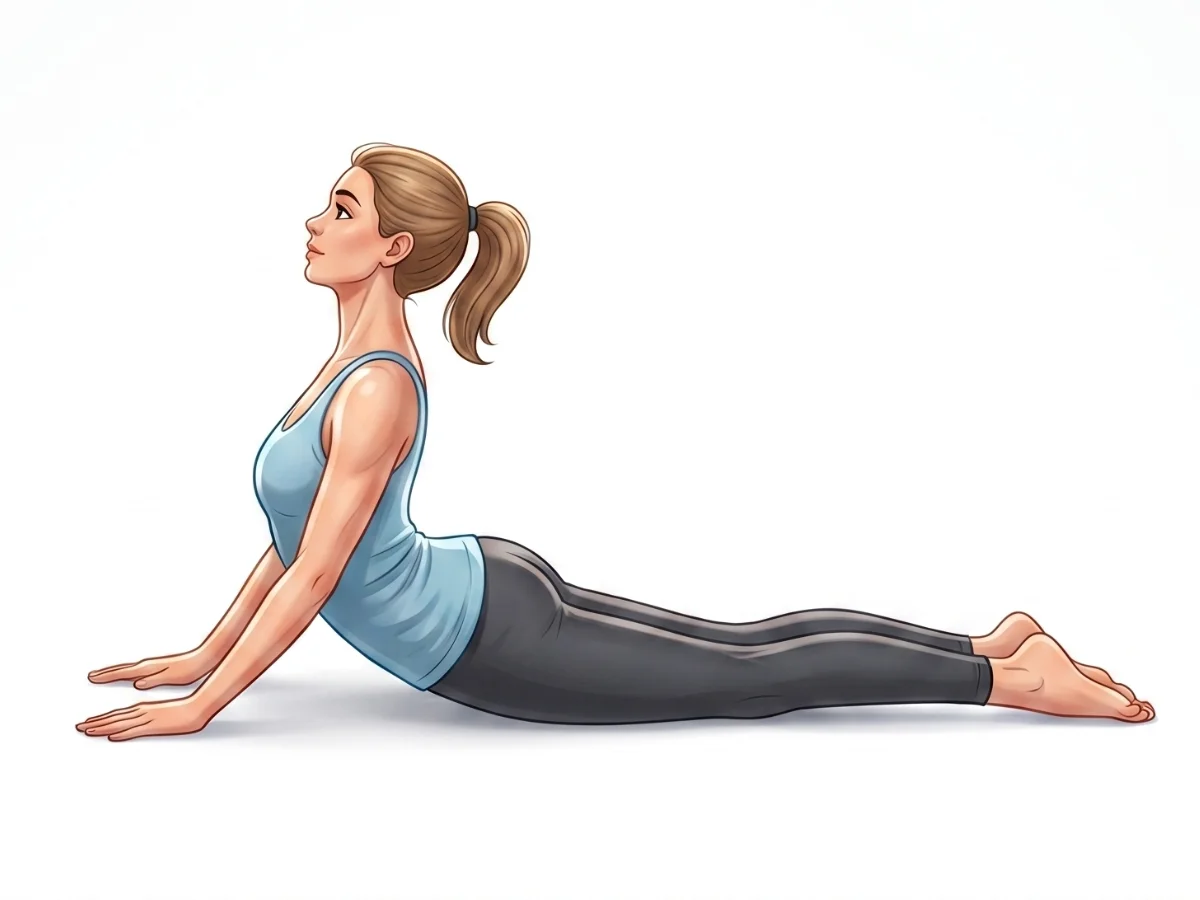
Cobra Pose
BhujangasanaUsed frequently in Kundalini to open the Heart and Throat chakras, often held for several minutes.
Alternate Nostril Breathing
Nadi ShodhanaNot a physical pose, but a vital pranayama used to balance the left and right hemispheres of the brain.
Introductory Kundalini Kriya (Awakening the Spine)
A basic Kundalini practice to prepare the spine for meditation. Do these with your eyes closed, focused at the Third Eye point. (If you cannot do Breath of Fire, do long deep breathing).
| # | Pose Name | Duration | Key Instruction |
|---|---|---|---|
| 1 | Tune In (Adi Mantra) Ong Namo Guru Dev Namo | 3 Times | Hands in prayer at the heart center. Chant the mantra 3 times to connect to the golden chain of teachers. |
| 2 | Sufi Grind (Right) N/A | 2 Min | Sitting cross-legged, inhale chest forward to the right, exhale spine back to the left. |
| 3 | Sufi Grind (Left) N/A | 2 Min | Reverse the direction of your circles. Feel the lower spine loosening. |
| 4 | Spinal Flex N/A | 3 Min | Hands on shins. Inhale chest forward, exhale round the spine back. Move rapidly. |
| 5 | Ego Eradicator N/A | 3 Min | Arms at 60 degrees, thumbs pointing up. Begin rapid Breath of Fire. |
| 6 | Spinal Twist N/A | 2 Min | Fingers on shoulders. Inhale twist left, exhale twist right. Fast pace. |
| 7 | Bear Grip at Heart N/A | 1 Min | Hook fingers together at chest level. Pull hard on the hands while holding the breath. |
| 8 | Stretch Pose N/A | 1 Min | Lie on back, lift head and feet 6 inches. Look at toes. Breath of Fire. |
| 9 | Sat Kriya Sat Kriya | 3 Min | Sit on heels, arms up by ears. Chant "Sat" (pull navel), "Nam" (relax navel). |
| 10 | Frog Pose Mandukasana | 26 Reps | Squat on toes. Inhale hips up to straighten legs, exhale back to squat. |
| 11 | Savasana Savasana | 5-7 Min | Lie flat. Allow the energy you just moved to circulate and heal the body. |
| 12 | Tune Out (Long Time Sun) Sat Nam | 1 Min | Sit up, sing the "Long Time Sun" song, and chant a long "Sat Nam" to close. |
Benefits of Kundalini
Calms the Nerves
The unique breathing exercises train your nervous system to stay calm in stressful situations.
Boosts Energy
The dynamic movements and breathing help balance your body and give you a natural burst of energy.
Releases Blocked Emotions
The combination of chanting and moving helps release emotional baggage and brings a sense of freedom.
Better Breathing
The intense breathing techniques quickly expand your lung capacity and bring more oxygen to your brain.
Builds Willpower
Holding challenging poses for several minutes builds incredible mental toughness and grit.
Clears the Mind
Focusing on meditation and chanting helps clear away mental fog and improves your focus.
Boosts Your Mood
The vocal chanting naturally stimulates your brain to release "feel-good" chemicals, leaving you uplifted.
Medical Disclaimer: Breath of Fire and intense kriyas are not suitable for pregnant women, those with high blood pressure, or people prone to mania/psychosis.
Who is Kundalini Yoga For?
Spiritual Seekers
If you are bored with the "gym-style" physical yoga and want a practice that dives deep into mantra, meditation, and energy work, Kundalini is the ultimate path.
Those Seeking Emotional Breakthroughs
The intense breathing and chanting frequently shake loose repressed emotions, making it highly effective for those feeling stuck in life or recovering from addiction.
Beginner Mistakes Unique to Kundalini
Quitting when the muscles burn
Kundalini is designed to trigger your mind's desire to quit. When your arms ache at minute 3 of an arm pump, dropping them defeats the purpose. The goal is to use the breath to push through the mental block.
Breathing weakly
Breath of Fire requires forceful pumping of the navel. Beginners often just sniffle lightly through the nose. Use your belly like a bellows to fan the flames.
Feeling too self-conscious to chant
Mumbling the mantras because you feel silly robs you of the primary benefit. Chanting vibrates the upper palate, stimulating the pituitary gland. You must chant out loud to feel it.
Opening your eyes
Except for watching the teacher demonstrate the kriya initially, your eyes should remain closed and focused at the Third Eye. Looking around the room leaks your focused energy.
Frequently Asked Questions
Do I have to wear white and a head covering?
What is a Kriya?
What does Sat Nam mean?
Is Breath of Fire safe for everyone?
Is Kundalini a religion or a cult?
Will I awaken my Kundalini energy immediately?
Explore Other Yoga Styles
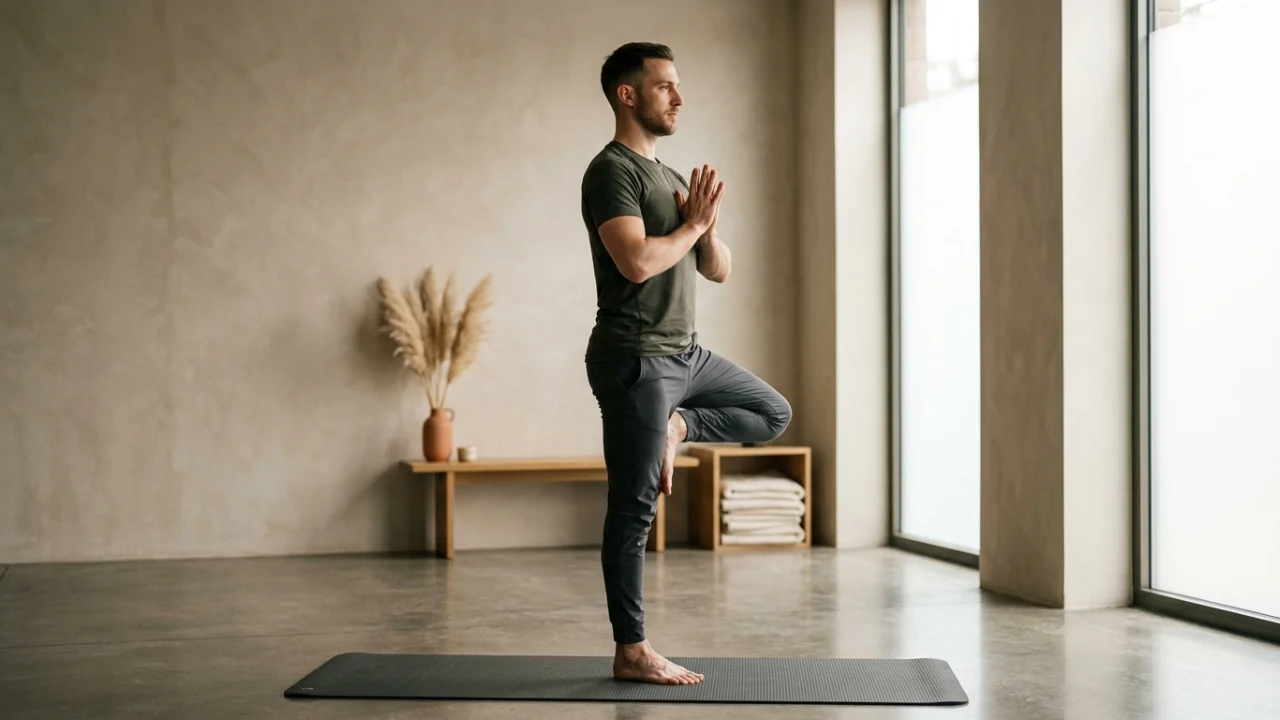
Hatha Yoga
A grounding practice that balances energy through static holds and deep breathing.
Explore Guide →
Vinyasa Yoga
A dynamic, breath-synchronized flow if you prefer physical over spiritual exertion.
Explore Guide →
Ashtanga Yoga
A vigorous, highly structured practice following a strict, fixed sequence.
Explore Guide →