
Archer's
Akarna Dhanurasana
By Elena Rostova Updated: verified Medically Reviewed
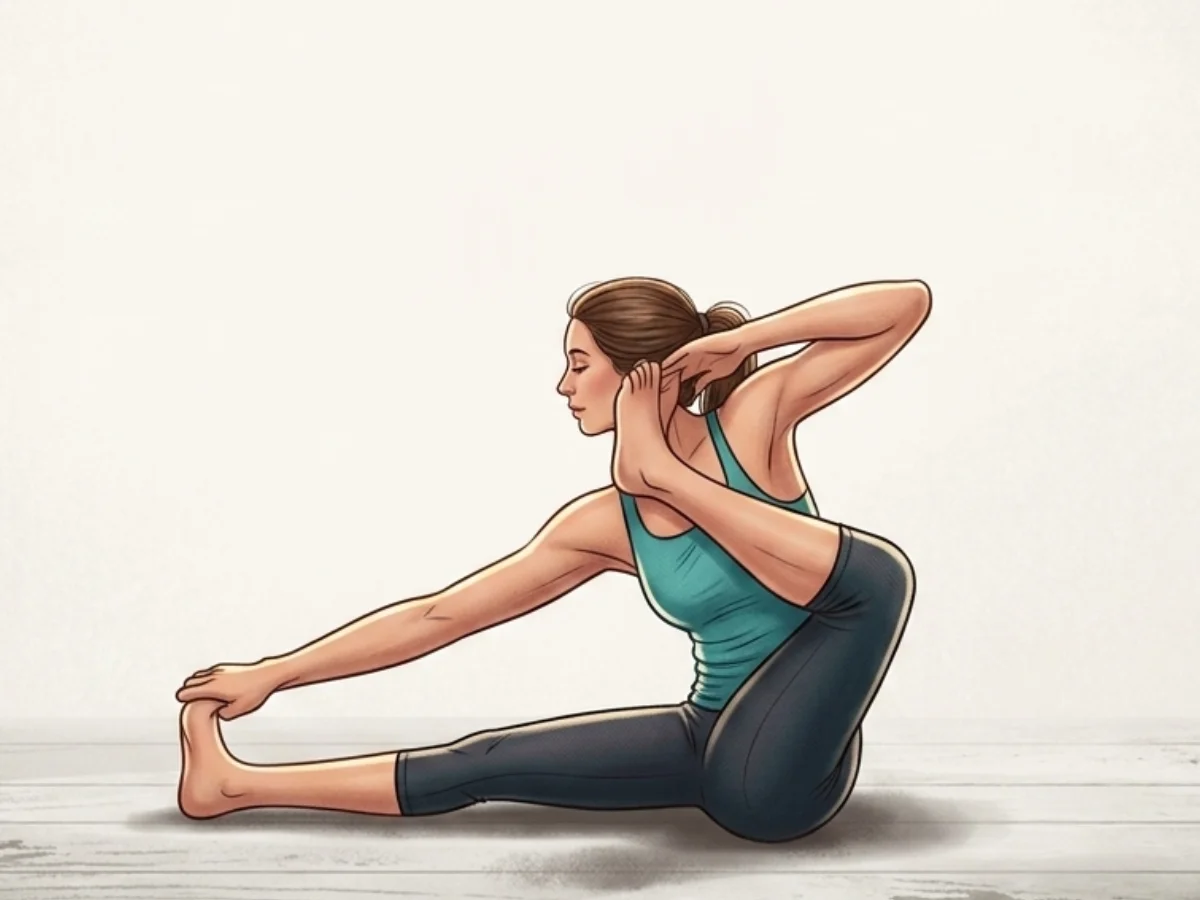
Archer's Pose (Akarna Dhanurasana � "ah-KAR-nah dah-noo-RAHS-anna"), also known as the Shooting Bow Pose, is an advanced seated posture that requires and builds immense flexibility in the hips and hamstrings. By mimicking the form of an archer pulling back a bowstring, practitioners open the chest, stretch the legs profoundly, and challenge their core stability. It is an excellent pose for cultivating focus, building physical and mental resilience, and preparing the body for deeper hip-opening and seated poses in the Ashtanga primary series.
Hold Time
30�60 sec � 5�10 breaths
Pronunciation
ah-KAR-nah dah-noo-RAHS-anna
About Archer's
A vital part of many yoga sequences, Archer's (Akarna Dhanurasana) offers wonderful benefits that go beyond its simple shape. By gently focusing on hip opening & core strength, it actively stretches your muscles and builds heat. Ultimately, it is a fantastic pose for deep hip opening, leaving you with a profound sense of grounded energy.
How to Practice
Starting Position
Begin seated on your mat in Staff Pose (Dandasana) with both legs extended straight out in front of you. Keep your spine long and your sit bones grounded.
Grip the Big Toes
Reach forward and hook your index and middle fingers around the big toes of both feet in a yogi toe lock. If you cannot reach your toes while keeping a straight back, use a yoga strap around each foot.
Engage the Core
Inhale deeply to lengthen your spine, lifting through the crown of your head and drawing your lower abdomen in to support your lower back.
Draw the Bow
Exhale as you bend your right knee and pull your right foot back toward your right ear, keeping your left leg straight and firmly grounded on the mat.
Elbow Placement
Point your right elbow straight back behind you, drawing the shoulder blade down and onto your back to keep your chest open and lifted.
Gaze Forward
Keep your gaze (drishti) fixed straight ahead over your left foot, maintaining the focused concentration of an archer.
Hold and Breathe
Hold the pose for 5 to 10 deep breaths, keeping the extended leg active by flexing the left foot and pressing the thigh down into the mat.
Release with Control
Inhale as you slowly release the right foot and extend the right leg back out to meet the left leg in Dandasana.
Repeat on the Other Side
Take a breath in Dandasana, then repeat the pose on the other side, pulling the left foot back toward the left ear for an equal number of breaths.
Final Rest
After completing both sides, release the toe lock and sit quietly in Dandasana or lie back in Corpse Pose (Savasana) to integrate the effects.
Practice with the Yoga Timer
Keep track of your hold time and breath count for this pose.
Beginner Modifications & Prop Options
Yoga is a personal journey. These modifications and prop options allow you to adapt the pose to your current level of balance and flexibility, ensuring a safe and supportive practice.
Use a Yoga Strap
Loop a yoga strap around each foot instead of reaching for the toes to maintain a tall, straight spine while drawing the foot back.
Tip: Focus on alignment rather than depth.
Lower Target Height
Draw the foot toward your shoulder or chest instead of the ear to maintain an open chest without forcing flexibility.
Tip: Focus on alignment rather than depth.
Sit on a Prop
Place a folded blanket or block under the sit bones to elevate the hips, tilting the pelvis forward and keeping the spine straight.
Tip: Focus on alignment rather than depth.
Benefits of Archer's
Deep Hip Opening
Intensely stretches the hip flexors, abductors, and glutes on the bent-leg side, increasing overall pelvic mobility.
Hamstring & Calf Flexibility
Provides a profound stretch to the hamstrings and calves of the extended leg, promoting lower body flexibility.
Core Strengthening
Requires strong abdominal engagement to maintain an upright spine while balancing the dynamic tension of the pose.
Chest & Shoulder Expansion
Drawing the arm back opens the pectoral muscles and front of the shoulder, countering the effects of forward-hunching posture.
Improves Focus & Concentration
The specific visual focal point (drishti) and the physical balance required help calm the mind and sharpen mental clarity.
Common Mistakes to Avoid
Mistake: Rounding the Spine
How to fix: Prioritize a straight, tall spine over how far back you can pull the foot. Use a strap if necessary to maintain alignment.
Mistake: Letting the Extended Leg Roll Out
How to fix: Keep the extended leg actively engaged, foot flexed, and toes pointing straight up toward the ceiling.
Mistake: Dropping the Elbow
How to fix: Keep the elbow lifted and pointing straight back, engaging the muscles of the upper back to support the arm.
Safety and Precautions
Hip or Knee Injuries
The extreme flexion and rotation of the hip and knee on the pulled leg can exacerbate existing injuries.
Lower Back Issues
Individuals with herniated discs or sciatica should approach this pose with caution, as it requires intense spinal stability and hamstring flexibility.
Shoulder Injuries
The pulling action places significant stress on the shoulder joint and rotator cuff. Avoid if you have active shoulder pain or inflammation.
Pregnancy
The deep core compression and intense pelvic opening make this pose unsuitable for pregnant practitioners, particularly in later trimesters.
Hamstring Tears
Ensure full recovery from any hamstring injuries before attempting this deep stretch on the extended leg.
Medical Disclaimer: If you have any of the above conditions, consult your doctor or a qualified yoga instructor before attempting this pose.
Muscles Worked in Archer's
Archer's demands synchronized muscular effort, creating a profound sense of engagement and release throughout the body. The activation of the primary muscles supports the structure, while the secondary muscles provide stability and balance.
Primary Muscles
Hip Flexors (Iliopsoas)
Actively contract to lift and pull the bent leg backward.
Hamstrings
Stretch deeply on the extended leg.
Latissimus Dorsi
Engages to draw the arm and shoulder back.
Secondary Muscles
Rectus Abdominis
Stabilizes the torso and keeps the spine upright.
Biceps Brachii
Contracts to bend the elbow and pull the foot toward the ear.
Gluteus Medius
Works to stabilize the pelvis during the asymmetrical movement.
Poses to Practice Before and After Archer's
Prepare with these Poses
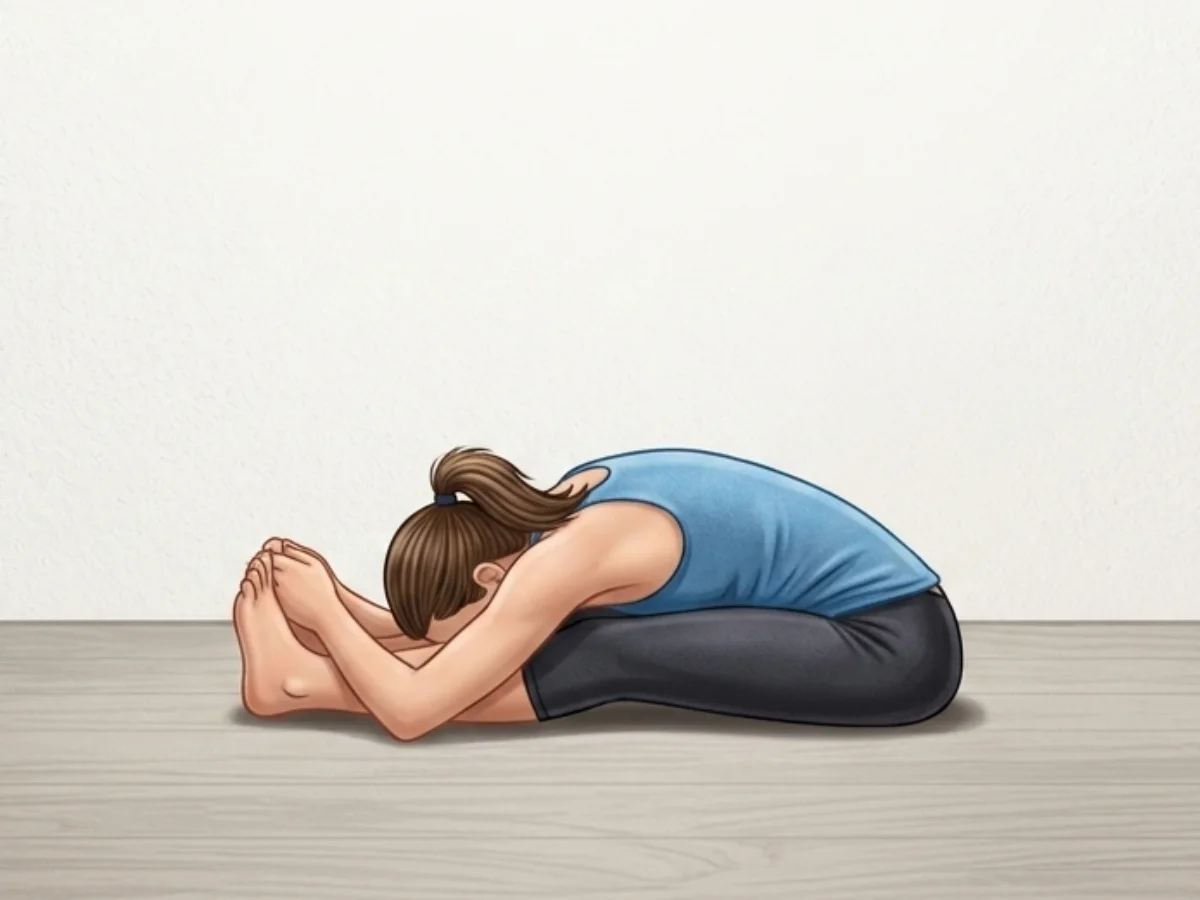
Seated Forward Bend I
PaschimottanasanaOpens the hamstrings and lower back in preparation for the extended leg stretch.
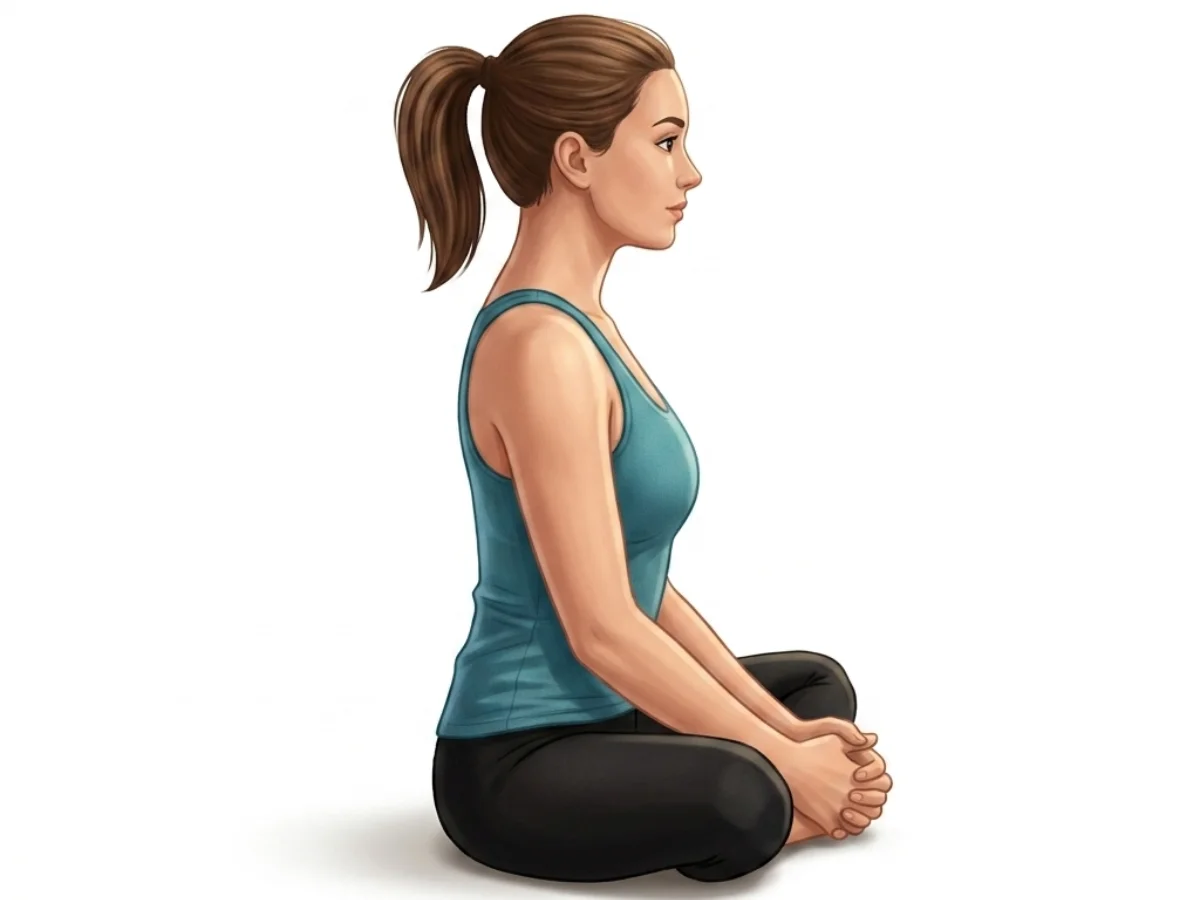
Bound Angle
Baddha KonasanaGently opens the hips and groins, preparing the joints for deeper flexion.
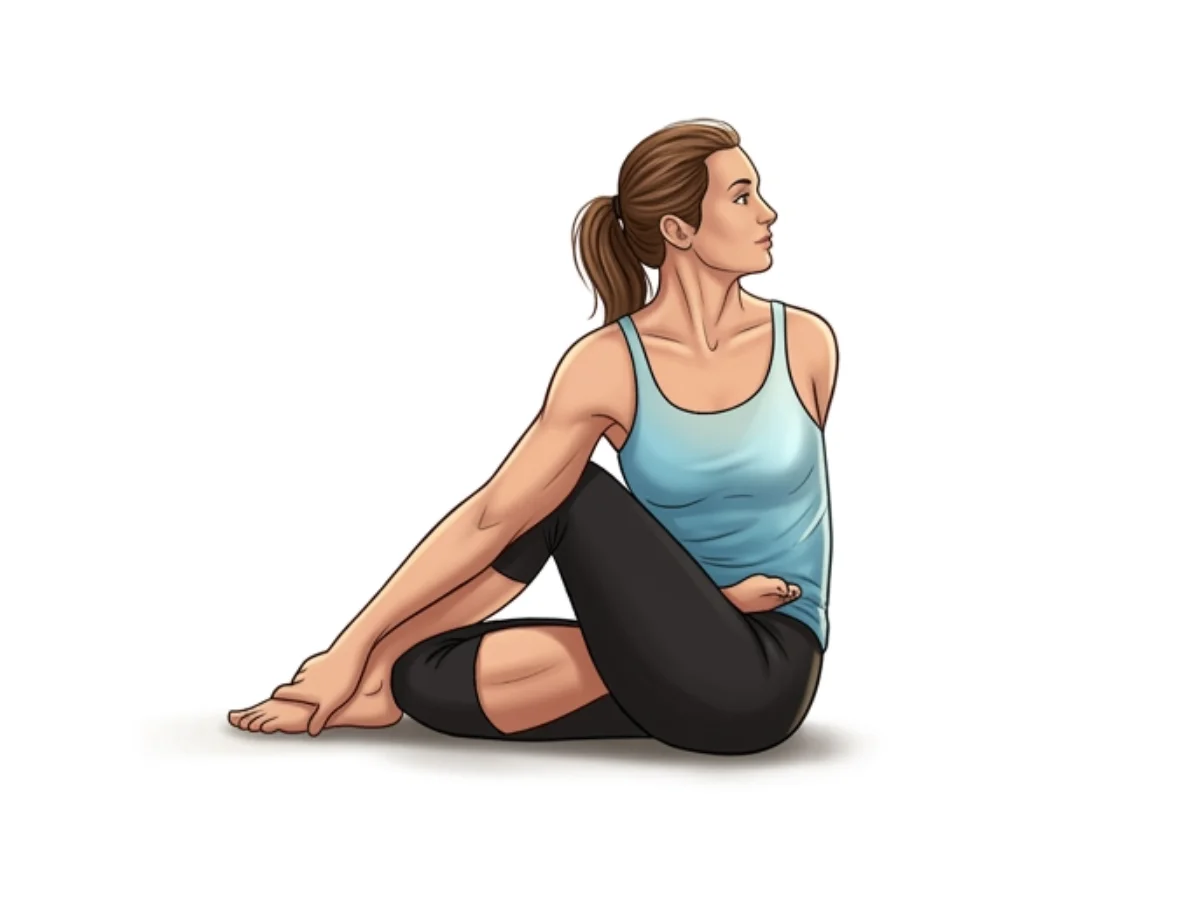
Lord of the Fishes Pose
Ardha MatsyendrasanaIncreases spinal mobility and introduces asymmetrical hip alignment.
Follow with neutralizing Counter-poses
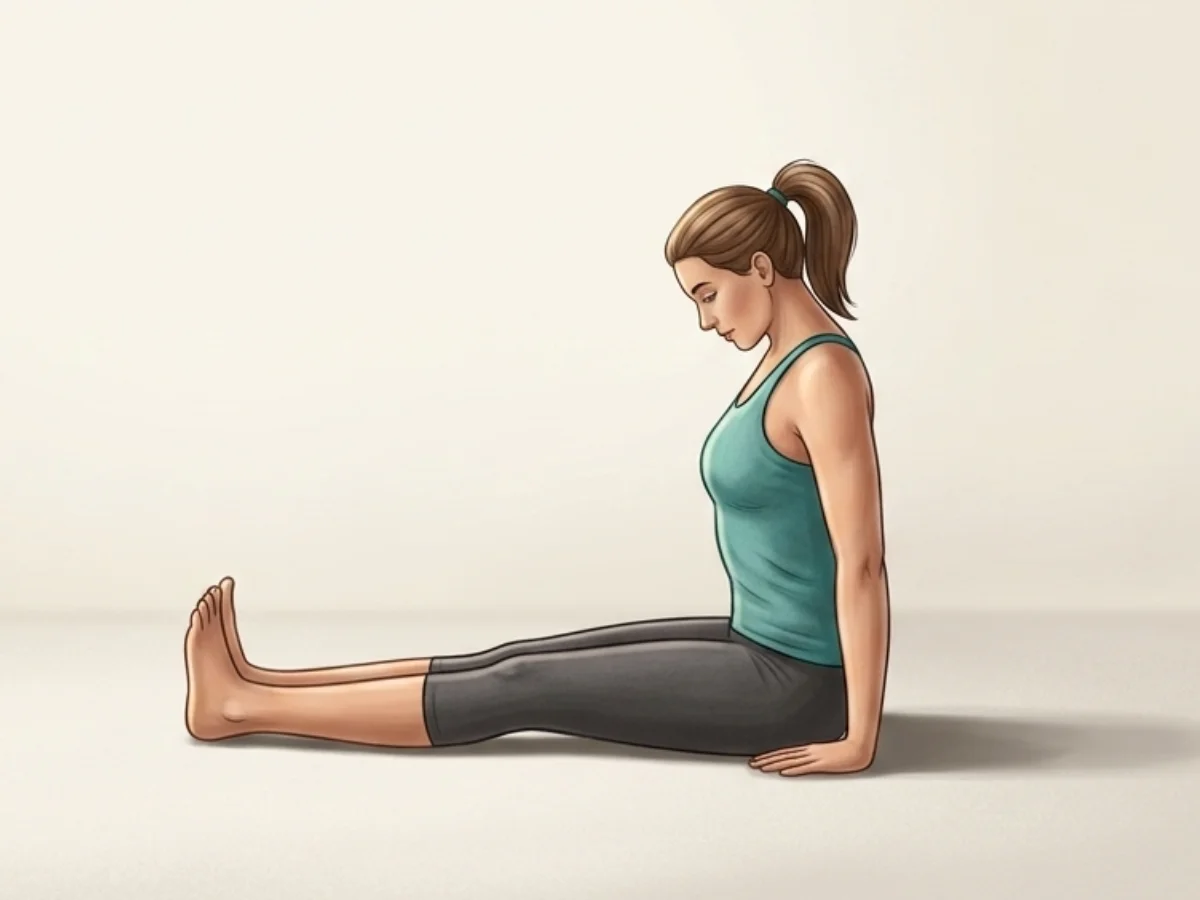
Staff Pose
DandasanaNeutralizes the spine and pelvis, allowing the body to return to symmetry.
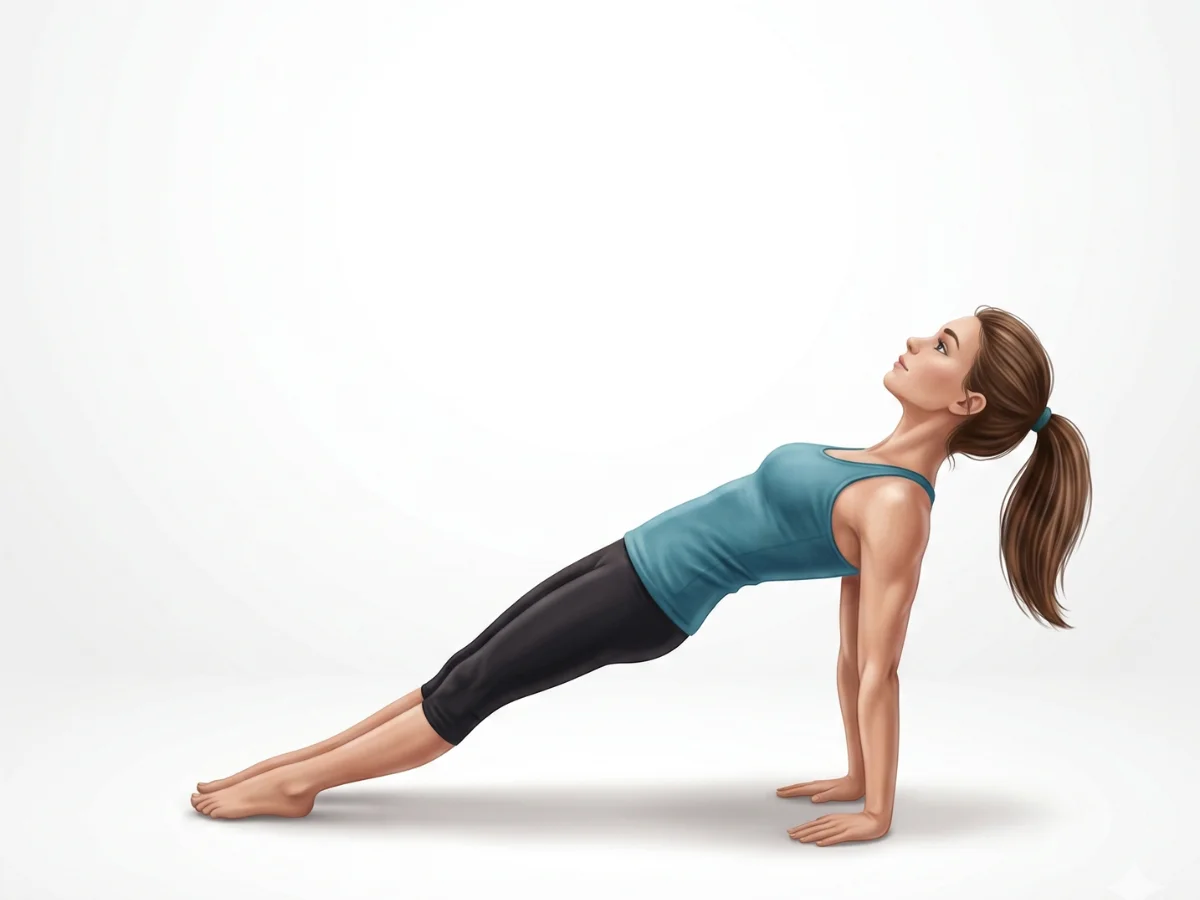
Reverse Plank Pose
PurvottanasanaOpens the front of the body and counters the forward folding and hip flexion.
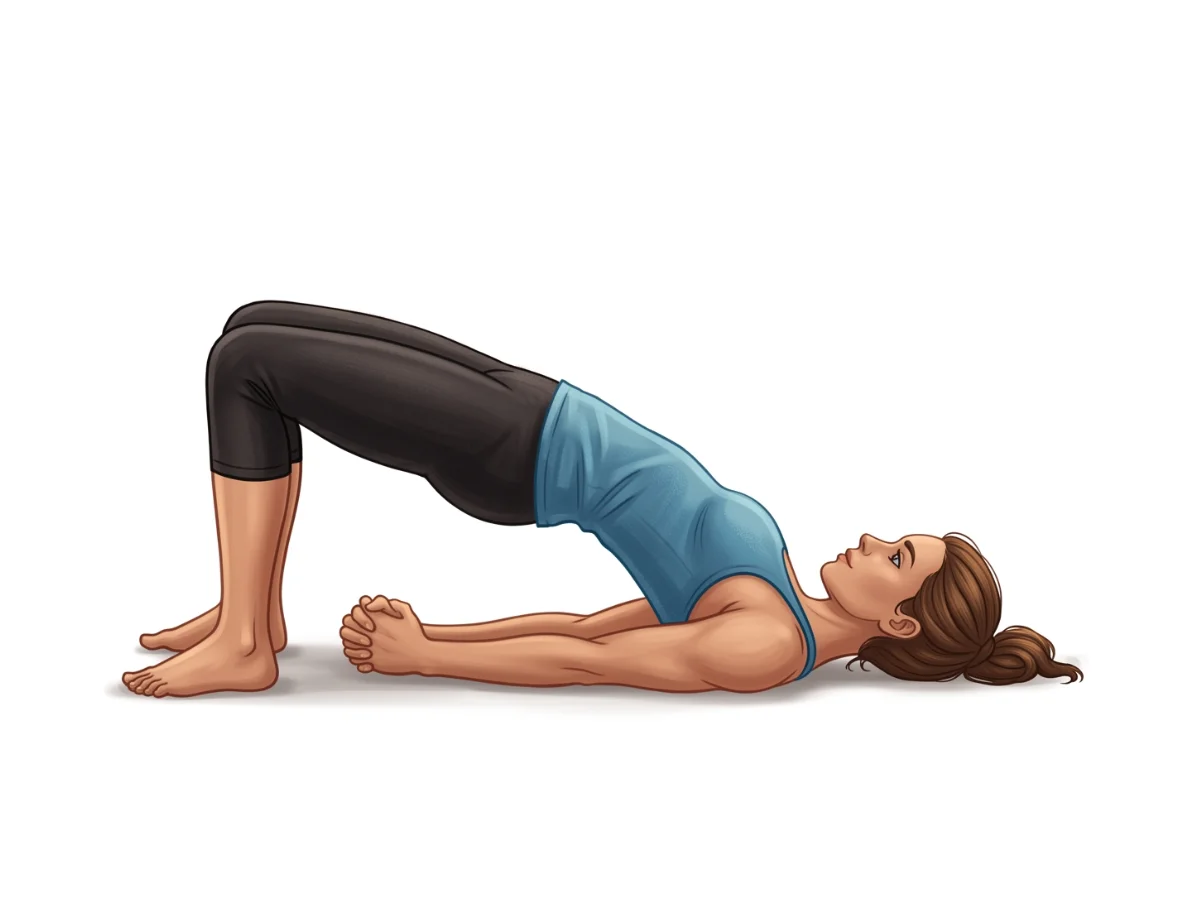
Bridge Pose
Setu BandhasanaReleases the hip flexors and gently extends the spine.
Frequently Asked Questions
Do I have to bring my foot all the way to my ear?
No, pulling the foot to the ear is the full expression of the pose, but it requires significant flexibility. Focus on the action of pulling back and keeping the chest open.
Why does my lower back round when I try to pull my leg back?
Rounding in the lower back usually indicates tightness in the hamstrings or hips. To protect your spine, use a strap around your foot or sit on a folded blanket to elevate your hips.
How can I keep my extended leg straight?
Actively engage the quadriceps of the extended leg to press the back of the thigh and knee toward the floor. Flexing your foot and pointing your toes toward the ceiling will also help keep the leg active and grounded.
Elena Rostova is an accredited yoga educator and anatomy specialist with over 15 years of clinical experience. She focuses on functional biomechanics and injury prevention, translating complex anatomy into accessible guidance for safe, sustainable practice.
Read Full ProfileContinue Your Yoga Journey
Ready to deepen your practice? Explore our extensive library of poses, or join a structured program designed to build strength, flexibility, and mindfulness.